
Cold storage warehousing plays a critical role in protecting temperature-sensitive products throughout the supply chain. From fresh food and dairy products to frozen seafood and pharmaceuticals, different goods require different storage conditions. Choosing the right warehouse design and storage system helps you maintain product quality, use available space efficiently, and manage operating costs.
However, building an effective cold storage warehouse involves more than installing refrigeration equipment. You also need to consider temperature zones, inventory turnover, storage density, equipment reliability, energy consumption, and warehouse management software.
In this guide, we explain common cold storage temperature ranges, compare warehouse storage systems, and outline how you can evaluate automation solutions for your facility.
What Is Cold Storage Warehousing?
Cold storage warehousing refers to the storage of products in temperature-controlled environments to maintain their quality, safety, or stability during distribution and inventory management.
Unlike conventional warehouses, cold storage facilities must maintain specified environmental conditions. Depending on the products stored, these may include controlled temperature, humidity, ventilation, and continuous monitoring.
Cold storage warehousing is commonly used in:
-
Food and beverage distribution
-
Meat and seafood processing
-
Dairy production
-
Frozen food manufacturing
-
Pharmaceutical and healthcare logistics
-
Agricultural storage
-
Temperature-sensitive chemical and industrial applications
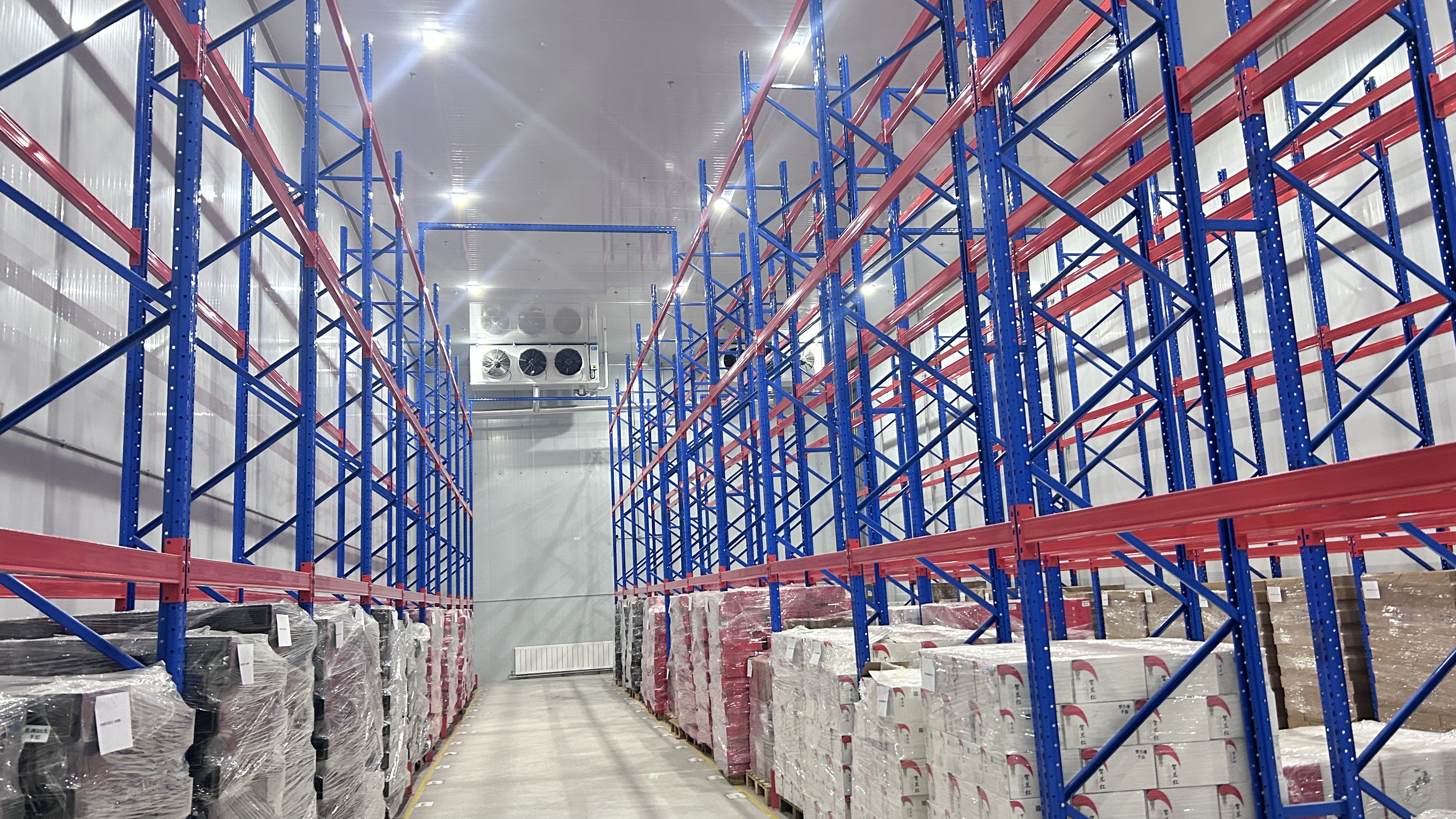
For warehouse operators, the challenge is to maintain the required environment while handling inbound and outbound goods efficiently. As storage volumes grow, automated storage and retrieval systems (AS/RS), shuttle systems, and warehouse management software can help improve operational control.
How Does Cold Storage Work?
Cold storage works by maintaining a controlled low-temperature environment to preserve temperature-sensitive products and slow down spoilage. A refrigeration system removes heat from the storage area and transfers it outside, while insulation helps maintain stable indoor conditions.
The basic cold storage process involves several steps:
-
Receiving: Products arrive at the warehouse and undergo inspection and identification.
-
Temperature Control: Refrigeration equipment cools the storage area to the required temperature.
-
Storage: Goods are placed in designated storage locations according to product type and temperature requirements.
-
Monitoring: Temperature sensors and control systems continuously monitor storage conditions.
-
Retrieval and Dispatch: Products are retrieved, checked, and prepared for outbound delivery while minimizing exposure to warmer environments.
The refrigeration system, insulated building structure, monitoring equipment, and warehouse operations work together to maintain product quality throughout storage.
Common Temperature Ranges in Cold Storage and Warehousing
Before selecting a storage system, you should establish the required temperature range for every product category. Temperature requirements influence refrigeration design, equipment specifications, storage zoning, maintenance procedures, and operational workflows.
The following table provides general planning references rather than universal product-storage standards.
| Storage environment | Typical temperature range | Common applications |
| Ambient or dry storage | Usually above +10°C, depending on facility requirements | Dry goods and products that do not require refrigeration |
| Temperature-controlled storage | Approximately +10°C to +18°C | Selected beverages and temperature-sensitive products |
| Chilled storage | Approximately 0°C to +8°C | Fresh foods, dairy products, and selected beverages |
| Near-freezing storage | Approximately -1°C to +2°C | Certain fresh foods requiring tightly controlled conditions |
| Frozen storage | Typically -18°C or below | Frozen meat, seafood, vegetables, and prepared foods |
| Deep-frozen storage | Approximately -25°C to -30°C | Products requiring lower-temperature frozen storage |
| Ultra-low-temperature storage | Below -30°C | Specialized products and processes with specific temperature requirements |
These categories overlap, and the appropriate temperature depends on the product, storage duration, applicable regulations, and customer requirements. For example, some fresh produce is sensitive to temperatures near 0°C, while other products require frozen storage at -18°C or below.
Pharmaceutical products may have specific labeled storage conditions, such as controlled room temperature, refrigerated storage, or frozen storage. You should follow the relevant product labeling and applicable distribution standards rather than applying a general food-storage temperature range.
How Temperature Affects Warehouse Automation
Temperature also determines which automation components can operate reliably.
Chilled environments, approximately 0°C to +8°C: Check the suitability of motors, sensors, electrical components, lubricants, cables, and conveyor systems for refrigerated and humid conditions.
Frozen environments, typically -18°C or below: Confirm the minimum operating temperature of shuttle vehicles, stacker cranes, batteries, sensors, control systems, and other moving components.
Deep-frozen environments, approximately -25°C to -30°C: Pay particular attention to battery performance, lubrication, material behavior, icing, condensation, maintenance access, and equipment recovery procedures.
Do not assume that a system designed for an ambient warehouse will automatically work in a freezer. The equipment supplier should confirm the rated operating temperature of the complete system, including its relevant components and operating configuration.
Key Features of a Cold Storage Warehouse
A cold storage warehouse requires specialized building structures, refrigeration equipment, and storage systems to operate reliably in low-temperature environments.
-
Thermal Insulation: Insulated walls, roofs, floors, and doors reduce heat transfer and help maintain stable temperatures.
-
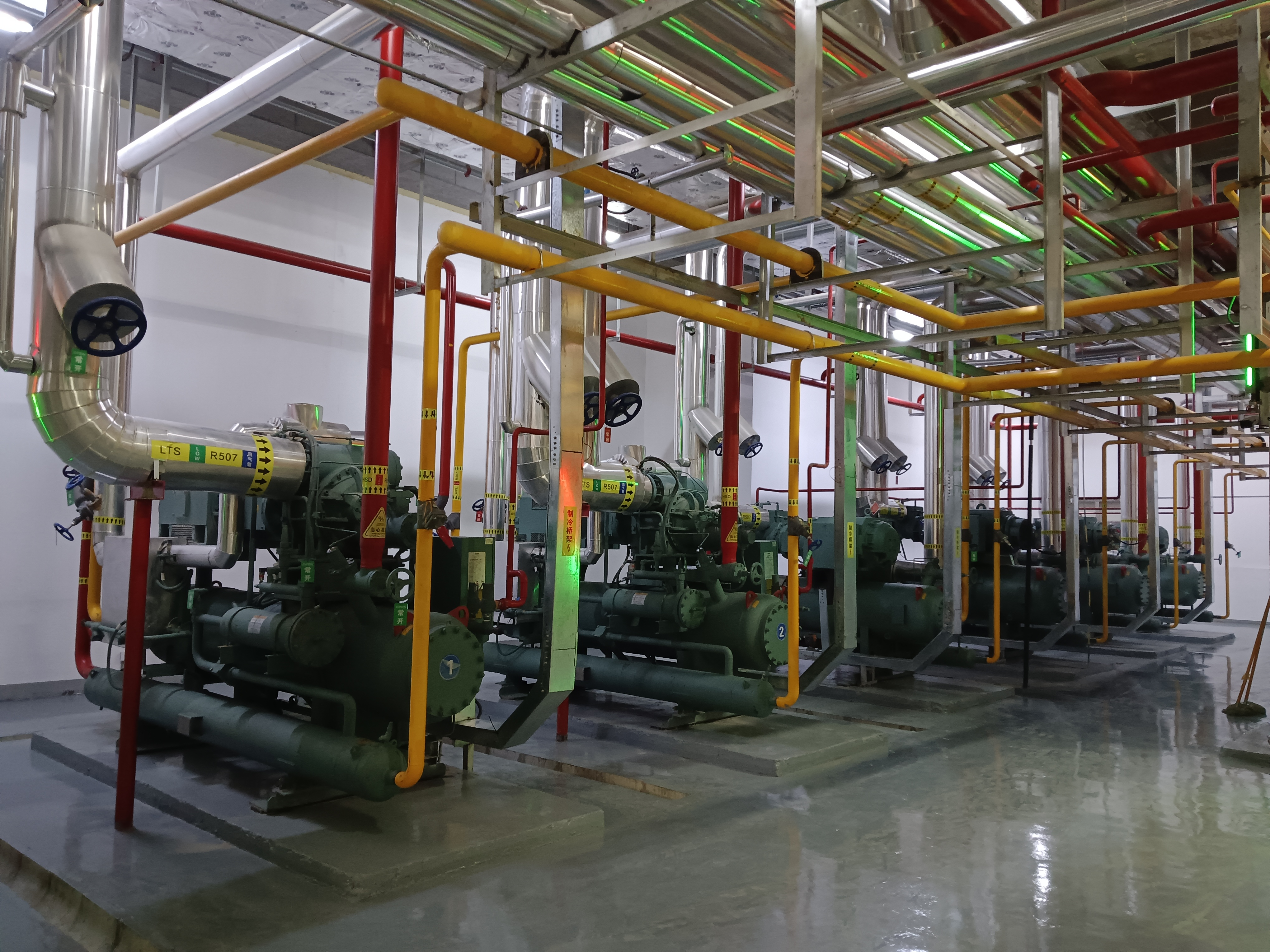
Refrigeration System: Compressors, condensers, evaporators, and control equipment maintain the required storage environment.
-
Temperature Monitoring: Sensors and monitoring systems track temperature conditions and provide alerts when deviations occur.
-
Specialized Flooring: Cold-resistant flooring and suitable floor insulation help prevent structural damage and reduce heat transfer.
-
Insulated Doors and Airlocks: High-performance doors and controlled access areas minimize warm air infiltration during loading and unloading.
-
Cold-Compatible Storage Equipment: Racking, conveyors, shuttle vehicles, and other handling equipment must be designed for the specified operating temperature.
These features help maintain consistent storage conditions, protect stored products, and improve warehouse operating efficiency.
Cold Storage Challenges
Operating a cold storage warehouse involves several challenges that can affect product quality, energy consumption, equipment reliability, and operating costs.
-
High Energy Consumption: Refrigeration systems require continuous energy to maintain low temperatures, making energy efficiency an important consideration.
-
Temperature Fluctuations: Frequent door openings, loading activities, and equipment operation can cause temperature variations that affect product quality.
-
Condensation and Ice Formation: Moisture can lead to condensation, frost, and ice buildup on floors, doors, and equipment.
-
Equipment Performance: Batteries, lubricants, sensors, and electrical components may require special configurations to operate reliably in low-temperature conditions.
-
Worker Safety and Comfort: Low temperatures, slippery floors, and limited exposure time create additional requirements for personnel protection and operating procedures.
-
Inventory and Product Management: Different products may require separate temperature zones, accurate tracking, and appropriate inventory rotation methods such as FIFO or FEFO.
Addressing these challenges requires suitable facility design, temperature-compatible equipment, preventive maintenance, and effective warehouse management.
Types of Cold Storage Warehouses
Different warehouse types serve different products and operational requirements. Understanding these differences helps you plan the appropriate storage environment.
1. Chilled Warehouses
Chilled warehouses maintain temperatures above freezing for products that require refrigeration without being frozen.
Typical applications include fresh food, dairy products, and selected beverages. Depending on the product, humidity and air circulation may also require careful control.
When planning automation for a chilled warehouse, you should evaluate the required storage capacity, order frequency, equipment operating range, and movement between refrigerated and ambient areas.
2. Frozen Warehouses
Frozen warehouses store products at sub-zero temperatures, commonly at -18°C or below.
Because low-temperature environments can be demanding for both workers and equipment, automation may help reduce manual movement inside freezer rooms. High-density pallet storage can also help you use the refrigerated space more effectively.
Suitable solutions may include shuttle-based AS/RS, stacker crane systems, and automated conveyor networks, provided the equipment is specified for the required temperature.
3. Deep-Frozen and Specialized Storage
Some applications require temperatures below -25°C, while specialized processes may require even lower temperatures.
These facilities need more detailed engineering assessments. You should verify equipment ratings, temperature stability, sensor performance, maintenance procedures, and the consequences of a system interruption.
4. Multi-Temperature Warehouses
Multi-temperature warehouses contain separate zones for products with different storage requirements.
For example, one facility may combine ambient storage, chilled storage, and frozen storage. This arrangement can support multiple product categories while centralizing distribution operations.
However, each zone may require different equipment specifications, environmental controls, access procedures, and inventory rules. Your automation design should account for temperature boundaries and the movement of products between zones.
Cold Storage Warehouse Examples
Cold storage warehouses serve different industries and require suitable temperature control and storage systems.
-
Frozen Food Warehouse: Stores meat, seafood, and frozen products, typically at -18°C or below. High-density shuttle racking and AS/RS can improve storage capacity.
-
Pharmaceutical Cold Storage: Stores medicines and vaccines under controlled conditions, often at +2°C to +8°C, with temperature monitoring and inventory traceability.
-
Fresh Produce Warehouse: Stores fruits, vegetables, and dairy products in chilled environments with product-specific temperature and humidity controls.
-
Meat and Seafood Warehouse: Handles chilled or frozen products, requiring hygienic storage, temperature control, and efficient inventory rotation.
-
Multi-Temperature Warehouse: Combines chilled, frozen, and ambient storage zones to handle different products within one facility.
The right warehouse design depends on product requirements, storage capacity, temperature range, and daily throughput.
Common Storage Systems for Cold Storage Warehousing
The right storage system depends on your temperature requirements, pallet dimensions, load weight, SKU profile, warehouse height, throughput, and budget.
Conventional Pallet Racking
Conventional pallet racking provides direct access to individual pallet locations and offers flexibility when inventory contains many SKUs with different picking requirements.
Its main limitation is the space required for forklift aisles. In a refrigerated facility, the layout should balance accessibility, storage capacity, and the volume of space that must be maintained at the target temperature.
This system may be appropriate when selective access is more important than maximum storage density.
High-Density Shuttle Racking
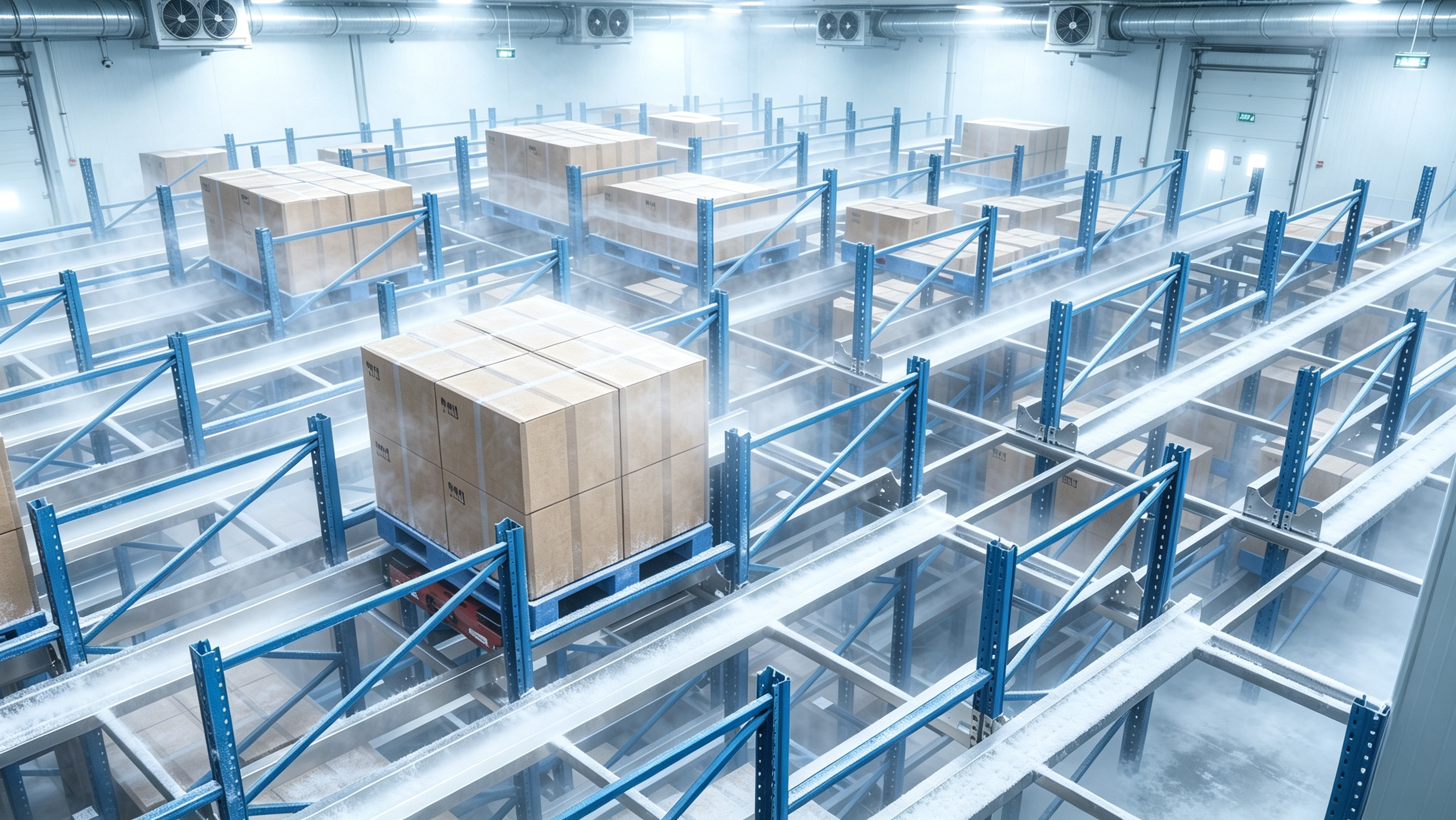
Shuttle racking uses powered shuttle vehicles to move pallets within storage lanes. Depending on the system configuration, forklifts may transfer pallets at lane openings while the shuttle handles internal movement.
This arrangement can reduce the need for forklifts to enter deep storage lanes and can increase storage density compared with conventional selective racking.
You should assess lane depth, SKU distribution, pallet turnover, inventory rotation requirements, and the consequences of a lane becoming temporarily unavailable.
Four-Way Shuttle AS/RS
A four-way shuttle system uses shuttle vehicles that can travel in multiple horizontal directions within a compatible racking layout. Integrated lifts, conveyors, and control software coordinate pallet movement.
The system can support high-density storage and flexible material flow, making it a potential option for chilled and frozen warehouses.
For example, Zhuku's four-way shuttle system is specified for operating temperatures from -25°C to +45°C. This published range can help establish an initial suitability assessment, but the final project specification should confirm the temperature ratings of the complete installation and any relevant operating limitations.
Learn more about the Zhuku Four-Way Shuttle System.
Stacker Crane AS/RS
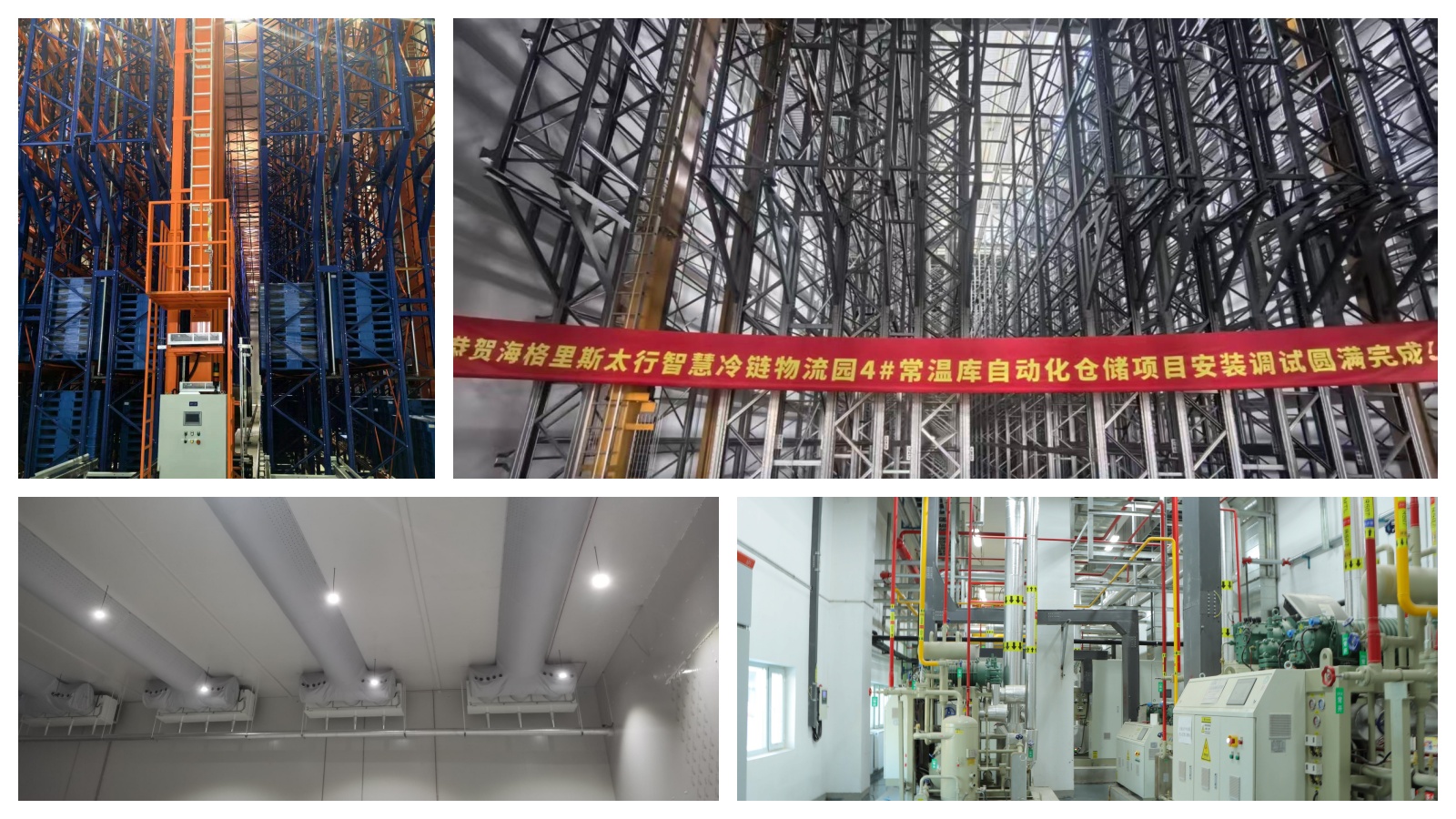
A stacker crane AS/RS uses automated cranes to store and retrieve pallets in high-bay racking.
It may be suitable for warehouses that require structured pallet handling, high vertical storage, and predictable material flow.
When considering a stacker crane for a cold storage project, confirm the crane's minimum operating temperature and the suitability of its drives, sensors, lubrication, electrical systems, and maintenance arrangements.
Rack-Supported Automated Warehouses
A rack-supported warehouse uses the storage rack structure to support elements of the building envelope and, where applicable, the roof. This approach can be considered for large-capacity or high-bay projects.
Cold storage applications require coordinated structural, refrigeration, fire-safety, and automation design. The building structure, insulated envelope, refrigeration system, and storage equipment should be planned together rather than treated as independent components.
How Automation Improves Cold Storage Operations
Automation can help cold storage operators address labor constraints, space limitations, and demanding inventory requirements. The benefits depend on the system design and operating conditions.
1. Improve Storage Density
High-density racking and automated pallet handling can reduce dependence on conventional forklift aisles.
When you can store more pallets within a suitable building footprint, you may be able to make better use of the refrigerated volume. However, the actual benefit depends on pallet dimensions, rack configuration, SKU distribution, access requirements, and the need to separate incompatible products.
2. Reduce Manual Movement in Cold Environments
Shuttles, stacker cranes, conveyors, and automated transfer equipment can handle repetitive pallet movements.
This can reduce the amount of routine work performed by personnel inside cold rooms. You still need safe access for inspection, maintenance, cleaning, and recovery operations.
3. Improve Inventory Accuracy and Traceability
Warehouse management software helps coordinate receiving, putaway, inventory tracking, replenishment, picking, and dispatch.
For temperature-sensitive products, the system should support appropriate lot identification, expiry-date management, and stock rotation rules where required. Temperature monitoring and alarm management may need to be integrated with separate monitoring systems.
4. Coordinate Equipment and Material Flow
A warehouse control system (WCS) coordinates equipment such as shuttles, lifts, and conveyors. A warehouse management system (WMS) manages inventory and warehouse tasks.
A typical architecture may connect ERP or MES software to the WMS, then to the WCS and automated equipment.
Before implementation, you should define system interfaces, task priorities, exception handling, recovery procedures, and responsibilities for monitoring equipment and temperature conditions.
5. Support More Consistent Operations
Automated systems can execute repeatable storage and retrieval tasks according to defined rules.
However, automation does not eliminate every operational risk. Your design should include contingency procedures for equipment faults, power interruptions, blocked routes, communication failures, and temperature excursions.
How to Design an Automated Cold Storage Warehouse
A successful project starts with operational requirements, not a particular machine or automation technology.
Step 1: Define Products and Temperature Requirements
List the products you plan to store, their storage temperatures, pallet or container dimensions, weights, and handling restrictions.
If your warehouse serves several temperature categories, define each zone separately. Identify which products can share a zone and which require dedicated conditions.
Step 2: Calculate Storage Capacity and Throughput
Estimate current and future pallet positions, average inventory, peak inbound and outbound volumes, SKU counts, and order patterns.
You should distinguish storage capacity from throughput. A system that stores many pallets may not necessarily handle your peak dispatch requirements without sufficient lifts, conveyors, vehicles, and transfer points.
Step 3: Evaluate the Building and Layout
Review the building footprint, clear height, column positions, floor conditions, loading docks, fire-safety requirements, and available space for refrigeration equipment.
For an existing facility, identify structural and operational constraints before selecting a storage configuration. For a new facility, coordinate the rack layout, insulated envelope, refrigeration system, and automation from the beginning.
Step 4: Compare Storage Technologies
Evaluate conventional racking, shuttle-based systems, and stacker crane AS/RS against your actual requirements.
| Selection factor | Questions to consider |
| Temperature | What is the lowest required operating temperature? |
| Storage density | How many pallet positions are needed within the available volume? |
| SKU profile | Do you store many SKUs or large quantities of fewer SKUs? |
| Accessibility | Do you need direct access to individual pallets? |
| Throughput | What are the peak hourly inbound and outbound requirements? |
| Flexibility | How easily can the system accommodate future changes? |
| Maintenance | Can technicians inspect and recover equipment safely? |
| Total cost | What are the construction, refrigeration, automation, energy, and maintenance costs? |
Step 5: Verify Equipment Specifications
Request written confirmation of the minimum operating temperature for each relevant component. Check battery performance, lubrication, sensor ratings, electrical protection, cable suitability, condensation control, and any required special configurations.
Also confirm whether the quoted operating temperature applies to continuous operation, startup, charging, maintenance, or other specific conditions.
Step 6: Plan Software and Integration
Determine how the WMS, WCS, ERP, temperature-monitoring equipment, and automated material-handling systems will exchange information.
You should define inventory rules, access permissions, alarm handling, reporting, and what happens when communication or equipment fails.
Step 7: Calculate Total Cost of Ownership
Do not compare solutions on equipment purchase price alone.
Include building construction, insulation, refrigeration, racks, automation, installation, software, commissioning, energy consumption, maintenance, spare parts, and future expansion.
The right system is the one that meets your operational requirements and provides a sustainable balance between capacity, performance, reliability, and cost.
Cold Storage Automation Solutions from Zhuku
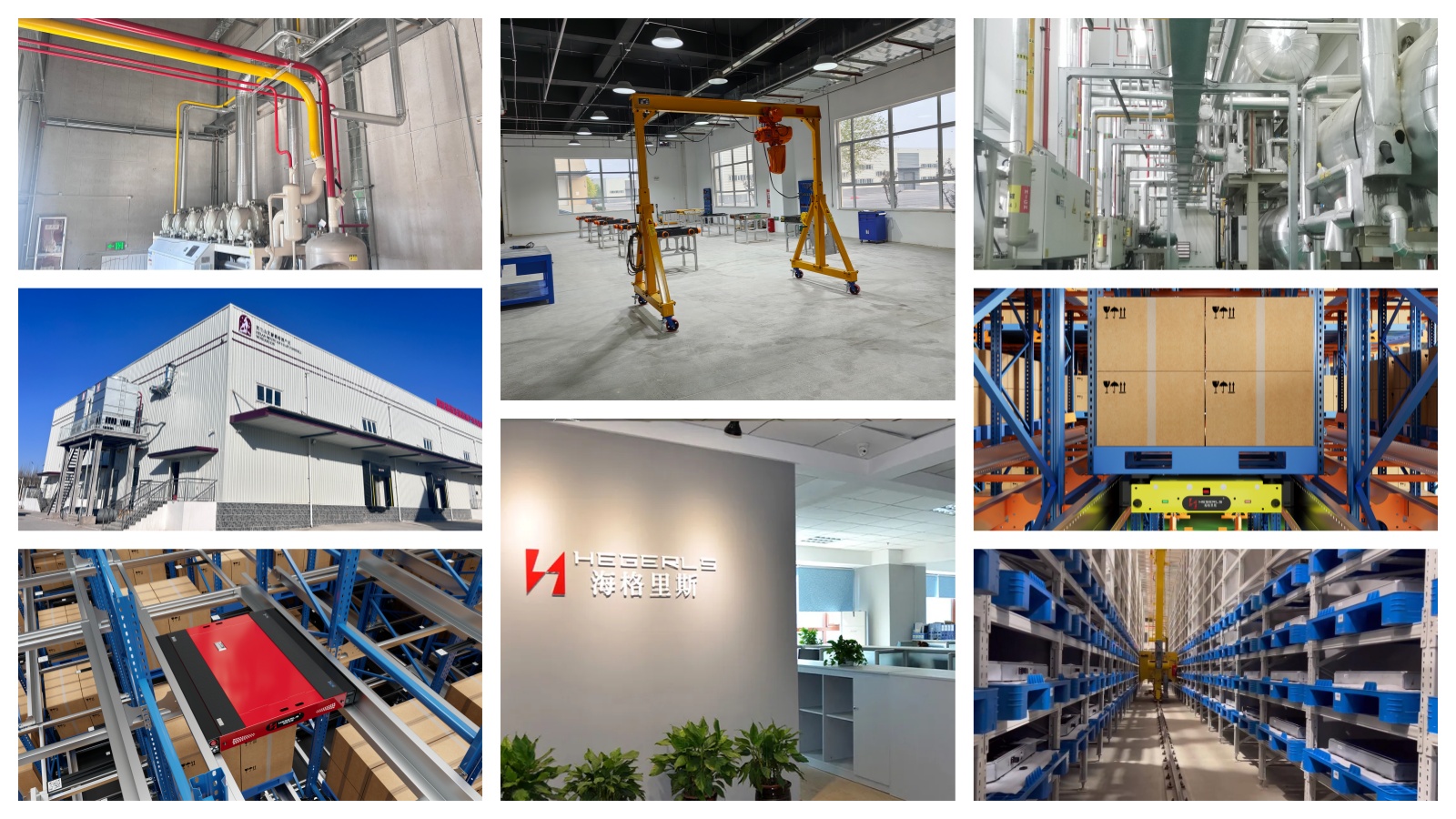
Zhuku provides integrated automation solutions for cold storage warehouses, combining storage systems, material handling equipment, warehouse software, and refrigeration systems to support efficient temperature-controlled operations.
Depending on warehouse requirements, a cold storage project can include the following components:
Automated Storage and Retrieval Systems
Zhuku offers automated storage solutions such as four-way shuttle systems, stacker crane AS/RS, and shuttle racking. These systems help improve storage density, reduce manual handling, and support efficient pallet storage and retrieval in refrigerated and frozen warehouses.
Cold Storage Refrigeration Equipment
A reliable refrigeration system is essential for maintaining the required temperature throughout a cold storage warehouse. Depending on the facility's temperature range, storage capacity, and product requirements, the refrigeration solution may include:
-
Industrial refrigeration units: Provide cooling capacity for refrigerated and frozen storage areas.
-
Compressors and condensing units: Support the refrigeration cycle and maintain the required cooling performance.
-
Evaporators and air coolers: Distribute cooling throughout the warehouse and help maintain consistent temperature conditions.
-
Insulated panels and cold storage doors: Reduce heat transfer and help maintain the warehouse's internal temperature.
-
Temperature monitoring and control systems: Monitor operating conditions and support temperature management and alarm functions.
Refrigeration equipment should be selected according to the warehouse's thermal load, target temperature, building insulation, product characteristics, and local regulations. It can be coordinated with the warehouse automation system during project design and integration.
Warehouse Management and Control Software
Zhuku integrates warehouse software to coordinate inventory and equipment operations. CC-WMS Warehouse Management System manages inventory, storage locations, and warehouse tasks, while YUNTU-WCS Warehouse Control System coordinates automated equipment such as shuttles, stacker cranes, conveyors, and lifts.
Where the project requires it, temperature monitoring information can also be connected with the warehouse management process to support operational visibility and product traceability.
Integrated Cold Storage Warehouse Solutions
By combining automated storage systems, material handling equipment, refrigeration infrastructure, and warehouse software, Zhuku helps customers develop cold storage facilities around their specific storage capacity, temperature requirements, throughput, and operational goals.
Each project is configured according to its building conditions, product characteristics, required temperature range, and automation objectives.
Explore Zhuku's cold warehouse automation solutions to learn more.
Conclusion
Cold storage warehousing requires a coordinated approach to temperature management, warehouse layout, storage technology, and automation.
Whether your facility operates at +4°C, -18°C, or -30°C, you should begin by defining the products' temperature requirements and your operational targets. Then compare storage systems based on density, throughput, accessibility, equipment suitability, maintenance, and total cost.
With the right planning, automated storage and retrieval systems can help you make better use of warehouse space and build a more consistent material-handling process.
Planning a cold storage warehouse or upgrading an existing facility? Contact Zhuku with your warehouse drawings, target temperature, pallet dimensions, storage capacity, and throughput requirements. We can help you evaluate suitable storage and automation configurations for your project.
