
A 3PL warehouse plays an important role in modern logistics by providing storage, inventory management, and order fulfillment services for multiple businesses. As logistics operations become more complex, efficient racking systems, automated storage and retrieval systems (AS/RS), and warehouse management software are increasingly important. Zhuku provides warehouse racking, shuttle systems, stacker crane AS/RS, and WMS/WCS integration to help logistics providers improve storage utilization and material handling efficiency.
What Is a 3PL Warehouse?
A 3PL warehouse is a storage and distribution facility operated by a third-party logistics (3PL) provider on behalf of other businesses. Instead of managing their own warehousing operations, companies outsource activities such as inventory storage, order fulfillment, picking, packing, and shipping.
A 3PL warehouse serves multiple clients or operates under a dedicated contract, depending on its business model. It helps businesses access professional logistics infrastructure without investing in and managing their own warehouse facilities.
Typical users include manufacturers, retailers, e-commerce businesses, wholesalers, and importers.
How Does a 3PL Warehouse Work?
A 3PL warehouse manages the movement of goods from receiving to final dispatch. Its typical workflow includes:
-
Receiving: Goods arrive from suppliers or manufacturers and are checked against delivery records.
-
Putaway: Products are assigned storage locations based on SKU, dimensions, turnover, and storage requirements.
-
Inventory Management: Stock levels, locations, and movements are tracked through a warehouse management system (WMS).
-
Order Picking: Warehouse operators or automated equipment retrieve products according to customer orders.
-
Packing and Sorting: Items are checked, packed, labeled, and sorted for dispatch.
-
Shipping: Orders are consolidated and handed over to carriers or distribution networks.
-
Returns Processing: Returned products are inspected and restocked, repaired, or disposed of according to the client's requirements.
An efficient warehouse layout, appropriate storage equipment, and integrated software help 3PL providers manage these operations accurately.
What Services Does a 3PL Warehouse Provide?
The services offered vary by provider, but common 3PL warehouse services include:
| Service | Description |
| Storage and warehousing | Short-term or long-term inventory storage |
| Inventory management | Stock tracking, counting, and reporting |
| Order fulfillment | Picking, packing, and preparing customer orders |
| Distribution | Coordinating outbound shipments and deliveries |
| Cross-docking | Transferring goods between inbound and outbound shipments with limited storage |
| Value-added services | Labeling, kitting, repacking, and product customization |
| Returns management | Inspecting and processing returned goods |
Some providers offer basic storage and transportation, while others deliver integrated fulfillment and supply chain services.
Types of 3PL Warehouses
3PL warehouses can be classified by their operating model and the customers they serve.
Public Warehouses
Public warehouses provide shared storage space and logistics services to multiple businesses. They are suitable for companies that need flexible capacity without committing to a dedicated facility.
Contract Warehouses
Contract warehouses operate under agreements with specific clients. Storage capacity, staffing, equipment, and services are arranged according to the client's operational requirements.
Multi-Client Warehouses
These facilities serve several customers within one warehouse. They require effective inventory separation, location management, and order processing to handle different product categories and service requirements.
E-commerce Fulfillment Warehouses
E-commerce warehouses focus on high-volume order processing, individual-item picking, packing, returns, and parcel dispatch. Fast inventory movement and accurate order fulfillment are particularly important.
Benefits and Challenges of 3PL Warehousing
Outsourcing warehouse operations can provide several advantages, but businesses should also consider the operational trade-offs.
Key benefits:
-
Lower investment: Avoids the need to independently build and operate warehouse facilities.
-
Flexible capacity: Makes it easier to respond to seasonal demand and changing inventory levels.
-
Logistics expertise: Provides access to experienced warehouse operators and established processes.
-
Scalable operations: Supports business growth across different markets and distribution channels.
-
Technology access: Some providers offer WMS, inventory visibility, and integrated fulfillment systems.
Potential challenges:
-
Less direct control over daily warehouse operations.
-
Dependence on the provider's service quality and technology.
-
Integration requirements between the client's ERP and the 3PL's systems.
-
Different inventory and handling requirements across multiple customers.
-
The need to manage service-level agreements (SLAs), data accuracy, and operational costs.
Choosing a provider with suitable facilities, systems, and operational capabilities is essential.
What Equipment Is Used in a 3PL Warehouse?
Storage and material handling equipment directly affect warehouse capacity, throughput, and labor requirements.
Common equipment includes:
| Equipment | Main Function |
| Selective pallet racking | Direct access to individual pallet locations |
| Drive-in racking | High-density storage for similar products |
| Shuttle racking | Dense pallet storage with shuttle-assisted movement |
| Four-way shuttle systems | Flexible automated pallet storage and retrieval |
| Stacker crane AS/RS | Automated storage in high-bay warehouses |
| Conveyors and sorters | Transporting and sorting goods |
| Forklifts and pallet trucks | Moving and handling pallets |
| Vertical lifts | Transferring goods between different warehouse levels |
The right combination depends on pallet dimensions, SKU quantities, inventory turnover, order profiles, warehouse height, and required throughput.
3PL Warehouse Automation Solutions
As order volumes and inventory complexity increase, 3PL providers may need more than conventional racking and forklifts. Warehouse automation can improve storage density, material flow, and operational consistency.
Four-Way Shuttle Systems
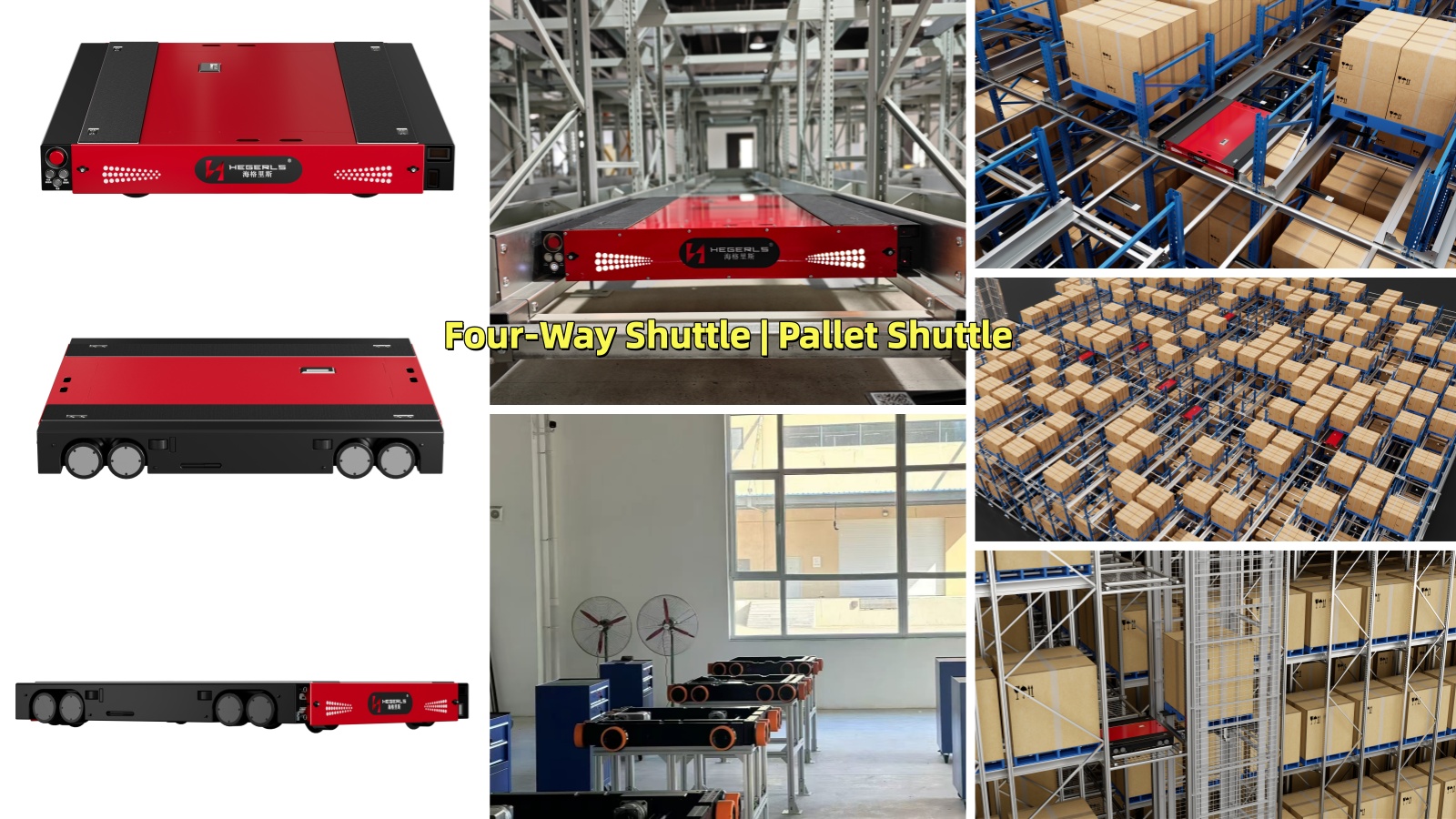
Four-way shuttle systems use autonomous shuttle vehicles to move pallets horizontally and vertically within a dedicated racking structure, supported by lifts and control software.
They are suitable for warehouses requiring high-density pallet storage, flexible routing, and coordinated multi-level operations.
Explore Zhuku Four-Way Shuttle Systems.
Stacker Crane AS/RS
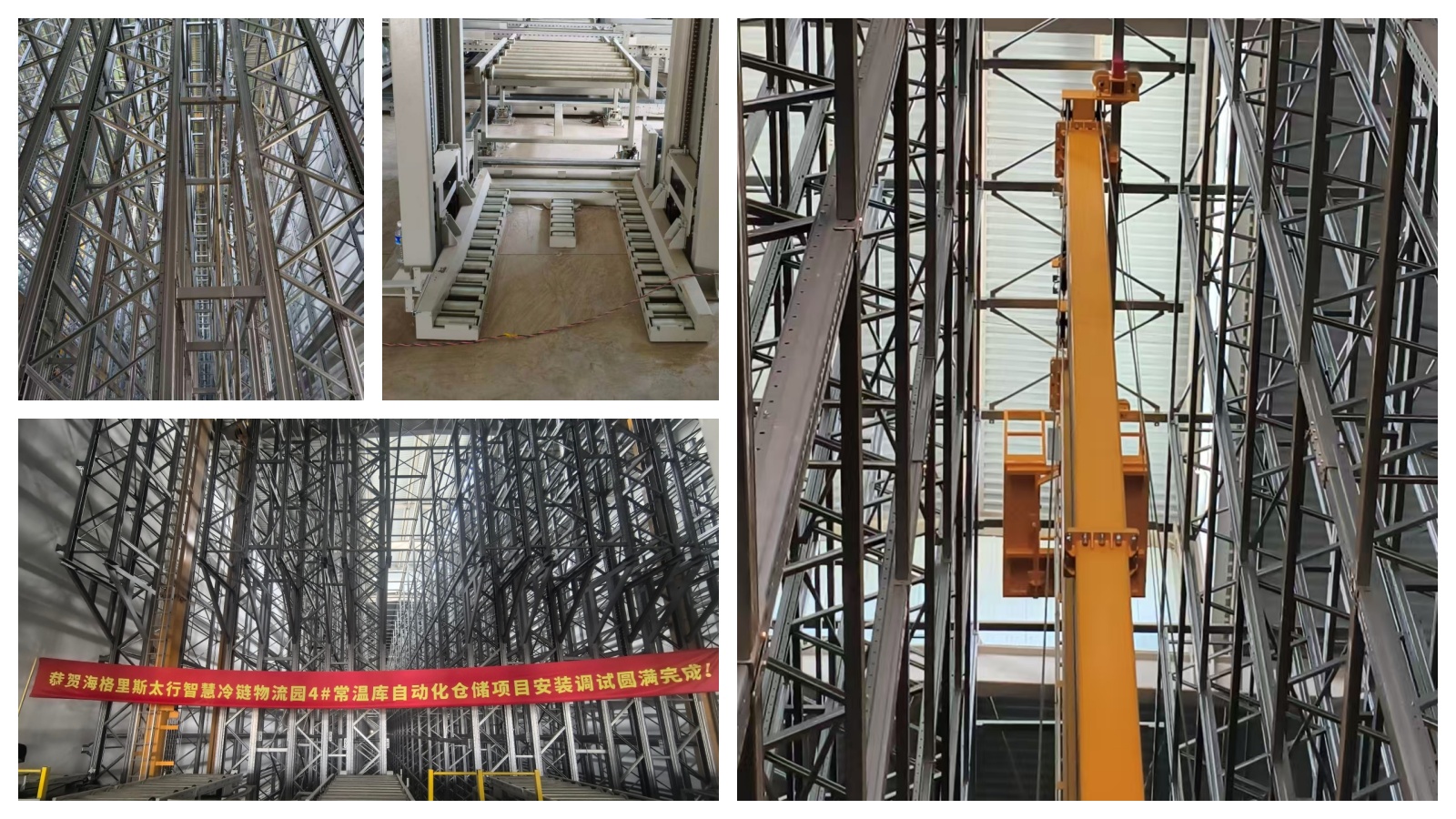
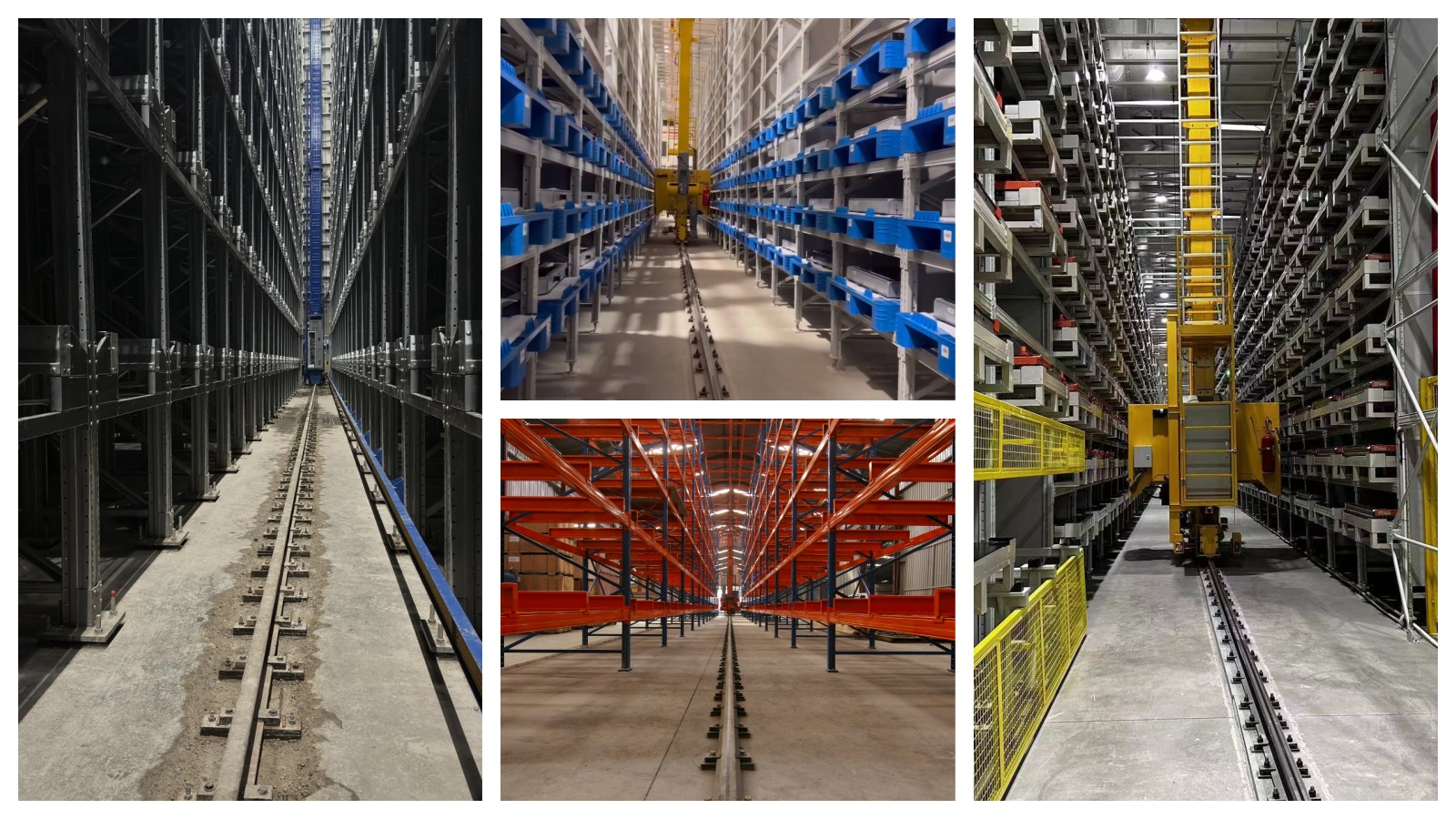
Stacker crane systems automatically store and retrieve pallets or containers in high-bay racking. They are particularly suitable for facilities with significant vertical storage requirements and structured inventory flows.
Explore Zhuku Stacker Crane Systems.
Shuttle Racking Systems
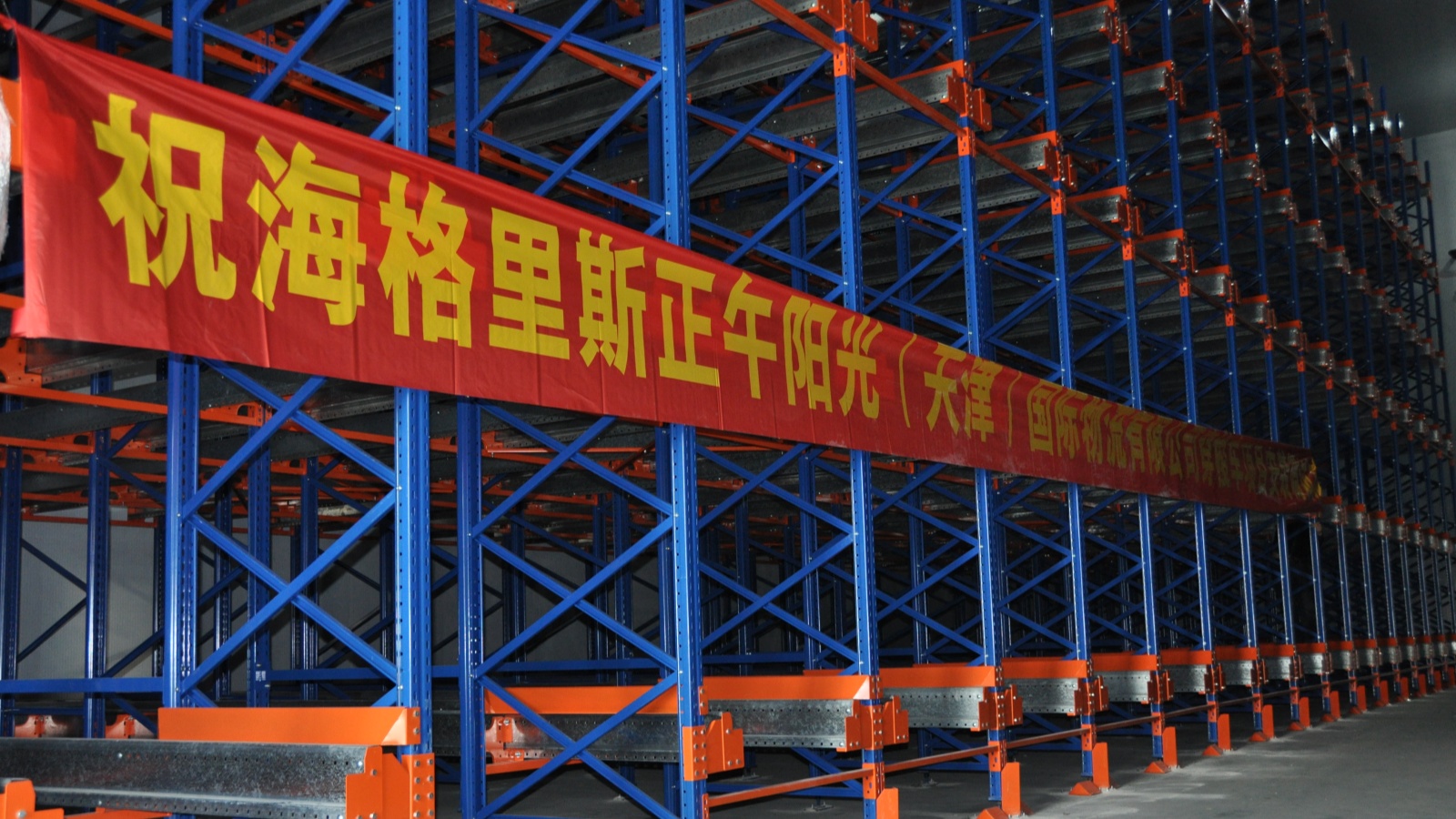
Shuttle racking uses motorized shuttle carts to move pallets along dedicated storage lanes. It reduces the need for forklifts to enter storage lanes and is suitable for high-density pallet storage.
Explore Zhuku Shuttle Racking Systems.
WMS and WCS Integration
Warehouse software coordinates inventory and equipment operations:
-
WMS (Warehouse Management System): Manages inventory records, storage locations, inbound and outbound orders, and warehouse tasks.
-
WCS (Warehouse Control System): Coordinates automated equipment, task execution, and material movement.
For automated 3PL facilities, WMS and WCS integration helps connect warehouse processes with shuttle systems, stacker cranes, conveyors, and other handling equipment.
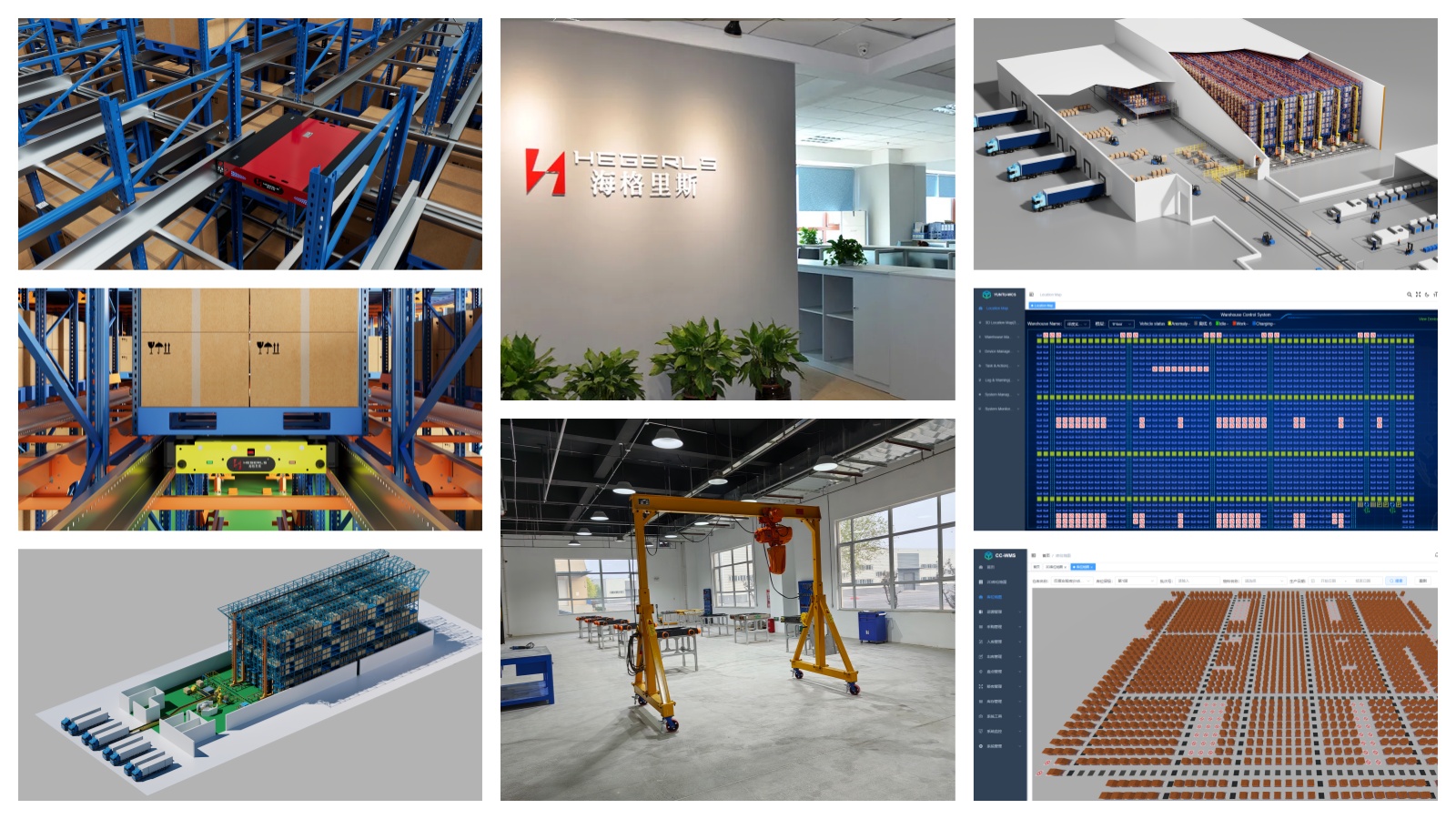
Zhuku provides warehouse software and automation integration, including CC-WMS and YUNTU-WCS.
How to Choose the Right Warehouse System for a 3PL Facility
A suitable warehouse system should support current operations while allowing room for future growth. Consider these factors before selecting equipment:
-
Product characteristics: Evaluate pallet dimensions, load weight, SKU variety, and special storage requirements.
-
Inventory turnover: Fast-moving goods may require more accessible storage locations and efficient picking routes.
-
Storage density: Consider warehouse area, building height, aisle requirements, and usable pallet positions.
-
Throughput requirements: Assess inbound and outbound volumes, order frequency, and peak-season demand.
-
Operational flexibility: Multi-client facilities may need adaptable storage and inventory management configurations.
-
Automation and software: Ensure that equipment and warehouse software can integrate with existing ERP and logistics systems.
-
Future scalability: Choose a configuration that can accommodate changes in customers, products, and order volumes.
Automation is not always necessary for every 3PL warehouse. The investment should be evaluated against expected throughput, labor requirements, storage utilization, and long-term operating costs.
Warehouse Automation Solutions for 3PL Facilities from Zhuku
A well-designed 3PL warehouse needs to balance storage capacity, inventory accessibility, handling efficiency, and operating costs. The right combination of racking, automated storage and retrieval systems, material handling equipment, and warehouse software can help logistics providers build more efficient facilities.
Zhuku provides warehouse racking, automated storage systems, shuttle solutions, stacker crane AS/RS, and WMS/WCS integration. Explore our 3PL Warehouse Automation Solutions to learn how integrated storage and automation systems can support different logistics operations.
Whether you are planning a new 3PL warehouse or upgrading an existing facility, Zhuku can help evaluate your storage and automation requirements.
Whether you are planning a new 3PL warehouse or upgrading an existing facility, Zhuku can help evaluate your storage and automation requirements.
Contact Zhuku to discuss your warehouse project. Share your warehouse drawings, pallet specifications, and storage requirements to explore a suitable solution.
Conclusion
3PL warehouses play an important role in modern supply chains by providing outsourced storage, inventory management, and fulfillment services. As logistics requirements become more complex, suitable warehouse equipment, automation, and software integration can help providers improve capacity and operational performance.
Selecting the right warehouse system starts with understanding the products, inventory flows, throughput requirements, and long-term business objectives.
