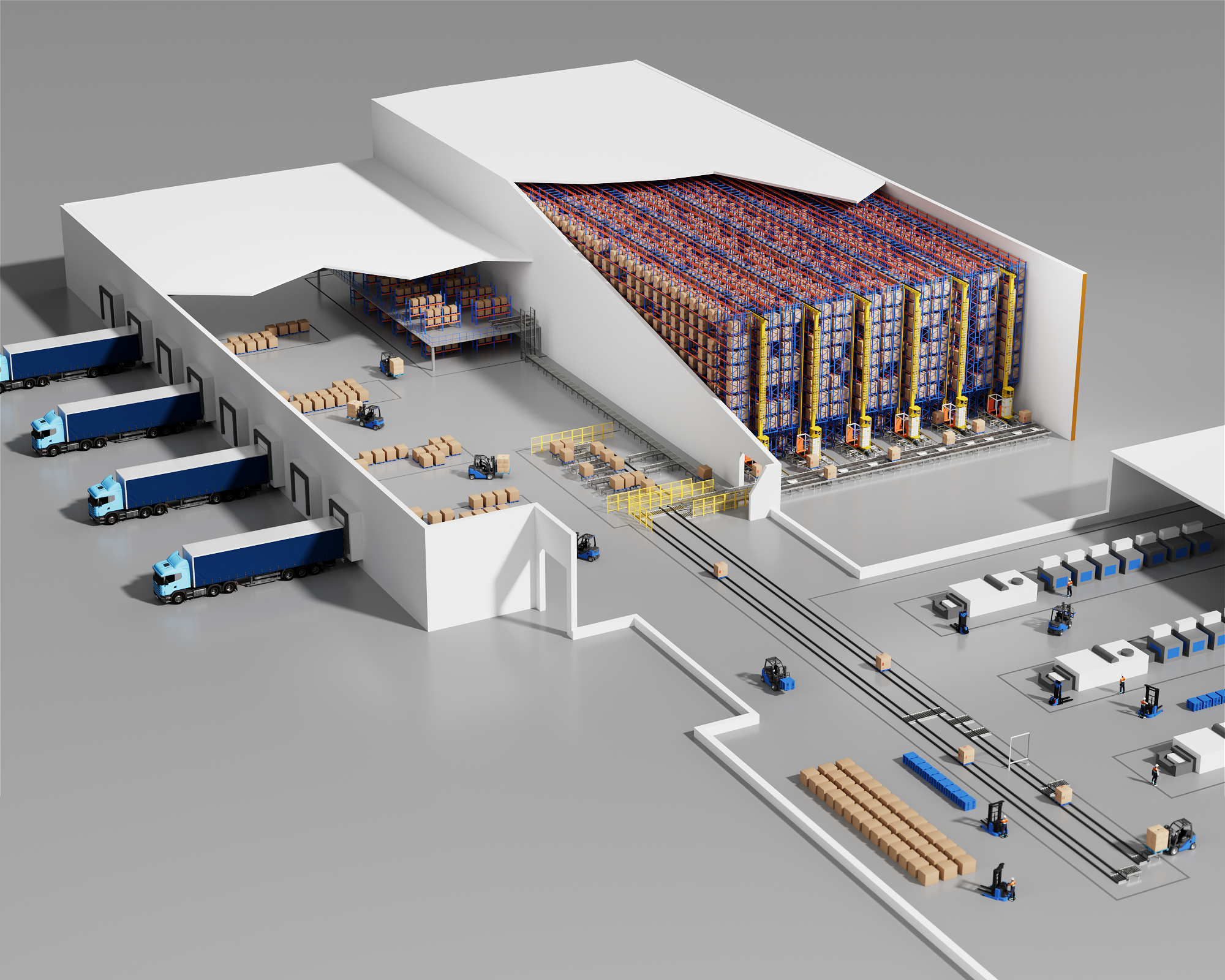
As warehouses face increasing pressure to process more orders with greater accuracy while reducing labor costs, automated storage systems have become a key investment for manufacturers, distributors, retailers, and third-party logistics providers.
Traditional warehouses often struggle with limited storage capacity, inefficient picking, labor shortages, and inventory inaccuracies. In contrast, automated storage and retrieval systems (ASRS) use intelligent equipment and software to automate the storage, retrieval, and movement of goods, enabling higher throughput and more efficient use of warehouse space.
Today, automated storage is no longer limited to large enterprises. Modular and scalable technologies make automation accessible to businesses of various sizes, supporting industries such as manufacturing, automotive, pharmaceuticals, food and beverage, cold chain logistics, e-commerce, and retail distribution.
This guide explains everything you need to know about automated storage, including:
- What is ASRS?
- ASRS meaning
- How automated storage works
- Types of ASRS systems
- Key benefits
- Industry applications
- Future trends
- How to choose the right automation solution
Whether you are planning a new warehouse or upgrading an existing facility, understanding automated storage technologies will help you make informed investment decisions.
What Is Automated Storage?
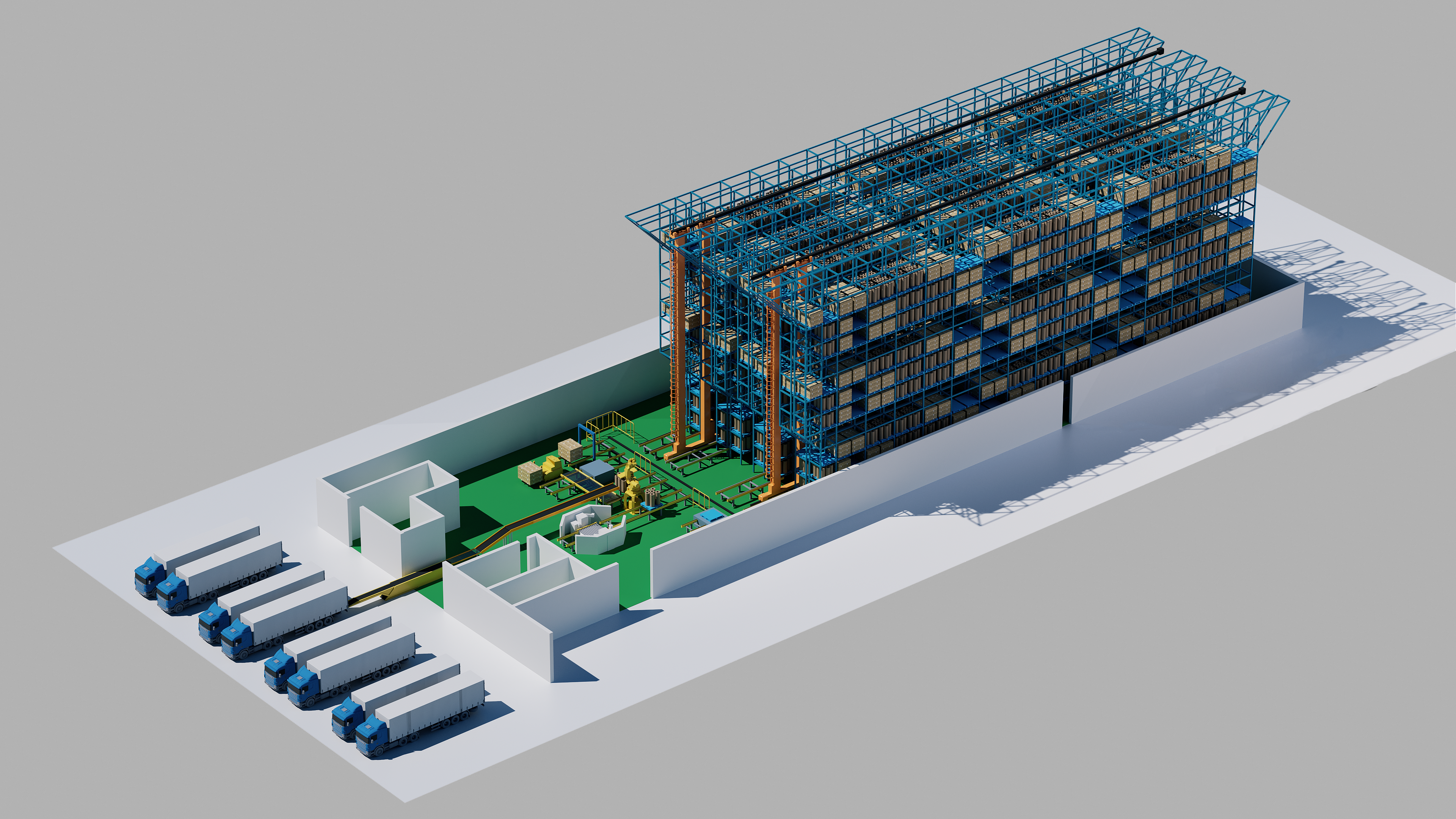
Automated storage refers to the use of intelligent equipment, robotics, and software to automatically store, retrieve, transport, and manage inventory within a warehouse or distribution center.
Instead of relying on forklifts and manual operators, automated storage systems coordinate machines such as:
- ASRS cranes
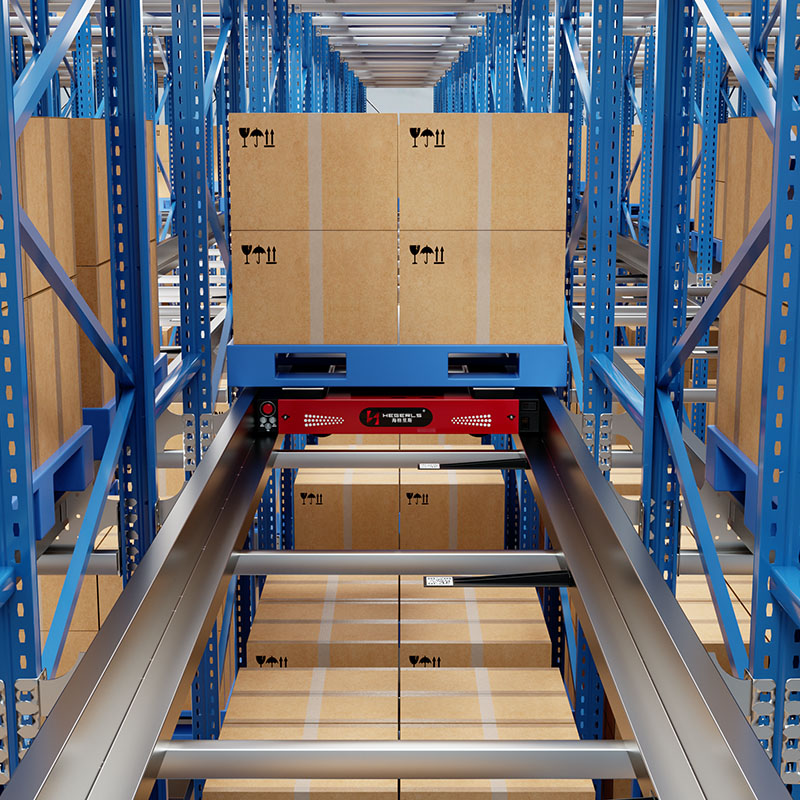
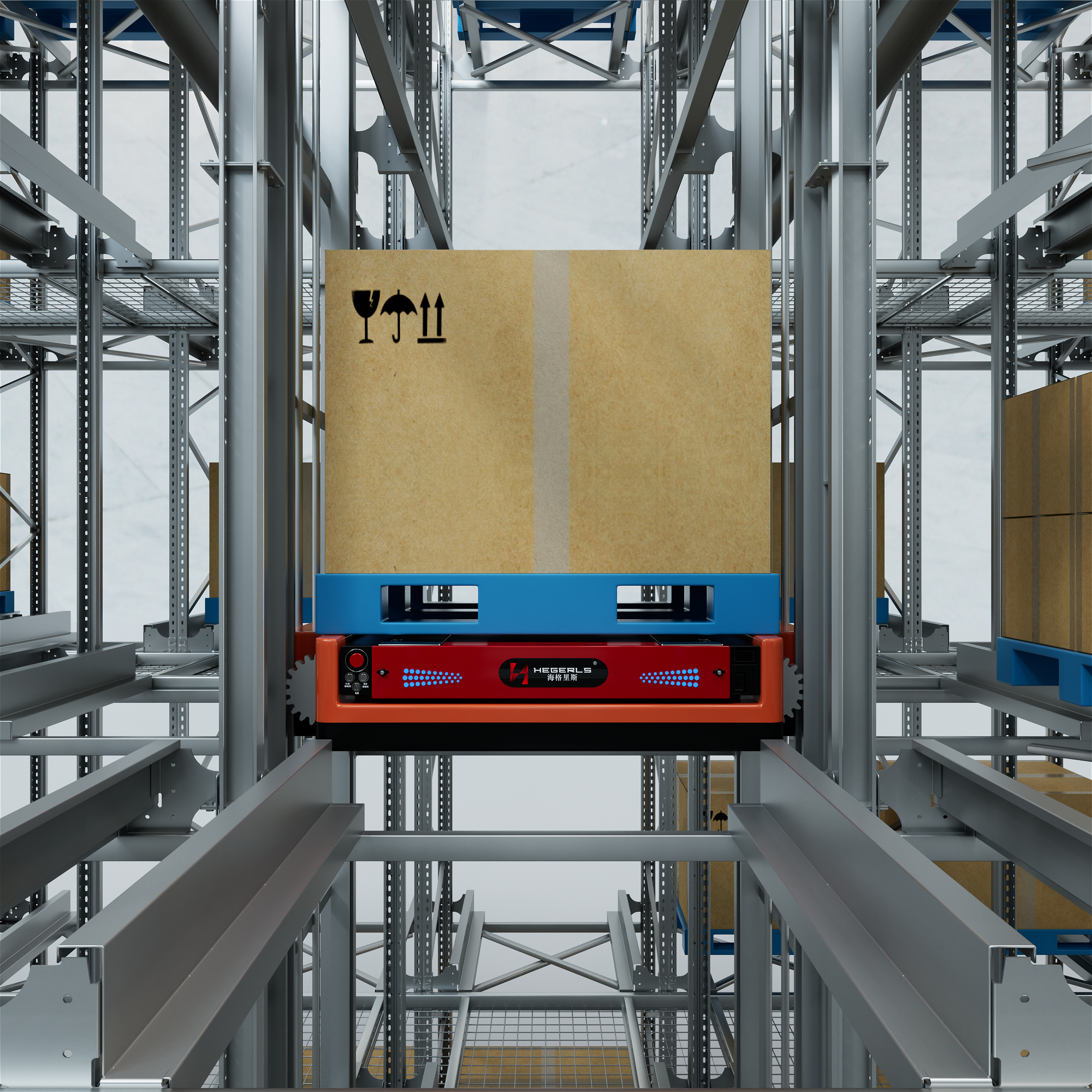
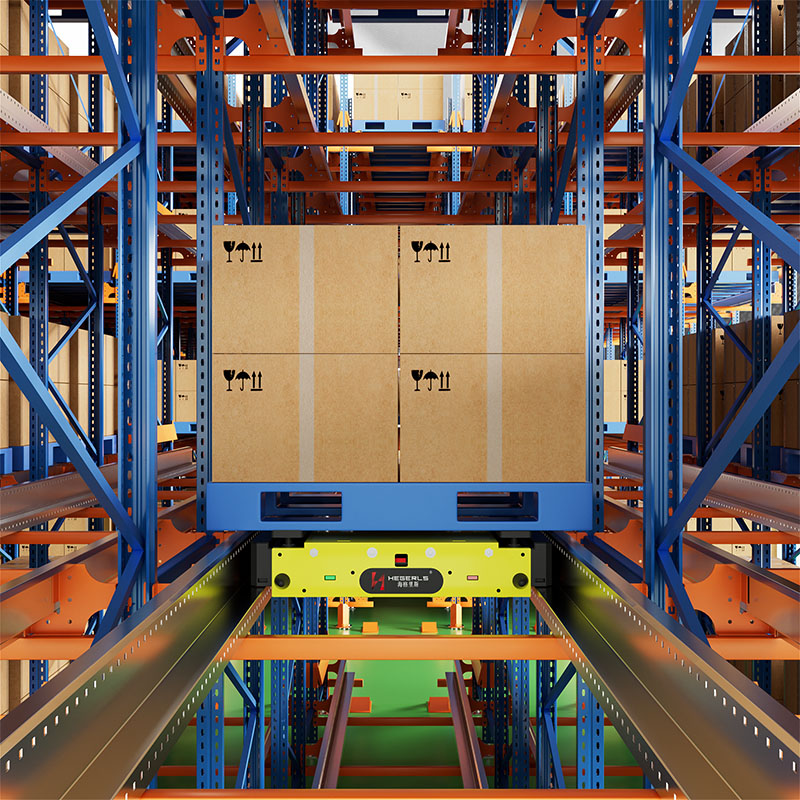
- Four-way shuttle systems
- Pallet shuttle systems
- Vertical lift modules
- Automated shelving systems
- Conveyor systems
- AGVs and AMRs
- Warehouse management software
The primary objectives are to:
- Increase storage density
- Improve inventory accuracy
- Reduce labor dependency
- Speed up material handling
- Enable 24/7 warehouse operations
- Improve workplace safety
Automated storage systems are now considered one of the core technologies driving digital transformation in logistics and manufacturing.
What Is ASRS?
One of the most common questions from buyers is:
What is ASRS?
ASRS stands for Automated Storage and Retrieval System.
An ASRS is an integrated warehouse automation solution that automatically stores products in designated locations and retrieves them when required, using computerized controls, robotics, and intelligent storage equipment.
Unlike conventional warehouses where workers search for inventory manually, an ASRS automatically identifies the storage location, moves the load using automated equipment, and delivers it to the required destination.
Typical ASRS equipment includes:
- Stacker cranes
- Shuttle systems
- Vertical storage machines
- Mini-load systems
- Pallet handling systems
- Conveyor systems
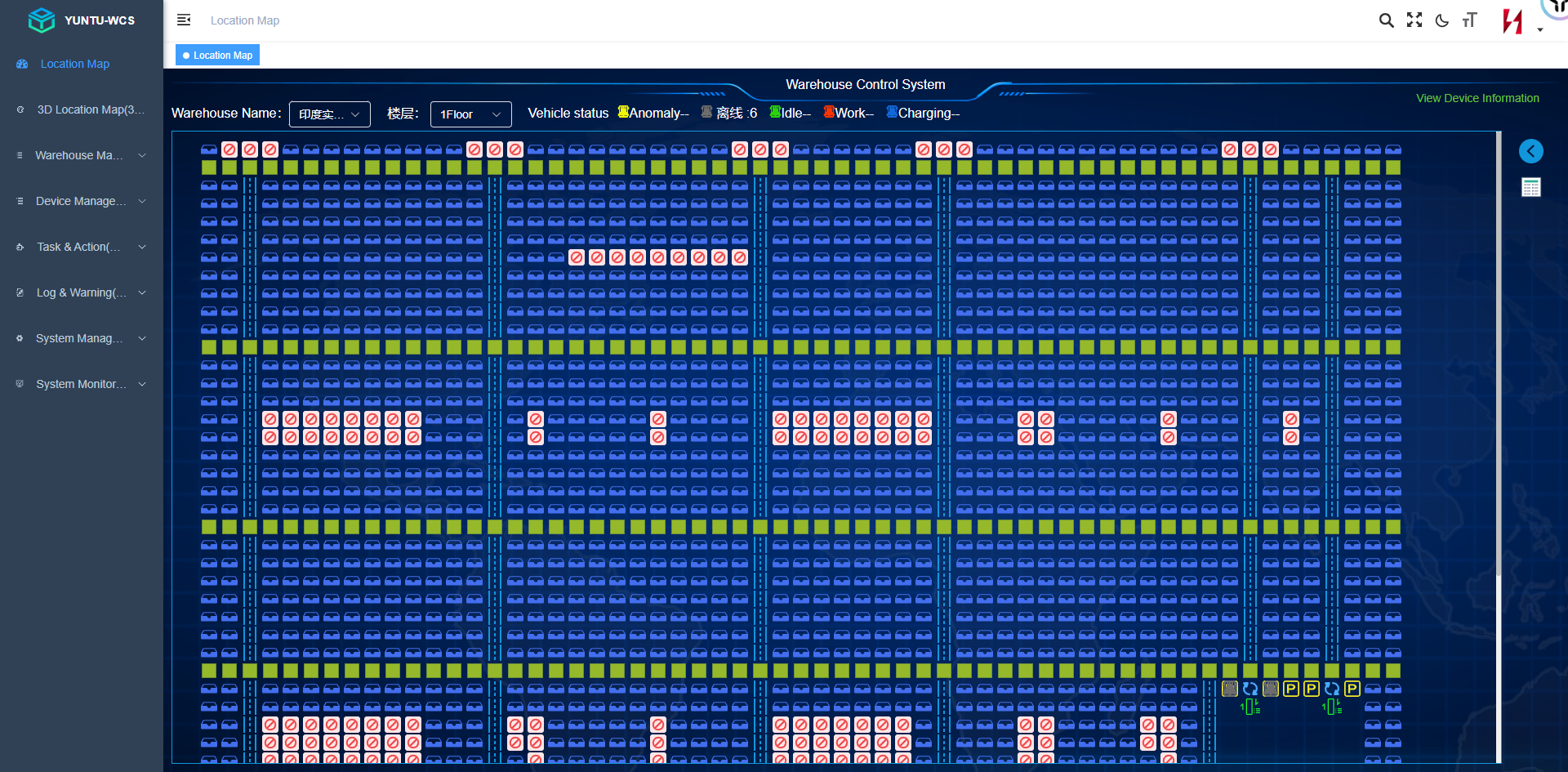
- Warehouse Control Systems (WCS)
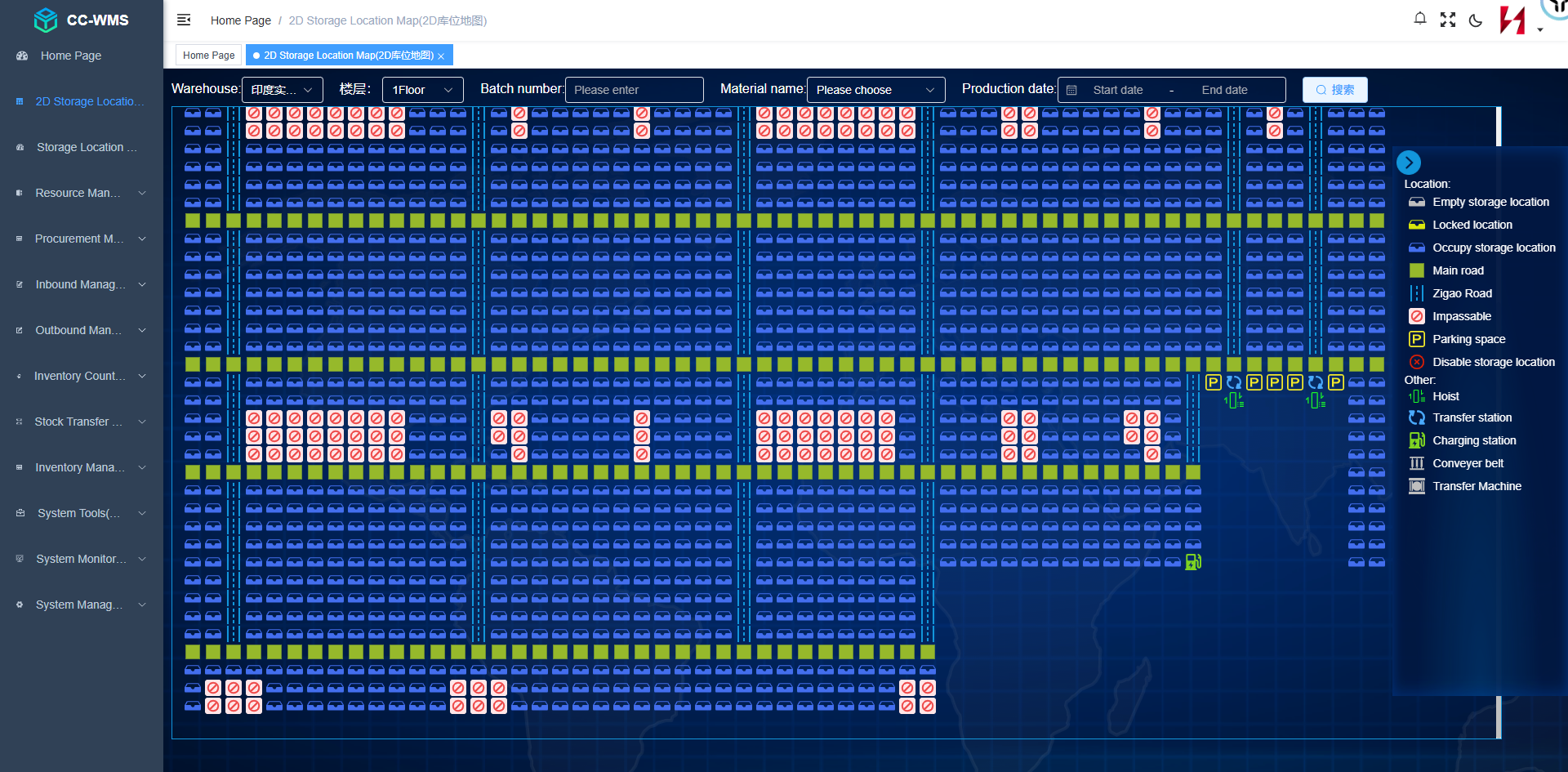
- Warehouse Management Systems (WMS)
The result is a highly efficient warehouse capable of handling thousands of storage and retrieval operations every day with minimal manual intervention.
ASRS Meaning Explained
Many people search for "ASRS meaning" before exploring warehouse automation solutions.
ASRS simply means a computerized storage system that combines:
| Component | Function |
| Storage Equipment | Stores inventory in defined locations |
| Retrieval Equipment | Automatically retrieves products |
| Control Software | Coordinates warehouse operations |
| Warehouse Management System | Manages inventory and orders |
| Warehouse Control System | Controls automation equipment |
Together, these components create a fully integrated automated warehouse capable of maximizing both storage efficiency and operational productivity.
What Is an Automated Storage and Retrieval System?
An automated storage and retrieval system (ASRS) is a combination of mechanical equipment, intelligent software, and warehouse control technologies that automatically move inventory into and out of storage locations.
Modern automated storage and retrieval systems typically consist of:
- High-density racking
- Automated cranes or shuttle vehicles
- Conveyor systems
- Lifts
- Robotics
- Barcode or RFID identification
- WMS software
- WCS software
Instead of relying on operators to locate products manually, the system automatically:
- Receives inventory.
- Identifies available storage locations.
- Stores products efficiently.
- Tracks inventory digitally.
- Retrieves goods automatically.
- Delivers products to shipping or production.
This significantly improves warehouse performance while reducing human error.
How Does an Automated Storage and Retrieval System Work?
A typical warehouse ASRS system follows a simple but highly intelligent workflow.
Step 1: Goods Arrival
Products arrive at receiving stations and are identified using barcode or RFID technology.
Step 2: Inventory Registration
The Warehouse Management System records:
- SKU
- Quantity
- Weight
- Dimensions
- Destination
Step 3: Storage Allocation
The software automatically determines the optimal storage location based on:
- Inventory turnover
- Available space
- Product dimensions
- FIFO or FEFO requirements
Step 4: Automated Storage
Equipment such as stacker cranes or shuttle systems transports the goods to the designated storage location.
Step 5: Inventory Monitoring
The Warehouse Management System continuously tracks inventory status in real time.
Step 6: Automated Retrieval
When an order is received, the system automatically retrieves the required inventory and transports it to picking or shipping stations.
This seamless process minimizes travel time, reduces handling errors, and improves warehouse throughput.
Main Components of an ASRS Warehouse
A modern ASRS warehouse integrates several technologies to function as one intelligent system.
| Component | Purpose |
| Storage Racking | High-density inventory storage |
| Stacker Crane | Vertical pallet handling |
| Shuttle System | Multi-directional pallet movement |
| Conveyor | Automated transportation |
| Lift | Vertical transfer |
| AGV / AMR | Flexible material movement |
| WMS | Inventory management |
| WCS | Equipment coordination |
Rather than operating independently, these technologies communicate in real time to optimize every storage and retrieval task.
Automated Warehouse Storage Systems Architecture
A complete automated warehouse storage system typically follows this architecture:
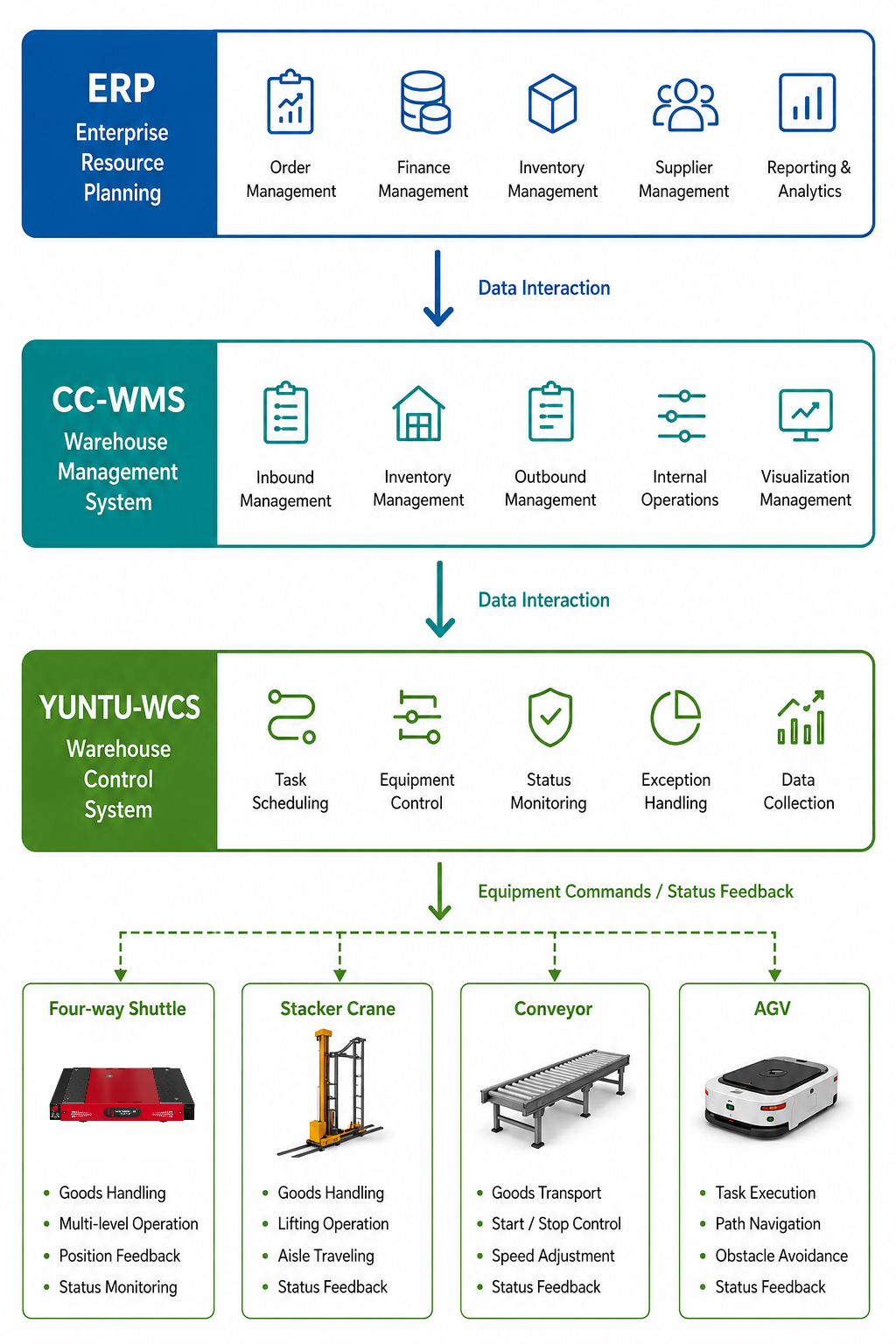
Each software layer plays a different role:
- ERP manages business processes.
- WMS manages inventory and warehouse operations.
- WCS coordinates automated equipment.
- Automation hardware executes storage and retrieval tasks.
This layered architecture enables efficient communication between enterprise software and warehouse machinery.
Key Benefits of Automated Storage Systems
Organizations invest in automated storage for a variety of strategic reasons.
Higher Storage Density
Automated systems maximize vertical warehouse space, allowing significantly more inventory to be stored within the same building footprint.
Faster Retrieval
Automated retrieval systems reduce travel distances and enable rapid access to inventory.
Improved Inventory Accuracy
Digital inventory tracking virtually eliminates errors caused by manual recording.
Reduced Labor Costs
Automation minimizes repetitive manual handling, helping businesses address labor shortages and rising wages.
Enhanced Safety
By reducing forklift traffic and manual lifting, automated storage systems create a safer working environment.
24/7 Operation
Unlike manual warehouses, automated systems can operate continuously, improving throughput and responsiveness.
Industries That Benefit from Automated Storage
Automated storage technologies are widely adopted across many industries.
| Industry | Typical Application |
| Manufacturing | Raw materials and finished goods storage |
| Automotive | Component handling and sequencing |
| Food & Beverage | Cold storage and FIFO inventory |
| Pharmaceuticals | Traceable, high-accuracy storage |
| E-commerce | High-speed order fulfillment |
| Retail | Omnichannel distribution |
| Third-Party Logistics (3PL) | Multi-client warehouse management |
Each industry benefits from automation in different ways, but all share common goals: improving efficiency, increasing storage capacity, and enhancing inventory visibility.
What Are the Different Types of ASRS Systems?
When companies search for types of ASRS or types of automated storage and retrieval systems, they are usually looking for the right automation technology based on warehouse size, product characteristics, storage capacity, and operational requirements.
An ASRS system is not a single type of equipment. It is a group of automated storage technologies designed for different applications, including pallet storage, bin storage, picking operations, manufacturing logistics, and high-density warehouses.
The main types of ASRS systems include:
- Unit Load ASRS
- Mini Load ASRS
- Pallet ASRS
- Shuttle ASRS
- Multi-Deep ASRS
- Automated Bin Storage System
- Vertical Lift Module (VLM)
- Horizontal Carousel System
- Vertical Carousel System
- Robotic Automated Storage and Retrieval System
Each system has unique advantages depending on warehouse requirements.
ASRS System Classification Overview
| ASRS Type | Storage Unit | Main Application | Automation Level |
| Unit Load ASRS | Pallets | Manufacturing, distribution | Fully automated |
| Mini Load ASRS | Bins/totes | Small parts picking | Fully automated |
| Pallet ASRS | Heavy pallets | Industrial warehouses | Fully automated |
| Shuttle ASRS | Pallets or containers | High-density storage | Fully automated |
| Multi-Deep ASRS | Multiple pallets deep | Space optimization | Fully automated |
| Automated Bin Storage System | Plastic bins | E-commerce, spare parts | Fully automated |
| Vertical Lift Module | Trays | Small components | Semi/full automated |
| Carousel System | Bins/products | Goods-to-person picking | Automated |
| Robotic ASRS | Various loads | Flexible automation | Intelligent automation |
1. Unit Load ASRS
What Is Unit Load ASRS?
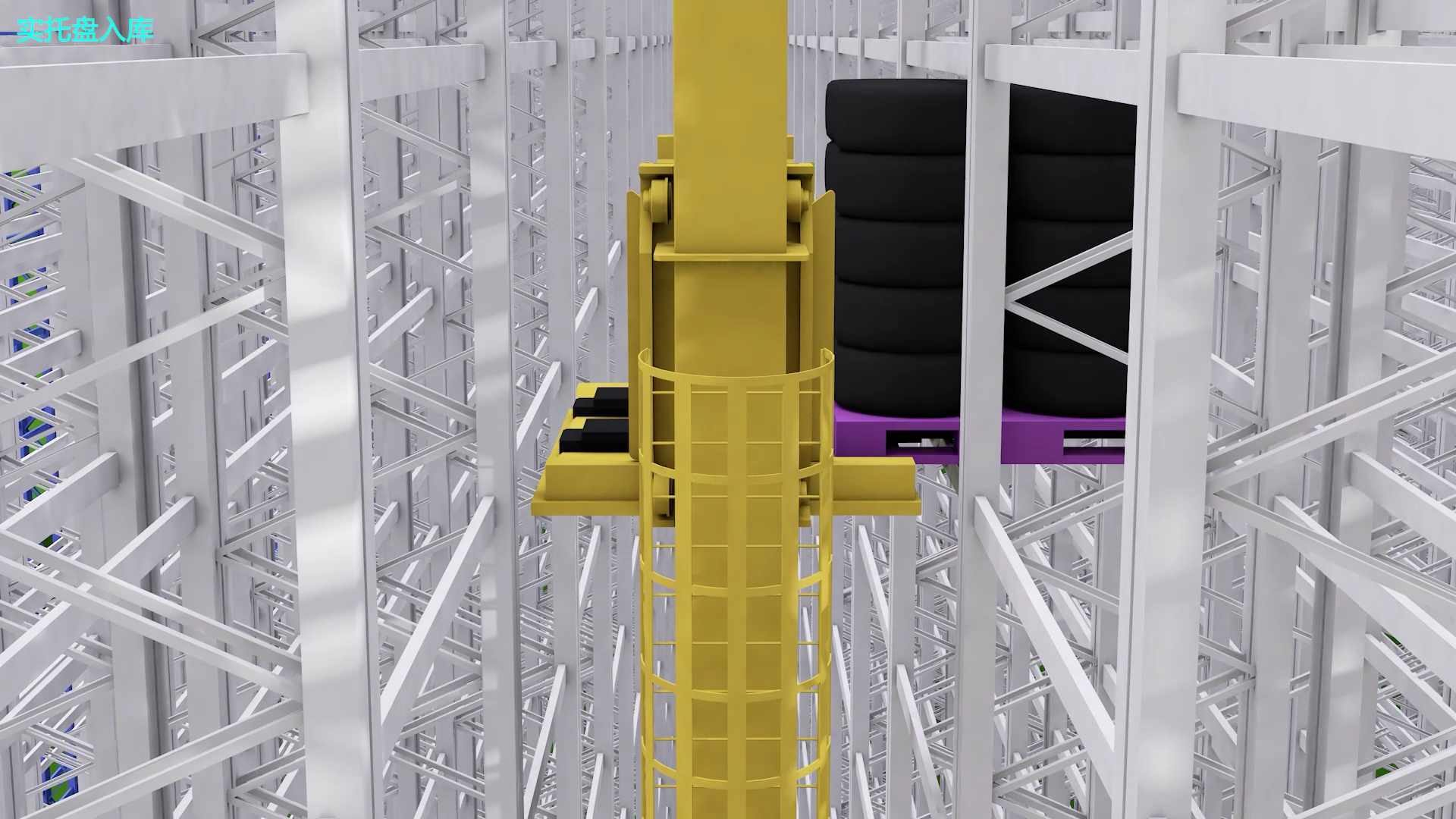
A Unit Load ASRS is one of the most widely used automated storage systems for handling full pallets or large loads.
It typically uses:
- Automated storage cranes
- High-rise racks
- Warehouse control software
- Conveyor systems
The system automatically stores and retrieves pallet loads from high-density rack structures.
Applications of Unit Load ASRS
Unit Load ASRS is commonly used in:
- Manufacturing plants
- Automotive warehouses
- Food and beverage storage
- Distribution centers
- Raw material warehouses
Advantages of Unit Load ASRS
| Benefit | Description |
| High storage capacity | Uses vertical warehouse space |
| Fast retrieval | Automated crane operation |
| Accurate inventory | Digital tracking |
| Reduced labor | Less forklift operation |
| 24/7 operation | Continuous warehouse availability |
2. Pallet ASRS
What Is a Pallet ASRS System?
A Pallet ASRS system is designed specifically for automated pallet storage and retrieval.
It is ideal for warehouses handling:
- Standard pallets
- Heavy loads
- Large quantities of inventory
A pallet ASRS usually consists of:
- Stacker cranes
- Shuttle vehicles
- Pallet racks
- Conveyors
- WMS/WCS software
Pallet ASRS vs Traditional Pallet Rack
| Feature | Traditional Pallet Rack | Pallet ASRS |
| Storage method | Manual forklift | Automated equipment |
| Space utilization | Medium | High |
| Inventory tracking | Manual | Real-time |
| Labor requirement | High | Low |
| Operation | Limited hours | 24/7 |
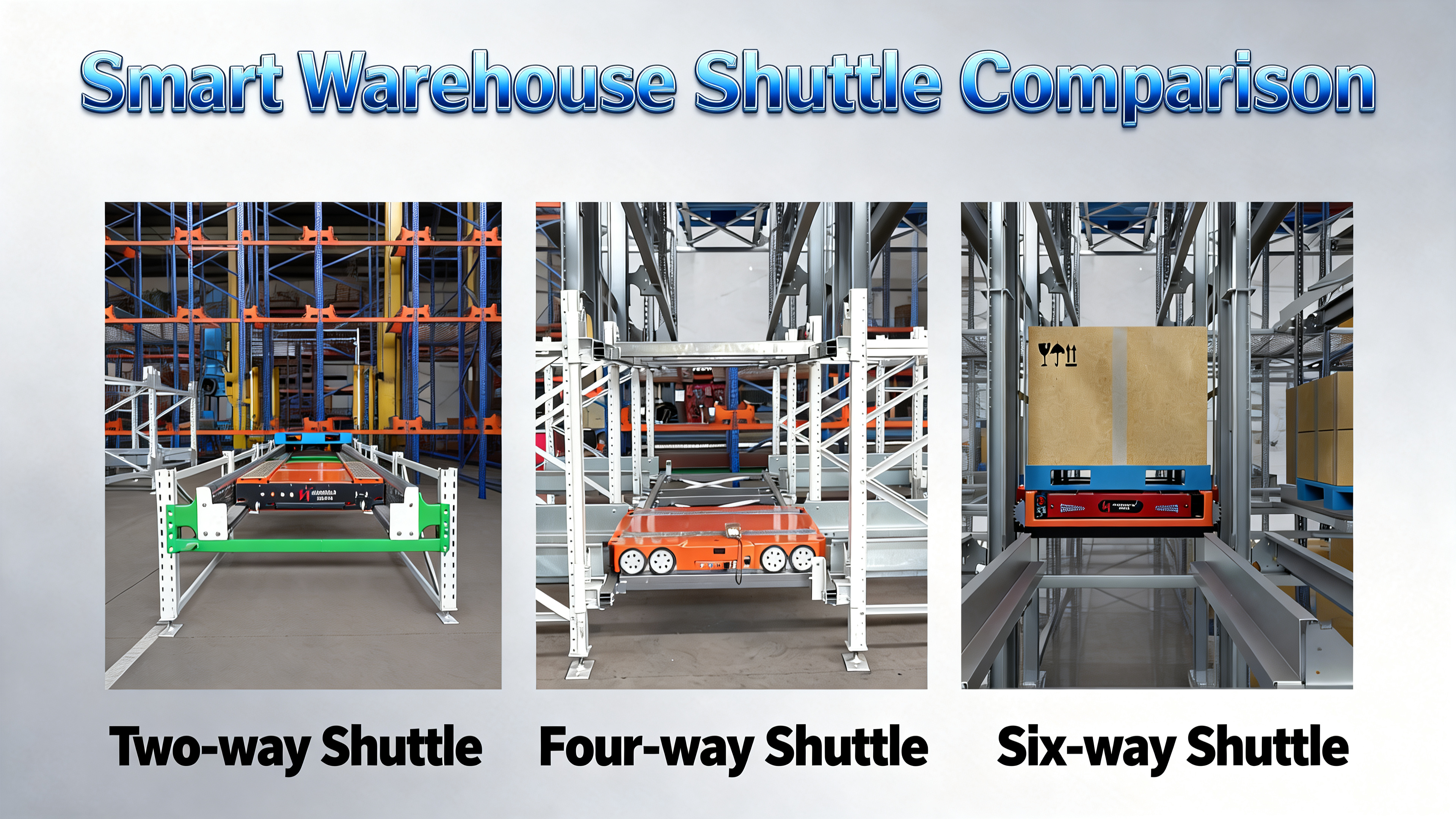
3. Shuttle ASRS
What Is Shuttle ASRS?
A Shuttle ASRS uses autonomous shuttle robots to move pallets or containers inside storage racks.
Compared with traditional crane-based ASRS, shuttle systems provide:
- Higher flexibility
- Better scalability
- Faster expansion capability
- High-density storage
Modern four-way shuttle systems can move horizontally and vertically, allowing flexible warehouse layouts.
Why Are Shuttle ASRS Systems Growing?
The demand for shuttle ASRS is increasing because companies need:
- Maximum storage density
- Flexible automation
- Reduced warehouse footprint
- Fast throughput
Industries adopting shuttle ASRS include:
- E-commerce
- Cold chain logistics
- Food industries
- Manufacturing
4. Multi-Deep ASRS
What Is Multi-Deep ASRS?
Multi-deep ASRS stores multiple pallets behind each other, improving storage density compared with traditional single-depth racks.
This solution is suitable for warehouses where:
- Storage density is more important than direct accessibility
- Large quantities of similar products are stored
- Inventory turnover is predictable
Multi-Deep ASRS Benefits
| Advantage | Result |
| More pallets per aisle | Higher density |
| Reduced aisle requirements | Better space utilization |
| Automated operation | Lower labor dependency |
5. Mini Load ASRS
What Is Mini Load ASRS?
A Mini Load ASRS is designed for smaller products stored in:
- Bins
- Totes
- Containers
It is commonly used for:
- Spare parts
- Electronics
- Medical products
- Small components
Mini Load ASRS Features
| Feature | Description |
| Load type | Small containers |
| Storage density | Very high |
| Picking method | Goods-to-person |
| Accuracy | Extremely high |
Mini Load ASRS is especially effective when warehouses require thousands of SKUs and fast picking operations.
6. Automated Bin Storage System
What Is an Automated Bin Storage System?
An automated bin storage system is an intelligent storage solution designed for small-item inventory management.
Instead of storing products on traditional shelves, automated bin systems use robotic equipment to store and retrieve containers automatically.
Typical components include:
- Storage racks
- Bin carriers
- Robots
- Conveyor systems
- Picking stations
- Warehouse software
Applications of Automated Bin Storage Systems
Common applications include:
E-commerce fulfillment
Handling thousands of small orders efficiently.
Spare parts warehouses
Managing large numbers of components.
Electronics industry
Storing small, high-value products.
Pharmaceutical logistics
Ensuring accurate inventory management.
Automated Bin Storage System vs Manual Shelving
| Factor | Manual Shelving | Automated Bin Storage |
| Space utilization | Medium | High |
| Picking speed | Slow | Fast |
| Inventory accuracy | Moderate | High |
| Labor requirement | High | Low |
| Data management | Limited | Intelligent |
7. Automated Shelving Systems
What Are Automated Shelving Systems?
Automated shelving systems combine storage shelves with mechanical movement technology to automatically bring products to operators.
They are commonly used in:
- Small parts warehouses
- Manufacturing supply areas
- Tool storage
- Medical storage
Unlike traditional shelving where workers walk to products, automated shelving follows the goods-to-person principle.
Benefits of Automated Shelving Systems
- Reduced operator walking distance
- Faster picking
- Better space utilization
- Improved accuracy
- Safer operation
8. Vertical Lift Module (VLM)
What Is a Vertical Lift Module?
A Vertical Lift Module is a compact automated storage system that uses vertically arranged trays.
The system automatically retrieves the required tray and delivers it to an ergonomic workstation.
VLM Applications
Common applications:
- Industrial spare parts
- Tools management
- Electronics components
- Medical supplies
Advantages
| Benefit | Explanation |
| Saves floor space | Uses vertical height |
| Improves security | Controlled access |
| Reduces errors | Digital inventory |
| Improves ergonomics | Operator-friendly picking |
9. Carousel Storage Systems
Carousel systems are another type of automated storage and retrieval technology.
They include:
Horizontal Carousel
Products move horizontally in rotating carriers.
Applications:
- Parts warehouses
- Manufacturing storage
Vertical Carousel
Products move vertically.
Applications:
- Small component storage
- Limited-space warehouses
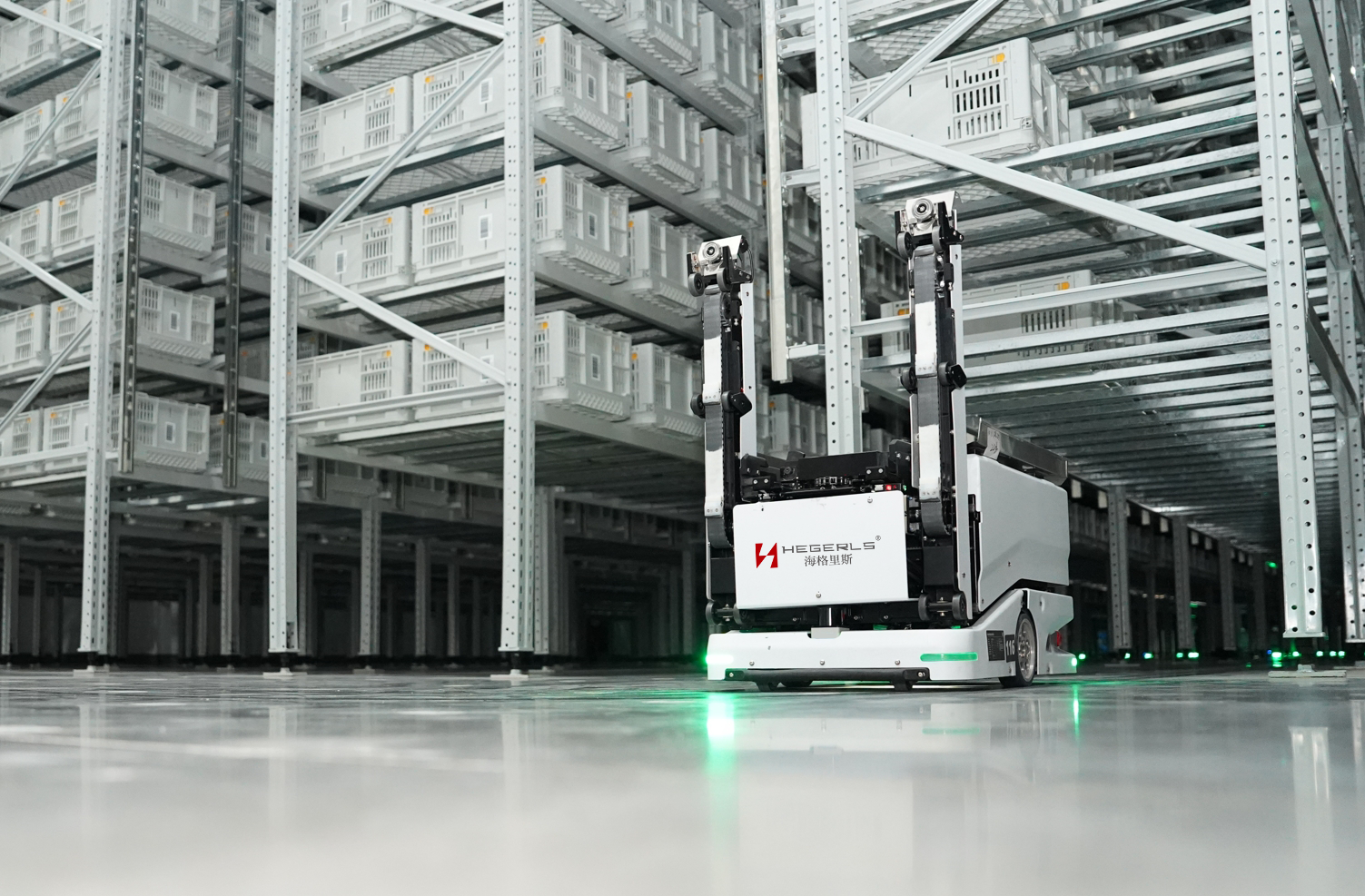
10. Robotic Automated Storage and Retrieval System
What Is a Robotic ASRS?
A robotic automated storage and retrieval system uses autonomous robots combined with AI software to perform storage and retrieval tasks.
Compared with traditional automation, robotic ASRS provides:
- Greater flexibility
- Intelligent decision-making
- Easier scalability
Robotic ASRS technologies include:
- Autonomous shuttle robots
- Mobile robots
- Robotic picking systems
- AI-driven warehouse robots
ASRS Technology Selection Guide
Choosing the right automated storage and retrieval system depends on several factors.
| Warehouse Requirement | Recommended ASRS Solution |
| Large pallet storage | Pallet ASRS |
| High-density pallet warehouse | Shuttle ASRS |
| Small-item picking | Mini Load ASRS |
| Thousands of SKUs | Automated Bin Storage |
| Limited floor space | VLM |
| Flexible automation | Robotic ASRS |
| Manufacturing logistics | Unit Load ASRS |
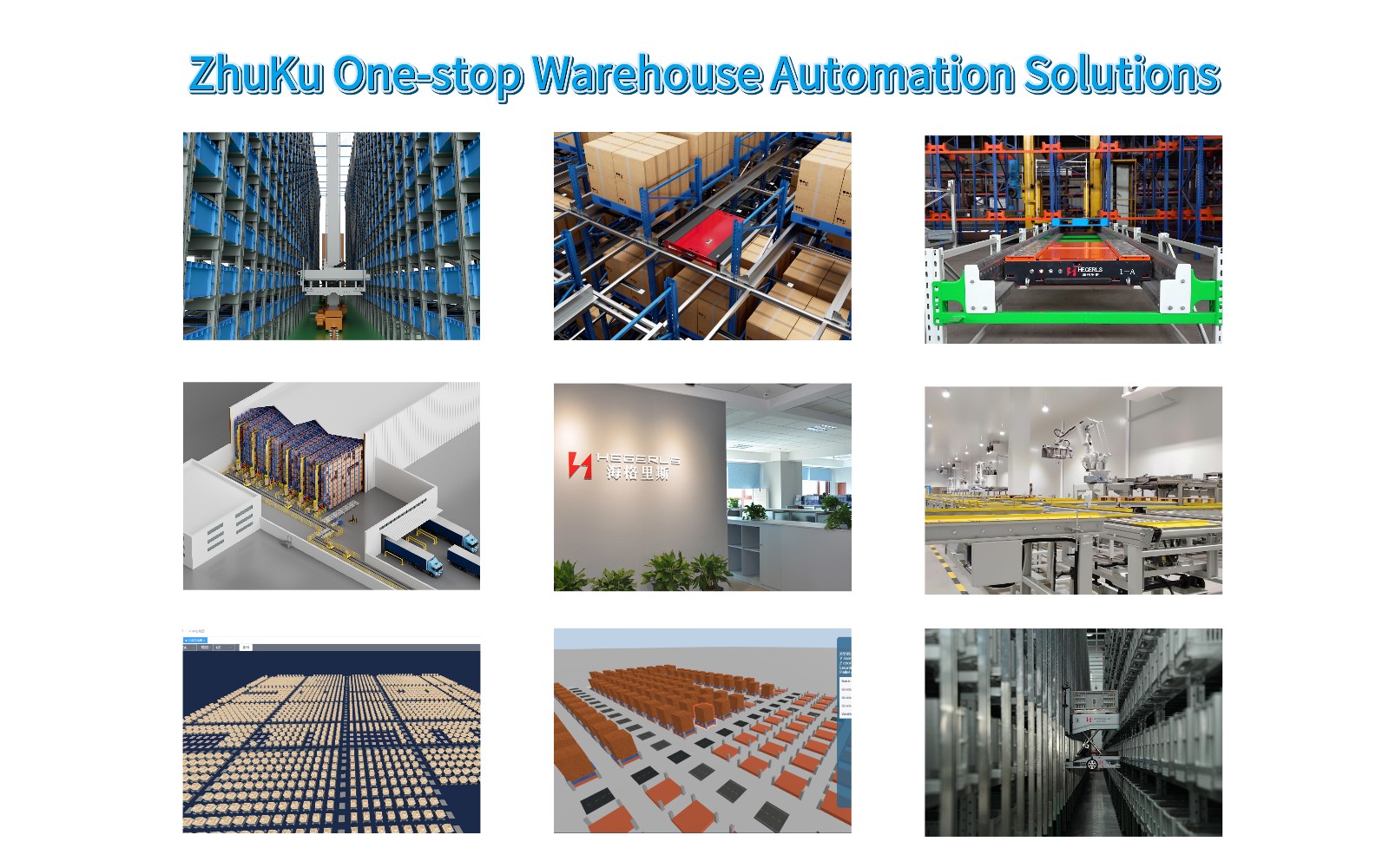
How Zhuku Supports Different ASRS Applications
As an intelligent warehouse automation solution provider, Zhuku designs customized ASRS warehouse systems according to customer requirements.
Zhuku solutions include:
- Pallet ASRS
- Stacker crane systems
- Four-way shuttle ASRS
- Automated storage systems
- Warehouse automation software integration
- WMS and WCS solutions
By combining automation equipment, intelligent control systems, and warehouse engineering expertise, Zhuku helps companies build efficient warehouse ASRS systems for different industries.
How Does ASRS Automation Work in a Smart Warehouse?
ASRS automation combines mechanical equipment, intelligent software, and data technologies to create a fully coordinated warehouse storage and retrieval process.
Unlike traditional warehouses where operators manually locate products using forklifts or shelves, an automated storage and retrieval system ASRS uses computer-controlled equipment to automatically identify, store, and retrieve inventory.
A modern ASRS warehouse system typically operates through the following process:
Step 1: Inventory Receiving
When goods enter the warehouse, the system collects product information including:
- SKU number
- Quantity
- Weight
- Dimensions
- Batch information
- Storage requirements
Barcode scanners, RFID technology, and warehouse software ensure accurate inventory identification.
Step 2: Intelligent Storage Allocation
The warehouse management system automatically determines the optimal storage location.
The decision process considers:
- Product turnover rate
- Storage availability
- Product characteristics
- Weight distribution
- FIFO/FEFO requirements
This intelligent allocation improves warehouse space utilization and reduces unnecessary movements.
Step 3: Automated Storage
The ASRS equipment automatically transports products to the assigned location.
Depending on the system type, this may involve:
- Stacker cranes
- Shuttle robots
- Robotic carriers
- Vertical lifting mechanisms
- Conveyors
Step 4: Automated Retrieval
When products are required, the system receives instructions from the WMS/WCS.
The automated retrieval process includes:
- Receiving retrieval instructions
- Locating inventory
- Moving automation equipment
- Delivering products to the workstation
This enables faster and more accurate order fulfillment.
What Are the Benefits of ASRS Automation?
Companies invest in ASRS automation because it provides significant operational improvements compared with manual storage methods.
1. Higher Storage Density
One of the biggest advantages of an ASRS storage system is maximizing warehouse space.
Traditional warehouses require:
- Wide forklift aisles
- Manual operating space
- Lower rack heights
ASRS warehouses can utilize:
- Vertical warehouse height
- Narrow aisles
- High-density rack configurations
Storage Efficiency Comparison
| Storage Method | Space Utilization |
| Traditional pallet rack | Medium |
| Drive-in rack | Medium-high |
| Shuttle rack | High |
| ASRS warehouse system | Very high |
For companies facing expensive land costs, automated warehouse storage systems provide a practical solution for increasing capacity without expanding buildings.
2. Faster Automated Retrieval
Traditional warehouses often require workers to:
- Search locations
- Drive forklifts
- Manually confirm inventory
Automated retrieval systems eliminate these steps.
Benefits include:
- Shorter retrieval time
- Higher throughput
- Reduced waiting time
- Improved order processing
For high-volume warehouses, faster retrieval directly improves customer satisfaction and supply chain performance.
3. Improved Inventory Accuracy
Manual inventory management can create problems such as:
- Wrong locations
- Missing products
- Incorrect quantities
- Human recording errors
ASRS systems maintain real-time inventory visibility through:
- Software tracking
- Barcode identification
- Automated location management
Many automated warehouses achieve inventory accuracy levels above 99%.
4. Reduced Labor Dependency
Global labor shortages are one of the main drivers behind warehouse automation adoption.
ASRS helps companies reduce dependency on:
- Forklift operators
- Manual picking workers
- Repetitive warehouse tasks
Employees can focus on:
- Quality control
- Warehouse management
- Process optimization
5. Improved Workplace Safety
Automated storage systems reduce risks associated with:
- Forklift accidents
- Heavy lifting
- High-level rack operations
- Manual handling injuries
A well-designed ASRS warehouse creates a safer working environment by separating people from dangerous material movement operations.
6. 24/7 Warehouse Operation Capability
Unlike manual warehouses limited by working shifts, automated storage systems can operate continuously.
This provides:
- Higher productivity
- Faster response times
- Better resource utilization
For industries requiring continuous operations, such as manufacturing and cold chain logistics, ASRS automation provides significant advantages.
Automated Storage and Retrieval System Applications by Industry
The adoption of automated storage and retrieval systems is expanding across multiple industries.
1. Manufacturing Industry
Manufacturing companies use ASRS warehouses for:
- Raw material storage
- Production line supply
- Finished product storage
- Component management
Typical solutions:
- Pallet ASRS
- Stacker crane systems
- Shuttle ASRS
Benefits:
- Stable material supply
- Reduced production downtime
- Better inventory control
2. Automotive Industry
Automotive manufacturing requires precise logistics management due to:
- Thousands of components
- Complex supply chains
- Strict production schedules
ASRS applications include:
- Parts storage
- Sequencing systems
- Production logistics
3. E-commerce and Retail Distribution
E-commerce warehouses require:
- High-speed picking
- Large SKU management
- Fast order fulfillment
Common solutions:
- Automated bin storage systems
- Mini-load ASRS
- Robotic ASRS
- Goods-to-person systems
4. Food and Beverage Industry
Food warehouses require:
- FIFO management
- Temperature control
- High inventory accuracy
ASRS advantages:
- Better cold storage utilization
- Reduced human access requirements
- Improved traceability
5. Pharmaceutical Industry
Pharmaceutical warehouses require:
- Strict inventory control
- Batch tracking
- High accuracy
ASRS provides:
- Automated tracking
- Controlled storage environments
- Reduced contamination risks
ASRS Warehouse vs Traditional Warehouse
| Feature | Traditional Warehouse | ASRS Warehouse |
| Storage method | Manual operation | Automated storage |
| Space utilization | Moderate | High |
| Inventory tracking | Manual | Digital real-time |
| Labor requirement | High | Lower |
| Retrieval process | Worker-driven | System-driven |
| Accuracy | Depends on operators | Very high |
| Operation hours | Limited | 24/7 capability |
| Scalability | Difficult | Flexible expansion |
Global Automated Storage Market Trends 2026
The global demand for automated storage systems continues growing as businesses accelerate warehouse digital transformation.
Major trends include:
1. AI-Powered ASRS Automation
Artificial intelligence is improving:
- Storage optimization
- Predictive maintenance
- Equipment scheduling
- Inventory forecasting
Future ASRS systems will become more intelligent by continuously analyzing warehouse data.
2. Flexible and Modular ASRS Systems
Companies increasingly prefer automation solutions that can grow with business needs.
Modern ASRS systems focus on:
- Modular design
- Easy expansion
- Flexible warehouse layouts
Four-way shuttle systems and robotic storage solutions are becoming increasingly popular because they provide greater adaptability.
3. Integration of WMS, WCS, and Robotics
The future warehouse will depend on seamless integration between:
- Business systems
- Warehouse software
- Automation equipment
4. Sustainable Warehouse Automation
Companies are adopting ASRS to achieve:
- Lower energy consumption
- Reduced warehouse footprint
- Better resource utilization
Automation supports global sustainability goals by improving operational efficiency.
How to Choose the Right ASRS System Companies?
Choosing the right supplier is critical because ASRS projects involve:
- Warehouse design
- Equipment integration
- Software development
- Installation
- Long-term service
When evaluating ASRS system companies, consider the following factors:
1. Engineering and Integration Capability
A reliable ASRS provider should offer:
- Warehouse planning
- System design
- Equipment manufacturing
- Software integration
- Installation support
2. Product Portfolio
A complete supplier should provide multiple solutions:
| Requirement | Solution |
| Pallet storage | Pallet ASRS |
| High-density storage | Shuttle ASRS |
| Small-item storage | Mini-load ASRS |
| Intelligent control | WMS/WCS |
| Flexible handling | AGV/AMR |
3. Industry Experience
Choose suppliers with experience in:
- Manufacturing
- Automotive
- Food
- Pharmaceuticals
- Logistics
Project experience helps ensure successful implementation.
Why Choose Zhuku for Automated Storage Solutions?
Zhuku is an intelligent warehouse automation solution provider specializing in customized automated storage and retrieval system solutions.
Zhuku provides:
Automated Storage Systems
Including:
- ASRS warehouse systems
- Four-way shuttle systems
- Stacker crane automation
- Pallet storage solutions
Intelligent Software Integration
Including:
- Warehouse Management System (WMS)
- Warehouse Control System (WCS)
- ERP integration
Complete Project Services
From:
- Warehouse planning
- Solution design
- Equipment manufacturing
- Installation
- Technical support
Zhuku helps global customers build efficient, scalable, and intelligent warehouses through advanced ASRS automation technology.
How Much Does an ASRS System Cost?
One of the most common questions companies ask before investing in automation is:
How much does an automated storage and retrieval system cost?
The cost of an ASRS system varies significantly depending on warehouse requirements, automation level, equipment type, and software integration.
A typical ASRS project investment depends on:
- Warehouse size
- Storage capacity
- Load type
- Throughput requirements
- Building height
- Automation equipment
- Software requirements
- Installation complexity
Main Factors Affecting ASRS Cost
| Factor | Impact on Cost |
| Storage capacity | More storage locations require more equipment |
| Load type | Pallet systems cost differently from bin systems |
| Warehouse height | Higher buildings require advanced equipment |
| Throughput requirement | Higher speed requires more automation units |
| Software integration | WMS/WCS customization affects investment |
| Project complexity | Special environments require customized solutions |
Estimated ASRS System Investment Range
Because every warehouse automation project is customized, pricing varies widely.
A general investment range:
| ASRS Type | Typical Application | Investment Level |
| Mini Load ASRS | Small parts storage | Medium |
| Automated Bin Storage System | E-commerce fulfillment | Medium-high |
| Pallet ASRS | Industrial warehouses | High |
| Stacker Crane ASRS | Large automated warehouses | High |
| Shuttle ASRS | High-density pallet storage | High |
| Robotic ASRS | Flexible automation | Medium-high to high |
The most suitable ASRS solution should be selected based on operational requirements rather than initial equipment cost alone.
ASRS ROI: Is Automated Storage Worth the Investment?
A key reason companies choose automated storage systems is the long-term return on investment.
Although ASRS requires higher initial investment than traditional storage, it can generate value through:
- Reduced labor costs
- Higher storage capacity
- Lower operational errors
- Improved productivity
- Better inventory management
ASRS ROI Evaluation Factors
| Evaluation Factor | Traditional Warehouse | ASRS Warehouse |
| Labor requirement | High | Lower |
| Storage density | Limited | Higher |
| Inventory accuracy | Operator dependent | Automated |
| Operating hours | Limited shifts | 24/7 |
| Space utilization | Moderate | Optimized |
| Data visibility | Limited | Real-time |
How Long Is the Payback Period for an ASRS System?
The payback period of an ASRS project depends on:
- Labor savings
- Warehouse expansion avoidance
- Productivity improvement
- Business growth
- Operating environment
For companies with:
- High labor costs
- Limited warehouse space
- High inventory turnover
- Continuous operation requirements
ASRS automation often provides faster economic returns.
ASRS Selection Checklist: How to Choose the Right System
Before selecting an automated storage and retrieval system, companies should evaluate several key factors.
1. Understand Your Storage Requirements
Analyze:
- Product type
- Product dimensions
- Product weight
- SKU quantity
- Inventory turnover
Example:
| Requirement | Recommended Solution |
| Heavy pallets | Pallet ASRS |
| Small components | Mini Load ASRS |
| Large SKU quantity | Automated bin storage |
| High-density pallet storage | Shuttle ASRS |
| Limited space | Vertical storage system |
2. Define Warehouse Performance Goals
Determine:
- Required storage capacity
- Required throughput
- Retrieval speed
- Future expansion plans
A good ASRS design should not only solve current problems but also support future growth.
3. Evaluate Software Capability
Modern ASRS warehouses require intelligent software.
A complete solution should include:
Warehouse Management System (WMS)
Responsible for:
- Inventory control
- Order management
- Warehouse planning
Warehouse Control System (WCS)
Responsible for:
- Equipment coordination
- Task scheduling
- Real-time monitoring
Software capability is becoming a key differentiator among ASRS system companies.
Future Development of Automated Storage Systems
The future of automated storage will focus on intelligence, flexibility, and sustainability.
1. AI-Based Automated Retrieval Systems
Artificial intelligence will improve:
- Storage location optimization
- Predictive analysis
- Equipment scheduling
- Inventory forecasting
Future ASRS systems will continuously learn from warehouse data and optimize operations automatically.
2. More Flexible Robotic ASRS
Traditional automation systems often require fixed layouts.
Future robotic ASRS solutions will provide:
- More flexible deployment
- Easier expansion
- Dynamic route planning
- Intelligent collaboration
This will make automation accessible to more companies.
3. Digital Twin-Based ASRS Design
Digital twin technology allows companies to create virtual warehouse models before implementation.
Benefits include:
- Simulation before construction
- Layout optimization
- Performance prediction
- Reduced project risks
4. Green and Energy-Efficient Automated Warehouses
Sustainability is becoming an important consideration.
Future ASRS warehouses will focus on:
- Lower energy consumption
- Efficient equipment operation
- Reduced building footprint
- Sustainable logistics
Conclusion: Automated Storage Is the Future of Intelligent Warehousing
The development of automated storage systems is transforming warehouses from traditional storage facilities into intelligent logistics centers.
With increasing demand for:
- Higher efficiency
- Better space utilization
- Faster retrieval
- Accurate inventory management
ASRS technology has become a critical solution for modern supply chains.
From pallet ASRS and shuttle systems to robotic automated storage and retrieval systems, businesses can select different automation technologies according to their operational needs.
As a professional warehouse automation solution provider, Zhuku delivers customized ASRS warehouse systems that combine advanced equipment, intelligent software, and engineering expertise to help companies achieve smarter and more efficient warehouse operations.