The warehouse industry is experiencing a major transformation driven by artificial intelligence (AI), robotics, automation, and data-driven decision-making.
For decades, warehouse operations mainly depended on manual labor, forklifts, and traditional inventory management methods. However, increasing customer expectations, rising labor costs, supply chain uncertainty, and the rapid growth of e-commerce have created demand for smarter and more efficient warehouse solutions.
Today, AI in warehouse operations is changing how companies store, manage, move, and analyze inventory.
AI-powered warehouses can:
- Predict inventory demand
- Optimize storage locations
- Automate warehouse operations
- Improve picking accuracy
- Reduce equipment downtime
- Enable intelligent decision-making
Combined with technologies such as:
- Automated Storage and Retrieval Systems (ASRS)
- Warehouse Management Systems (WMS)
- Warehouse Control Systems (WCS)
- Autonomous Mobile Robots (AMRs)
- Automated Guided Vehicles (AGVs)
- Computer vision systems
AI is becoming the intelligence layer of next-generation smart warehouses.
As an intelligent warehouse automation solution provider, Zhuku integrates automation equipment, warehouse software, and intelligent control technologies to help global customers build efficient AI-driven warehouses.
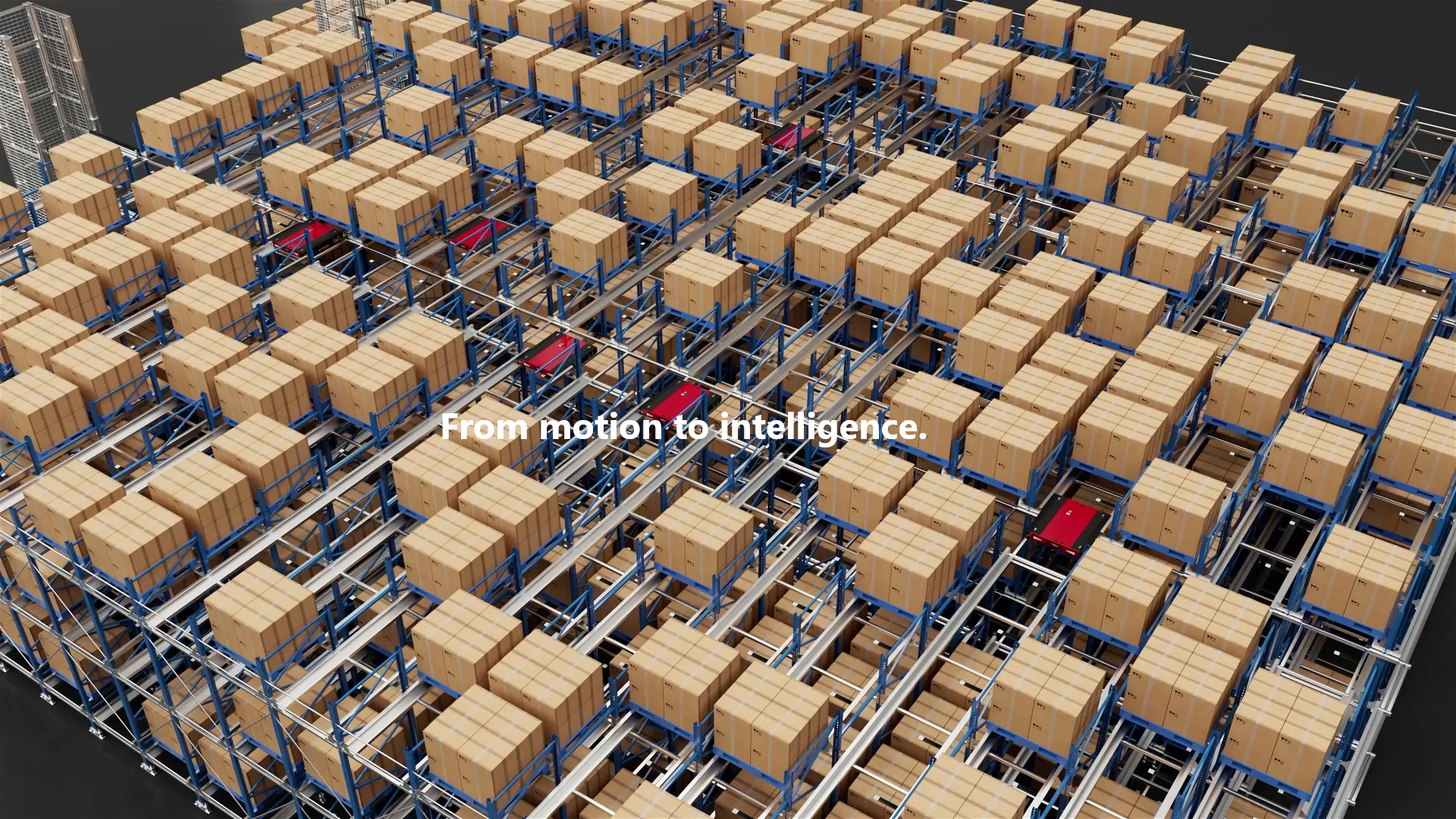
What Is AI in Warehouse?
AI in Warehouse Meaning
AI in warehouse refers to the application of artificial intelligence technologies to improve warehouse planning, operation, automation, and decision-making processes.
Unlike traditional warehouse systems that follow fixed rules, AI-powered warehouse systems can analyze large amounts of operational data and continuously optimize warehouse performance.
AI technologies used in warehouses include:
| AI Technology | Warehouse Application |
| Machine Learning | Demand prediction and optimization |
| Computer Vision | Product recognition and inspection |
| Deep Learning | Intelligent decision-making |
| Natural Language Processing | AI warehouse assistants |
| Predictive Analytics | Maintenance forecasting |
| Robotics AI | Autonomous movement and picking |
How Is Artificial Intelligence Used in Warehouses?
AI is transforming almost every stage of warehouse operations, from receiving goods to final delivery.
The main applications include:
- AI inventory management
- Intelligent warehouse planning
- AI-powered robotics
- Automated picking optimization
- Predictive maintenance
- Smart warehouse control
- AI-based supply chain analytics
AI Warehouse Architecture: How AI Works With Warehouse Automation
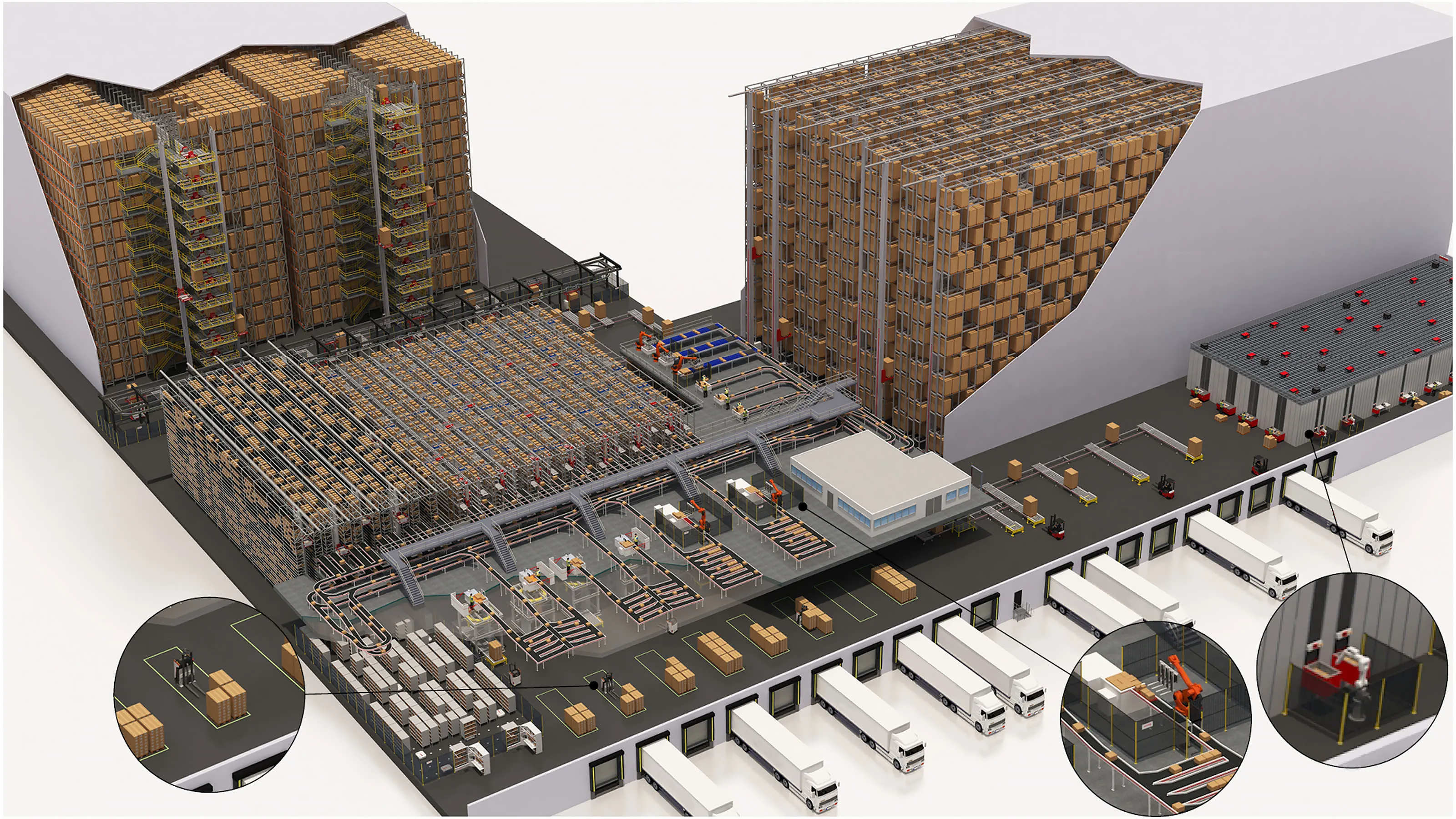
An AI-powered warehouse integrates business systems, intelligent analytics, warehouse software, and automated equipment to create a fully connected smart logistics ecosystem.
Business Planning & Production Data Integration
ERP and MES systems provide real-time business, production, and supply chain information as the foundation for intelligent warehouse decision-making.
AI-Based Data Analysis and Optimization
The AI Analytics Platform analyzes operational data, predicts demand, optimizes storage strategies, improves resource allocation, and supports intelligent decision-making.
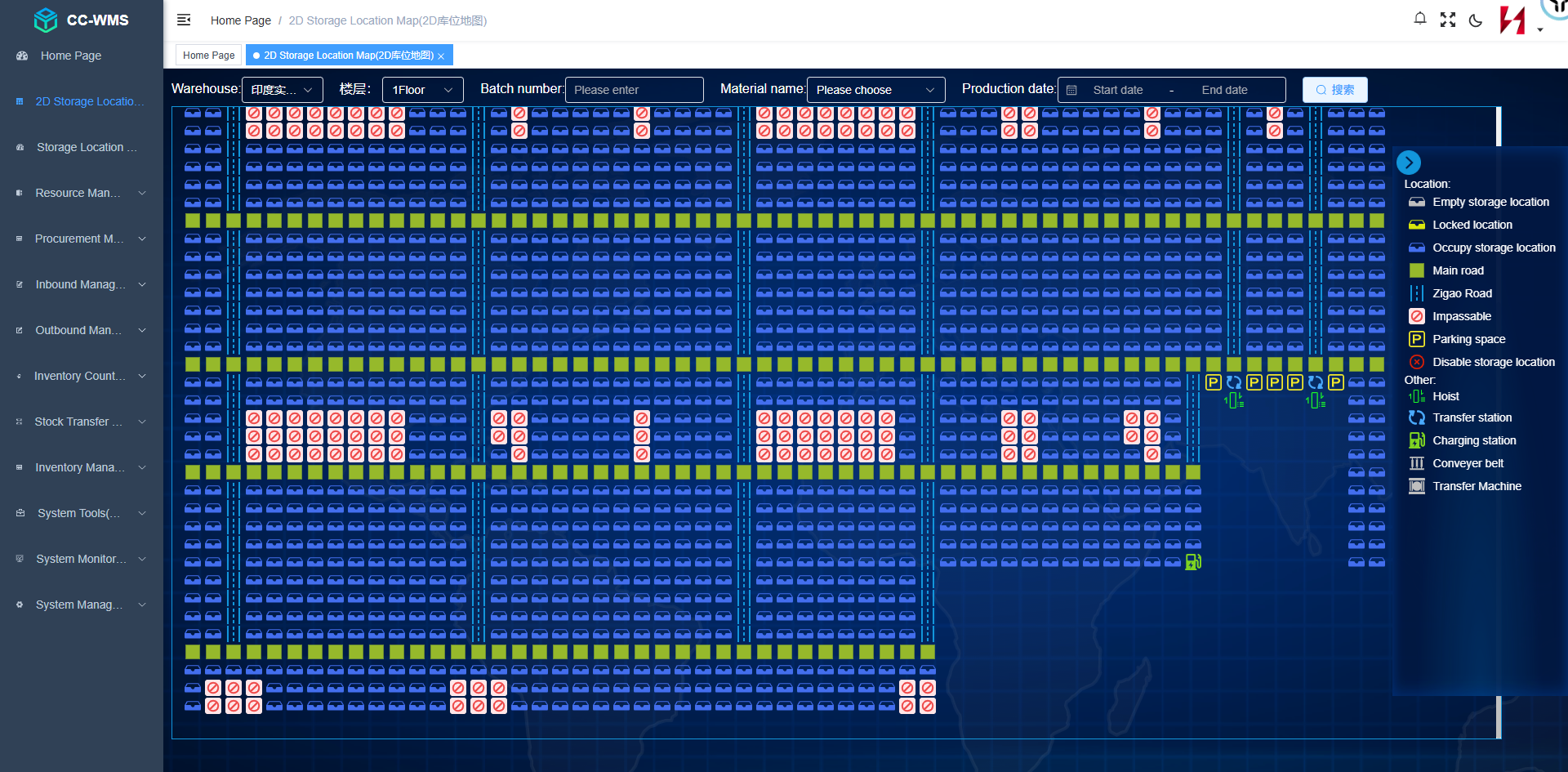
Intelligent Warehouse Management
The CC-WMS Warehouse Management System manages inventory, orders, warehouse processes, and operational workflows to ensure accurate and efficient warehouse management.
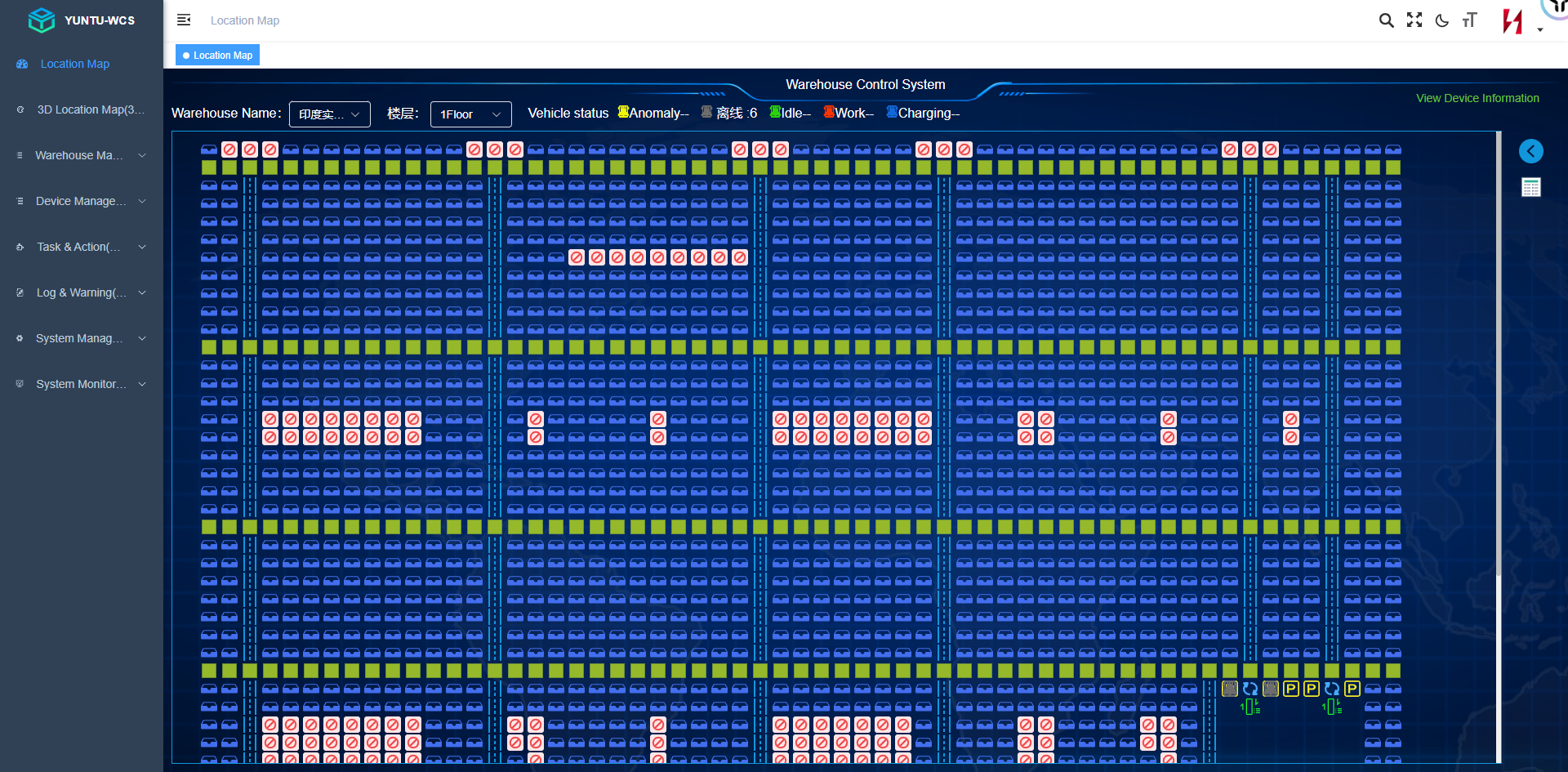
Real-Time Equipment Control and Scheduling
The YUNTU-WCS Warehouse Control System coordinates automation equipment, optimizes task execution, manages equipment communication, and ensures smooth material flow.
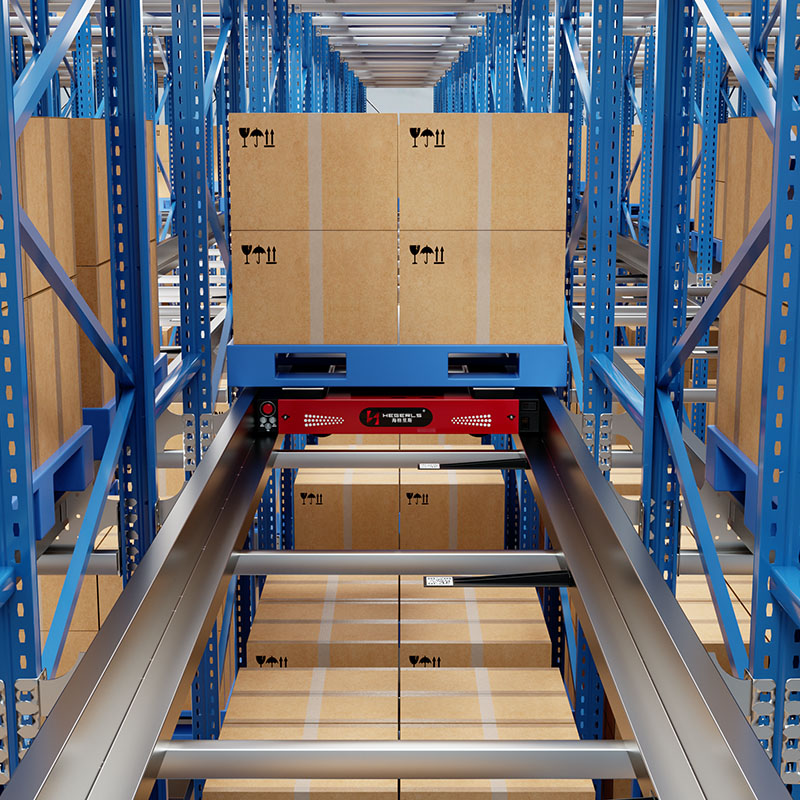
Automated Storage and Material Handling Equipment
ASRS, shuttle systems, robots, and AGVs execute automated storage, retrieval, transportation, and handling operations according to intelligent instructions.
Optimized Warehouse Operations
The integrated system enables efficient storage, accurate inventory management, faster order fulfillment, and continuous optimization of warehouse performance.
Why Is AI Important for Warehouse Automation?
Traditional warehouse automation systems can execute tasks automatically, but AI makes them more intelligent.
The difference:
| Traditional Automation | AI-Powered Automation |
| Fixed rules | Self-learning algorithms |
| Predefined routes | Dynamic optimization |
| Reactive maintenance | Predictive maintenance |
| Manual analysis | Intelligent insights |
| Static planning | Real-time decision-making |
AI enables warehouses to move from:
Automation → Intelligent Automation → Autonomous Warehouse
Key Benefits of AI in Warehouse Operations
1. Intelligent Inventory ManagementInventory accuracy is one of the biggest challenges in warehouse operations. AI improves inventory management through:
AI algorithms analyze historical and real-time data to predict:
|
2. AI-Based Warehouse Planning OptimizationWarehouse layout directly affects efficiency. Traditional storage allocation often depends on manual experience. AI warehouse systems can automatically optimize product locations based on:
For example: Fast-moving products can be placed closer to picking stations, reducing travel time and improving throughput. |
3. Improved Warehouse Automation EfficiencyAI enhances automated warehouse equipment by optimizing:
For ASRS warehouses, AI can improve:
|
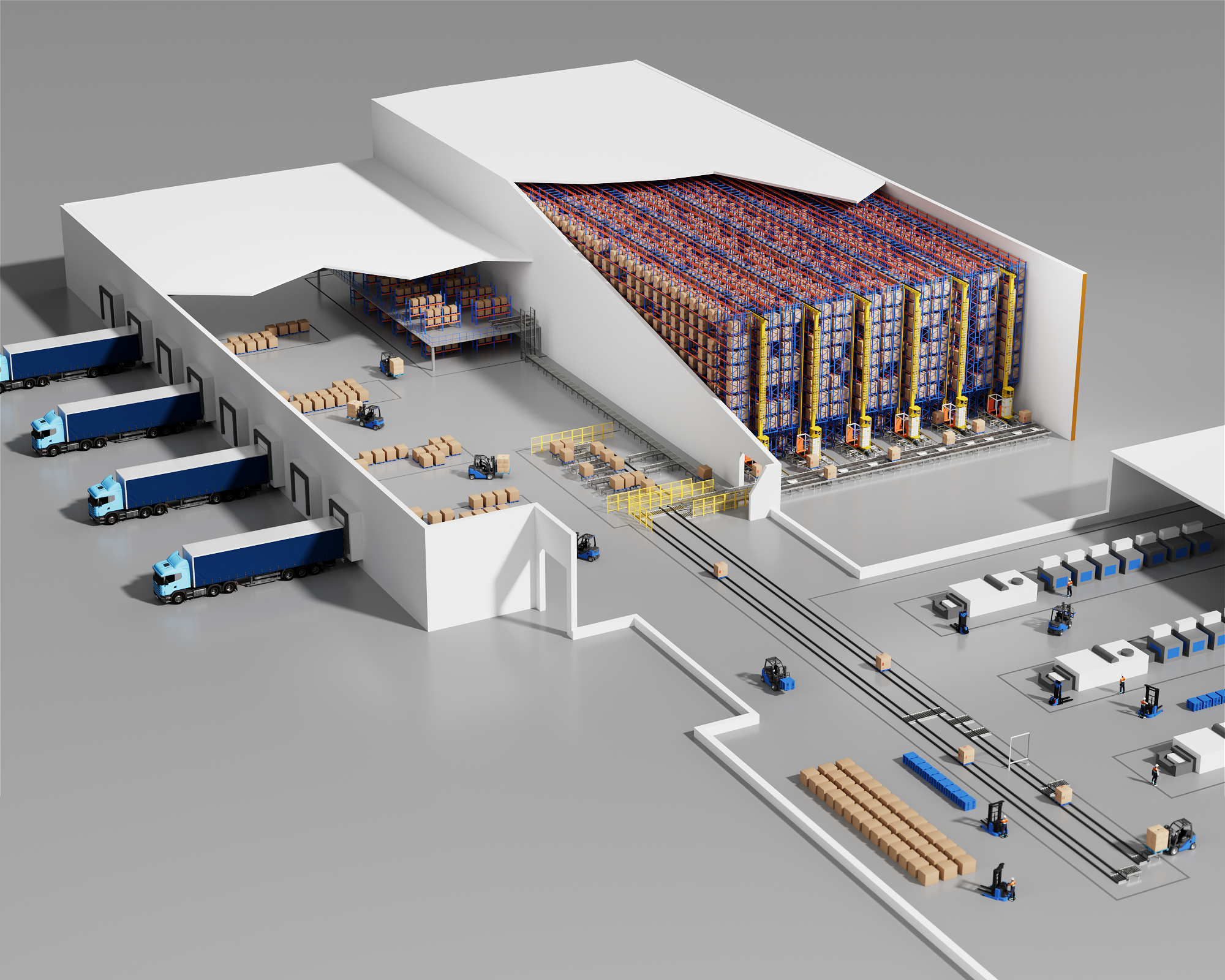
AI and ASRS: Creating Intelligent Automated Storage Systems
One of the most important applications of AI in warehouse automation is integration with ASRS.
An AI-powered ASRS warehouse can:
- Predict storage requirements
- Optimize pallet locations
- Reduce unnecessary movements
- Balance equipment workload
Traditional ASRS:
Order Received
↓
Fixed Storage Rule
↓
Equipment Executes Task
AI-powered ASRS:
Order Received
↓
AI Analyzes Data
↓
Optimized Storage Strategy
↓
WMS/WCS Coordination
↓
ASRS Executes Best Solution
How Is AI Used in Warehouse Robotics?
Warehouse robotics is one of the fastest-growing applications of AI in warehouse automation.
Traditional warehouse robots mainly follow predefined routes and instructions. AI-powered robots can analyze their environment, learn from operational data, and make intelligent decisions in real time.
AI warehouse robotics combines:
- Artificial intelligence
- Machine vision
- Autonomous navigation
- Robotics control
- Warehouse software integration
The goal is to create warehouses where machines can:
- Move autonomously
- Optimize routes
- Avoid obstacles
- Identify products
- Collaborate with humans
- Continuously improve performance
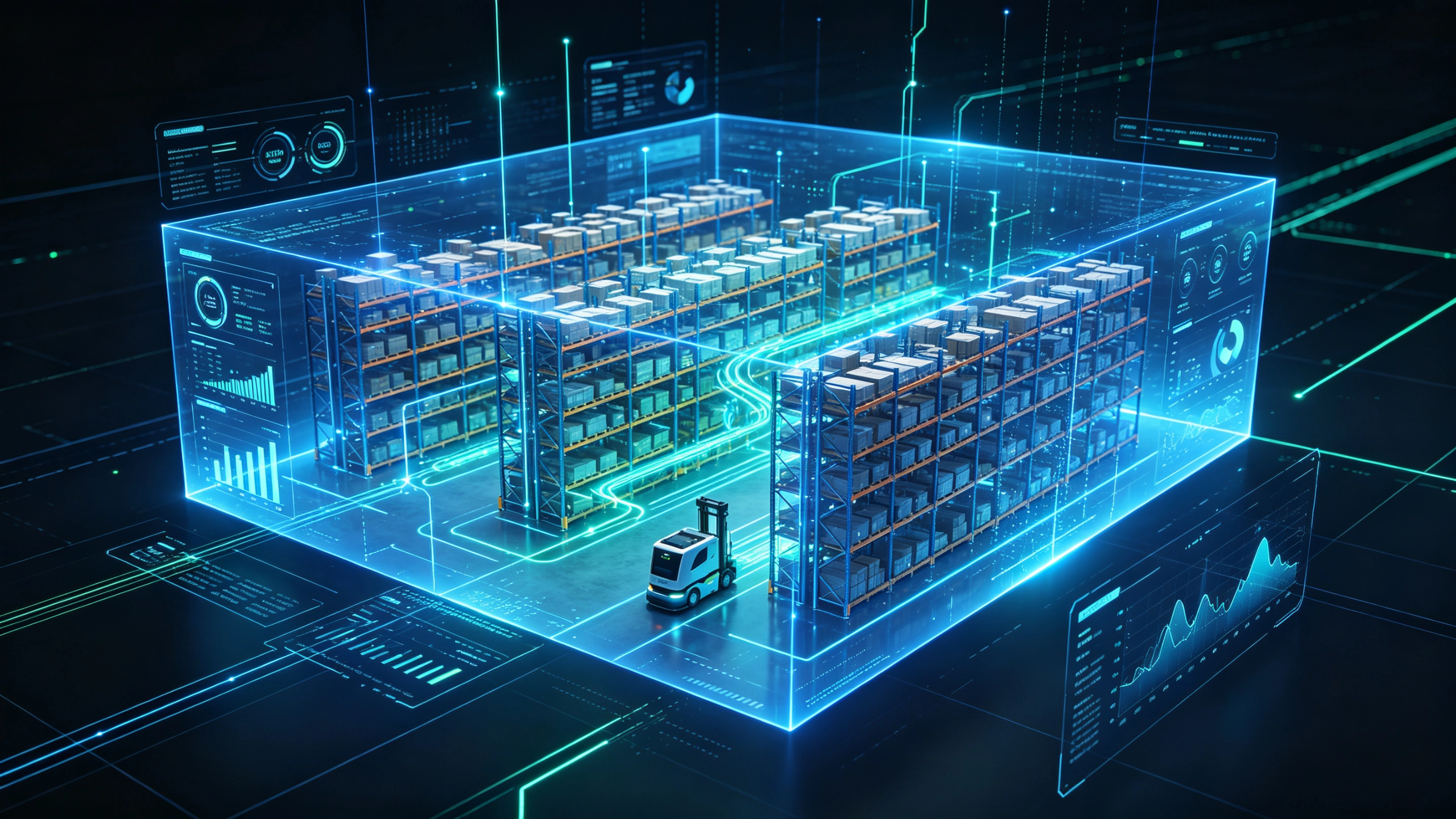
AI Robotics Warehouse Technologies
Modern AI robotics warehouses include several types of intelligent robots:
| Robot Type | AI Function | Main Application |
| AMR (Autonomous Mobile Robot) | Intelligent navigation | Material transportation |
| AGV (Automated Guided Vehicle) | Automated movement | Manufacturing logistics |
| Robotic Arm | Vision-based recognition | Picking and palletizing |
| Sorting Robot | AI classification | E-commerce fulfillment |
| Shuttle Robot | Intelligent storage | ASRS warehouse |
| Humanoid Robot | Flexible task execution | Future warehouse operations |
AI + AMR: Autonomous Mobile Robots in Warehouses
What Is an AI-Powered AMR?
An AI-powered AMR is a mobile robot that uses artificial intelligence to navigate warehouse environments without fixed tracks.
Unlike traditional AGVs that follow predetermined paths, AMRs can:
- Understand surroundings
- Create dynamic routes
- Avoid obstacles
- Optimize movement
AI enables AMRs to make real-time decisions based on:
- Warehouse layout
- Traffic conditions
- Task priority
- Equipment availability
Benefits of AI AMR Systems
| Benefit | Description |
| Flexible deployment | No major infrastructure changes |
| Dynamic routing | Automatically selects efficient paths |
| Scalability | Additional robots can be added easily |
| Safety improvement | Intelligent obstacle avoidance |
| Higher productivity | Continuous operation |
AI AMRs are increasingly used in:
- Manufacturing warehouses
- E-commerce fulfillment centers
- Distribution centers
- Pharmaceutical logistics
AI + AGV: Intelligent Automated Transportation
AGVs have traditionally relied on fixed navigation systems such as:
- Magnetic tracks
- QR codes
- Fixed routes
With AI technology, modern AGVs can achieve:
- Intelligent path planning
- Real-time scheduling
- Automatic obstacle handling
- Fleet coordination
AI-based AGV systems are particularly valuable in manufacturing environments where materials must move accurately between:
- Raw material storage
- Production lines
- Finished goods warehouses
Computer Vision in Warehouse Automation
Computer vision is one of the most important AI technologies used in modern warehouses.
It allows machines to understand and analyze visual information.
Applications include:
- Product identification
- Barcode recognition
- Quality inspection
- Damage detection
- Inventory counting
- Robot navigation
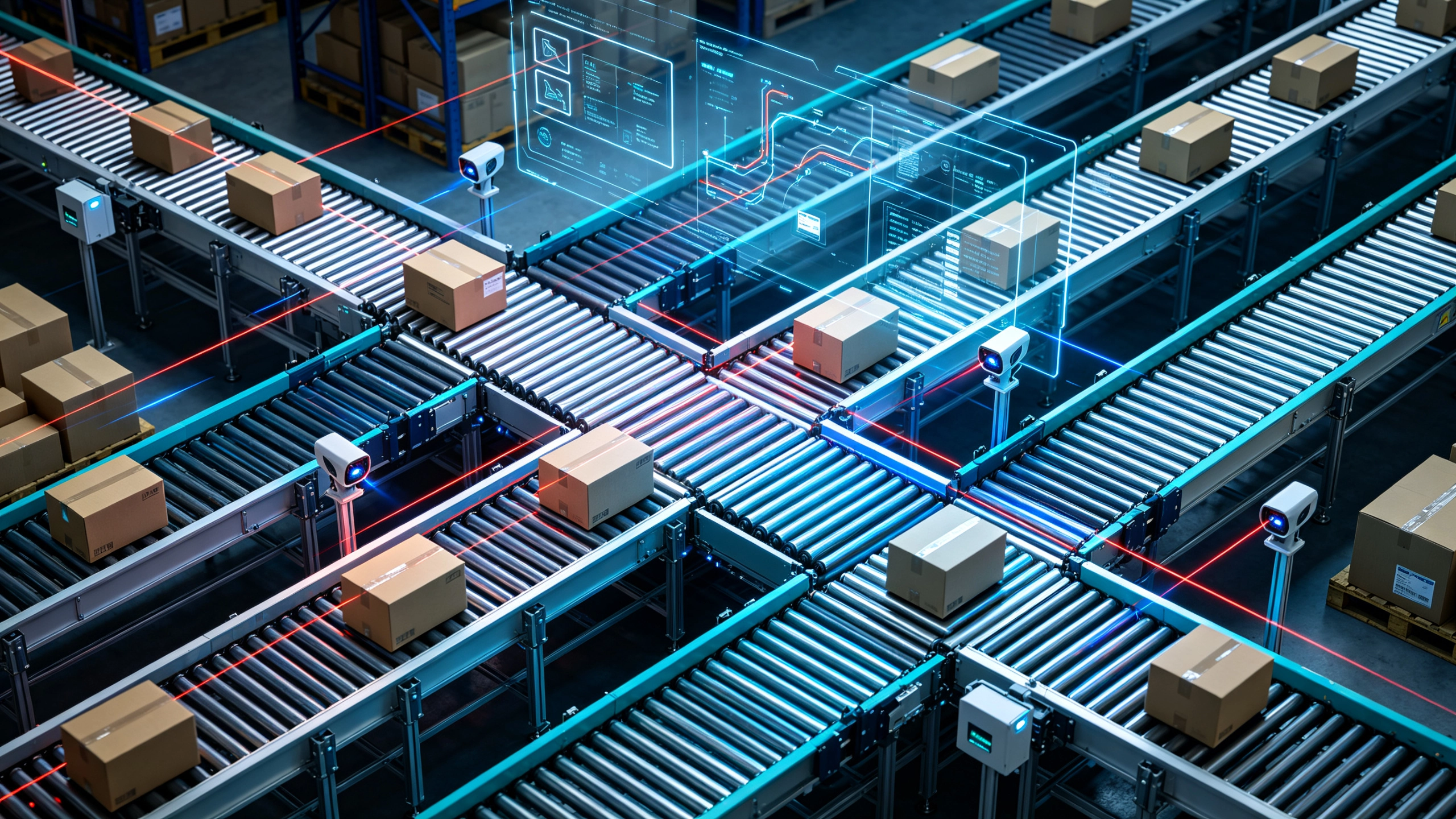
AI Vision-Based Inventory Management
Traditional inventory counting requires:
- Manual checking
- Barcode scanning
- Periodic stocktaking
AI computer vision enables:
- Automatic inventory recognition
- Real-time stock monitoring
- Faster cycle counting
For example, AI cameras can identify:
- Product quantity
- Product location
- Packaging conditions
- Inventory movement
This improves inventory accuracy and reduces manual workload.
AI Picking Systems: Improving Order Fulfillment
Picking is one of the most labor-intensive warehouse activities.
AI-powered picking systems improve efficiency through:
- Intelligent order grouping
- Robot-assisted picking
- Vision recognition
- Pick path optimization
Common AI picking technologies include:
Goods-to-Person Systems
Products automatically move to operators through:
- ASRS
- Shuttle systems
- Automated storage systems
Robotic Picking
AI robots use cameras and machine learning to:
- Identify products
- Select items
- Handle different shapes and sizes
AI Warehouse Management System (AI WMS)
What Is an AI Warehouse Management System?
An AI warehouse management system (AI WMS) is an intelligent software platform that uses artificial intelligence to optimize warehouse operations.
Traditional WMS systems manage:
- Inventory
- Orders
- Locations
- Warehouse processes
AI WMS adds advanced capabilities:
- Predictive analytics
- Intelligent recommendations
- Automated decision-making
- Continuous optimization
AI WMS Functions
| AI Function | Warehouse Benefit |
| Demand forecasting | Better inventory planning |
| Intelligent slotting | Optimized storage locations |
| Order prediction | Faster fulfillment |
| Data analysis | Better decisions |
| Process optimization | Higher efficiency |
AI Warehouse Control System (AI WCS)
What Is AI WCS?
A Warehouse Control System (WCS) manages the real-time operation of automated warehouse equipment.
When AI capabilities are added, the system becomes more intelligent.
AI WCS can optimize:
- Equipment scheduling
- Robot coordination
- Task allocation
- Traffic management
Traditional WCS vs AI WCS
| Traditional WCS | AI WCS |
| Rule-based control | Data-driven optimization |
| Fixed scheduling | Dynamic scheduling |
| Reactive response | Predictive decisions |
| Manual adjustment | Automatic optimization |
In future smart warehouses, AI WMS and AI WCS will work together to create autonomous warehouse operations.
AI Applications in Four-Way Shuttle Systems
Four-way shuttle systems are becoming an important technology in high-density automated warehouses.
AI improves four-way shuttle operations through:
Intelligent Path PlanningAI algorithms optimize:
|
Storage Location OptimizationAI determines:
|
Equipment CoordinationAI coordinates:
|
The result is:
- Higher throughput
- Reduced waiting time
- Better warehouse efficiency
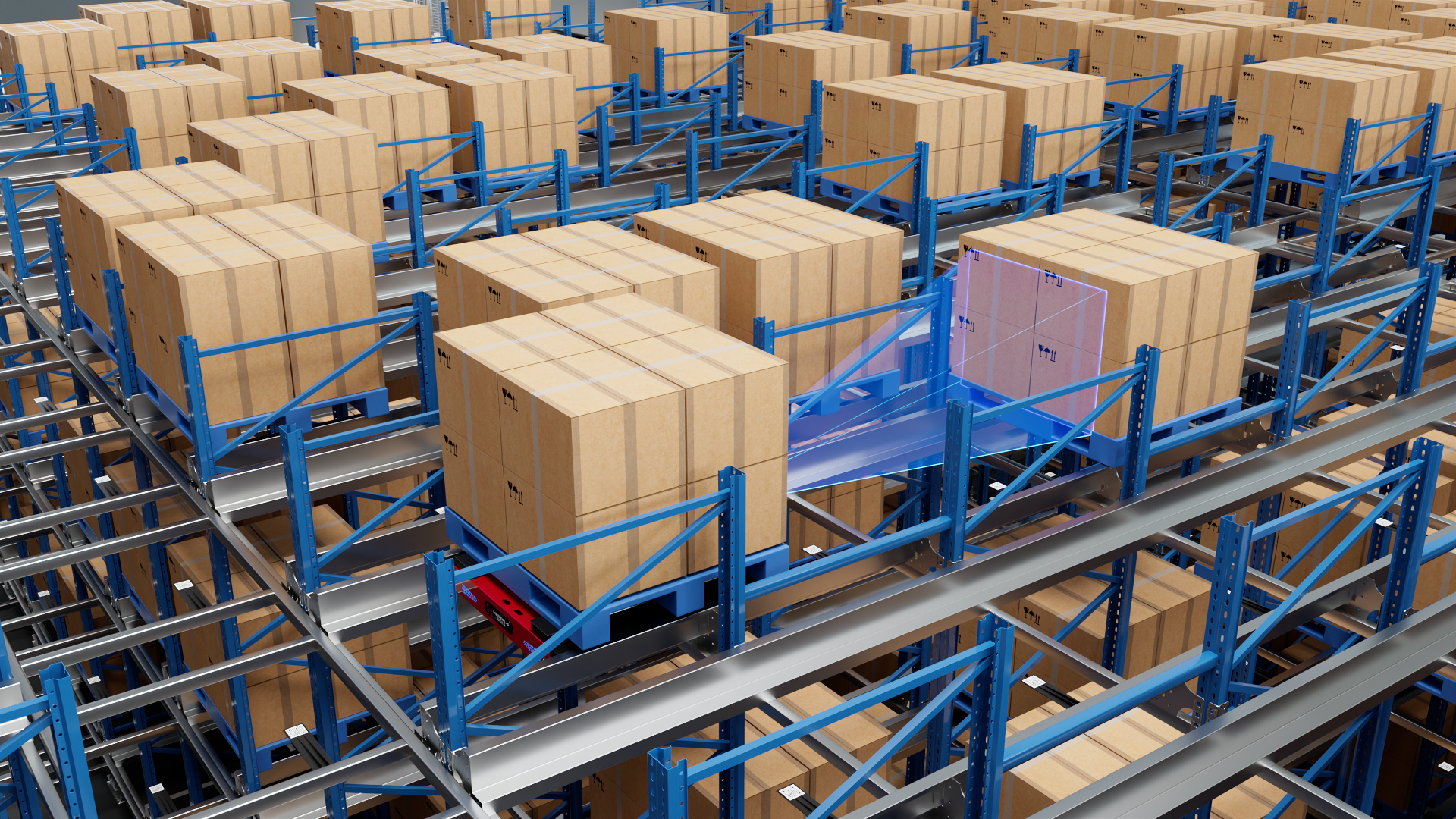
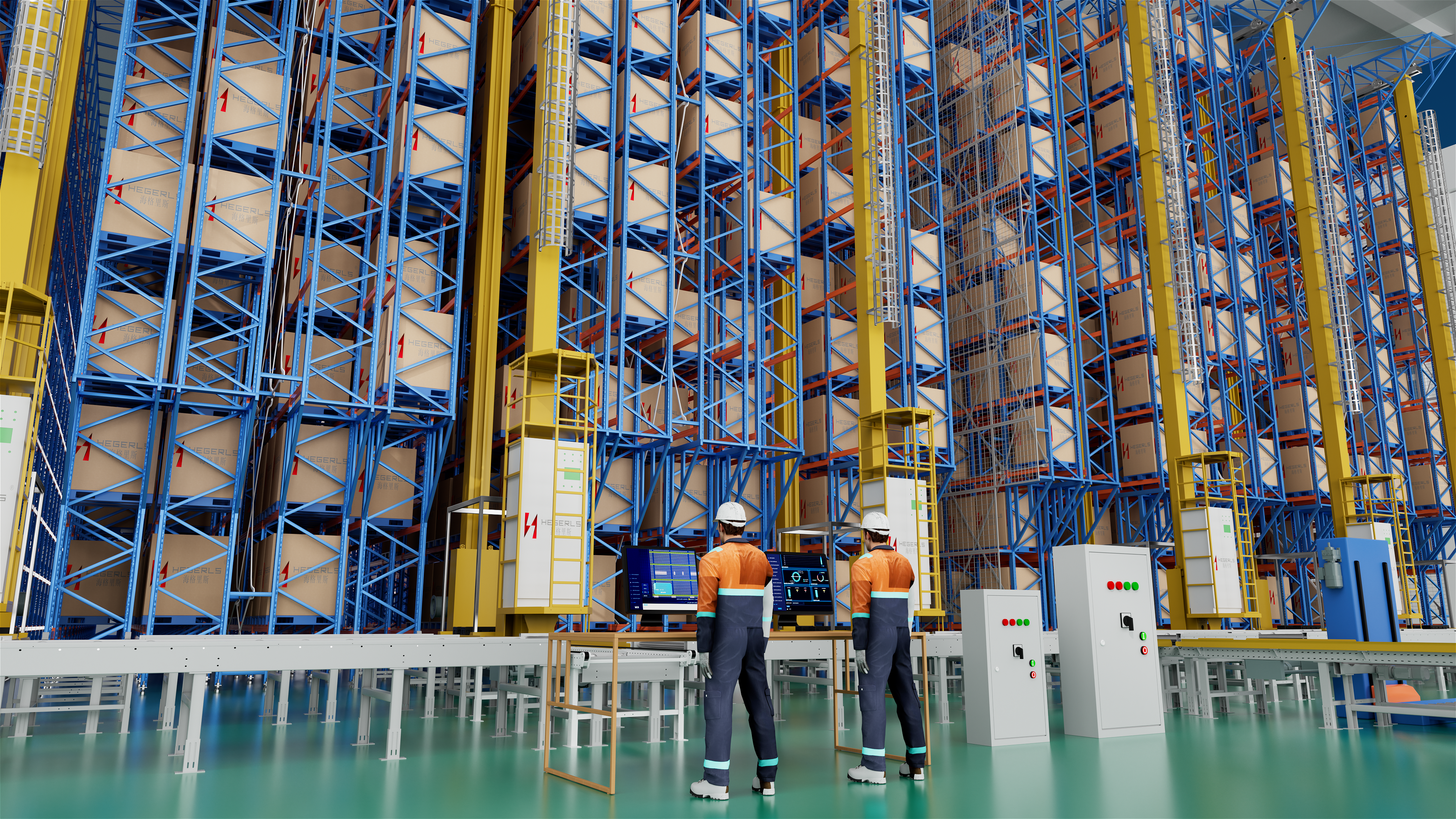
AI Applications in Stacker Crane ASRS
AI also improves stacker crane automated warehouses.
Applications include:
Predictive MaintenanceAI analyzes equipment data to predict:
|
Intelligent SchedulingAI optimizes:
|
Energy OptimizationAI reduces energy consumption through:
|
AI Warehouse Automation Market Trends 2026
The adoption of artificial intelligence in warehouses is accelerating globally.
Major market drivers include:
- E-commerce growth
- Labor shortages
- Supply chain uncertainty
- Industry 4.0 transformation
- Demand for real-time visibility
Key AI Warehouse Trends in 2026
| Trend | Development Direction |
| AI-powered WMS | Intelligent warehouse decision-making |
| AI robotics | Autonomous warehouse operations |
| Computer vision | Automated recognition and inspection |
| Digital twins | AI warehouse simulation |
| Predictive maintenance | Reduced equipment downtime |
| Autonomous warehouses | Minimal human intervention |
AI Warehouse Adoption by Industry
| Industry | AI Application |
| Manufacturing | Production logistics optimization |
| Automotive | Parts sequencing and supply |
| E-commerce | Intelligent fulfillment |
| Food & Beverage | Inventory forecasting |
| Pharmaceutical | Traceability and accuracy |
| 3PL Logistics | Multi-client warehouse management |
AI Warehouse vs Traditional Warehouse
| Feature | Traditional Warehouse | AI-Powered Warehouse |
| Decision making | Human experience | AI data analysis |
| Inventory management | Periodic checking | Real-time optimization |
| Storage allocation | Manual rules | Intelligent algorithms |
| Equipment control | Fixed commands | Dynamic optimization |
| Maintenance | Reactive repair | Predictive maintenance |
| Data usage | Limited | Continuous learning |
| Operation model | Human-driven | Human + AI collaboration |
The Future: From Automated Warehouse to Autonomous Warehouse
The evolution of warehouse technology is moving through three stages:
Stage 1: Manual Warehouse
Human-driven operations
Stage 2: Automated Warehouse
Machines execute predefined tasks
Stage 3: AI Autonomous Warehouse
Systems make intelligent decisions automatically
The future warehouse will combine:
- AI
- Robotics
- ASRS
- WMS
- WCS
- IoT
- Digital twins
creating a fully connected intelligent logistics ecosystem.
How to Build an AI-Powered Warehouse?
Building an AI warehouse is not simply adding robots. It requires the integration of:
- Hardware
- Software
- Data
- Automation strategy
A complete AI warehouse implementation includes several stages.
Step 1: Warehouse Data Analysis
Before automation, companies should analyze:
- Product categories
- Inventory turnover
- Order patterns
- Warehouse layout
- Material flow
AI requires high-quality operational data to provide accurate recommendations.
Step 2: Intelligent Warehouse Planning
AI technology can support warehouse design by optimizing:
- Storage layout
- Equipment placement
- Material flow
- Picking routes
Digital simulation and AI analysis help reduce project risks before implementation.
Step 3: Select Appropriate Automation Equipment
Different warehouse requirements require different automation solutions.
| Requirement | Recommended Technology |
| High-density pallet storage | ASRS / Shuttle System |
| Small item storage | Automated Bin Storage System |
| Flexible transportation | AMR / AGV |
| High-speed picking | Goods-to-Person System |
| Manufacturing logistics | Stacker Crane + WCS |
Step 4: Integrate AI Warehouse Software
A smart warehouse requires a connected software ecosystem.
Typical architecture:
ERP / MES
↓
AI Analytics Platform
↓
CC-WMS Warehouse Management System
↓
YUNTU-WCS Warehouse Control System
↓
ASRS / Shuttle / Robot / AGV
↓
Warehouse Operations
Step 5: Continuous Optimization Through AI
Unlike traditional automation, AI systems continue improving after deployment.
AI analyzes:
- Warehouse performance
- Equipment operation
- Order data
- Inventory movement
Then provides optimization suggestions.
Examples:
- Adjust storage strategies
- Improve robot routes
- Predict equipment maintenance
- Balance workload
AI Warehouse ROI: Business Benefits and Performance Improvement
Companies investing in AI warehouse automation typically focus on measurable improvements.
1. Improved Warehouse EfficiencyAI improves:
|
2. Higher Inventory AccuracyAI warehouse systems provide:
|
3. Lower Operating CostsAI reduces costs through:
|
4. Better Customer ExperienceFor distribution and e-commerce companies, AI enables:
|
AI Warehouse ROI Evaluation Table
| Improvement Area | Traditional Warehouse | AI Warehouse |
| Inventory visibility | Limited | Real-time |
| Storage efficiency | Moderate | Optimized |
| Order processing | Manual | Intelligent |
| Equipment utilization | Fixed | Dynamic |
| Maintenance | Reactive | Predictive |
| Scalability | Difficult | Flexible |
Challenges of Implementing AI in Warehouse Operations
Although AI provides significant benefits, companies should consider several challenges.
1. Initial InvestmentAI warehouse projects require investment in:
However, long-term efficiency improvements often justify the investment. |
2. Data Quality RequirementsAI performance depends on accurate data. Companies need:
|
3. System Integration ComplexityAI warehouses require integration between:
Selecting an experienced system integrator is critical. |
Why Choose Zhuku for AI Warehouse Automation?
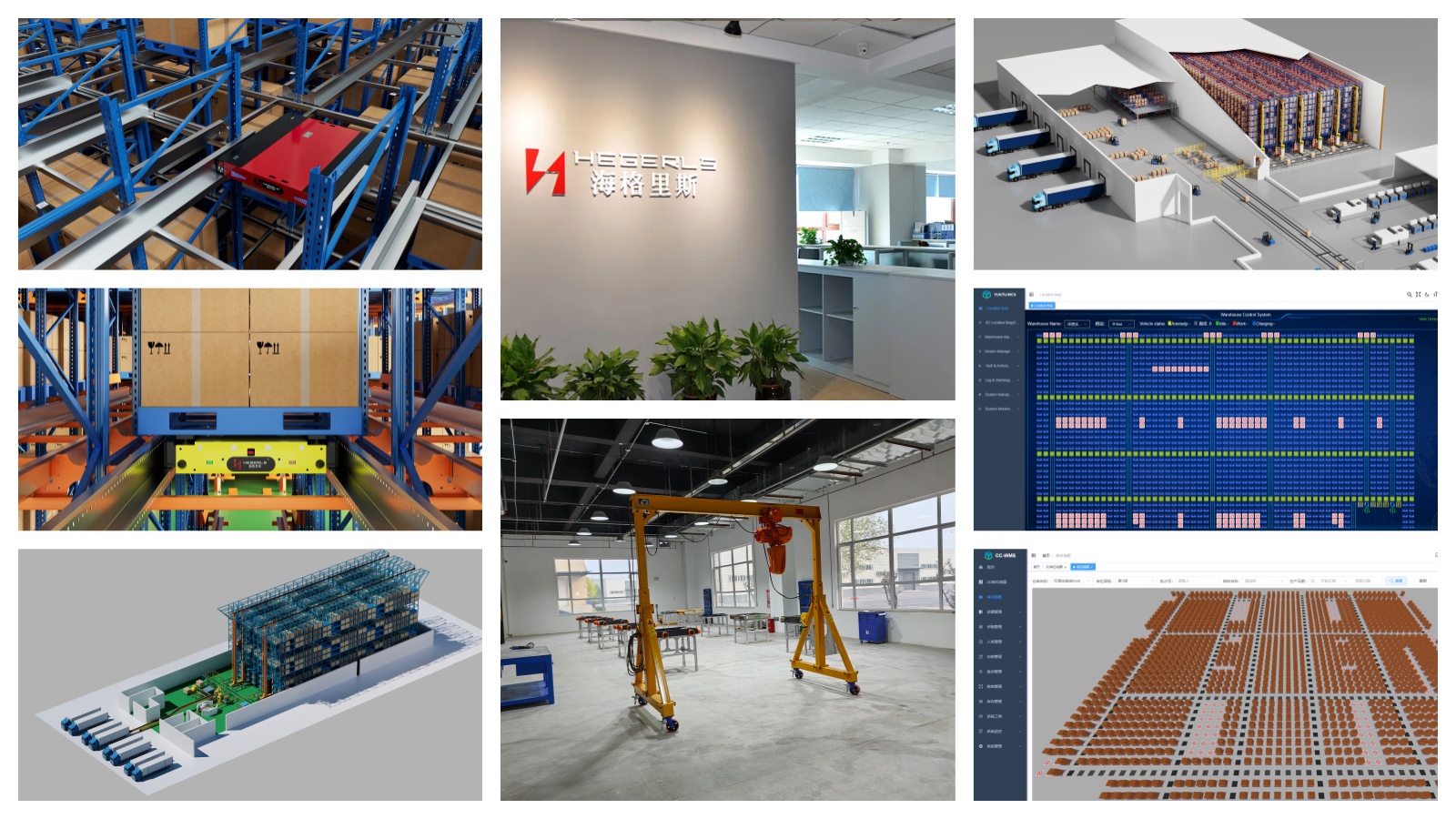
Zhuku provides intelligent warehouse automation solutions that combine automation equipment, software systems, and engineering expertise.
Our solutions include:
Intelligent Storage Automation
|
Intelligent Warehouse Software
|
Complete Automation ServicesZhuku supports customers with:
|
By integrating AI-ready automation technologies, Zhuku helps companies build:
- More efficient warehouses
- More accurate inventory systems
- More flexible supply chains
- Future-ready smart logistics platforms
Conclusion: AI Is Redefining the Future of Warehousing
The development of AI in warehouse operations represents a fundamental change in how businesses manage storage and logistics.
Traditional warehouses focused on storing products. Modern AI warehouses focus on:
- Intelligent decision-making
- Real-time optimization
- Automated operations
- Predictive management
The combination of:
- Artificial intelligence
- ASRS automation
- Robotics
- WMS
- WCS
- IoT
- Digital twins
is transforming warehouses into intelligent ecosystems.
As global supply chains become more complex and customer expectations continue increasing, AI-powered warehouse solutions will become a critical competitive advantage.
Zhuku is committed to helping businesses worldwide implement intelligent warehouse automation systems through advanced equipment integration, software solutions, and customized engineering services.