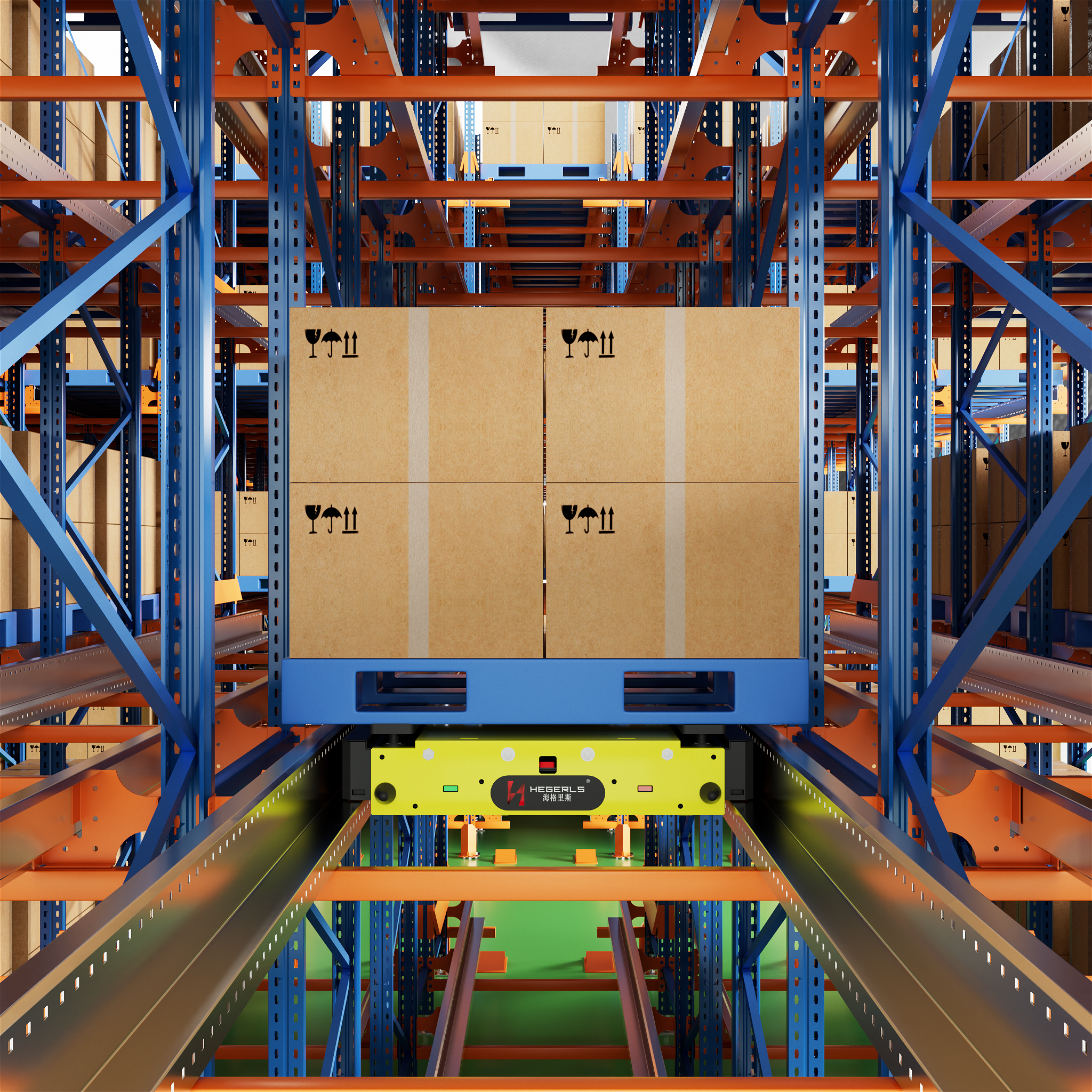
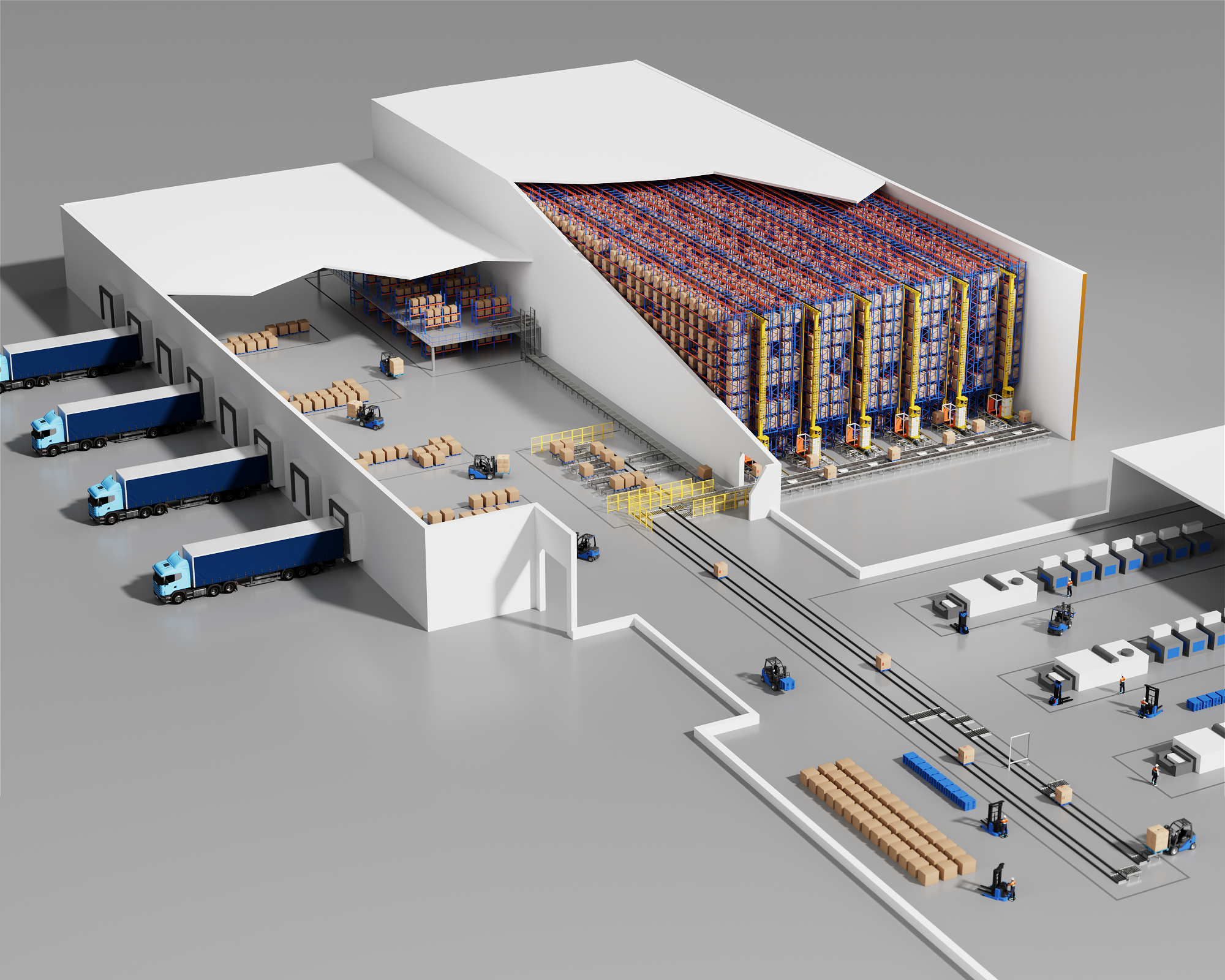
Why Warehouse Automation Is Becoming a Global Priority in 2026?
The global warehouse industry is entering a new stage of intelligent transformation. Driven by the rapid growth of e-commerce, rising labor costs, supply chain uncertainty, and increasing demand for faster order fulfillment, companies worldwide are accelerating investments in warehouse automation systems.
In 2026, warehouse automation is no longer limited to large logistics centers. Manufacturers, retailers, distributors, and third-party logistics providers are increasingly adopting ASRS, warehouse robotics, automated storage systems, WMS, WCS, and intelligent material handling solutions to improve operational efficiency.
The global warehouse automation market continues to expand as businesses focus on:
- Higher storage density
- Faster inventory turnover
- Reduced labor dependency
- Improved warehouse accuracy
- Flexible and scalable logistics operations
As an intelligent warehouse automation solution provider, Zhuku focuses on integrating storage equipment, automation technologies, and warehouse software to help global customers build efficient and future-ready warehouses.
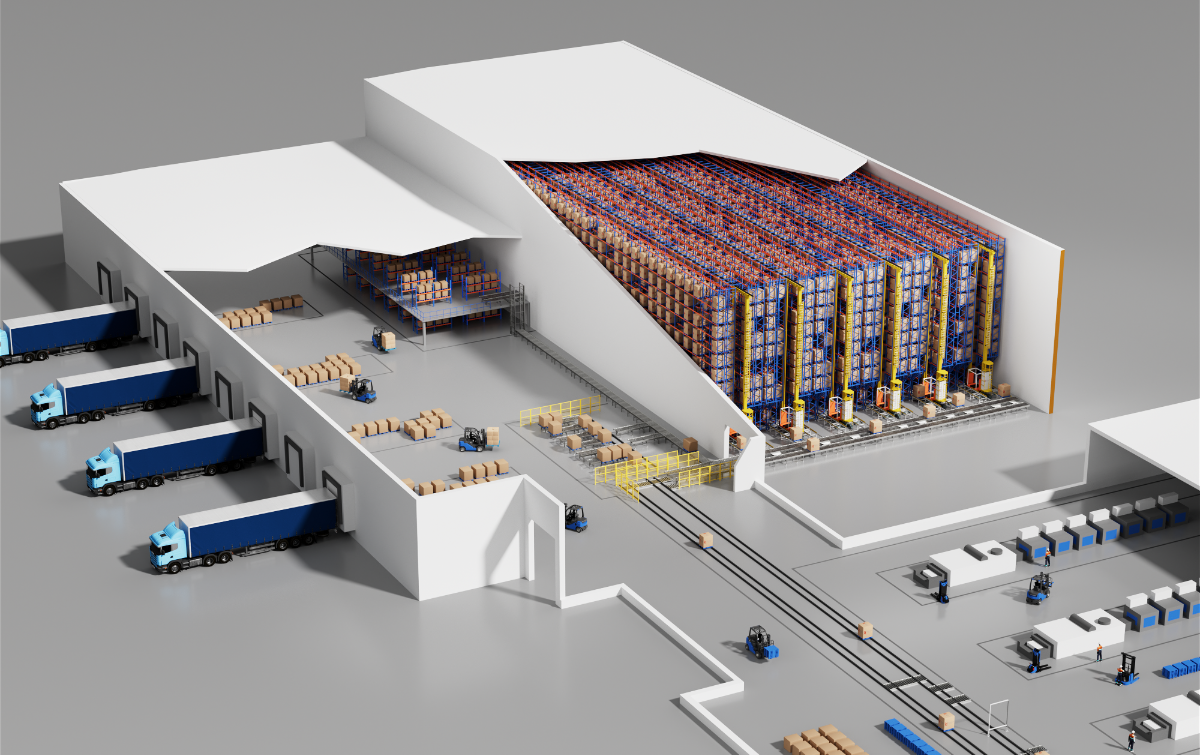
How Fast Is the Global Warehouse Automation Market Growing?
The global warehouse automation market is experiencing strong growth as companies accelerate digital transformation and invest in intelligent logistics infrastructure.
According to industry research reports, the global warehouse automation market is expected to continue expanding throughout the next decade, driven by:
- E-commerce growth
- Labor shortages
- Rising operational costs
- Demand for faster fulfillment
- Supply chain resilience requirements
- Advances in AI and robotics
Global Warehouse Automation Market Growth Forecast
| Year | Market Value (Estimated) | Growth Trend |
| 2025 | Approx. USD 23.92 billion | Rapid adoption stage |
| 2026 | Approx. USD 27.46 billion+ | Accelerated investment |
| 2030 | USD 47 billion+ expected | Mainstream automation adoption |
Note: Market estimates vary depending on research scope, including warehouse robotics, automation equipment, software platforms, and material handling systems.
The long-term growth of warehouse automation reflects a fundamental shift from traditional manual warehouses toward intelligent automated logistics systems.
Key Statistics Driving Warehouse Automation Adoption
1. Labor Challenges Are Accelerating Automation Investment
Labor availability has become one of the biggest challenges for warehouse operators worldwide.
According to logistics industry studies:
| Challenge | Impact on Warehouse Operations |
| Rising labor costs | Higher operating expenses |
| Worker shortages | Reduced warehouse productivity |
| Repetitive manual tasks | Increased safety risks |
| High employee turnover | Training and management costs |
As a result, companies are increasingly adopting:
- ASRS systems
- Warehouse robotics
- Automated picking solutions
- Intelligent warehouse software
2. E-Commerce Growth Creates Higher Warehouse Automation Demand
The rapid growth of online retail continues to reshape warehouse requirements.
Modern fulfillment centers must handle:
- More SKUs
- Smaller order quantities
- Faster delivery expectations
- Higher order accuracy requirements
Traditional Warehouse vs Automated Warehouse Requirements
| Factor | Traditional Warehouse | Automated Warehouse |
| Storage method | Manual rack operation | Intelligent storage systems |
| Inventory tracking | Manual counting | Real-time digital monitoring |
| Picking process | Worker-to-goods | Goods-to-person automation |
| Operation hours | Limited working shifts | 24/7 operation capability |
| Data visibility | Limited | Real-time analytics |
3. High-Density Storage Becomes a Major Investment Priority
Warehouse space costs continue increasing in major industrial regions, making storage density a key factor.
Companies are moving from traditional horizontal expansion toward vertical and intelligent storage solutions.
Storage Technology Comparison
| Storage Solution | Storage Density | Automation Level | Typical Application |
| Selective Pallet Rack | Low-Medium | Manual/Semi-auto | General warehouses |
| Drive-in Rack | Medium | Manual | High-volume storage |
| Pallet Shuttle | High | Semi-automatic | High-density pallet storage |
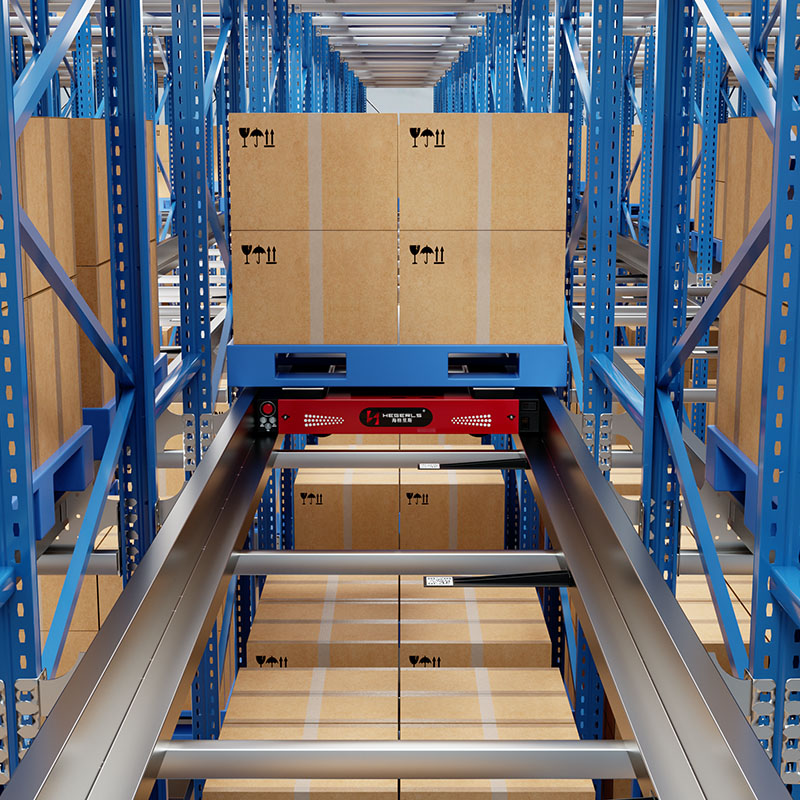
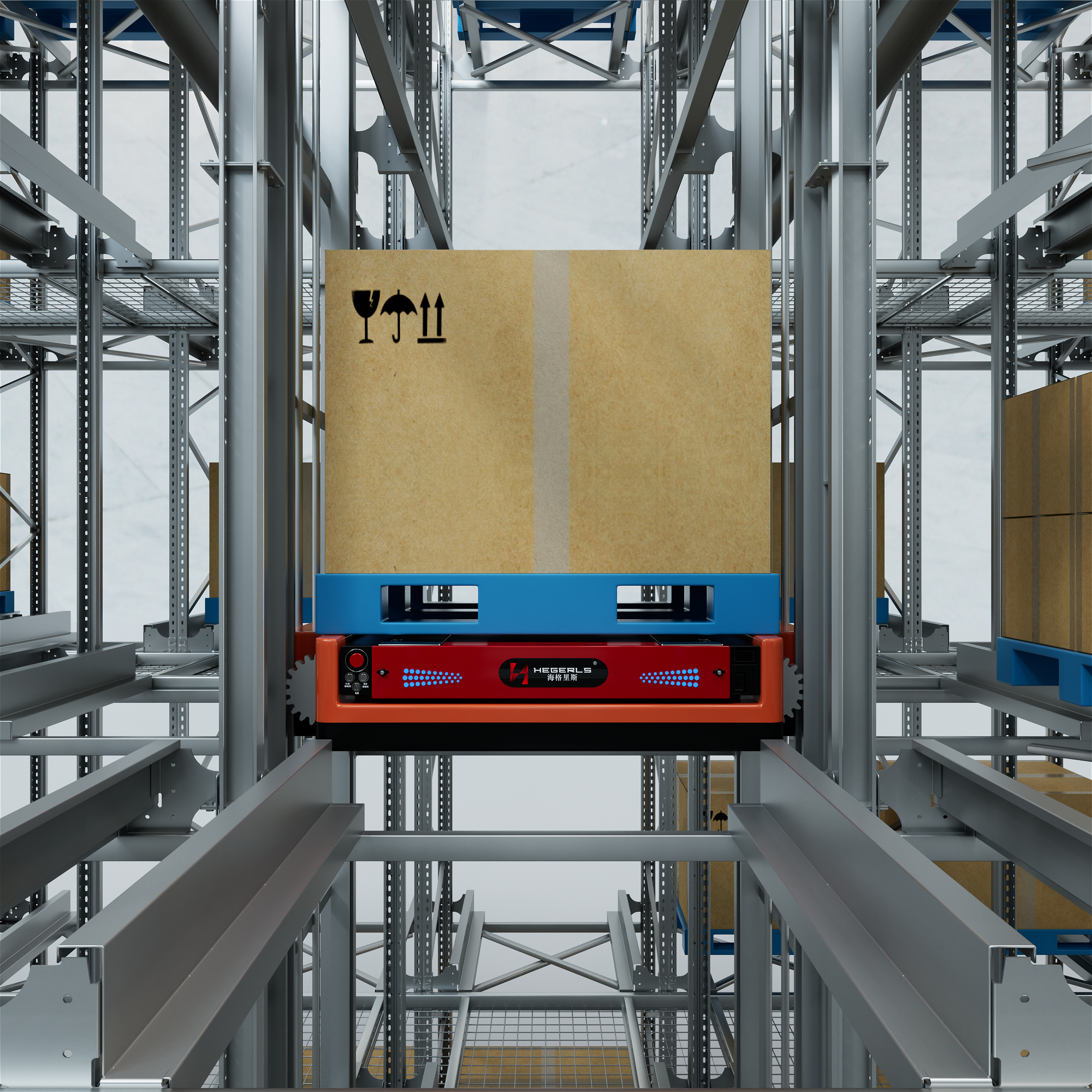
| Four-way Shuttle System | Very High | Automatic | Intelligent warehouses |
| ASRS Stacker Crane | Very High | Fully automatic | Large automated warehouses |
High-density automation solutions can significantly improve warehouse space utilization by maximizing vertical space and reducing unnecessary aisles.
4. Robotics Investment Continues Expanding
Warehouse robotics is becoming one of the fastest-growing segments within logistics automation.
The main categories include:
| Robot Type | Main Function | Application |
| AMR | Autonomous transportation | Picking and material movement |
| AGV | Automated guided transportation | Manufacturing logistics |
| Robotic Arm | Picking and palletizing | Sorting and packaging |
| Shuttle Robot | High-density storage | Automated pallet storage |
| Sorting Robot | Order classification | E-commerce fulfillment |
The combination of robotics and warehouse software is creating more flexible automation systems.
5. AI and Software Become Core Competitive Factors
Future warehouse competition will not only depend on hardware capacity but also intelligent software capabilities.
Modern warehouse automation systems increasingly integrate:
| Technology | Function |
| AI Algorithms | Optimization and prediction |
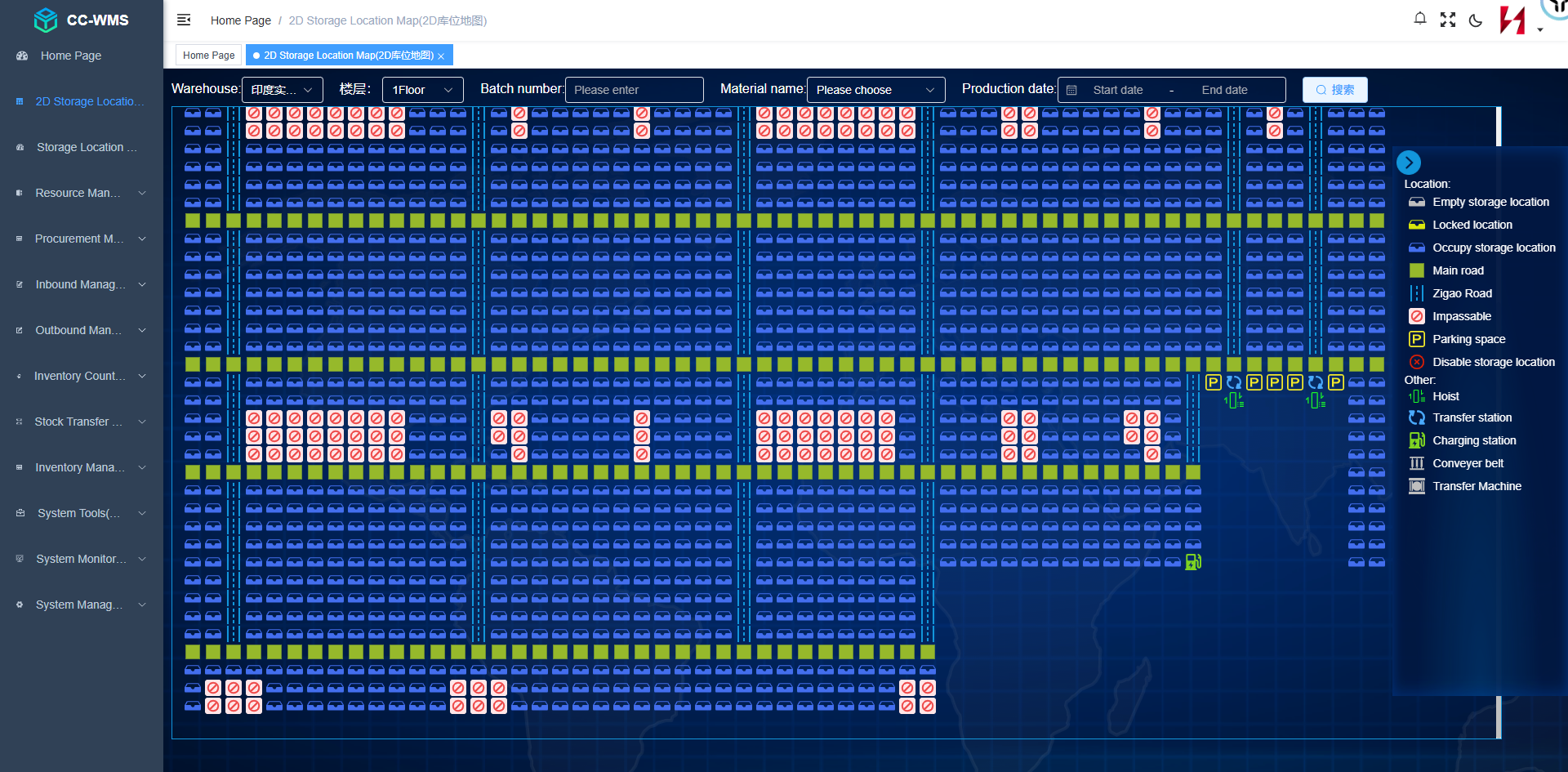
| WMS | Inventory and warehouse management |
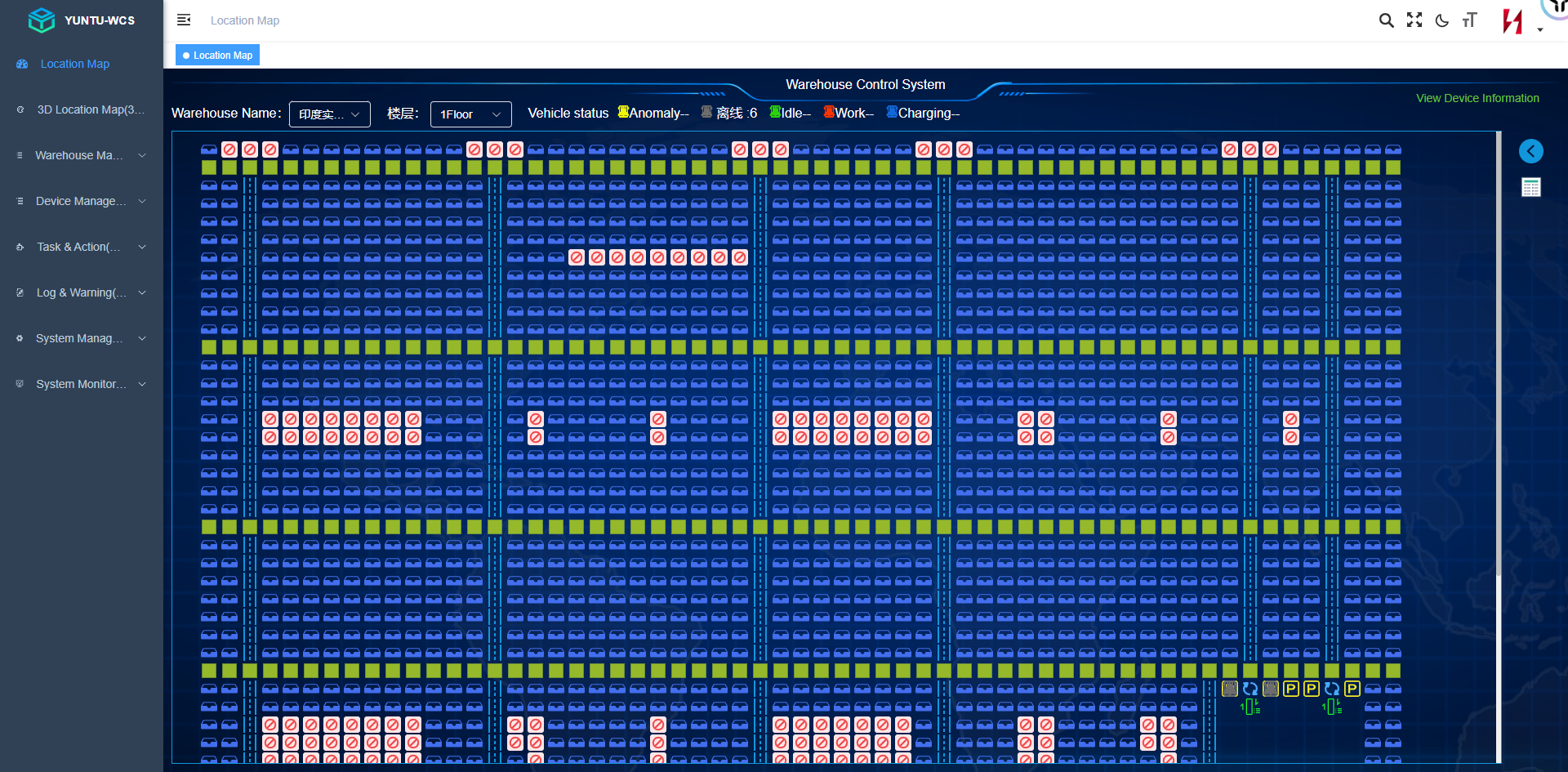
| WCS | Equipment coordination |
| IoT | Real-time data collection |
| Digital Twin | Simulation and optimization |
| Cloud Platform | Multi-site management |
6. Global Warehouse Automation Adoption by Industry
Different industries are adopting automation based on their operational requirements.
| Industry | Main Automation Demand |
| E-commerce | Fast picking and order fulfillment |
| Manufacturing | Production material supply |
| Automotive | High-volume component management |
| Food & Beverage | Cold chain and FIFO management |
| Pharmaceutical | Accuracy and traceability |
| Retail Distribution | Multi-SKU inventory handling |
7. Regional Warehouse Automation Market Trends
North AmericaKey drivers:
Popular technologies:
|
EuropeKey drivers:
Popular technologies:
|
Asia-PacificKey drivers:
Popular technologies:
|
Warehouse Automation Technology Investment Trend 2026
| Technology | 2026 Market Trend | Future Potential |
| ASRS | Strong growth | ★★★★★ |
| Four-way Shuttle | Rapid adoption in high-density storage | ★★★★★ |
| AMR | Fast expansion | ★★★★★ |
| AI Warehouse Software | Strategic investment area | ★★★★★ |
| Digital Twin | Growing adoption | ★★★★☆ |
| Conveyor Automation | Stable growth | ★★★★☆ |
| Manual Storage Systems | Gradual replacement | ★★☆☆☆ |
What Does Warehouse Automation Mean for Warehouse Owners?
The market data shows that warehouse automation is shifting from an optional upgrade to a strategic necessity.
Companies investing in intelligent warehouse systems can achieve:
| Improvement Area | Expected Benefit |
| Storage capacity | Higher utilization of existing space |
| Operation efficiency | Faster storage and retrieval |
| Inventory accuracy | Reduced human errors |
| Labor dependency | Lower operational pressure |
| Data visibility | Better decision-making |
For companies planning warehouse upgrades, selecting an experienced automation integration partner is becoming increasingly important.
Why Choose Zhuku for Future Warehouse Automation?
Zhuku provides integrated intelligent warehouse solutions covering:
- Four-way shuttle systems
- ASRS warehouse solutions
- Stacker crane systems
- Conveyor and sorting solutions
- WMS/WCS software integration
- Complete warehouse automation engineering
By combining automation equipment, intelligent software, and customized warehouse design, Zhuku helps global companies build scalable and efficient smart warehouses.
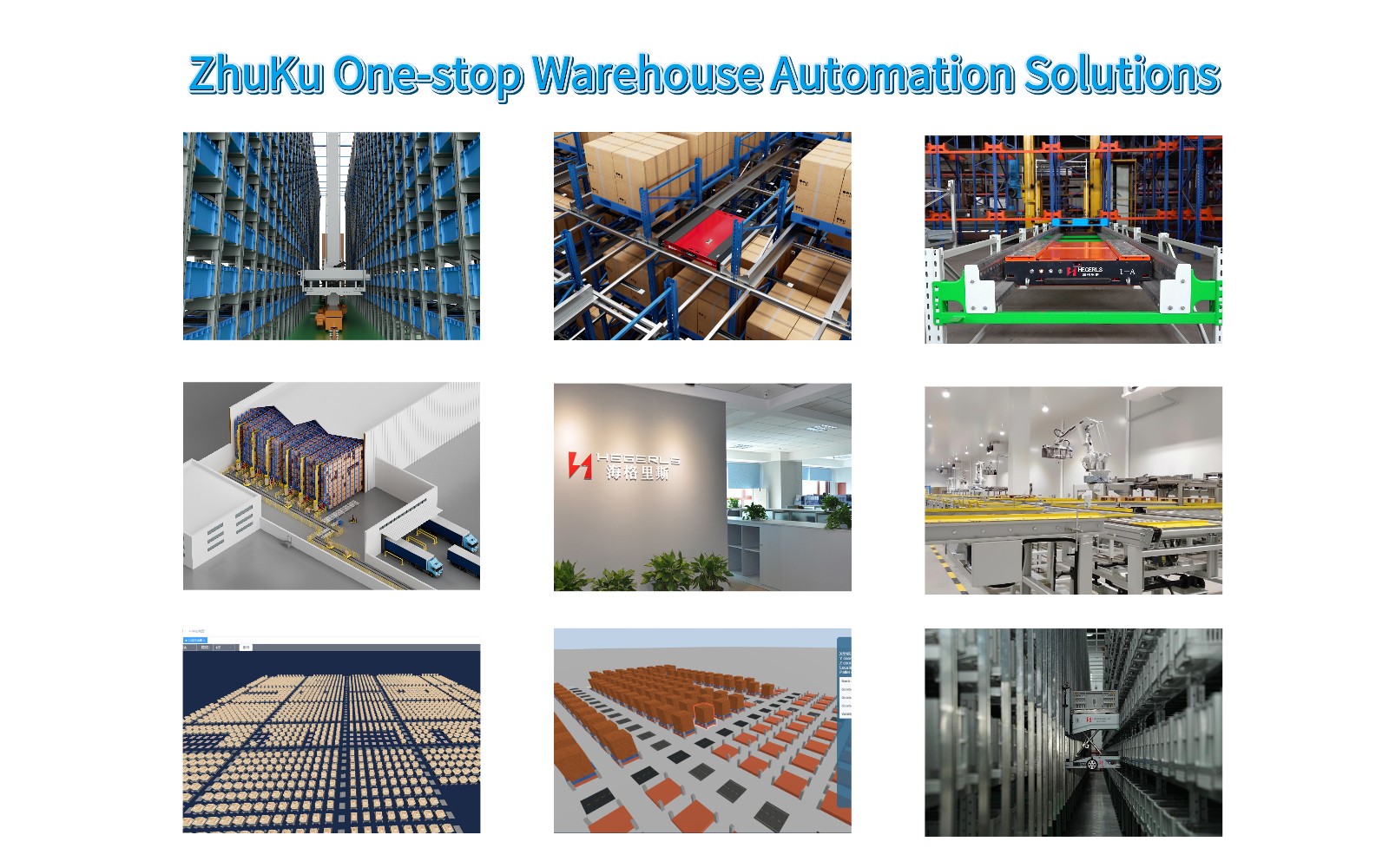
What Are the Key Warehouse Automation Market Trends in 2026?
The global warehouse automation industry is undergoing rapid transformation in 2026. Driven by artificial intelligence, robotics innovation, supply chain restructuring, and the demand for higher operational efficiency, warehouses are evolving from traditional storage facilities into intelligent, connected, and autonomous ecosystems.
The major warehouse automation trends in 2026 include:
- AI-driven warehouse intelligence
- Advanced robotics and autonomous systems
- Flexible automation solutions
- Digital twin and simulation technology
- Cloud-based warehouse management platforms
- Green and energy-efficient warehouses
- Human-machine collaboration
- Micro-fulfillment and decentralized logistics
- Industry 4.0 integration
- Automation-as-a-Service business models
1. AI-Driven Intelligent Warehouses Become the Core Development Direction
Artificial intelligence is becoming the foundation of next-generation warehouse automation.
Traditional automated warehouses mainly execute predefined processes, while AI-powered warehouses can analyze operational data, optimize workflows, and make intelligent decisions.
In 2026, AI applications in warehouses are expanding into:
- Intelligent inventory forecasting
- Dynamic storage allocation
- Automated warehouse scheduling
- Predictive equipment maintenance
- AI-based picking optimization
- Real-time decision-making
By combining AI algorithms with WMS and WCS platforms, warehouses can continuously improve operational efficiency.
Future intelligent warehouses will not only automate physical movement but also optimize business decisions.
2. Autonomous Mobile Robots (AMRs) Continue to Replace Traditional Material Handling
AMRs are becoming one of the fastest-growing warehouse automation technologies.
Compared with traditional fixed conveyor systems, autonomous mobile robots provide greater flexibility because they can dynamically adjust routes according to operational requirements.
Key advantages of AMR systems include:
- Flexible deployment
- Easy scalability
- Reduced installation complexity
- Intelligent navigation
- Support for changing warehouse layouts
AMRs are widely applied in:
- E-commerce fulfillment centers
- Manufacturing warehouses
- Distribution centers
- Retail logistics
The combination of AMRs, robotic arms, and intelligent software is creating more adaptive warehouse environments.
3. Humanoid Robots and Advanced Robotics Enter Warehouse Applications
One emerging trend in 2026 is the increasing exploration of humanoid robots and advanced robotic systems.
Unlike traditional industrial robots designed for fixed tasks, humanoid robots are developed to perform more flexible warehouse operations, including:
- Picking and handling
- Goods transfer
- Repetitive warehouse tasks
- Human-machine collaboration
Although large-scale adoption is still developing, humanoid robots represent a future direction for labor-intensive warehouse environments.
The warehouse of the future will increasingly combine:
- Automated equipment
- Mobile robots
- AI systems
- Human operators
4. Flexible Automation Replaces Traditional Fixed Automation
A major trend in warehouse automation is the shift from rigid automation toward flexible automation.
Traditional automation systems often require:
- Fixed warehouse layouts
- Large initial investment
- Long implementation cycles
Modern companies increasingly prefer modular solutions that can expand according to business growth.
Flexible automation includes:
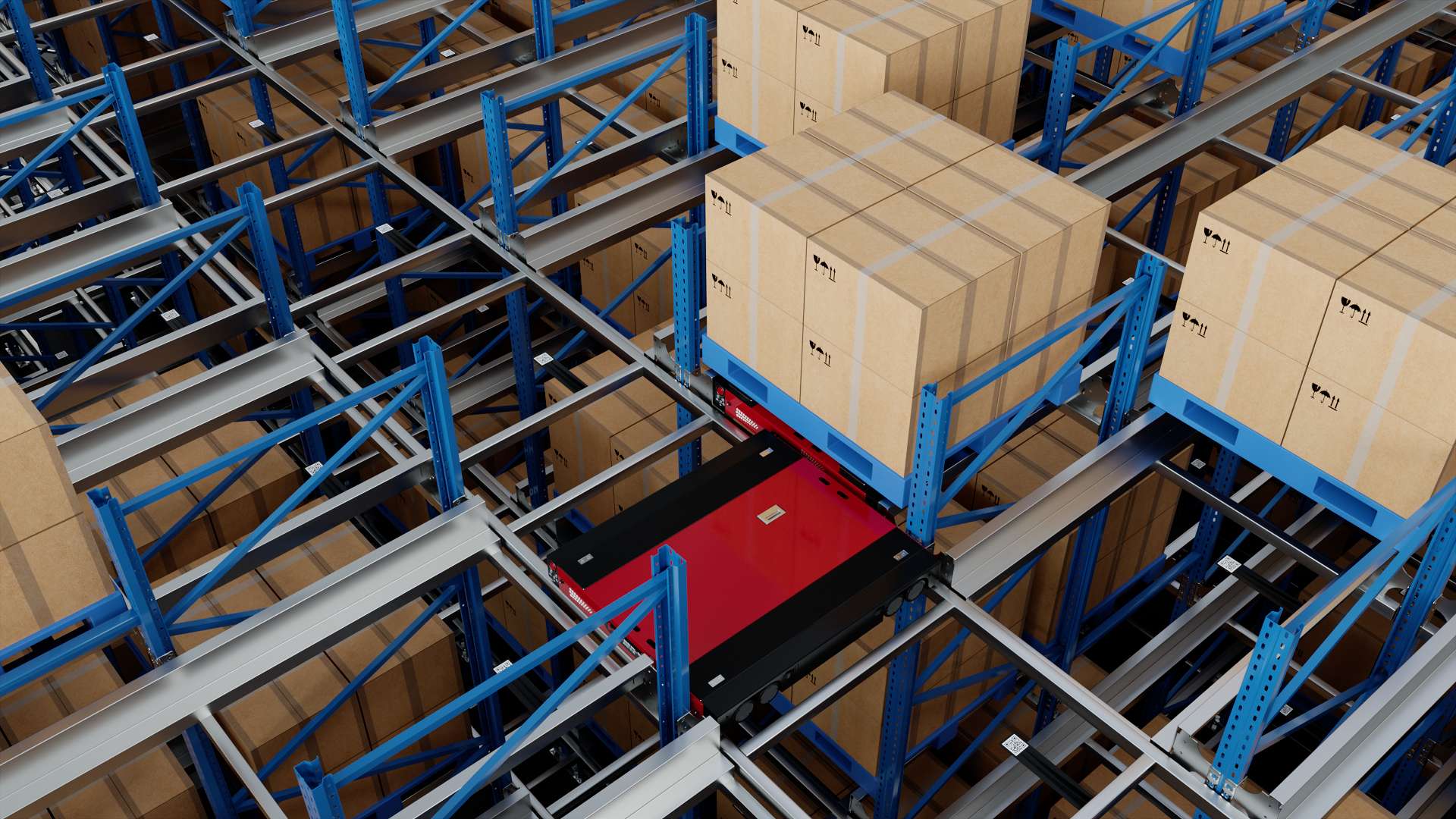
- Four-way shuttle systems
- AMRs
- Modular conveyors
- Scalable ASRS solutions
For companies facing uncertain market demand, flexible automation provides better investment efficiency.
Zhuku provides customized automation solutions that can be designed according to warehouse size, storage requirements, and future expansion plans.
5. Digital Twin Technology Enables Virtual Warehouse Optimization
Digital twin technology is becoming increasingly important in warehouse design and operation.
A warehouse digital twin creates a virtual model of the physical warehouse, allowing companies to:
- Simulate warehouse operations
- Test automation strategies
- Optimize equipment layout
- Predict bottlenecks
- Improve system performance
Before building a warehouse automation system, companies can use digital simulation to evaluate:
- Storage capacity
- Equipment efficiency
- Material flow
- Return on investment
This reduces implementation risks and improves project success rates.
6. Cloud-Based WMS and WCS Platforms Accelerate Warehouse Digitalization
Warehouse software is becoming as important as automation hardware.
In 2026, more companies are adopting cloud-based warehouse management platforms to achieve:
- Real-time monitoring
- Remote operation
- Data integration
- Multi-site warehouse management
Modern warehouse software architecture includes:
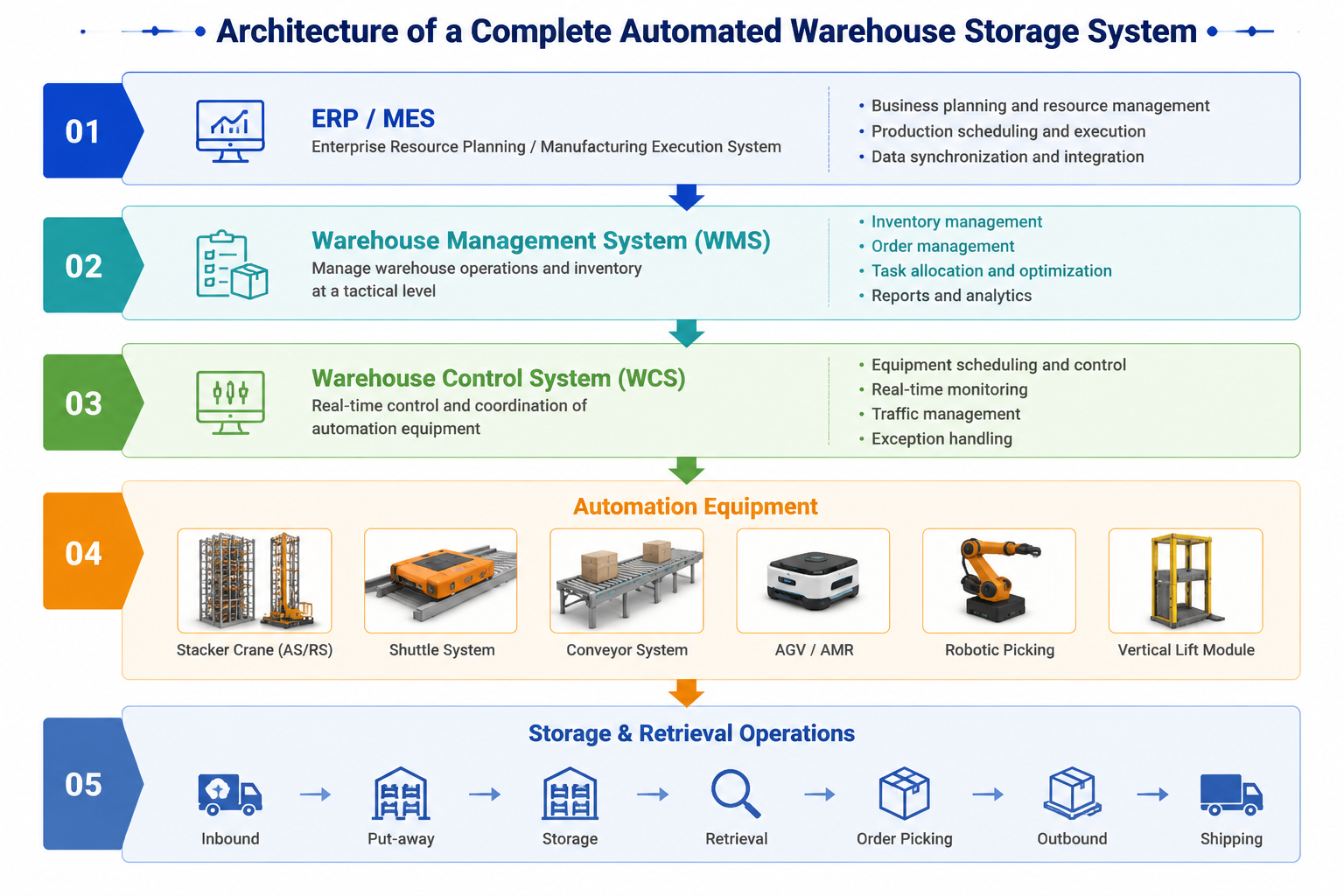
Cloud-based systems allow companies to connect warehouses globally and improve supply chain visibility.
7. Goods-to-Person Technology Improves Picking Efficiency
The demand for faster order fulfillment continues driving goods-to-person automation.
Unlike traditional picking methods where workers walk through warehouses, goods-to-person systems automatically bring products to operators.
Typical solutions include:
- Shuttle storage systems
- Mini-load ASRS
- Robotics picking stations
- Automated sorting systems
Benefits include:
- Reduced walking distance
- Faster order processing
- Higher picking accuracy
- Better labor utilization
This trend is particularly important for:
- E-commerce
- Retail distribution
- Spare parts logistics
8. Micro-Fulfillment Centers Support Faster Urban Logistics
The growth of same-day and next-day delivery is driving the development of micro-fulfillment centers.
These smaller automated warehouses are located closer to customers and focus on rapid order processing.
Micro-fulfillment solutions typically use:
- Compact ASRS
- Shuttle systems
- Robotics
- Automated picking technologies
They help retailers achieve:
- Faster delivery
- Lower transportation costs
- Better customer experience
9. Green Warehouse Automation Becomes a Strategic Priority
Sustainability is becoming an important factor in warehouse investment decisions.
Companies are adopting automation solutions to reduce:
- Energy consumption
- Warehouse footprint
- Equipment idle time
- Operational waste
Green warehouse trends include:
- Energy-efficient motors
- Intelligent equipment scheduling
- Solar-powered warehouse facilities
- Low-carbon logistics operations
Automation helps companies achieve both operational efficiency and environmental goals.
10. Industry 4.0 Integration Creates Connected Warehouses
Warehouse automation is becoming a key component of Industry 4.0.
Future warehouses will integrate:
- IoT sensors
- AI analytics
- Cloud platforms
- Robotics
- Digital twins
- Automated equipment
A connected warehouse can collect and analyze operational data in real time, enabling continuous optimization.
The future smart warehouse will operate as an intelligent ecosystem rather than an independent facility.
11. Robotics-as-a-Service (RaaS) Lowers Automation Investment Barriers
Robotics-as-a-Service is an emerging business model allowing companies to adopt automation through subscription-based services.
Instead of purchasing all equipment upfront, companies can access:
- Robot systems
- Software platforms
- Maintenance services
- Technical support
RaaS helps small and medium-sized enterprises adopt warehouse automation with lower financial pressure.
12. Supply Chain Localization Drives New Warehouse Investment
Global supply chain uncertainty is encouraging companies to build more regionalized warehouse networks.
Key changes include:
- More regional distribution centers
- Local inventory storage
- Automated manufacturing warehouses
- Resilient supply chain systems
Warehouse automation plays a critical role in helping companies improve flexibility and respond faster to market changes.
Which Warehouse Automation Technologies Are Growing in Importance?
Different technologies address different warehouse requirements. There is no single automation system suitable for every facility.
| Warehouse Automation Trend | What Is Changing in 2026? | Typical Technologies | Best-Fit Applications |
| AI-driven warehouse management | More data-driven planning and optimization | AI, WMS, analytics | Complex inventory and multi-SKU warehouses |
| High-density automation | More storage capacity within existing space | ASRS, shuttles, high-bay systems | Space-constrained warehouses |
| Flexible pallet automation | More adaptable storage and routing | Four-way shuttle, pallet shuttle | Manufacturing, 3PL, distribution |
| Autonomous transportation | Reduced dependence on fixed material flow | AMR, AGV | Manufacturing and fulfillment |
| Digital simulation | More virtual testing before implementation | Digital twin, simulation | New warehouse projects |
| WMS/WCS integration | Closer coordination between business and equipment systems | WMS, WCS, APIs | Automated warehouses |
| Goods-to-person automation | Less operator travel during picking | Shuttle, miniload, robotic picking | E-commerce, retail, spare parts |
| Sustainable automation | Greater focus on energy and space efficiency | High-density ASRS, smart controls | Large-scale and energy-sensitive facilities |
Zhuku's Position in the Future Warehouse Automation Market
As global companies accelerate warehouse digital transformation, Zhuku provides integrated intelligent warehouse solutions combining:
- Automated storage systems
- Four-way shuttle technology
- Six-way pallet shuttle
- Stacker crane ASRS
- Conveyor systems
- AGV/AMR solutions
- WMS and WCS integration
By combining engineering expertise, automation technology, and software integration capabilities, Zhuku helps global customers build efficient, scalable, and future-ready smart warehouses.
How Are Different Industries Adopting Warehouse Automation?
Warehouse automation requirements vary significantly between industries.
| Industry | Typical Requirements | Technologies to Evaluate |
| Manufacturing | Raw materials, WIP and finished goods | ASRS, shuttle, WMS/WCS |
| Automotive | High-volume components and production supply | Stacker crane, shuttle, conveyors, AGV |
| Food & Beverage | High throughput, batch storage and traceability | Shuttle, ASRS, WMS/WCS |
| Cold Chain | High-density storage under temperature-controlled conditions | Cold-storage ASRS, shuttle systems |
| E-commerce | High SKU volumes and fast order fulfillment | Miniload, shuttle, AMR, GTP |
| 3PL | Diverse customers and flexible storage requirements | ASRS, shuttle, WMS |
| Pharmaceutical | Traceability and inventory control | ASRS, WMS, automated handling |
| Heavy Industry | Heavy loads and oversized materials | Heavy-duty ASRS, stacker crane, special racking |
What Technologies Will Shape the Future of Warehouse Automation?
Artificial Intelligence
AI will improve:
- Decision-making
- Warehouse optimization
- Predictive analytics
Digital Twin Technology
Digital twins allow companies to:
- Simulate warehouse operations
- Optimize layouts
- Test automation strategies
IoT Connectivity
IoT enables:
- Real-time equipment monitoring
- Data collection
- Predictive maintenance
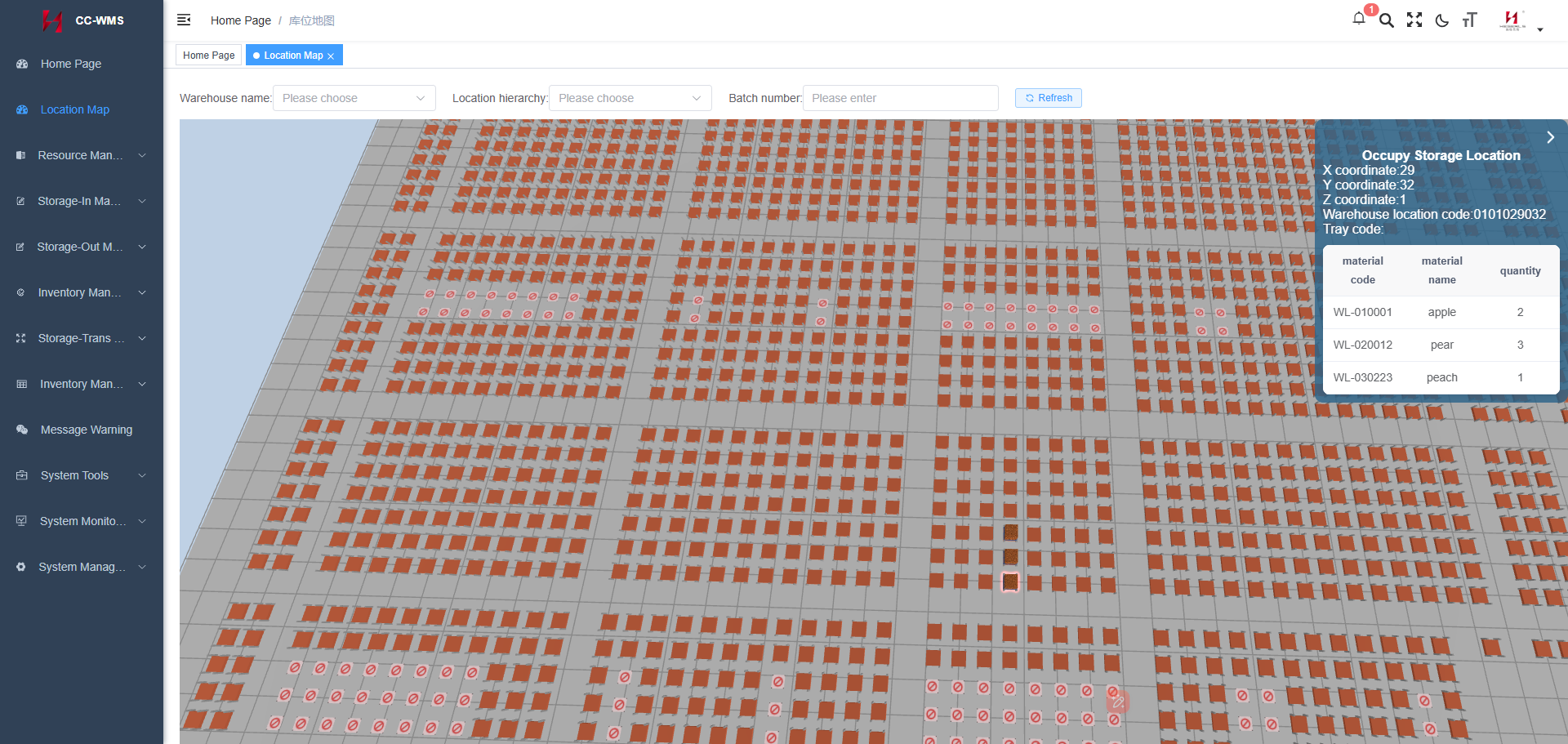
Cloud-Based Warehouse Management
Cloud platforms provide:
- Remote management
- Data integration
- Scalable warehouse operations
How Should Companies Choose a Warehouse Automation Solution in 2026?
Technology trends should not be the only factor in an automation decision.
Before selecting an automation system, companies should evaluate:
- Warehouse dimensions and available height
- Pallet or load-unit specifications
- Required storage positions
- Number and type of SKUs
- Daily inbound and outbound volume
- Required throughput
- Storage depth and density requirements
- Current material flow
- Existing ERP, MES or WMS systems
- Future expansion requirements
- Operating environment, including cold storage
- Budget and expected return on investment
The solution should then be designed around the actual operational requirements.
| Warehouse Requirement | Technologies to Evaluate |
| High-density pallet storage | Four-way shuttle, pallet shuttle, ASRS |
| Very high warehouse | High-bay ASRS, stacker crane |
| Large pallet volumes | Pallet ASRS, shuttle systems |
| Small totes and cartons | Miniload ASRS, goods-to-person systems |
| Flexible transportation | AMR, AGV |
| Intelligent inventory management | WMS |
| Automated equipment coordination | WCS |
| Limited warehouse footprint | High-density and vertical automation |
| Cold-chain operation | Cold-storage ASRS or shuttle solutions |
Why Choose Zhuku for Warehouse Automation Solutions?
Zhuku is an intelligent warehouse automation solution provider specializing in integrated storage and logistics automation systems.
Our solutions include:
- Four-way shuttle systems
- Automated Storage and Retrieval Systems (ASRS)
- Stacker crane systems
- Conveyor and sorting systems
- WMS and WCS software integration
- Complete warehouse automation projects
With professional engineering capabilities and customized solution design, Zhuku helps global customers improve:
- Storage density
- Warehouse efficiency
- Inventory accuracy
- Operational flexibility
From warehouse planning to system implementation, Zhuku provides complete solutions for modern intelligent warehouses.
Conclusion: Warehouse Automation Will Define the Future of Global Logistics
The global warehouse automation market is entering a new era in 2026. AI, robotics, ASRS, and intelligent software systems are transforming warehouses from traditional storage facilities into smart, connected, and highly efficient logistics centers.
Companies investing in warehouse automation today will gain stronger competitiveness through improved efficiency, reduced operating costs, and more resilient supply chains.
Zhuku is committed to providing intelligent warehouse automation solutions that help businesses worldwide build the warehouses of the future.
Looking for a customized warehouse automation solution? Contact Zhuku to design an intelligent storage system based on your operational needs.