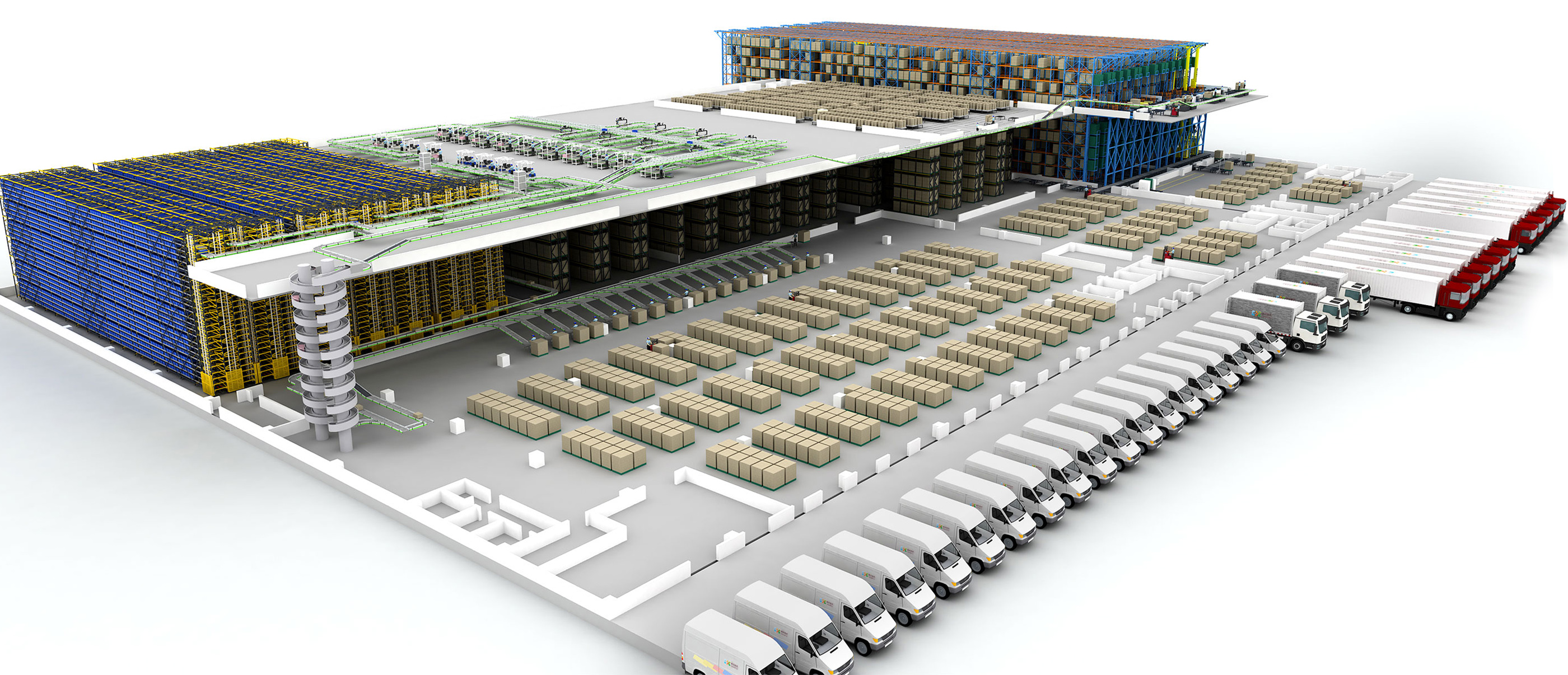
Third-party logistics (3PL) warehouses manage inventory for multiple customers, often with different SKUs, pallet specifications, product characteristics, storage rules, inventory volumes, and turnover rates.
For this reason, 3PL warehouse automation is not simply about moving pallets faster. The key is to use shared warehouse capacity flexibly while maintaining accurate customer-level inventory management.
A fixed-location storage model can leave some customer-dedicated locations underutilized while other customers face storage shortages during peak periods.
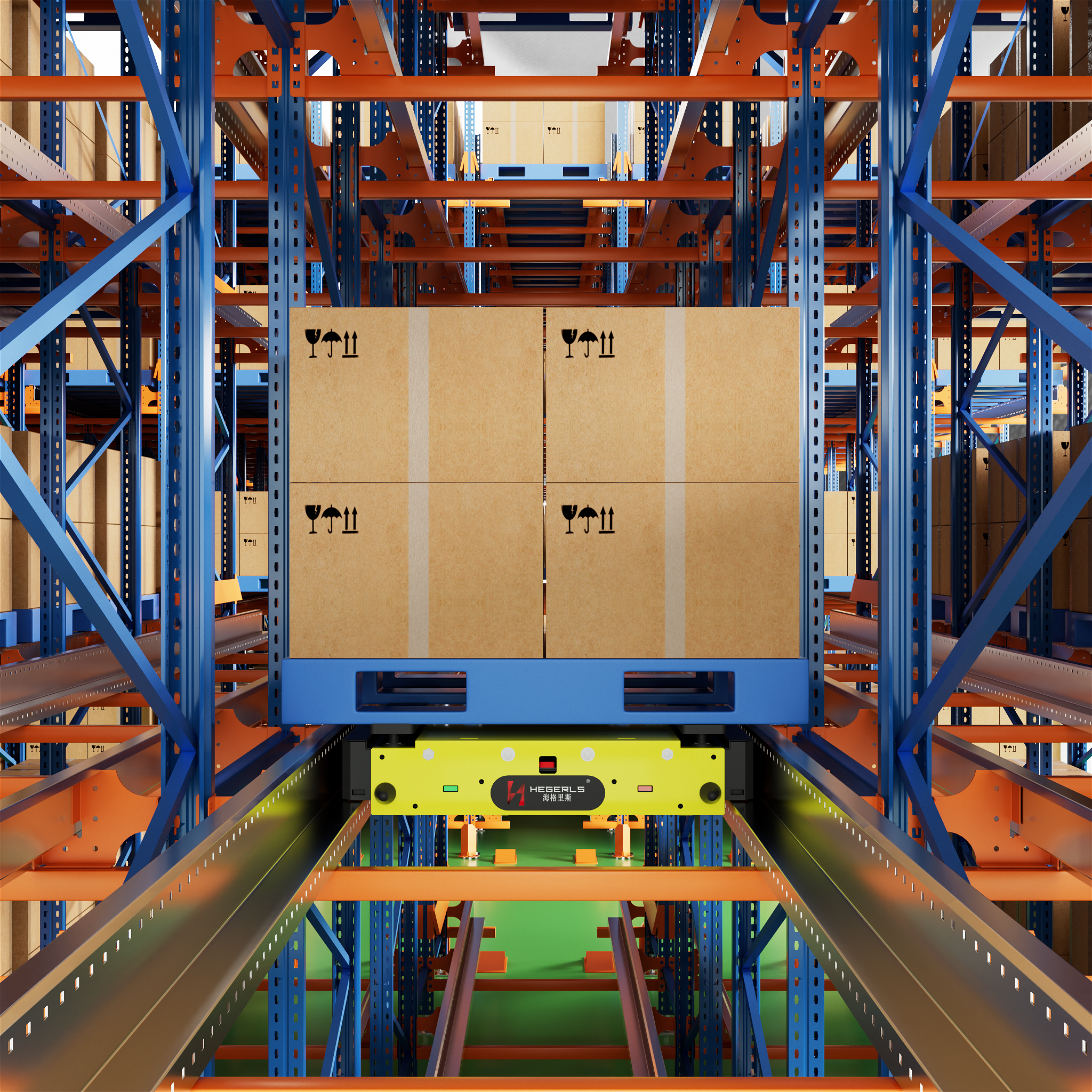
Zhuku provides 3PL warehouse automation and logistics storage solutions that combine high-density storage, dynamic location management, automated material handling, and intelligent WMS/WCS control. The system can help 3PL operators make better use of available warehouse capacity while adapting to changing customers, SKUs, inventory volumes, and throughput requirements.
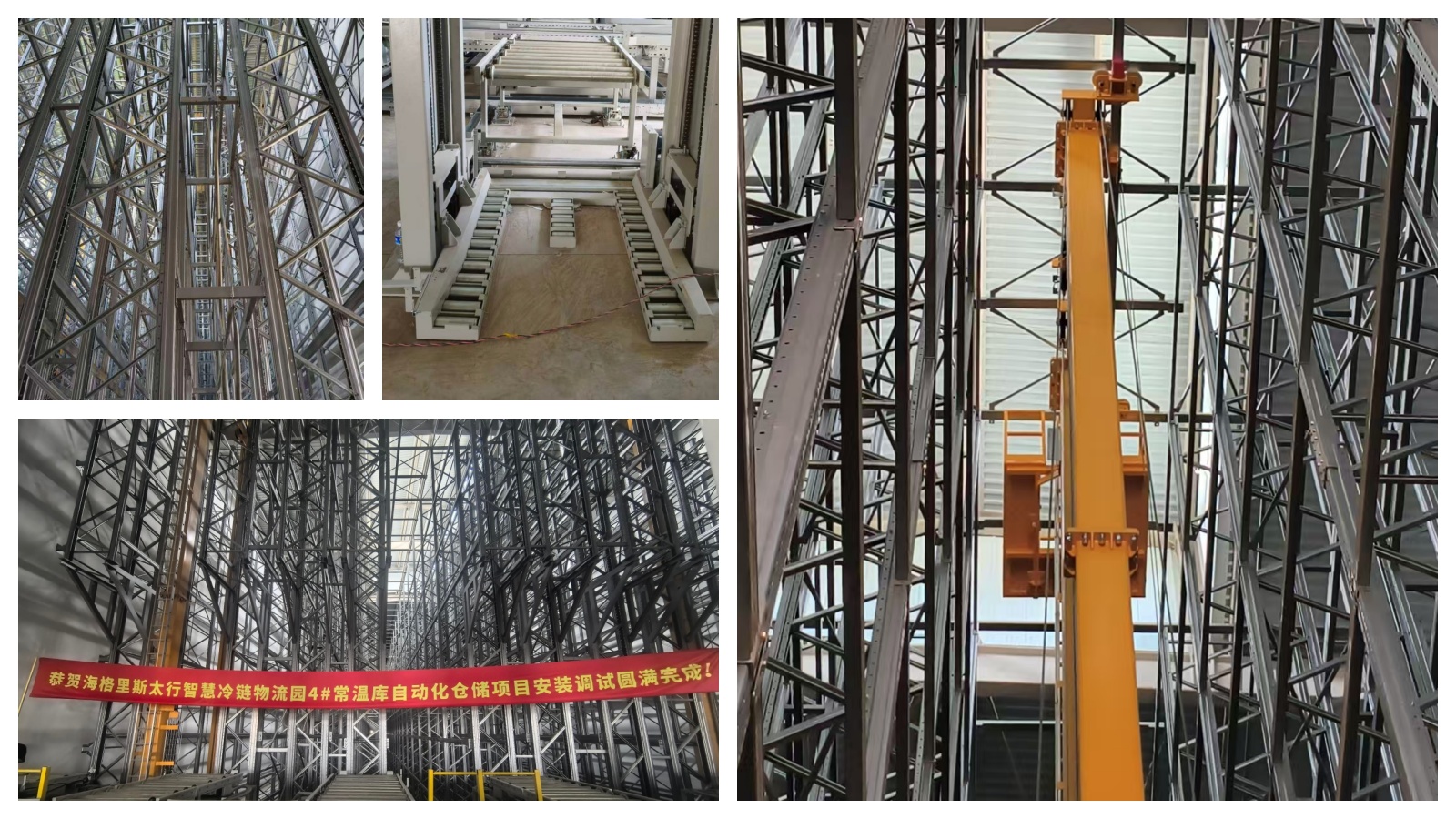
A conventional warehouse may primarily focus on storing and retrieving its own inventory. A 3PL warehouse must manage multiple customer accounts within the same operational environment.
This creates an additional layer of complexity:
Different customers may have different storage rules.
Inventory volumes can change significantly.
New customers may need to be onboarded quickly.
Some locations may be fully utilized while others remain empty.
Different SKUs may require different storage conditions.
Peak demand can change the required storage and throughput capacity.
Customer ownership must remain clearly traceable throughout every inventory movement.
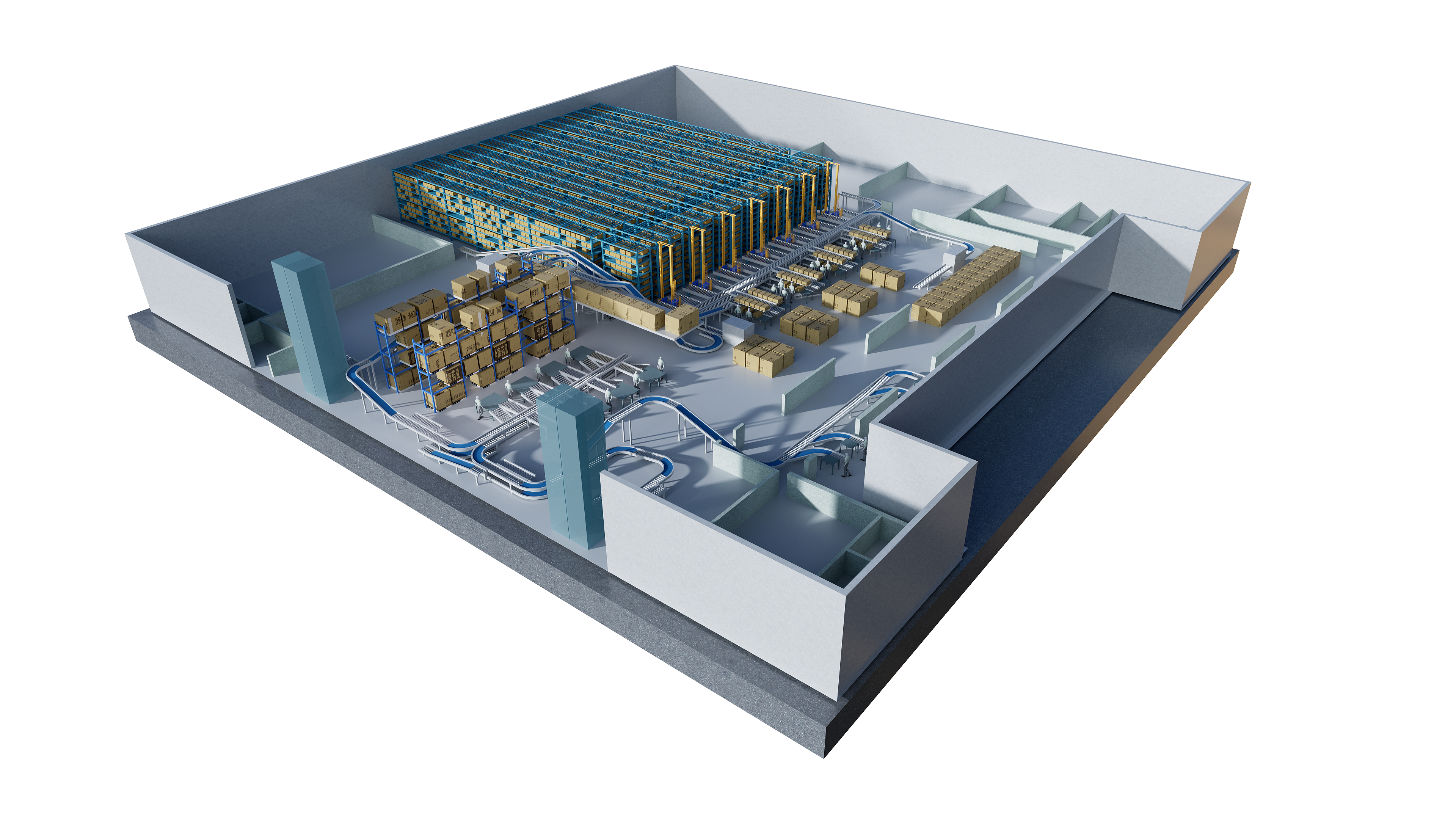
Therefore, an effective 3PL automation system should connect customer management, inventory management, physical storage, material handling, and warehouse control into one coordinated operation.
Multiple Customers, Different Storage RequirementsOne warehouse may need to manage different pallet specifications, SKUs, packaging formats, inventory policies, batch requirements, turnover rates, and customer operating rules. A standardized fixed-location model can become difficult to manage as the number of customers increases. |
Fixed Locations Can Create Unused CapacityWhen storage locations are permanently assigned to individual customers, unused capacity may remain unavailable to other customers even when their storage demand increases. For 3PL operators, this can reduce the effective utilization of revenue-generating warehouse space. |
Storage Demand Changes Constantly3PL inventory volumes can fluctuate because of seasonality, promotions, new contracts, customer growth, and changing supply-chain strategies. The storage system therefore needs to adapt to changing demand instead of relying entirely on fixed capacity allocation. |
New Customers Need Fast OnboardingA new customer should not necessarily require major physical changes to the warehouse. Where the storage strategy permits, new customer requirements can be configured in the warehouse management system and suitable available locations can be allocated according to operational rules. |
Mixed-SKU Storage Increases Management Complexity3PL operators need to know:
Digital inventory management becomes increasingly important as customer and SKU numbers grow. |
Peak Periods Put Pressure on ThroughputStorage density alone does not determine 3PL performance. Receiving, identification, putaway, retrieval, order consolidation, staging, and outbound operations must work together to meet daily and peak-period requirements. |
| Factor | Traditional 3PL Storage | Automated 3PL Warehouse |
| Location Allocation | Often fixed or manually managed | System-based allocation of eligible locations |
| Customer Management | More manual management | Customer-level digital management |
| Storage Utilization | Reserved locations may remain unused | Available capacity can be used more flexibly |
| SKU Management | More manual location decisions | WMS-based inventory and location management |
| Pallet Handling | Highly forklift-dependent | Shuttles, AS/RS, conveyors and lifts can automate movement |
| Inventory Visibility | May be fragmented across systems | Centralized digital inventory visibility |
| Peak Operations | Requires additional labor and equipment resources | Automated task execution and scheduling |
| New Customer Onboarding | May require physical adjustments | Can often be configured through software and capacity allocation |
| Scalability | Strongly affected by existing processes | Can be designed for phased expansion |
| Operational Control | More dependent on manual coordination | WMS/WCS-based coordination |
Automation does not eliminate the need for appropriate warehouse planning. Instead, it provides 3PL operators with more flexible tools for managing shared capacity, inventory, and material flow.
Allocate eligible warehouse locations according to actual requirements
Instead of permanently dedicating every physical location to one customer, WMS can manage logical ownership and allocate suitable available locations according to customer rules, inventory characteristics, pallet specifications, storage requirements, and current capacity.
This creates a more flexible relationship between customer ownership and physical storage locations.
Separate digital customer management from physical storage
Customer, SKU, batch, inventory status, and storage rules can be managed digitally while physical storage locations remain flexible where operational requirements permit.
This approach is particularly useful for 3PL warehouses managing multiple customer accounts within one facility.
Make better use of available warehouse space
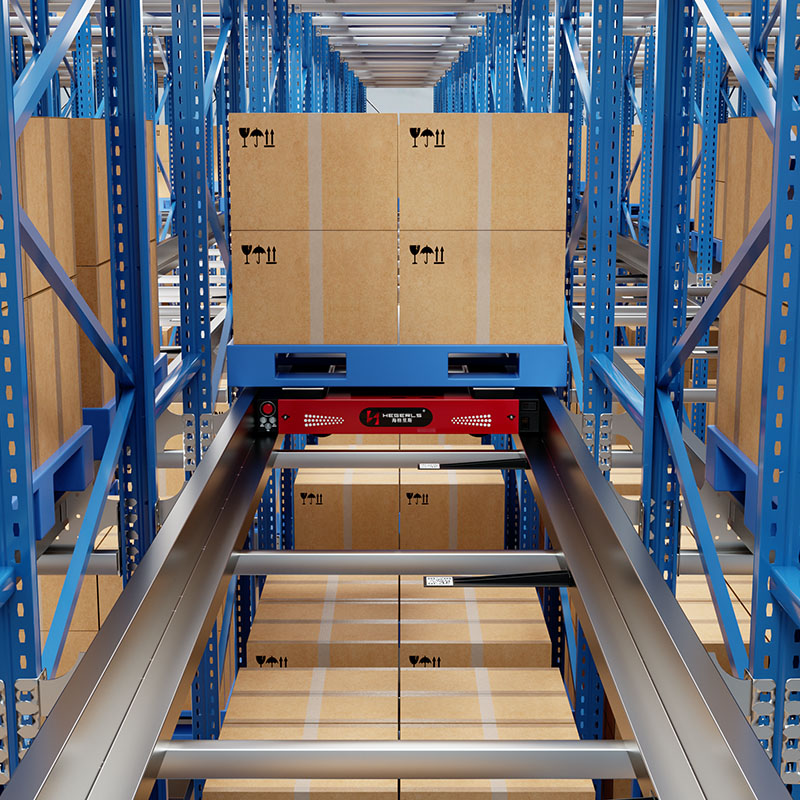
Four-way shuttle systems, pallet shuttle systems, and stacker crane AS/RS can provide different approaches to high-density pallet storage.
The appropriate technology depends on warehouse height, pallet characteristics, SKU profile, throughput, storage strategy, and investment requirements.
Adapt storage to different products and inventory profiles
The storage system can be designed around different pallet dimensions, load weights, product categories, inventory volumes, turnover rates, and storage rules.
Connect receiving, storage, retrieval, staging, and dispatch
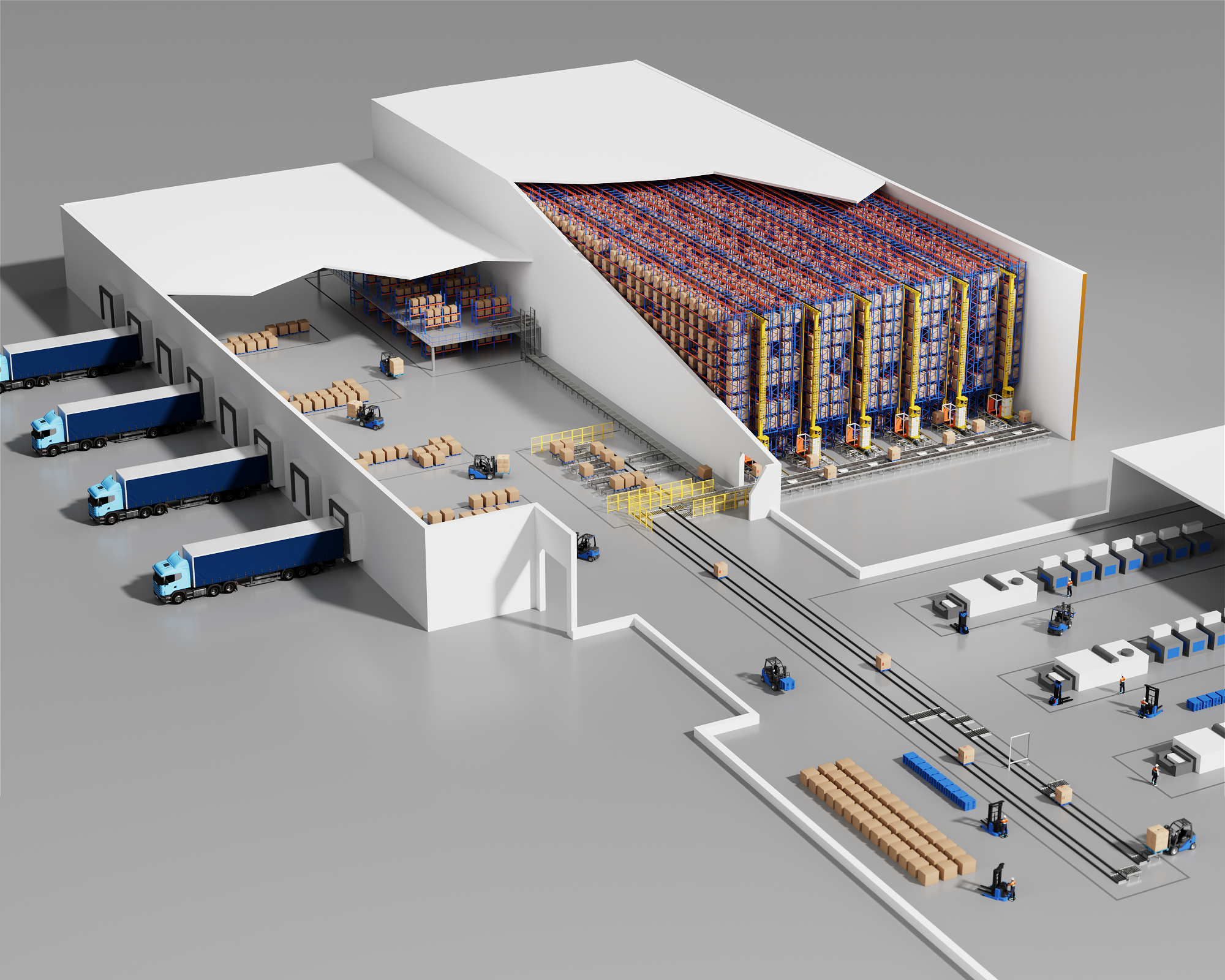
Conveyors, lifts, shuttles, stacker cranes, and other material-handling equipment can be integrated into a coordinated warehouse workflow.
Maintain clear ownership and inventory visibility
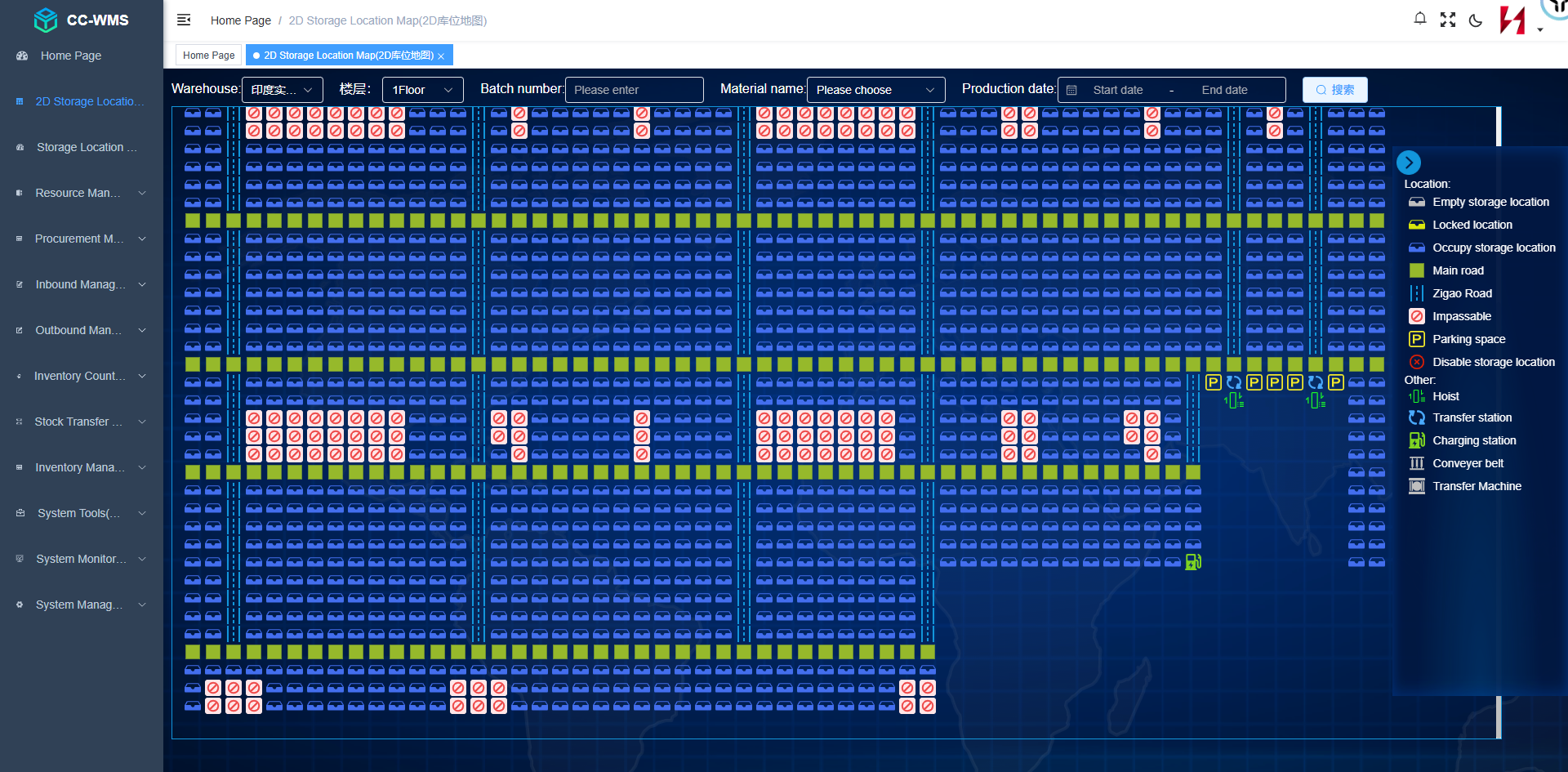
CC-WMS can manage customer ownership, SKU, quantity, batch, location, inventory status, order information, and transaction history.
This helps 3PL operators maintain accurate inventory records for different customer accounts.
Coordinate automated equipment and material movement
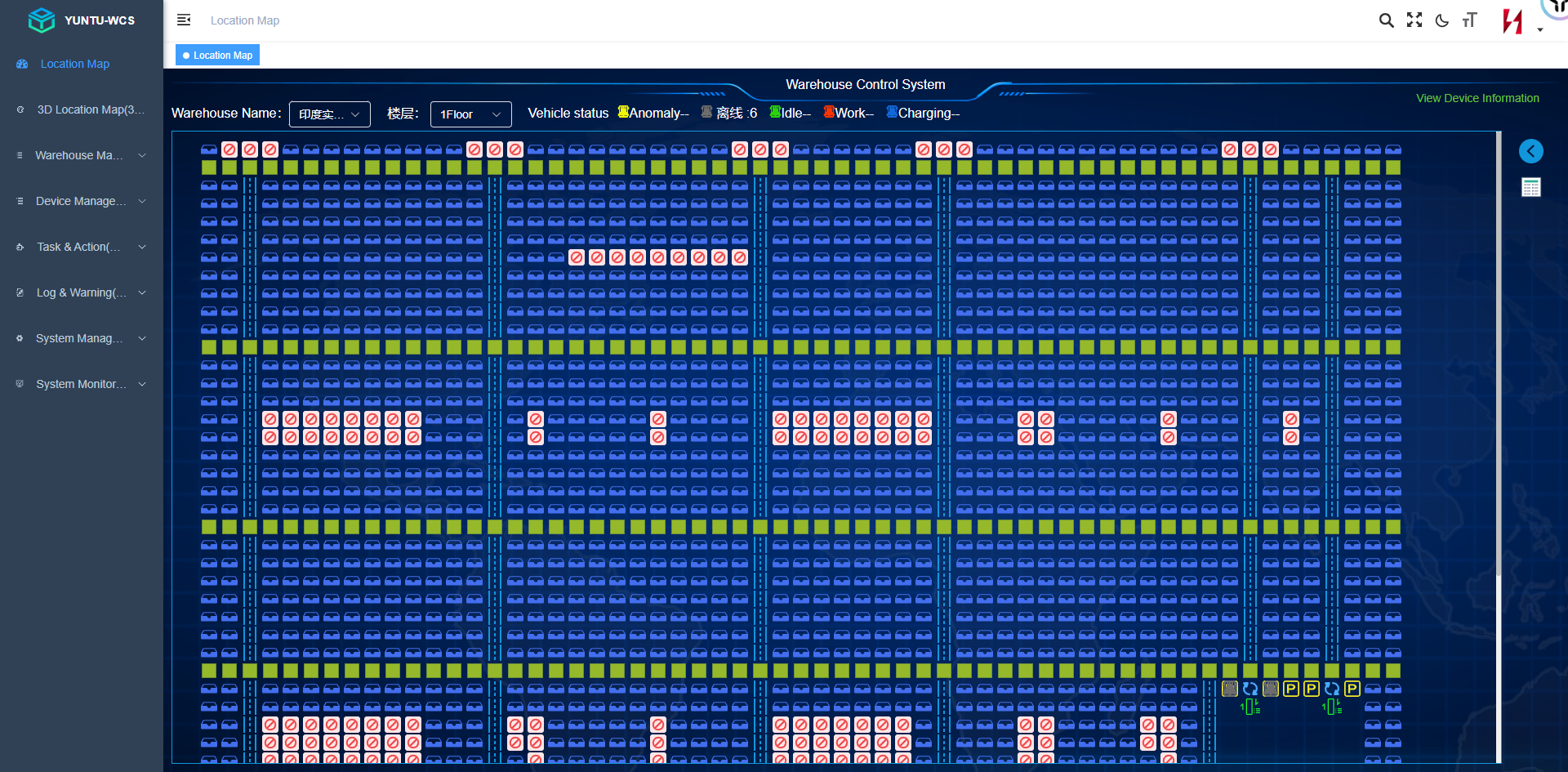
YUNTU-WCS connects warehouse management instructions with automated equipment. It can coordinate equipment tasks, routing, equipment status, and material movement across the warehouse automation system.
Add new storage business without necessarily rebuilding the warehouse
When the storage strategy allows shared or flexible locations, new customer requirements can be configured in the software and available physical capacity can be allocated according to the customer's inventory profile and operating rules.
| Technology | Application in 3PL Warehouses |
| Four-Way Shuttle System | Flexible, high-density pallet storage and retrieval |
| Two-Way Pallet Shuttle | High-density deep-lane storage for large pallet volumes |
| Stacker Crane AS/RS | High-bay automated pallet storage and retrieval |
| Conveyors & Lifts | Automated transfer between receiving, storage, staging, and shipping |
| CC-WMS | Customer, SKU, inventory, batch, location, and order management |
| YUNTU-WCS | Automated equipment coordination and task execution |
| AMR / AGV | Flexible internal transportation and material handling |
| Barcode / QR Identification | Pallet and product identification and tracking |
The technologies do not have to be used independently. A 3PL warehouse may combine several systems according to its operational requirements.
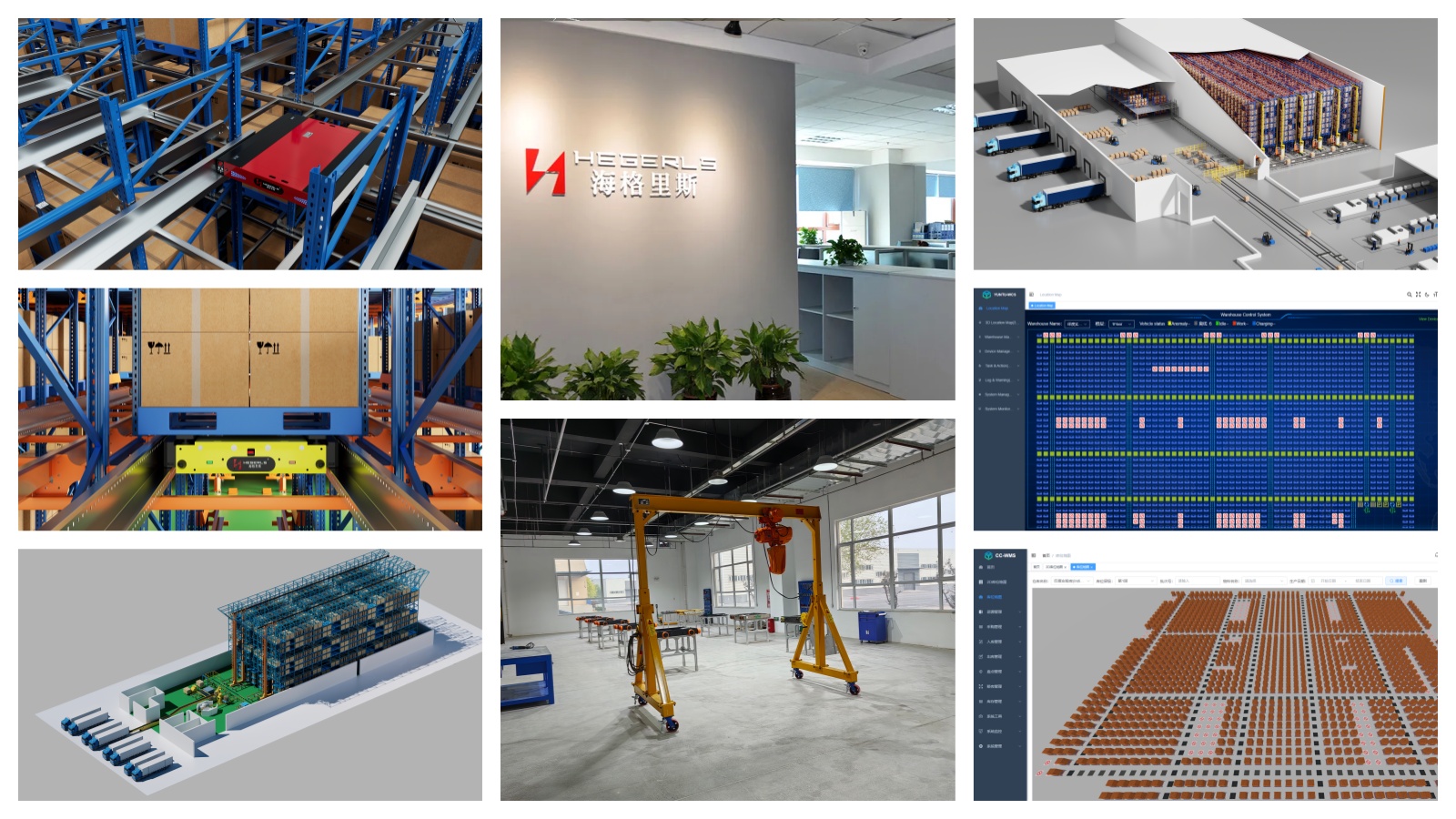
A typical automated 3PL warehouse can follow this process:
Customer Order / Inventory Data → Receiving → Identification & Verification → WMS Allocation → Automated Putaway → Dynamic Storage → Inventory Management → Retrieval → Consolidation / Staging → Outbound
Inbound pallets or goods enter the warehouse and are identified according to the required receiving process.
Barcode, QR code, or other identification methods can be used to verify product, pallet, customer, and inventory information.
CC-WMS determines an eligible storage location according to customer ownership, product characteristics, pallet specifications, inventory rules, available capacity, and operational requirements.
Conveyors, lifts, shuttles, stacker cranes, or other equipment transfer goods toward the assigned storage area.
Inventory can be stored in available eligible locations rather than being permanently tied to a customer-specific physical location where the operating model permits shared storage.
The WMS records inventory ownership, SKU, quantity, location, batch, status, and transaction history.
When an outbound order is received, WMS generates the required tasks and WCS coordinates equipment execution.
Retrieved pallets are transferred to the appropriate staging or shipping area for dispatch.
WMS manages inventory decisions, while WCS coordinates equipment execution.
Zhuku applies shuttle systems, AS/RS, high-density racking and warehouse software to different warehouse environments. The following projects demonstrate our experience in high-density storage, automated material handling and intelligent warehouse control.
|
|
|
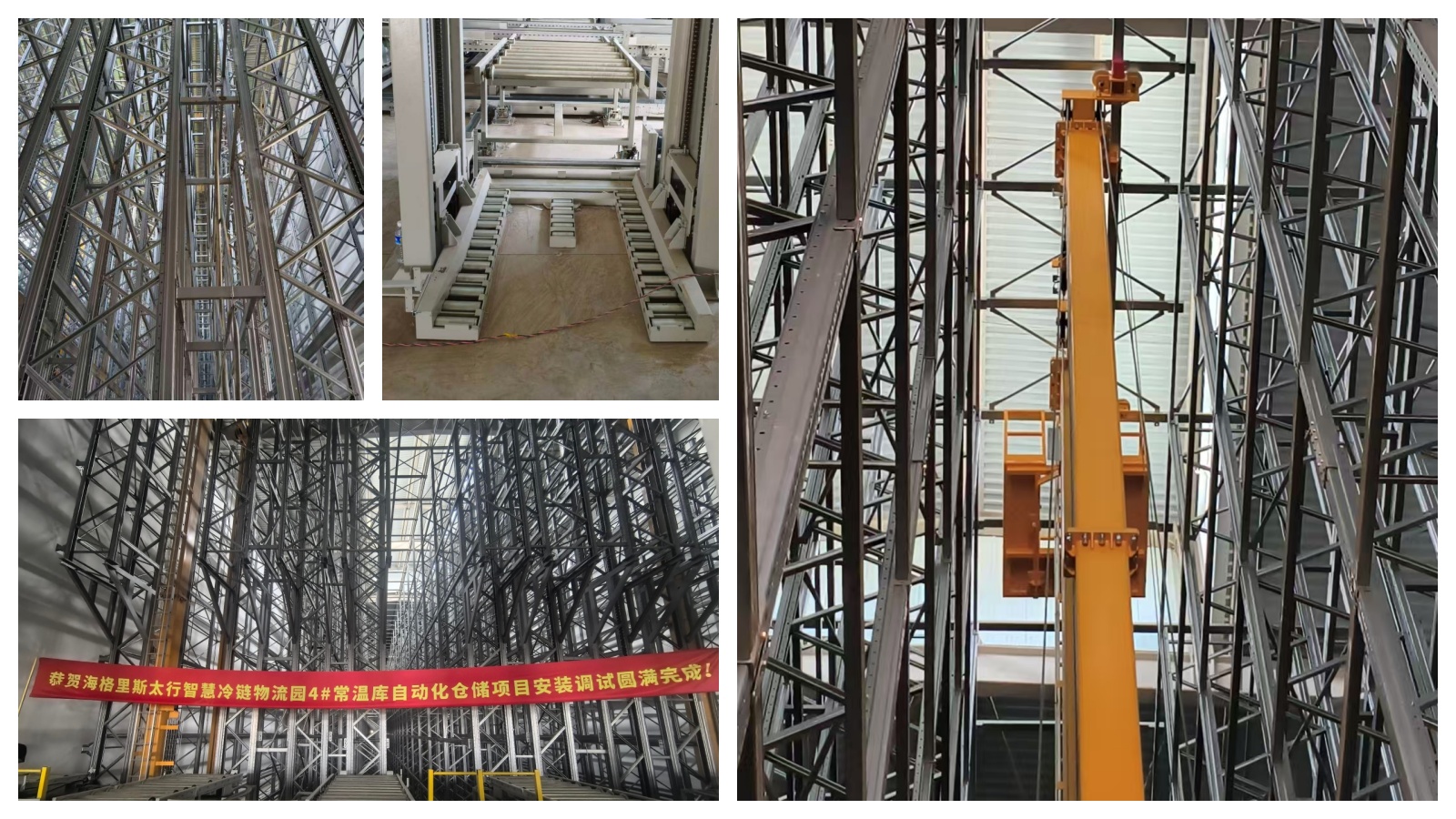
Shijiazhuang Automated Warehouse Project3PL Logistics | Stacker Crane AS/RS A high-density automated warehouse solution for a third-party logistics operation, integrating stacker cranes, high-density racking, conveyors and intelligent warehouse control for automated pallet storage and retrieval. 9,089 m² Warehouse Area Key Benefits: High-density pallet storage, automated material handling and improved inventory control. |
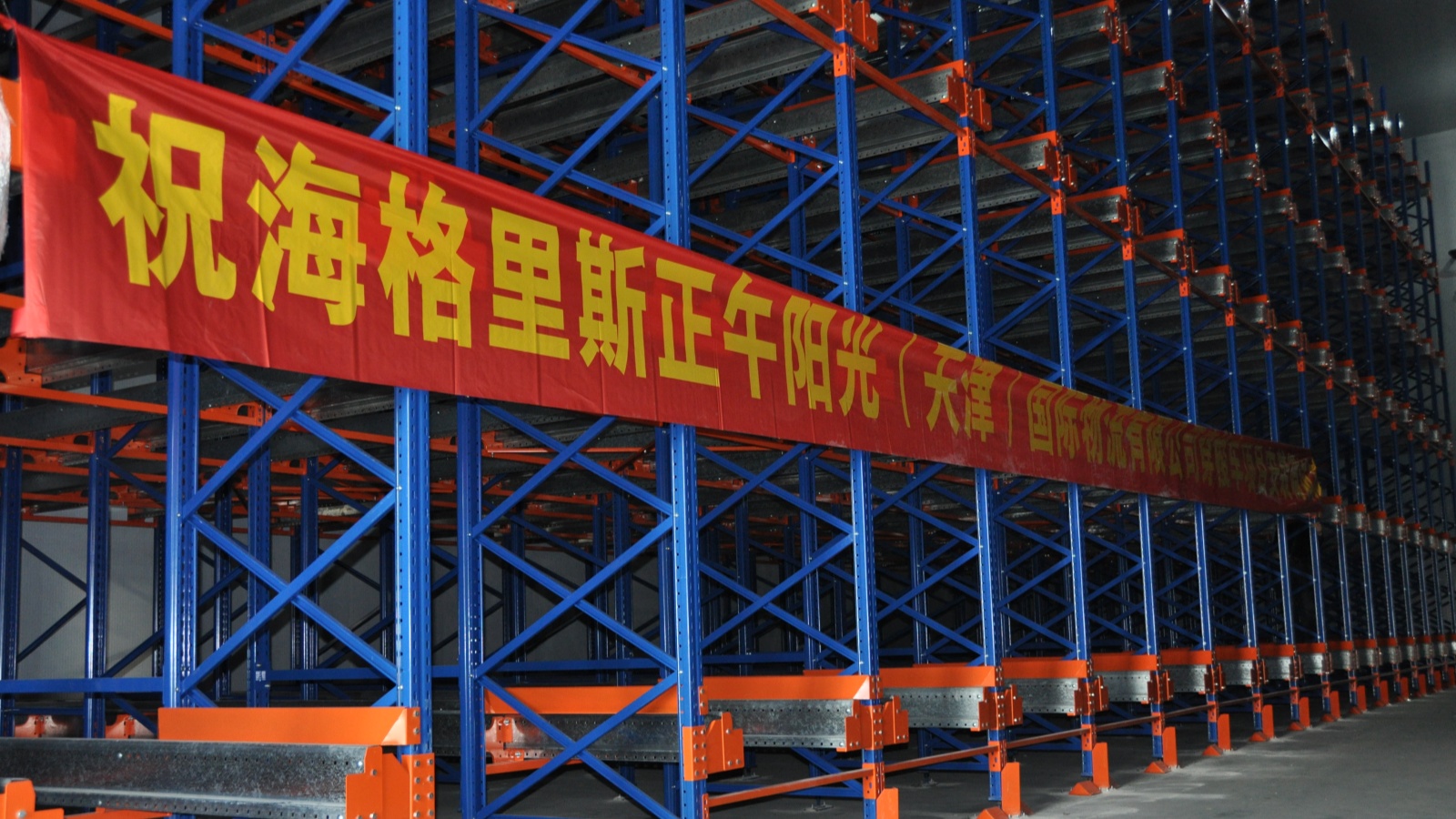
Wine & Oil Shuttle Racking ProjectFood & Beverage | Shuttle Racking A high-density shuttle racking solution for a temperature-controlled warehouse storing wine and oil products. Shuttle vehicles operate within deep storage lanes to improve space utilization and reduce forklift travel inside the storage area. 30,000 m² Warehouse Area Key Benefits: High-density storage, reduced forklift travel and flexible pallet storage. |
Manage inventory for multiple companies, industries, product categories, and customer accounts within one facility.
Support high SKU volumes, frequent inbound and outbound operations, changing order demand, and fast-moving inventory.
Manage different brands, product categories, and customer inventories through centralized inventory and location management.
Store raw materials, components, semi-finished products, and finished goods for different manufacturing customers.
Support batch tracking, FIFO/FEFO strategies, high-density pallet storage, and temperature-controlled storage where required.
Reduce routine manual handling in demanding temperature-controlled environments through appropriately designed shuttle or AS/RS solutions.
Manage diverse SKUs, different pallet specifications, variable inventory volumes, and customer-specific storage requirements.
High-Density StorageHigh-density shuttle and AS/RS technologies can increase storage capacity within the existing warehouse footprint, depending on warehouse height, aisle configuration, pallet dimensions, and storage layout. |
Flexible StorageDynamic location allocation can help storage resources respond to changing customer inventory volumes and seasonal demand. |
Multi-SKU StorageWMS-based location management supports different SKUs, pallet specifications, product categories, and inventory rules. |
Fast-Turnover StorageShuttles, AS/RS, conveyors, and lifts can be combined according to required throughput and material-flow characteristics. |
Customer-Specific InventoryDigital inventory records can associate products with the correct customer, SKU, batch, location, quantity, and status. |
Inventory VisibilityCC-WMS provides centralized visibility into inventory and warehouse operations, helping 3PL operators manage multiple customer accounts more accurately. |
Dynamic allocation and high-density storage can help reduce unnecessary capacity reservations and improve the use of available storage locations.
3PL operators can adapt storage resources to new customers, changing SKU profiles, seasonal demand, and different inventory volumes.
Automated storage and material handling can reduce routine forklift movements and manual pallet handling within the warehouse.
Customer ownership, SKU, quantity, batch, location, status, and movement history can be digitally recorded and managed.
Where the physical storage strategy permits, new customers can be incorporated through configurable warehouse rules and available capacity allocation without necessarily rebuilding the storage infrastructure.
The system can be designed around current storage and throughput requirements while allowing future equipment, storage locations, and software functions to be added as the business grows.
For 3PL operators, warehouse capacity is a business resource. Better utilization of available storage locations can help operators serve changing customer demand without simply adding more warehouse space.
Flexible System IntegrationOne engineering approach for complex logistics operations Zhuku integrates storage equipment, automated material handling, WMS, WCS, and warehouse workflows into a coordinated 3PL automation solution. |
Dynamic Storage ManagementSeparate customer ownership from physical storage where appropriate The warehouse management system can manage logical customer ownership and physical storage locations separately, providing greater flexibility for multi-customer operations. |
Multiple Automation TechnologiesSelect technology according to actual warehouse requirements Four-way shuttles, pallet shuttles, stacker cranes, conveyors, lifts, AMRs, and AGVs can be combined according to warehouse characteristics and operating requirements. |
Proprietary WMS & WCSConnect inventory management with automated equipment CC-WMS manages inventory and warehouse information, while YUNTU-WCS coordinates automated equipment and task execution. |
Customer-Centric Warehouse DesignDesign around your contracts and operating model The solution considers customer numbers, inventory profiles, SKU diversity, pallet specifications, storage density, throughput, peak demand, and future growth. |
From Warehouse Planning to ImplementationOne engineering partner throughout the project Zhuku supports warehouse planning, storage-system design, automation integration, software configuration, installation, commissioning, training, and technical support. The solution can combine high-density racking, four-way shuttle systems, pallet shuttles, AS/RS, lifts, conveyors, WMS, WCS, and other automation technologies according to the project's actual requirements. |
A reliable 3PL automation design starts with the warehouse's actual operating profile.
Useful information includes:
Warehouse dimensions and clear height
Warehouse CAD/PDF layout
Number of customers
SKU quantity and diversity
Average and peak inventory
Pallet dimensions
Pallet load weight
Daily inbound volume
Daily outbound volume
Peak throughput
Inventory turnover rate
FIFO/LIFO/FEFO requirements
Temperature and storage environment
Existing racking and material-handling equipment
Current WMS/ERP/MES
Expected future growth
A typical solution-development sequence is:
Load Profile → Storage Capacity → Throughput → Warehouse Constraints → Storage Strategy → Automation Architecture → Software Integration → Future Expansion
For a 3PL operator, warehouse space is not simply a storage facility—it is a revenue-generating business resource.
The objective is not to maximize automation for its own sake. It is to create the right balance between storage capacity, customer flexibility, throughput, inventory visibility, labor requirements, investment, and future scalability.
Send Zhuku your warehouse drawing, customer profile, pallet specifications, SKU volume, storage requirements, and daily throughput. Our engineering team can evaluate your operation and develop a 3PL warehouse automation and storage solution based on your actual requirements.
Find answers to frequently asked questions about warehouse automation, system integration, equipment, installation, operation, maintenance, and after-sales support.

Zhuku is a trusted warehouse automation company providing system integration, intelligent storage solutions, automated warehouse systems, and warehouse racking for customers worldwide.