Manufacturing warehouses manage a complex mix of raw materials, components, semi-finished products, finished goods, and production supplies. These materials can differ significantly in size, weight, packaging, SKU volume, storage requirements, and turnover frequency.
Traditional warehouses often rely on forklifts, manual inventory management, and fixed storage locations. As production volumes and SKU numbers increase, manufacturers may face material congestion, inefficient picking, limited storage capacity, excess inventory, and poor visibility between warehouse and production operations.
Zhuku provides manufacturing warehouse automation and storage solutions that combine high-density storage, automated material handling, intelligent warehouse management, and production-linked workflows. Different storage technologies can be integrated according to material characteristics, warehouse conditions, throughput requirements, and production processes.
Different Materials Require Different Storage MethodsOne storage system cannot efficiently handle every material. Raw materials, heavy components, small parts, semi-finished products, precision components, and finished goods have different dimensions, weights, packaging, and handling requirements. A manufacturing warehouse therefore needs a combination of storage technologies rather than a single standardized system. |
High-Frequency Material FlowProduction requires continuous material availability. Materials may move between receiving, inspection, storage, production lines, intermediate buffers, finished-goods storage, and shipping. Delays in material handling can affect production continuity and order fulfillment. |
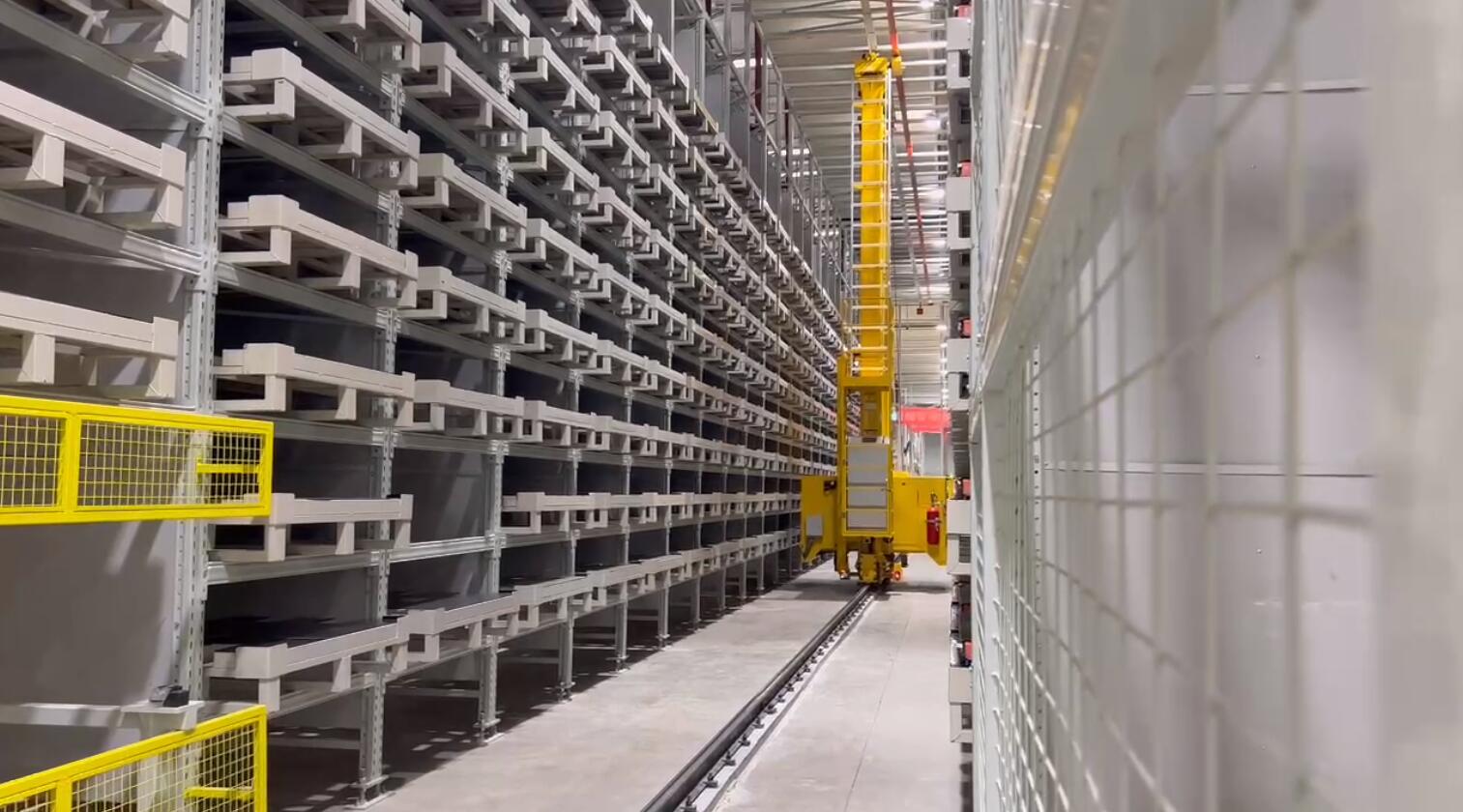
Heavy Materials Consume Significant SpaceLarge and heavy inventory requires efficient high-bay storage. Bulk raw materials and heavy components can occupy substantial floor space when stored on conventional floor locations. High-bay racking and automated storage systems can make better use of available warehouse height. |
Small Parts Create Inventory ComplexityThousands of components require accurate location and retrieval management. Small and medium-sized components can involve large numbers of SKUs, batches, and production requirements. Manual storage and picking can make inventory visibility and retrieval accuracy more difficult to maintain. |
Warehouse and Production Data Can Be DisconnectedWarehouse inventory should support production planning. When warehouse and production information are not connected, manufacturers may hold excess raw materials while still experiencing shortages of critical components. |
Finished Goods Can AccumulateProduction output needs to be aligned with demand and shipping requirements. Slow-moving finished goods can occupy valuable warehouse capacity and increase inventory pressure. Automated storage and digital inventory management can help manufacturers control finished-goods storage and retrieval. |
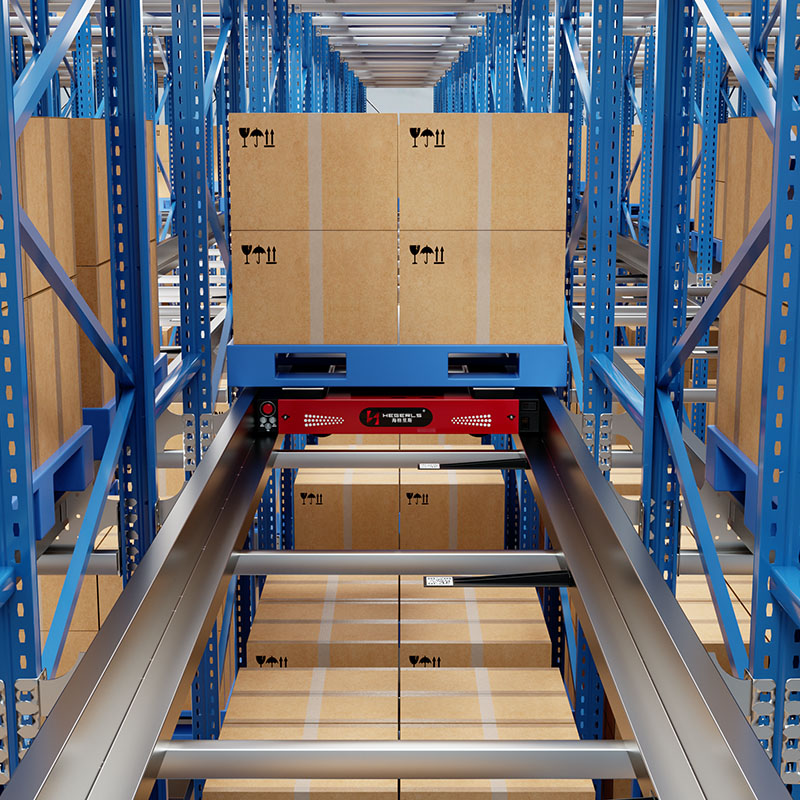
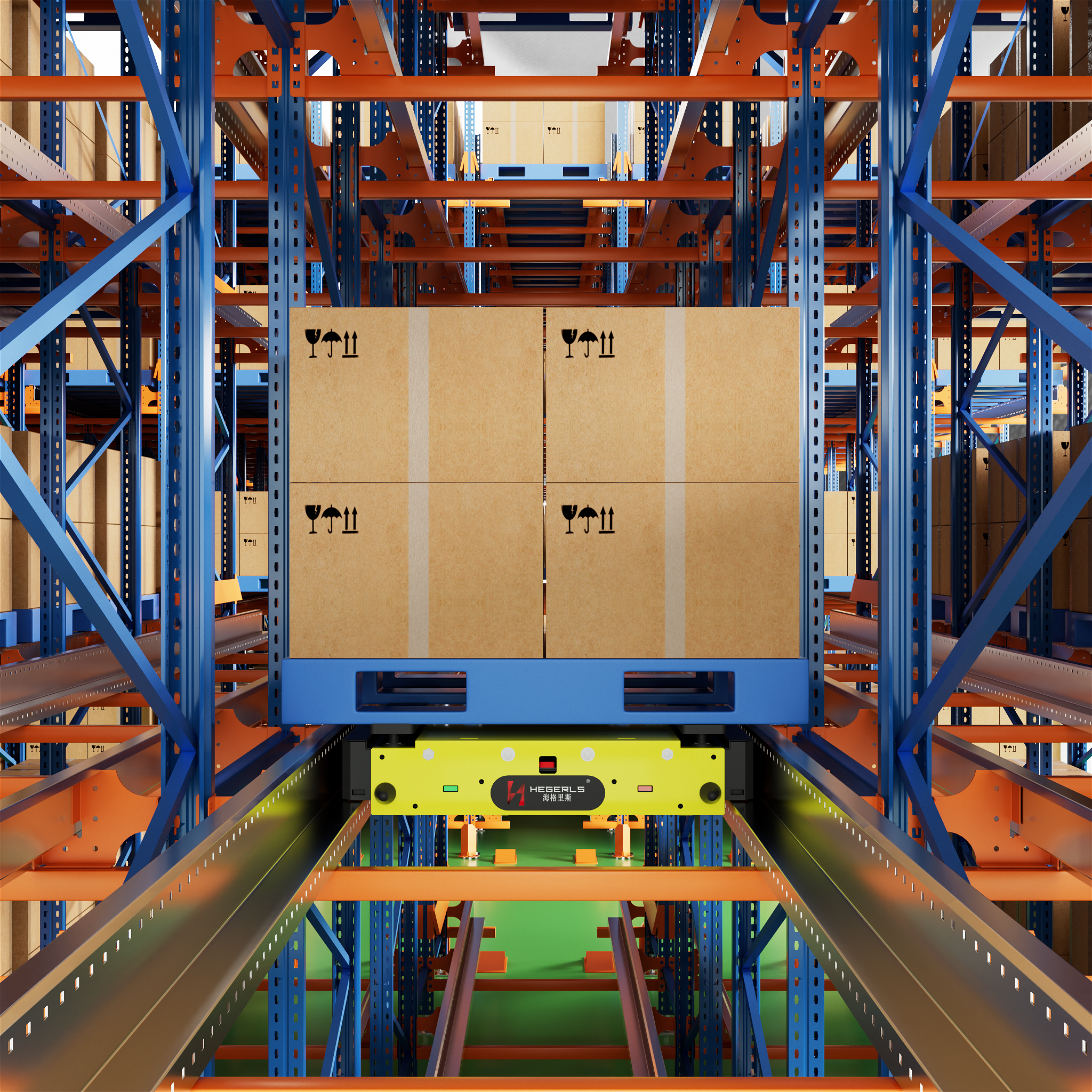
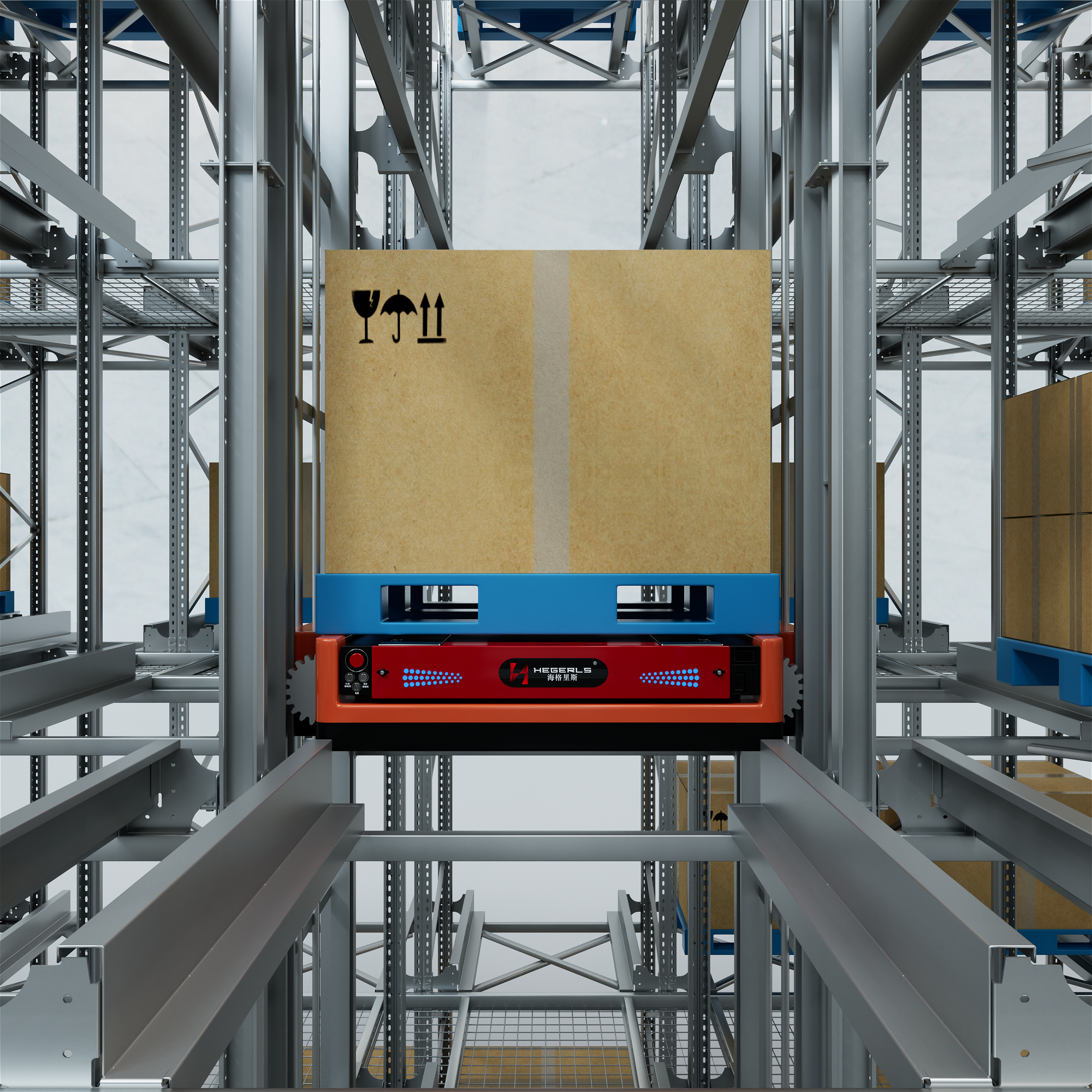
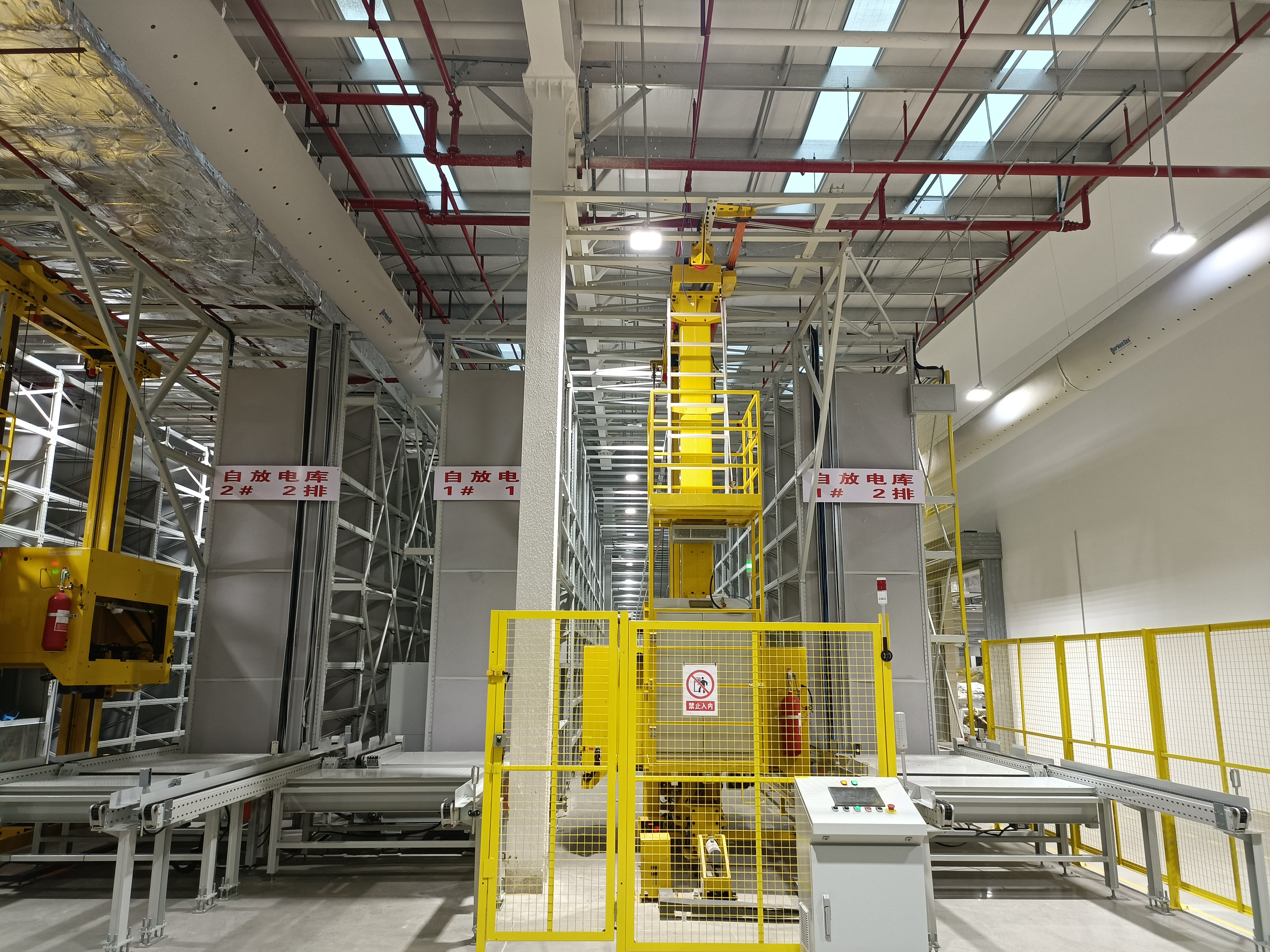
1. Material-Based Storage ConfigurationMatch storage technology to material characteristics. Zhuku evaluates material dimensions, weight, packaging, SKU volume, turnover frequency, storage density, throughput, and production requirements before selecting suitable storage technologies. Different warehouse areas can use different systems while being managed as one integrated operation. 2. High-Bay Storage for Raw MaterialsStore heavy and bulk materials vertically. Heavy-duty pallet racking and automated high-bay ASRS can provide high-position storage for palletized raw materials and heavy components while reducing dependence on routine forklift handling. 3. Automated Small-Parts StorageOrganize components and precision parts efficiently. Box and bin ASRS can provide dense storage and automated retrieval for small and medium-sized components, particularly where SKU volume and retrieval frequency are high. 4. Shuttle Storage for Palletized MaterialsProvide flexible, high-density pallet storage. Two-way pallet shuttles and four-way shuttle systems can be used for finished goods, raw materials, semi-finished products, and other palletized inventory according to storage density, throughput, accessibility, and warehouse layout requirements. |
5. Automated Material HandlingConnect receiving, storage, production, and shipping. Conveyors, lifts, shuttles, stacker cranes, AMRs, and AGVs can be integrated to transport materials between receiving, storage, production buffers, line-side areas, staging zones, and shipping areas. 6. Intelligent Inventory ManagementKnow what materials are available and where they are stored. CC-WMS manages inventory, locations, SKUs, batches, quantities, and material movements, providing centralized visibility across warehouse operations. Inventory rules can be configured for FIFO, FEFO, batch, lot, production-date, and other inventory strategies according to project requirements. 7. Production-Linked Warehouse ManagementMake warehouse inventory support production requirements. Warehouse data can be connected with ERP, MES, production planning, and other business systems according to project requirements. This allows material demand, replenishment, production supply, and finished-goods storage to be coordinated through a connected workflow. 8. Flexible Storage AllocationAdapt warehouse capacity as production changes. Storage locations, inventory rules, and automated workflows can be configured according to changing production plans, SKU structures, inventory levels, turnover rates, and customer requirements. |
| Material / Requirement | Recommended Storage Technology | Main Purpose |
| Bulk Raw Materials | Heavy-Duty Racking / High-Bay ASRS | High-position storage and efficient space utilization |
| Heavy Components | Pallet Racking / Stacker Crane ASRS | Automated high-load storage and retrieval |
| Medium-Sized Components | Pallet Shuttle / Four-Way Shuttle | Flexible high-density pallet storage |
| Small Parts | Box / Bin ASRS | Dense SKU storage and automated retrieval |
| Precision Components | Bin / Box Storage Automation | Organized and traceable component management |
| Semi-Finished Products | Shuttle / ASRS | Controlled intermediate storage and buffering |
| Finished Goods | Two-Way / Four-Way Shuttle / ASRS | High-density storage and automated retrieval |
| High-Throughput Areas | Conveyors / Lifts / AMR / AGV | Automated material transportation |
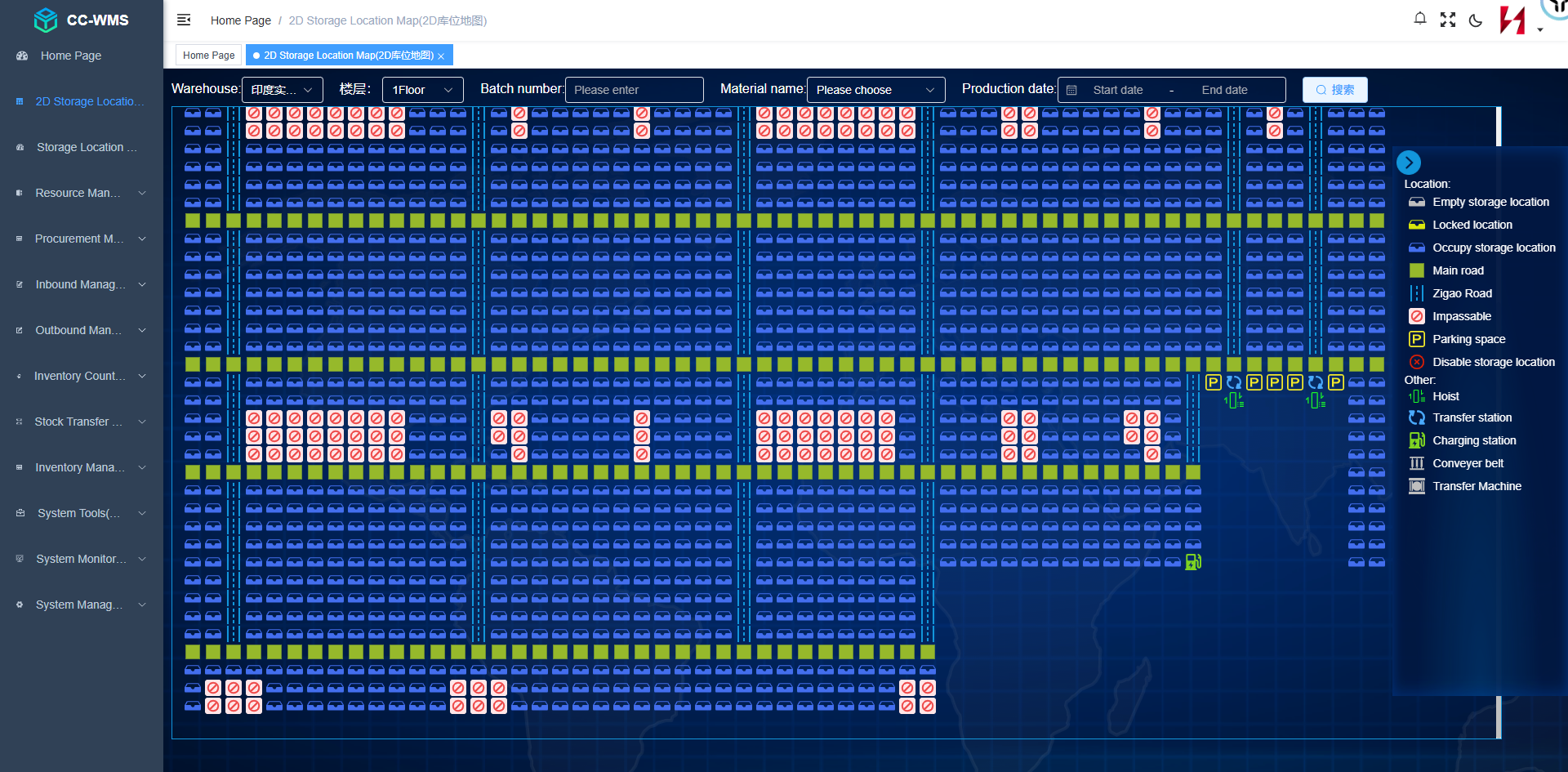
| Inventory Management | CC-WMS | Inventory, location, batch, and process management |
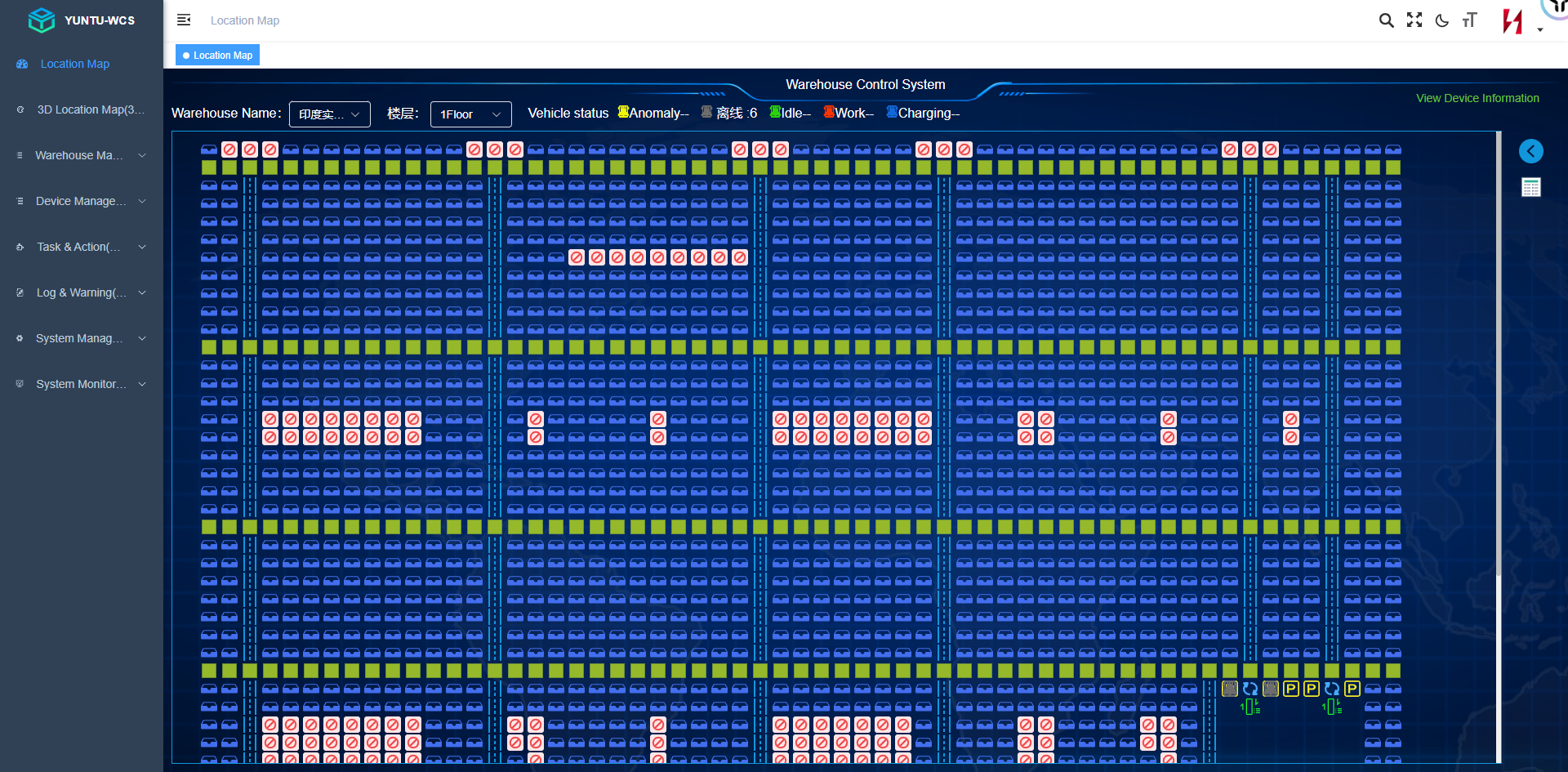
| Equipment Coordination | YUNTU-WCS | Automated equipment and task coordination |
The appropriate technology depends on material characteristics, load requirements, SKU volume, throughput, warehouse height, accessibility, and production processes.
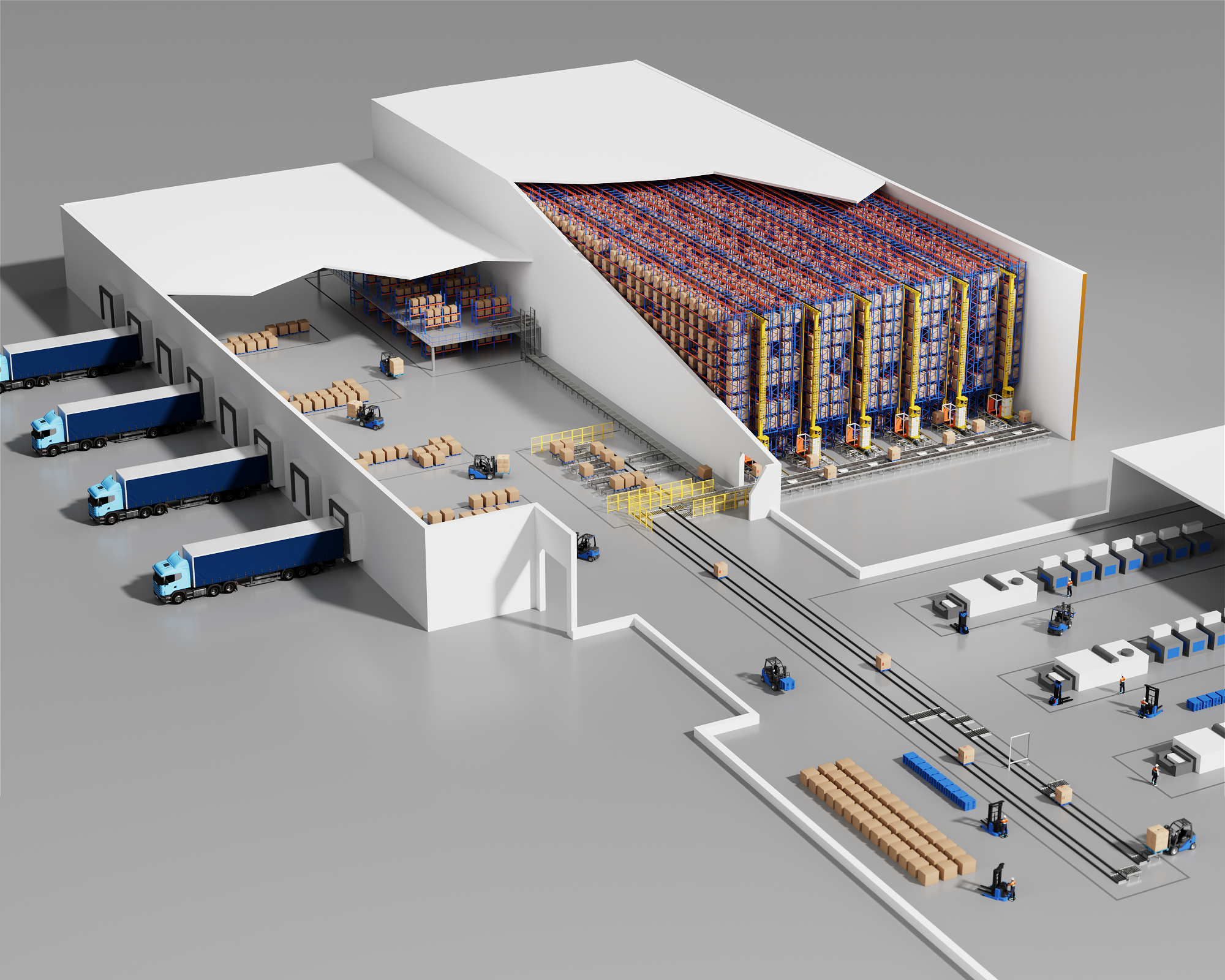
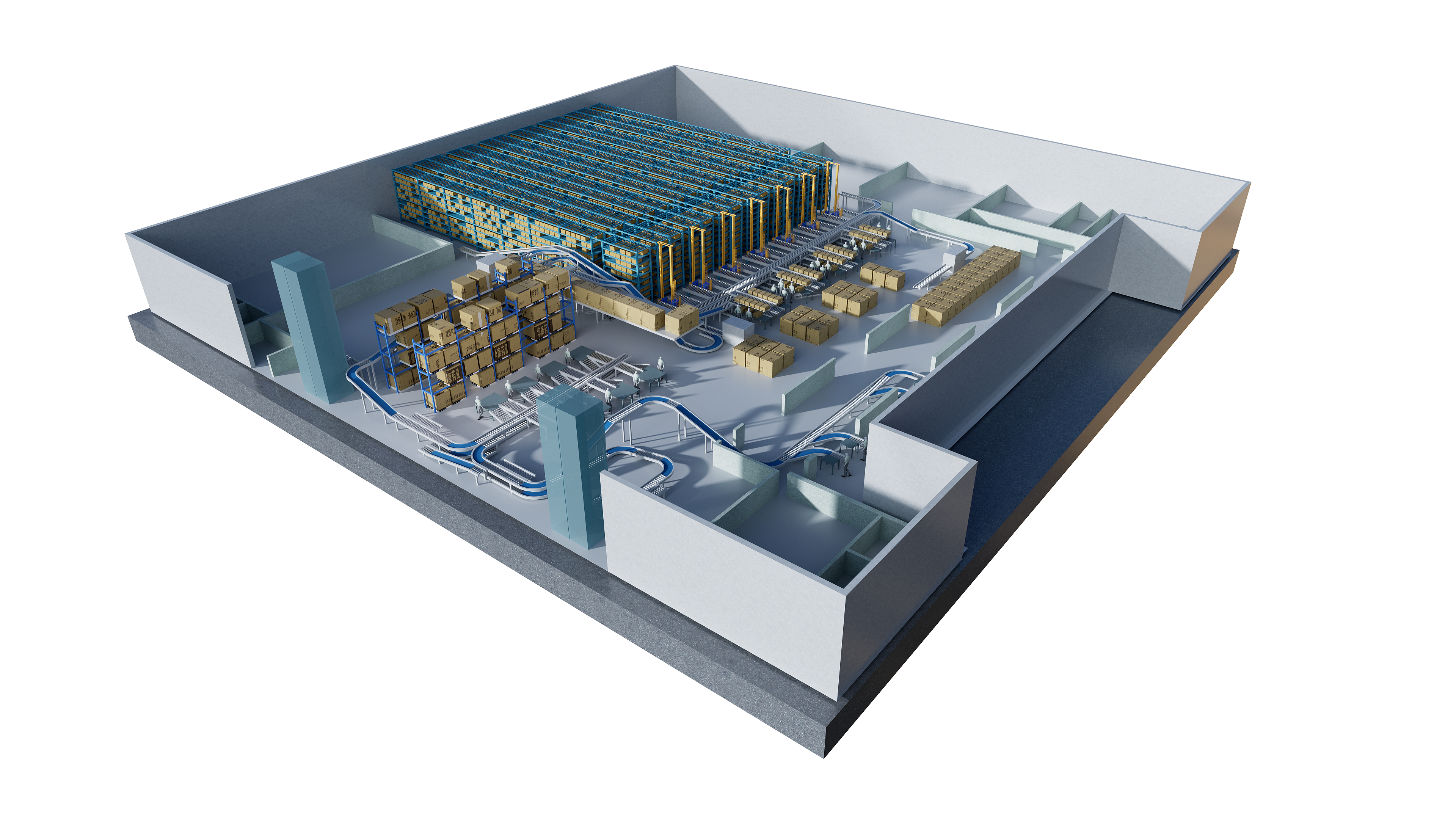
A manufacturing automated warehouse can connect material receiving, storage, production supply, intermediate buffering, finished-goods storage, and outbound operations within one coordinated workflow.
Raw Material Receiving → Inspection & Identification → WMS Allocation → Automated Putaway → Raw Material Storage → Production Material Replenishment → Line-Side Supply → Semi-Finished Storage → Finished Goods Storage → Order-Based Retrieval → Staging → Shipping
CC-WMS manages inventory and warehouse processes, while YUNTU-WCS coordinates automated equipment and material-handling tasks.
This creates a connected material flow from receiving to production to finished-goods distribution, rather than treating the warehouse as an isolated storage area.
Zhuku's project experience covers different industrial storage requirements, including high-density pallet storage, four-way shuttle systems, stacker crane ASRS, rack-supported warehouses, and integrated warehouse management.
Chemical Warehouse Automation ProjectChemical Industry | Four-Way Shuttle System A chemical warehouse project integrates four-way shuttle storage with vertical lifts and warehouse management systems to provide high-density pallet storage and automated material handling.
The project integrates WMS, ERP, and MES to support warehouse operations and production-related inventory management. | 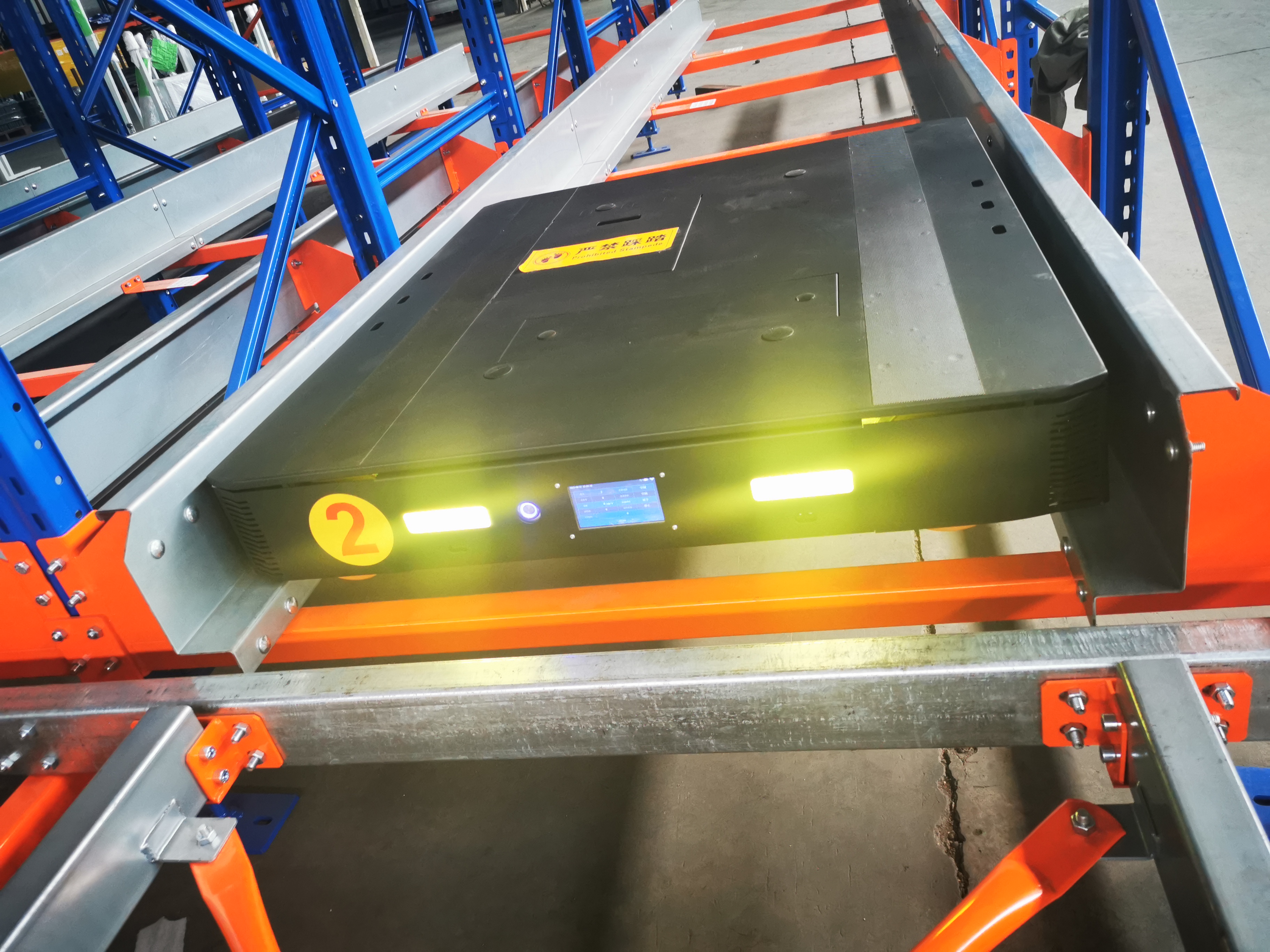 | ||||||||||||||||
|
|
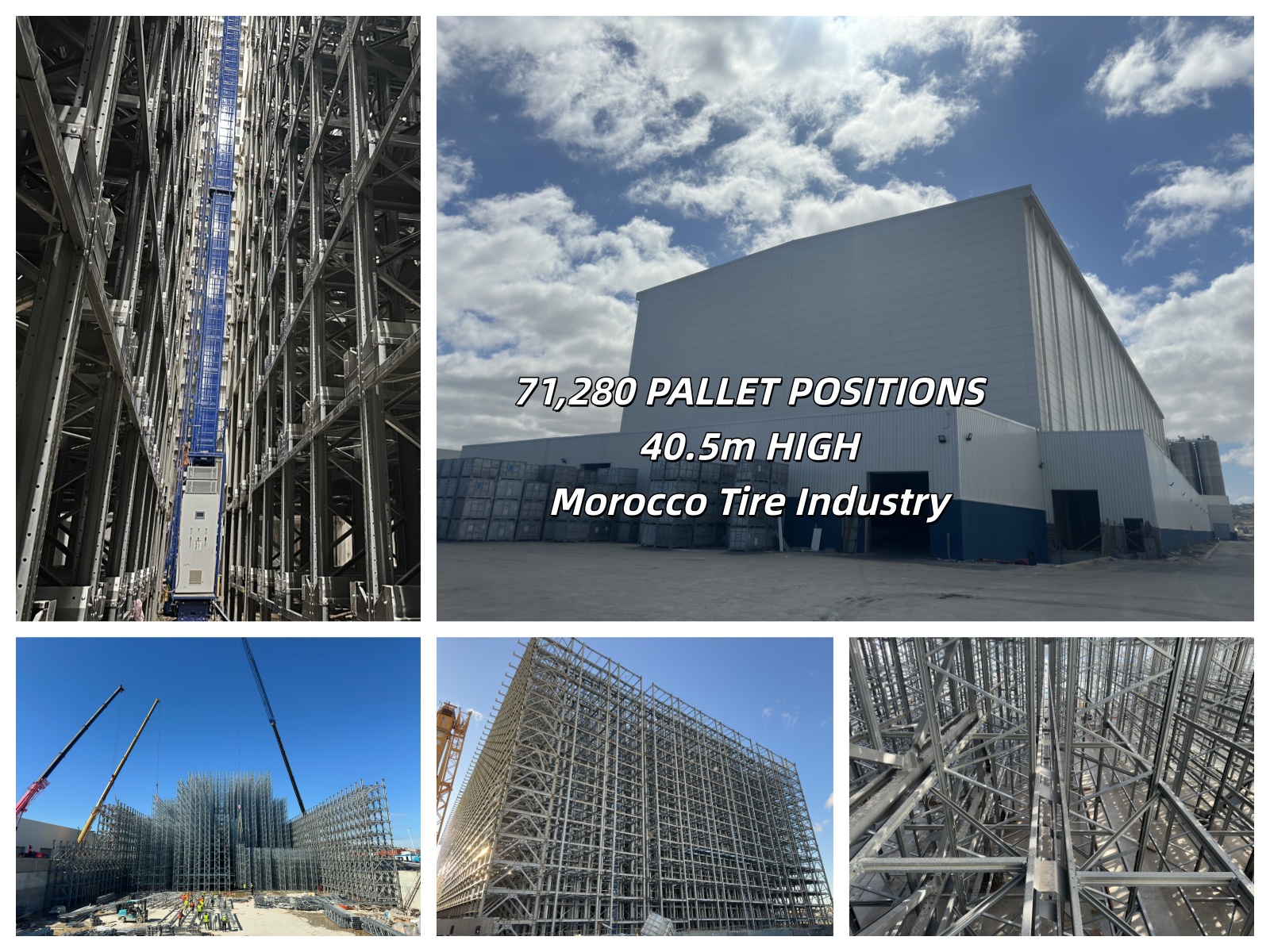
Tire Rack-Supported Automated WarehouseTire Industry | Rack-Supported ASRS For high-volume tire storage, a rack-supported automated warehouse can combine the storage rack and building structure to create a high-bay storage environment.
The system is designed for high-density pallet storage and automated material handling in a large-scale industrial warehouse. | ||||||||||||||||
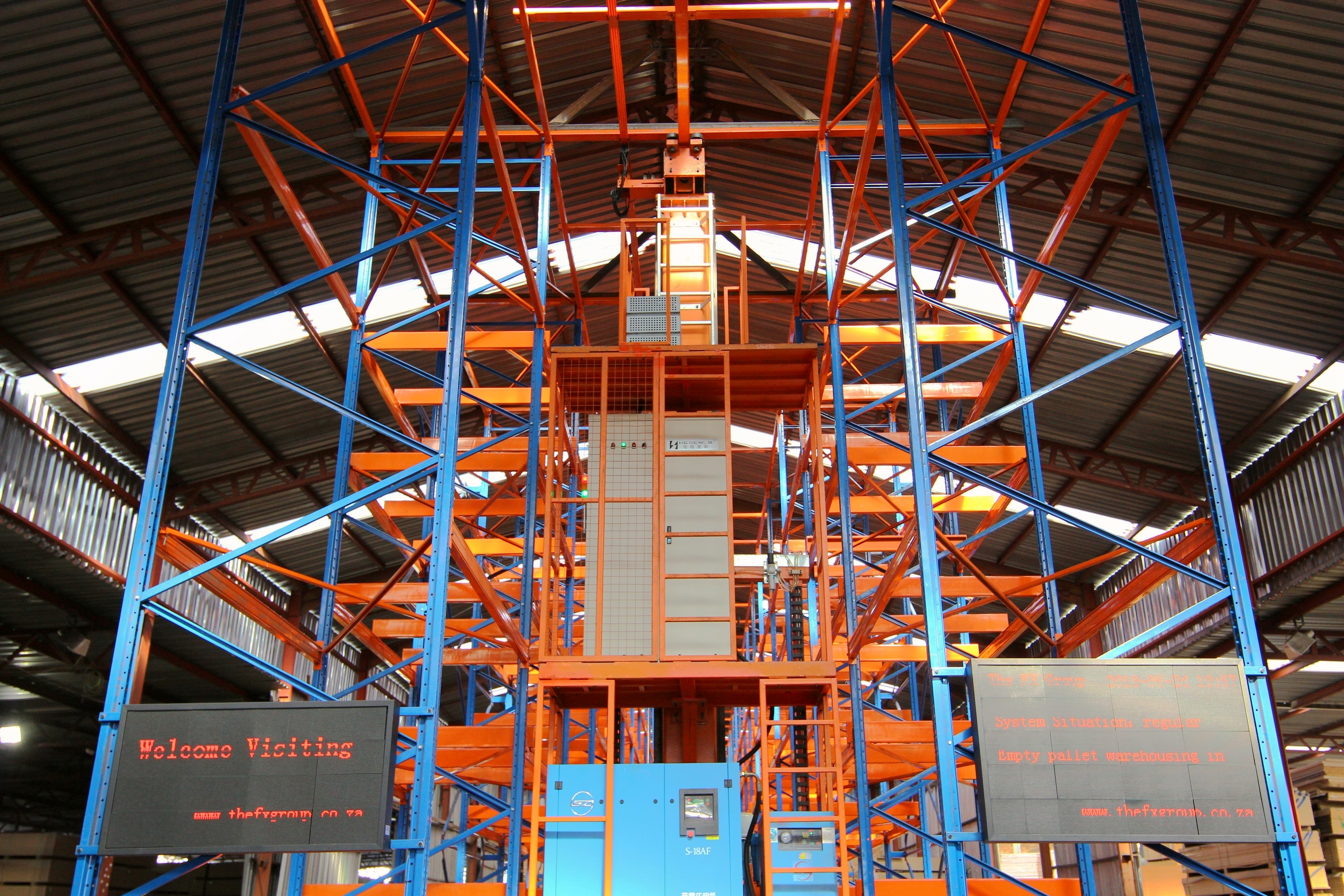
South Africa MDF Automated WarehouseMDF Manufacturing | Stacker Crane AS/RS A compact AS/RS solution for an MDF manufacturer in South Africa, integrating a single-aisle stacker crane, high-density pallet racking, automated conveyors, and warehouse management software. The system was designed to maximize storage capacity within limited warehouse space while improving pallet handling and inventory visibility.
The project demonstrates how automated pallet storage can connect storage, transportation, and inventory management within one warehouse operation. |
|
Bulk Raw MaterialsHigh-density storage for large-volume materials. Heavy-duty racking and high-bay ASRS can store palletized or packaged raw materials while making better use of vertical warehouse space. |
Heavy ComponentsAutomated storage for high-load materials. Heavy-duty pallet storage and stacker crane systems can support high-load materials while reducing routine forklift transportation. |
Small & Medium ComponentsDense storage for diverse SKUs. Box and bin ASRS can organize large numbers of components in compact storage areas and support automated retrieval. |
Precision PartsControlled storage and accurate retrieval. Precision components can be managed by SKU, location, batch, quantity, and production requirements through automated storage and WMS. |
Semi-Finished ProductsCreate controlled buffers between production processes. Automated storage can provide temporary capacity for work-in-process materials and semi-finished products moving between different manufacturing stages. |
Finished ProductsStore production output according to inventory and shipping requirements. Shuttle systems and pallet ASRS can manage finished products by SKU, batch, production date, customer order, or shipping requirement. |
Raw Material WarehouseStore materials before production. Automated storage manages incoming materials according to SKU, batch, quantity, and production requirements while improving storage density. |
Production Buffer WarehouseCreate a controlled buffer between processes. Automated storage can provide temporary capacity for semi-finished products and materials moving between production stages. |
Line-Side Material SupplyDeliver materials when production needs them. WMS and automated handling equipment can coordinate material replenishment from the warehouse to designated production areas. |
Component & Parts WarehouseManage high-SKU inventories. Box ASRS, bin storage, and WMS can organize large quantities of small components and precision parts. |
Finished Goods WarehouseStore production output efficiently. Pallet shuttles, four-way shuttles, and stacker crane ASRS can provide high-density storage and automated retrieval. |
Manufacturing Distribution CenterConnect production with outbound logistics. Automated storage, staging, conveyors, and warehouse software can connect finished-goods inventory with customer orders and shipping operations. |
Production-Driven InventoryStore materials according to production requirements. Warehouse inventory can be managed according to production plans, demand information, SKU requirements, and replenishment rules. Smarter Material ReplenishmentSupport more controlled material replenishment. Inventory visibility and production-related data can help identify material requirements and support replenishment decisions. Reduced Raw Material OverstockImprove control over excess inventory. Better inventory visibility and production-linked warehouse management can help manufacturers identify excess stock and improve material planning. Faster Material RetrievalGet the right material to the right place. Automated storage and handling systems can retrieve materials according to production tasks, predefined workflows, and inventory rules. Better Finished-Goods ControlConnect production output with orders and shipping. Finished-goods inventory can be tracked by SKU, batch, quantity, production date, and order requirements to support outbound planning. More Efficient Warehouse OperationsReduce repetitive manual handling and improve process consistency. Automated storage, material handling, and warehouse software can reduce routine transportation tasks while creating more standardized warehouse workflows. | 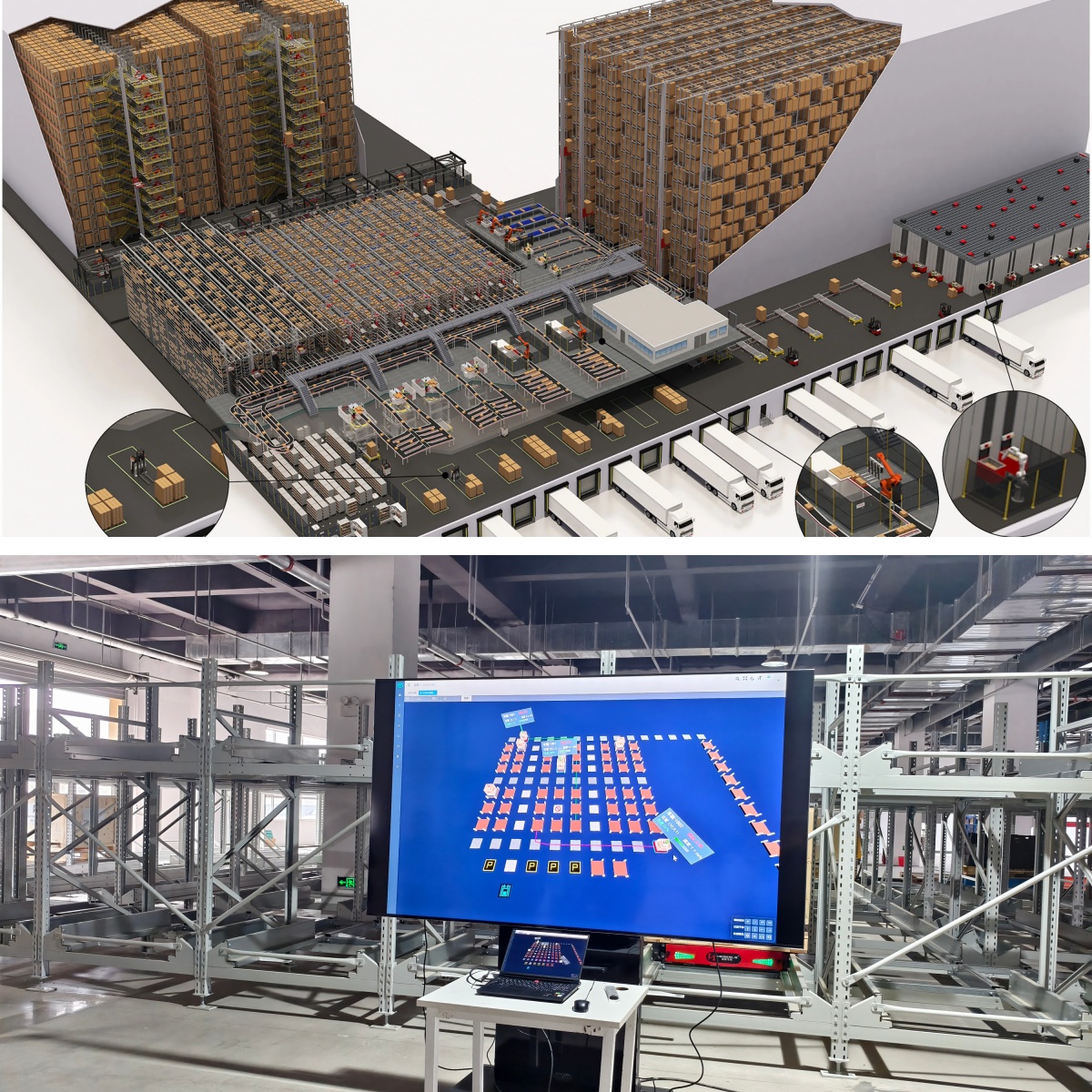 |
Use vertical space more effectively.
High-bay ASRS and shuttle systems can increase storage density for raw materials, components, semi-finished products, and finished goods.
Use different technologies for different material types.
Warehouse zones can be configured according to material type, dimensions, weight, turnover, SKU characteristics, and production requirements.
Connect receiving, storage, production, and shipping.
Automated handling equipment can create a more continuous material flow across the manufacturing warehouse.
Track materials digitally.
CC-WMS provides visibility into SKU, quantity, location, batch, status, and inventory movements.
Adapt warehouse operations to changing production requirements.
Storage locations, inventory rules, and automated workflows can be adjusted as product structures, SKU profiles, and production plans change.
Automate repetitive warehouse operations.
Shuttles, stacker cranes, conveyors, lifts, AMRs, and AGVs can reduce routine manual transportation and forklift operations where automation is appropriate.
Material-Specific Storage DesignDifferent materials, different storage strategies. Zhuku selects storage technologies according to material dimensions, weight, SKU profile, turnover, storage density, throughput, and production requirements. |
Complete Warehouse IntegrationConnect storage, handling, and software. Racking, ASRS, shuttles, conveyors, lifts, mobile robots, WMS, and WCS can be integrated into one coordinated warehouse system. |
Production-Oriented AutomationMake the warehouse part of the production flow. The solution can connect warehouse operations with ERP, MES, production planning, and other business systems according to project requirements. |
Flexible Automation TechnologiesBuild the system around your manufacturing requirements. Four-way shuttles, pallet shuttles, stacker cranes, box ASRS, conveyors, lifts, AMRs, and AGVs can be combined according to different warehouse areas and operational requirements. |
Proprietary WMS & WCSConnect inventory data with physical equipment. CC-WMS manages inventory and warehouse processes, while YUNTU-WCS coordinates automated equipment and material-handling tasks. |
End-to-End Engineering SupportFrom warehouse planning to implementation. Zhuku supports warehouse planning, storage system design, equipment integration, software configuration, installation, commissioning, training, and technical support. |
A manufacturing warehouse needs to do more than store materials. It must keep production supplied, organize different material types, maximize storage capacity, control inventory, and connect warehouse operations with production and distribution.
Send Zhuku your warehouse drawing, material categories, pallet or container specifications, SKU profile, storage quantity, storage height, production requirements, required throughput, and daily inbound/outbound volume.
Our engineering team can evaluate your operation and recommend a customized manufacturing warehouse automation and storage solution.
Find answers to frequently asked questions about warehouse automation, system integration, equipment, installation, operation, maintenance, and after-sales support.

Zhuku is a trusted warehouse automation company providing system integration, intelligent storage solutions, automated warehouse systems, and warehouse racking for customers worldwide.