Choosing the right warehouse racking manufacturer is an important decision for any business planning to build a new warehouse, expand storage capacity, or improve inventory operations. The right supplier can help you select a suitable racking structure, use available space efficiently, maintain safe load handling, and prepare for future warehouse automation. The wrong choice can lead to unsuitable layouts, costly modifications, installation delays, and operational limitations.
However, not all warehouse racking manufacturers provide the same capabilities. Some focus primarily on manufacturing standard steel racks, while others offer customized engineering, warehouse layout planning, installation coordination, and integrated automated storage solutions.
This guide explains what warehouse racking manufacturers do, which factors to evaluate before choosing a supplier, how to compare different manufacturers, and when a conventional racking system should be upgraded to an automated storage solution.
If you are sourcing warehouse storage equipment for a new project, these criteria can help you make a more informed decision based on your products, warehouse conditions, budget, and long-term operational requirements.
What Are Warehouse Racking Manufacturers?
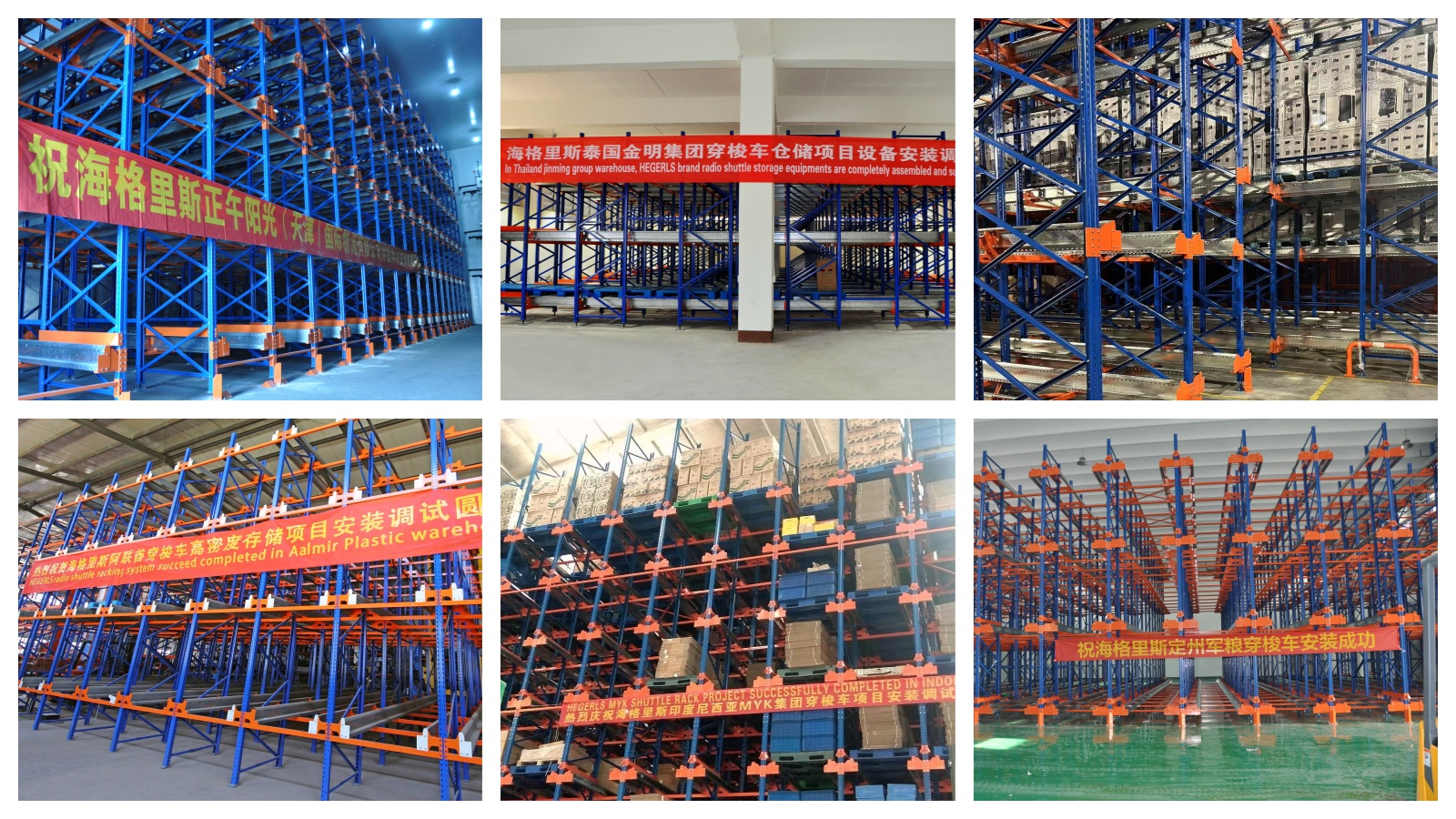
Warehouse racking manufacturers are companies that design, produce, or supply structural storage systems used to organize palletized goods, cartons, components, and other inventory in warehouses, distribution centers, factories, and logistics facilities.
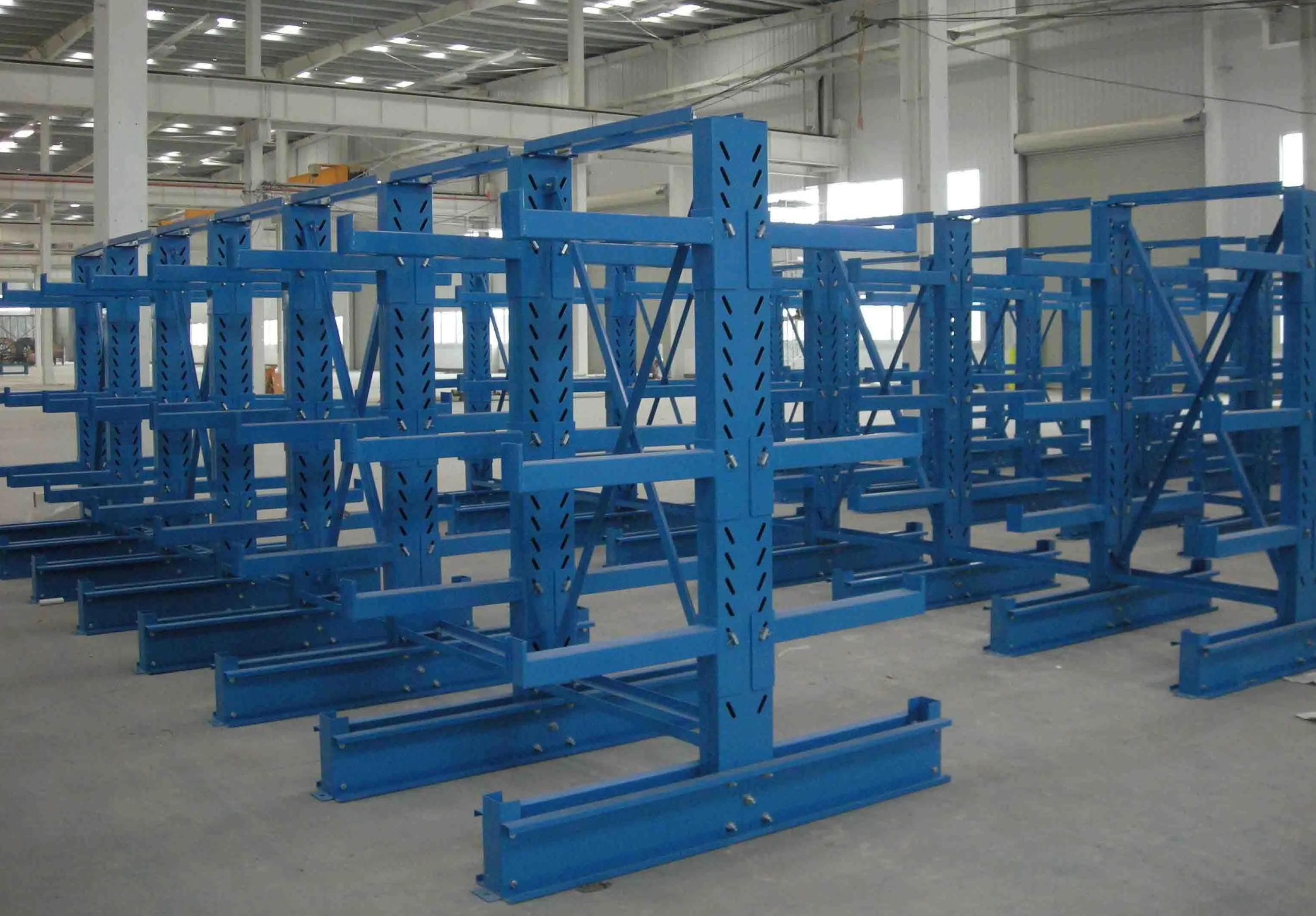
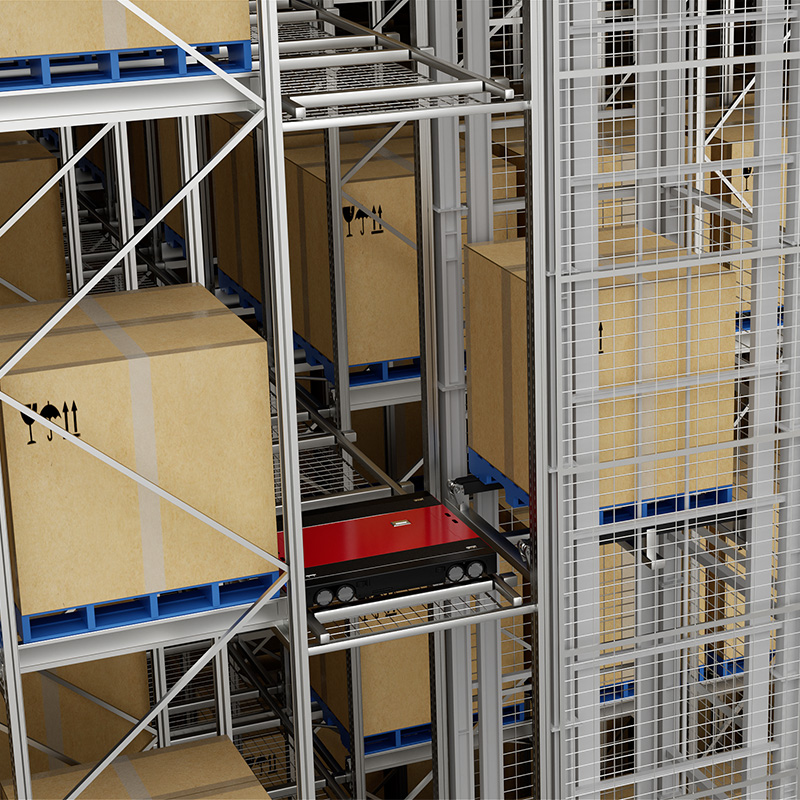
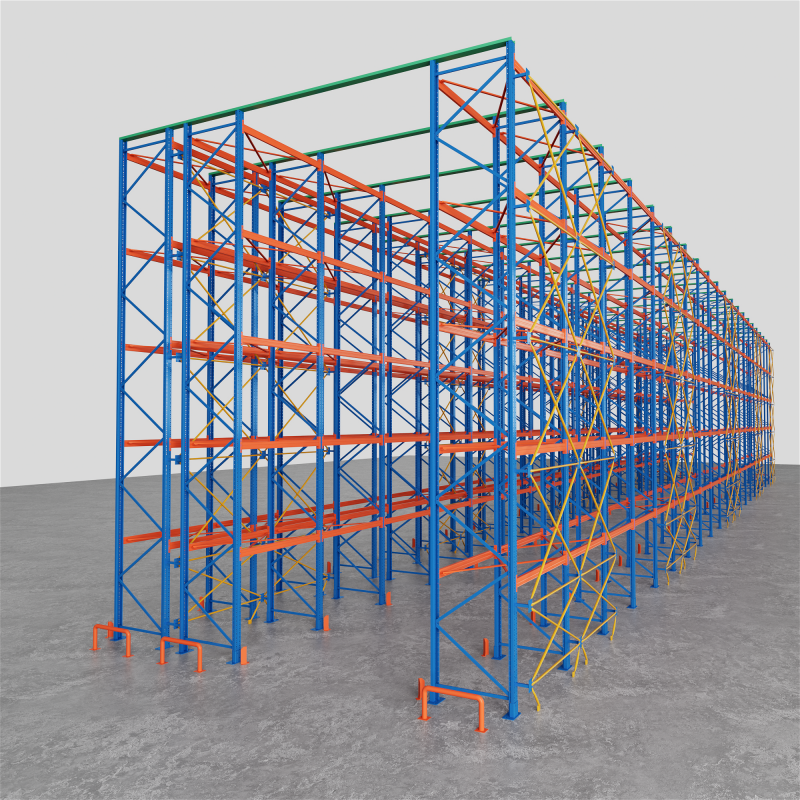
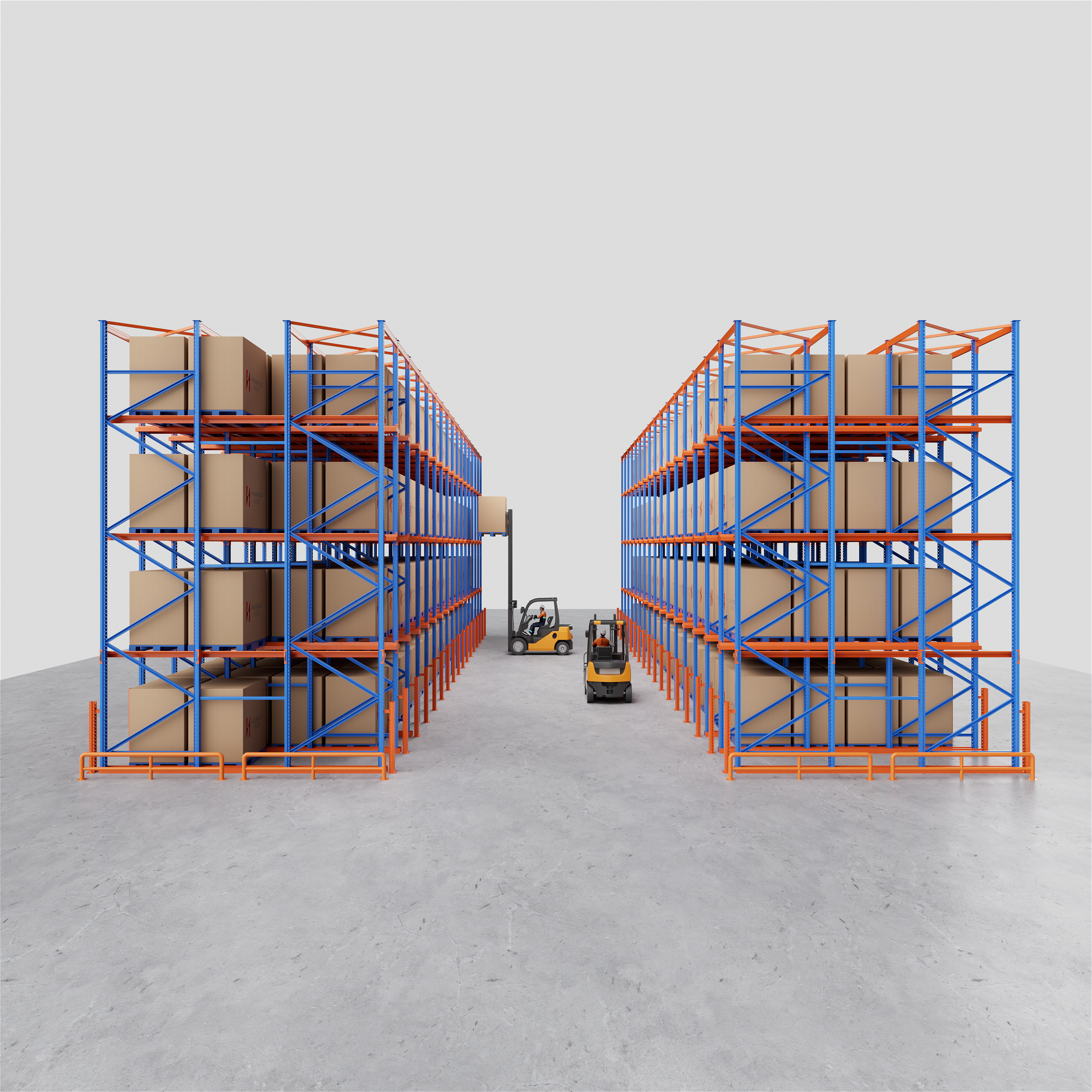
Their products may include selective pallet racks, double-deep racks, drive-in racks, push-back racks, pallet flow racks, cantilever racks, and high-density storage structures. Some manufacturers also provide rack-supported warehouse structures and racking designed to work with automated storage and retrieval systems (AS/RS).
The scope of service varies by supplier. A manufacturer may focus on steel fabrication and standard products, while a warehouse storage solution provider may also support project engineering, equipment integration, and software coordination.
When evaluating suppliers, it is important to determine whether you need a product manufacturer, a project engineering partner, or a warehouse automation system integrator.
What Services Should a Warehouse Racking Manufacturer Provide?
The right level of support depends on project complexity. A standard storage installation may require a relatively straightforward supply process, whereas a high-bay or automated warehouse needs coordinated engineering and equipment planning.
1. Warehouse Layout Planning
A qualified supplier should evaluate the available building area, column positions, clear height, aisles, loading areas, emergency access, and material-handling routes.
The objective is not simply to install as many racks as possible. A practical layout must balance storage capacity, accessibility, inventory rotation, and operating efficiency.
2. Racking Design and Engineering
Racking specifications should reflect actual operating conditions, including:
-
Pallet dimensions and load weights.
-
Beam spans and required storage levels.
-
Upright frames, bracing, and connection details.
-
Floor conditions and anchoring requirements.
-
Forklift or automated equipment compatibility.
-
Applicable local building and storage-rack safety requirements.
Manufacturers should provide clear technical documentation and define the assumptions behind their proposed configurations.
3. Manufacturing and Quality Control
Manufacturing capability affects dimensional consistency, component compatibility, surface protection, and production scheduling.
Ask suppliers how they control steel specifications, fabrication accuracy, welding where applicable, coating quality, and inspection procedures. Request relevant quality documents and project references rather than relying solely on marketing statements.
4. Installation and Commissioning Support
Some suppliers provide installation directly; others work through local contractors. Before placing an order, confirm who is responsible for installation supervision, anchoring, final inspection, handover documentation, and any required load signage.
The contract should clearly identify the scope of supply and the responsibilities of each party.
5. Automation and Future Expansion
If your warehouse may eventually adopt shuttle systems, stacker cranes, conveyors, or warehouse management software, the racking design should account for these possibilities early.
Retrofitting a conventional rack layout for automation can require substantial structural and operational changes. Early coordination can reduce redesign risk.
Types of Warehouse Racking Manufacturers and Suppliers
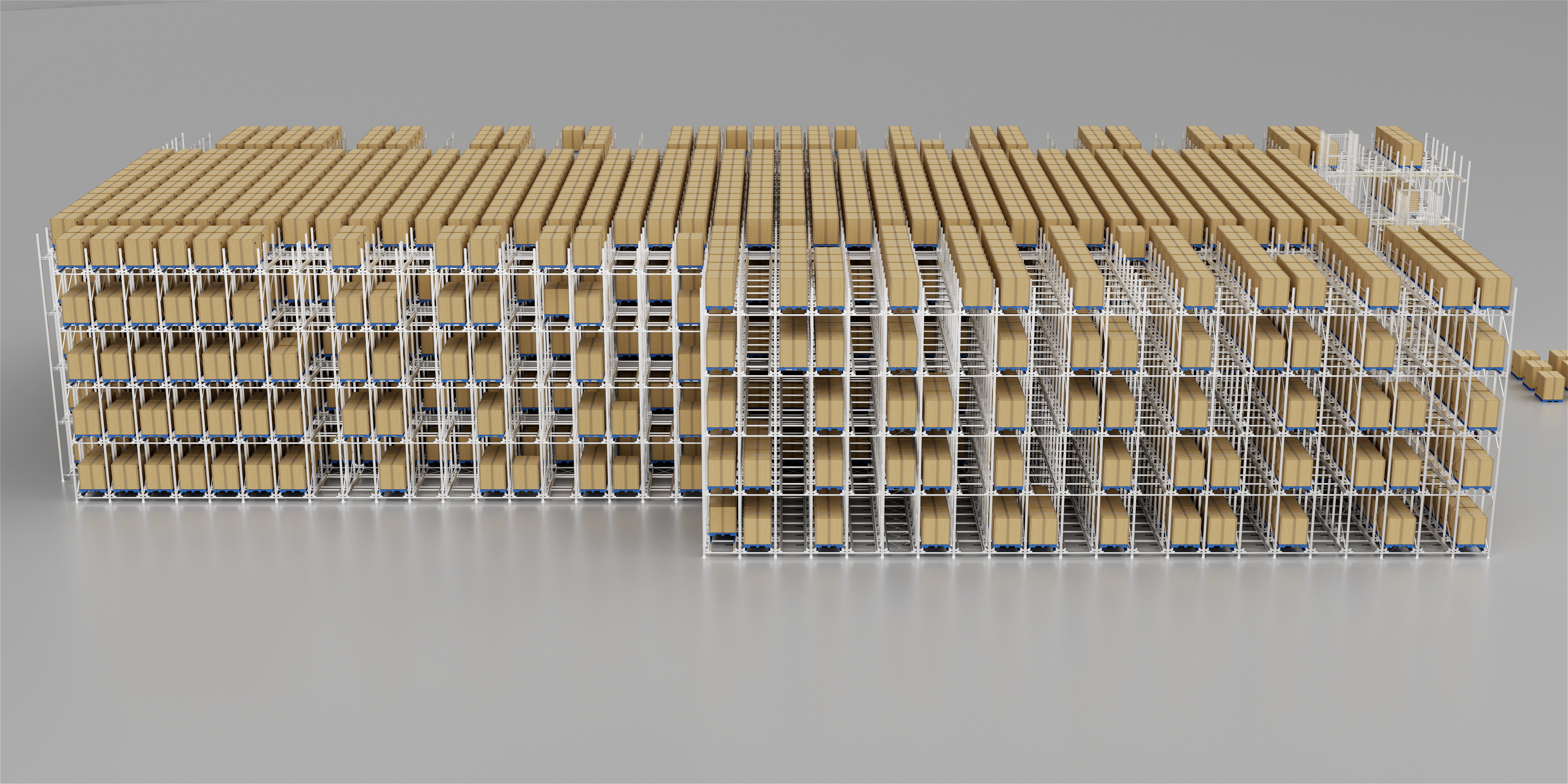
Suppliers can be grouped by their main capabilities. These categories are not mutually exclusive, and some companies operate across several of them.
| Supplier type | Main capabilities | Best suited for | Key evaluation point |
| Standard racking manufacturer | Produces conventional steel storage racks | Straightforward storage projects | Product quality, dimensions, lead time, and load documentation |
| Custom racking manufacturer | Develops racks for specific loads, layouts, or operating conditions | Unusual pallets, building constraints, or specialized storage needs | Engineering capability and design validation |
| High-density storage specialist | Supplies systems such as drive-in, push-back, flow, or shuttle-assisted storage | Warehouses seeking more storage positions within limited space | Density, selectivity, and equipment compatibility |
| Rack-supported warehouse specialist | Designs racking structures that support a warehouse building envelope | Large-scale or high-bay facilities requiring integrated structural planning | Structural engineering and coordination with building requirements |
| Warehouse automation integrator | Coordinates racking, automated equipment, controls, and software | Automated warehouses and complex material-handling projects | System integration, controls, commissioning, and lifecycle support |
The most appropriate supplier depends on the entire project scope. A business purchasing a small quantity of selective racks may not need a full system integrator. A company planning a high-bay automated warehouse may need a partner that can coordinate structural design, storage equipment, control systems, and software.
How to Choose the Right Warehouse Racking Manufacturer
Selecting a supplier should involve more than comparing quotations. The following criteria can help procurement, engineering, and operations teams assess whether a manufacturer is suitable for their project.
1. Evaluate Manufacturing Capability
Confirm whether the supplier manufactures the key components in its own facility or purchases most products from third parties.
Ask about production facilities, manufacturing processes, inspection procedures, quality management, and the ability to accommodate project-specific requirements. A factory visit or a virtual production review can help validate the information provided.
In-house manufacturing may improve production coordination and customization, but it does not automatically guarantee superior quality. Independent verification, documented procedures, and relevant project experience remain important.
2. Verify Load Capacity and Structural Engineering
Load capacity is one of the most important considerations when selecting warehouse racking.
The supplier should understand the weight and dimensions of each pallet, the number of pallet positions per beam level, the number of storage levels, and the loads imposed on uprights and the floor.
Do not compare systems using a single advertised load figure without checking what that figure represents. Beam capacity, frame capacity, bay configuration, and overall system capacity are different engineering considerations.
A suitable manufacturer should provide configuration-specific technical documentation and identify any assumptions or restrictions. Where required, the design should be reviewed by appropriately qualified structural professionals in accordance with applicable regulations.
3. Check Experience With Similar Projects
Relevant experience is more useful than a long customer list without context.
Ask for references involving similar industries, product characteristics, warehouse dimensions, operating temperatures, storage densities, or throughput requirements.
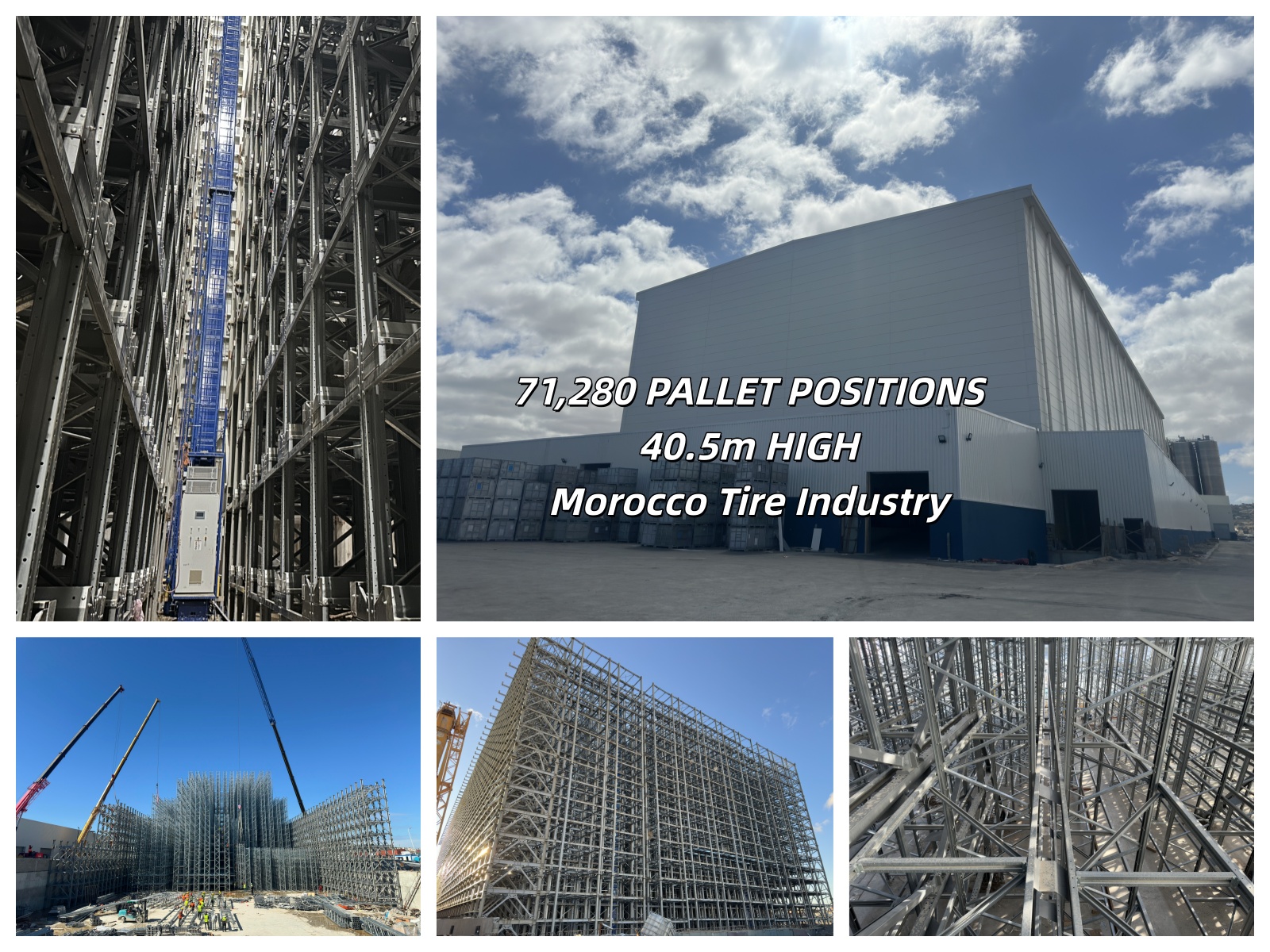
For example, a supplier experienced in general-purpose pallet storage may not have the same expertise in cold storage, tire warehouses, high-bay facilities, or rack-supported automated buildings.
When reviewing case studies, look for project scope, the type of storage system, implementation challenges, and measurable results. Confirm whether performance figures are documented and comparable to your own requirements.
4. Compare Racking System Options
A good supplier should explain why a particular system fits your operating model instead of recommending one configuration for every warehouse.
| Racking system | Main advantage | Main consideration |
| Selective pallet racking | Direct access to individual pallet locations | Requires aisle space and may provide lower density than compact systems |
| Double-deep racking | Increases storage density compared with selective layouts | Requires compatible handling equipment and reduces direct access |
| Drive-in or drive-through racking | Uses compact lanes to store larger quantities of similar products | Access sequence and lane management require careful planning |
| Push-back racking | Supports multiple pallets per lane with access from the operating aisle | Inventory rotation and pallet compatibility must be considered |
| Pallet flow racking | Uses gravity-assisted movement for suitable pallet configurations | Requires careful control of pallet quality, flow, and maintenance |
| Shuttle-assisted racking | Supports high-density storage using shuttle equipment within rack lanes | Requires equipment coordination, control logic, and a suitable operating strategy |
| Rack-supported warehouse | Integrates the storage structure with the building envelope | Requires coordinated structural, building, and operational design |
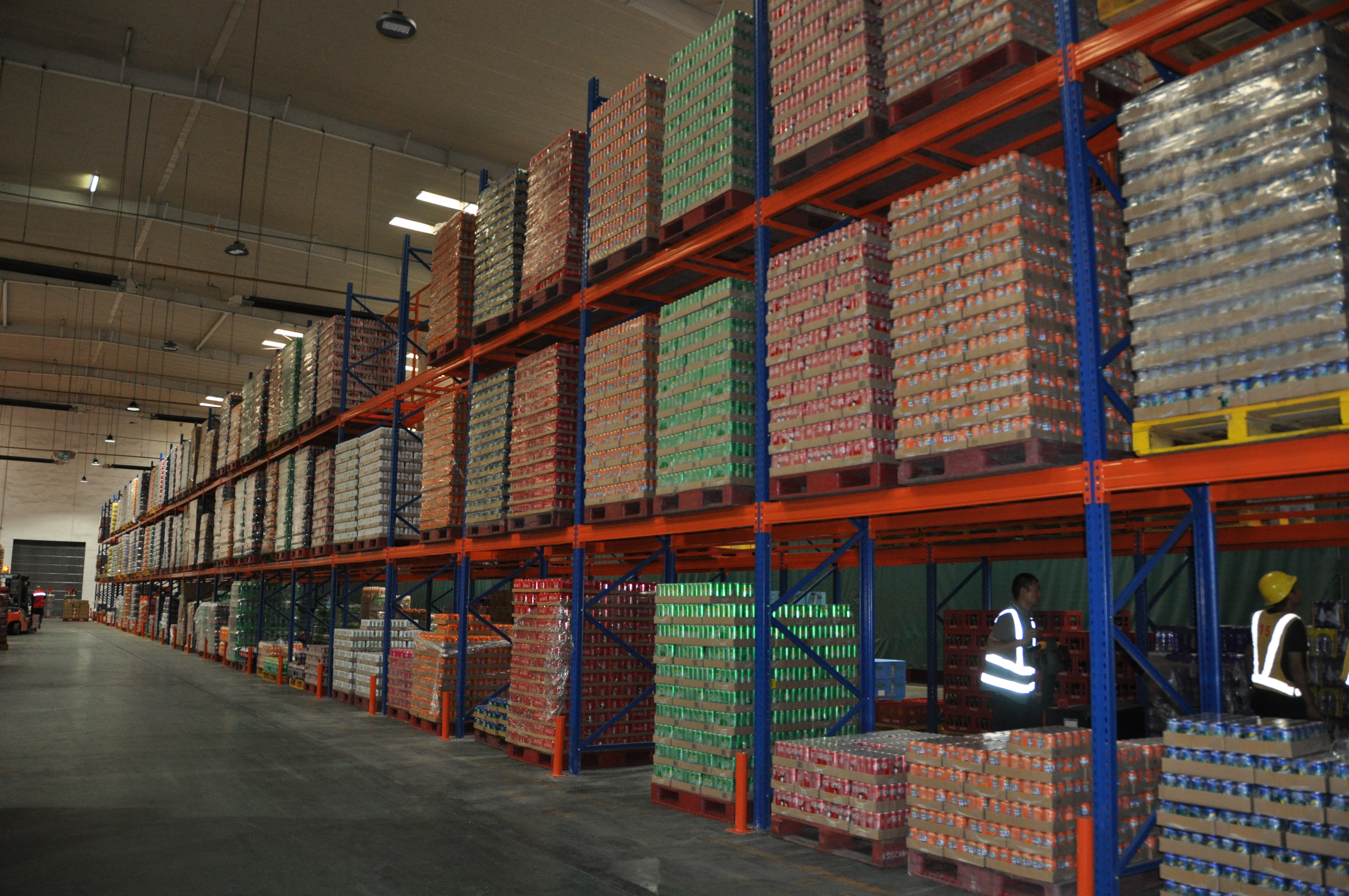
Storage density should not be evaluated in isolation. A high-density system may reduce the number of aisles but also affect selectivity, replenishment, order picking, and equipment requirements.
5. Assess Customization and Building Compatibility
Every warehouse has constraints. These may include low clear height, irregular floor geometry, existing columns, limited expansion space, cold-room conditions, or unusual load dimensions.
Ask whether the manufacturer can adapt the design to these constraints and document the resulting configuration.
For an existing building, provide accurate drawings and site information. For a new facility, coordinate the rack layout with the building design before construction decisions become difficult or expensive to change.
6. Understand Delivery, Installation, and After-Sales Support
A competitive price is only one part of the total project cost.
Compare the quotation scope, component specifications, packaging, shipping arrangements, installation responsibilities, inspection requirements, spare-parts availability, and warranty terms.
Clarify who will handle damaged components, replacement parts, technical questions, and future modifications. For overseas projects, confirm communication arrangements, documentation requirements, and the availability of qualified local installation resources.
A clearly defined scope helps prevent disputes and reduces the risk of unexpected costs during implementation.
7. Consider Future Automation Requirements
A warehouse that initially uses forklifts may later need shuttle storage, automated cranes, conveyors, or robotic handling. If future automation is possible, discuss the implications with the manufacturer before finalizing the rack layout.
Important factors include rack tolerances, aisle geometry, rail or guide interfaces where applicable, equipment access, load dimensions, safety systems, and software coordination.
For an automated project, the rack supplier and equipment integrator should work from coordinated technical specifications rather than designing their systems independently.
Warehouse Racking Manufacturer vs. Warehouse Automation Integrator
These terms describe different roles, although one company may perform both.
A warehouse racking manufacturer focuses primarily on the storage structure and its components. A warehouse automation integrator coordinates the equipment, controls, software, and interfaces needed to make a complete automated warehouse operate as a system.
| Comparison factor | Racking manufacturer | Warehouse automation integrator |
| Primary responsibility | Storage structure and rack components | Coordinated warehouse system |
| Typical scope | Racks, beams, frames, and related structural components | Racking, shuttles or cranes, conveyors, controls, and software integration as contracted |
| Engineering focus | Structural performance and storage configuration | System performance, equipment interaction, and operational workflows |
| Software involvement | May be limited or provided through partners | May coordinate WMS, WCS, and equipment control integration |
| Most relevant project | Conventional or specialized racking installation | Automated or integrated material-handling project |
For a conventional warehouse, a qualified racking manufacturer may be sufficient. For a complex automated facility, an integrator can help coordinate the interfaces among storage structures, equipment, and software.
The key is to establish clear responsibilities. A single supplier is not always necessary, but the project needs an agreed design basis and a defined process for resolving interface issues.
What Information Should You Prepare Before Requesting a Quotation?
The quality of a supplier's proposal depends partly on the information provided by the customer. Incomplete specifications can lead to inaccurate capacity estimates or repeated design revisions.
Prepare the following information where available:
-
Warehouse drawings: CAD files, PDF plans, dimensions, column positions, clear height, and relevant floor information.
-
Pallet specifications: Length, width, height, gross weight, pallet type, and load stability.
-
Inventory profile: Number of SKUs, quantity per SKU, turnover, and inventory rotation requirements.
-
Operating equipment: Forklift type, aisle requirements, lifting height, or planned automation equipment.
-
Operating targets: Required storage positions, inbound and outbound volume, order profiles, and shift patterns.
-
Environmental conditions: Ambient or cold-storage temperature, humidity, corrosion exposure, and other relevant site conditions.
-
Project scope: New warehouse, expansion, retrofit, conventional racking, or automated storage.
-
Commercial requirements: Project location, target schedule, installation scope, and applicable local standards.
If exact data is not available, indicate which figures are confirmed and which are preliminary estimates. This helps the supplier distinguish between a preliminary concept and an engineered proposal.
Common Mistakes When Choosing Warehouse Racking Manufacturers
Choosing the Lowest Price Without Comparing Scope
Two quotations may appear similar while using different component specifications, configurations, finishes, installation scopes, or warranty terms. Compare the technical and commercial details line by line.
Maximizing Storage Density at the Expense of Operations
More pallet positions do not necessarily mean better warehouse performance. The selected layout must also support the required inventory access, replenishment, order preparation, and equipment movement.
Accepting Unclear Load Ratings
Load capacity should be supported by appropriate technical documentation for the actual configuration. Avoid treating a general product brochure as confirmation that a proposed installation is suitable for your site.
Ignoring Installation and Local Requirements
Shipping racks to a site is not the same as delivering a safe, operational storage system. Installation, anchoring, inspections, local regulations, and operating procedures should be addressed in the project plan.
Overlooking Future Changes
Inventory profiles, throughput, and product dimensions may change. Consider whether the layout can accommodate additional levels, new equipment, or a phased automation strategy without compromising safety or compatibility.
When Should You Consider an Integrated Warehouse Storage Solution?
Conventional racking is appropriate for many warehouses. However, an integrated storage solution may be worth evaluating when space is limited, storage demand is increasing, labor availability is constrained, or material movement needs greater coordination.
Potential options include:
-
High-density shuttle storage: Suitable for applications where compact pallet storage and automated movement within rack lanes can improve the use of available space.
-
Stacker crane AS/RS: Often considered for high-bay facilities or operations that require automated pallet storage and retrieval.
-
Rack-supported warehouse systems: Relevant to projects that require the storage structure and building envelope to be planned as an integrated design.
-
Warehouse management and control software: WMS and WCS can coordinate inventory records, task allocation, and equipment execution when included in the project scope.
In a typical integrated architecture, an ERP or MES system provides upstream business or production data, CC-WMS manages warehouse inventory and tasks, and YUNTU-WCS coordinates supported equipment operations. The exact architecture depends on the project and the interfaces available in the connected systems.
Automation should be selected according to actual operational requirements, not simply because a technology is available. Throughput, storage density, product characteristics, investment, maintenance, and expansion plans should all inform the decision.
Why Choose Zhuku for Warehouse Storage and Automation Projects?
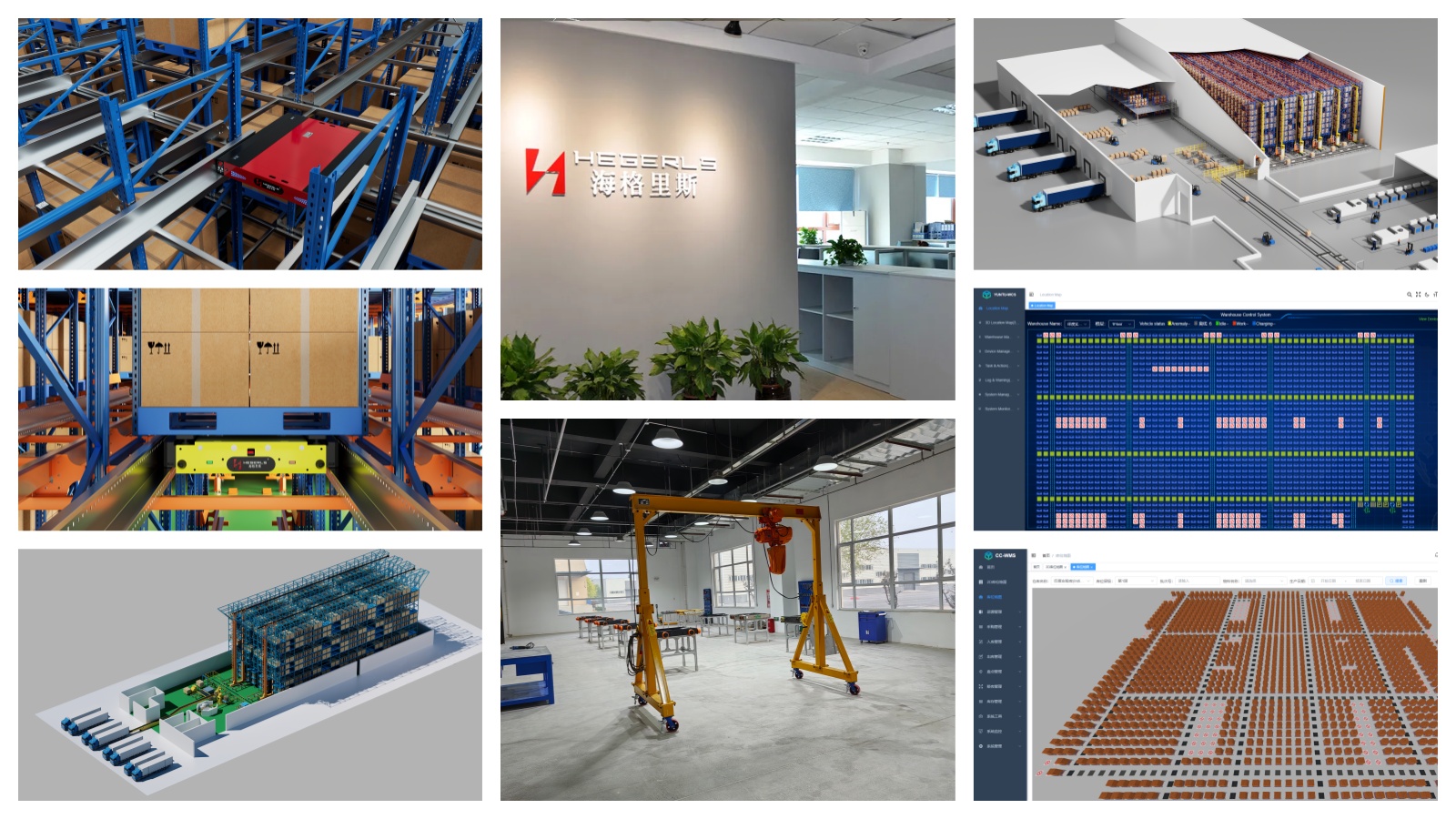
Zhuku (Hebei) Automatic Storage Technology Co., Ltd. supports warehouse storage and automation projects that may require coordination between racking, material-handling equipment, and warehouse software.
Depending on project requirements, the solution scope can include warehouse racking, high-density storage configurations, four-way shuttle systems, stacker crane AS/RS, conveyors, and warehouse management and control software.
Zhuku's CC-WMS and YUNTU-WCS software can support inventory management, task coordination, and equipment control within a suitably designed system. The specific functions and interfaces should be confirmed during technical evaluation.
For customers comparing warehouse racking manufacturers, the value of a project partner lies in matching the storage structure to the real operating environment. That includes evaluating the building layout, pallet specifications, required storage capacity, equipment compatibility, and the possibility of future automation.
Before selecting a solution, Zhuku recommends defining the project requirements and reviewing the proposed layout, equipment scope, technical assumptions, and implementation responsibilities together.
Conclusion: Choose a Warehouse Racking Manufacturer Based on Project Fit
The best warehouse racking manufacturer is not necessarily the largest supplier or the one offering the lowest initial quotation. It is the supplier whose engineering capability, manufacturing quality, product range, project experience, delivery scope, and support arrangements match your warehouse requirements.
Start by defining your loads, inventory profile, building constraints, storage capacity, and operating targets. Then compare suppliers using consistent technical criteria and verify the assumptions behind each proposal.
If your project involves high-density storage, high-bay construction, or future automation, evaluate how the racking system will interact with handling equipment and warehouse software before committing to a design.
Planning a new warehouse or upgrading an existing facility?
Send Zhuku your warehouse drawing in CAD or PDF format, or share a hand-drawn layout with your pallet dimensions, load weights, required storage capacity, and project location. Our team can review the information and discuss suitable racking or integrated warehouse storage options for your application.
Contact Zhuku to discuss your warehouse storage requirements and request a project-specific proposal.