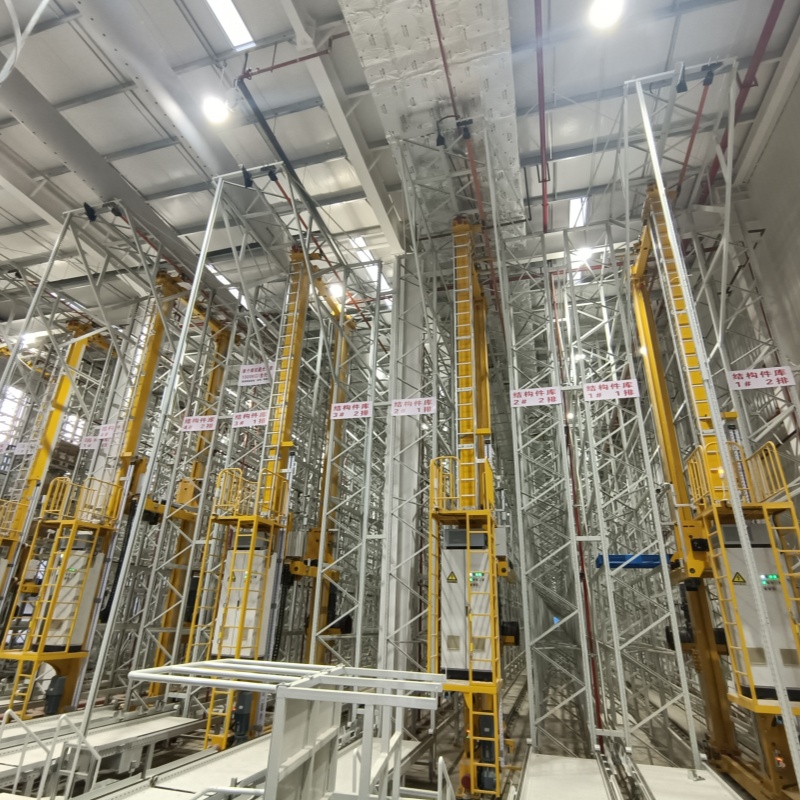
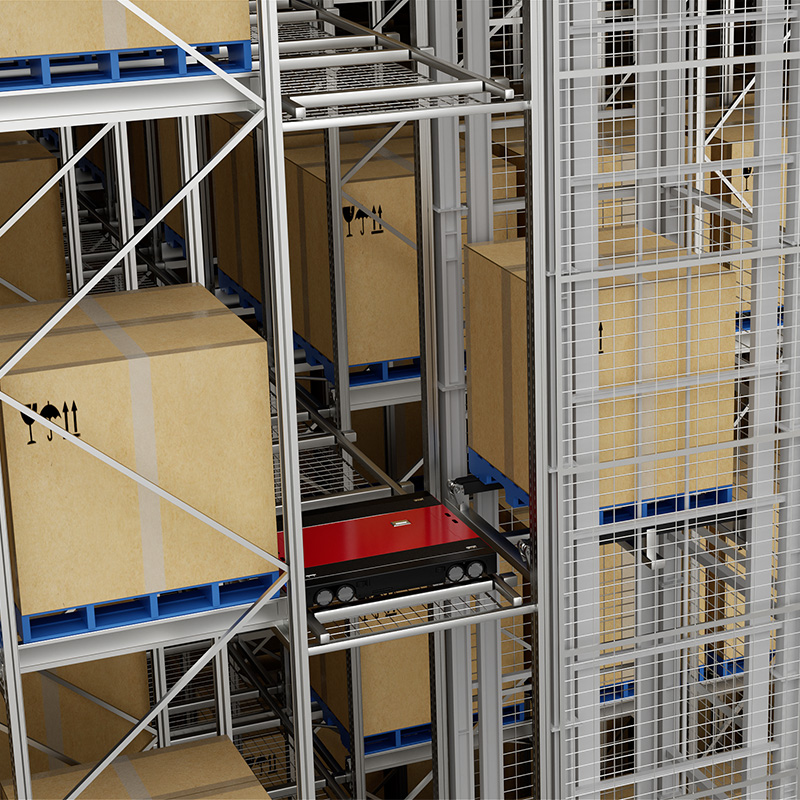
Automated racking combines engineered warehouse storage structures with automated equipment to store, retrieve, and move goods with reduced reliance on manual handling. Depending on the application, an automated racking system may use four-way shuttles, pallet shuttles, stacker cranes, conveyors, and warehouse control software to coordinate storage and retrieval operations.
Unlike conventional racking, which primarily provides physical storage locations for forklift operators, automated racking is designed around the movement of goods, equipment operating paths, inventory requirements, and control-system interfaces. The objective is not simply to add more rack levels. It is to develop a coordinated storage system that fits the warehouse's available space, inventory profile, throughput targets, and operational requirements.
Automated racking can be suitable for distribution centers, manufacturing facilities, cold-storage warehouses, and businesses managing large volumes of palletized goods. However, no single technology is ideal for every facility. Rack geometry, pallet specifications, load characteristics, required accessibility, investment budget, and future expansion plans all influence the final design.
This guide explains what automated racking is, how the main system types differ, what benefits and limitations to consider, and how to select an appropriate solution for your warehouse.
What Is Automated Racking?
Automated racking is a storage arrangement in which rack structures are designed to work with automated storage and retrieval equipment. The equipment may transport, lift, position, or retrieve loads according to instructions from a warehouse control system.
A complete installation can include several integrated elements:
-
Racking structure: Supports the stored loads and provides defined storage locations.
-
Automated handling equipment: Such as four-way shuttles, pallet shuttles, stacker cranes, lifts, and conveyors.
-
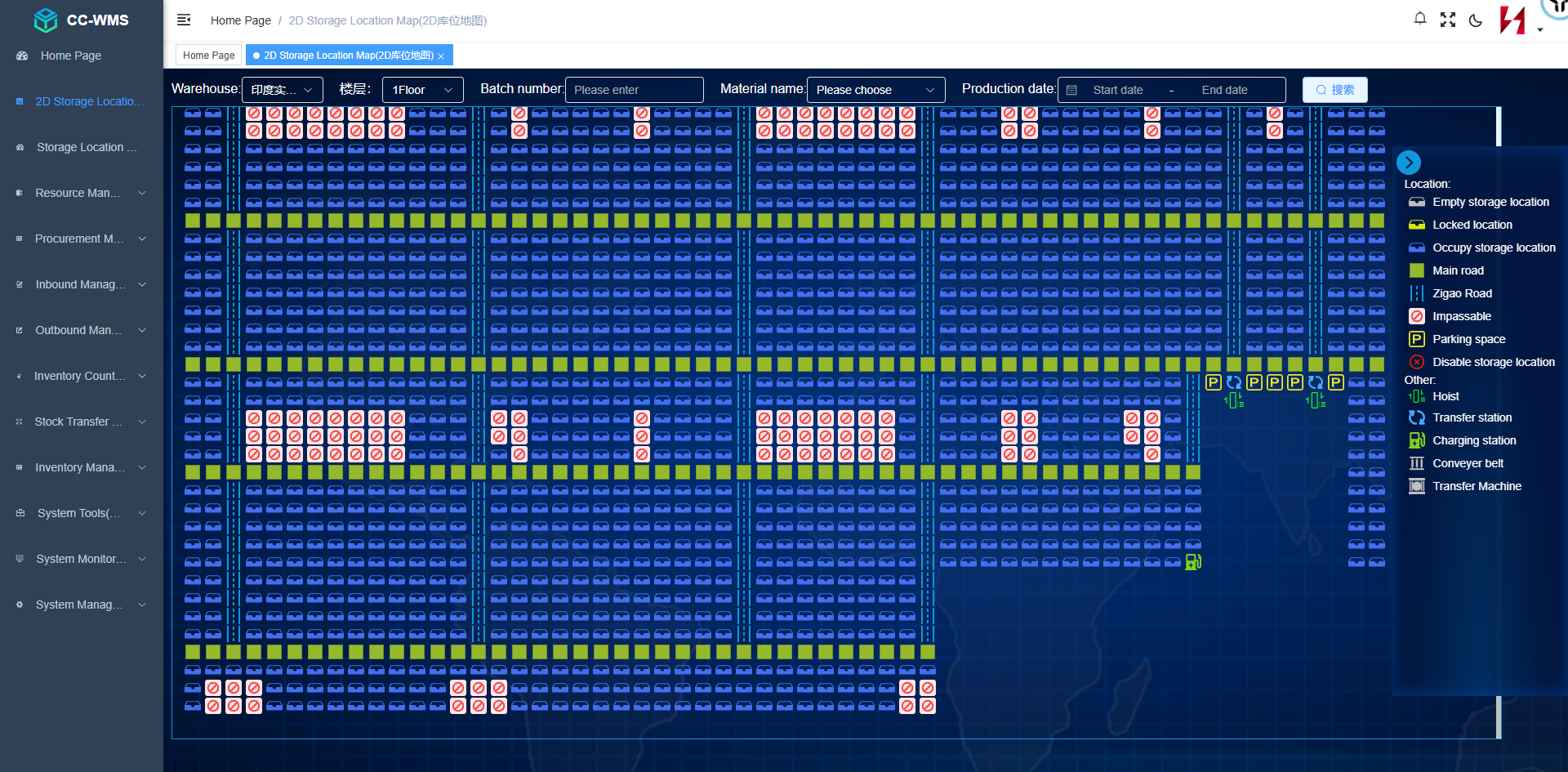
Warehouse Management System (WMS): Manages inventory records, storage locations, and warehouse tasks.
-
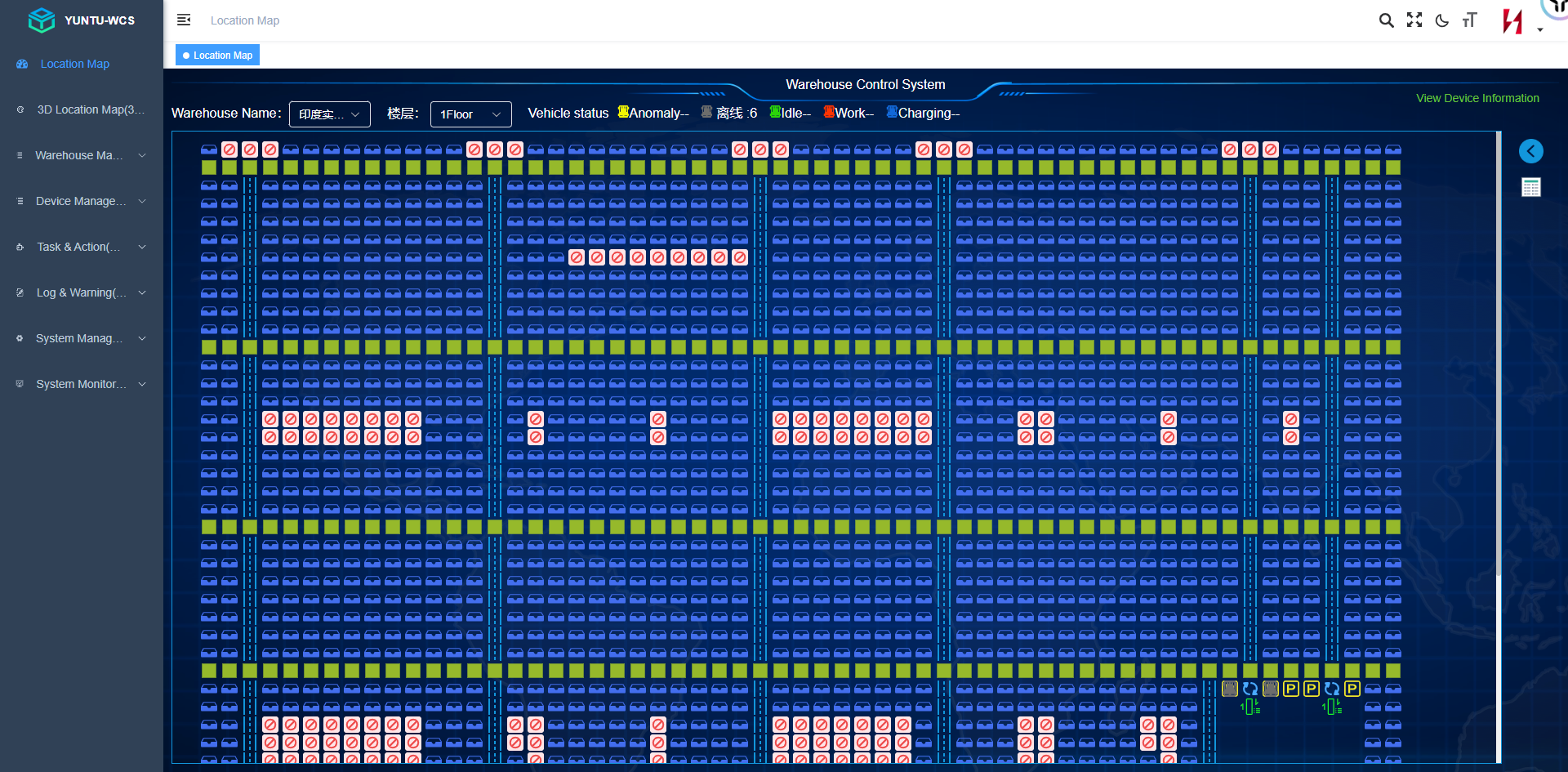
Warehouse Control System (WCS): Coordinates supported equipment and executes material-handling commands.
-
Safety and communication systems: Help manage equipment movement, operating zones, interlocks, and status monitoring.
The exact configuration depends on the project. Some facilities automate pallet movement within dense rack lanes, while others use cranes to retrieve individual loads from high-bay structures.
The key distinction is that automated racking is a coordinated storage-and-handling system, not simply a rack fitted with a machine. The structure, equipment, software, and warehouse processes must be designed to work together.
How Does an Automated Racking System Work?
Although individual technologies operate differently, most automated racking projects follow a similar operational sequence.
Step 1: Goods Are Identified and Received
Pallets or other supported load units arrive at a designated receiving or induction point. The system may verify the load identity, dimensions, weight, or other required information before storage.
The required checks depend on the goods, equipment specifications, and operating procedures.
Step 2: Warehouse Software Assigns a Storage Location
The WMS manages inventory information and determines an appropriate storage location according to configured rules, product attributes, availability, and operating requirements.
The WCS receives equipment tasks or commands through the agreed system interface and coordinates the relevant automated movements.
Step 3: Automated Equipment Moves the Load
Depending on the system design, a shuttle transports the load within rack lanes, a stacker crane moves it between storage locations, or conveyors and lifts transfer it between process areas.
The rack structure must provide the required clearances, support conditions, alignment, and interfaces for the selected equipment.
Step 4: The Load Is Stored and Its Status Updated
After the load reaches its designated location, the system updates relevant task and inventory records according to the implemented controls and confirmation signals.
Accurate inventory management depends on reliable identification, correct process execution, and appropriate exception handling.
Step 5: Retrieval Orders Trigger the Outbound Process
When goods are required, the warehouse system issues retrieval tasks. Automated equipment collects the specified load and transfers it to the designated outbound, replenishment, or production area.
The exact sequence depends on the system architecture, inventory rules, and equipment configuration.
What Are the Main Types of Automated Racking Systems?
Automated racking systems can be classified by the equipment used to access and move stored goods. Each technology offers different trade-offs between storage density, accessibility, throughput, system complexity, and investment.
1. Four-Way Shuttle Racking
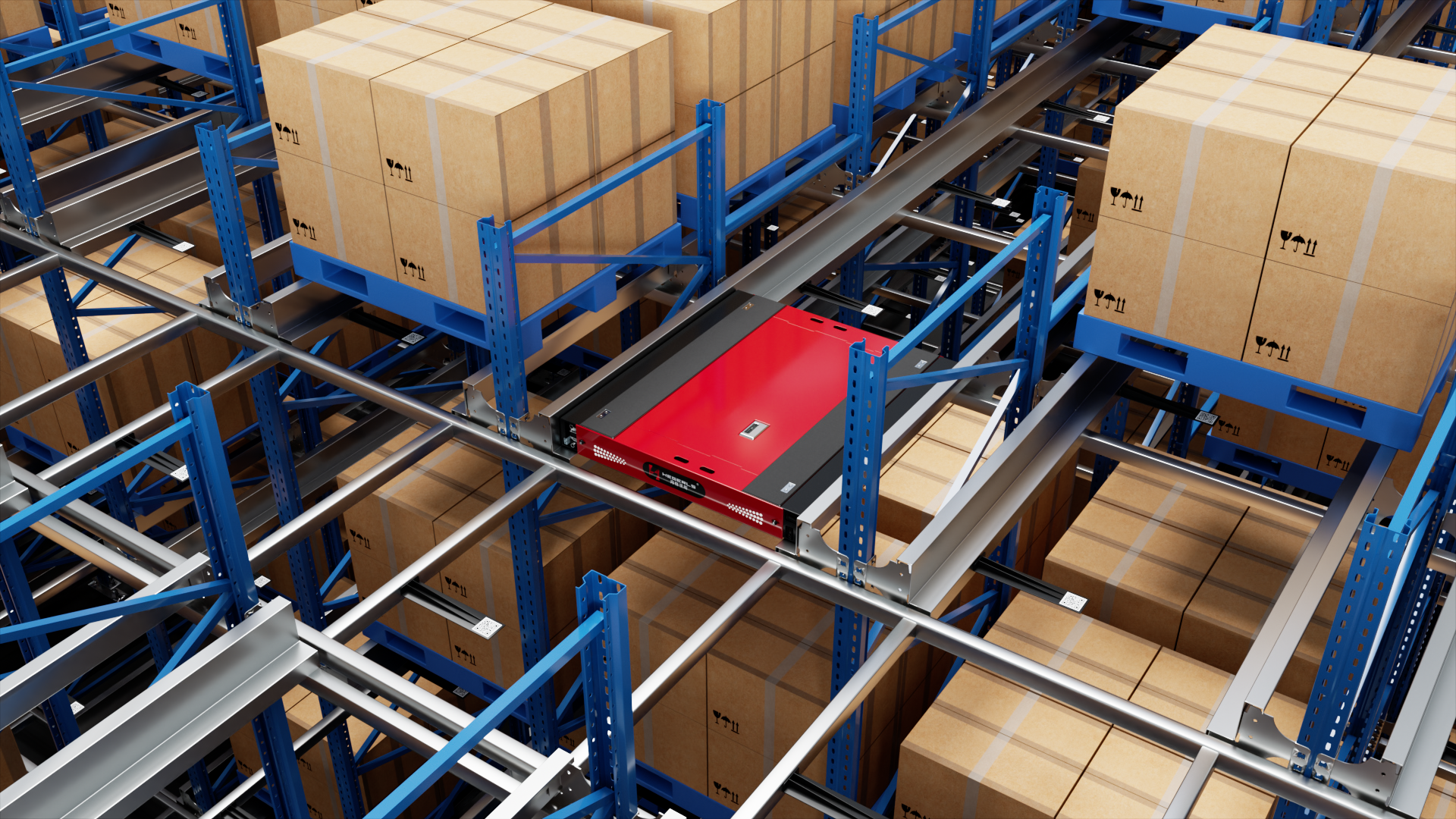
Four-way shuttle systems use automated vehicles capable of moving along compatible rack lanes in multiple directions. In suitable designs, the shuttles can travel horizontally within the rack structure and transfer between lanes through coordinated equipment arrangements.
Depending on the architecture, the system may include vertical lifts, conveyors, pallet transfer stations, and multiple shuttles operating under centralized control.
Key advantages
-
Supports high-density pallet storage.
-
Can reduce reliance on forklifts within storage lanes.
-
Offers flexibility for suitable layouts and inventory profiles.
-
Can be designed for different operating environments, including qualifying cold-storage applications.
Important considerations
The final performance depends on the number of shuttles, lifts, transfer points, storage layout, traffic coordination, and inbound/outbound demand. A shuttle vehicle's travel speed alone does not determine total warehouse throughput.
Four-way shuttle racking may suit warehouses seeking a balance between dense storage and automated movement, particularly when the design requires flexible routing across multiple rack lanes.
2. Pallet Shuttle Racking
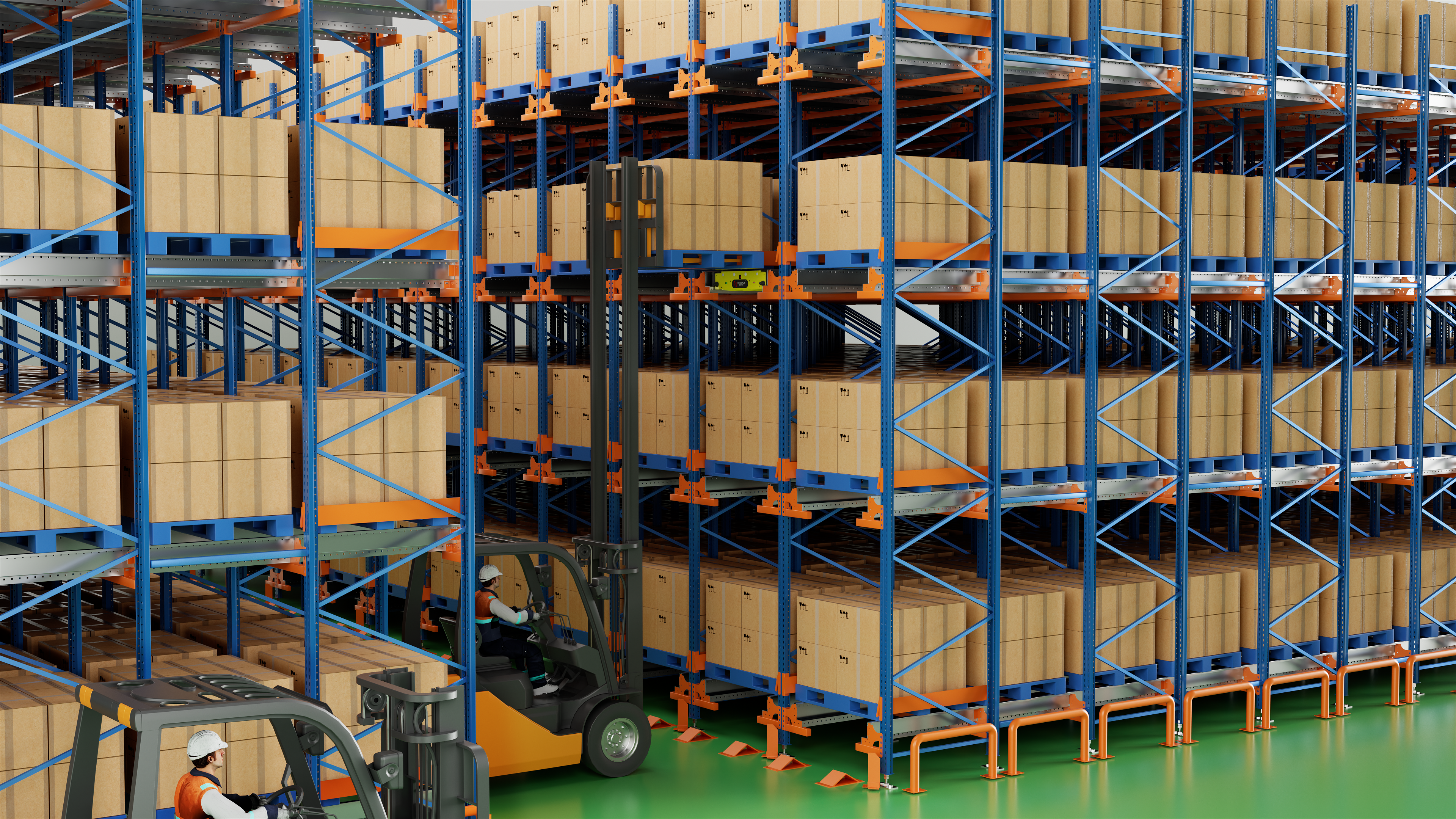
Pallet shuttle systems use shuttle vehicles to move pallets within designated storage channels. In many configurations, a shuttle operates inside a lane while a forklift or transfer mechanism brings pallets to the lane entrance.
Compared with forklift-driven storage lanes, automated pallet shuttle systems can reduce the need for forklifts to enter the storage channels themselves.
Key advantages
-
Supports compact, high-density storage.
-
Can improve handling consistency within lanes.
-
May reduce forklift travel inside storage blocks.
-
Can suit facilities with repeated pallet movements and suitable product profiles.
Important considerations
Lane configuration, pallet compatibility, retrieval sequence, equipment availability, and the method of transferring shuttles between lanes affect operational flexibility. The ability to retrieve a specific pallet depends on the system design and inventory rules.
Pallet shuttle racking may be suitable when the warehouse stores relatively consistent load units and prioritizes dense lane-based storage.
3. Stacker Crane AS/RS Racking
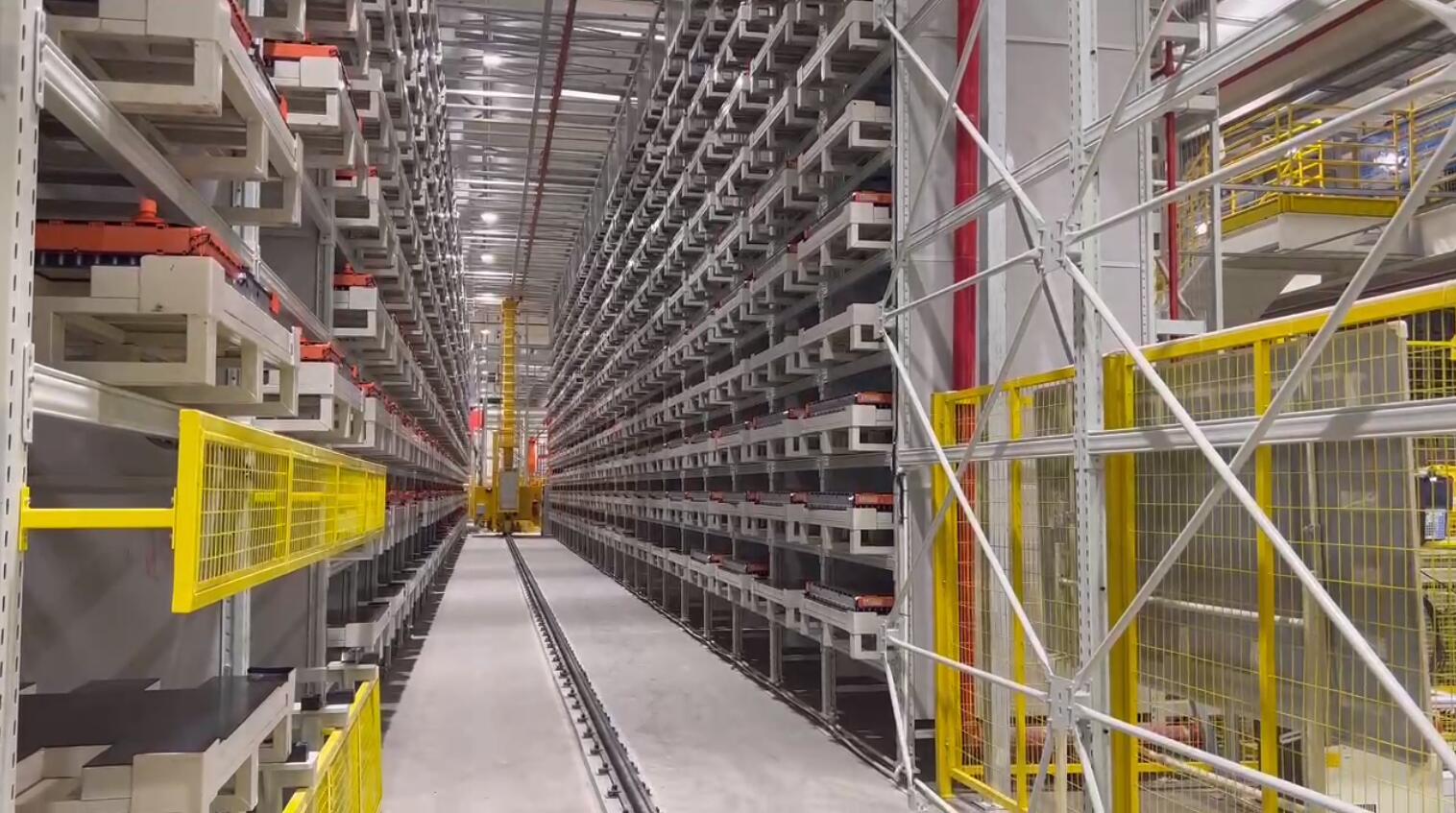
Stacker crane automated storage and retrieval systems use cranes operating along designated aisles to store and retrieve loads from rack locations.
Depending on the design, stacker cranes may serve pallet storage, cartons, totes, or other supported load units. The equipment and racking must be engineered for the relevant load type and operating requirements.
Key advantages
-
Supports high-bay storage configurations.
-
Enables automated access to defined storage locations.
-
Can provide structured inventory location management.
-
May suit facilities with predictable aisle-based storage and retrieval requirements.
Important considerations
The number of aisles, crane configuration, rack height, required cycle rates, maintenance arrangements, and system redundancy influence performance and investment. A high rack structure does not automatically guarantee higher throughput.
Stacker crane AS/RS may be appropriate for high-bay warehouses that require automated access to individual storage locations within a planned aisle arrangement.
4. Automated Mini-Load Racking
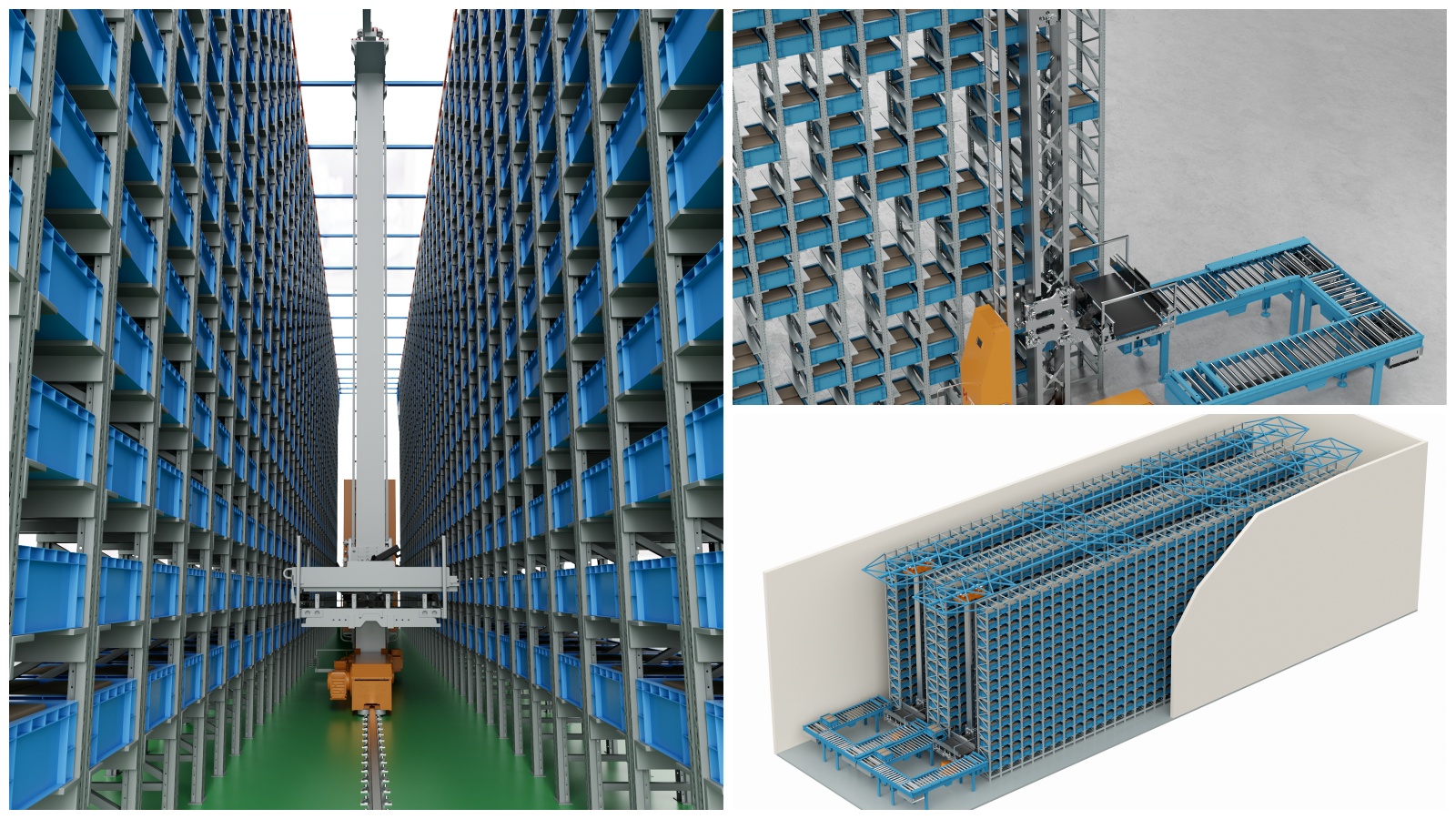
Mini-load AS/RS is designed for suitable smaller load units, such as totes, bins, cartons, or trays, rather than conventional full-size pallets.
The handling technology may use cranes, shuttles, or other automated devices designed around the relevant load carriers.
Key advantages
-
Supports organized storage and retrieval of small items.
-
Can integrate with goods-to-person picking workflows.
-
May improve handling consistency for high-volume small-item operations.
Important considerations
Load carrier dimensions, picking methods, replenishment requirements, order profiles, and the connection to downstream picking stations all influence the design.
Mini-load automation is generally more relevant to parts distribution, e-commerce, and other small-item operations than to warehouses storing only large pallet loads.
5. Integrated Automated Racking and Conveyor Systems
Some warehouses combine automated racking with conveyors, lifts, pallet transfer stations, or other material-handling equipment.
This configuration connects storage with receiving, production, picking, packing, and dispatch operations.
Its main advantage is workflow coordination across different areas of the warehouse. However, system performance depends on the capacity and availability of each connected stage. Bottlenecks at induction, transfer points, or outbound stations can limit the performance of the entire installation.
Automated Racking System Comparison
| System type | Typical load unit | Main strength | Key consideration |
| Four-way shuttle racking | Pallets | High-density storage with flexible shuttle movement | Requires coordinated shuttle, lift, and control-system design |
| Pallet shuttle racking | Pallets | Dense lane-based storage | Lane access and pallet retrieval sequence |
| Stacker crane AS/RS | Pallets or other supported loads | Automated access to defined storage locations | Aisle configuration, crane cycles, and system redundancy |
| Mini-load AS/RS | Totes, bins, cartons, or trays | Automated small-item storage and retrieval | Load carrier compatibility and picking workflow |
| Integrated racking and conveyors | Depends on the complete system | Connects storage with warehouse processes | Interface design and end-to-end throughput balancing |
The right system should be selected according to the load unit, inventory characteristics, storage requirements, and required operating performance—not solely by storage density or equipment specifications.
What Are the Benefits of Automated Racking?
1. Better Use of Available Storage Space
Automated racking can support compact storage layouts by reducing the need for some conventional forklift aisles or by enabling storage in higher rack structures, depending on the technology.
Actual capacity depends on rack geometry, aisle and transfer requirements, product dimensions, fire protection, building constraints, and the space required for safe operation.
A meaningful design should compare usable storage capacity rather than relying only on theoretical rack positions.
2. Reduced Manual Handling Within Storage Areas
Automated shuttles and cranes can perform defined storage and retrieval movements without requiring an operator to drive a forklift into every storage location.
This may reduce certain repetitive handling tasks. However, receiving, replenishment, picking, exception handling, maintenance, and supervision may still require people or additional equipment.
3. More Consistent Inventory Location Management
When integrated with a properly configured WMS, automated racking can support location assignment, stock tracking, and transaction recording.
Inventory accuracy still depends on correct identification, reliable process execution, system integration, and the handling of exceptions such as damaged labels or unexpected loads.
4. Improved Material-Handling Coordination
A WCS can coordinate supported shuttles, lifts, cranes, and conveyors according to the system's operating logic.
This coordination may reduce unnecessary movement and help manage competing tasks. Actual throughput depends on equipment capacity, traffic patterns, transfer stations, order profiles, and operating rules.
5. Potential Support for Challenging Operating Environments
Certain automated racking configurations can be engineered for cold storage or other demanding environments.
Such applications require suitable equipment, batteries, lubrication, electronics, materials, and maintenance procedures for the intended conditions. A system's temperature suitability should be confirmed against the supplier's documented specifications.
How to Choose the Right Automated Racking System
A successful project begins with the warehouse's operational requirements. Before comparing suppliers, establish the following design inputs.
1. Define Load Specifications
Document pallet or load-carrier dimensions, gross weight, load stability, product overhang, and any variation between product categories.
Confirm that the selected equipment and rack structure support the intended load units. Irregular or unstable loads may require additional handling controls or may be unsuitable for particular automated technologies.
2. Calculate Storage Requirements
Estimate the required number of usable storage locations, including current demand and reasonable future growth.
Distinguish between theoretical rack positions and usable capacity after accounting for operational restrictions, unavailable locations, load compatibility, and the required storage strategy.
3. Analyze Throughput and Order Profiles
Estimate inbound and outbound volumes, peak demand, shift patterns, replenishment requirements, and the frequency of individual pallet retrievals.
Storage density and throughput are different objectives. A configuration that maximizes compact storage may not provide the most efficient access to every SKU.
4. Evaluate Inventory Characteristics
Consider SKU count, stock turnover, product grouping, batch requirements, and inventory rotation policies.
FIFO or LIFO behavior depends on the storage architecture and operating rules. It should be confirmed during design rather than assumed from the name of the equipment.
5. Check Building Conditions
Review clear height, column locations, floor and foundation requirements, fire protection, emergency access, temperature, and any other site restrictions.
Automated systems can have specific tolerances and interface requirements. These should be incorporated into the design before rack manufacturing and building work are finalized.
6. Compare the Total Project Scope
Review the proposed racking, equipment, software, controls, installation, commissioning, safety provisions, and maintenance responsibilities.
The scope should also define system interfaces, acceptance criteria, training, documentation, spare parts, and the responsibilities of each supplier.
7. Plan for Expansion and Maintenance
Determine whether the system can accommodate additional storage capacity, more equipment, changing order profiles, or phased implementation.
Consider the impact of equipment downtime, access for maintenance, spare-parts availability, and any redundancy requirements. These factors may affect long-term operational resilience.
How Much Does Automated Racking Cost?
There is no reliable universal price for automated racking. The investment depends on the project scope and the combination of storage structures, equipment, software, building work, and implementation services.
The main cost factors include:
-
Storage capacity and rack configuration: Required positions, height, lane depth, and structural design.
-
Automation technology: Shuttle vehicles, stacker cranes, lifts, conveyors, and transfer mechanisms.
-
Software and controls: WMS/WCS functionality, equipment interfaces, licenses where applicable, and integration work.
-
Building and site preparation: Floor requirements, foundations, environmental controls, fire protection, and other project-specific work.
-
Installation and commissioning: Assembly, electrical work, testing, acceptance, and training.
-
Lifecycle costs: Maintenance, spare parts, energy, software support, and potential future expansion.
A meaningful comparison should evaluate total project cost alongside expected operating benefits. Businesses should assess labor requirements, space utilization, throughput, serviceability, and operational risks using their own baseline data.
Avoid relying on generalized payback periods or savings percentages without a project-specific calculation. Any return-on-investment estimate should state its assumptions, included costs, expected operating conditions, and calculation method.
Common Automated Racking Design Mistakes
Selecting Equipment Before Defining the Operating Requirements
Choosing a shuttle or crane based mainly on advertised speed can result in a system that does not match actual order profiles or peak throughput requirements.
Define the required operations and performance targets before selecting equipment.
Treating Theoretical Storage Positions as Usable Capacity
Rack drawings may show a theoretical number of positions, but usable capacity depends on the products, storage rules, operational restrictions, and required accessibility.
Ask suppliers to explain how the proposed capacity is calculated.
Ignoring Transfer Points and Bottlenecks
The rack system may have adequate theoretical capacity while induction, lifts, conveyors, or outbound stations limit actual flow.
The design should evaluate the complete material-handling sequence rather than individual equipment specifications in isolation.
Overlooking Software and Equipment Interfaces
Automated equipment needs clearly defined task communication, status feedback, exception handling, and safety-related interlocks where applicable.
Agree on interface responsibilities and test criteria before commissioning.
Underestimating Maintenance and Downtime Requirements
Automated systems require preventive maintenance, troubleshooting procedures, and access to relevant parts and technical support.
Maintenance planning should be part of the original project design rather than an afterthought.
Why Choose Zhuku for Automated Racking Solutions?
Zhuku (Hebei) Automatic Storage Technology Co., Ltd. supports warehouse storage and automation projects that may require coordinated planning across racking, automated handling equipment, and warehouse software.
Depending on the project requirements, solution options may include four-way shuttle storage, pallet shuttle systems, stacker crane AS/RS, conveyors, storage racks, and warehouse management and control software.
CC-WMS supports warehouse inventory and task management, while YUNTU-WCS can coordinate supported equipment operations within an appropriately designed system. The final functions, interfaces, and equipment scope should be confirmed during technical planning.
For businesses considering automated racking, the first step is to define the required storage capacity, load characteristics, inbound and outbound volumes, available building space, and operational constraints. These inputs help determine which storage technology is appropriate and where automation can deliver practical value.
Rather than selecting equipment in isolation, Zhuku can discuss the overall storage layout and system requirements to help identify a suitable project direction.
Conclusion: Choose Automated Racking Around Your Warehouse Needs
Automated racking combines storage structures with automated equipment and control systems to support organized, repeatable warehouse operations. The available options range from pallet shuttle and four-way shuttle systems to stacker crane AS/RS, mini-load storage, and integrated conveyor configurations.
The right solution depends on the load unit, required capacity, SKU profile, throughput targets, building conditions, budget, and long-term operating strategy.
Before committing to a project, compare usable storage capacity, system-level throughput, integration requirements, lifecycle costs, and maintenance arrangements. A well-designed solution should fit the warehouse's real operating needs rather than maximize a single technical metric.
Planning an automated racking project?
Send Zhuku your warehouse drawing in CAD or PDF format, or share a hand-drawn layout with pallet dimensions, load weights, required storage capacity, inbound and outbound targets, and project location. Our team can review the available information and discuss suitable automated storage options.
Contact Zhuku to discuss your warehouse requirements and request a project-specific proposal.