Industrial pallet racks are heavy-duty storage structures designed to organize palletized goods in warehouses, manufacturing facilities, distribution centers and industrial storage areas. They help businesses use vertical space, improve inventory accessibility and establish efficient material-handling workflows.
Choosing the right industrial pallet rack system requires more than comparing rack prices or maximum load ratings. Warehouse operators must consider pallet dimensions, load weight, SKU diversity, inventory rotation, forklift access, building height and future automation requirements.
What are the best industrial pallet racks for a warehouse? The answer depends on how goods move through the facility. Selective pallet racks provide direct access to individual pallets, while drive-in, push-back and pallet shuttle systems increase storage density by placing more pallets in deeper lanes. For automated facilities, rack structures can also be designed around shuttle systems, stacker cranes and integrated warehouse control software.
This guide explains the main industrial pallet rack configurations, their advantages and limitations, important engineering considerations, and how to select a system that fits your warehouse operations.
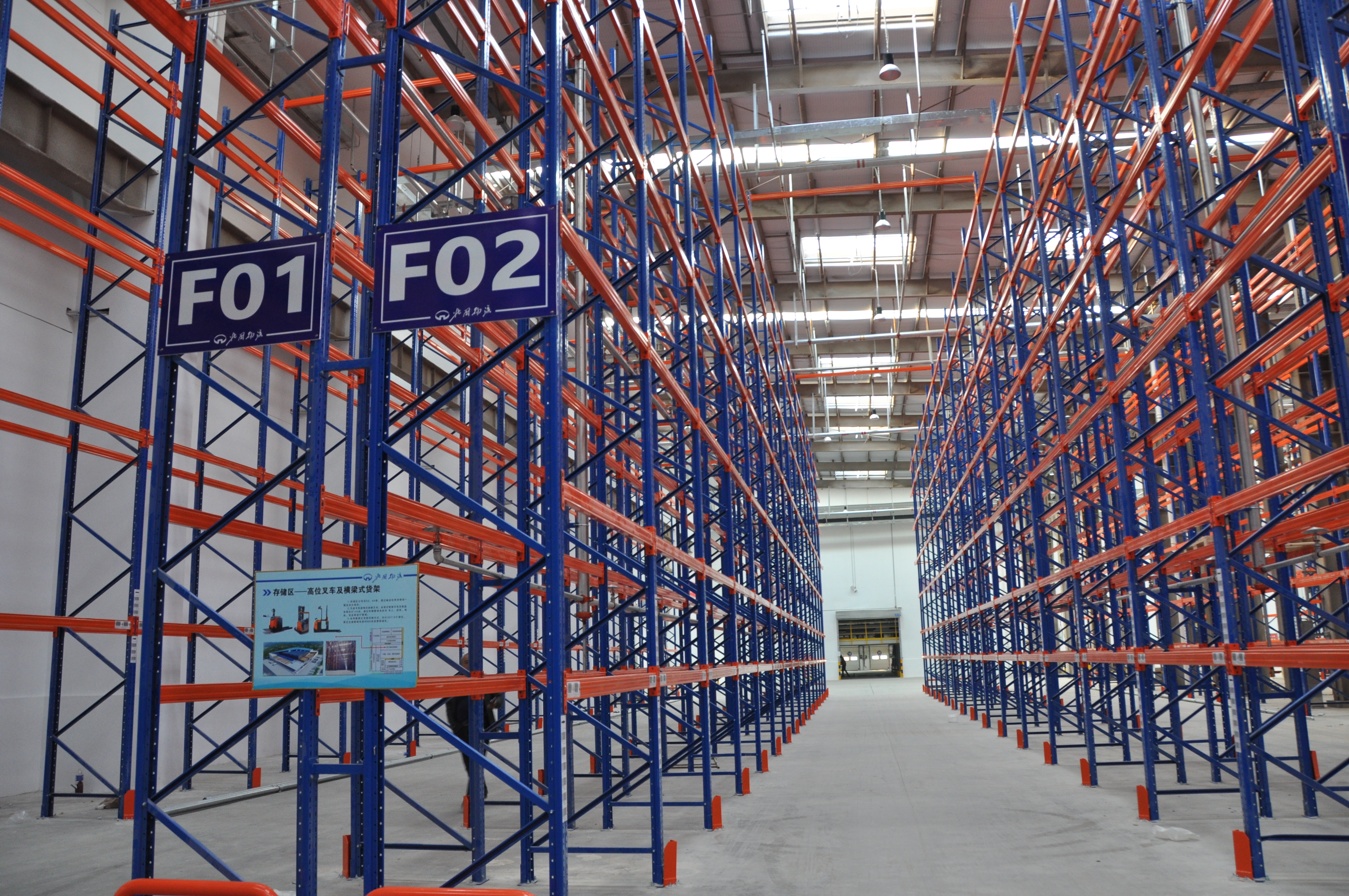
1. What Are Industrial Pallet Racks?
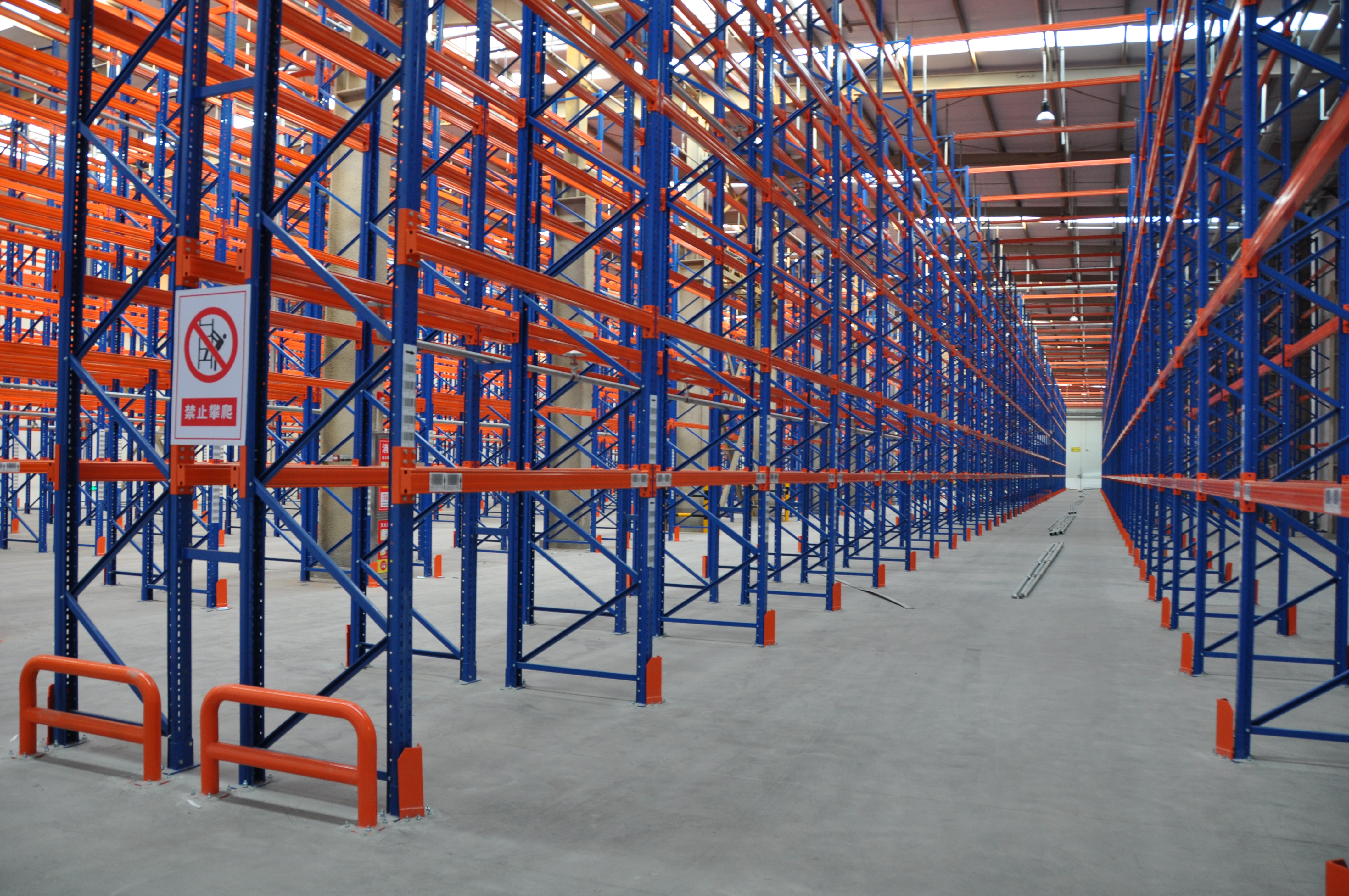
Industrial pallet racks are engineered storage structures that support palletized loads across multiple levels. They typically consist of upright frames, horizontal beams, bracing and accessories designed for a specified load configuration.
Unlike light-duty shelving, industrial pallet racking is intended for palletized inventory handled by forklifts, reach trucks, automated storage equipment or other suitable material-handling systems.
Industrial pallet racks are commonly used to store:
-
Raw materials and components in manufacturing facilities.
-
Finished goods awaiting shipment.
-
Cartons and palletized products in distribution centers.
-
Food, beverage and consumer goods.
-
Automotive parts, tires and industrial supplies.
-
Temperature-controlled inventory in appropriately designed cold-storage facilities.
The term industrial pallet racks describes a broad category rather than one specific rack design. The appropriate configuration depends on whether a facility prioritizes direct pallet access, storage density, stock rotation, picking speed or automated handling.
2. What Types of Industrial Pallet Racks Are Available?
Different rack configurations solve different storage problems. Before choosing a system, compare how each design affects accessibility, density, equipment requirements and inventory flow.
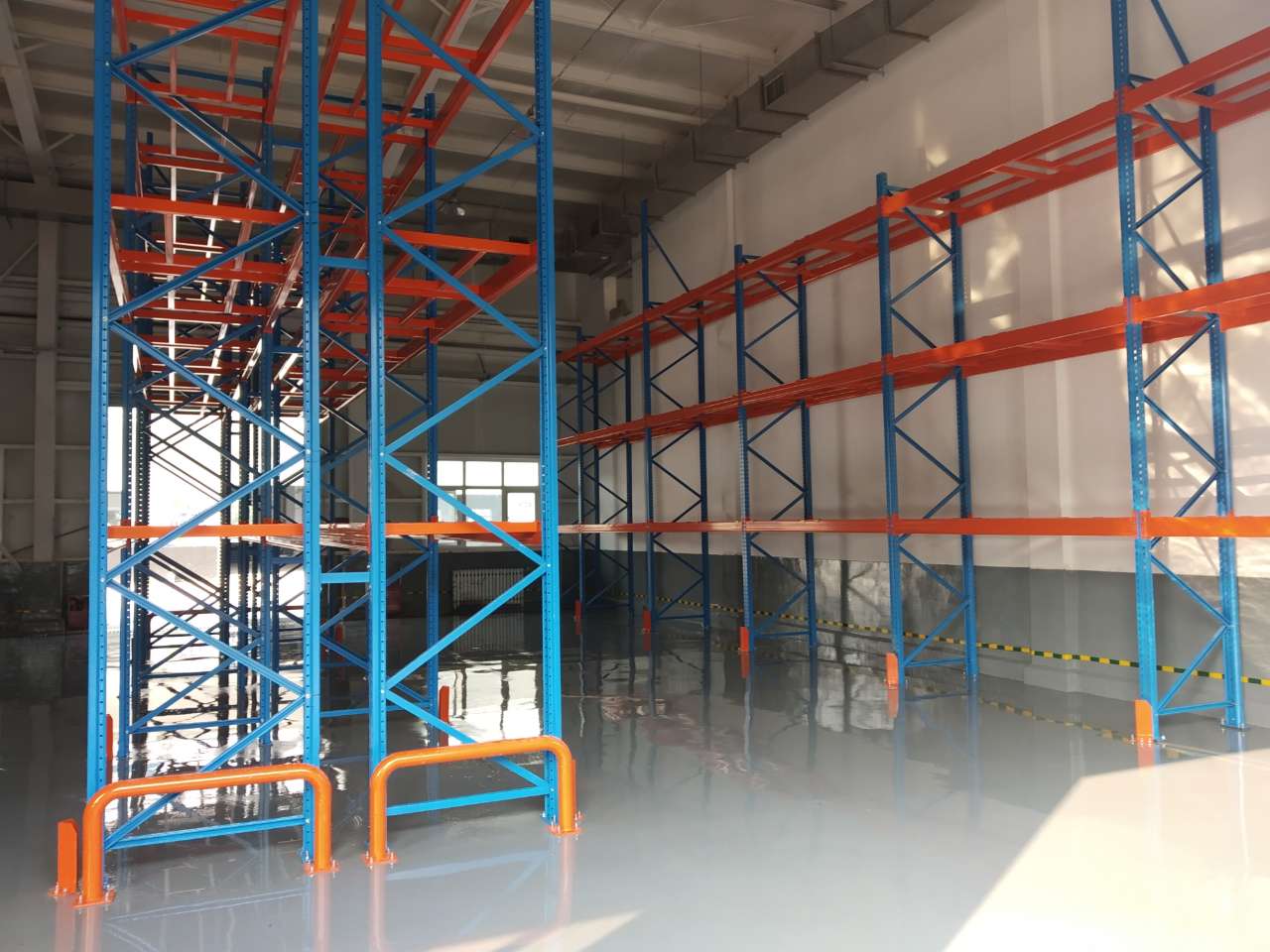
2.1 Selective Pallet Racking
Selective pallet racking provides direct access to individual pallet positions from an operating aisle. Each accessible pallet can generally be retrieved without moving other pallets stored behind it.
Best for: Warehouses with many SKUs, frequent picking and a high need for direct inventory access.
Advantages include straightforward inventory management, flexible pallet placement and compatibility with a wide range of forklift operations.
The main limitation is aisle space. Because equipment needs access to the rack faces, selective configurations may provide lower storage density than deep-lane systems in the same building.
Selective racking is often appropriate when inventory variety and accessibility are more important than maximizing pallet positions.
2.2 Double-Deep Pallet Racking
Double-deep racking stores pallets two positions deep, reducing the number of access aisles compared with a comparable single-deep layout.
It can improve storage density while retaining more selective access than deeper lane configurations. However, reaching the rear pallet requires suitable equipment, such as a compatible deep-reach truck.
Best for: Warehouses with moderate SKU diversity, repeat pallet quantities and a suitable material-handling fleet.
The additional depth can reduce accessibility and may affect stock rotation. The system should be evaluated against pallet retrieval frequency, equipment reach and operational safety.
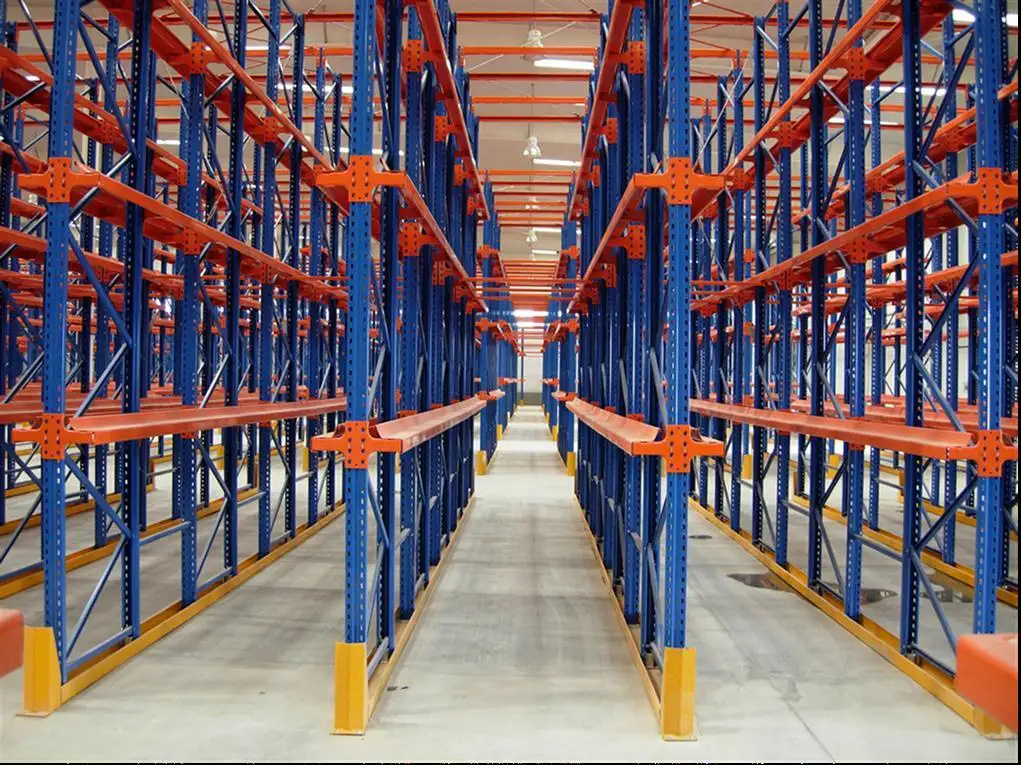
2.3 Drive-In and Drive-Through Racking
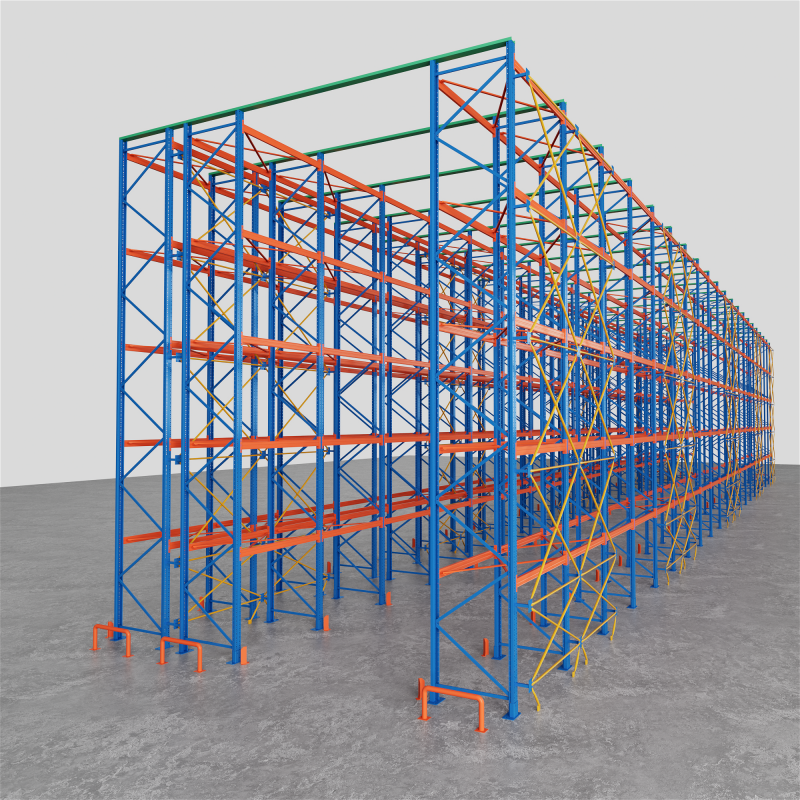
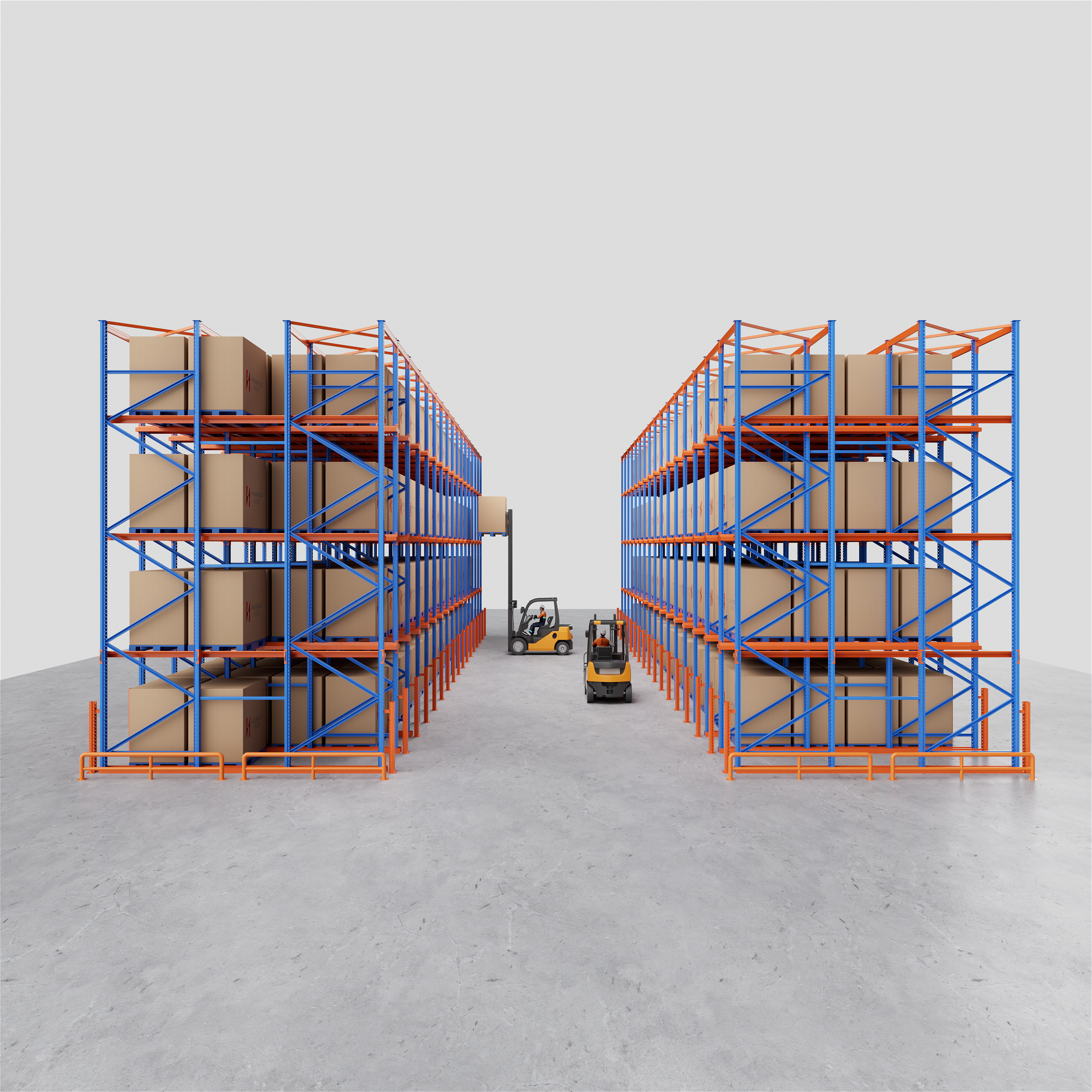
Drive-in and drive-through racking use deep storage lanes that allow suitable forklifts to enter the rack structure and place or retrieve pallets.
Drive-in configurations commonly use a single operating side and often follow last-in, first-out (LIFO) handling. Drive-through systems provide access from both ends and can support first-in, first-out (FIFO) workflows when lane operation and inventory rules are designed accordingly.
Best for: High-volume storage with relatively few SKUs and multiple pallets per SKU.
These systems reduce aisle requirements but limit direct access to individual pallets within a lane. Rack design must account for forklift clearance, rail and guide arrangements, pallet quality, load distribution and operating procedures.
2.4 Push-Back Pallet Racking
Push-back racking stores pallets on nested carts or other designed mechanisms within inclined lanes. When a new pallet is loaded, it pushes previously stored pallets deeper into the lane. During retrieval, the remaining pallets move toward the accessible end according to the system design.
Best for: Medium- to high-density storage where several pallets of the same SKU are stored in a lane.
Push-back systems can reduce aisle requirements and support faster handling than some forklift-intensive deep-lane arrangements. However, lane depth, load characteristics, operating rules and stock rotation requirements must be considered carefully.
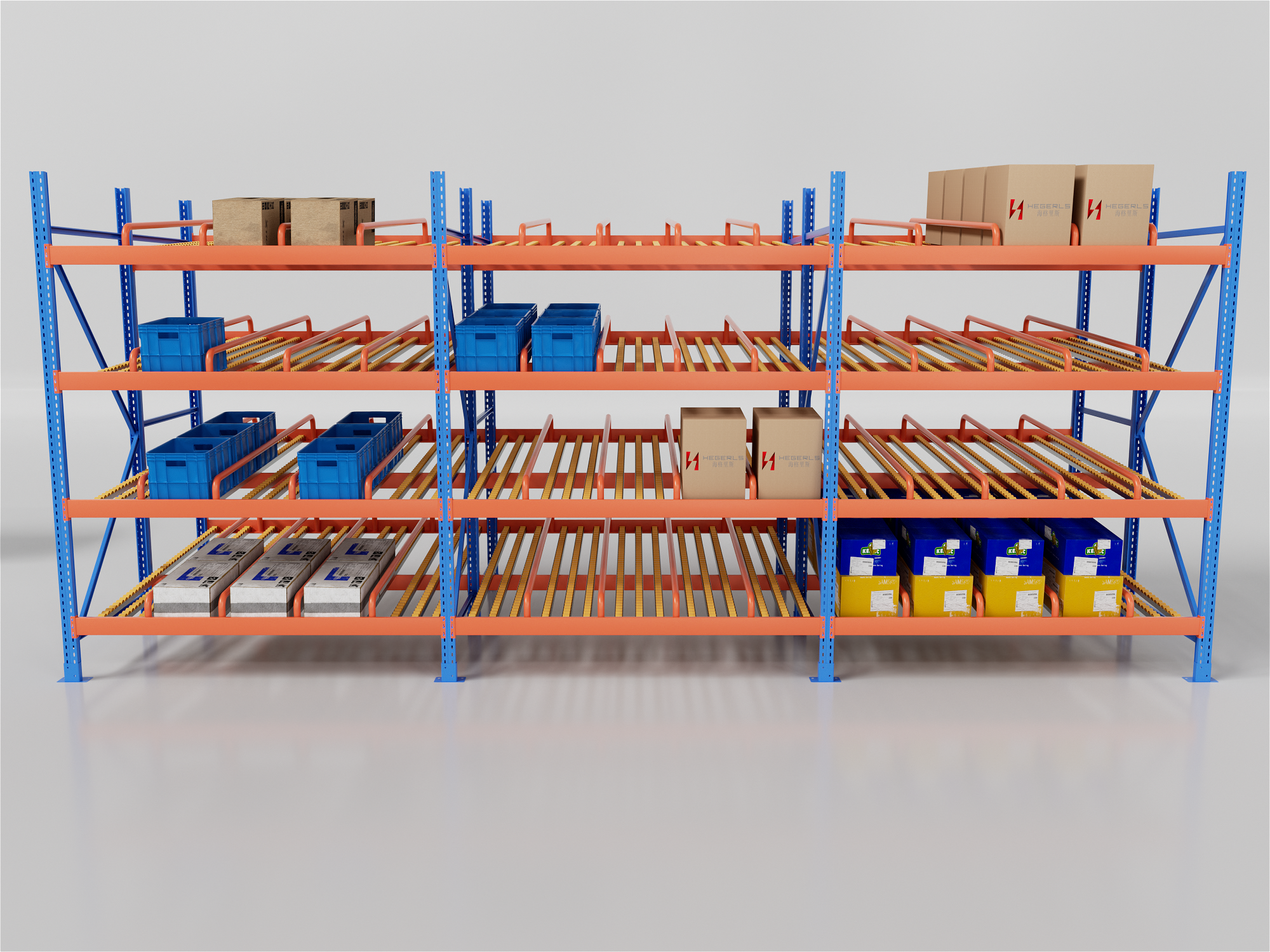
2.5 Pallet Flow Racking
Pallet flow racking uses gravity rollers or another engineered flow mechanism to move pallets from the loading end toward the retrieval end.
When correctly configured, it supports FIFO inventory rotation and can separate replenishment activities from picking operations.
Best for: High-volume goods with predictable movement and clear stock-rotation requirements.
Pallet flow can be useful in food and beverage distribution, production supply and other applications where batch sequence matters. It requires compatible pallets, controlled loading procedures and maintenance of the flow mechanism.
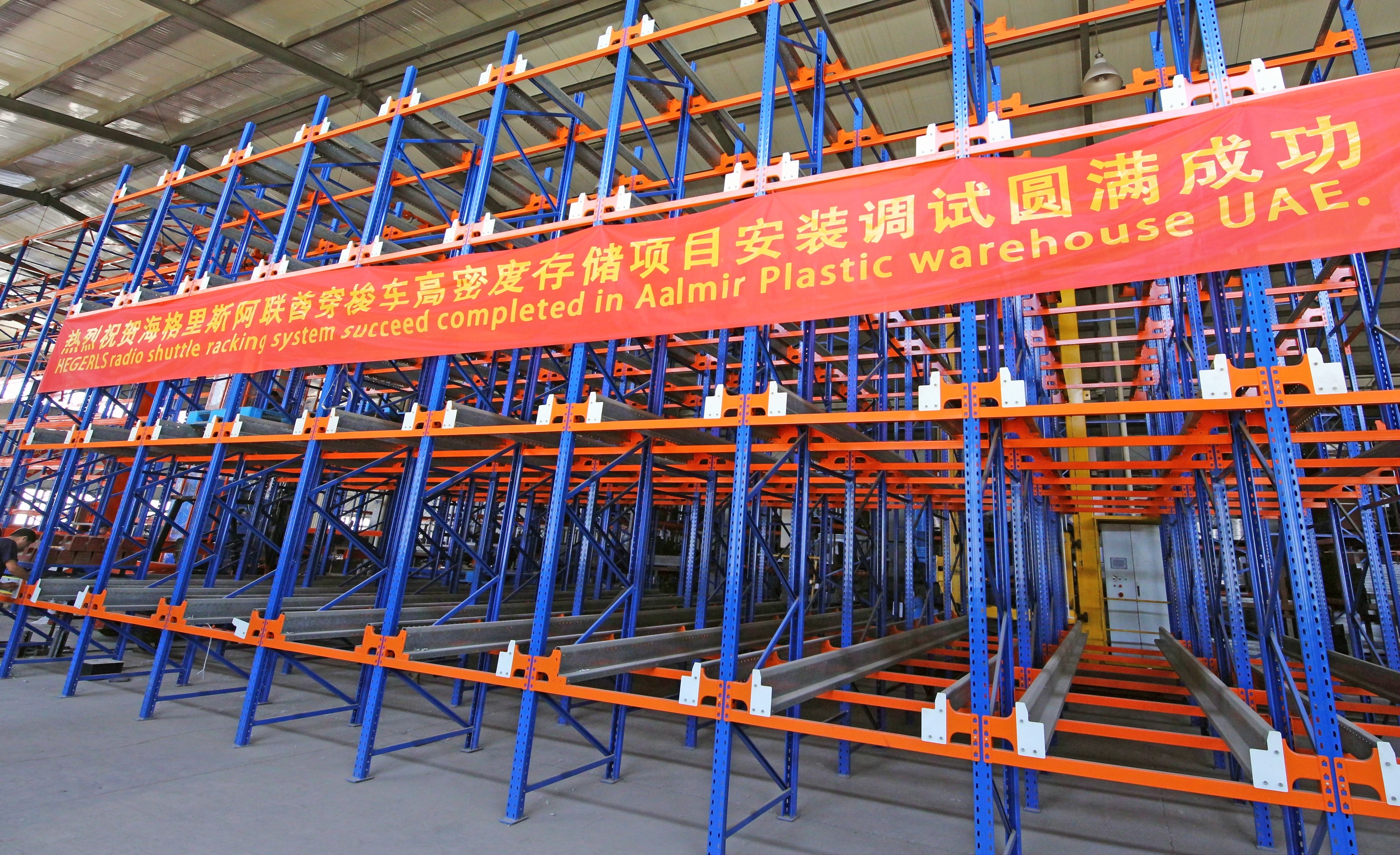
2.6 Pallet Shuttle Storage Systems
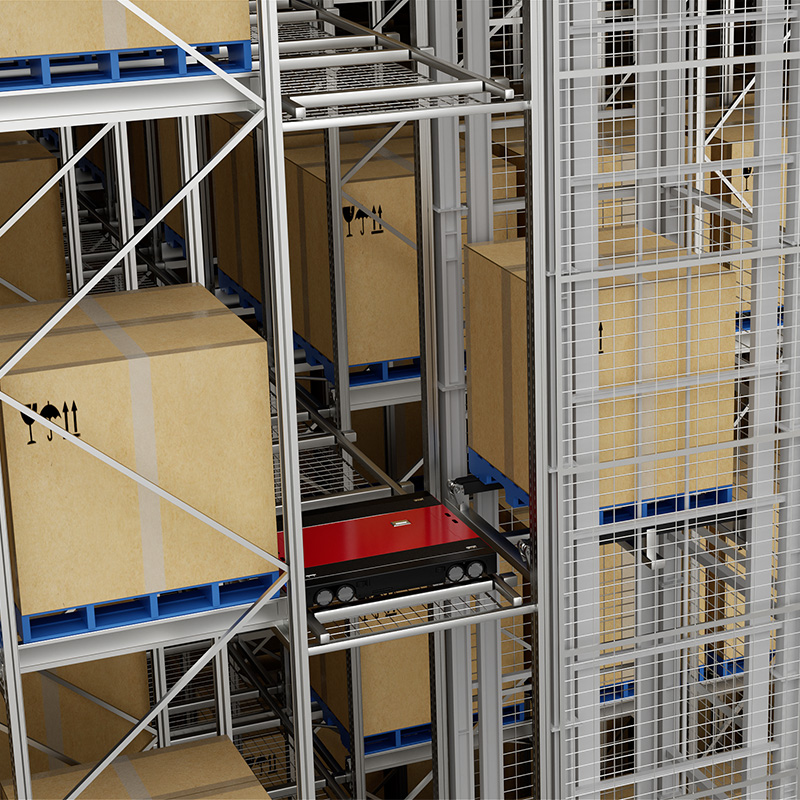
Pallet shuttle systems use powered vehicles to move pallets inside deep storage lanes. They reduce the need for forklifts to enter the lanes and can improve storage density compared with conventional selective layouts.
Two-way shuttle systems generally move along defined lanes. Four-way shuttle systems can travel in multiple horizontal directions within a compatible rack and transfer architecture.
Best for: Warehouses that need high-density pallet storage, repeat pallet movements or reduced forklift travel inside storage areas.
The main design considerations include vehicle and lift capacity, lane geometry, task sequencing, charging strategy, transfer arrangements and software integration.
A shuttle system is not simply a conventional rack with an added vehicle. The rack structure, equipment, transfer points and control logic must be designed as a coordinated storage system.
2.7 Rack-Supported Warehouse Structures
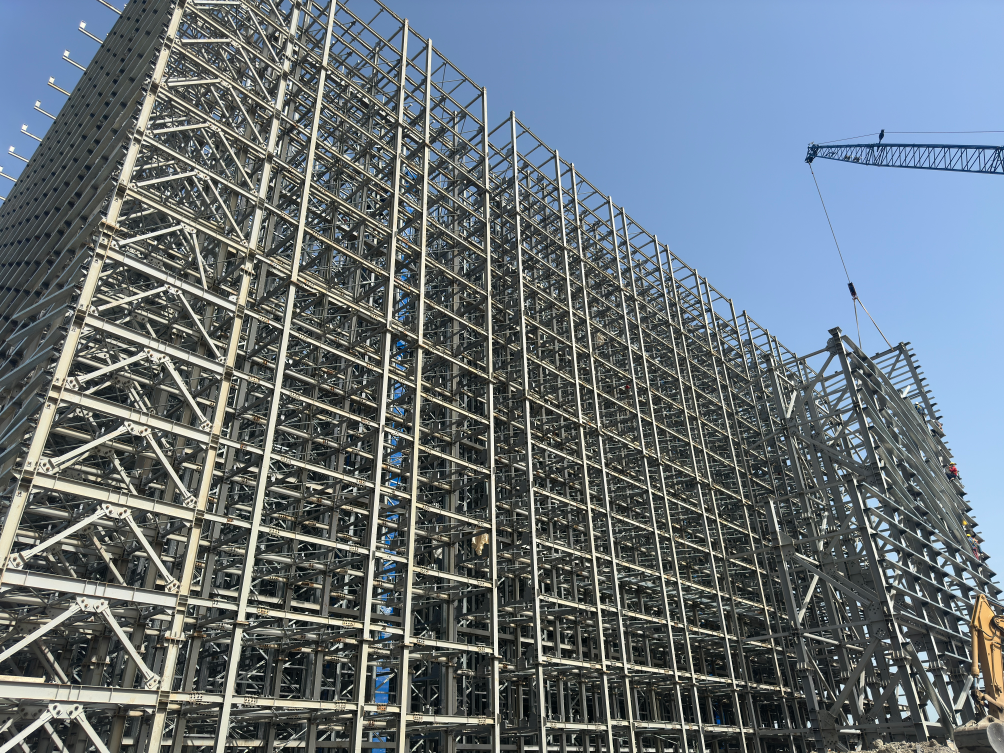
A rack-supported warehouse integrates an engineered storage rack structure with the building envelope and associated building systems, where permitted by the project design and local regulations.
This configuration can be relevant to large or high-bay facilities where conventional building structures and storage infrastructure are evaluated together.
Best for: Projects requiring substantial storage capacity, high storage structures or coordinated building-and-racking engineering.
The design involves structural loads, wind and snow conditions where applicable, seismic requirements where applicable, foundations, fire protection and local permitting. It requires appropriate professional engineering rather than a standard rack selection alone.
3. How Do Industrial Pallet Rack Systems Compare?
The following table summarizes the key trade-offs between common configurations.
| Rack system | Storage density | Pallet accessibility | Typical inventory strategy | Main consideration |
| Selective racking | Low to medium | Direct | Flexible; depends on warehouse rules | More aisle space |
| Double-deep racking | Medium | Front pallet direct; rear pallet requires suitable reach equipment | Depends on lane operation | Equipment compatibility |
| Drive-in racking | High | Limited within deep lanes | Commonly LIFO | Lane access and forklift operation |
| Drive-through racking | High | Access from both ends | Can support FIFO | Loading and retrieval discipline |
| Push-back racking | High | Access from the front of each lane | Commonly LIFO | Lane depth and cart mechanism |
| Pallet flow racking | High | Accessible at the retrieval end | Commonly FIFO | Pallet quality and flow reliability |
| Pallet shuttle system | High | Automated retrieval within designed lanes | FIFO or LIFO, depending on architecture | Vehicle, lift and control integration |
| Rack-supported structure | Depends on the storage system inside | Depends on the selected configuration | Depends on the operating system | Building and structural engineering |
These categories are not all mutually exclusive. A rack-supported building can contain shuttle racking, selective racks or other suitable storage configurations. The table compares storage approaches rather than suggesting that every option serves the same purpose.
4. What Are the Benefits of Industrial Pallet Racks?
Industrial pallet racks can improve warehouse performance when the configuration matches the operation.
Better use of vertical space
Multi-level storage allows facilities to use available building height rather than relying only on floor storage. The practical benefit depends on clear height, equipment reach, sprinkler requirements, structural limits and safe operating clearances.
More organized inventory
Defined pallet positions make it easier to assign locations, identify stock and establish consistent putaway and retrieval processes.
When connected to a suitable WMS, rack locations can be incorporated into inventory records and warehouse workflows.
More efficient material handling
A well-planned layout can reduce unnecessary forklift travel, simplify replenishment and improve access to frequently moved inventory.
High-density systems can reduce the number of operating aisles, while shuttle and automated storage systems can reduce some manual handling inside storage lanes.
Support for different inventory profiles
Selective racks support diverse SKUs, while deep-lane configurations can accommodate larger quantities of similar products. The correct choice depends on the balance between SKU variety, pallet volume and retrieval frequency.
A pathway to automation
Industrial pallet racks can form part of a wider automated storage solution. Depending on the design, they may be integrated with conveyors, lifts, shuttle vehicles, stacker cranes and warehouse software.
The benefit comes from the complete system, not the rack structure alone.
5. How Do You Choose the Right Industrial Pallet Racks?
A reliable selection process starts with warehouse data and operating requirements rather than a rack catalog.
Step 1: Define pallet and load specifications
Record the pallet dimensions, maximum loaded weight, load stability, overhang, packaging and any special handling requirements.
Rack beams, frames, supports and accessories must be selected for the actual load configuration. A quoted capacity is meaningful only when its assumptions and limitations are understood.
Step 2: Calculate storage requirements
Determine the current number of pallet positions required, the expected inventory peak and the anticipated growth in stock.
Do not calculate capacity from floor area alone. A realistic layout must account for aisles, columns, receiving and dispatch areas, equipment clearances, fire protection and operational access.
Step 3: Evaluate SKU diversity and inventory movement
Ask how many SKUs will be stored, how many pallets are held per SKU and how frequently each pallet is retrieved.
-
Many SKUs with limited pallets per SKU often favor selective access.
-
Larger quantities of the same SKU may favor deep-lane storage.
-
Predictable FIFO demand may favor pallet flow or a suitably designed automated system.
-
High-density automated operations may justify shuttle-based storage.
These are starting points rather than universal rules. Actual order profiles and handling constraints can change the recommendation.
Step 4: Select compatible material-handling equipment
The rack layout must match the equipment that will operate in it.
Consider forklift turning radius, aisle width, lift height, pallet transfer arrangements, shuttle travel paths and any automation interfaces.
A rack configuration that increases nominal capacity may still underperform if equipment cannot access locations efficiently or if transfer points create bottlenecks.
Step 5: Assess building and safety requirements
Verify floor conditions, clear height, columns, slab and foundation capacity where relevant, sprinkler design, fire-code requirements, seismic conditions where applicable and local regulations.
Rack structures should be designed and installed according to applicable standards and the approved engineering design. Load notices, inspection procedures, damage reporting and operating rules are also important parts of safe warehouse operation.
Step 6: Evaluate total cost of ownership
Compare more than the initial rack purchase price. Include material-handling equipment, installation, maintenance, labor requirements, software integration, energy use where relevant and potential future modifications.
A higher-density system may require a larger initial investment but reduce space pressure or improve handling efficiency. Whether it delivers a financial advantage depends on the site's actual constraints and operating profile.
6. What Should You Know About Industrial Pallet Rack Load Capacity?
Load capacity is one of the most important engineering considerations when selecting industrial pallet racks.
The required design depends on the load per pallet, the number of pallets supported at each level, beam span, frame configuration, rack height, bracing, anchorage and other structural conditions.
Before approving a system, confirm:
-
Maximum loaded pallet weight.
-
Number and arrangement of pallets per beam level.
-
Required beam and frame capacities.
-
Rack height, bay width and bracing configuration.
-
Floor and anchorage requirements.
-
Applicable design standards and local regulations.
-
Inspection and maintenance requirements.
Never select a rack solely by comparing a single advertised load-capacity figure. Capacity ratings may assume particular beam spans, load distributions and configurations. Changes to the approved design can affect structural performance.
A qualified rack designer or structural engineer should verify the proposed configuration for the actual site and loading conditions.
7. Can Industrial Pallet Racks Be Integrated with Warehouse Automation?
Yes. Industrial pallet racks can be designed as part of an integrated warehouse automation solution, provided the storage structure, handling equipment and control architecture are compatible.
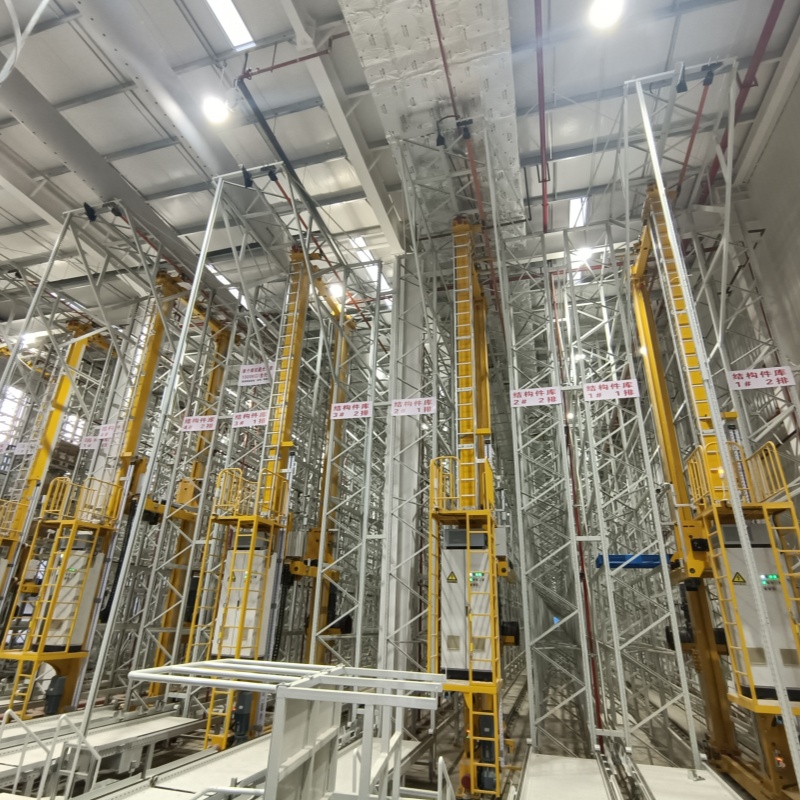
For example, a four-way shuttle warehouse may combine high-density rack lanes with powered shuttles, lifts, conveyors and warehouse software. The racks provide the storage infrastructure, while the equipment handles pallet movement and the control system coordinates execution.
A typical software and equipment architecture may include:
ERP / MES → CC-WMS → YUNTU-WCS → Compatible AS/RS, shuttles, lifts and conveyors
CC-WMS supports warehouse management and inventory processes. YUNTU-WCS supports equipment coordination within the configured solution. Actual responsibilities and interfaces depend on the system architecture.
Automation planning should consider storage density and throughput together. The system must be able to complete inbound, retrieval and outbound movements at the required rate, not merely accommodate the desired number of pallet positions.
For facilities with high storage demands, an integrated assessment can compare conventional pallet racks, shuttle storage and other AS/RS configurations before the final design is selected.
8. Which Industries Use Industrial Pallet Racks?
Industrial pallet racks serve a broad range of storage and distribution environments.
Manufacturing: Stores raw materials, components, work-in-progress inventory and finished goods. Rack selection should support production replenishment and the required material flow.
Food and beverage: Supports palletized ingredients, packaging materials and finished products. FIFO, batch traceability, cleaning conditions and temperature requirements may influence the design.
E-commerce and distribution: Supports reserve pallet storage and replenishment for downstream picking operations. High SKU variety may favor selective storage, while repeat pallet quantities may support denser configurations.
Automotive and industrial parts: Stores components and finished products with varying sizes, weights and movement frequencies. Load compatibility and inventory organization are key considerations.
Cold storage: Requires rack systems and associated equipment suitable for the specified temperature, condensation and operating conditions. High-density layouts can help use expensive refrigerated space efficiently.
Tire and other bulky-goods storage: May require specialized load support, rack geometry and handling arrangements based on the product's shape, weight and storage method.
No single rack configuration is ideal for every industry. Product characteristics, inventory strategy and material flow should determine the design.
9. Why Choose Zhuku for Industrial Pallet Rack Solutions?
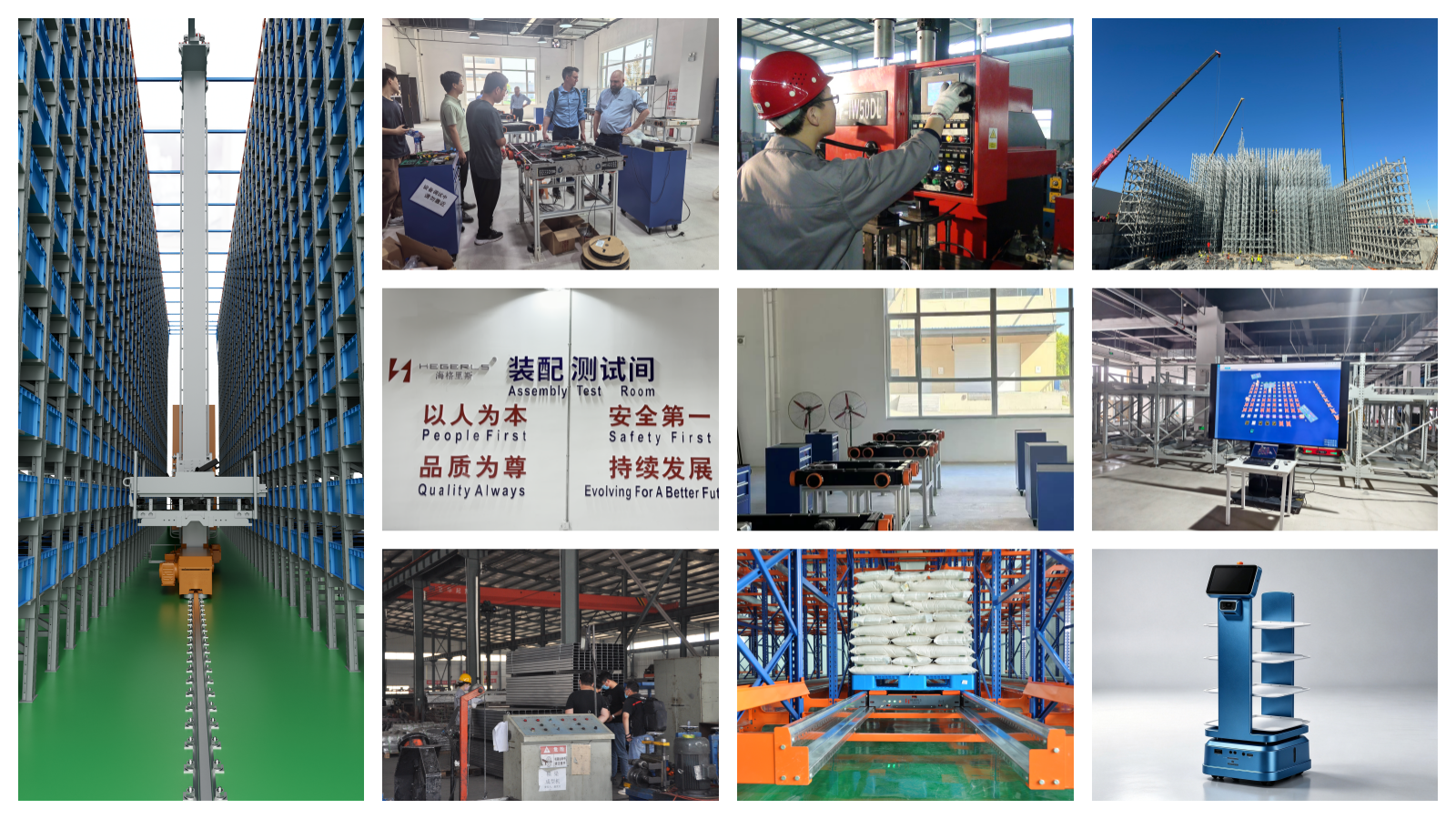
Zhuku (Hebei) Automatic Storage Technology Co., Ltd. provides warehouse storage and automation integration solutions tailored to project requirements.
Rather than treating racking as an isolated purchase, Zhuku can assess how the storage structure relates to pallet specifications, warehouse layout, material-handling equipment and future automation plans.
Depending on the project, the solution may include:
-
Selective and high-density pallet storage configurations.
-
Shuttle-based storage systems and compatible rack infrastructure.
-
Stacker crane AS/RS and associated material-handling equipment.
-
Rack-supported warehouse planning where appropriate.
-
CC-WMS and YUNTU-WCS integration with compatible automation equipment.
-
Coordinated storage, retrieval and material-flow planning.
The goal is to develop a system that balances storage capacity, accessibility, throughput, safety and long-term operating requirements.
10. What Information Is Needed for an Industrial Pallet Rack Proposal?
To evaluate a suitable configuration, prepare as much of the following information as possible:
-
Warehouse CAD drawings, PDF layouts or hand-drawn sketches.
-
Building dimensions, clear height and column positions.
-
Pallet dimensions and maximum loaded weight.
-
Required pallet positions and expected inventory growth.
-
SKU count and pallets stored per SKU.
-
Average and peak inbound and outbound throughput.
-
Forklift or other material-handling equipment specifications.
-
FIFO/LIFO and traceability requirements.
-
Environmental conditions, including cold storage where applicable.
-
Existing or planned WMS, WCS and automation equipment.
These details help distinguish between a rack-only requirement and a wider storage or automation project. They also reduce the risk of choosing a high-density configuration that cannot meet actual retrieval needs.
Conclusion: Choose Industrial Pallet Racks Around Your Warehouse Operations
Industrial pallet racks provide the foundation for organized pallet storage, but the right system depends on how your warehouse operates.
Selective racking supports direct access to a broad range of SKUs. Deep-lane systems can increase storage density for suitable inventory profiles. Pallet shuttle systems and rack-supported warehouse structures may form part of more advanced integrated storage projects.
The most effective design balances load requirements, storage capacity, pallet accessibility, throughput, safety and future growth. A warehouse layout and operating-data review should come before final rack selection.
Plan Your Industrial Pallet Rack System with Zhuku
Send Your Warehouse Drawing → Get a Customized Storage Recommendation
Share your CAD/PDF layout or hand-drawn sketch, pallet dimensions, load weights, required storage capacity and throughput targets. Zhuku can help assess suitable pallet rack configurations and determine whether conventional racking, high-density storage or an integrated automation solution fits your project.