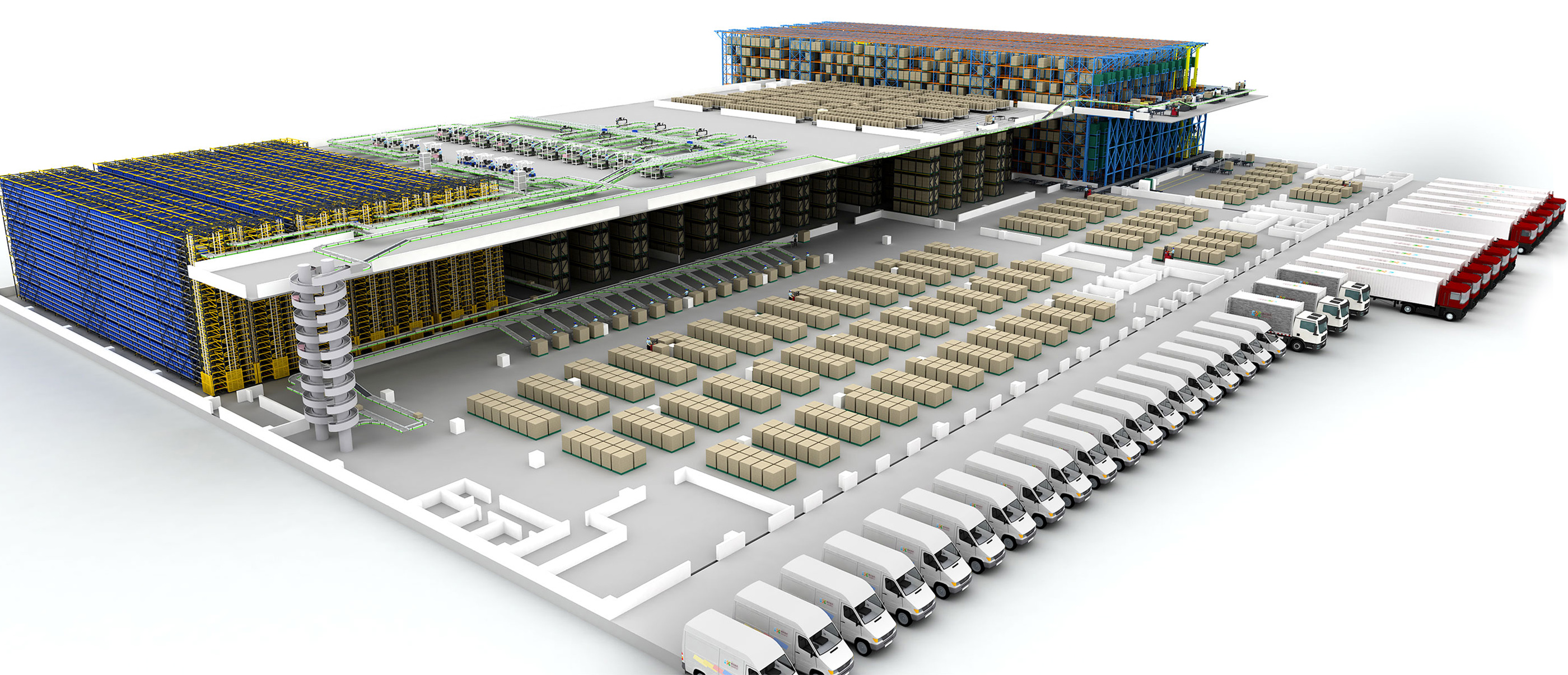
Automated warehouse picking systems use software, machines, robotics, and material-handling equipment to identify, retrieve, and prepare products for customer orders. By reducing unnecessary travel, standardizing picking workflows, and coordinating inventory movements, these systems can help warehouses improve order fulfillment efficiency, inventory accuracy, and operational scalability.
Different warehouses require different picking solutions. A high-volume e-commerce fulfillment center may benefit from goods-to-person robots and automated sortation, while a pallet warehouse may require four-way shuttle systems, automated storage and retrieval systems (AS/RS), or conveyor-based pallet handling. Some operations achieve better results by combining automation with manual picking rather than automating every process.
The right solution depends on SKU variety, order-line volume, product characteristics, storage density, throughput targets, labor availability, and integration requirements.
This guide explains how automated warehouse picking systems work, compares the main technologies, examines their benefits and limitations, and outlines how to choose and integrate a suitable solution.
1. What Is an Automated Warehouse Picking System?
An automated warehouse picking system is a combination of software and equipment designed to retrieve the correct products, quantities, or handling units for an order with reduced manual intervention.
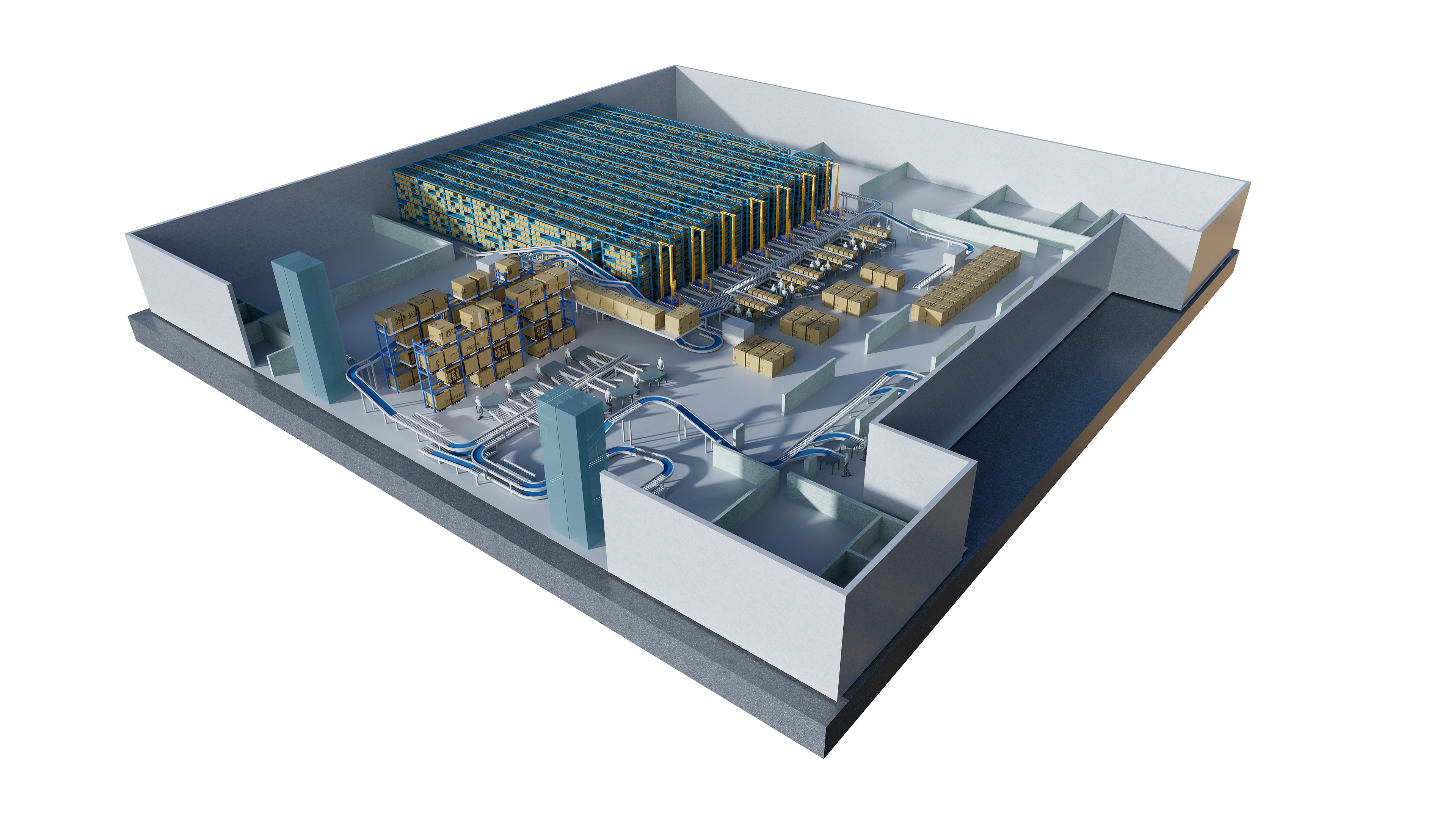
Depending on the application, automation may assist with locating inventory, transporting goods to picking stations, identifying products, picking individual items, consolidating orders, or sorting completed orders for dispatch.
A complete solution may include:
-
Warehouse management systems (WMS).
-
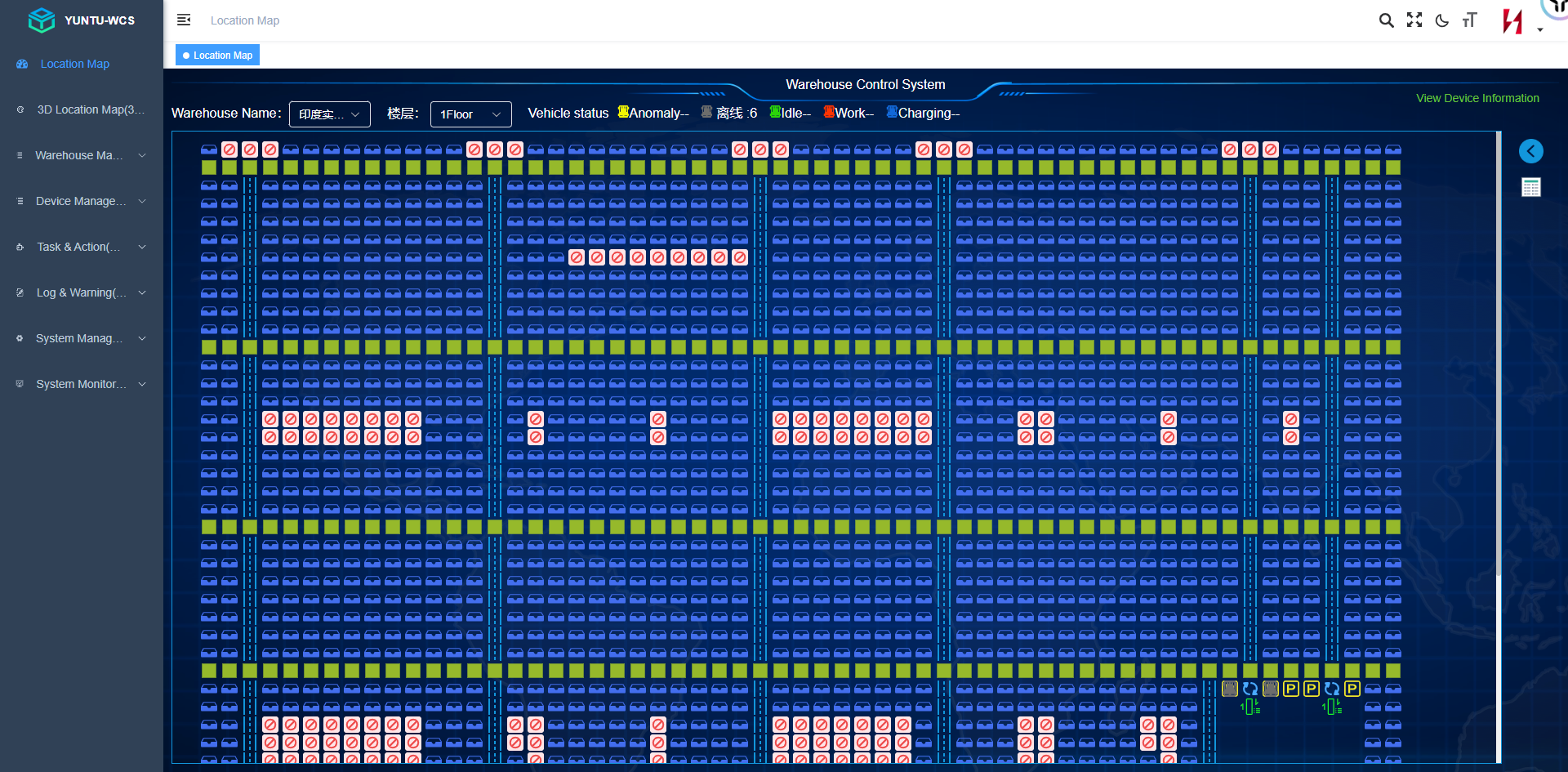
Warehouse control systems (WCS).
-
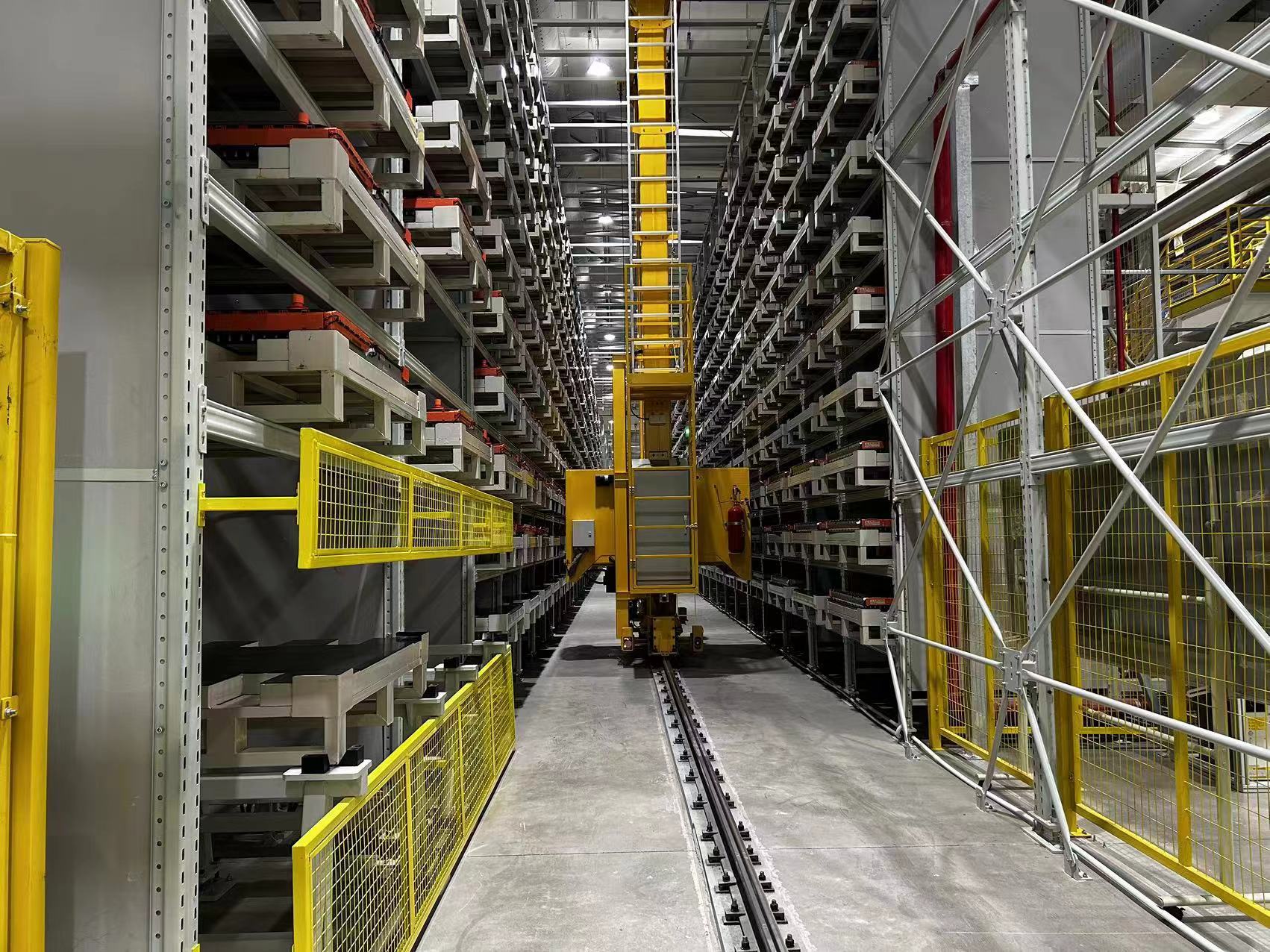
Automated storage and retrieval systems (AS/RS).
-
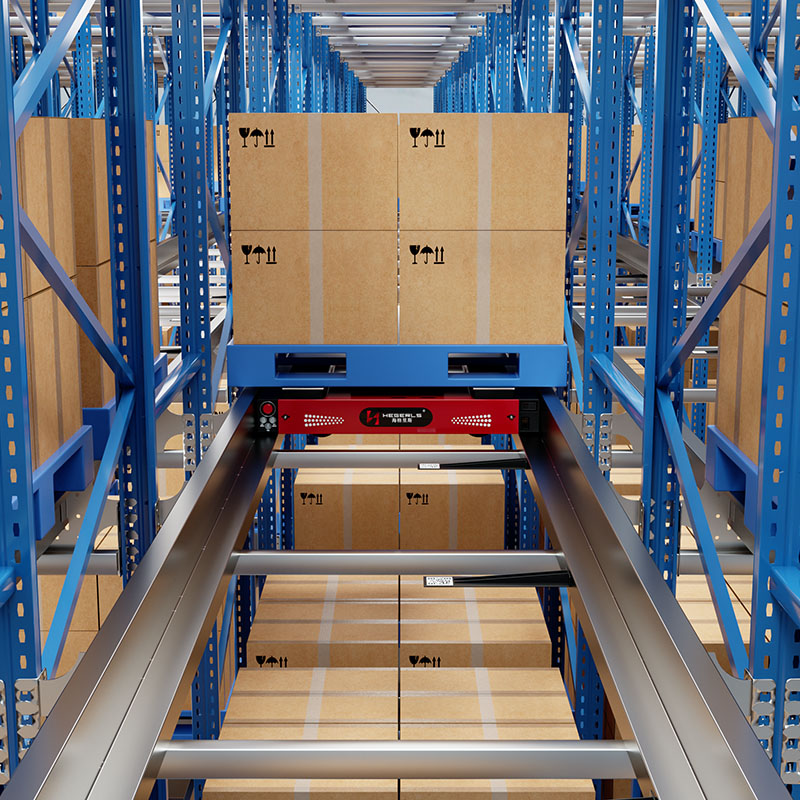
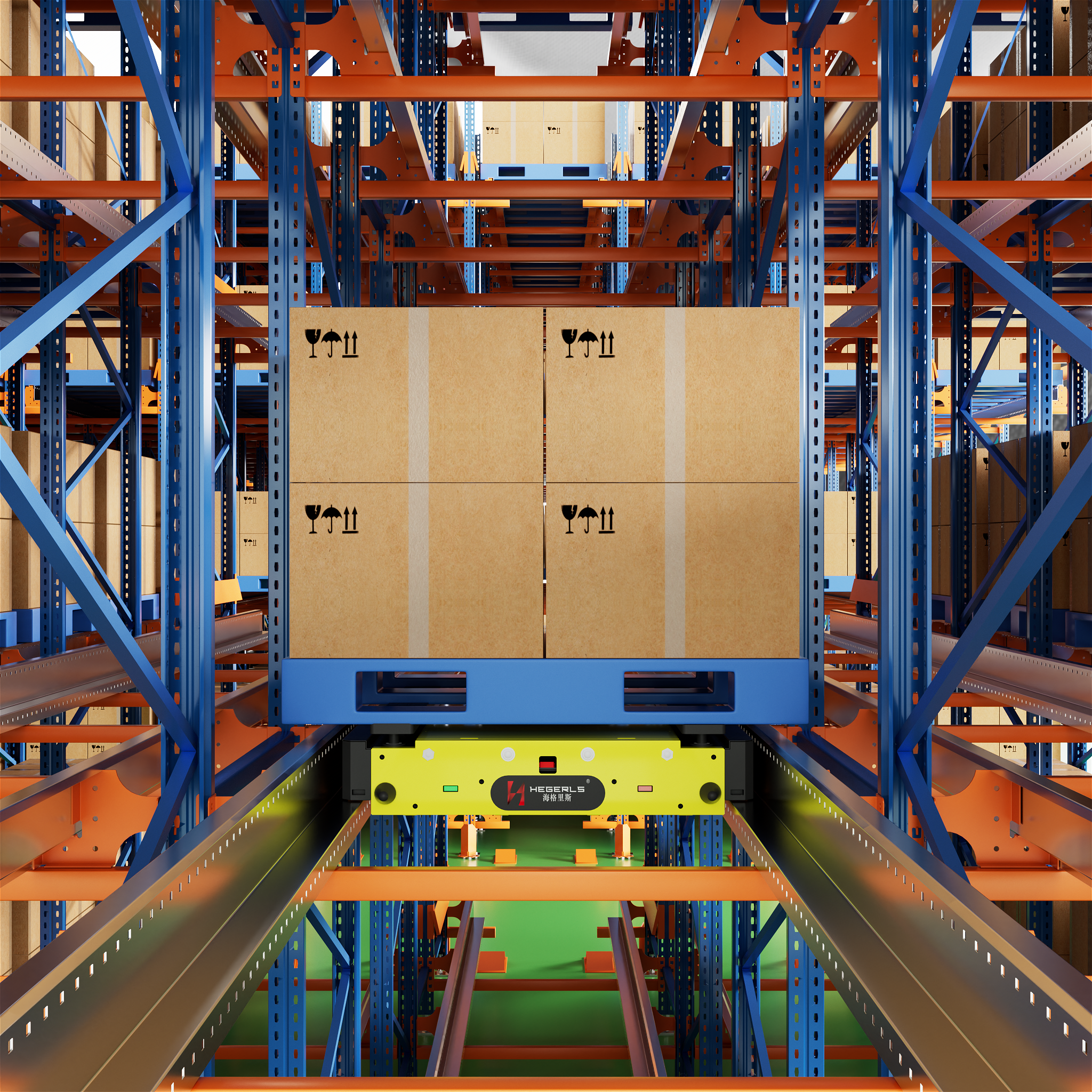
Four-way shuttle and other shuttle-based storage systems.
-
Goods-to-person robots.
-
Robotic arms and automated piece-picking equipment.
-
Conveyors, sorters, and order consolidation stations.
-
Barcode scanners, machine vision, and identification devices.
-
Packing, labeling, and dispatch interfaces.
Not every warehouse needs all these components. A suitable design begins by identifying the main source of picking inefficiency and selecting technologies that address that problem.
The primary objective of automated warehouse picking systems is to fulfill orders accurately and efficiently by coordinating inventory retrieval, product identification, order processing, and material movement.
2. How Does Automated Warehouse Picking Work?
Although the equipment varies, most automated picking workflows follow a similar sequence.
Step 1: Receive and Process the Order
The warehouse receives an order from an enterprise resource planning system, e-commerce platform, or order management system.
The WMS checks inventory availability, determines the relevant storage locations, and organizes picking tasks according to configured business rules.
Step 2: Determine the Picking Method
The system selects an appropriate picking workflow based on the order profile, storage arrangement, product characteristics, and available equipment.
Possible methods include discrete order picking, batch picking, zone picking, wave picking, or goods-to-person fulfillment.
Step 3: Retrieve the Required Inventory
The warehouse retrieves the required items from storage. Depending on the system, this may involve a worker traveling to a shelf, a robot bringing a storage bin to a workstation, a shuttle retrieving a tote, or an AS/RS delivering a pallet to an interface.
Step 4: Identify and Confirm the Items
The system verifies the product and quantity through the configured process. Barcode scanning, RFID, weighing, vision systems, or other checks may be used where appropriate.
The level of verification should reflect the products, error risks, and operational requirements.
Step 5: Consolidate and Sort the Order
If items are picked from multiple locations or zones, the system may route them to a consolidation station or automated sorter.
Order consolidation ensures that the required items are grouped together before packing or further processing.
Step 6: Pack and Dispatch
The completed order moves to packing, labeling, shipping verification, and dispatch.
The WMS updates order and inventory records according to the relevant transaction-confirmation rules, while connected control systems coordinate the equipment involved.
The overall result depends on the performance of the entire fulfillment process—not just the speed of the picking device.
3. Main Types of Automated Picking Systems
3.1 Goods-to-Person Picking Systems
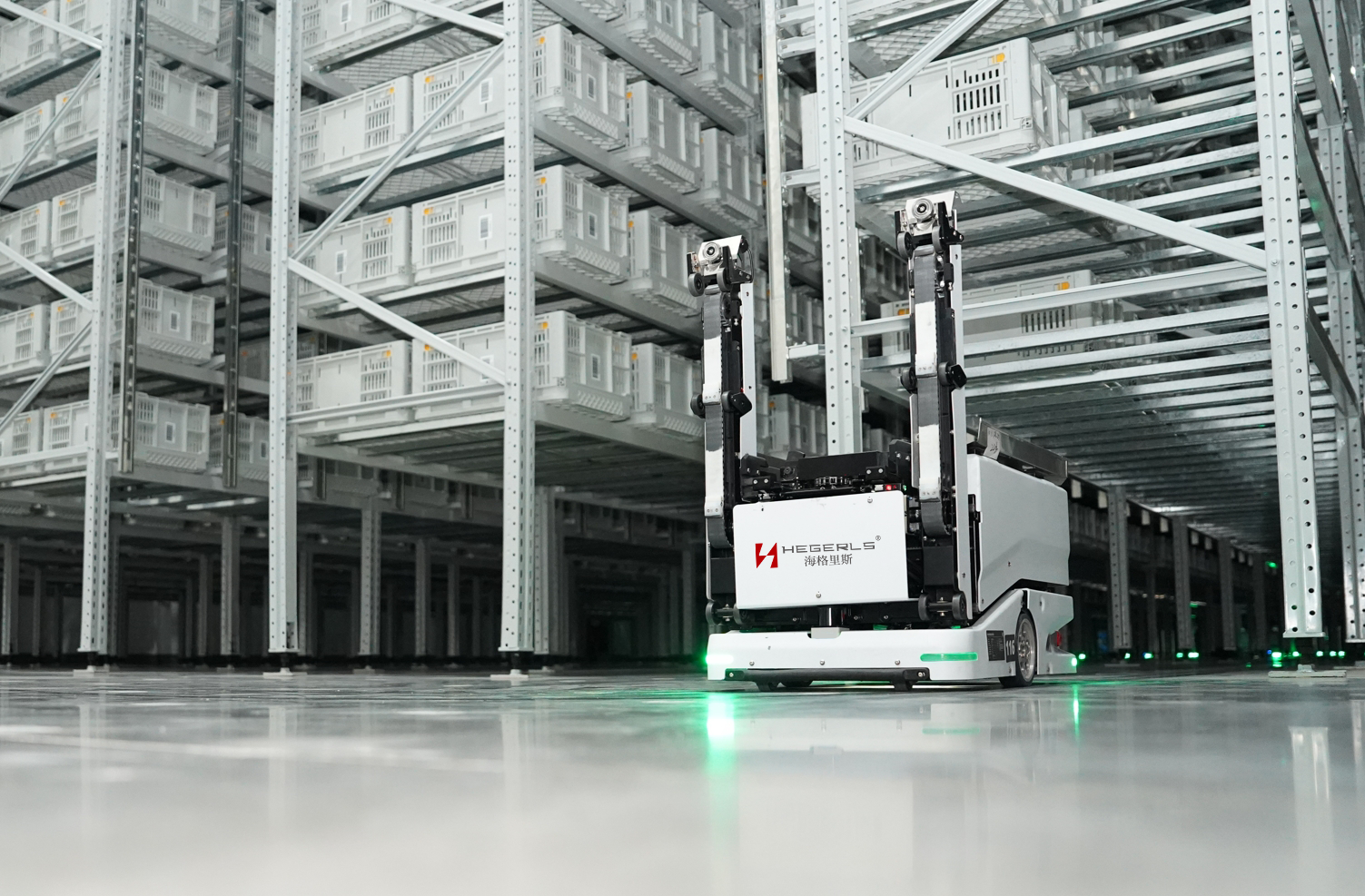
Goods-to-person systems bring inventory to a stationary picking operator or automated picking station. Instead of walking through the warehouse to find products, the operator retrieves the required items from goods delivered by an automated system.
Typical technologies include:
-
Robotic mobile storage systems.
-
Shuttle-based tote storage.
-
Miniload AS/RS.
-
Automated vertical storage systems.
-
Conveyor-fed picking workstations.
Advantages
Goods-to-person systems can reduce walking distances, support high-density storage, and improve the consistency of picking workflows. They are particularly useful when order profiles generate frequent access to stored items and the warehouse can justify the required infrastructure.
Limitations
The performance of the complete system depends on storage retrieval, workstation capacity, replenishment, robot traffic, and order sequencing. High automation investment may also be difficult to justify for low-volume or highly variable operations.
3.2 Person-to-Goods Picking Systems
Person-to-goods systems keep inventory in its storage locations while workers or mobile picking devices travel to retrieve it.
Automation can support this approach through pick-to-light, voice picking, handheld terminals, wearable scanners, autonomous mobile robots, or optimized task assignment.
This method can be suitable when the warehouse has diverse products, irregular demand, or an existing storage layout that would be expensive to replace.
Its main challenge is travel time. Poorly organized locations, fragmented orders, and inefficient routes can increase the time required to complete each order.
3.3 Robotic Piece Picking
Robotic piece-picking systems use robotic arms, grippers, sensors, and sometimes computer vision to select individual items from bins, totes, or conveyor flows.
Potential applications include picking packaged products, transferring items between containers, and handling repetitive unit-picking tasks.
Performance depends on factors such as:
-
Product shape, weight, and packaging.
-
Item orientation and presentation.
-
Gripper suitability.
-
Vision and identification reliability.
-
Required picking rate.
-
The percentage of items the robot can handle successfully.
Highly varied products or irregularly presented items may require additional engineering, testing, and exception-handling procedures.
3.4 Automated Case Picking
Automated case-picking systems handle full cartons or cases rather than individual units. They can support pallet building, store replenishment, distribution, and other applications involving case-level orders.
Depending on the product and workflow, solutions may use robotic palletizing, case-handling equipment, conveyors, automated storage, or robotic picking cells.
Case picking is often relevant when businesses need to build mixed-SKU pallets or process repeated case movements. The most suitable system depends on carton dimensions, weight, stacking rules, product stability, and order composition.
3.5 Pallet Picking and Retrieval Automation
In pallet warehouses, picking may involve retrieving a complete pallet or moving pallet loads to a designated handling point.
Potential solutions include:
-
Other compatible pallet-shuttle systems.
-
Automated pallet conveyors.
-
Autonomous forklifts or AGVs.
-
Semi-automated systems with operator-assisted picking.
For full-pallet orders, the objective may be to retrieve the correct pallet and deliver it to dispatch or staging. For mixed-pallet orders, additional case-picking or order-consolidation processes may be required.
A pallet retrieval system should therefore be selected according to the actual order unit rather than assuming that all pallet automation performs individual-item picking.
3.6 Automated Sortation and Order Consolidation
Automated sortation systems direct items, cartons, or totes toward designated destinations based on order, shipping route, or other configured criteria.
They are particularly useful when multiple picking zones feed a common packing or dispatch operation.
Sortation is related to picking but is not the same process. Picking retrieves the required inventory; sortation routes the retrieved goods. A complete fulfillment design must coordinate both stages.
4. Warehouse Picking Methods: Which One Is Right for You?
The picking method determines how orders are grouped, assigned, and processed. It can be used with manual, semi-automated, or fully automated equipment.
| Picking method | How it works | Best-fit applications | Main consideration |
| Discrete picking | One order is picked at a time | Simple operations and small order volumes | More travel when orders contain few lines |
| Batch picking | Items for several orders are collected in one trip | Many small orders sharing common SKUs | Requires accurate sorting or consolidation |
| Zone picking | Workers or equipment handle designated warehouse zones | Large warehouses with distinct storage areas | Items from different zones must be coordinated |
| Wave picking | Orders are released in planned groups or waves | Operations with shipping cutoffs or scheduled dispatch | Wave timing and workload balance matter |
| Goods-to-person | Inventory is delivered to a picking station | High-frequency picking with suitable storage automation | Retrieval and workstation capacity must be balanced |
These methods are not mutually exclusive. A warehouse can combine batch picking with zone picking, use waves to manage dispatch deadlines, and deliver inventory through a goods-to-person system.
The best approach is the one that fits the order profile and reduces total fulfillment time without creating downstream congestion.
5. Automated Warehouse Picking Technologies Compared
| Technology | Main function | Typical use case | Key limitation |
| Pick-to-light | Guides operators using visual indicators | Shelf or bin picking | Requires suitable hardware and location configuration |
| Voice picking | Provides audio instructions and receives responses | Hands-free picking workflows | Depends on voice recognition, environment, and user training |
| Barcode scanning | Identifies items and confirms transactions | Inventory and order verification | Requires readable labels and correct scanning procedures |
| Goods-to-person robotics | Brings inventory to picking stations | High-frequency item picking | Depends on retrieval capacity and station balancing |
| Robotic piece picking | Selects individual products | Repetitive unit-picking tasks | Product variability can reduce handling success |
| Conveyor and sorter systems | Moves and routes goods | High-volume order fulfillment | Fixed infrastructure and throughput balancing are important |
| Four-way shuttle systems | Retrieves and moves compatible pallet loads across rack levels | Automated pallet storage and retrieval | Requires compatible rack, load, and order-handling design |
| Stacker-crane AS/RS | Retrieves loads from designated storage addresses | High-bay and aisle-based pallet or unit-load storage | Performance depends on aisle layout and equipment configuration |
These technologies perform different functions. For example, a WMS may determine which items must be picked, an AS/RS may retrieve the required load, a robot may handle individual products, and a sorter may route completed orders.
A successful solution connects these functions into a coordinated process.
6. Benefits of Automated Warehouse Picking Systems
Higher Picking Productivity
Automation can reduce unnecessary walking, repetitive handling, and manual searching. Goods-to-person systems are especially useful when travel time is a major part of the picking process.
Actual productivity depends on order composition, workstation design, equipment availability, replenishment, and exception rates. Equipment speed alone is not a reliable measure of system performance.
Improved Order Accuracy
Barcode verification, controlled storage locations, automated task instructions, and configured confirmation procedures can help reduce picking errors.
Accuracy improvements depend on product identification, data quality, correct stock records, and the effectiveness of exception handling.
Better Storage Utilization
Automated storage systems can organize inventory in structured locations and, where the technology supports it, use vertical space more effectively.
Higher storage density may reduce the warehouse footprint required for a given inventory volume, but the final design must also accommodate equipment access, replenishment, maintenance, and throughput needs.
More Predictable Fulfillment
A well-designed automated system can coordinate task allocation, inventory retrieval, consolidation, and dispatch according to defined operating rules.
This can improve workflow consistency and make bottlenecks easier to identify. However, automation does not eliminate the need for capacity planning or operational supervision.
Improved Inventory Visibility
When picking operations are connected to the WMS, inventory movements and order progress can be recorded as transactions are completed.
Reliable records help teams identify stock discrepancies, monitor order status, and plan replenishment.
Potential for Scalable Operations
Modular automation may allow businesses to add workstations, storage capacity, or equipment as demand changes.
Scalability depends on the original system architecture, available space, software capacity, equipment compatibility, and the ability to expand without creating new bottlenecks.
7. How Automated Picking Integrates with WMS and WCS
Automated picking requires coordination between business orders, inventory records, physical equipment, and order fulfillment processes.
A simplified architecture may include:
ERP or order management system → WMS → WCS or equipment control layer → AS/RS, shuttles, robots, conveyors, and picking stations
The exact architecture varies by project, and some equipment may use a dedicated fleet-management or robot-control system.
Warehouse Management System (WMS)
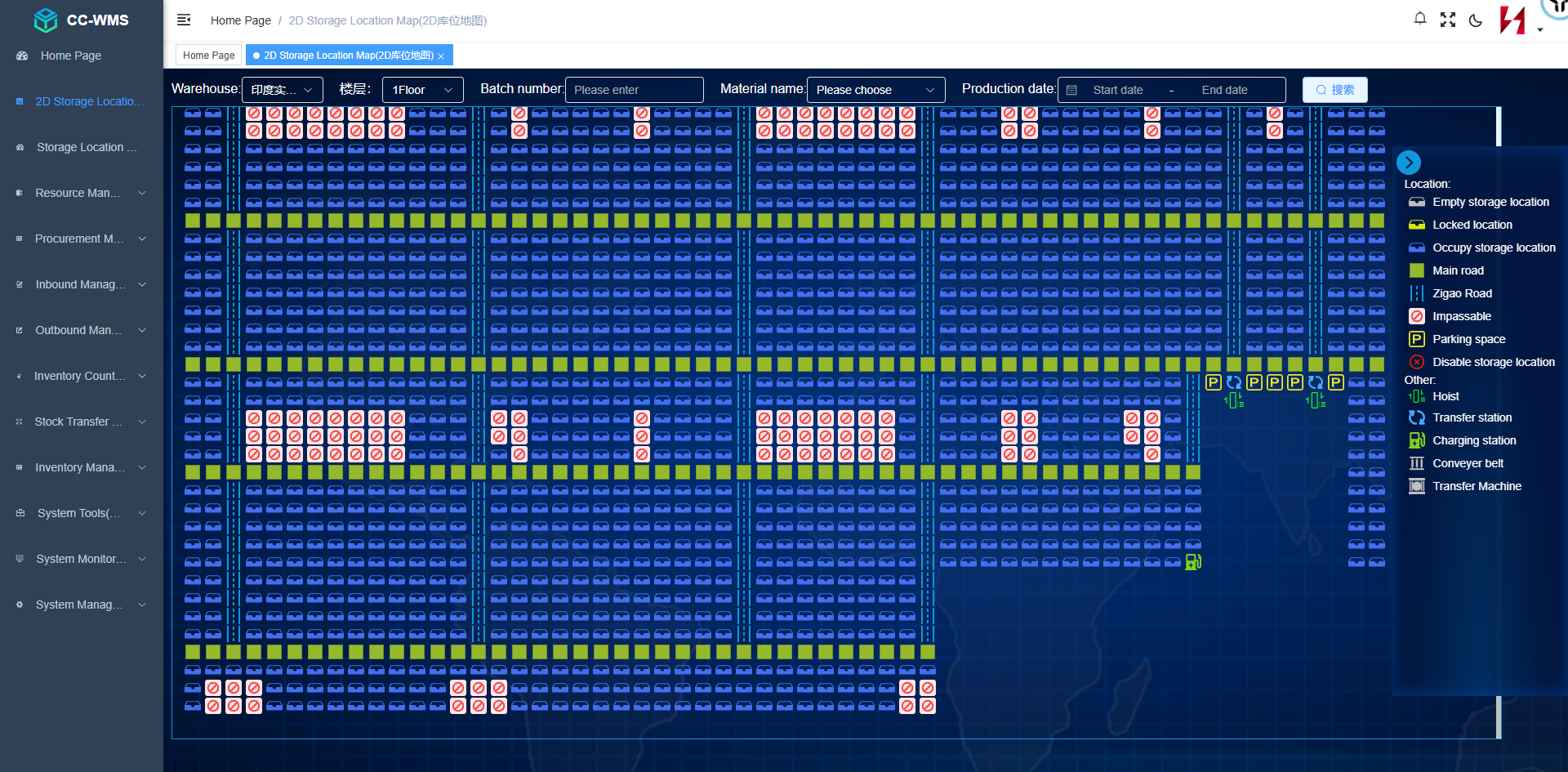
The WMS Warehouse Management System generally manages inventory, storage locations, order allocation, replenishment, picking instructions, and warehouse transactions.
It determines what needs to be picked and records the relevant order and inventory changes according to the configured workflow.
Warehouse Control System (WCS)
A WCS Warehouse Control System coordinates connected automation equipment and material-handling tasks. Depending on the architecture, it may sequence equipment movements, coordinate transfers, and monitor execution status.
Equipment and Picking Interfaces
Shuttles, stacker cranes, robots, conveyors, and picking stations need defined interfaces for receiving tasks and reporting status.
The system should distinguish between task assignment, physical execution, and confirmed completion. This is important when equipment encounters an obstruction, a load is unavailable, or a transfer fails.
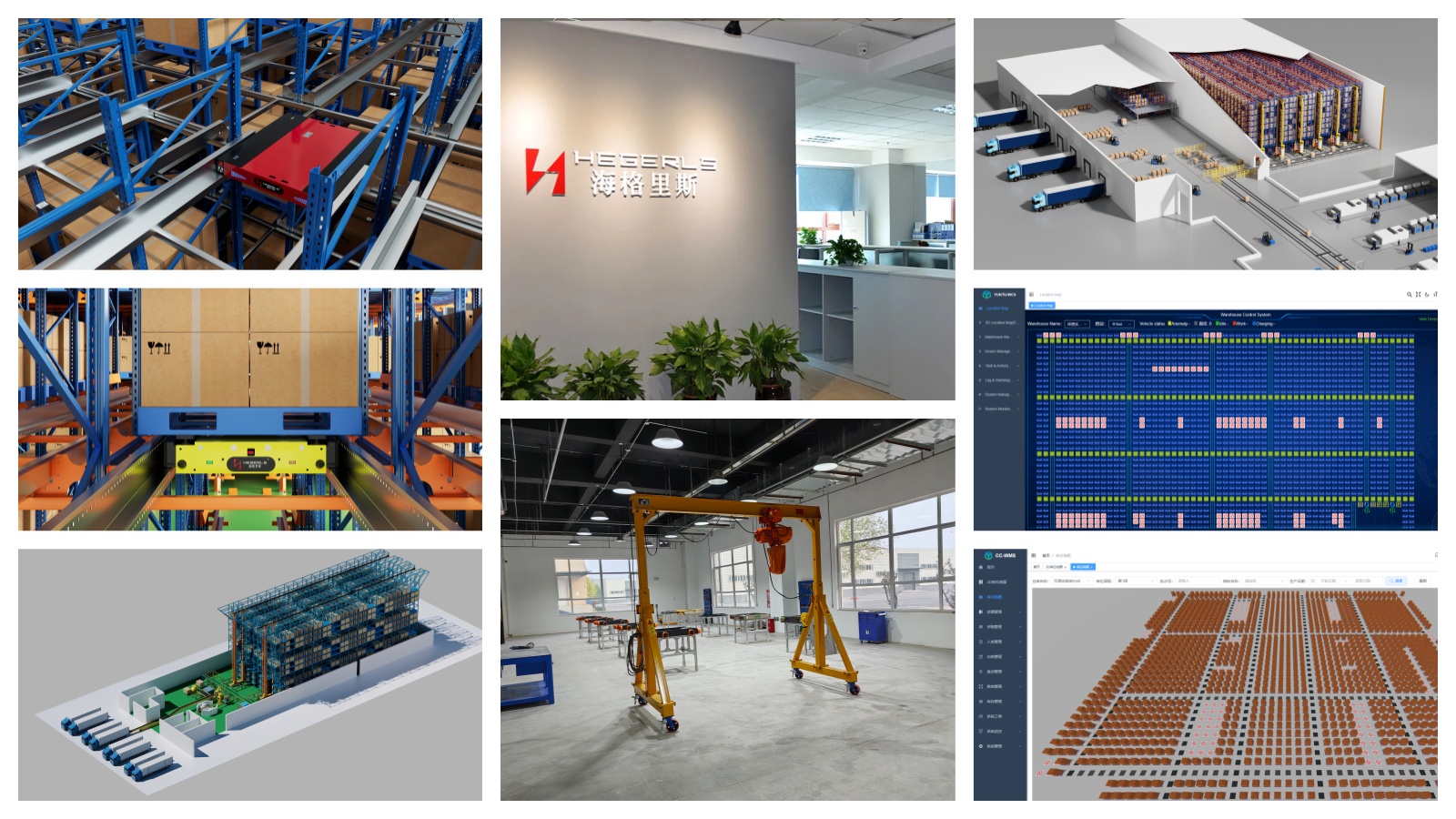
Zhuku's CC-WMS and YUNTU-WCS are part of its warehouse software portfolio. Their suitability for a particular automated picking project depends on the required functions, supported interfaces, equipment selection, and overall system architecture.
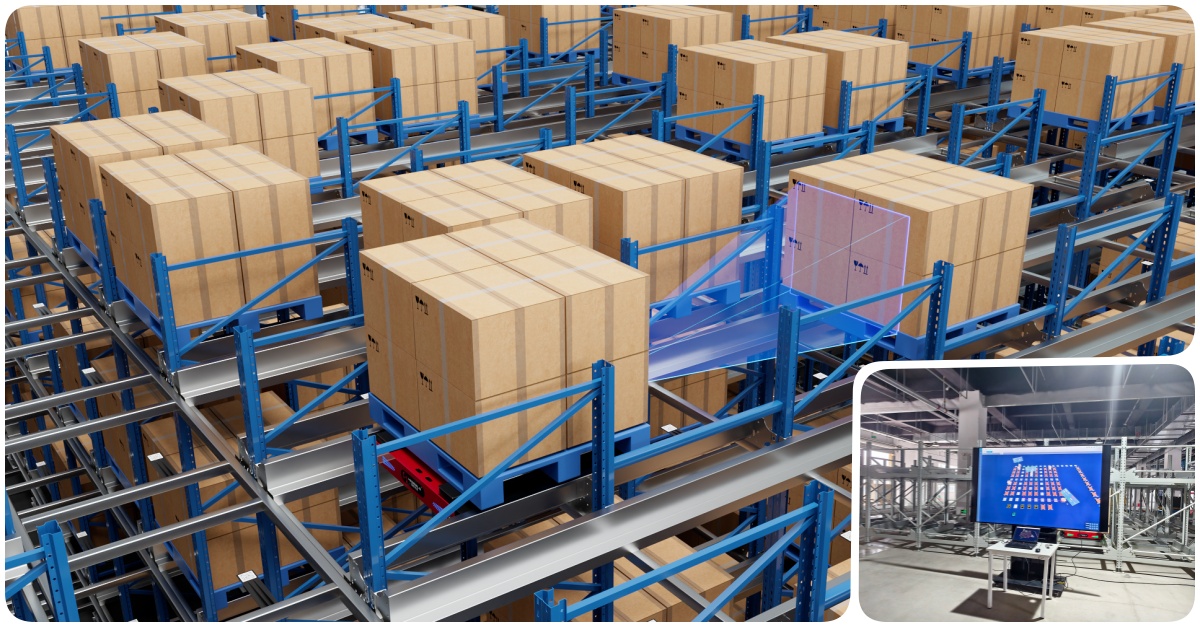
8. Common Challenges in Automated Warehouse Picking
Unbalanced Workstations
If inventory arrives faster than operators or robotic stations can process it, queues can form.
Recommended approach: Balance retrieval rates, picking capacity, replenishment, and downstream packing throughput. Use real order data to estimate workload rather than relying only on peak equipment specifications.
Poor Inventory Data
Incorrect item dimensions, inaccurate quantities, and unreliable storage records can disrupt automated picking.
Recommended approach: Validate SKU master data, define consistent storage locations, and establish inventory reconciliation procedures before deployment.
SKU and Packaging Variability
Robotic picking becomes more difficult when products have irregular shapes, fragile packaging, inconsistent presentation, or limited gripping surfaces.
Recommended approach: Test representative products and packaging configurations. Identify which items can be automated reliably and define a suitable process for exceptions.
Bottlenecks in Consolidation and Packing
Faster picking can overload downstream consolidation, packing, labeling, or shipping stations.
Recommended approach: Design the complete order fulfillment process together. Measure end-to-end throughput instead of optimizing picking equipment in isolation.
Integration and Recovery Issues
Incomplete task messages, communication failures, and equipment interruptions can create inconsistencies between physical goods and system records.
Recommended approach: Define interface ownership, task acknowledgments, completion rules, retry logic, and manual recovery procedures before commissioning.
9. How to Choose the Right Automated Warehouse Picking System
Step 1: Analyze the Order Profile
Collect data on order lines, units per order, SKU frequency, full-case orders, full-pallet orders, peak demand, and seasonal changes.
This analysis helps determine whether the warehouse needs piece picking, case picking, pallet retrieval, or a combination.
Step 2: Evaluate Inventory and Product Characteristics
Consider product dimensions, weight, fragility, packaging, storage conditions, and SKU variability.
These factors affect whether products are suitable for automated storage, robotic handling, conveyor transport, or manual picking.
Step 3: Identify the Main Operational Constraint
Determine whether the primary issue is worker travel, storage access, item identification, order consolidation, replenishment, or dispatch capacity.
Automating the wrong stage may increase complexity without improving overall throughput.
Step 4: Select the Picking Architecture
Compare person-to-goods, goods-to-person, robotic piece picking, case picking, and pallet retrieval.
Some warehouses benefit from a hybrid design that automates high-frequency tasks while retaining manual processes for irregular or low-volume items.
Step 5: Assess Layout and Capacity
Review storage density, aisle width, available height, workstation space, equipment routes, replenishment access, and maintenance requirements.
The system must support the expected throughput across the complete workflow, including peak periods and exception handling.
Step 6: Confirm WMS/WCS Integration
Determine how orders are released, picking tasks are created, equipment is assigned, items are verified, and inventory is updated.
Confirm that the selected software and equipment support the necessary interfaces and that responsibility for each task state is clearly defined.
Step 7: Evaluate Total Cost of Ownership
Include equipment, storage infrastructure, software, integration, installation, training, maintenance, energy, and future expansion.
Compare these costs with measurable operational objectives, such as reduced travel time, improved order accuracy, increased throughput, and lower manual handling requirements.
Step 8: Pilot and Validate
Where feasible, test representative SKUs, orders, peak workloads, and exception scenarios before scaling the system.
Measure end-to-end order throughput, picking accuracy, equipment availability, replenishment impact, and the time required to recover from faults.
10. Which Automated Picking System Is Best for Different Warehouses?
| Warehouse type | Potentially suitable solution | Main design priority |
| E-commerce fulfillment | Goods-to-person, batch picking, sortation, and suitable robotic picking | Order-line throughput and consolidation |
| Retail distribution | Case picking, pallet handling, conveyors, and sortation | Store-order accuracy and dispatch schedules |
| Manufacturing warehouse | WMS-guided picking, AGVs/AMRs, and production replenishment | Material availability and production coordination |
| High-density pallet warehouse | Four-way shuttle or stacker-crane AS/RS with compatible picking interfaces | Storage density and pallet retrieval |
| Spare-parts warehouse | Barcode-guided picking, bin storage, and selected goods-to-person automation | SKU variety and traceability |
| Cold-storage warehouse | Environment-suitable storage and picking equipment | Temperature compatibility and reduced exposure |
| Mixed-load distribution center | A combination of pallet, case, and piece-picking technologies | Coordination across different handling units |
These recommendations are starting points, not fixed rules. The final design should reflect actual order data, product handling requirements, site conditions, and the desired level of automation.
Why Choose Zhuku for Automated Warehouse Picking Integration?
Zhuku (Hebei) Automatic Storage Technology Co., Ltd. provides warehouse automation and integrated storage solutions, including four-way shuttle systems, automated storage and retrieval systems, storage racking, and warehouse software.
For projects involving automated picking, the main consideration is how inventory retrieval, order processing, picking stations, and downstream material handling work together.
Zhuku's CC-WMS and YUNTU-WCS software portfolio can be evaluated as part of a project-specific architecture, subject to functional requirements and supported equipment interfaces.
A suitable project assessment should consider:
-
SKU and order-line characteristics.
-
Full-pallet, case, and individual-item picking requirements.
-
Storage layout, capacity, and replenishment workflows.
-
The appropriate combination of shuttle systems, AS/RS, robots, conveyors, and picking stations.
-
WMS/WCS responsibilities and equipment communication.
-
Order consolidation, packing, and dispatch capacity.
-
Expected throughput, exception handling, and total cost of ownership.
The objective is to build a coordinated fulfillment system in which storage, retrieval, picking, and order processing support the same operational goals.
Conclusion
Automated warehouse picking systems range from software-guided manual workflows to goods-to-person robotics, automated piece picking, pallet retrieval systems, and integrated fulfillment lines.
The best solution depends on the products being handled, order structure, storage requirements, throughput targets, and available infrastructure. Goods-to-person systems can reduce travel, robotic picking can automate suitable repetitive handling tasks, and AS/RS technologies can support structured storage and retrieval.
Successful implementation requires more than selecting fast equipment. It requires accurate inventory data, balanced workstation capacity, reliable WMS/WCS integration, and a workflow that connects picking with replenishment, consolidation, packing, and dispatch.
Planning to improve warehouse picking efficiency? Share your warehouse layout in CAD or PDF format, together with SKU and order data, product dimensions, load weights, storage requirements, and target throughput. Zhuku can help evaluate suitable warehouse automation and integration options for your operation.