The four-way shuttle market is entering a new stage.
For years, four-way pallet shuttle systems were primarily associated with one major benefit: high-density pallet storage.
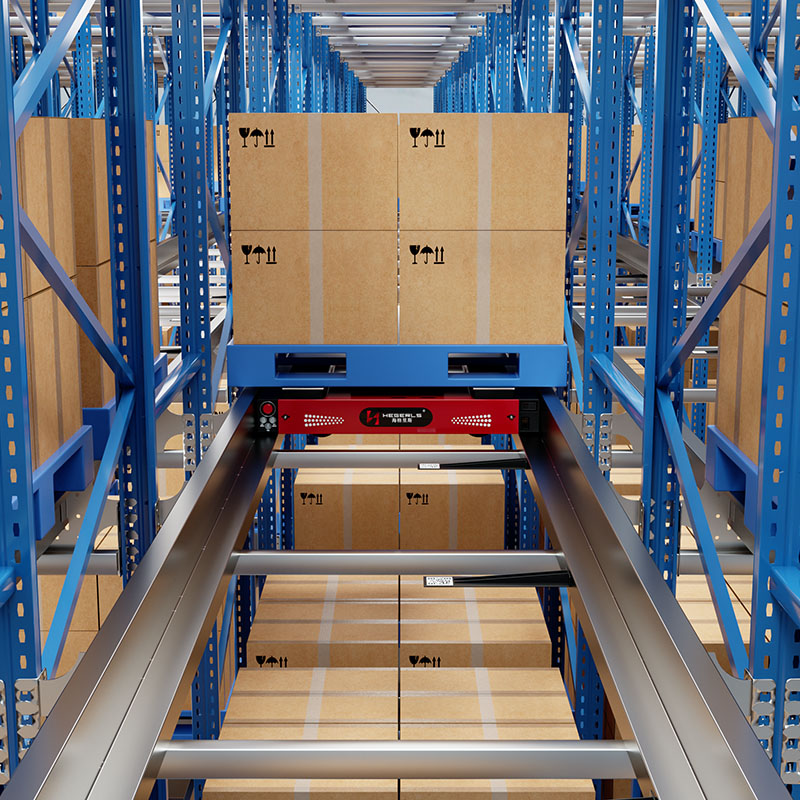
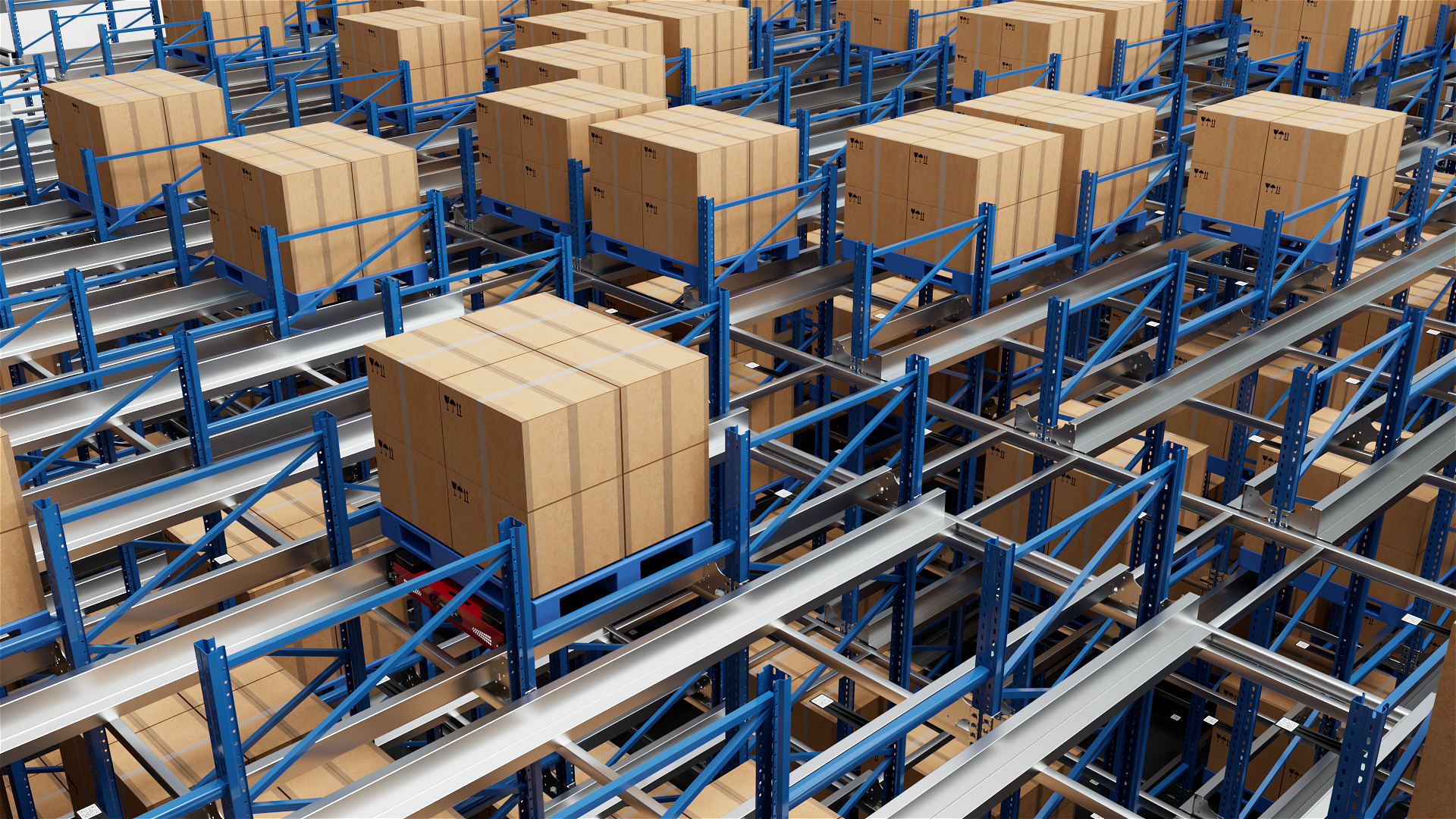
By allowing shuttles to move forward, backward and laterally within a racking system, the technology can reduce aisle requirements and make better use of warehouse volume.
But in 2026, the role of four-way shuttle technology is expanding.
Leading automation providers are increasingly combining four-way shuttles with dynamic routing, fleet management, warehouse control software, lifts, conveyors and broader AS/RS architectures. Swisslog, for example, introduced AgileStore as a four-way roaming pallet shuttle designed around dynamic routing, cross-aisle movement, vertical mobility and modular scalability.
At the same time, Jungheinrich and Movu announced a strategic partnership in August 2026 that combines Movu's four-way shuttle technology with Jungheinrich's integration, software and service capabilities.
These developments point to a broader industry shift:
The future of four-way shuttle technology is not simply about storing more pallets. It is about creating a more flexible, intelligent and scalable warehouse.
What Is Changing in the Four-Way Shuttle Market?
Several factors are reshaping warehouse automation.
Land and construction costs remain important considerations for warehouse operators, while labor availability, SKU proliferation, demand volatility and service-level expectations are making warehouse operations increasingly complex.
As a result, customers are looking for automation systems that can provide:
-
High storage density
-
Reliable throughput
-
Flexible material flow
-
Scalable capacity
-
Lower manual intervention
-
Integration with WMS and WCS
-
Adaptability to changing demand
Four-way shuttle technology fits this direction because its multidirectional movement can provide greater flexibility than conventional fixed-lane shuttle architectures.
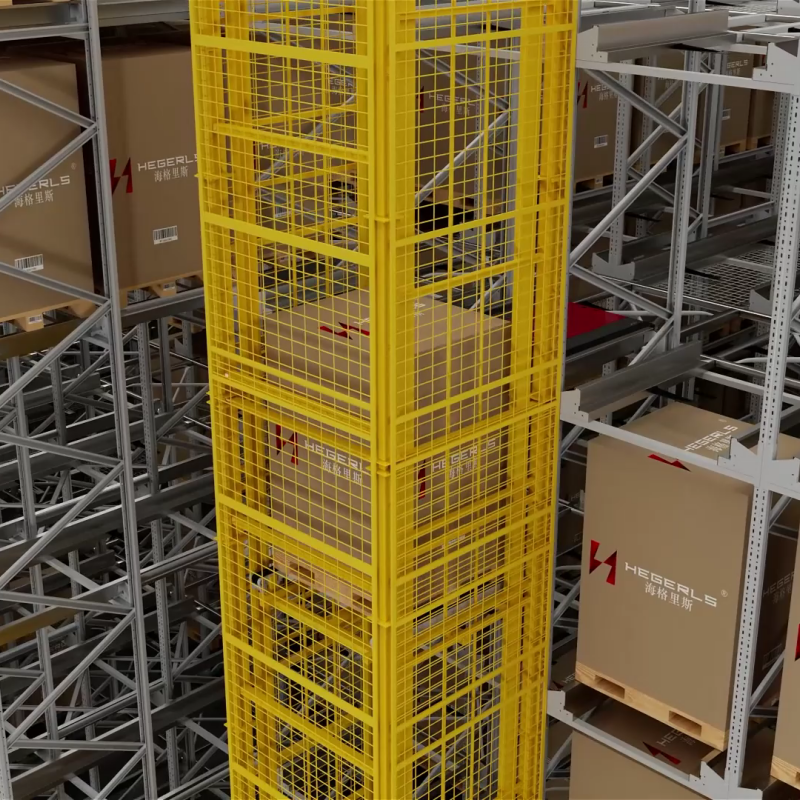
Modern systems are increasingly designed so that shuttles can move across aisles and storage levels through integrated lift systems, allowing resources to be shared across a larger storage area.
But this also changes the basis on which four-way shuttle systems should be evaluated.
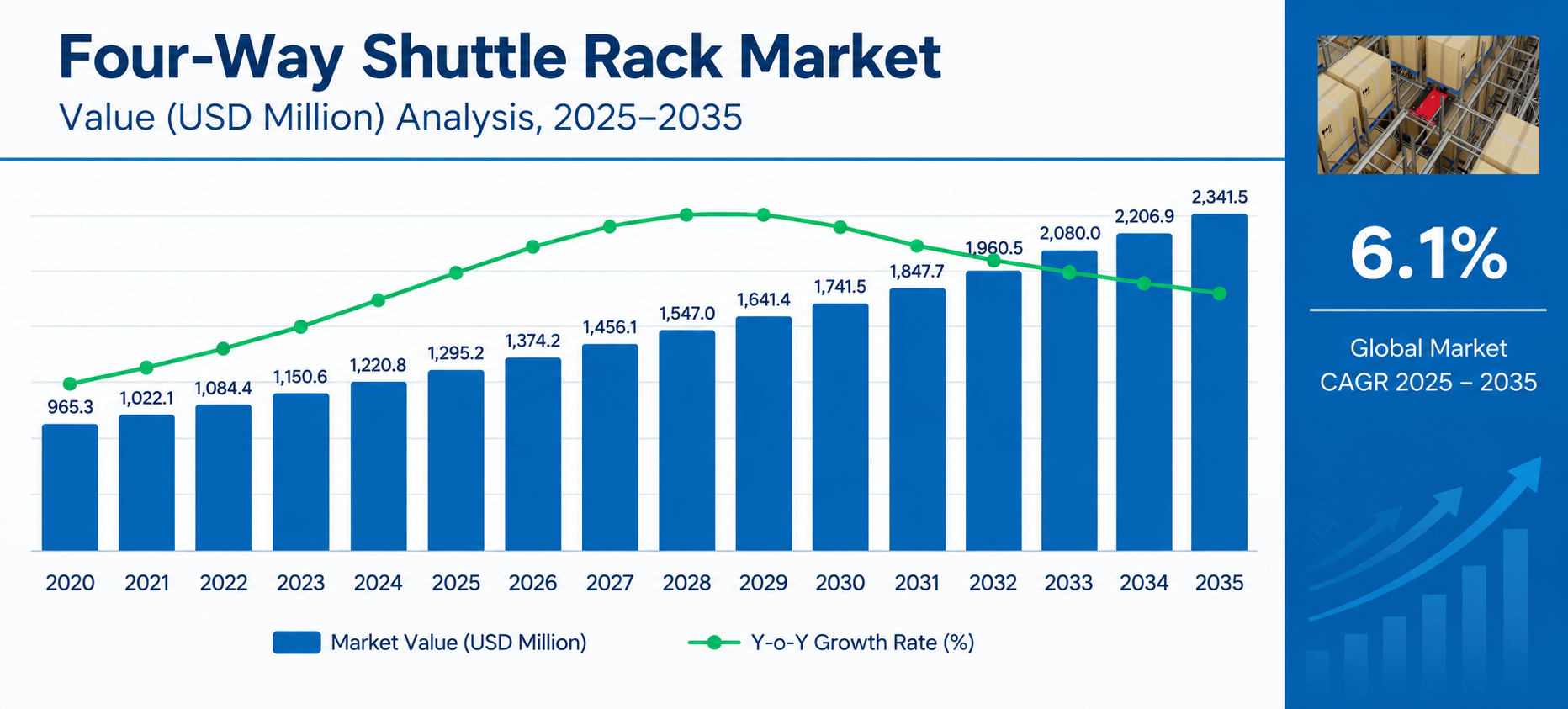
Zhuku View: Storage Density Is Only the Beginning
High storage density remains one of the most important advantages of four-way shuttle technology.
However, storage density alone does not determine warehouse performance.
A warehouse may have thousands of pallet positions, but if retrieval tasks are poorly scheduled, lifts become bottlenecks, shuttle traffic becomes congested or inventory information is inaccurate, additional storage capacity does not automatically translate into higher operational efficiency.
From Zhuku's perspective, the value of a four-way shuttle system should be evaluated across four interconnected dimensions:
Density → Throughput → Flexibility → Intelligence
Density determines how much inventory can be stored.
Throughput determines how efficiently inventory can move.
Flexibility determines how the system responds to changing operational requirements.
Intelligence determines how effectively the entire system coordinates resources.
This is why Zhuku believes the next stage of four-way shuttle development should focus increasingly on system-level performance rather than individual equipment specifications.
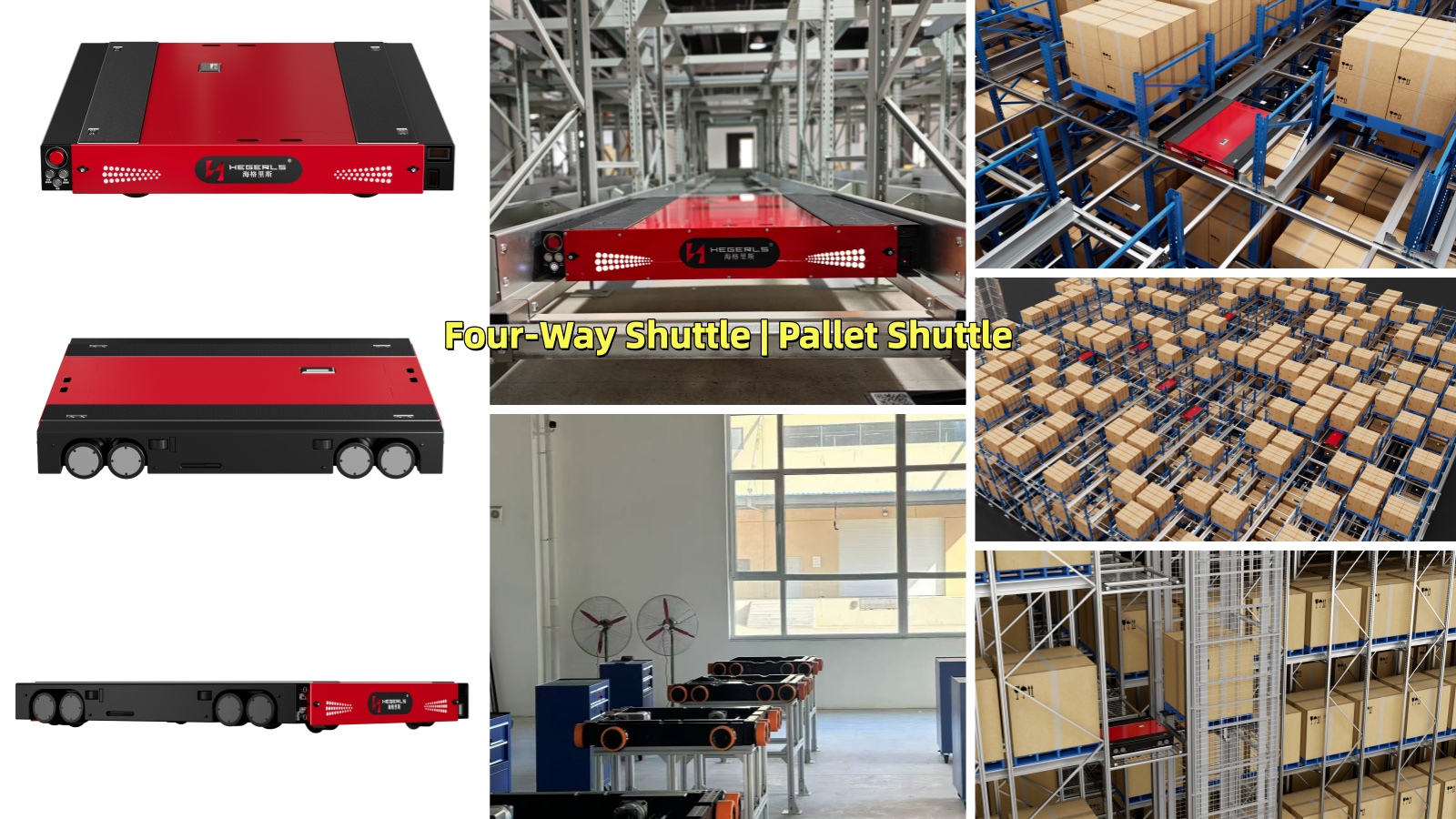
1. Four-Way Shuttle Is Becoming a Flexible AS/RS Platform
The traditional concept is relatively simple:
Shuttle + Rack
The modern concept is much broader:
Four-Way Shuttle + Rack + Lift + Conveyor + WCS + WMS + Fleet Management
This architecture allows four-way shuttles to become part of a complete pallet AS/RS.
Zhuku is an example of this evolution. Its four-way roaming shuttle can travel forward, backward, laterally and vertically through integrated lift systems. The system is designed for dynamic routing, flexible aisle transitions and scalable high-density pallet storage.
The significance goes beyond one product.
It demonstrates how four-way shuttle systems are increasingly being positioned as warehouse infrastructure rather than standalone machines.
2. Dynamic Routing Is Becoming a Core Capability
The ability to move in four directions is only the physical foundation.
The next question is:
Where should the shuttle go next?
In a multi-shuttle warehouse, the control system may need to continuously coordinate:
-
Storage tasks
-
Retrieval tasks
-
Shuttle assignment
-
Lift allocation
-
Traffic conditions
-
Order priorities
-
Battery status
-
Congestion
-
Equipment availability
This is where dynamic routing and fleet management become critical.
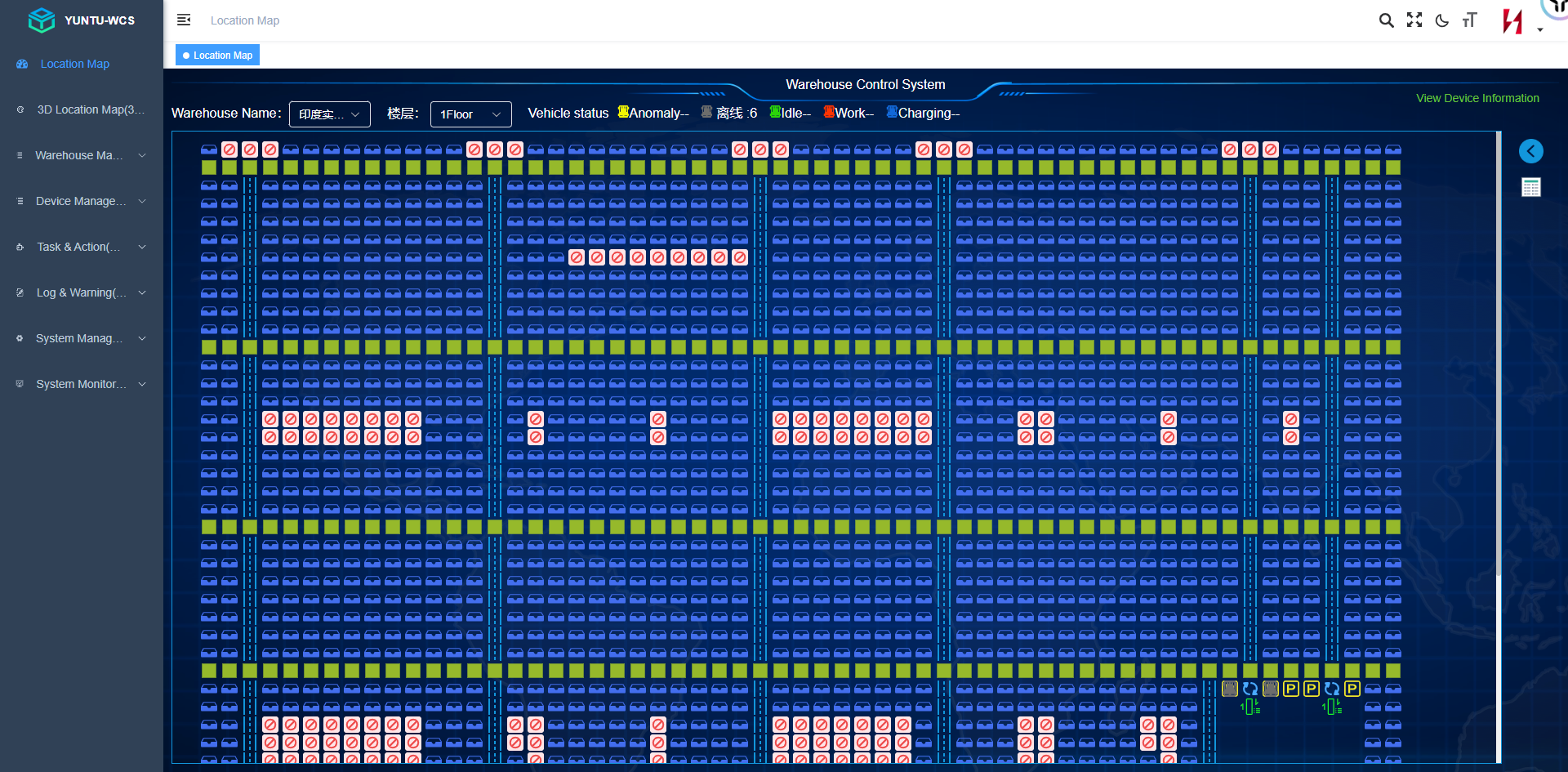
Zhuku's current four-way shuttle architecture specifically emphasizes dynamic routing and workload balancing, while its control software coordinates shuttles and lifts as part of the wider pallet AS/RS.
Zhuku View
Four-way mobility creates flexibility. Software converts that flexibility into operational performance.
A faster shuttle does not necessarily make a faster warehouse if vehicles spend too much time waiting for lifts, avoiding congestion or receiving inefficient task assignments.
3. The Competition Is Moving from Single-Shuttle Performance to Fleet Intelligence
A single four-way shuttle is relatively easy to evaluate.
Its:
-
Travel speed
-
Load capacity
-
Positioning accuracy
-
Battery capacity
-
Charging time
can all be measured.
But modern automated warehouses rarely operate one shuttle.
They may operate dozens of autonomous vehicles simultaneously.
At that scale, a new challenge appears:
How can multiple robots work together without creating congestion?
Recent research into multi-agent logistics in constrained warehouse environments has focused on collision-free routing, protected waiting locations and dynamic coordination between multiple robots. Research published in August 2026 demonstrates that fleet-level planning can materially affect completion time and operational reliability in dense layouts.
This is highly relevant to four-way shuttle systems.
As fleet size increases, the warehouse needs increasingly sophisticated mechanisms for:
-
Task allocation
-
Route planning
-
Traffic control
-
Priority management
-
Conflict resolution
-
Battery scheduling
-
Fault recovery
The future competitive advantage may therefore shift from vehicle intelligence to fleet intelligence.
4. AI Is Moving from Analysis Toward Execution
Artificial intelligence is becoming another important layer in warehouse automation.
Traditional warehouse software primarily focuses on:
-
Inventory management
-
Task management
-
Reporting
-
Monitoring
-
Equipment control
The next generation is moving toward AI-assisted decision-making.
Potential applications include:
AI Slotting
Automatically selecting storage locations according to product velocity, weight, dimensions and order relationships.
AI Task Allocation
Assigning tasks to the most suitable shuttle according to location, workload and battery status.
Predictive Maintenance
Identifying abnormal equipment behavior before a failure affects warehouse operations.
Dynamic Scheduling
Adjusting task priorities according to real-time demand.
Digital Twin Optimization
Simulating warehouse operations before implementing changes in the physical facility.
This development is consistent with a broader 2026 industry direction toward connected, AI-enabled logistics operations. Hyundai GLOVIS, for example, has described a move from equipment-centered automation toward connected “Physical AI” in which AI, control platforms and robots work together across inbound, storage, transfer, picking and outbound processes.
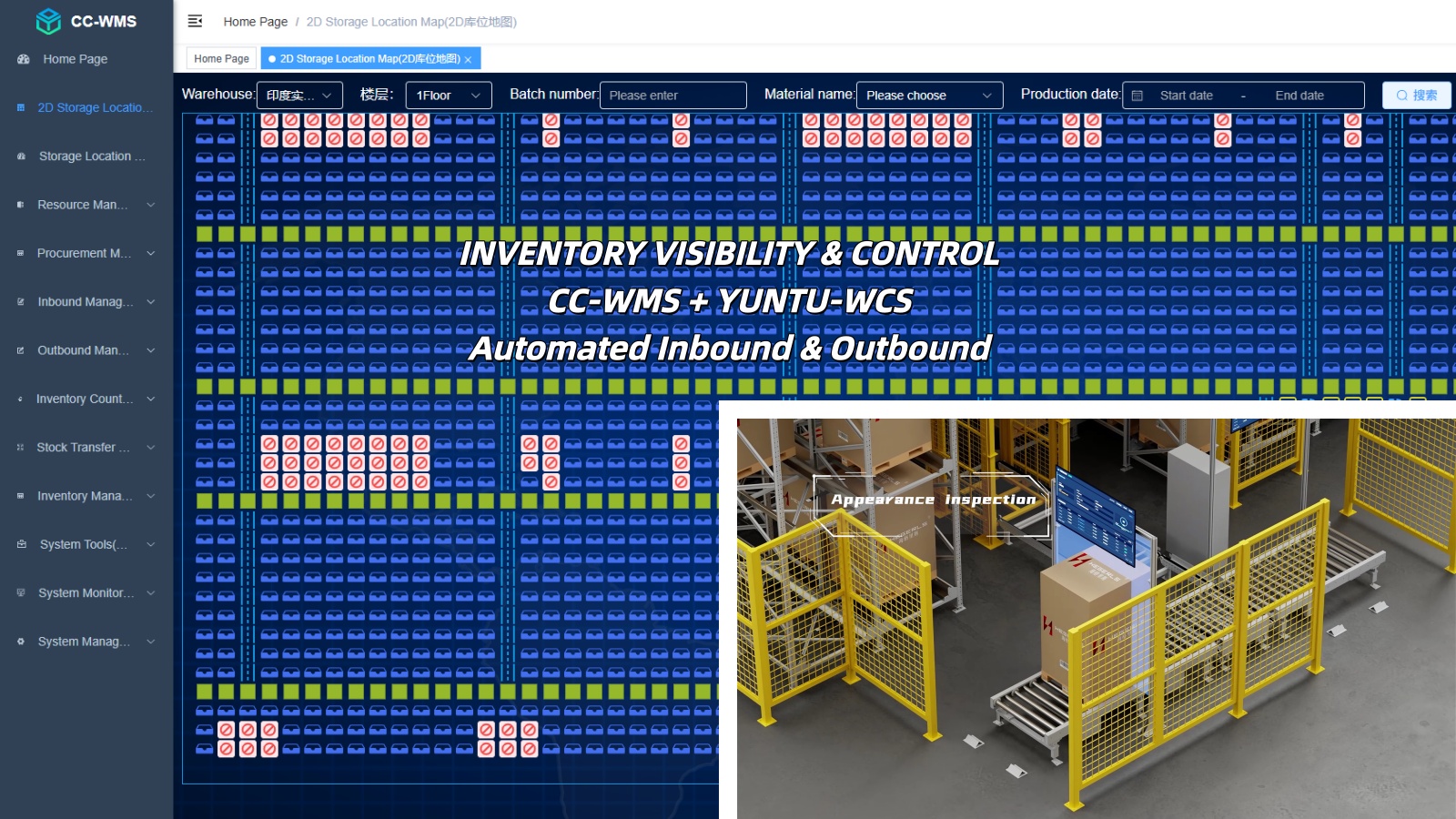
5. Modular Automation Will Become More Important
Warehouse demand rarely remains constant.
A business may require 8,000 pallet positions today and 15,000 several years later.
This creates a strong case for modular automation.
A scalable four-way shuttle system can potentially expand through:
-
Additional shuttle vehicles
-
More storage modules
-
Additional lifts
-
More conveyors
-
Expanded charging capacity
-
Additional software capacity
This makes four-way shuttle technology attractive for companies that want to automate progressively rather than build an entire automation system at once.
Zhuku's four-way shuttle systems positioning explicitly emphasizes modularity and scalability as storage requirements evolve.
Zhuku View
The best warehouse automation system is not necessarily the one with the highest initial capacity. It may be the one that can adapt most efficiently to the next five or ten years of business growth.
6. Cold Storage Is Becoming an Important Application
Cold-chain logistics presents a particularly strong case for automated pallet storage.
Operators must deal with:
-
Expensive warehouse space
-
Low-temperature working environments
-
Labor challenges
-
High pallet volumes
-
Energy-sensitive operations
-
Strict inventory requirements
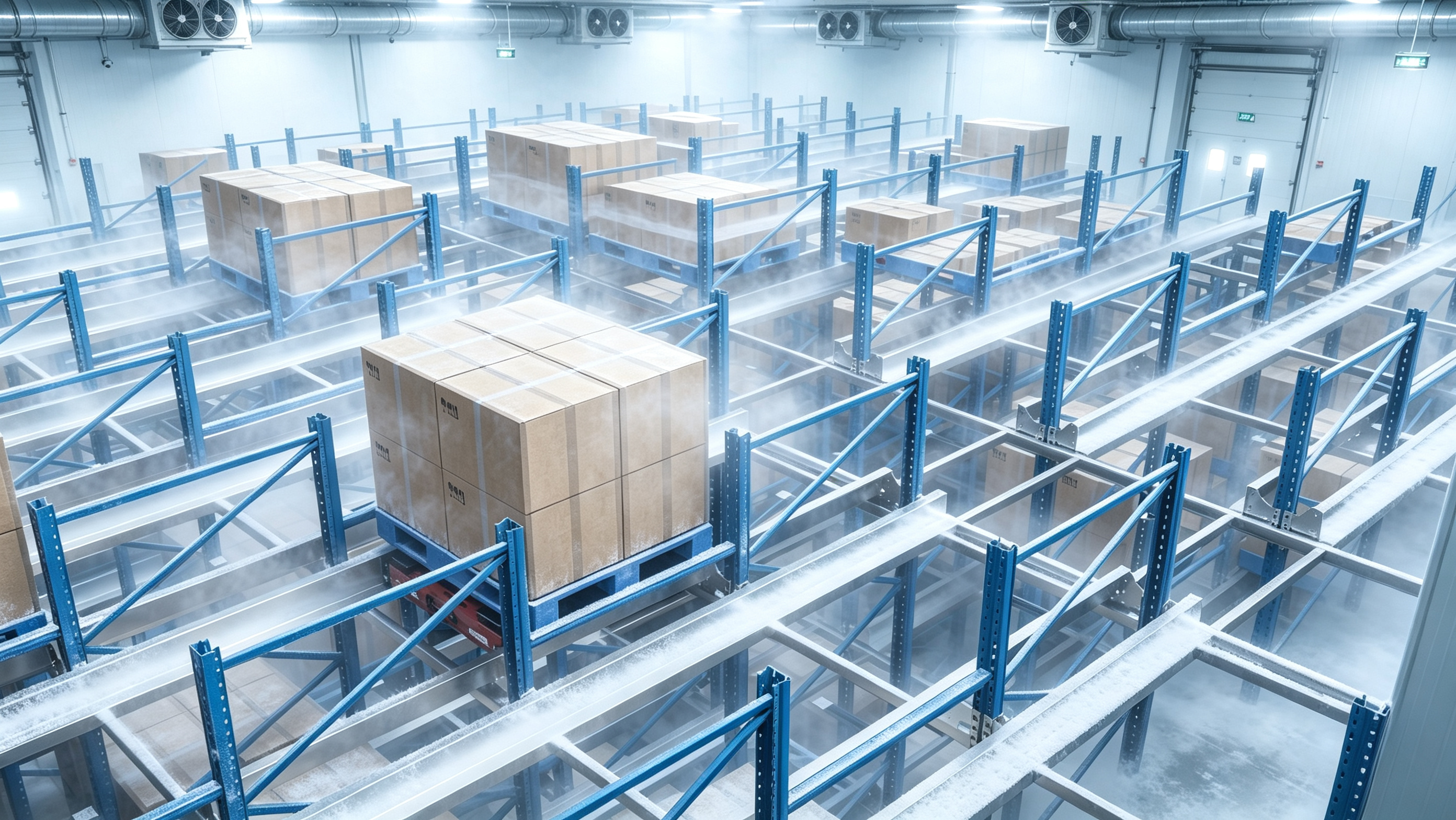
Automation can reduce manual forklift activity inside cold environments while increasing storage density.
Modern four-way shuttle systems are increasingly being designed for chilled and frozen environments. Zhuku's four-way shuttle system, for example, is specified for ambient and cold-storage applications down to -25°C.
This creates another opportunity for four-way shuttle technology:
Cold storage is not simply a storage-density problem. It is a reliability and operational-continuity problem.
Battery management, traffic control, equipment protection, maintenance strategy and software reliability all become important.
7. Four-Way Shuttle vs. Stacker Crane Is the Wrong Starting Question
Warehouse automation discussions often begin with:
Four-Way Shuttle vs. Stacker Crane
But this comparison is increasingly incomplete.
The better question is:
Which automation architecture best matches the warehouse's storage profile, throughput requirements, building characteristics and future expansion plans?
For example:
| Requirement | Four-Way Shuttle | Stacker Crane |
| High-density pallet storage | Excellent | Excellent |
| Deep-lane storage | Excellent | Good |
| Flexible aisle access | Excellent | Moderate |
| Modular expansion | Excellent | Moderate |
| Fleet-based operation | Excellent | Limited |
| Very high warehouse height | Good | Excellent |
| Dynamic routing | Excellent | Good |
| Cold-storage applications | Excellent | Good |
| Retrofit potential | High | Moderate |
| Best suited to | Flexible high-density automation | Structured high-bay AS/RS |
In some warehouses, the best solution may not be one technology replacing another.
It may be a combination of:
Four-Way Shuttle + Stacker Crane + Lift + Conveyor + AMR
Zhuku View: There Is No One-Size-Fits-All Automation
Zhuku believes warehouse automation should start with warehouse requirements rather than equipment selection.
The right system depends on factors such as:
-
Building height
-
Warehouse footprint
-
Pallet dimensions
-
Load weight
-
SKU profile
-
Inventory turnover
-
Required throughput
-
Inbound/outbound flow
-
Temperature conditions
-
Expansion plans
-
Existing software
-
Automation budget
For this reason, selecting a four-way shuttle simply because it provides high density may not be enough.
The system must be designed around the actual operating logic of the warehouse.
This is where system integration becomes increasingly important.
8. WMS and WCS Are Becoming Strategic Components
As warehouse automation becomes more complex, software can no longer be treated as an optional layer.
A modern architecture may look like:
ERP
↓
WMS
↓
WCS / WES
↓
Fleet Management
↓
Four-Way Shuttle + Lift + Conveyor + Robot
↓
Real-Time Warehouse Operations
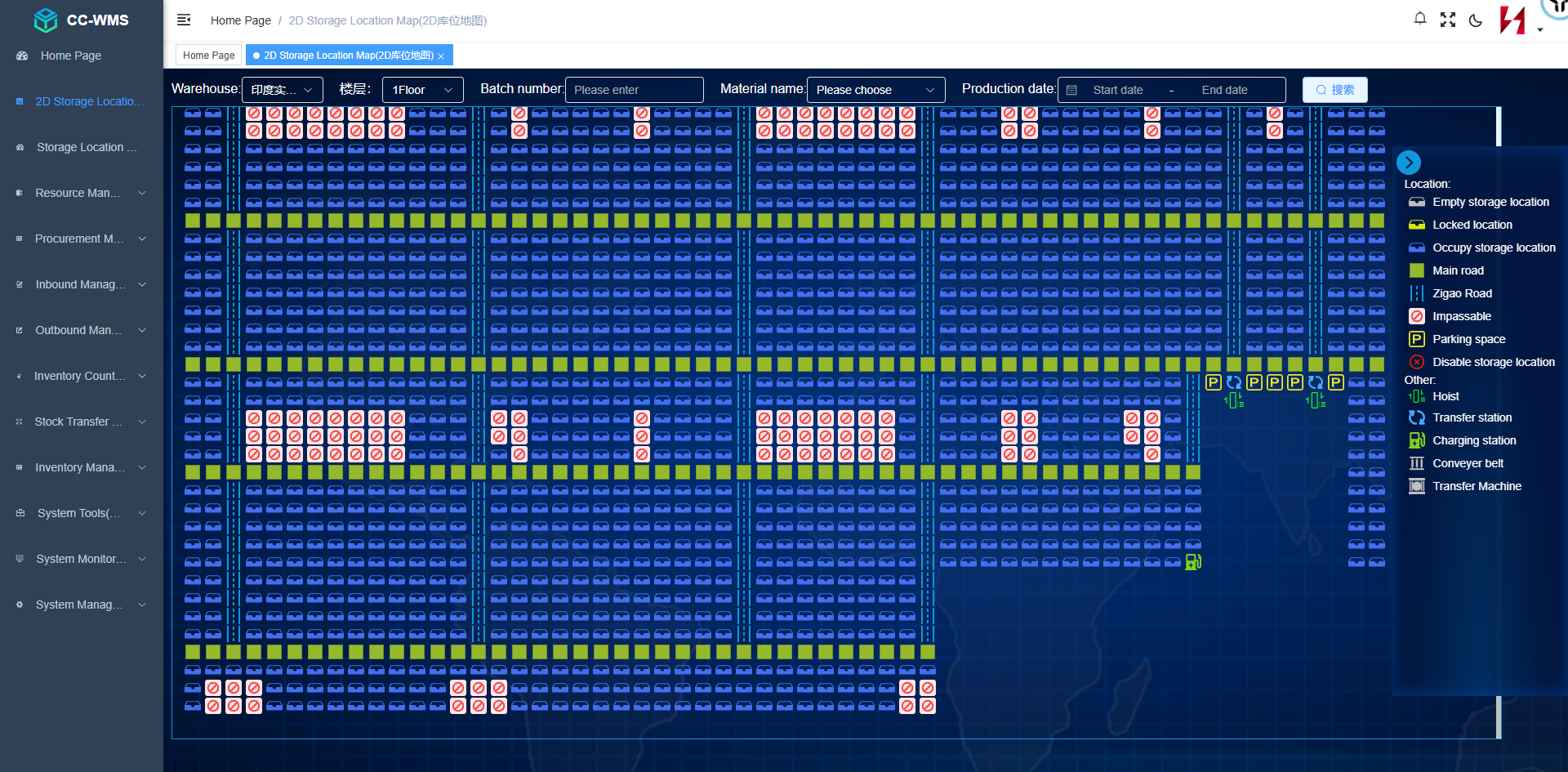
The WMS manages inventory and business-level tasks.
The WCS translates those requirements into equipment-level execution.
Fleet management coordinates individual robots.
The equipment executes the physical movement.
This architecture creates a closed operational loop between inventory, decisions and physical execution.
The 2026 strategic partnership between Jungheinrich and Movu reflects this direction, with the companies emphasizing WMS integration, standardized interfaces, solution design and coordinated service alongside four-way shuttle technology.
9. What Should Warehouse Operators Evaluate in 2026?
When evaluating a four-way shuttle system, buyers should look beyond the equipment datasheet.
A more complete framework includes:
| Evaluation Area | Key Questions |
| Storage Density | How many pallet positions can the system create? |
| Throughput | What is the actual system throughput under peak conditions? |
| Flexibility | Can shuttles access different lanes and levels? |
| Fleet Management | How are multiple shuttles coordinated? |
| Software | How are WMS and WCS integrated? |
| Reliability | What happens when a shuttle, lift or conveyor fails? |
| Cold Storage | Can the system operate reliably at the required temperature? |
| Scalability | Can capacity be expanded later? |
| Maintenance | How are batteries, spare parts and service managed? |
| ROI | How does the complete system affect labor, space and throughput? |
The key point is simple:
Do not evaluate a four-way shuttle as an isolated machine. Evaluate it as part of an automated warehouse system.
10. Where Is Four-Way Shuttle Technology Heading?
Looking ahead, four-way shuttle systems are likely to become:
More Autonomous
Less manual intervention and more automated decision-making.
More Intelligent
AI-assisted slotting, scheduling, routing and maintenance.
More Connected
Closer integration between ERP, WMS, WCS, WES and robotic equipment.
More Modular
Systems that can expand with business growth.
More Application-Specific
Solutions designed for cold storage, manufacturing, 3PL, food and beverage, retail and other specialized environments.
More System-Oriented
Greater emphasis on total warehouse performance rather than individual vehicle specifications.
Zhuku Perspective: The Next Generation of Four-Way Shuttle Technology
Zhuku sees the evolution of four-way shuttle technology as a transition through three stages:
Stage 1 — High-Density Storage
The primary objective is to store more pallets in less space.
↓
Stage 2 — Automated Material Flow
Four-way shuttles become integrated with lifts, conveyors, WMS and WCS.
↓
Stage 3 — Intelligent Warehouse Infrastructure
AI, fleet management, real-time data and multiple robotic systems work together to continuously optimize warehouse operations.
The third stage is where the industry is heading.
The question is no longer simply:
How fast can a four-way shuttle move?
The more important question is:
How intelligently can the entire warehouse move?
Conclusion: From Four-Way Shuttle to Intelligent Warehouse Infrastructure
The four-way shuttle is evolving beyond its original role as a high-density storage device.
Its future lies in its ability to become part of a broader automation ecosystem:
High-Density Racking
+
Four-Way Shuttle
+
Lift & Conveyor Systems
+
WMS / WCS
+
Fleet Management
+
AI Optimization
+
Real-Time Data
This evolution creates new possibilities for warehouse operators seeking higher storage density, greater flexibility and more scalable automation.
At the same time, it changes how automation systems should be designed.
The objective should not be to select the most advanced machine.
The objective should be to build the right warehouse system.
Looking for the right four-way shuttle solution?
Every warehouse has different requirements for storage density, throughput, building height, pallet specifications and automation level.
Share your warehouse drawing, pallet specifications and storage requirements with Zhuku. Our engineering team can evaluate the warehouse layout and recommend a suitable four-way shuttle, AS/RS or hybrid automation architecture.