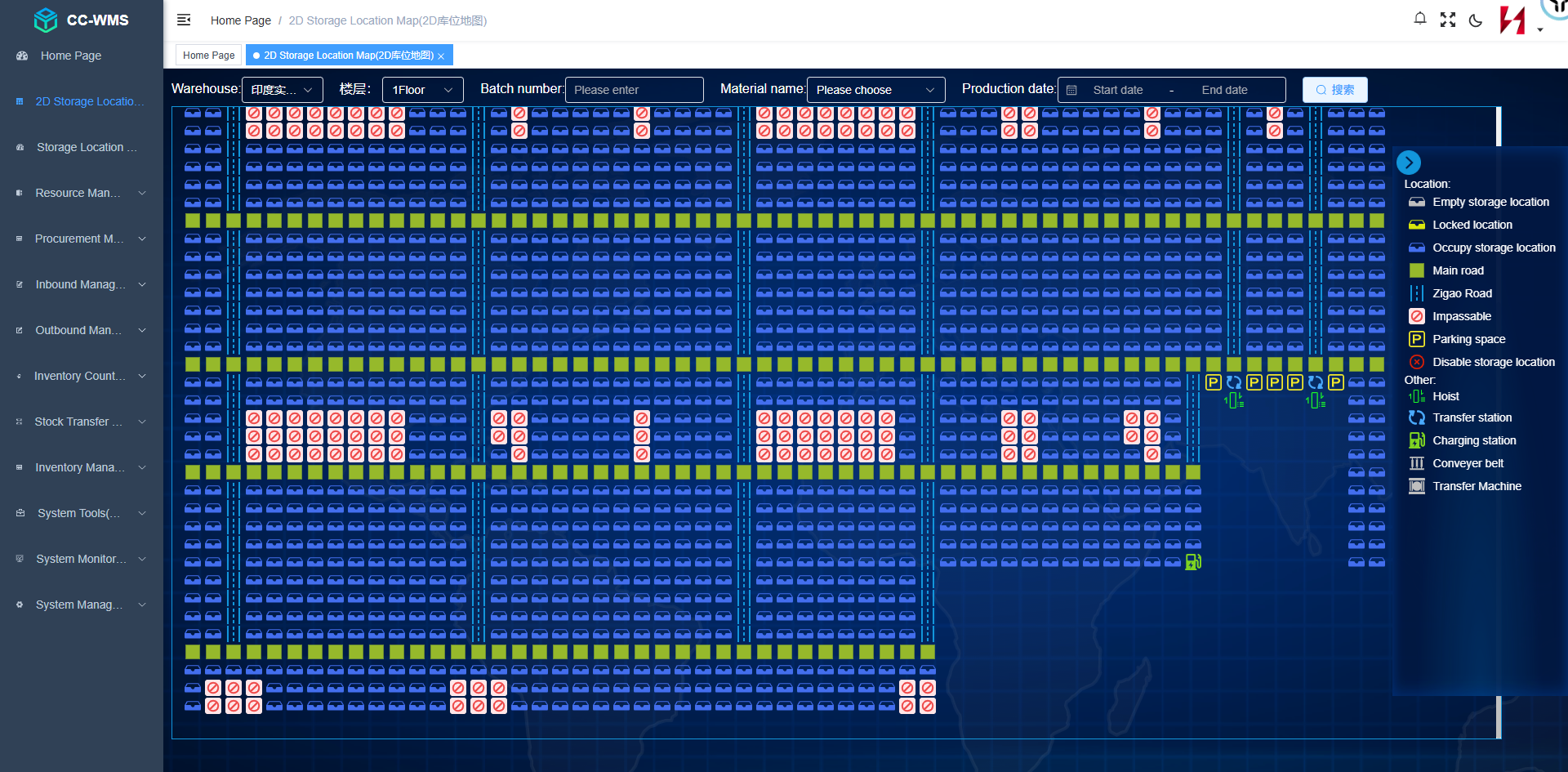
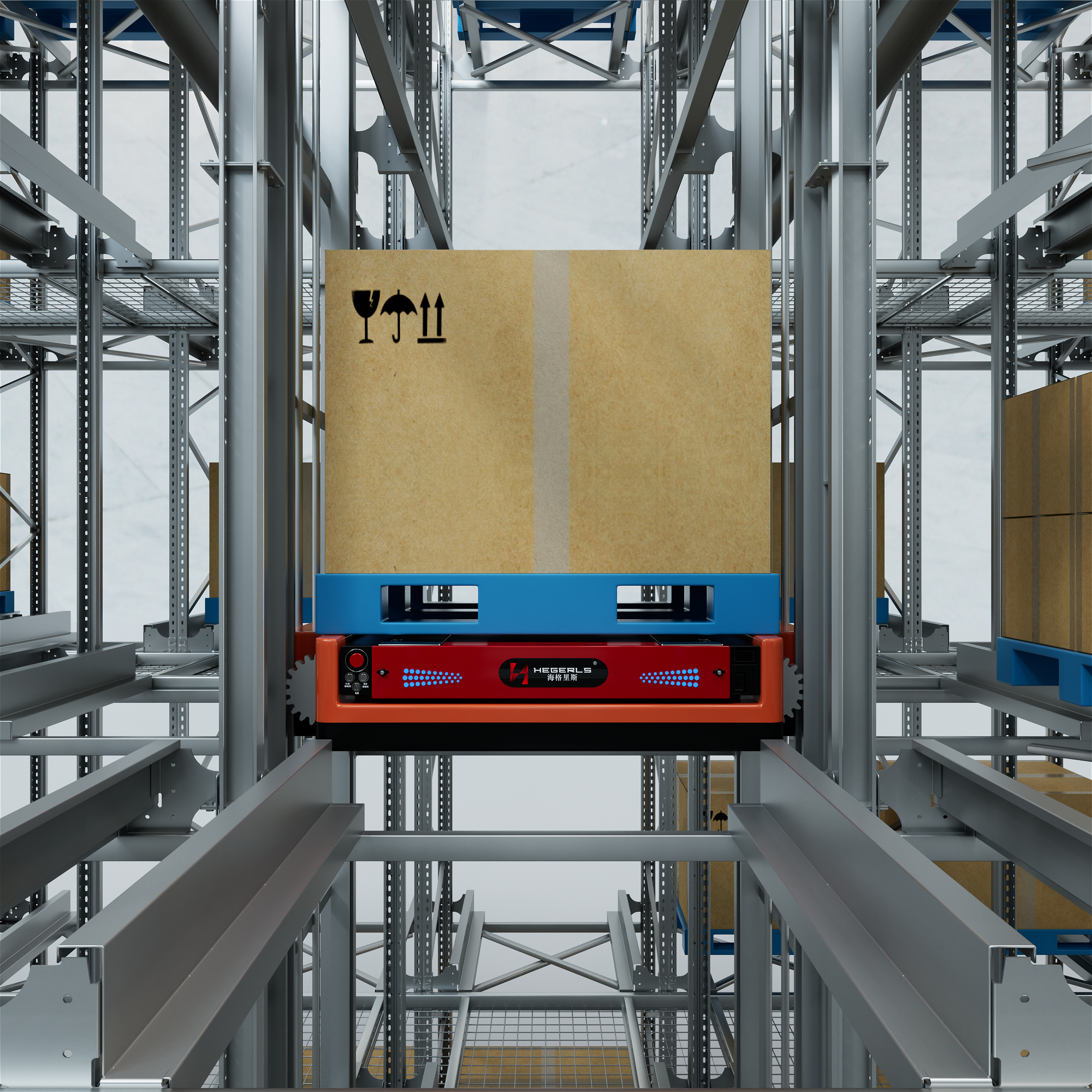
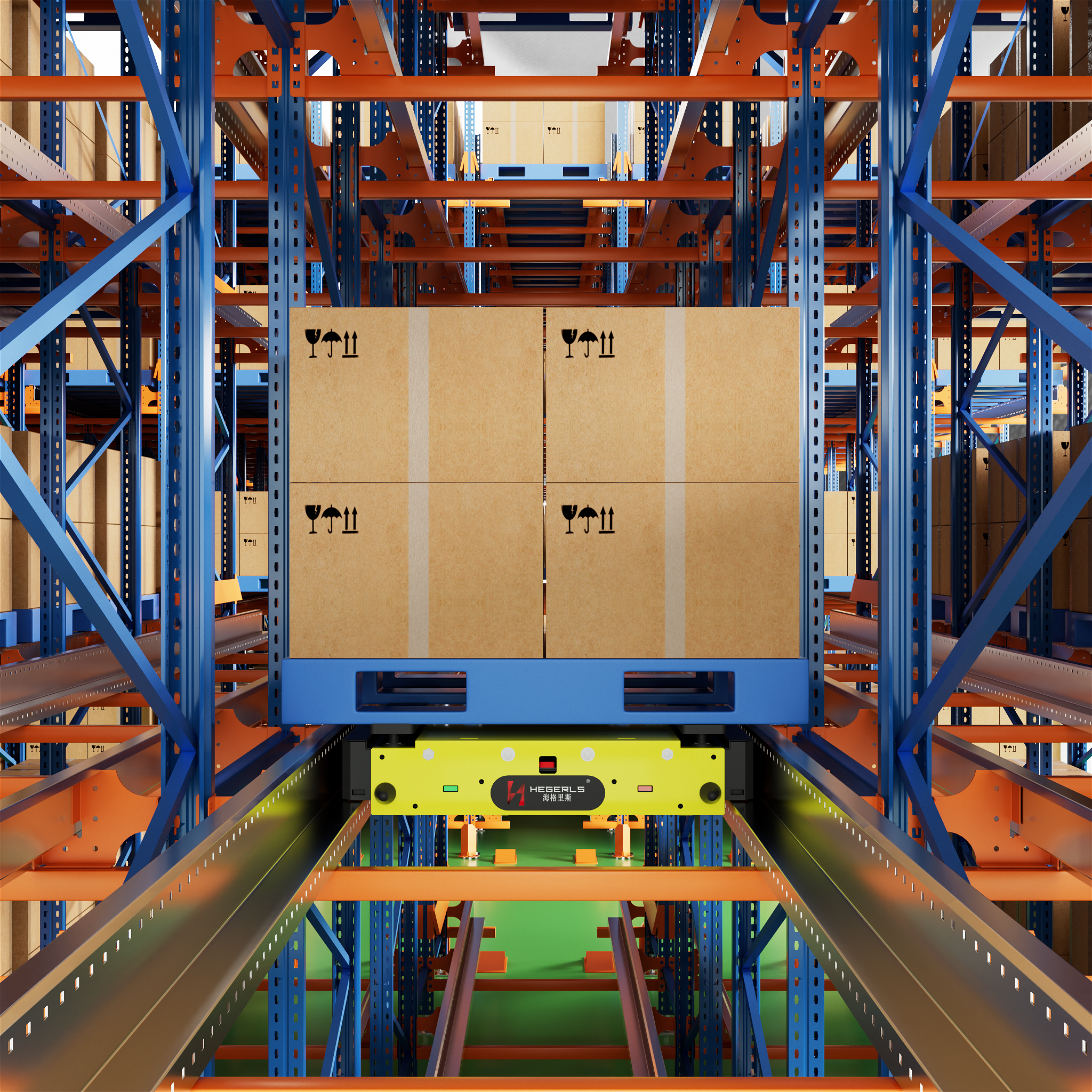
As warehouses face increasing pressure to process more orders with greater accuracy while reducing labor costs, automated storage systems have become a key investment for manufacturers, distributors, retailers, and third-party logistics providers.
Traditional warehouses often struggle with limited storage capacity, inefficient picking, labor shortages, and inventory inaccuracies. In contrast, automated storage and retrieval systems (ASRS) use intelligent equipment and software to automate the storage, retrieval, and movement of goods, enabling higher throughput and more efficient use of warehouse space.
Today, automated storage is no longer limited to large enterprises. Modular and scalable technologies make automation accessible to businesses of various sizes, supporting industries such as manufacturing, automotive, pharmaceuticals, food and beverage, cold chain logistics, e-commerce, and retail distribution.
This guide explains everything you need to know about automated storage, including:
- What is ASRS?
- ASRS meaning
- How automated storage works
- Types of ASRS systems
- Key benefits
- Industry applications
- Future trends
- How to choose the right automation solution
Whether you are planning a new warehouse or upgrading an existing facility, understanding automated storage technologies will help you make informed investment decisions.
What Is Automated Storage and Retrieval System (ASRS)?
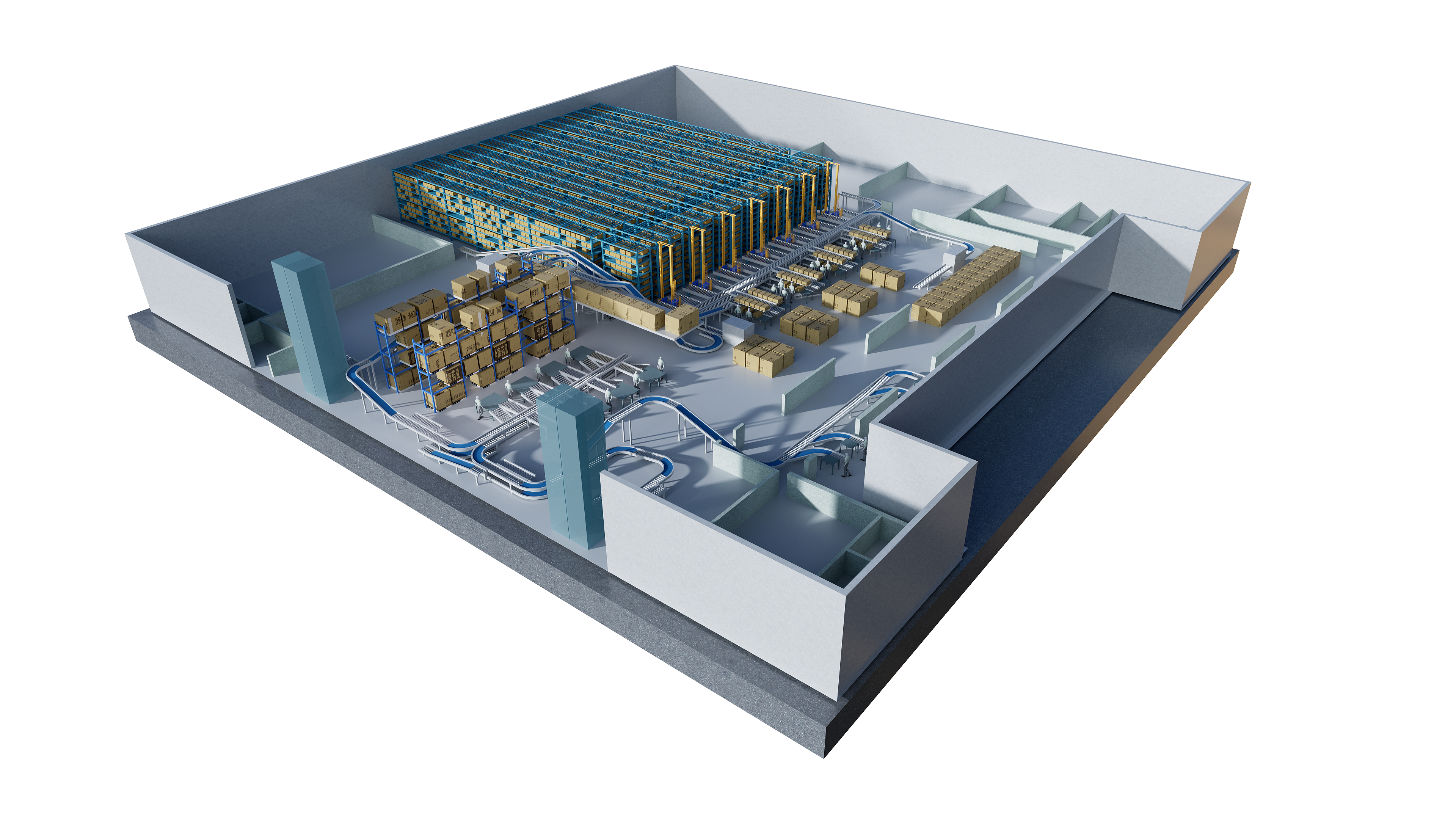
An Automated Storage and Retrieval System (ASRS) is a warehouse automation system that uses software-controlled equipment to automatically store, locate, retrieve, and move inventory within a defined storage area. Depending on the application, an ASRS may use stacker cranes, shuttles, lifts, conveyors, robots, or other automated handling equipment integrated with WMS and WCS software.
What Does ASRS Mean?
ASRS stands for Automated Storage and Retrieval System. The term describes the complete automated storage solution rather than a single machine. An ASRS typically combines storage structures, material-handling equipment, control systems, and warehouse software to manage inventory movement.
What Is Automated Storage?
Automated storage refers to the use of automated equipment and software to place and retrieve goods with reduced manual handling. Compared with conventional warehouse storage, automated storage can provide more controlled inventory movement, better use of vertical space, and more consistent storage and retrieval processes.
Is a Stacker Crane the Same as an ASRS?
No. A stacker crane is a type of automated handling equipment used in many ASRS systems. ASRS refers to the complete automated storage and retrieval system.
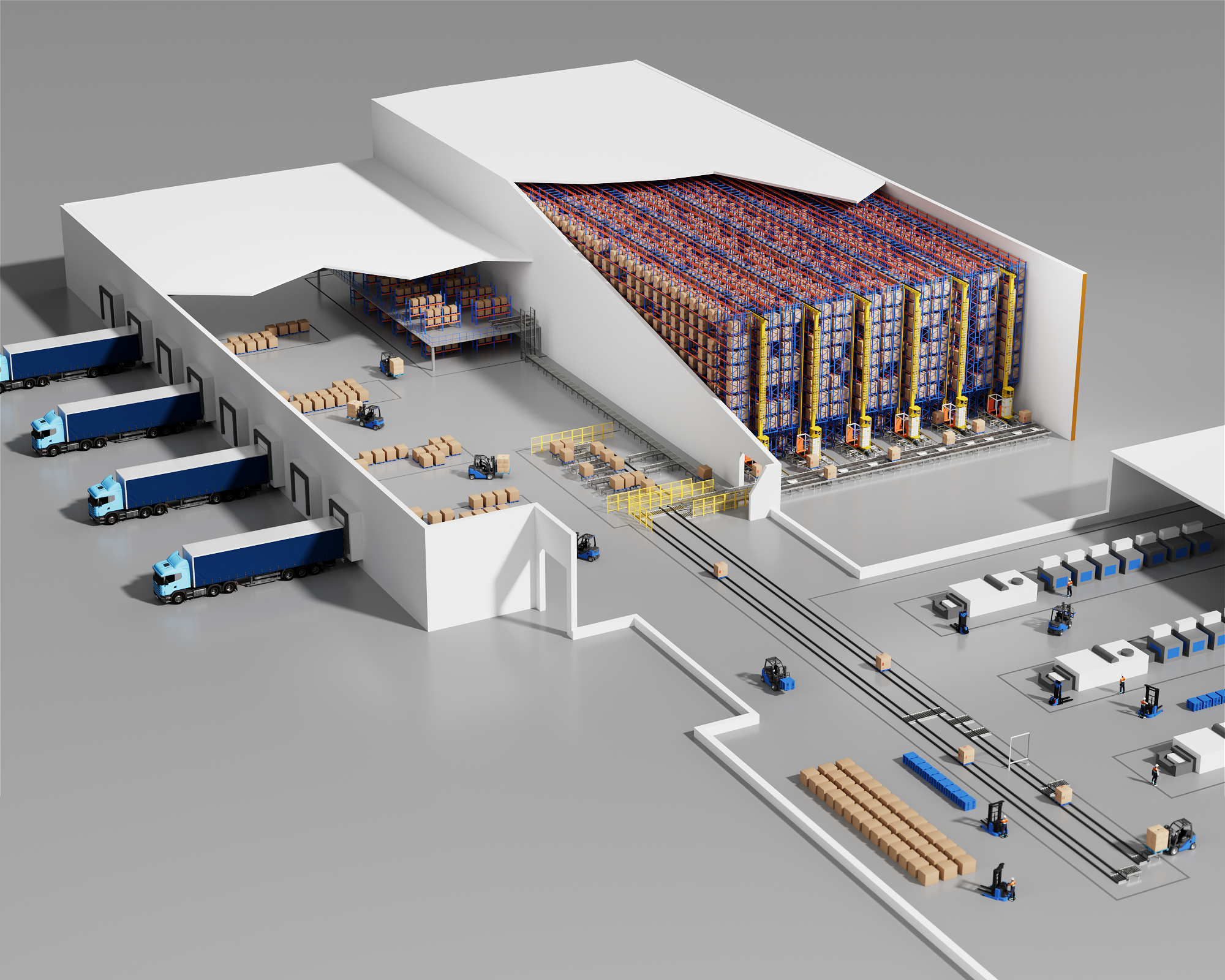
A pallet stacker-crane AS/RS may include:
- high-bay racking;
- stacker cranes;
- conveyors;
- lifts;
- safety systems;
- control systems;
- WMS/WCS software; and
- interfaces with upstream and downstream warehouse processes.
This distinction is important when comparing ASRS solutions. A crane's speed or lifting capacity alone does not determine the performance of the complete warehouse.
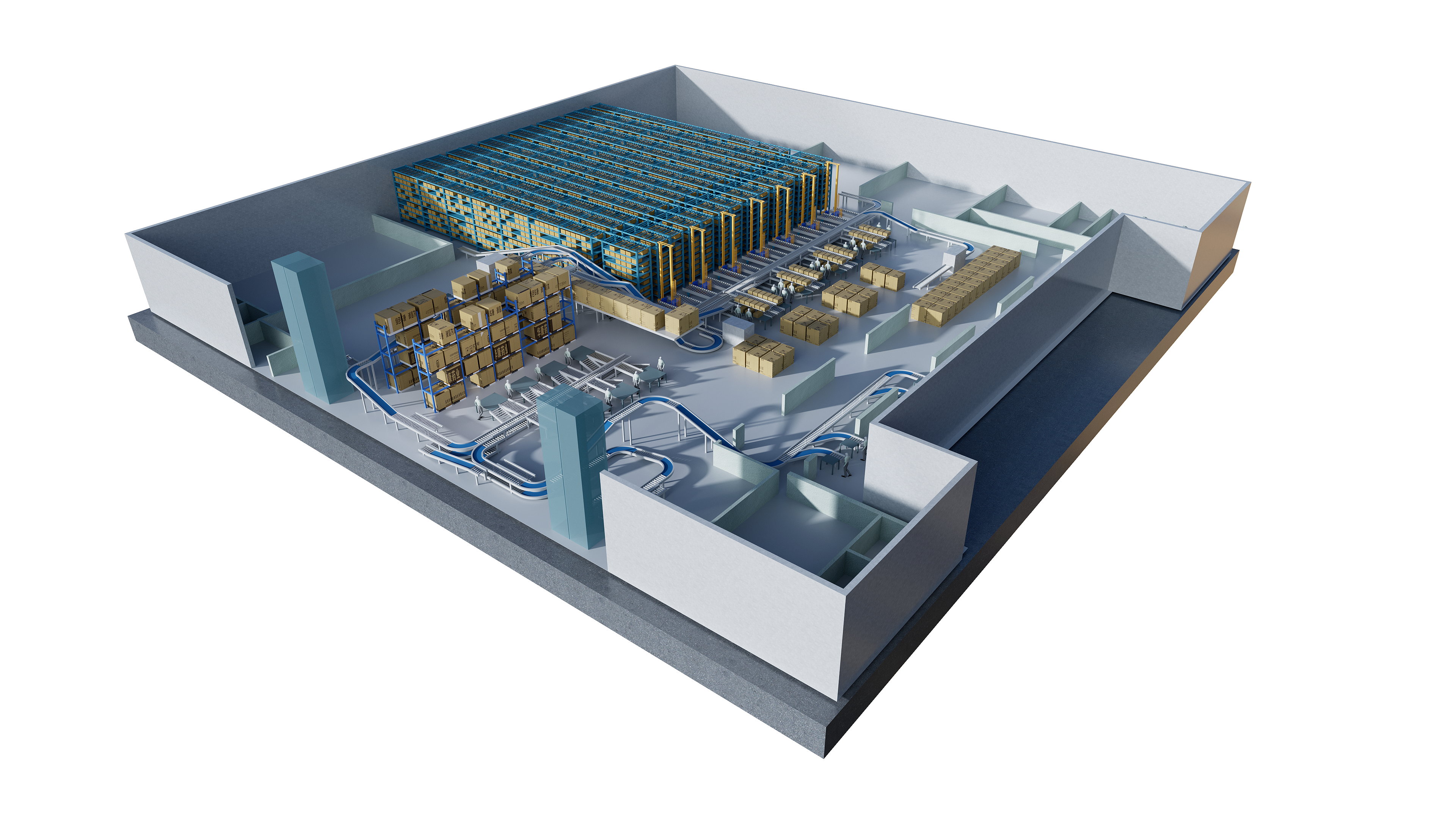
How Is ASRS Different from Traditional Storage?
Traditional warehouses generally rely on forklifts, manual picking, and operator-controlled storage and retrieval. ASRS uses software-directed equipment to execute storage and retrieval tasks according to predefined rules and warehouse orders.
| Feature | Traditional Warehouse | ASRS Warehouse |
| Storage method | Manual operation | Automated storage |
| Space utilization | Moderate | High |
| Inventory tracking | Manual | Digital real-time |
| Labor requirement | High | Lower |
| Retrieval process | Worker-driven | System-driven |
| Accuracy | Depends on operators | Very high |
| Operation hours | Limited | 24/7 capability |
| Scalability | Difficult | Flexible expansion |
How Does an Automated Storage and Retrieval System Work?
A typical warehouse ASRS system follows a simple but highly intelligent workflow.
Step 1: Goods Arrival
Products arrive at receiving stations and are identified using barcode or RFID technology.
Step 2: Inventory Registration
The Warehouse Management System records:
- SKU
- Quantity
- Weight
- Dimensions
- Destination
Step 3: Storage Allocation
The software automatically determines the optimal storage location based on:
- Inventory turnover
- Available space
- Product dimensions
- FIFO or FEFO requirements
Step 4: Automated Storage
Equipment such as stacker cranes or shuttle systems transports the goods to the designated storage location.
Step 5: Inventory Monitoring
The Warehouse Management System continuously tracks inventory status in real time.
Step 6: Automated Retrieval
When an order is received, the system automatically retrieves the required inventory and transports it to picking or shipping stations.
This seamless process minimizes travel time, reduces handling errors, and improves warehouse throughput.
What Are the Main Components of ASRS Warehouse?
A modern ASRS warehouse integrates several technologies to function as one intelligent system.
| Component | Purpose |
| Storage Racking | High-density inventory storage |
| Stacker Crane | Vertical pallet handling |
| Shuttle System | Multi-directional pallet movement |
| Conveyor | Automated transportation |
| Lift | Vertical transfer |
| AGV / AMR | Flexible material movement |
| WMS | Inventory management |
| WCS | Equipment coordination |
Rather than operating independently, these technologies communicate in real time to optimize every storage and retrieval task.
Automated Warehouse Storage Systems Architecture
A complete automated warehouse storage system typically follows this architecture:
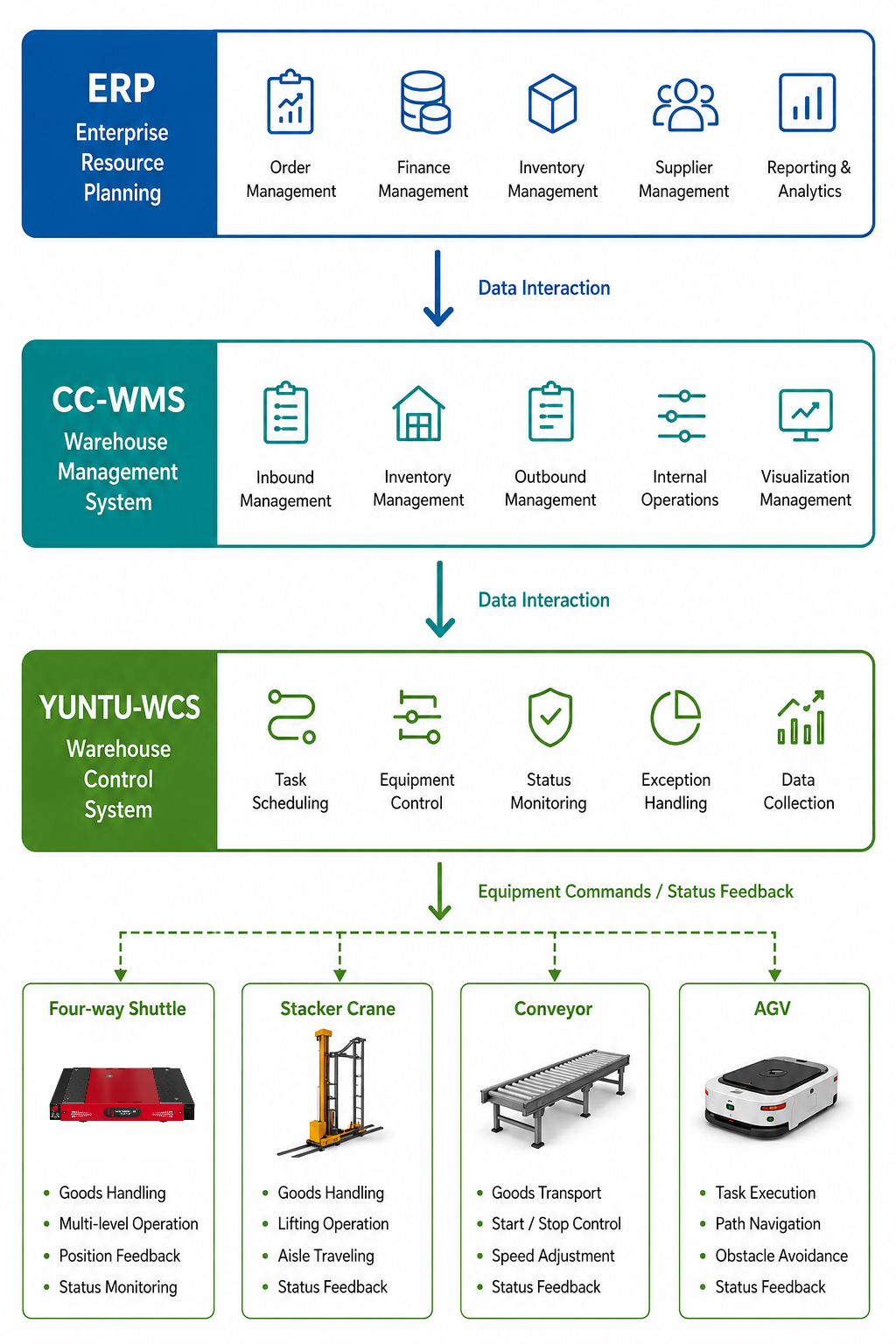
Each software layer plays a different role:
- ERP manages business processes.
- WMS manages inventory and warehouse operations.
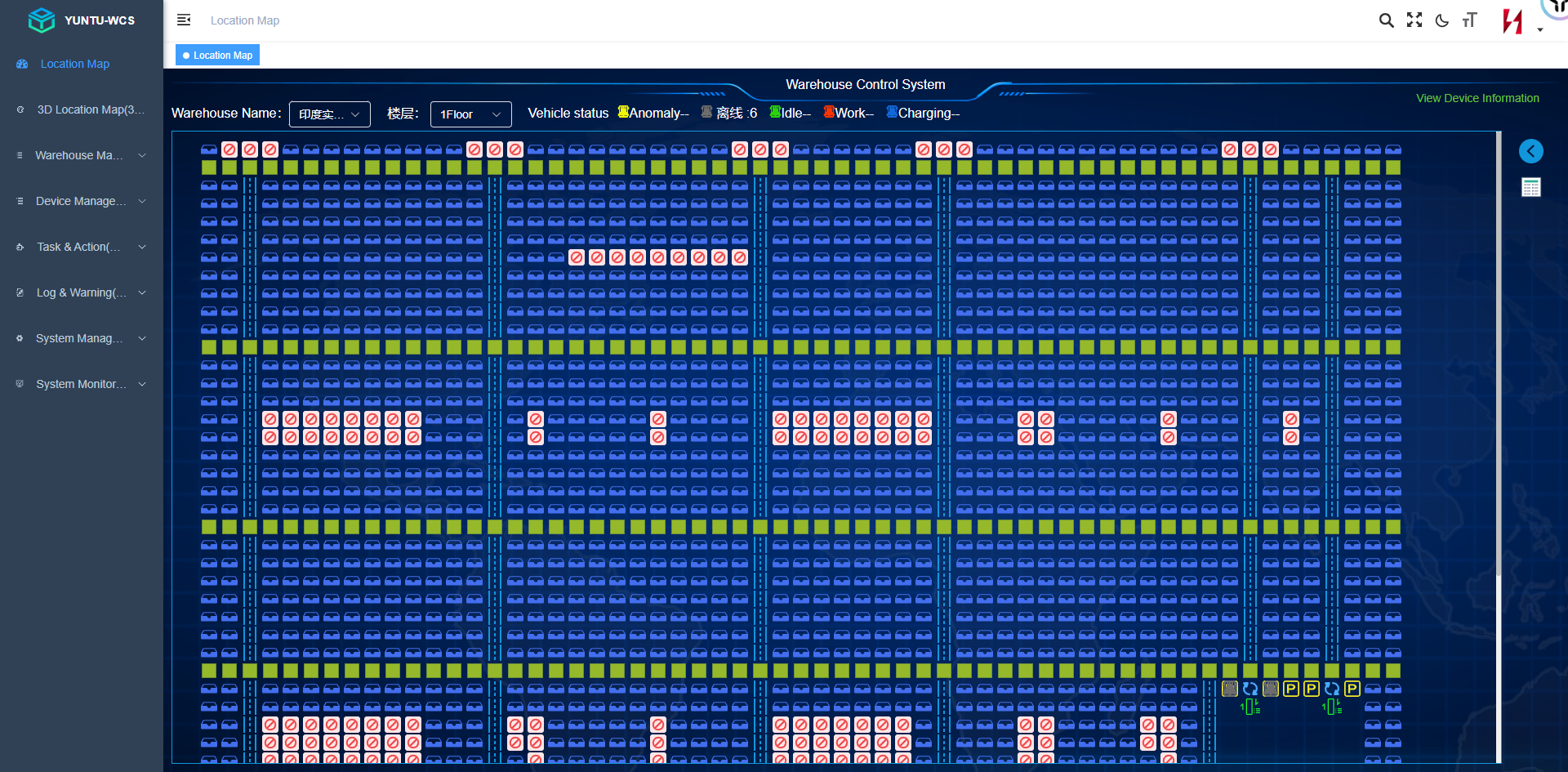
- WCS coordinates automated equipment.
- Automation hardware executes storage and retrieval tasks.
This layered architecture enables efficient communication between enterprise software and warehouse machinery.
What Are the Different Types of ASRS Systems?
ASRS systems can be classified by load type, storage architecture, handling technology, and application requirements. Common configurations include pallet/unit-load ASRS, stacker crane systems, shuttle-based ASRS, four-way shuttle ASRS, mini-load ASRS, robotic/bin systems, and vertical lift or carousel systems.
The best ASRS type is not determined by automation level alone. Load characteristics, storage capacity, inbound and outbound throughput, available height, SKU profile, operating temperature, warehouse layout, and future expansion requirements should all be considered during system design.
ASRS Types at a Glance
| ASRS Type | Typical Load | Main Equipment | Storage Density | Typical Applications |
| Pallet / Unit-Load ASRS | Pallets and unit loads | Stacker cranes, shuttles, lifts | High | Manufacturing, F&B, 3PL, distribution |
| Stacker Crane ASRS | Pallets | Stacker crane | High | High-bay warehouses, production logistics |
| Shuttle-Based ASRS | Pallets | Shuttle vehicles, lifts | Very high | High-density pallet storage |
| Four-Way Shuttle ASRS | Pallets | Four-way shuttles, lifts | Very high | Cold storage, F&B, manufacturing |
| Mini-Load ASRS | Bins, totes, cartons | Mini-load cranes or shuttles | High | E-commerce, spare parts, small-item storage |
| Bin / Robotic ASRS | Bins, totes, cartons | Storage robots and workstations | High | Piece picking, high-SKU operations |
| VLM / Carousel Systems | Small parts, tools, totes | Vertical lifts or carousels | High | Parts, tools, compact storage |
AS/RS selection should follow warehouse requirements, not the other way around.
1. Pallet / Unit-Load ASRS
Pallet or unit-load ASRS is designed for the automated storage and retrieval of palletized or standardized unit loads. These systems are commonly used when warehouses need to manage large quantities of pallet inventory while improving storage density and reducing manual material handling.
Depending on the project, pallet ASRS can use stacker cranes, shuttle vehicles, lifts, conveyors, or combinations of these technologies.
Typical applications include manufacturing warehouses, food and beverage distribution, third-party logistics, automotive parts, and other pallet-intensive operations.
2. Stacker Crane ASRS
Stacker crane ASRS uses automated cranes to move loads between storage locations and designated input or output points. The crane normally travels along an aisle and performs horizontal travel, vertical lifting, and load handling.
Stacker crane systems are well suited to high-bay warehouses where precise storage and retrieval and predictable material flow are important.
Typical applications include:
- High-bay pallet warehouses
- Manufacturing logistics
- Distribution centers
- Finished-goods storage
- Production buffer storage
A stacker crane is a type of automated handling equipment, while ASRS refers to the complete storage and retrieval system, including storage structures, handling equipment, controls, software, and related material-flow equipment.
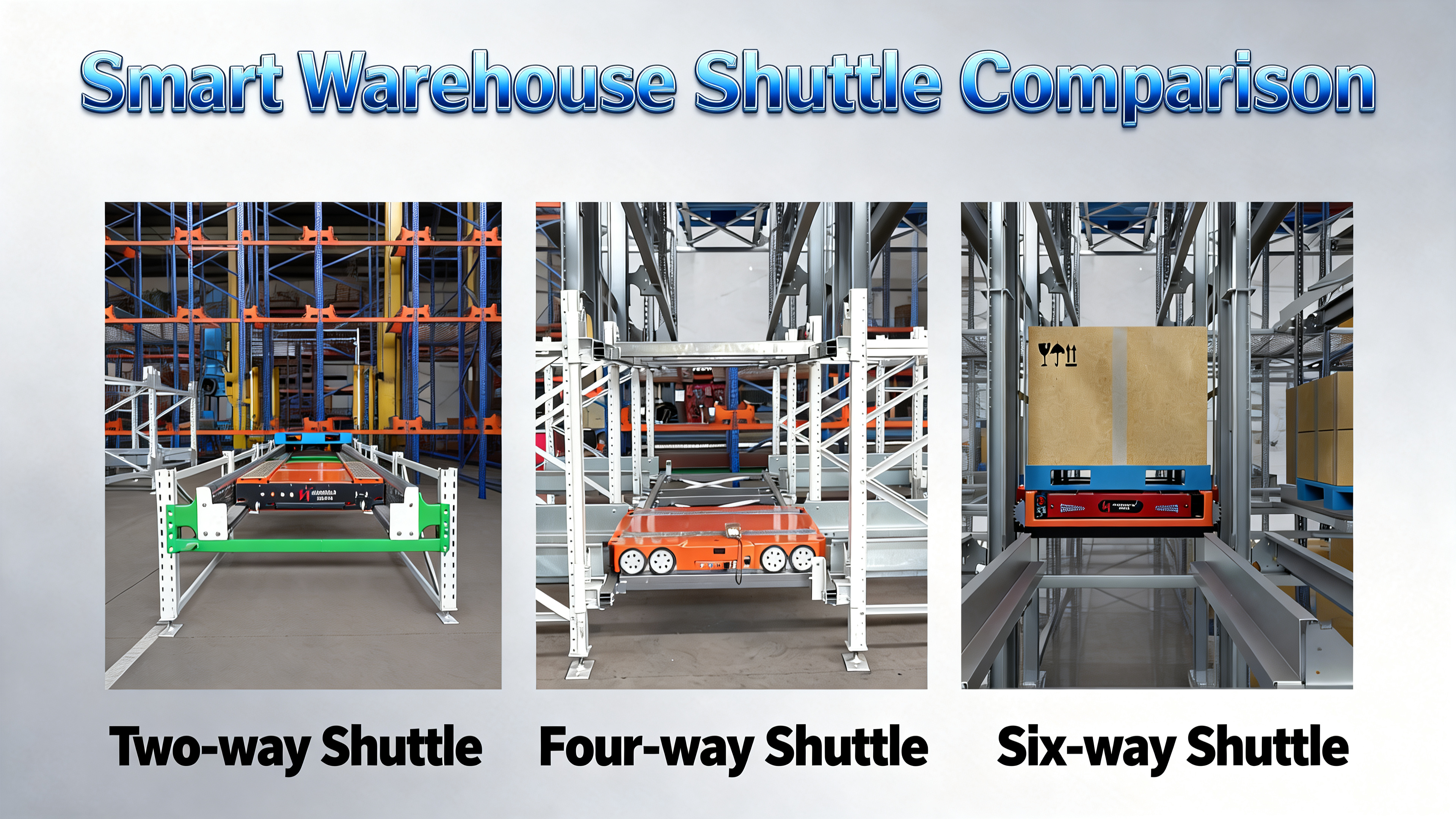
3. Shuttle ASRS
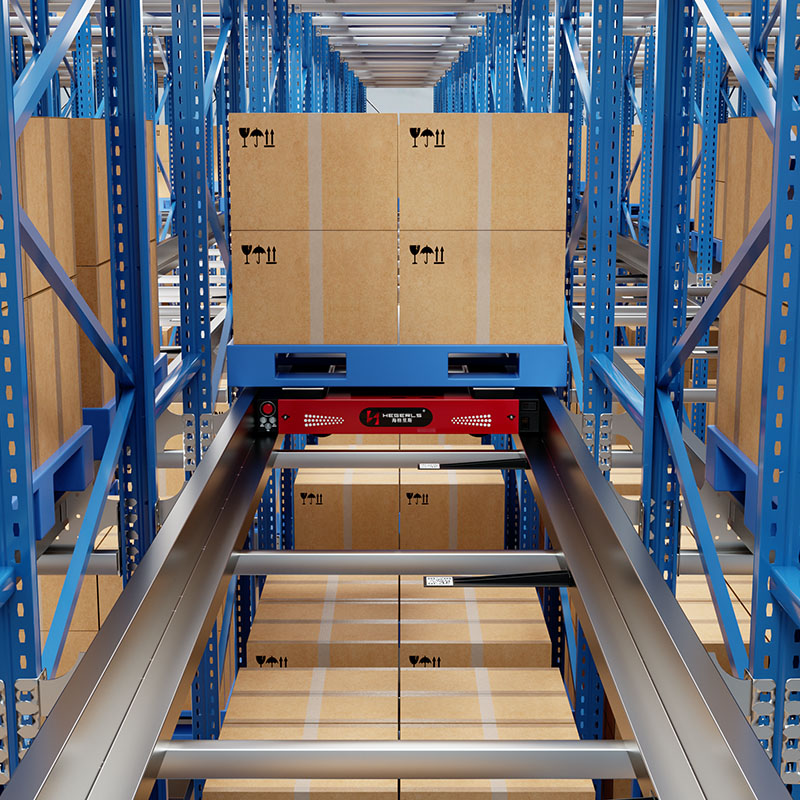
Shuttle-based ASRS uses autonomous shuttle vehicles to move pallets or other loads within dedicated storage lanes. Lifts, conveyors, or other transfer equipment can connect different storage levels and warehouse process areas.
Shuttle systems are particularly useful when high storage density and multi-deep storage are important. Depending on the system configuration and operating requirements, shuttle ASRS can support FIFO or LIFO storage strategies.
Typical applications include:
- High-density pallet storage
- Cold and frozen storage
- Food and beverage
- Manufacturing
- Buffer and distribution warehouses
4. Four-Way Shuttle ASRS
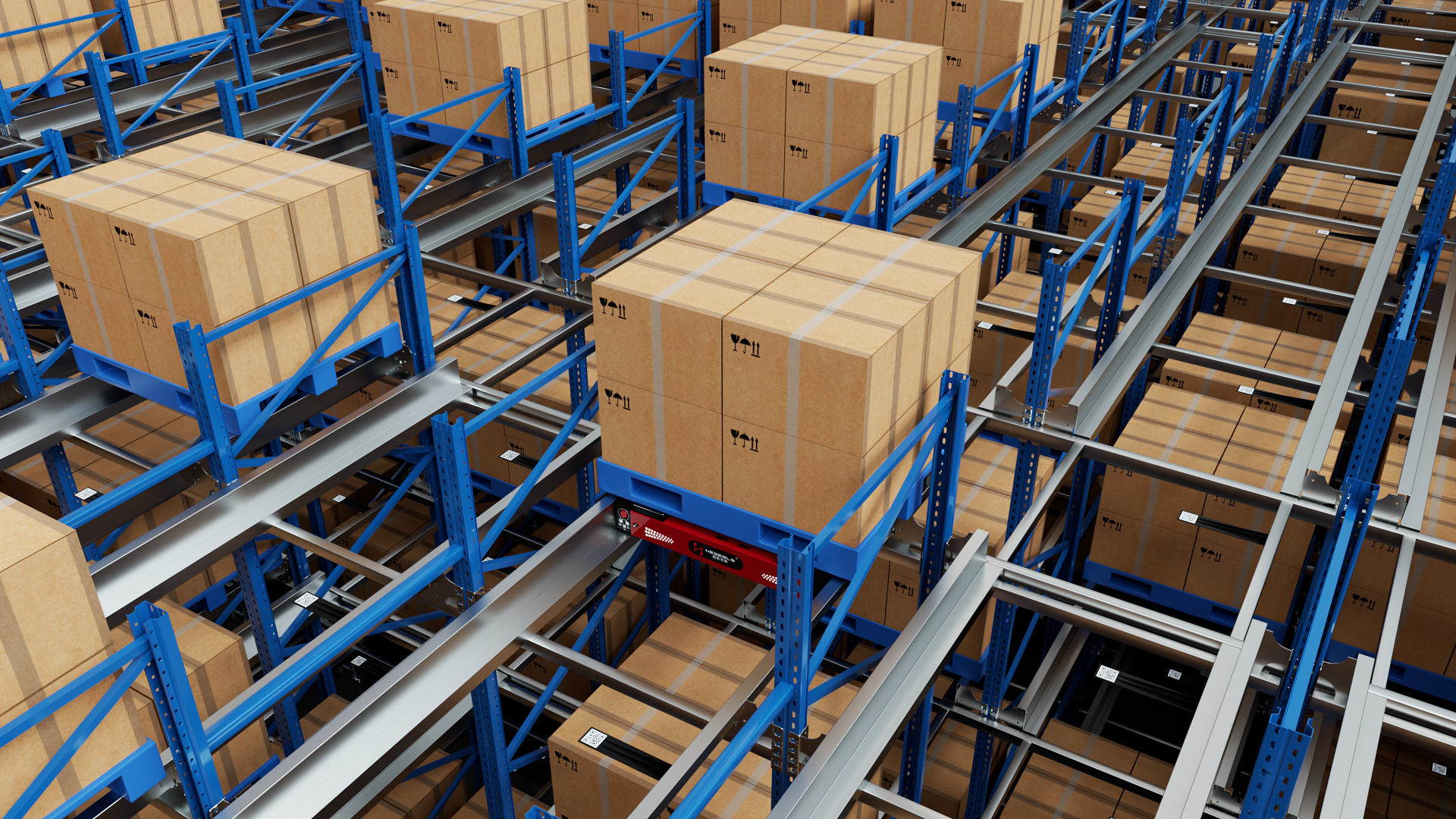
Four-way shuttle ASRS uses shuttle vehicles that can move pallets in multiple horizontal directions within the rack system. Lifts provide vertical transfer between storage levels, allowing shuttle vehicles to serve different levels without requiring a dedicated crane aisle for every storage block.
Compared with conventional shuttle configurations, four-way shuttle systems can provide greater flexibility in storage layout and vehicle routing. They can be considered when a warehouse requires high-density pallet storage together with flexible access to multiple lanes and storage locations.
Four-way shuttle ASRS can be suitable for:
- High-density pallet storage
- Cold and frozen warehouses
- Food and beverage logistics
- Manufacturing and distribution
- Warehouses with constrained building footprints
- Projects requiring flexible multi-deep storage
The appropriate configuration depends on pallet dimensions and weight, required storage positions, peak throughput, warehouse height, temperature, rack layout, and operating strategy.
For detailed equipment specifications and system configurations, see the Four-Way Shuttle System solution page.
5. Mini Load ASRS
Mini-load ASRS is designed for smaller and lighter loads than conventional pallet ASRS. Typical load units include bins, totes, cartons, trays, and containers used for small-item inventory.
Mini-load systems can automate storage and retrieval for high-SKU operations while reducing the amount of manual travel required between storage and picking areas.
Common applications include:
- E-commerce fulfillment
- Spare parts
- Electronics
- Small components
- Pharmaceutical products
- Order-picking buffers
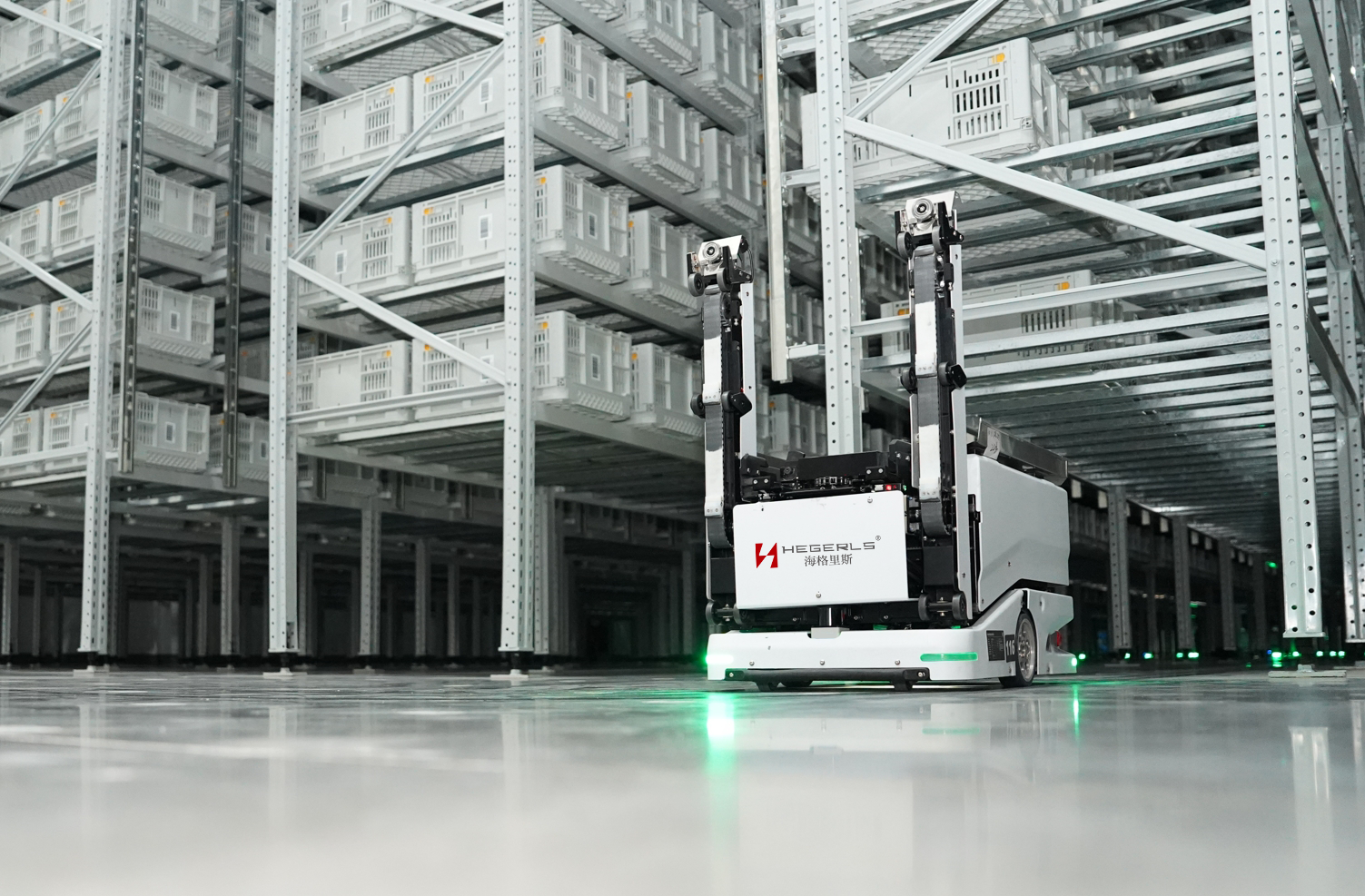
6. Bin and Robotic ASRS
Bin and robotic ASRS systems automate the storage and movement of bins, totes, cartons, or individual items. Robots may transport storage containers between automated storage locations, picking stations, replenishment areas, and other workstations.
These systems are particularly relevant where warehouses handle a large number of SKUs, frequent piece-picking operations, or relatively small and standardized load units.
Typical applications include:
- E-commerce fulfillment
- Retail distribution
- Spare parts
- Electronics
- High-SKU inventory
- Piece-picking operations
7. Vertical Lift Modules and Carousel Systems
Vertical Lift Modules (VLMs), horizontal carousels, and vertical carousels are compact automated storage technologies designed primarily for smaller items, tools, components, and containers.
They can make more effective use of vertical space and reduce operator travel in applications where floor space is limited.
Typical applications include:
- Tools and maintenance parts
- Spare parts
- Electronics components
- Small inventory
- High-value items
- Compact storage areas
Is Multi-Deep Storage an ASRS Type?
Not necessarily. Multi-deep storage is better understood as a storage configuration rather than a standalone ASRS technology.
Multi-deep storage can be implemented with different automation architectures, including shuttle-based systems, four-way shuttle systems, and certain stacker crane configurations. The appropriate depth depends on SKU characteristics, inventory turnover, FIFO or LIFO requirements, throughput, and required accessibility.
Automated shelving systems combine storage shelves with mechanical movement technology to automatically bring products to operators.
They are commonly used in:
- Small parts warehouses
- Manufacturing supply areas
- Tool storage
- Medical storage
Unlike traditional shelving where workers walk to products, automated shelving follows the goods-to-person principle.
How Do You Choose the Right ASRS Type?
The right ASRS configuration should be selected according to warehouse operating requirements rather than simply choosing the most automated technology.
Key factors include:
- Load characteristics — pallet, carton, tote, bin, or small item.
- Storage capacity — required storage positions and inventory levels.
- Throughput — average and peak inbound and outbound requirements.
- Warehouse geometry — footprint, clear height, columns, floor conditions, and available space.
- SKU profile — SKU quantity, turnover, dimensions, weight, and inventory distribution.
- Storage strategy — FIFO, LIFO, FEFO, batch, zone, or other rules.
- Operating environment — ambient, chilled, frozen, dusty, or other special conditions.
- Software integration — ERP, MES, WMS, WCS, and equipment-control requirements.
- Future expansion — expected changes in storage capacity, throughput, or product mix.
- Investment and lifecycle requirements — equipment, software, installation, maintenance, and long-term operating costs.
The most suitable ASRS is therefore the system architecture that provides the required storage capacity and operational performance while fitting the physical and business constraints of the warehouse.
For a project-specific recommendation, warehouse drawings, pallet or load specifications, required storage positions, inbound and outbound volumes, peak throughput, operating temperature, and automation requirements provide a useful starting point for system design.
What Are the Benefits of ASRS Automation?
Companies invest in ASRS automation because it provides significant operational improvements compared with manual storage methods.
1. Higher Storage Density
One of the biggest advantages of an ASRS storage system is maximizing warehouse space.
Traditional warehouses require:
- Wide forklift aisles
- Manual operating space
- Lower rack heights
ASRS warehouses can utilize:
- Vertical warehouse height
- Narrow aisles
- High-density rack configurations
Storage Efficiency Comparison
| Storage Method | Space Utilization |
| Traditional pallet rack | Medium |
| Drive-in rack | Medium-high |
| Shuttle rack | High |
| ASRS warehouse system | Very high |
For companies facing expensive land costs, automated warehouse storage systems provide a practical solution for increasing capacity without expanding buildings.
2. Faster Automated Retrieval
Traditional warehouses often require workers to:
- Search locations
- Drive forklifts
- Manually confirm inventory
Automated retrieval systems eliminate these steps.
Benefits include:
- Shorter retrieval time
- Higher throughput
- Reduced waiting time
- Improved order processing
For high-volume warehouses, faster retrieval directly improves customer satisfaction and supply chain performance.
3. Improved Inventory Accuracy
Manual inventory management can create problems such as:
- Wrong locations
- Missing products
- Incorrect quantities
- Human recording errors
ASRS systems maintain real-time inventory visibility through:
- Software tracking
- Barcode identification
- Automated location management
Many automated warehouses achieve inventory accuracy levels above 99%.
4. Reduced Labor Dependency
Global labor shortages are one of the main drivers behind warehouse automation adoption.
ASRS helps companies reduce dependency on:
- Forklift operators
- Manual picking workers
- Repetitive warehouse tasks
Employees can focus on:
- Quality control
- Warehouse management
- Process optimization
5. Improved Workplace Safety
Automated storage systems reduce risks associated with:
- Forklift accidents
- Heavy lifting
- High-level rack operations
- Manual handling injuries
A well-designed ASRS warehouse creates a safer working environment by separating people from dangerous material movement operations.
6. 24/7 Warehouse Operation Capability
Unlike manual warehouses limited by working shifts, automated storage systems can operate continuously.
This provides:
- Higher productivity
- Faster response times
- Better resource utilization
For industries requiring continuous operations, such as manufacturing and cold chain logistics, ASRS automation provides significant advantages.
What Are the Limitations of AS/RS?
AS/RS is not automatically the best solution for every warehouse.
Higher Initial Investment
Automation requires investment in equipment, racks, controls, software, installation, and integration.
Greater Technical Complexity
Multiple systems must communicate reliably.
Detailed Engineering Required
A poorly designed automation system can create bottlenecks or limit future expansion.
Maintenance Requirements
Automated equipment requires planned maintenance and technical support.
Process Standardization
AS/RS works best when product specifications, warehouse processes, and operational rules are sufficiently structured.
Therefore, automation should be evaluated based on total operational value, not simply equipment cost.
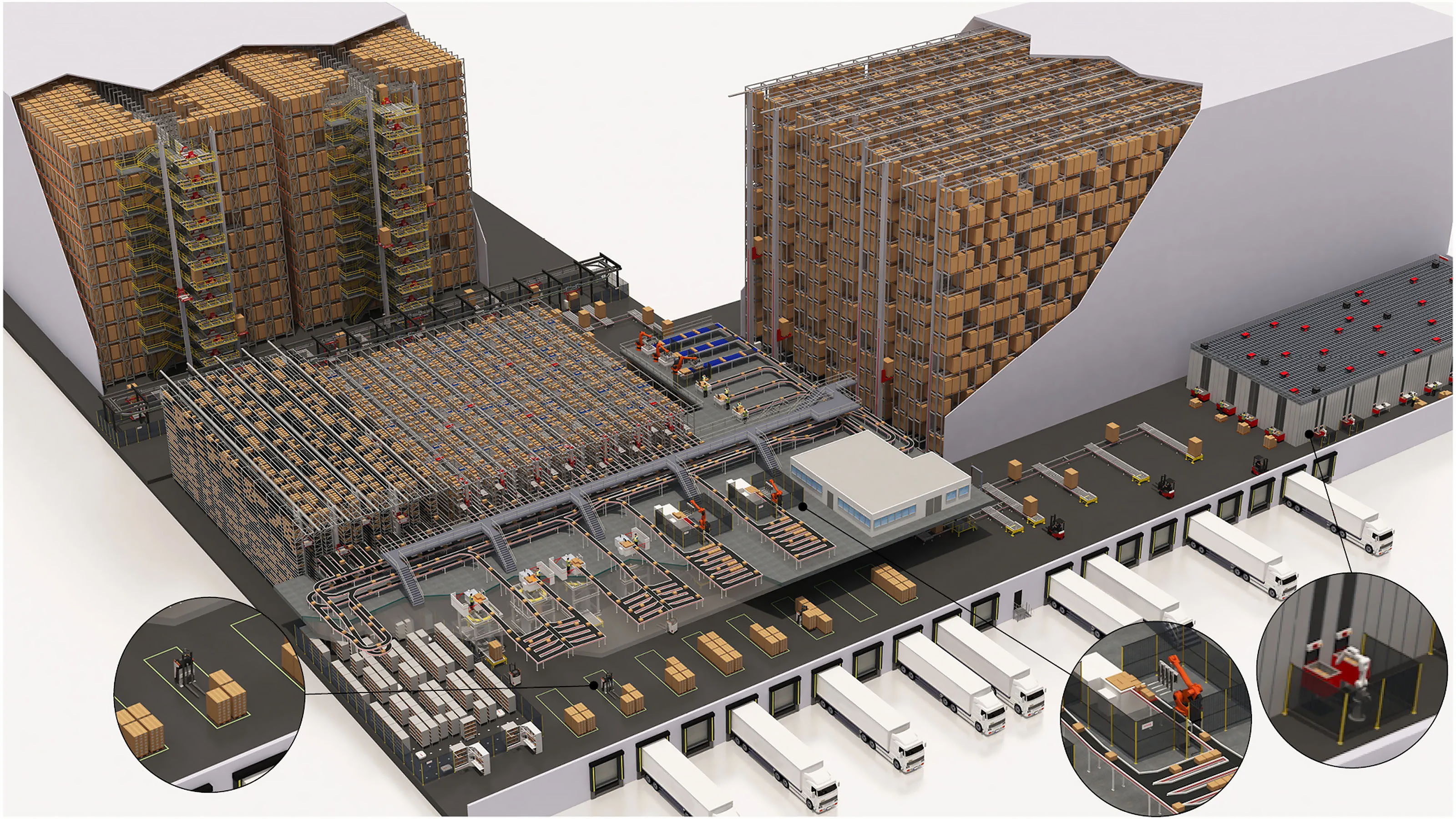
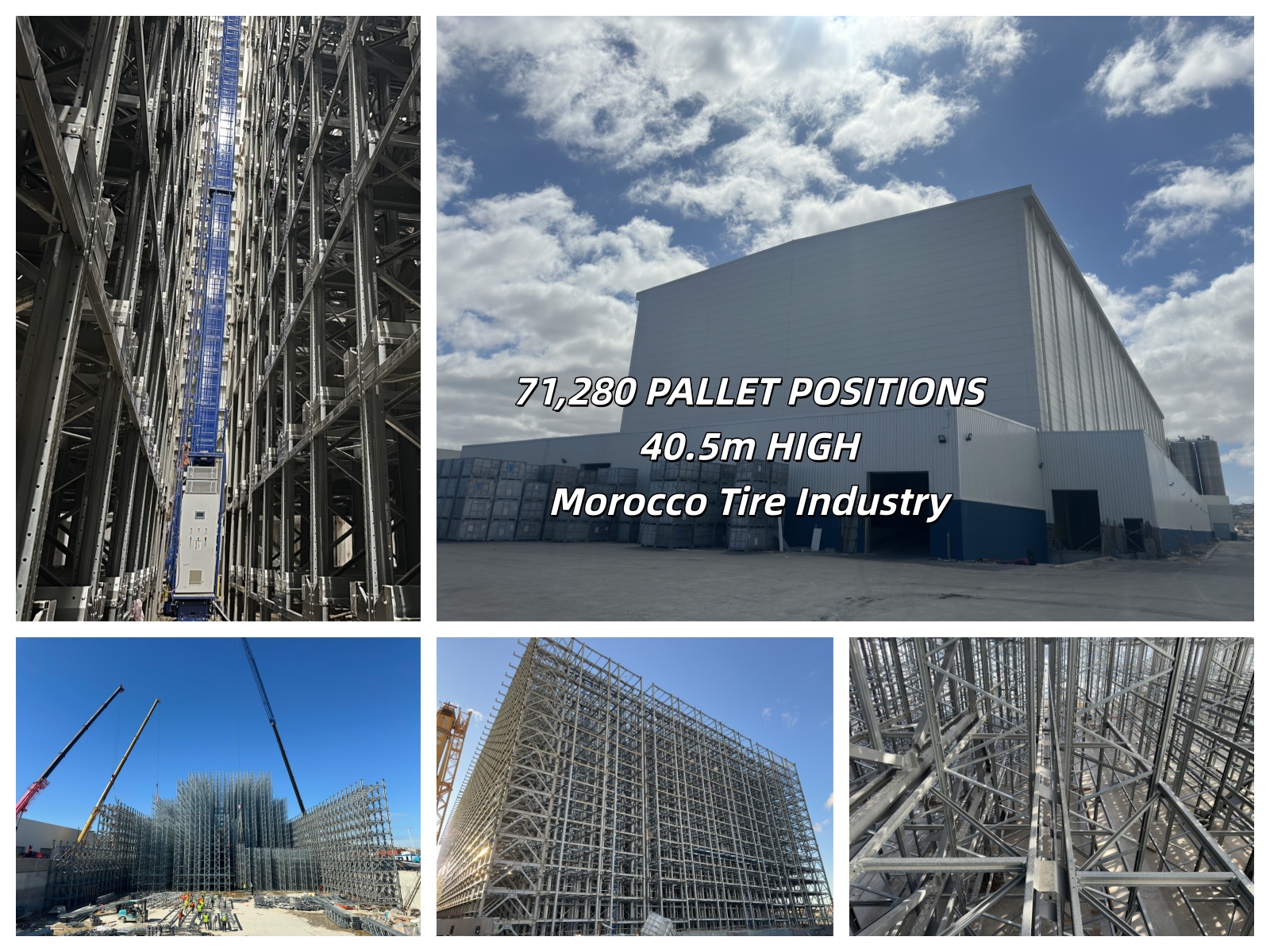
What Is Rack-Supported or Rack-Clad AS/RS?
For very high warehouses, the building itself can become an important part of the automation design.
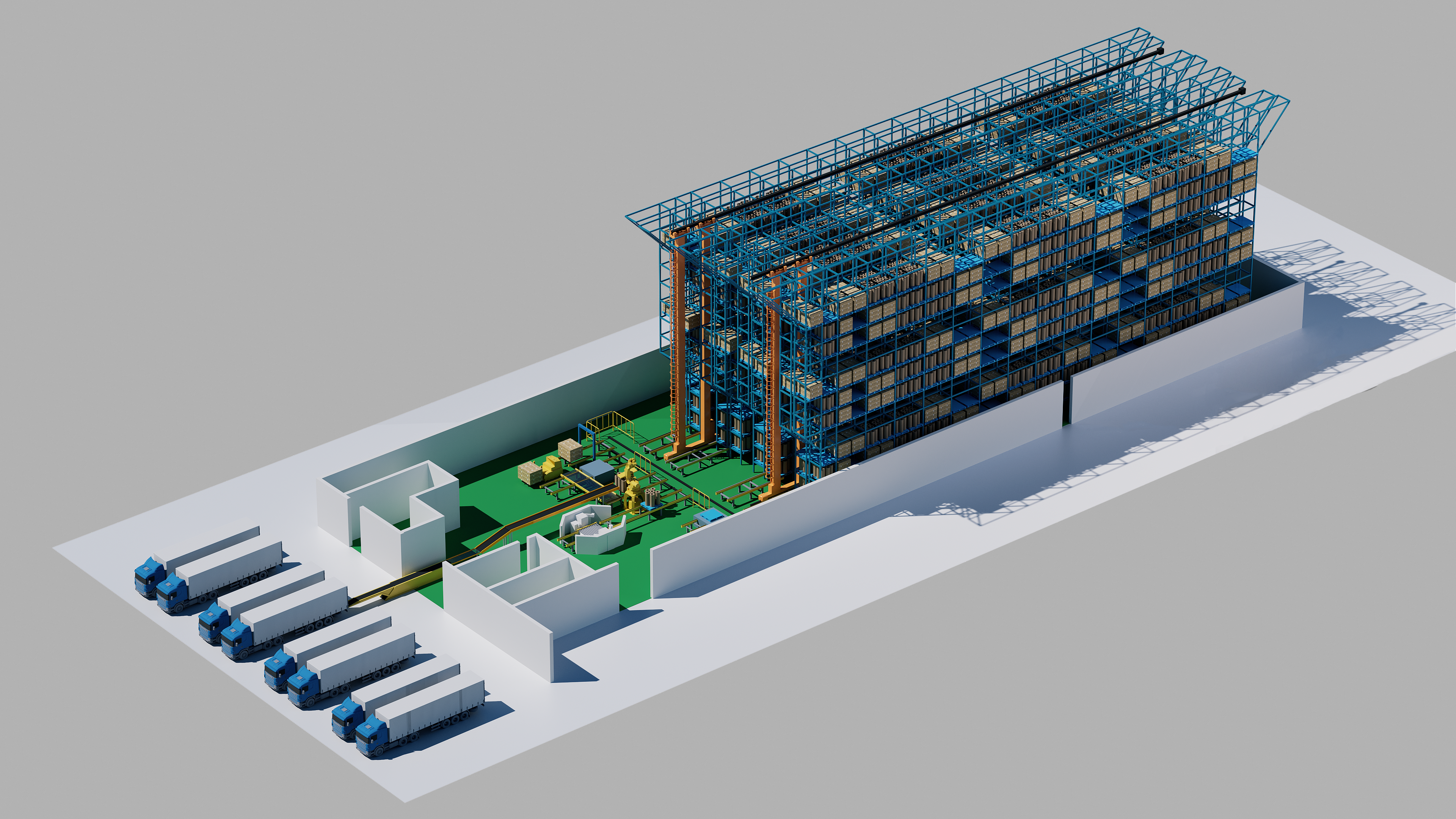
In a rack-supported or rack-clad warehouse, the storage rack structure supports significant parts of the building envelope and related structural loads.
This approach can be particularly attractive for:
-
High-bay warehouses
-
Large storage capacity
-
Greenfield projects
-
Cold storage
-
Automated distribution centers
The potential benefits include:
-
Better use of vertical space
-
Reduced conventional building structure
-
Integrated warehouse engineering
-
More efficient use of land
The key point is that rack-supported warehouse design should be considered together with the AS/RS architecture from the beginning.
It should not be treated as a rack selection made after the building has already been designed.
Automated Storage and Retrieval System Applications by Industry
The adoption of automated storage and retrieval systems is expanding across multiple industries.
1. Manufacturing Industry
Manufacturing companies use ASRS warehouses for:
- Raw material storage
- Production line supply
- Finished product storage
- Component management
Typical solutions:
- Pallet ASRS
- Stacker crane systems
- Shuttle ASRS
Benefits:
- Stable material supply
- Reduced production downtime
- Better inventory control
2. Automotive Industry
Automotive manufacturing requires precise logistics management due to:
- Thousands of components
- Complex supply chains
- Strict production schedules
ASRS applications include:
- Parts storage
- Sequencing systems
- Production logistics
3. E-commerce and Retail Distribution
E-commerce warehouses require:
- High-speed picking
- Large SKU management
- Fast order fulfillment
Common solutions:
- Automated bin storage systems
- Mini-load ASRS
- Robotic ASRS
- Goods-to-person systems
4. Food and Beverage Industry
Food warehouses require:
- FIFO management
- Temperature control
- High inventory accuracy
ASRS advantages:
- Better cold storage utilization
- Reduced human access requirements
- Improved traceability
5. Pharmaceutical Industry
Pharmaceutical warehouses require:
- Strict inventory control
- Batch tracking
- High accuracy
ASRS provides:
- Automated tracking
- Controlled storage environments
- Reduced contamination risks
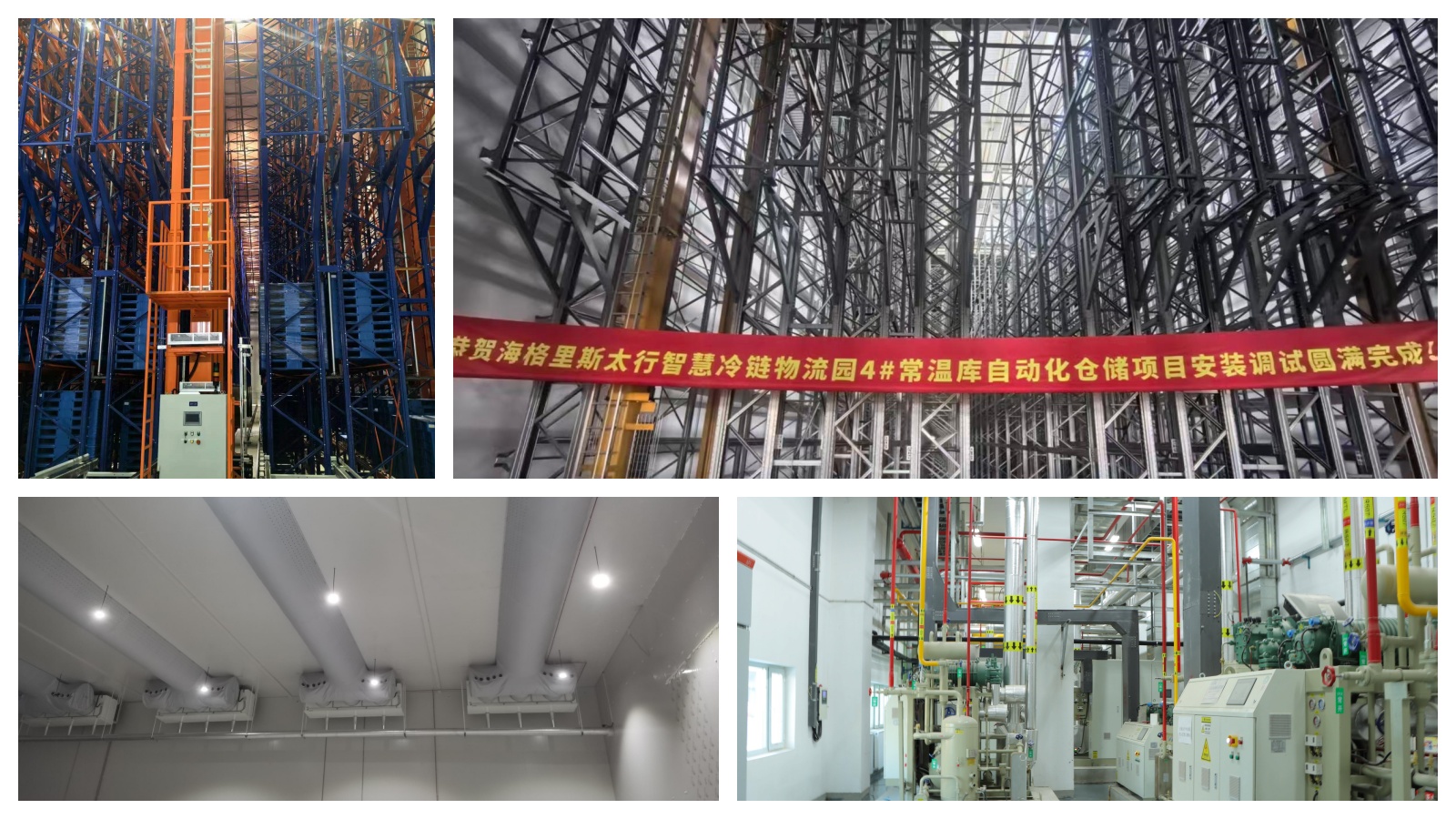
6. Can ASRS Be Used in Cold Storage?
Yes. ASRS can be designed for chilled and frozen warehouses, including applications operating at sub-zero temperatures.
Cold-storage automation can provide additional benefits because it can reduce the amount of time personnel spend working inside low-temperature environments while making better use of vertical storage space.
However, cold-storage ASRS requires additional engineering considerations, including:
- operating temperature;
- battery performance;
- condensation and moisture;
- equipment materials;
- lubrication;
- floor conditions;
- insulation and building interfaces;
- fire protection;
- loading and unloading processes;
- maintenance requirements; and
- cold-room access and door interfaces.
The automation equipment should be selected for the actual operating temperature rather than simply installing a standard-temperature system inside a cold room.
For frozen-food, pharmaceutical, meat, dairy, and other temperature-controlled applications, the ASRS should be evaluated together with the overall cold-chain warehouse design.
How Zhuku Supports Different ASRS Applications
As an intelligent warehouse automation solution provider, Zhuku designs customized ASRS warehouse systems according to customer requirements.
Zhuku solutions include:
- Pallet ASRS
- Stacker crane systems
- Four-way shuttle ASRS
- Automated storage systems
- Warehouse automation software integration
- WMS and WCS solutions
By combining automation equipment, intelligent control systems, and warehouse engineering expertise, Zhuku helps companies build efficient warehouse ASRS systems for different industries.
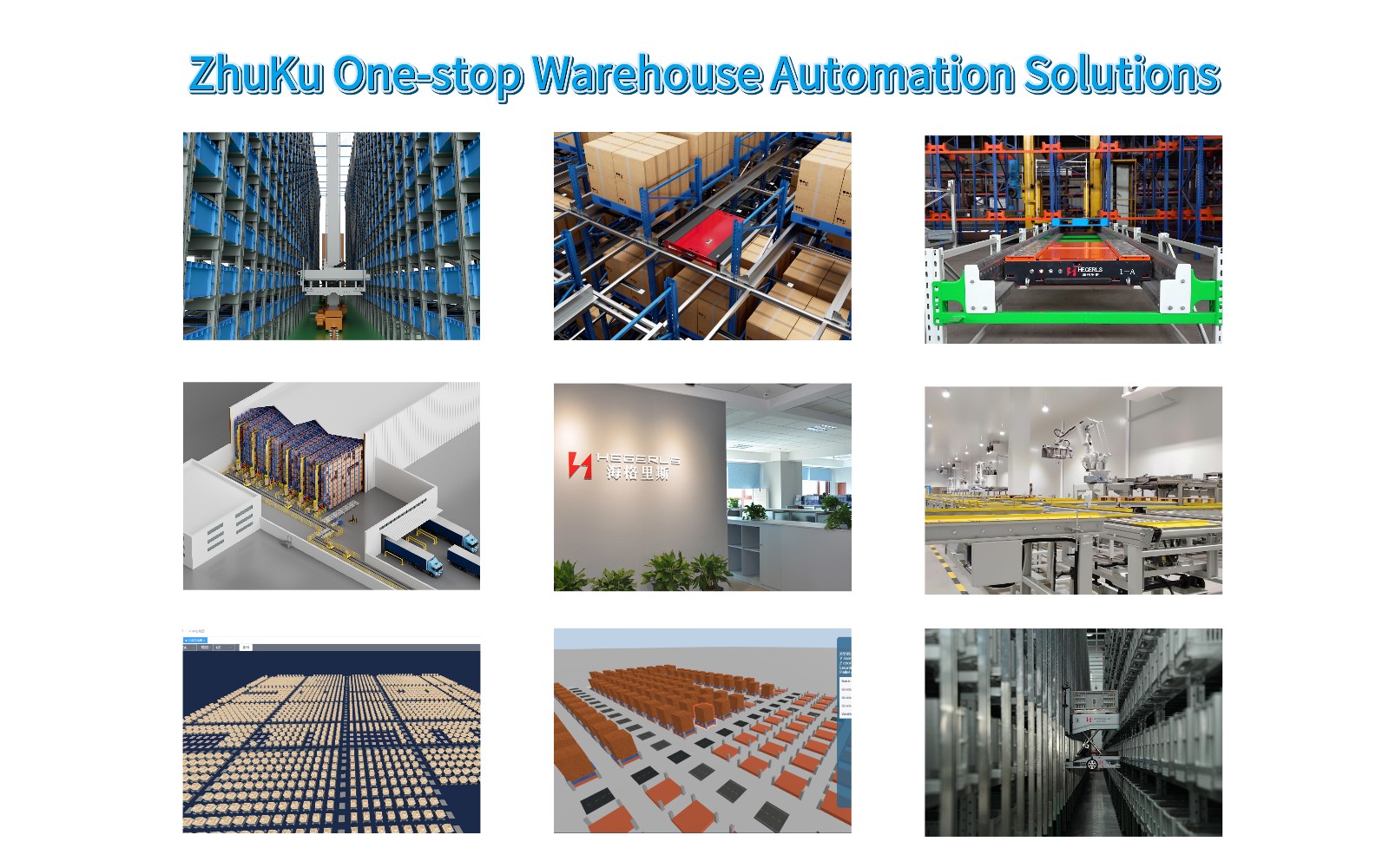
ASRS Selection Checklist: How to Choose the Right System
Before selecting an automated storage and retrieval system, companies should evaluate several key factors.
1. Understand Your Storage Requirements
Analyze:
- Product type
- Product dimensions
- Product weight
- SKU quantity
- Inventory turnover
Example:
| Requirement | Recommended Solution |
| Heavy pallets | Pallet ASRS |
| Small components | Mini Load ASRS |
| Large SKU quantity | Automated bin storage |
| High-density pallet storage | Shuttle ASRS |
| Limited space | Vertical storage system |
2. Define Warehouse Performance Goals
Determine:
- Required storage capacity
- Required throughput
- Retrieval speed
- Future expansion plans
A good ASRS design should not only solve current problems but also support future growth.
3. Evaluate Software Capability
Modern ASRS warehouses require intelligent software.
A complete solution should include:
Warehouse Management System (WMS)
Responsible for:
- Inventory control
- Order management
- Warehouse planning
Warehouse Control System (WCS)
Responsible for:
- Equipment coordination
- Task scheduling
- Real-time monitoring
Software capability is becoming a key differentiator among ASRS system companies.
How to Choose the Right ASRS System Integrator?
Choosing the right supplier is critical because ASRS projects involve:
- Warehouse design
- Equipment integration
- Software development
- Installation
- Long-term service
When evaluating ASRS system companies, consider the following factors:
1. Engineering and Integration Capability
A reliable ASRS provider should offer:
- Warehouse planning
- System design
- Equipment manufacturing
- Software integration
- Installation support
2. Product Portfolio
A complete supplier should provide multiple solutions:
| Requirement | Solution |
| Pallet storage | Pallet ASRS |
| High-density storage | Shuttle ASRS |
| Small-item storage | Mini-load ASRS |
| Intelligent control | WMS/WCS |
| Flexible handling | AGV/AMR |
3. Industry Experience
Choose suppliers with experience in:
- Manufacturing
- Automotive
- Food
- Pharmaceuticals
- Logistics
Project experience helps ensure successful implementation.
How Much Does an ASRS System Cost?
One of the most common questions companies ask before investing in automation is:
How much does an automated storage and retrieval system cost?
The cost of an ASRS system varies significantly depending on warehouse requirements, automation level, equipment type, and software integration.
A typical ASRS project investment depends on:
- Warehouse size
- Storage capacity
- Load type
- Throughput requirements
- Building height
- Automation equipment
- Software requirements
- Installation complexity
Main Factors Affecting ASRS Cost
| Factor | Impact on Cost |
| Storage capacity | More storage locations require more equipment |
| Load type | Pallet systems cost differently from bin systems |
| Warehouse height | Higher buildings require advanced equipment |
| Throughput requirement | Higher speed requires more automation units |
| Software integration | WMS/WCS customization affects investment |
| Project complexity | Special environments require customized solutions |
ASRS ROI: Is Automated Storage Worth the Investment?
A key reason companies choose automated storage systems is the long-term return on investment.
Although ASRS requires higher initial investment than traditional storage, it can generate value through:
- Reduced labor costs
- Higher storage capacity
- Lower operational errors
- Improved productivity
- Better inventory management
ASRS ROI Evaluation Factors
| Evaluation Factor | Traditional Warehouse | ASRS Warehouse |
| Labor requirement | High | Lower |
| Storage density | Limited | Higher |
| Inventory accuracy | Operator dependent | Automated |
| Operating hours | Limited shifts | 24/7 |
| Space utilization | Moderate | Optimized |
| Data visibility | Limited | Real-time |
How Long Is the Payback Period for an ASRS System?
The payback period of an ASRS project depends on:
- Labor savings
- Warehouse expansion avoidance
- Productivity improvement
- Business growth
- Operating environment
For companies with:
- High labor costs
- Limited warehouse space
- High inventory turnover
- Continuous operation requirements
The ROI of an ASRS project should be evaluated against labor costs, available warehouse space, throughput requirements, expansion costs, operating hours, and the expected service life of the system.
Emerging Trends in ASRS
The global demand for automated storage systems continues growing as businesses accelerate warehouse digital transformation.
Major trends include:
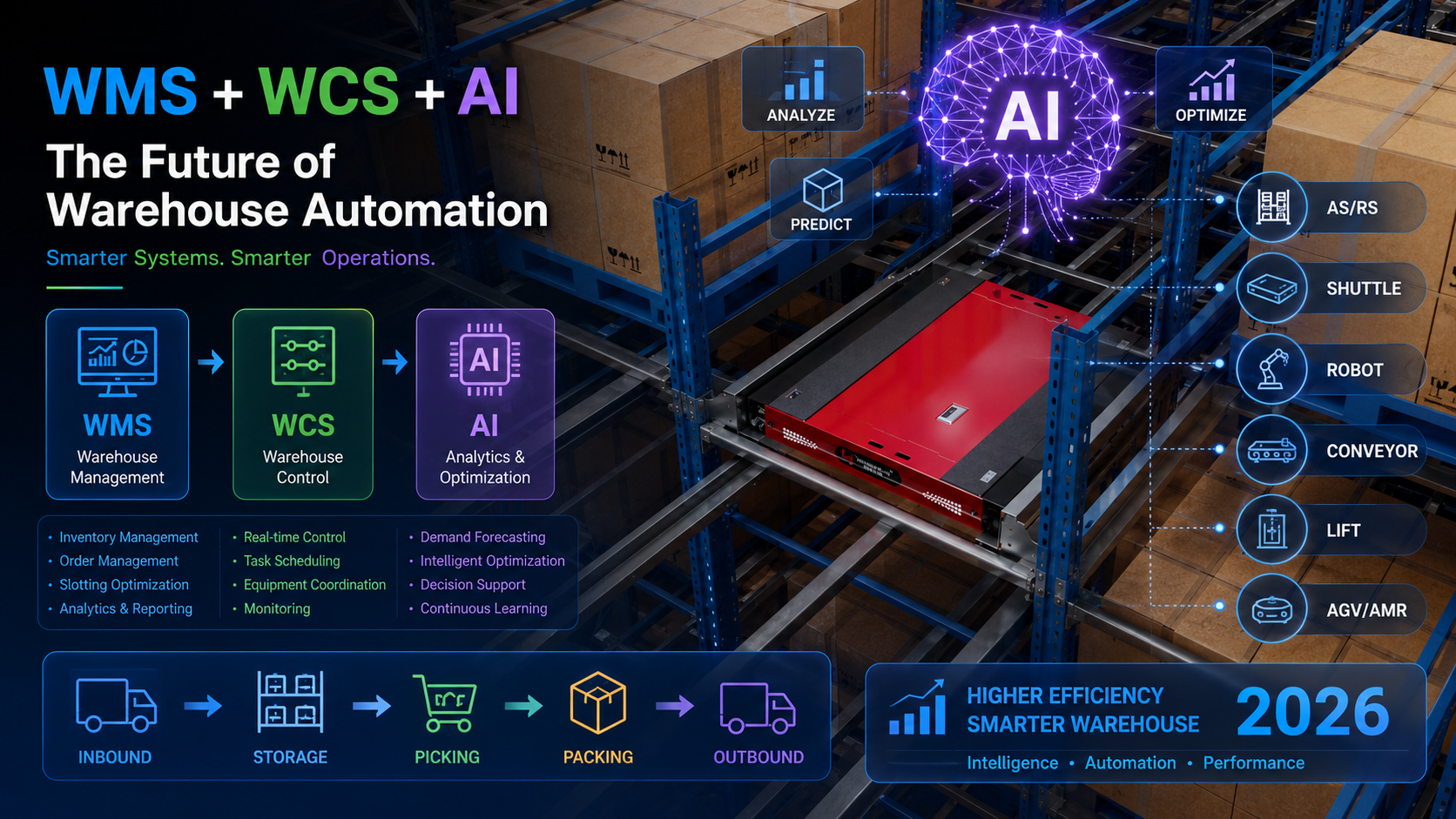
1. AI-Powered ASRS Automation
AI is becoming an optimization layer above traditional warehouse automation.
The development direction is moving from:
Automated Execution → Intelligent Optimization → More Autonomous Operations
AI can potentially support:
- Intelligent slotting
- Demand forecasting
- Dynamic task prioritization
- Equipment scheduling
- Route optimization
- Predictive maintenance
- Warehouse performance analysis
- Inventory optimization
Recent supply-chain technology trends also point toward physical AI, agentic AI, polyfunctional robots, and connected autonomous systems.
However, AI should not be treated as a replacement for WMS or WCS.
A practical architecture is:
ERP / MES → WMS → AI Optimization Layer → WCS → AS/RS + Robotics + Material Handling
This approach allows AI to improve decisions while established control systems continue to manage deterministic equipment operations.
2. Flexible and Modular ASRS Systems
Companies increasingly prefer automation solutions that can grow with business needs.
Modern ASRS systems focus on:
- Modular design
- Easy expansion
- Flexible warehouse layouts
Four-way shuttle systems and robotic storage solutions are becoming increasingly popular because they provide greater adaptability.
3. Integration of WMS, WCS, and Robotics
The future warehouse will depend on seamless integration between:
- Business systems
- Warehouse software
- Automation equipment
4. Sustainable Warehouse Automation
Companies are adopting ASRS to achieve:
- Lower energy consumption
- Reduced warehouse footprint
- Better resource utilization
Automation supports global sustainability goals by improving operational efficiency.
Conclusion: Automated Storage Is the Future of Intelligent Warehousing
The development of automated storage systems is transforming warehouses from traditional storage facilities into intelligent logistics centers.
With increasing demand for:
- Higher efficiency
- Better space utilization
- Faster retrieval
- Accurate inventory management
ASRS technology has become a critical solution for modern supply chains.
From pallet ASRS and shuttle systems to robotic automated storage and retrieval systems, businesses can select different automation technologies according to their operational needs.
As a professional warehouse automation solution provider, Zhuku delivers customized ASRS warehouse systems that combine advanced equipment, intelligent software, and engineering expertise to help companies achieve smarter and more efficient warehouse operations.
Why Choose Zhuku for Automated Storage Solutions?
Zhuku is an intelligent warehouse automation solution provider specializing in customized automated storage and retrieval system solutions.
Zhuku provides:
Automated Storage Systems
Including:
- ASRS warehouse systems
- Four-way shuttle systems
- Stacker crane automation
- Pallet storage solutions
Intelligent Software Integration
Including:
- Warehouse Management System (WMS)
- Warehouse Control System (WCS)
- ERP integration
Complete Project Services
From:
- Warehouse planning
- Solution design
- Equipment manufacturing
- Installation
- Technical support
Zhuku helps global customers build efficient, scalable, and intelligent warehouses through advanced ASRS automation technology.
Planning an AS/RS or Automated Warehouse?
The right AS/RS system starts with your warehouse data—not with a specific machine.
Send Zhuku your warehouse drawing (CAD, PDF, or hand sketch) together with your storage and operational requirements. Our engineering team can evaluate your warehouse dimensions, product characteristics, storage capacity, throughput, material flow, operating environment, and future expansion needs.
You can provide:
-
Warehouse dimensions and clear height
-
Pallet or product specifications
-
Required storage positions
-
Inbound and outbound volume
-
Peak throughput
-
Operating temperature
-
Current warehouse layout
-
Automation objectives
-
Future expansion requirements
We can then help evaluate whether your project is better suited to stacker crane AS/RS, shuttle-based storage, four-way/multi-directional shuttle, rack-supported automation, cold-storage automation, or a hybrid warehouse automation architecture.
Send Your Warehouse Drawing → Get a Customized AS/RS & Warehouse Automation Recommendation