Choosing a warehouse storage solution is more than selecting a type of rack. The right system needs to match your inventory characteristics, storage capacity, material flow, warehouse space, operational requirements, and future growth.
A solution that works well for a low-volume distribution warehouse may not be suitable for an e-commerce fulfillment center, cold storage facility, or high-throughput manufacturing warehouse.
For this reason, warehouse storage planning should begin with your operational requirements rather than with a specific piece of equipment.
Here are eight key factors to consider when selecting a warehouse storage solution.
1. What Are Your Inventory Characteristics?
The first step is to understand exactly what you need to store.
Important factors include:
-
Number of SKUs
-
Pallet dimensions and weights
-
Product dimensions
-
Packaging type
-
Storage quantity per SKU
-
Product turnover rate
-
Product shelf life
-
Special storage requirements
Different inventory profiles require different storage technologies.
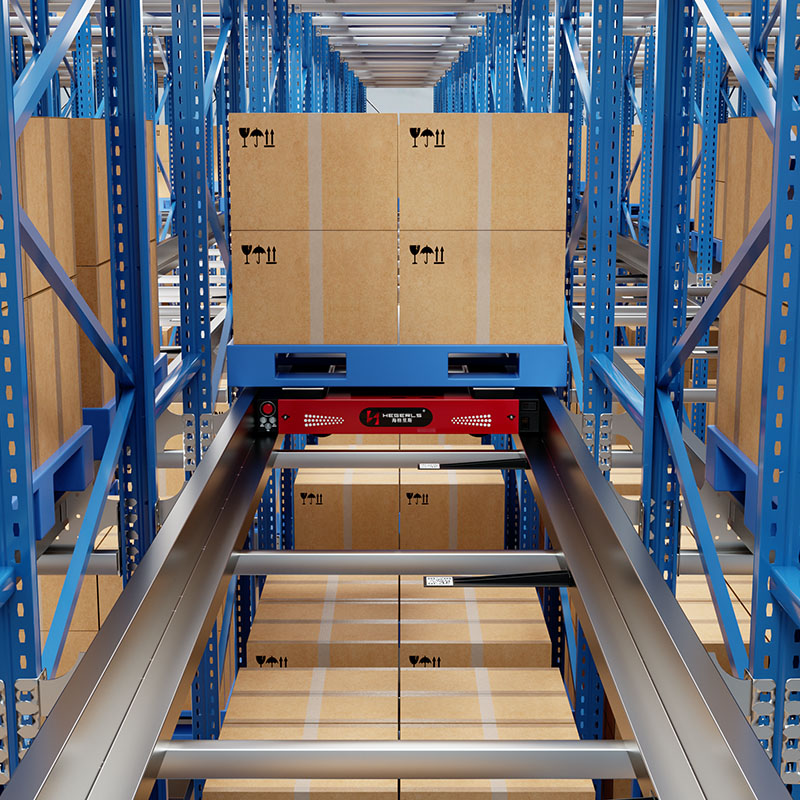
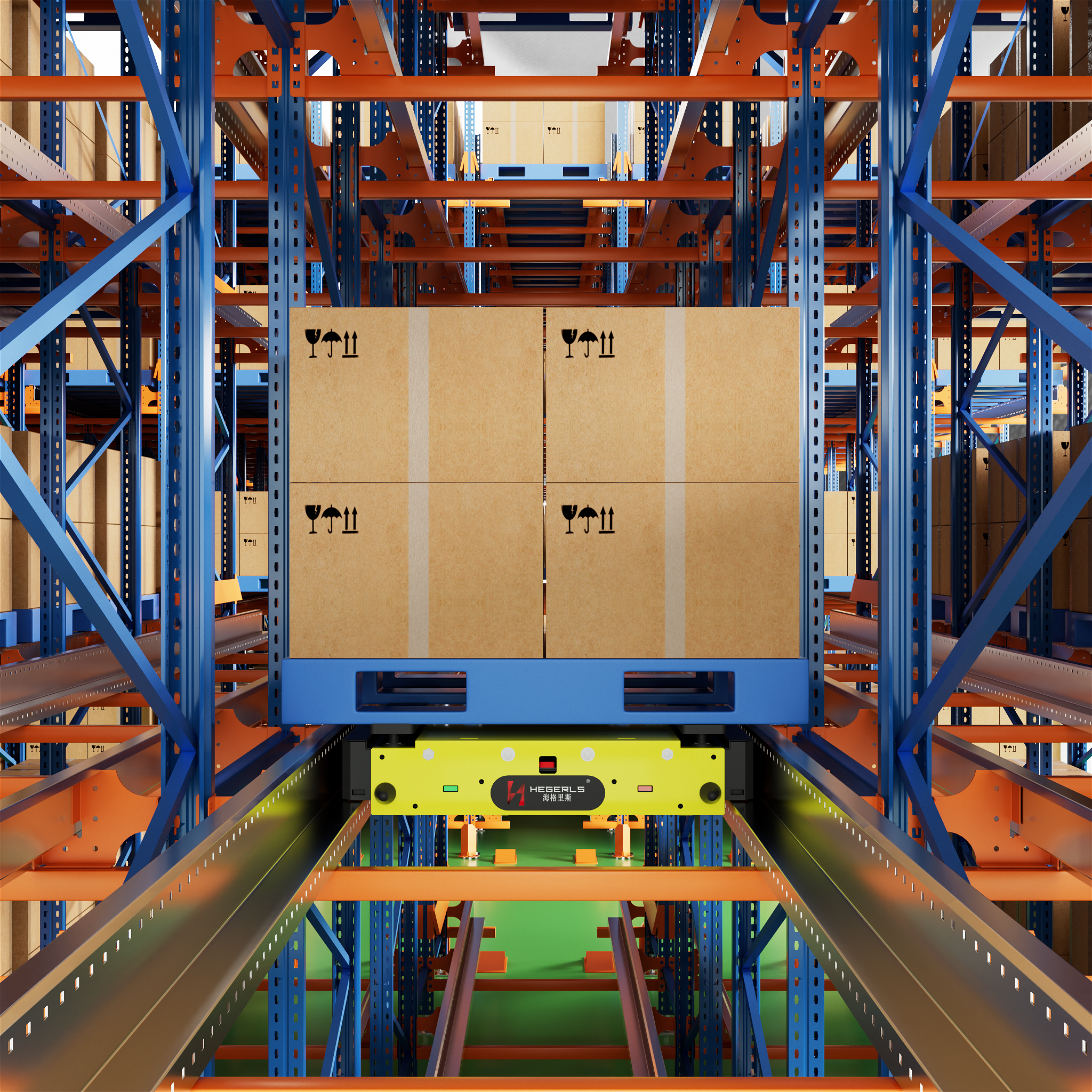
For example, selective pallet racking can provide direct access to a large number of SKUs, while drive-in racking and pallet shuttle systems can provide higher storage density for products stored in larger quantities.
For operations with high storage density requirements and frequent pallet movement, automated solutions such as four-way shuttle systems or stacker crane AS/RS can provide a more efficient combination of capacity and accessibility.
The objective is not to select the most advanced storage equipment, but to select the technology that best matches the inventory profile.
2. How Much Storage Capacity Do You Need?
Storage capacity should be calculated based on more than today's average inventory.
A warehouse may need to accommodate:
-
Current inventory
-
Peak-season inventory
-
Safety stock
-
Seasonal fluctuations
-
Future inventory growth
-
Additional SKUs
Designing only around average inventory can result in insufficient capacity during peak periods.
At the same time, building excessive capacity from the beginning can increase investment without providing an immediate return.
A better approach is to determine the required storage capacity based on both current operating data and expected future demand.
For high-density warehouses, capacity should also be evaluated in terms of storage positions per square meter or cubic meter. Increasing vertical utilization and reducing unnecessary aisle space can significantly improve the storage capacity of an existing facility.
3. What Are Your Inbound, Storage, Picking and Outbound Requirements?
A storage system should support the entire material flow, not just the storage process.
Consider the complete warehouse operation:
Receiving → Put-away → Storage → Replenishment → Picking → Dispatch
Key questions include:
-
How many pallets are received each day?
-
How many pallets are shipped?
-
What is the peak hourly throughput?
-
Are orders picked by pallet, case, or individual item?
-
Which products have the highest turnover?
-
Does the operation require FIFO or FEFO?
-
How frequently does inventory need to be replenished?
For example, a warehouse with high-volume pallet movements may benefit from pallet shuttle technology or automated storage and retrieval systems.
A warehouse with many SKUs and frequent individual picking may require a different combination of pallet storage, carton storage, picking systems, conveyors, and warehouse software.
The best storage solution is therefore determined not only by how much you need to store, but also by how quickly and how frequently inventory needs to move.
4. What Are the Physical Conditions of Your Warehouse?
The building itself can significantly influence the storage system design.
Before selecting equipment, evaluate:
Warehouse Dimensions
Consider:
-
Building length and width
-
Clear height
-
Column spacing
-
Door locations
-
Loading and unloading areas
-
Available floor space
Floor Conditions
High-density racks and automated equipment can impose specific requirements on floor flatness, load capacity, and installation conditions.
Environmental Conditions
Special environments may require customized solutions, including:
-
Cold storage
-
Freezer warehouses
-
High-humidity environments
-
Dust-sensitive areas
-
Temperature-controlled warehouses
Vertical Space
Warehouse height is particularly important for high-bay storage.
Instead of expanding horizontally, a suitable high-density storage system can make greater use of available vertical space.
Depending on the building and operating requirements, solutions may include high-rise pallet racking, pallet shuttle systems, four-way shuttle systems, or stacker crane AS/RS.
5. What Level of Warehouse Automation Do You Need?
Not every warehouse needs full automation.
The appropriate automation level depends on inventory volume, throughput, labor availability, warehouse height, operational complexity, and investment objectives.
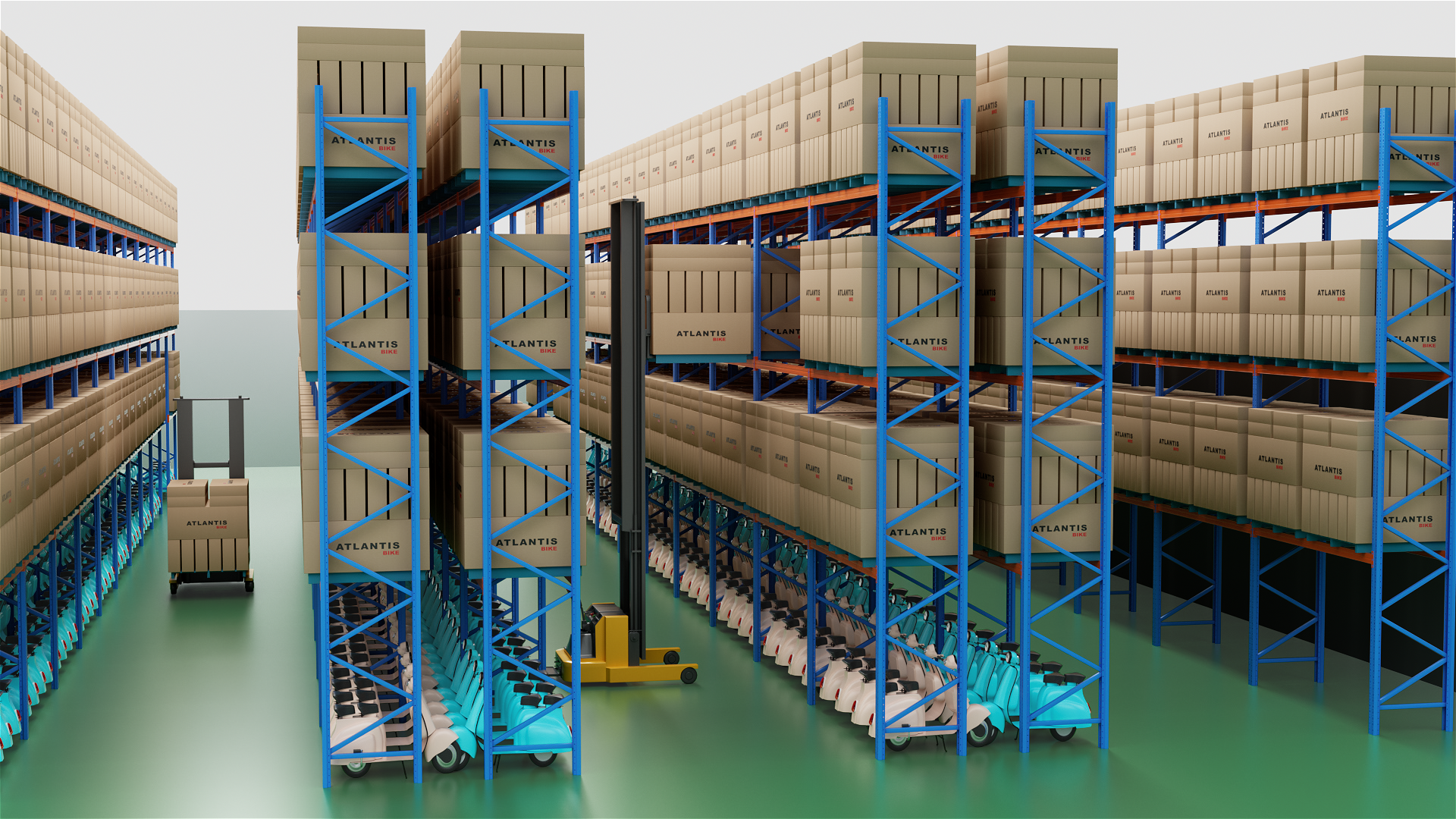
Manual Storage
Traditional pallet racking and shelving can be suitable for warehouses with relatively straightforward operations and moderate throughput.
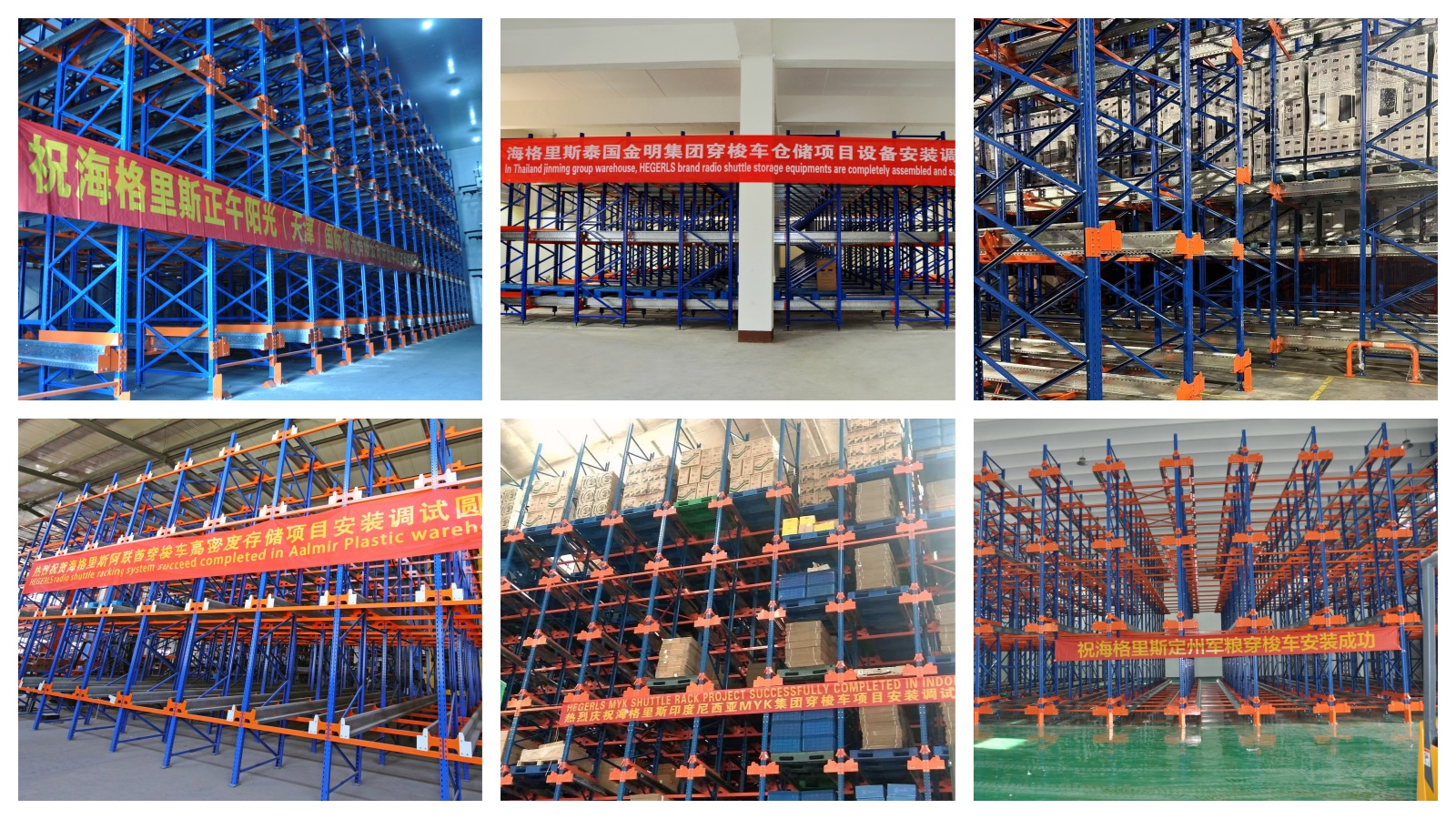
Semi-Automated Storage
Technologies such as pallet shuttle systems, conveyors, lifts, and shuttle-based equipment can reduce forklift travel and improve storage density and operating efficiency.
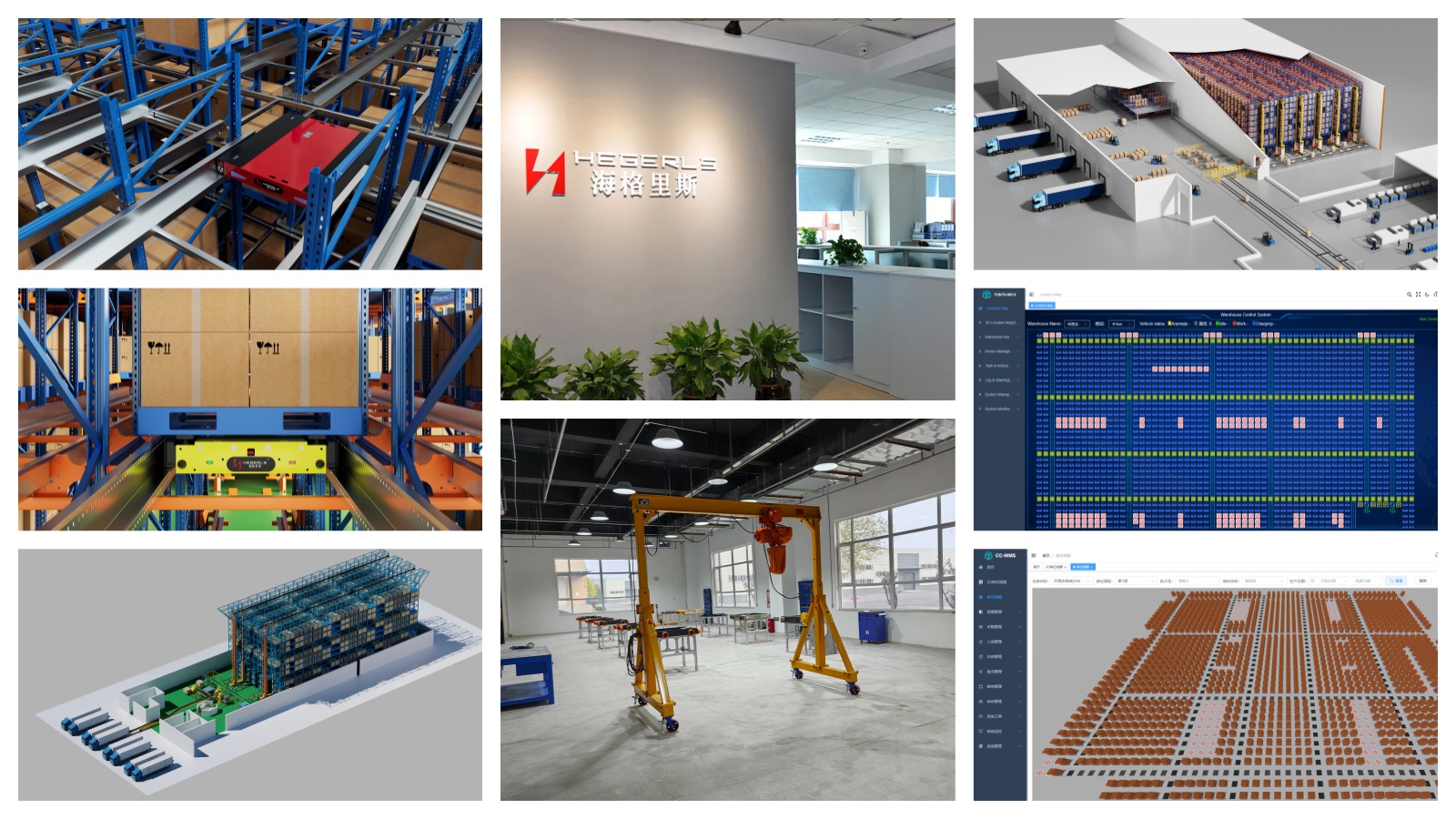
Automated Storage
For facilities with high throughput, high storage density requirements, or limited labor availability, automated solutions may include:
-
Two-Way Shuttle Systems
-
Pallet Shuttle Systems
-
Automated Conveyors
Automation should not be viewed as an isolated equipment purchase. The equipment, warehouse layout, control system, and operational processes need to work together as one system.
6. How Much Storage Density and Throughput Do You Need?
Storage density and operational throughput are two different requirements.
A system may provide excellent storage density but perform poorly if it cannot handle the required number of inbound and outbound movements.
Conversely, a highly accessible system may occupy too much floor space for a warehouse where storage density is the primary objective.
Therefore, evaluate both:
Storage Density + Throughput
For high-density pallet storage, technologies such as pallet shuttle and four-way shuttle systems can reduce the amount of aisle space required while maintaining automated pallet movement.
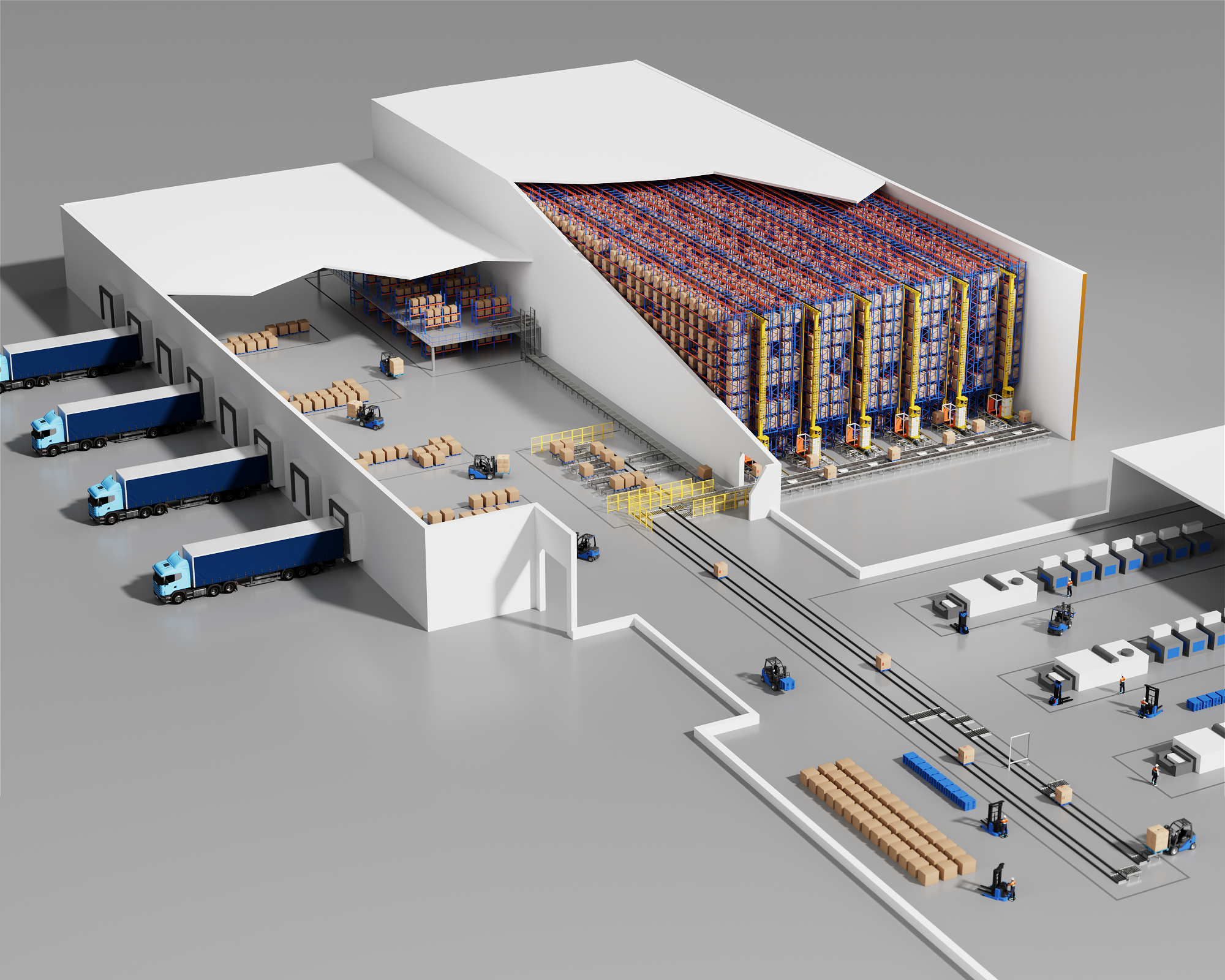
For high-bay automated warehouses, stacker crane AS/RS can combine vertical space utilization with automated storage and retrieval.
The right balance depends on the warehouse's actual operating profile.
7. What Are the Total Costs and Long-Term Operating Requirements?
The initial equipment price is only one part of the investment.
A warehouse storage project may include:
-
Racking
-
Shuttle systems or stacker cranes
-
Conveyors
-
Lifts
-
Warehouse robots
-
WMS/WCS
-
Installation
-
Electrical and control systems
-
Safety equipment
-
Maintenance
-
Training
It is therefore more useful to evaluate the total cost of ownership (TCO) rather than comparing equipment prices alone.
A higher initial investment may be justified when a solution can:
-
Increase storage capacity
-
Reduce warehouse footprint
-
Reduce manual handling
-
Improve throughput
-
Lower labor requirements
-
Improve inventory accuracy
-
Support future automation
The final decision should consider both capital expenditure and long-term operational value.
8. Can the Storage System Adapt to Future Growth?
Warehouse requirements rarely remain unchanged.
Your business may experience:
-
Increasing order volumes
-
More SKUs
-
Larger inventory
-
New product categories
-
Higher throughput requirements
-
Additional warehouse locations
-
Greater automation requirements
A storage system should therefore provide a realistic path for future expansion.
This may involve designing additional storage areas, reserving space for conveyors, planning future automation zones, or selecting modular equipment that can be expanded as demand increases.
Software integration is equally important.
A modern warehouse may need to connect:
ERP → WMS → WCS → AS/RS / Shuttle / Robot / Conveyor
This allows inventory information, storage tasks, equipment control, and warehouse operations to work together.
A scalable warehouse is not necessarily the one with the most equipment. It is the one that can be upgraded without requiring the entire system to be redesigned.
How Do You Select the Right Warehouse Storage Solution?
There is no single storage system that is ideal for every warehouse.
The right solution should be based on a combination of:
Inventory Characteristics
+
Storage Capacity
+
Material Flow
+
Warehouse Conditions
+
Storage Density
+
Throughput
+
Automation Requirements
+
Future Growth
For some facilities, conventional pallet racking may provide the best balance of accessibility and investment.
For high-density applications, pallet shuttle or four-way shuttle systems may be more appropriate.
For high-bay warehouses with high throughput requirements, stacker crane AS/RS can provide automated vertical storage and retrieval.
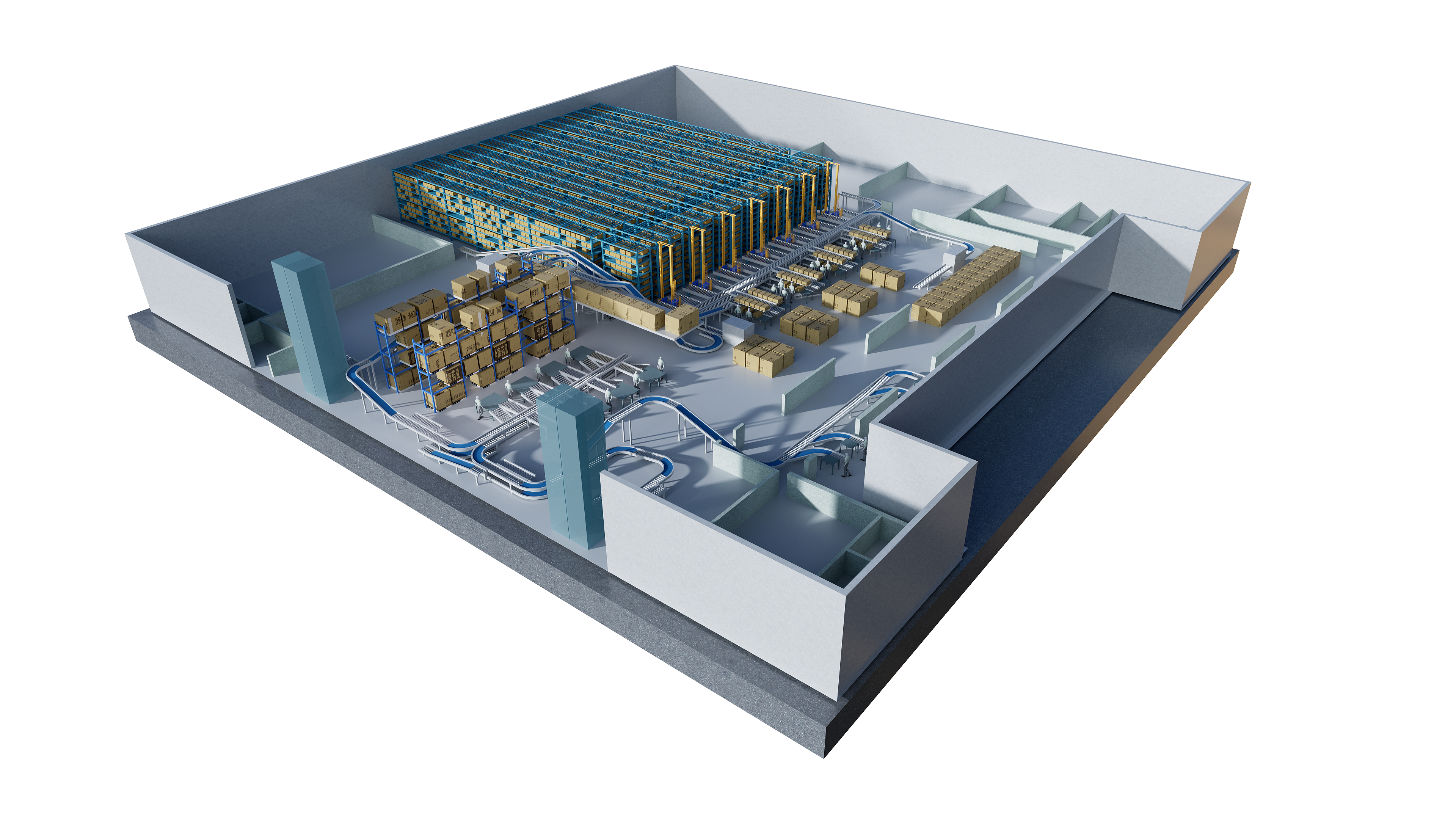
For more complex operations, the storage equipment can be integrated with WMS, WCS, conveyors, lifts, and warehouse robots to create a complete automated warehouse solution.
Why Choose Zhuku for Warehouse Storage Solutions?
Zhuku provides warehouse storage and automation solutions based on the specific requirements of each project rather than applying a one-size-fits-all approach.
Our solutions can combine:
-
Pallet Racking
-
Pallet Shuttle Systems
-
Two-Way Shuttle Systems
-
Four-Way Shuttle Systems
-
Stacker Crane AS/RS
-
Warehouse Conveyors
-
Warehouse Robots
-
WMS
-
WCS
From storage density and warehouse layout to material flow, automation, and software integration, the system can be designed around the operational requirements of the facility.
The goal is simple: make better use of warehouse space, improve material flow, and build a storage system that can support long-term business growth.
Conclusion
Choosing a warehouse storage solution should start with your warehouse requirements—not with a particular rack or automation product.
By evaluating inventory characteristics, storage capacity, material flow, building conditions, automation requirements, total cost, and future scalability, companies can make a more informed decision and avoid designing a system that becomes inefficient as operations change.
The right warehouse storage solution is not simply the system that stores the most goods. It is the system that provides the right balance between capacity, accessibility, throughput, automation, investment, and long-term flexibility.