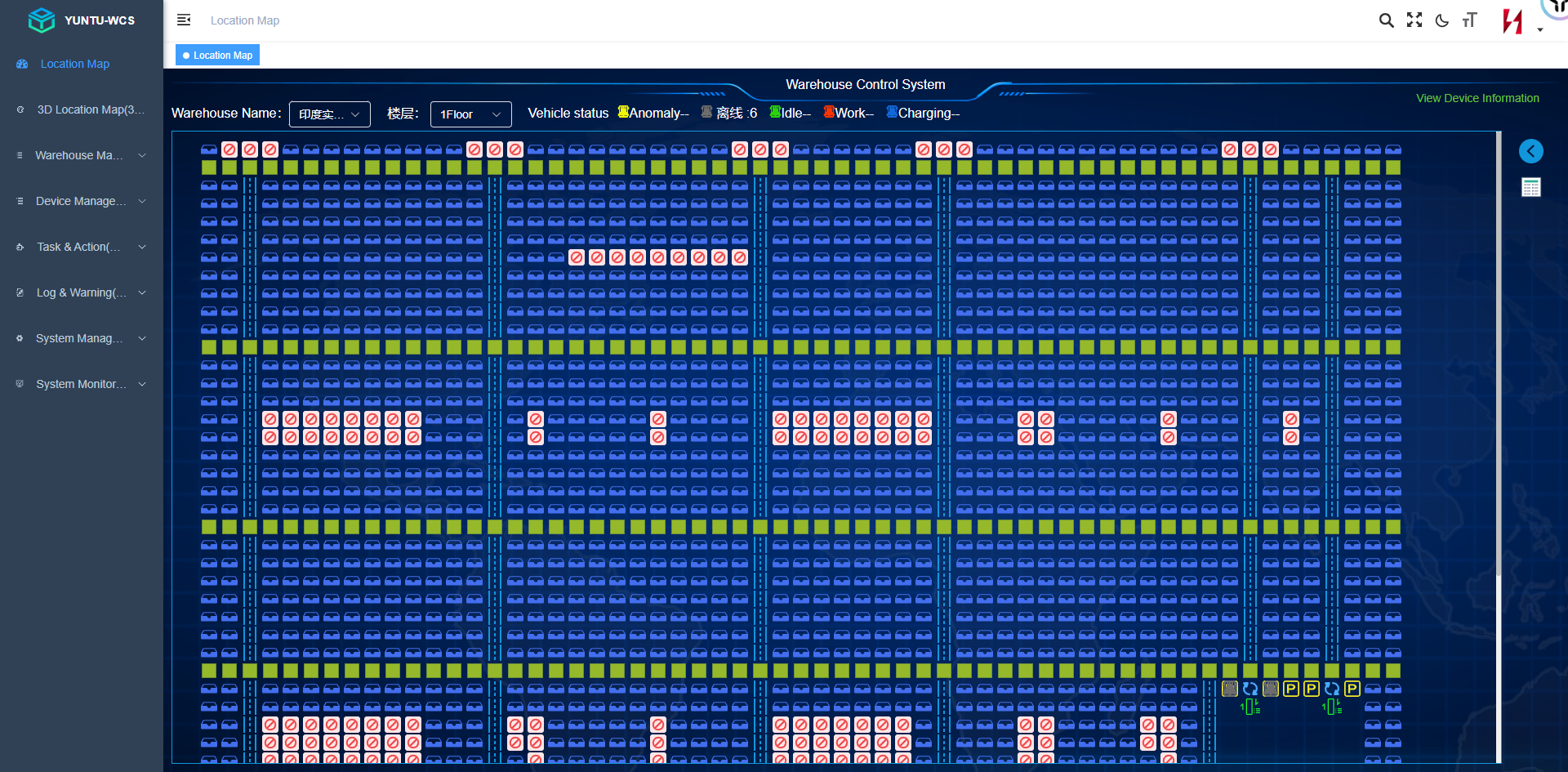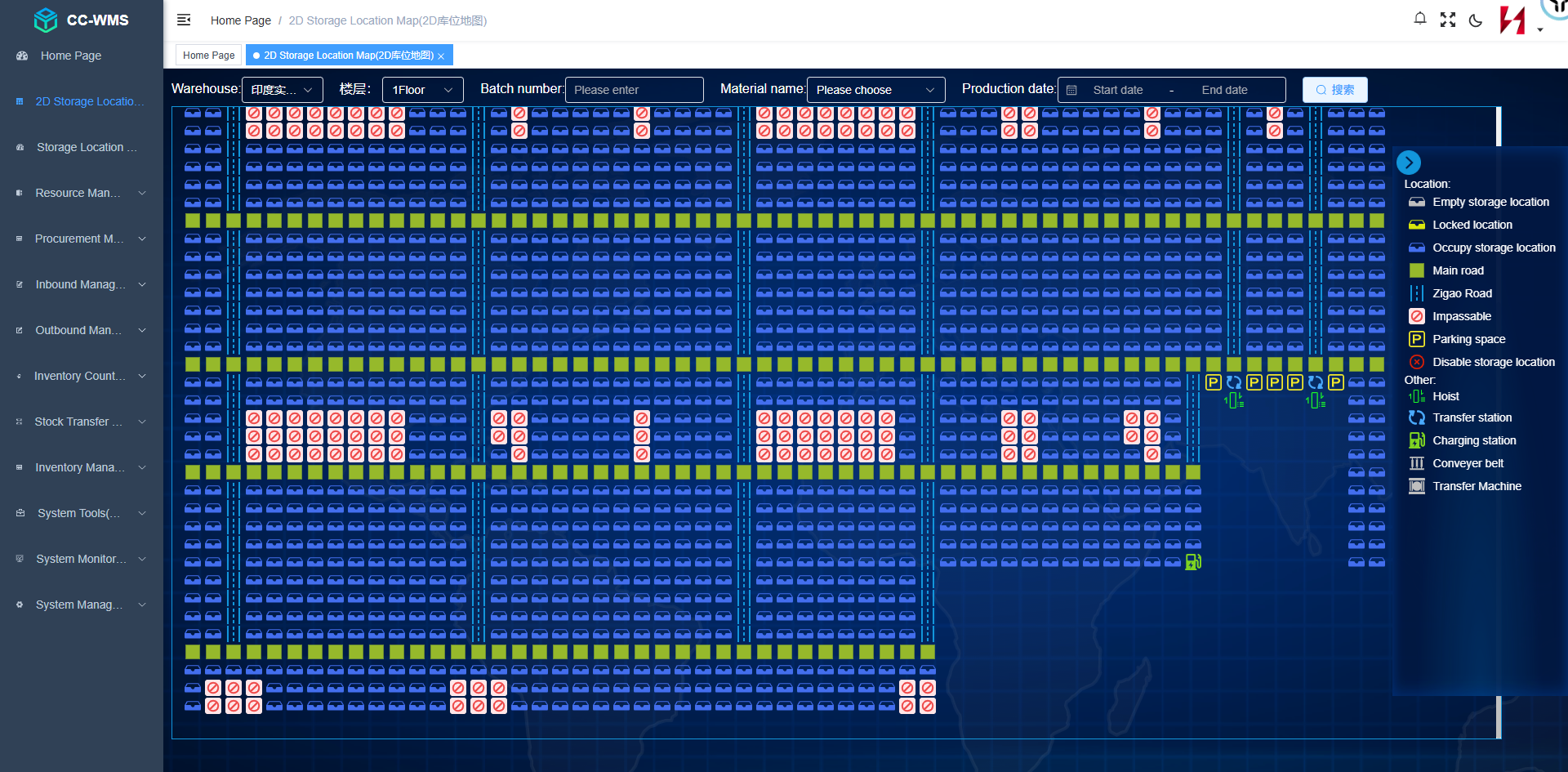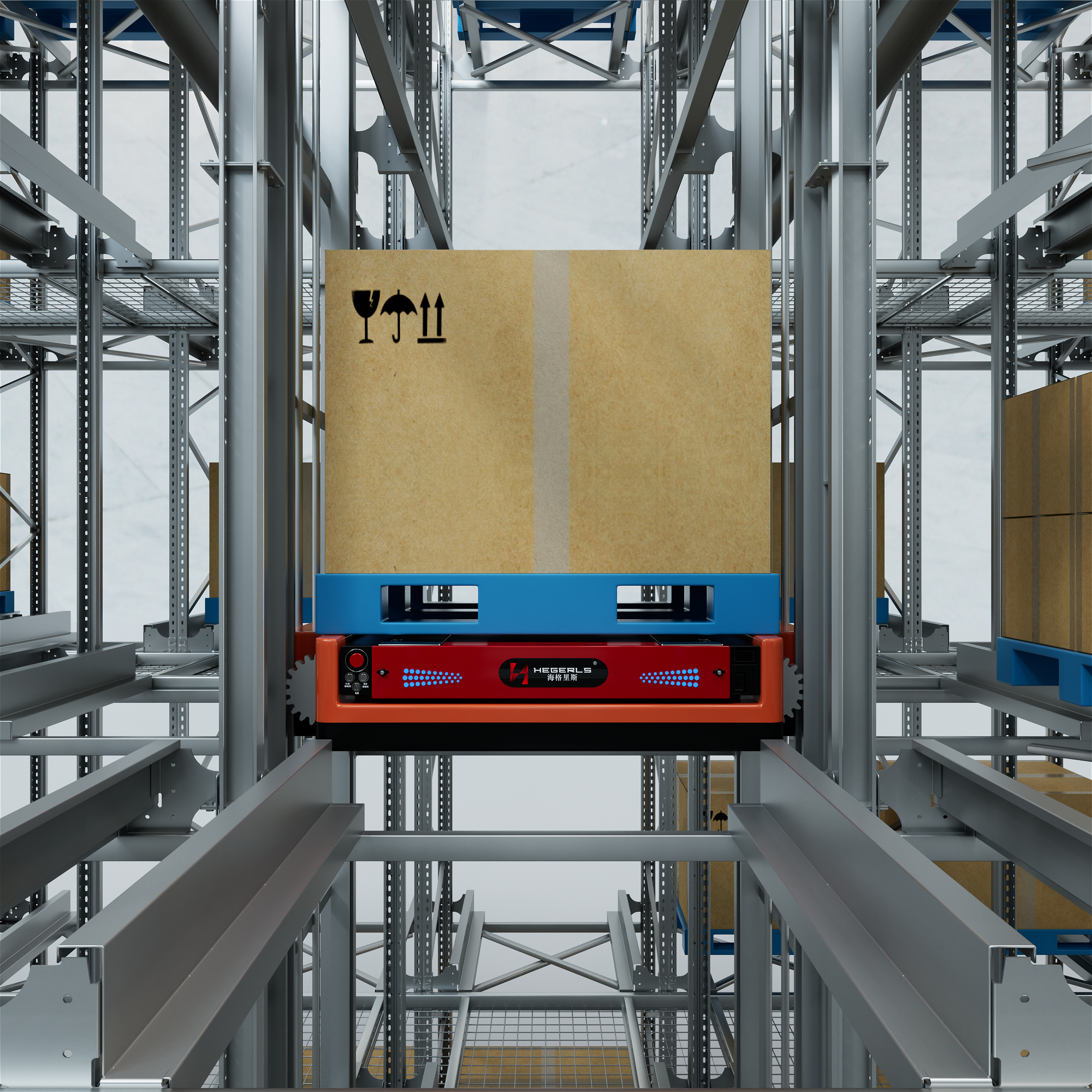
Pharmaceutical warehouses must manage large numbers of SKUs, strict batch requirements, expiration dates, different product characteristics, and demanding traceability requirements. As product portfolios expand, manual handling and spreadsheet-based inventory management can become increasingly complex, while wide forklift aisles limit storage capacity.
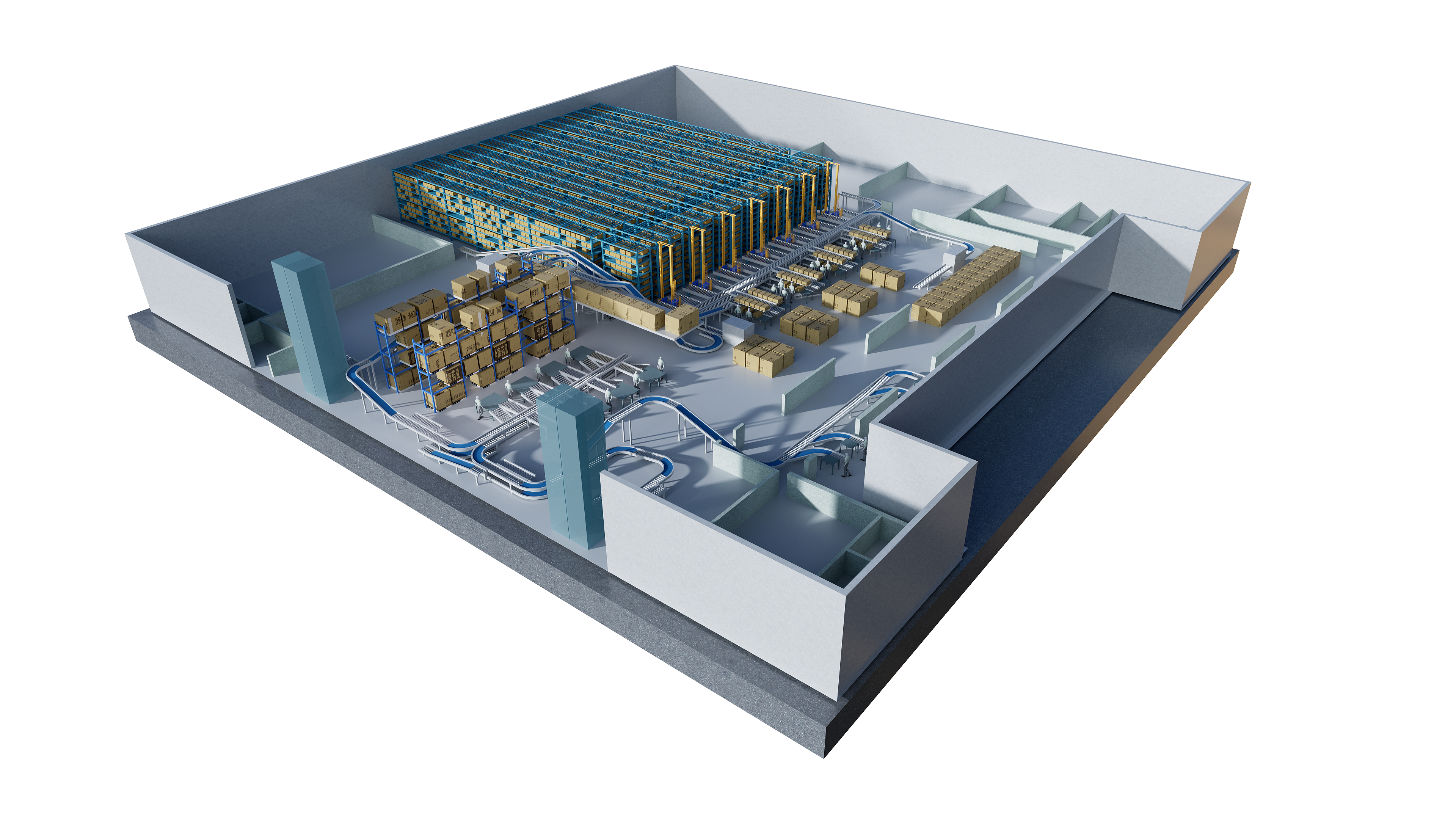
Pharmaceutical warehouse automation combines ASRS, shuttle systems, conveyors, lifts, automated handling equipment, WMS, and WCS to create a more efficient and digitally controlled warehouse.
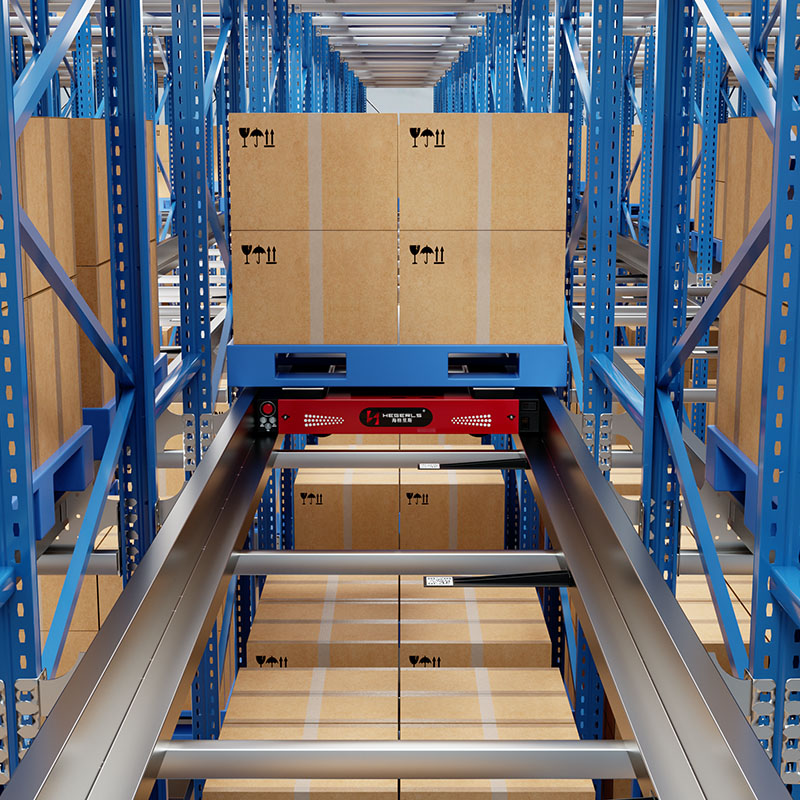
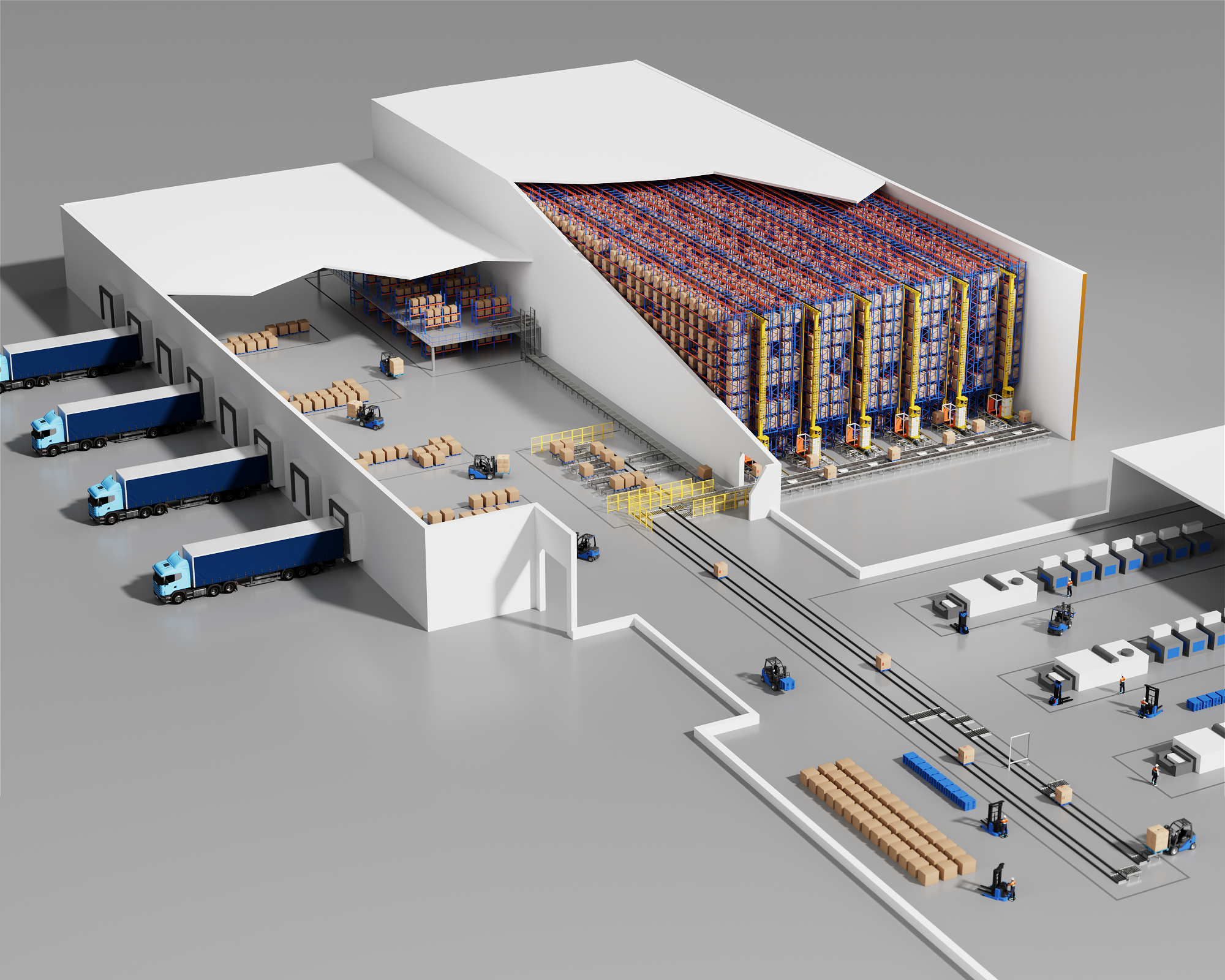
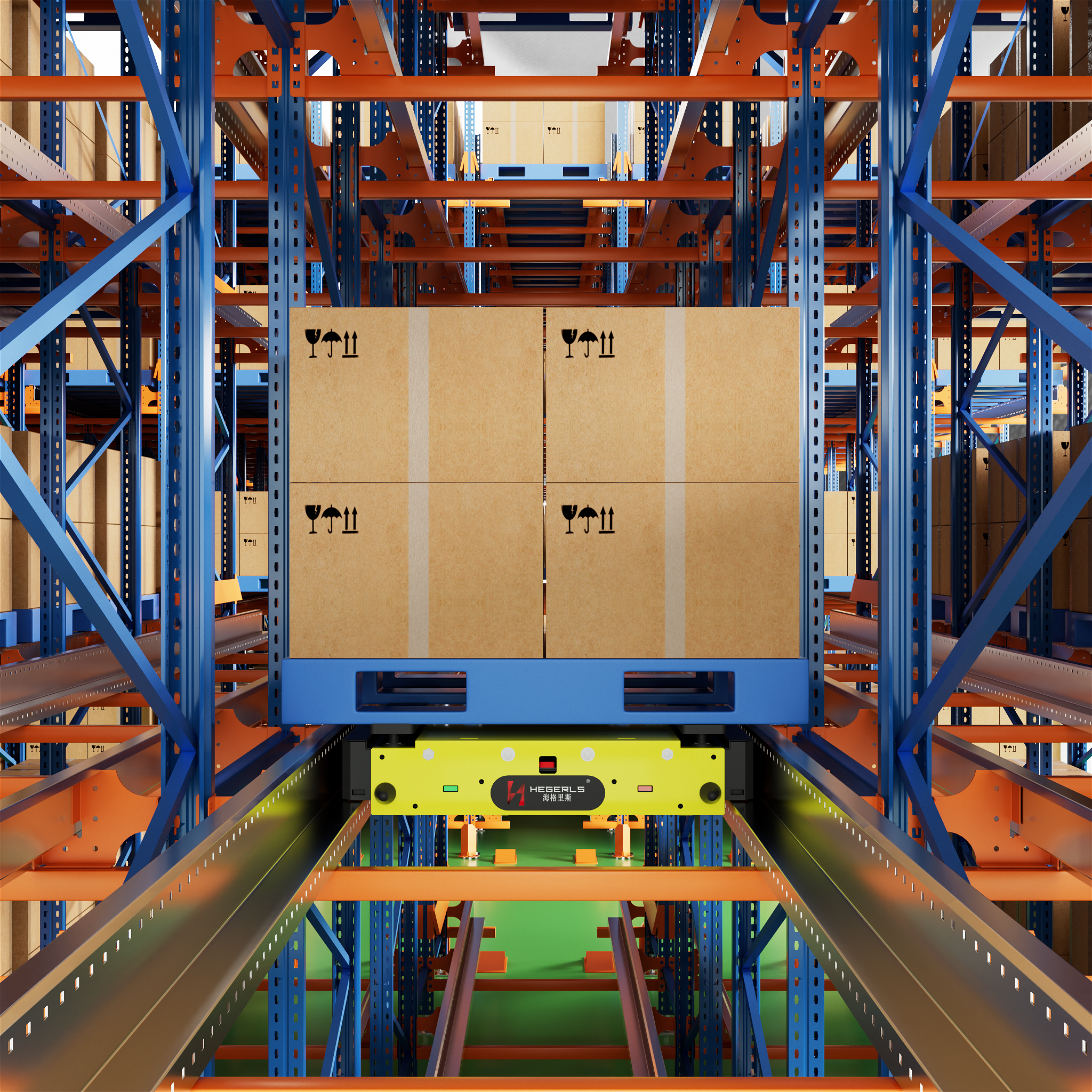
Zhuku provides integrated pharmaceutical warehouse automation solutions combining high-bay ASRS, four-way shuttle systems, pallet shuttle systems, box-type automated storage, conveyors, lifts, CC-WMS, and YUNTU-WCS. Solutions are designed according to SKU characteristics, inventory volume, throughput, storage height, pallet or box specifications, storage conditions, and project requirements.
From warehouse analysis and system design to equipment integration, software configuration, installation, commissioning, and technical support, Zhuku provides an integrated approach to pharmaceutical warehouse automation.
Pharmaceutical warehouse automation uses automated storage and retrieval systems, shuttle systems, conveyors, lifts, warehouse software, and automated handling equipment to manage pharmaceutical inventory with higher storage density, structured workflows, batch-level visibility, and digital traceability.
A typical architecture connects:
ERP / MES → CC-WMS → YUNTU-WCS → ASRS / Shuttle / Conveyor / Lift
The exact configuration depends on product characteristics, warehouse dimensions, inventory profile, throughput, storage conditions, and project requirements.
Pharmaceutical warehouses may contain hundreds or thousands of SKUs with different packaging, batches, quantities, production dates, expiration dates, and storage requirements. As inventory grows, manual records become increasingly difficult to maintain accurately.
Products may need to be managed by SKU, batch number, production date, expiration date, quantity, location, and inventory status. WMS can associate these data with warehouse transactions and storage locations.
Forklift-based warehouses often require wide operating aisles. High-bay ASRS and shuttle storage can make greater use of vertical space while reducing dependence on conventional forklift aisles.
Raw materials, finished medicines, packaging materials, and medical supplies may have different dimensions, weights, turnover rates, and storage requirements. One storage technology may therefore not be suitable for every product.
Operators may need to know where products were received, stored, moved, and shipped. Digital warehouse management connects physical inventory with storage locations and transaction records.
Different products, materials, or batches may require dedicated storage locations or zones. Automated location management can help apply configured storage and segregation rules.
1. High-Bay Automated StorageUse vertical space more efficiently. Stacker crane ASRS and other high-density technologies can provide automated pallet storage while reducing the need for wide forklift aisles. |
2. Multi-Format StorageMatch storage technology to product characteristics. Zhuku can integrate:
The configuration is selected according to load, SKU volume, storage density, turnover, and throughput requirements. |
3. Fine-Grained Storage ZoningWarehouse locations can be organized according to product category, SKU, batch, production date, expiration date, storage condition, packaging format, turnover rate, and inventory status. |
4. Automated Material HandlingConveyors, lifts, shuttles, and stacker cranes can connect receiving, inspection, storage, picking, staging, and dispatch, reducing repetitive manual transportation. |
5. Intelligent Batch ManagementCC-WMS can manage SKU, batch, quantity, location, production date, expiration date, and inventory status according to project requirements. |
6. Full-Process TraceabilityWarehouse transactions can record receiving, putaway, movement, retrieval, staging, and dispatch, creating a digital connection between physical inventory and warehouse data. |
7. FIFO & FEFOWhere applicable, WMS can support FIFO and FEFO strategies. FEFO uses expiration-date information to help prioritize products with earlier expiration dates. |
8. WMS & WCS IntegrationCC-WMS manages inventory, locations, orders, and warehouse processes. YUNTU-WCS coordinates automated equipment and task execution. Together, they connect warehouse management decisions with physical equipment. |
An automated pharmaceutical warehouse should be designed around actual inventory and operational requirements rather than selecting equipment first.
Step 1 — Analyze ProductsEvaluate SKU quantity, dimensions, weight, pallet or box specifications, packaging, batch characteristics, and storage requirements. Step 2 — Analyze InventoryDetermine average and peak inventory, inventory by SKU and batch, pallet or box quantities, and required storage positions. Step 3 — Analyze ThroughputEvaluate daily and peak inbound/outbound volume, retrieval requirements, picking rate, and required throughput. Step 4 — Analyze Storage ConditionsDetermine whether the project requires ambient, temperature-controlled, cold-storage, or dedicated storage zones. |
Step 5 — Select Storage TechnologyZhuku evaluates stacker crane ASRS, four-way shuttles, pallet shuttles, box-type ASRS, and combined storage architectures according to the project profile. Step 6 — Design WMS/WCS WorkflowThe software architecture can connect: ERP / MES → CC-WMS → YUNTU-WCS → Automation Equipment Step 7 — Simulate Capacity and ThroughputEngineering analysis can evaluate storage positions, equipment quantity, material flow, throughput, buffer requirements, and warehouse utilization. Step 8 — Installation and CommissioningThe project proceeds through installation, software configuration, equipment commissioning, system testing, training, and technical support. |
There is no single system suitable for every pharmaceutical warehouse. Selection depends on load type, SKU profile, storage height, throughput, inventory volume, and operating conditions.
| System | Suitable Products | Storage Density | Typical Application |
| Stacker Crane ASRS | Heavy pallets | High | Finished products, raw materials, high-bay storage |
| Four-Way Shuttle System | Pallets | Very High | High-SKU pallet storage and flexible dense storage |
| Pallet Shuttle System | Large pallet volumes | High | High-density storage with similar pallet flows |
| Box-Type ASRS | Small/medium products | Very High | Small pharmaceutical products and frequent retrieval |
| Conveyors & Lifts | Pallets, boxes, totes | — | Material transfer between warehouse zones |
Multiple technologies can also be integrated into one pharmaceutical warehouse.
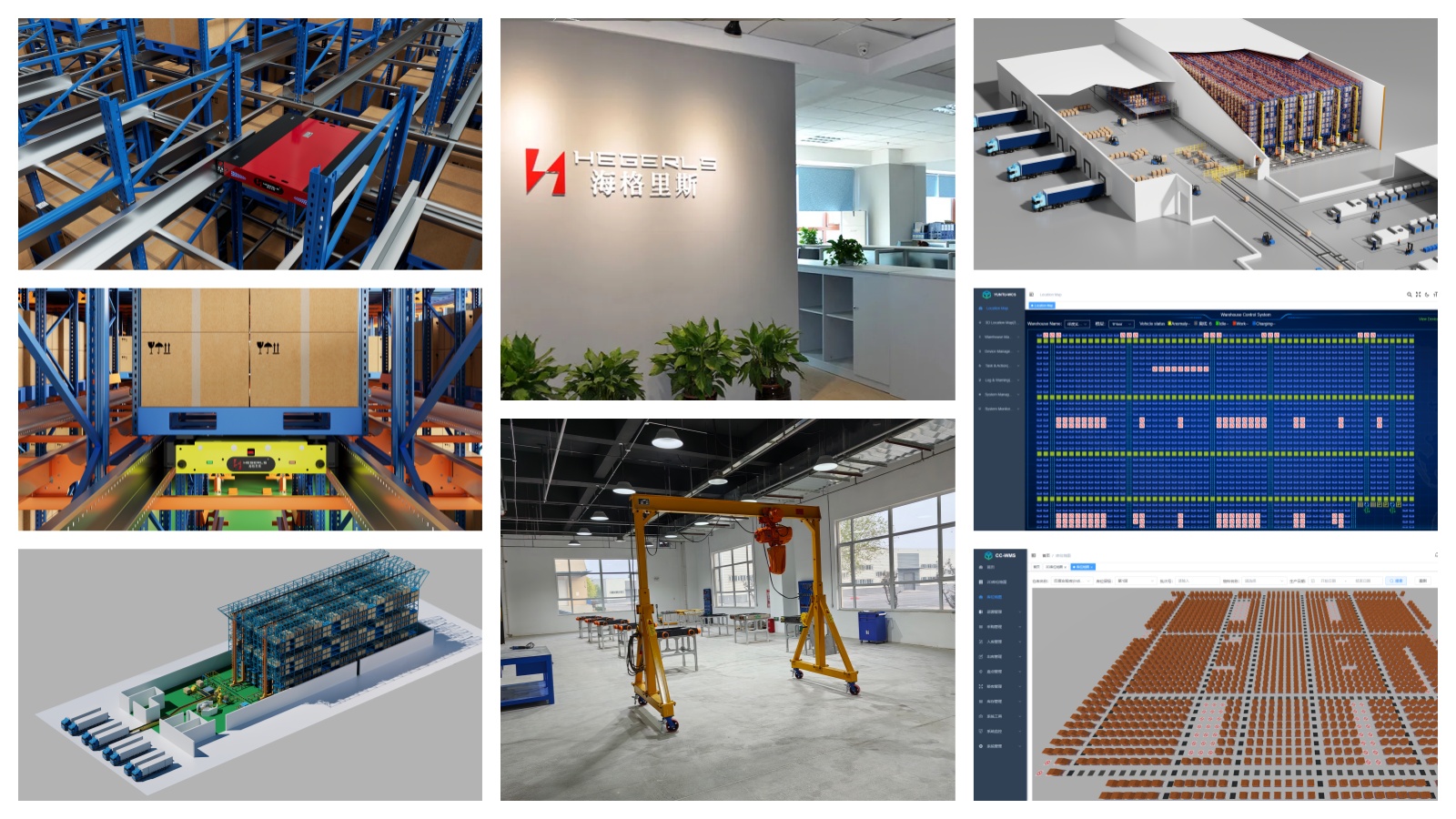
| Technology | Pharmaceutical Warehouse Application |
| Stacker Crane ASRS | High-bay pallet storage and automated retrieval |
| Four-Way Shuttle System | Flexible high-density pallet storage |
| Pallet Shuttle System | High-density storage for large pallet volumes |
| Box-Type ASRS | Dense storage for suitable small and medium-sized products |
| Conveyors & Lifts | Automated movement between warehouse zones |
| CC-WMS | SKU, batch, location, inventory, and order management |
| YUNTU-WCS | Automated equipment coordination and control |
| Barcode / Identification Systems | Product and batch identification |
| Environmental Monitoring Integration | Integration with project-specific storage monitoring |
A typical workflow is:
Receiving → Identification & Verification → Quality / Batch Data Entry → Storage Assignment → Automated Putaway → Storage → Inventory Monitoring → Retrieval → Batch Verification → Staging → Dispatch
CC-WMS records relevant inventory information, while YUNTU-WCS coordinates the physical automation equipment.
When an outbound task is generated, WMS determines the required inventory and WCS coordinates the required shuttle, stacker crane, conveyor, or lift.
This creates a digital connection between pharmaceutical inventory and warehouse operations.
Pharmaceutical Raw MaterialsAutomated storage can manage raw materials by SKU, batch, quantity, storage requirements, and production demand. |
Finished Pharmaceutical ProductsPallet or box-based automated storage can organize finished products according to SKU, batch, expiration date, and outbound requirements. |
Medical SuppliesAutomated storage can accommodate diverse package sizes and inventory volumes while maintaining digital location management. |
Pharmaceutical Packaging MaterialsPackaging materials can be stored and retrieved according to production schedules and material requirements. |
Small Pharmaceutical ProductsBox-type ASRS can provide dense storage for suitable small and medium-sized products with frequent retrieval requirements. |
Temperature-Controlled ProductsSuitable automated storage and handling equipment can be configured for temperature-controlled applications according to actual project conditions. |
Automation can connect raw material receiving, production supply, intermediate storage, finished-goods storage, and outbound processes.
WMS and automated storage can help manage large SKU portfolios, batch information, inventory locations, and frequent outbound requirements.
Automated storage provides structured location management for medical supplies with different package sizes and turnover rates.
Suitable shuttles, ASRS, conveyors, and lifts can be configured for cold-storage applications while WMS maintains digital inventory control.
High-density storage and automated material handling can connect receiving, storage, picking, staging, and dispatch operations.
Inventory records can be associated with product information, batch number, quantity, and location.
WMS can record storage locations and inventory movements throughout warehouse operations.
Production and expiration dates can be recorded and used in inventory strategies such as FEFO where applicable.
Receiving, putaway, movement, retrieval, staging, and dispatch records can be connected with inventory information.
The system can support configurable forward and reverse traceability workflows, subject to the project's data structure and applicable requirements.
Higher Storage DensityHigh-bay ASRS and shuttle systems can make greater use of vertical warehouse space and reduce dependence on wide forklift aisles. |
Better SKU ManagementWMS provides structured management of products, batches, locations, quantities, and inventory status. |
Improved Batch TraceabilityDigital records connect inventory with batch and transaction information throughout warehouse operations. |
Reduced Manual HandlingAutomated equipment can reduce repetitive manual transportation, putaway, and retrieval tasks. |
More Accurate InventoryDigital inventory transactions reduce dependence on spreadsheets and manual records. |
Better Inventory TurnoverFIFO and FEFO strategies can help prioritize inventory according to receipt sequence or expiration information where applicable. |
Zhuku develops automated warehouse solutions based on actual warehouse dimensions, inventory characteristics, throughput, storage conditions, and operating workflows.
Related project experience can include:
Four-way shuttle warehouses
Automated pallet storage and retrieval
Conveyor and lift systems
WMS/WCS integration
Where a pharmaceutical-specific project is required, the system should be designed around the customer's actual products, warehouse conditions, workflows, and applicable requirements rather than applying a standard configuration.
Zhuku integrates storage racks, ASRS, shuttle systems, conveyors, lifts, WMS, WCS, identification systems, and warehouse workflows into one coordinated automation system.
The objective is not simply to supply individual equipment, but to develop an automation architecture around the customer's warehouse requirements.
A single project can combine pallet ASRS, four-way shuttles, pallet shuttles, box storage, conveyors, and lifts according to product characteristics.
CC-WMS provides structured management of SKUs, batches, locations, quantities, expiration information, inventory status, and warehouse transactions.
CC-WMS manages warehouse processes and inventory, while YUNTU-WCS coordinates equipment and task execution.
Solutions are designed according to warehouse dimensions, SKU quantity, load specifications, inventory, throughput, storage height, storage conditions, and project requirements.
Zhuku can support:
Warehouse Analysis → Solution Design → Equipment Integration → Software Configuration → Installation → Commissioning → Training → Technical Support
Pharmaceutical warehousing requires more than storage capacity. It needs high-density storage, precise SKU and batch management, controlled storage zones, automated material handling, digital inventory visibility, and traceability.
Zhuku provides integrated pharmaceutical warehouse automation solutions combining storage systems, automation equipment, CC-WMS, YUNTU-WCS, and warehouse engineering.
Send Us Your Warehouse InformationProvide:
|
Zhuku Can Evaluate
|
Send your warehouse drawing and requirements to Zhuku for an initial evaluation of the right automation architecture for your pharmaceutical warehouse.
Find answers to frequently asked questions about warehouse automation, system integration, equipment, installation, operation, maintenance, and after-sales support.

Zhuku is a trusted warehouse automation company providing system integration, intelligent storage solutions, automated warehouse systems, and warehouse racking for customers worldwide.