As warehouse space becomes increasingly expensive and inventory volumes continue to grow, companies are looking for ways to store more products within the same warehouse footprint.
However, choosing a high-density storage solution is not simply about selecting the system with the highest number of pallet positions. The right solution must balance storage density, accessibility, throughput, SKU characteristics, automation, safety, investment, and future scalability.
This guide explains how to choose the right high-density storage solution for different warehouse requirements, from conventional racking and mobile racking to pallet shuttle, four-way shuttle, ASRS, and rack-supported warehouse systems.
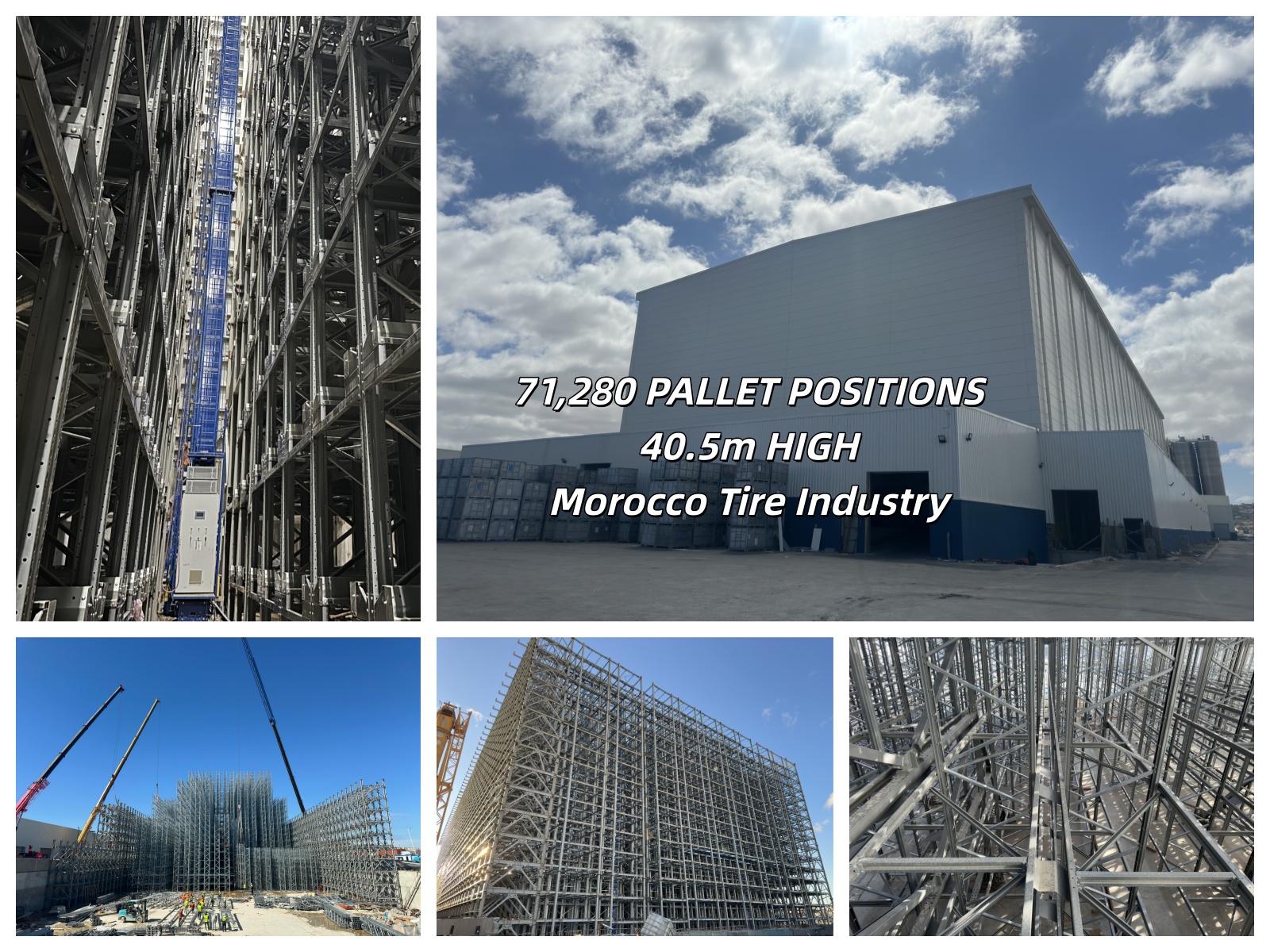
What Is High-Density Storage?
High-density storage refers to warehouse storage methods designed to maximize the use of available floor area and vertical space while maintaining the required level of accessibility and operational efficiency.
Compared with conventional selective pallet racking, high-density storage systems generally achieve higher space utilization by:
- Reducing unnecessary aisle space
- Increasing storage depth
- Maximizing vertical space
- Improving rack layout
- Automating pallet movement
- Integrating storage and building structures
Common high-density storage solutions include:
- Selective pallet racking
- Drive-in racking
- Mobile racking
- Pallet shuttle systems
- Four-way shuttle systems
- Stacker crane ASRS
- Rack-supported warehouses
The optimal solution depends on the warehouse's operational requirements.
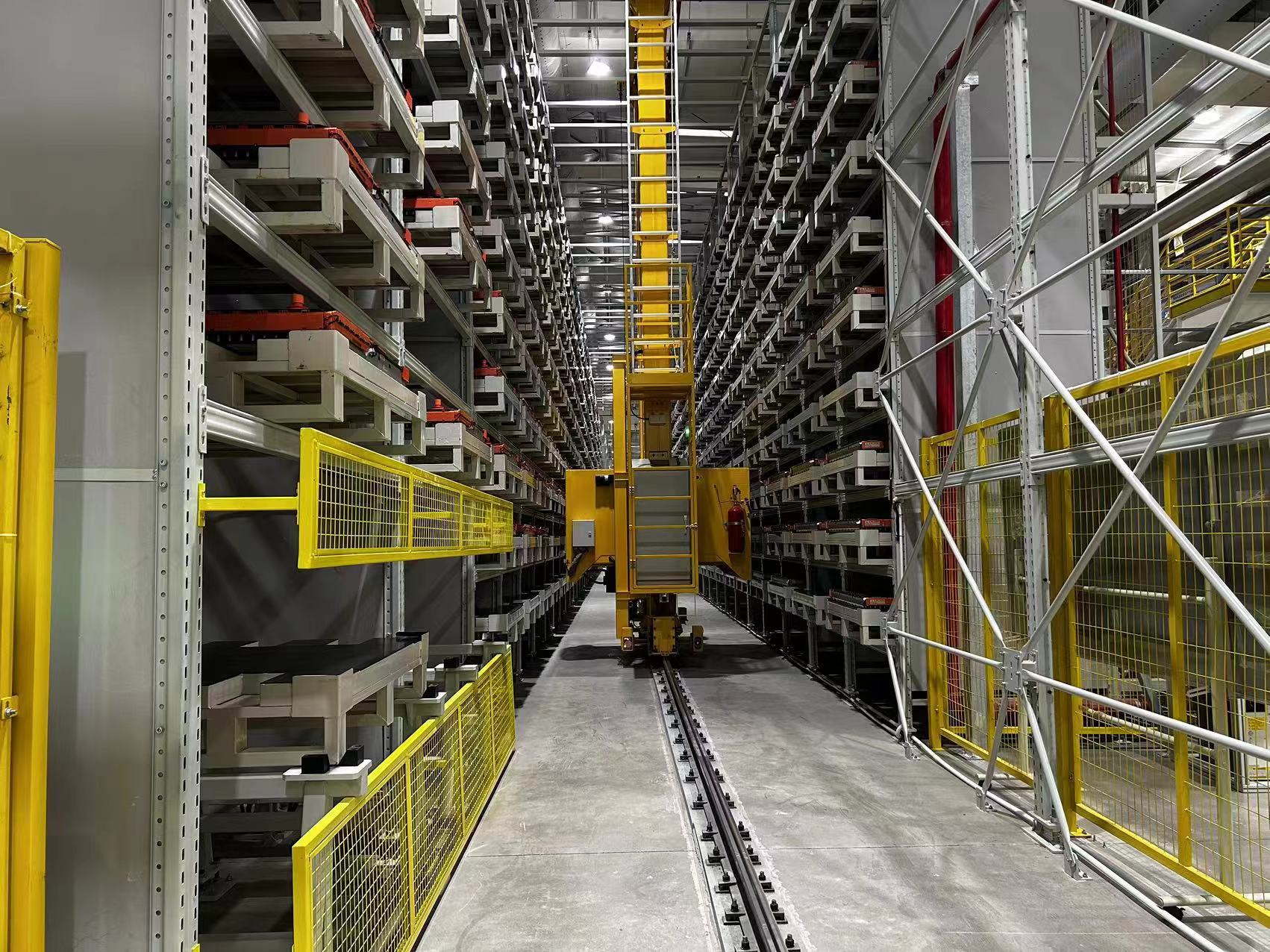
Why Is Choosing the Right Storage Density Important?
A warehouse with more pallet positions is not necessarily a better warehouse.
For example, a deep-lane storage system may provide excellent storage density but make individual SKU access more difficult.
Similarly, a fully automated ASRS warehouse can provide excellent space utilization and inventory control, but the investment and system complexity may be unnecessary for a small operation.
The goal should therefore be:
Maximum practical storage density, not maximum theoretical storage density.
A well-designed warehouse should balance:
Storage Capacity + Accessibility + Throughput + Flexibility + Investment + Safety
What Factors Should You Consider Before Choosing a High-Density Storage Solution?
1. Warehouse Dimensions
Start with the physical characteristics of the warehouse:
- Length
- Width
- Clear height
- Column spacing
- Floor area
- Floor loading capacity
- Existing building structure
- Dock locations
A high-bay warehouse with significant clear height may benefit from vertical automated storage, while a lower warehouse may be better suited to conventional high-density racking.
2. Required Storage Capacity
Determine how many storage positions are actually required.
Consider:
- Current pallet quantity
- Peak inventory
- Future inventory growth
- Safety stock
- Seasonal inventory
- Empty pallet requirements
The warehouse should be designed around realistic operational requirements rather than simply maximizing pallet positions.
3. SKU Quantity and Inventory Profile
The number of SKUs is one of the most important factors.
A warehouse storing:
20 SKUs × 500 pallets per SKU
has very different requirements from:
5,000 SKUs × 5 pallets per SKU
Deep-lane storage is generally more attractive when there are large quantities of the same or similar products.
Warehouses with many SKUs and frequent direct access requirements may need more selective storage.
4. Pallet Specifications
Storage equipment must match the actual pallet characteristics.
Consider:
- Pallet length
- Pallet width
- Pallet height
- Pallet weight
- Load stability
- Packaging type
- Pallet condition
Different pallet dimensions and load characteristics can significantly affect rack configuration and equipment selection.
5. Storage Accessibility
Ask:
How quickly and independently must each pallet be accessed?
If almost every SKU requires frequent direct access, a selective storage system may be more appropriate.
If many pallets belong to the same SKU or product family, deep-lane storage can provide significantly better space utilization.
6. Throughput Requirements
Storage density and throughput are not the same thing.
Analyze:
- Inbound pallets per hour
- Outbound pallets per hour
- Peak-hour throughput
- Storage cycles
- Retrieval cycles
- Simultaneous tasks
- Equipment availability
A system designed only to maximize pallet positions may become a bottleneck if it cannot handle the required throughput.
7. Inventory Rotation
Different products may require different inventory rotation strategies.
Consider whether the warehouse requires:
- FIFO
- FEFO
- LIFO
- Batch management
- Lot tracking
- Expiration-date management
Inventory rotation requirements should be considered when selecting both the physical storage system and warehouse software.
What Are the Main High-Density Storage Solutions?
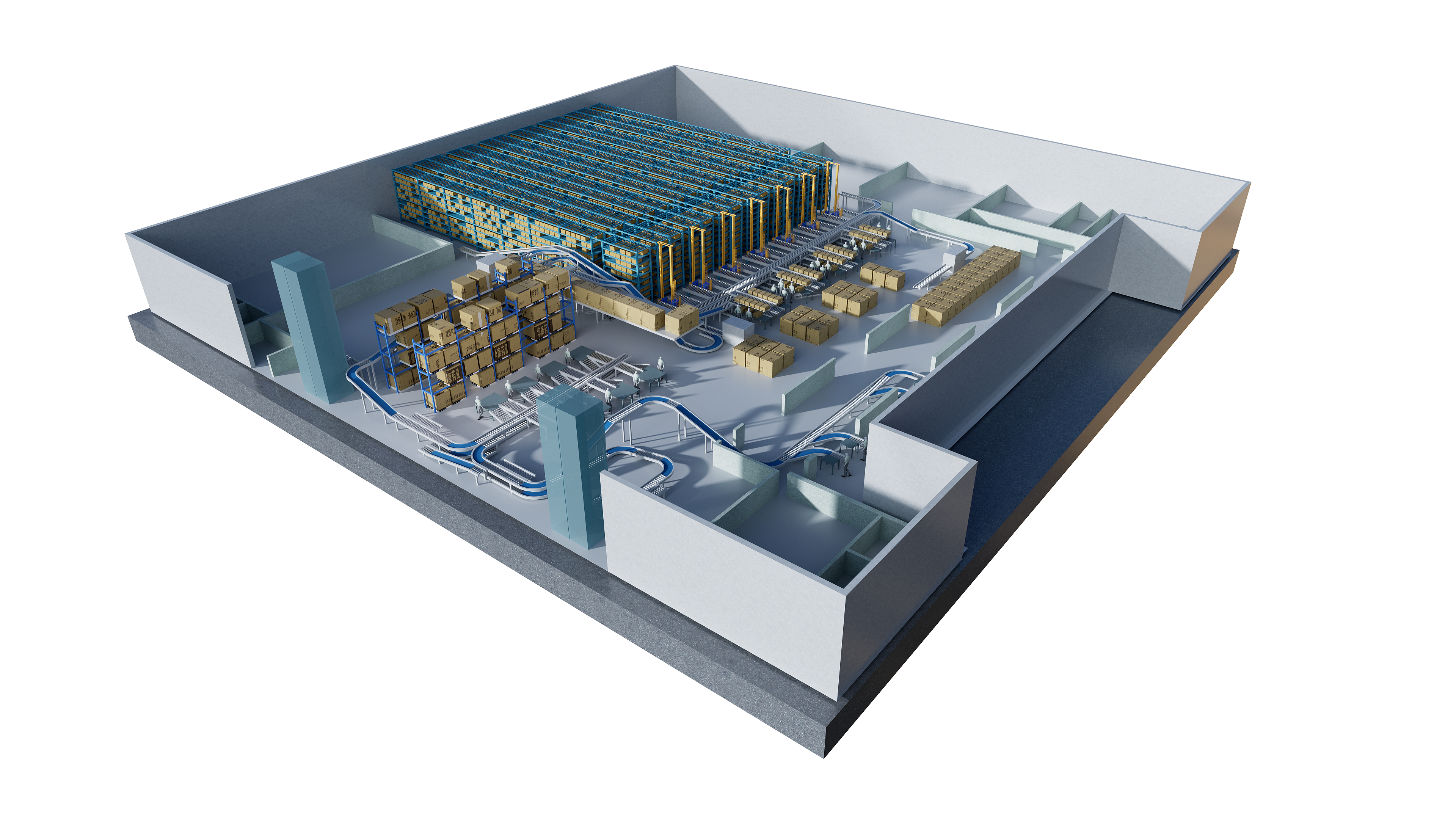
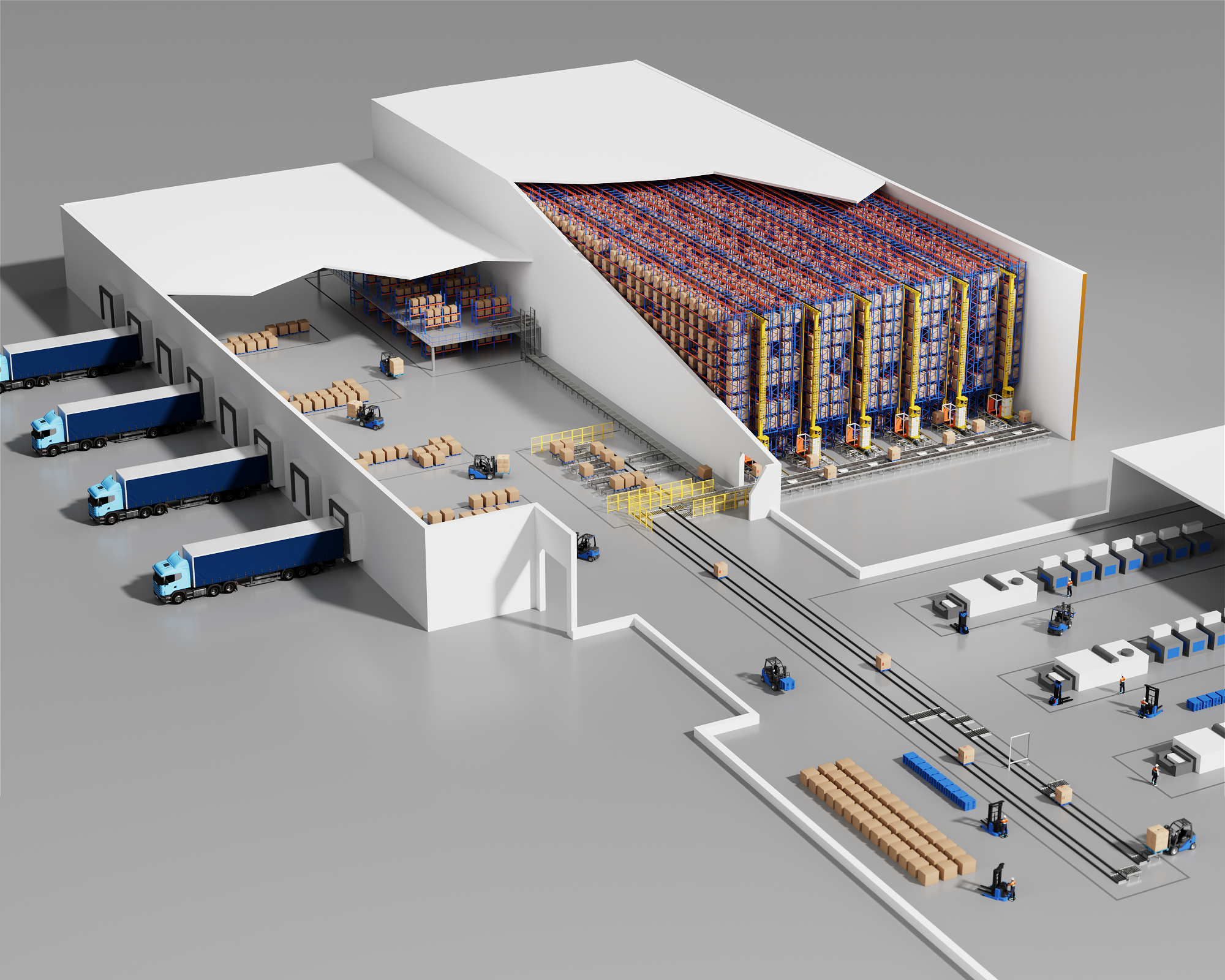
Different warehouses require different approaches to maximizing storage density. The main high-density storage solutions include selective racking, drive-in racking, mobile racking, pallet shuttle systems, four-way shuttle systems, stacker crane ASRS, and rack-supported warehouses.
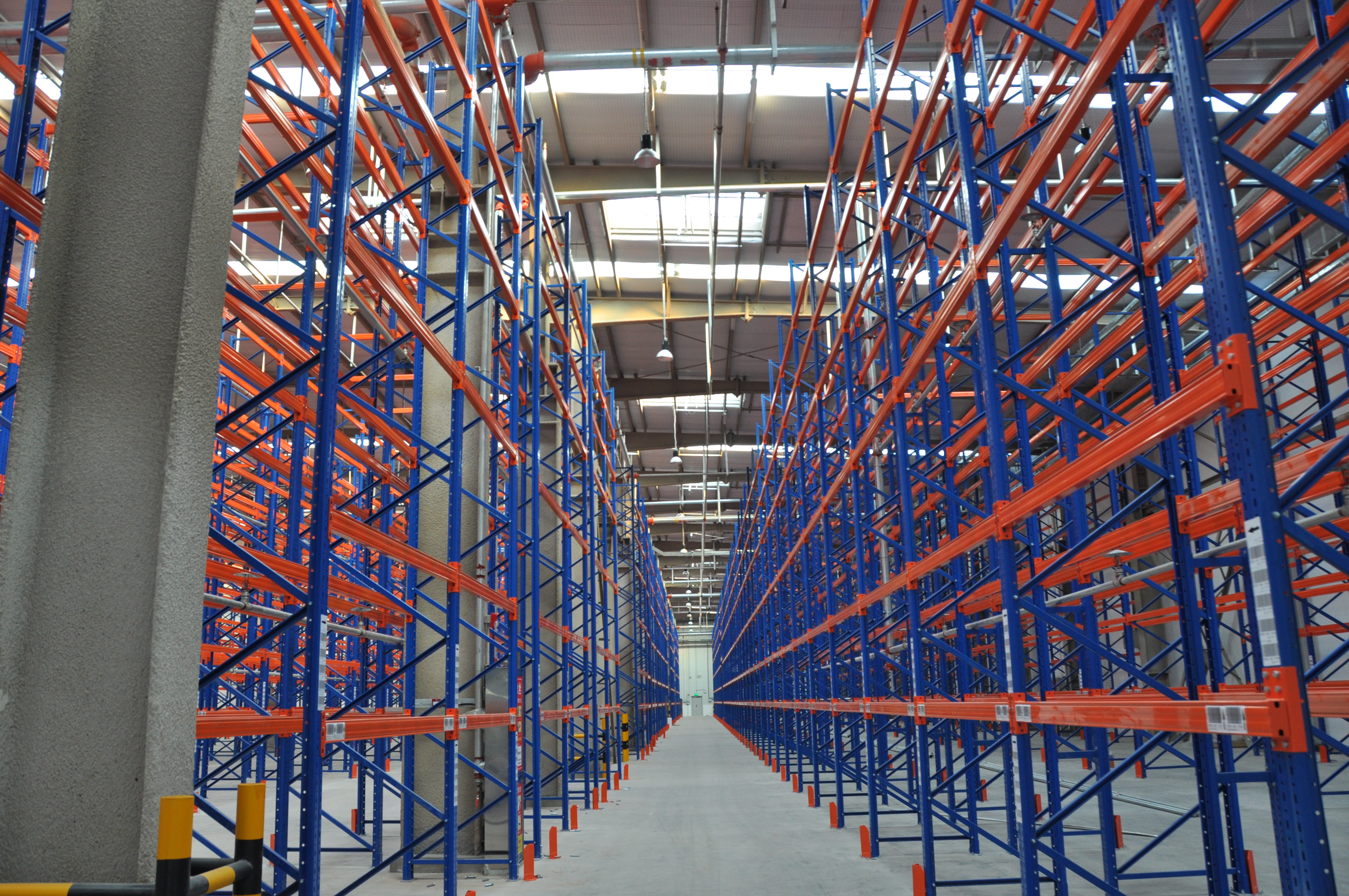
Selective Pallet RackingSelective pallet racking provides direct access to individual pallets and offers excellent flexibility. Although it generally requires more aisle space than deep-lane systems, it remains suitable for warehouses with a large number of SKUs and frequent pallet access. Best for:
|  |
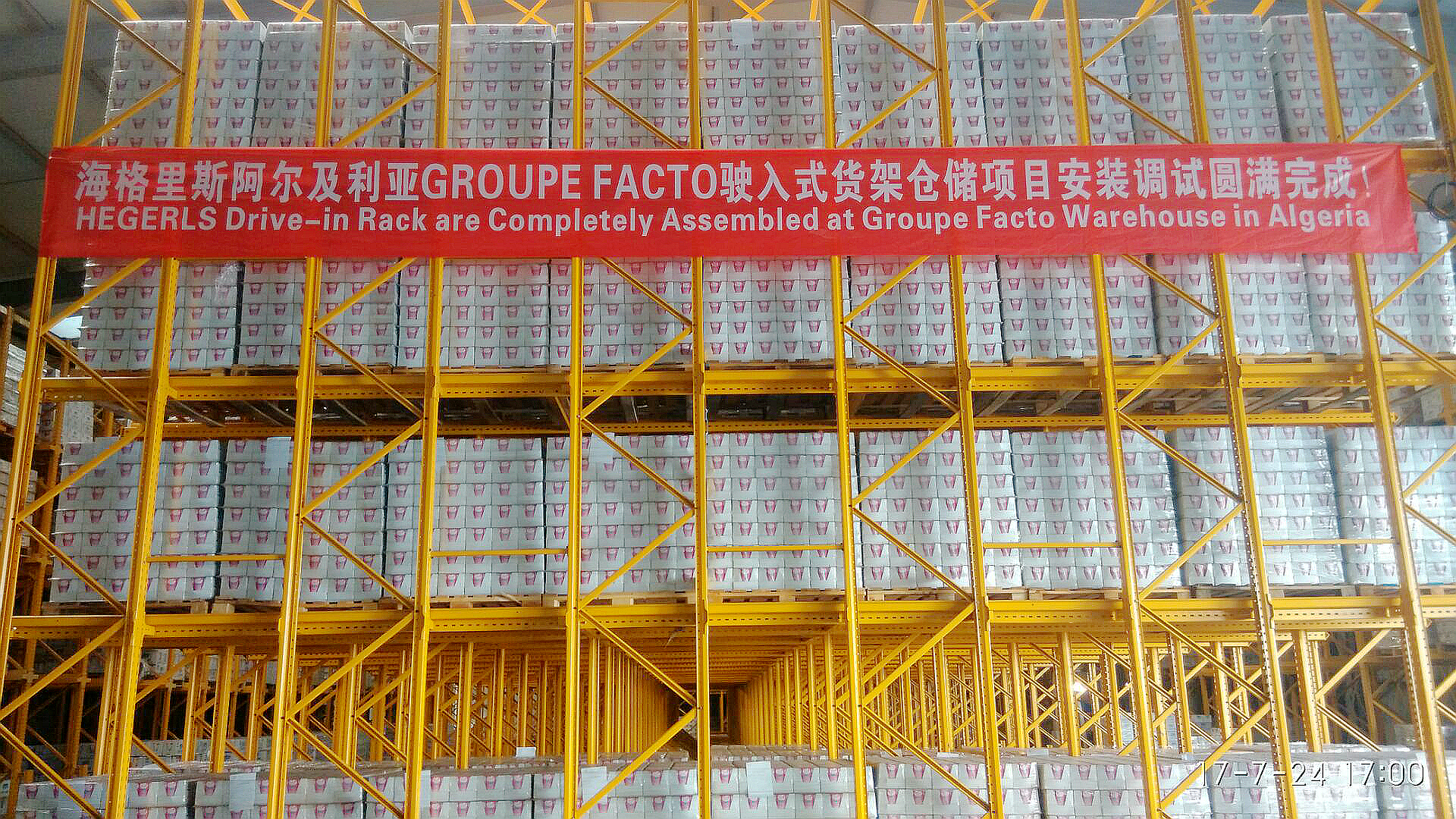 |
Drive-In RackingDrive-in racking allows forklifts to enter storage lanes and place pallets several positions deep. By reducing the number of aisles, it can provide higher storage density than conventional selective racking. Best for:
|
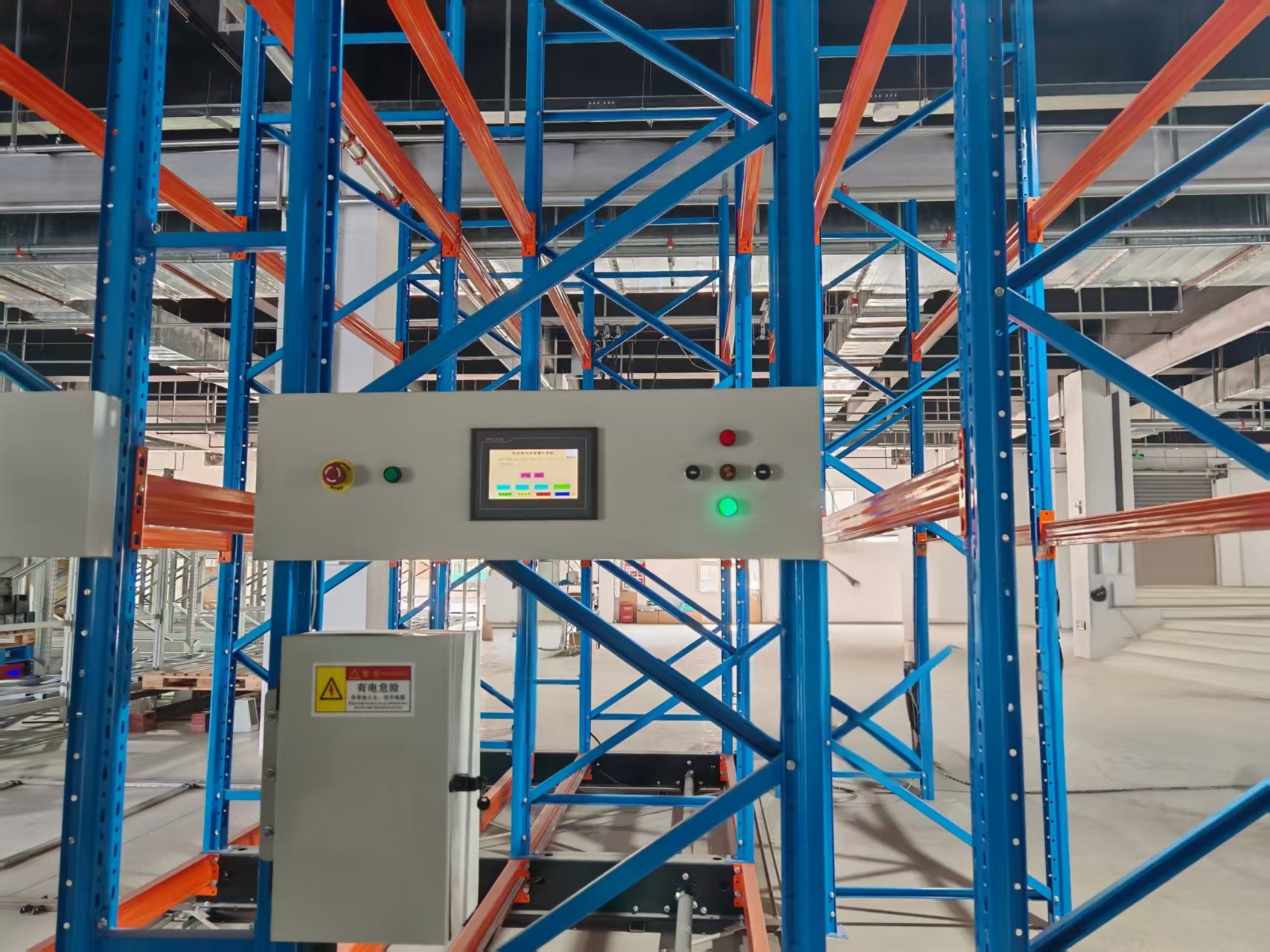
Mobile RackingMobile racking uses movable rack rows installed on motorized or mechanically operated bases. The racks move to create an access aisle only when required. By reducing the number of permanent aisles, mobile racking can significantly improve floor-space utilization while maintaining relatively high pallet accessibility. Best for:
|  |
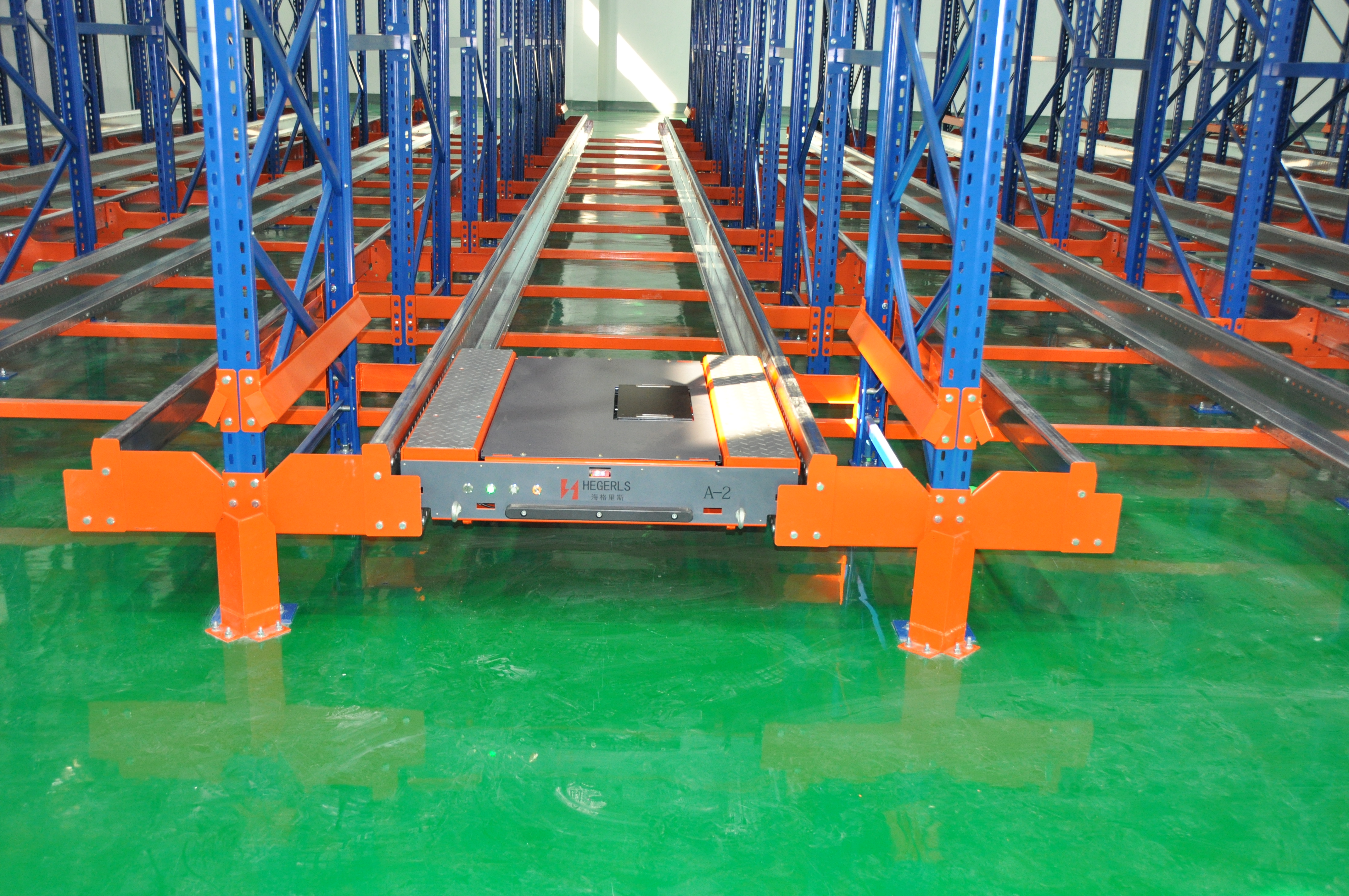 |
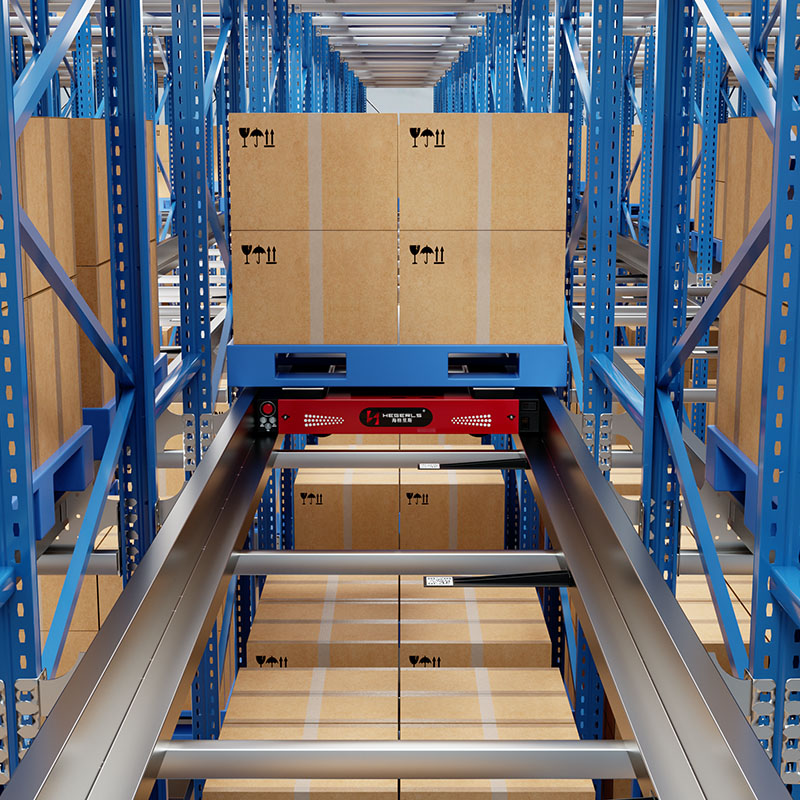
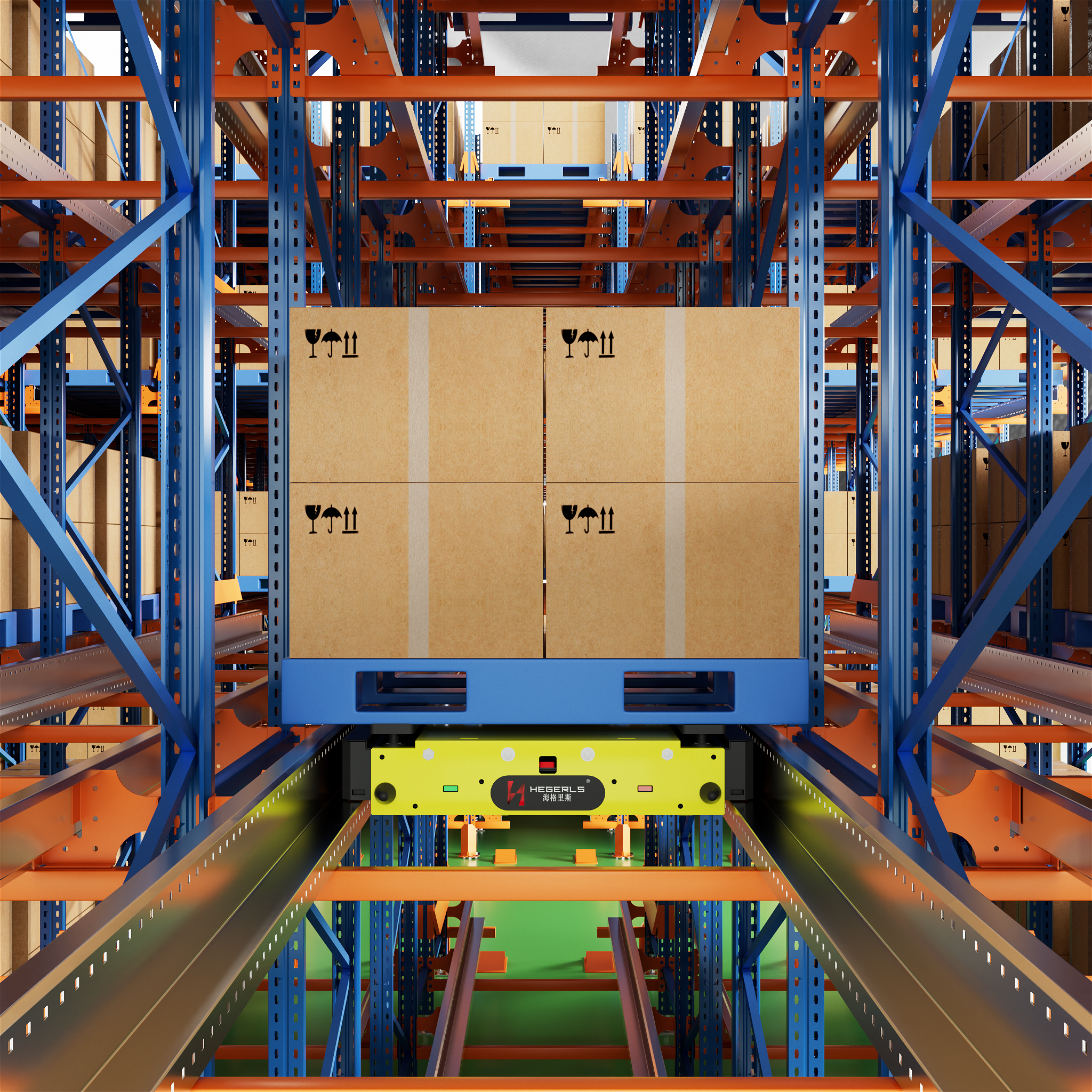
Pallet Shuttle SystemA pallet shuttle system uses an automated shuttle vehicle to move pallets inside deep storage lanes. Instead of forklifts entering every storage lane, pallets are transferred to the shuttle, which performs storage and retrieval operations. Best for:
|
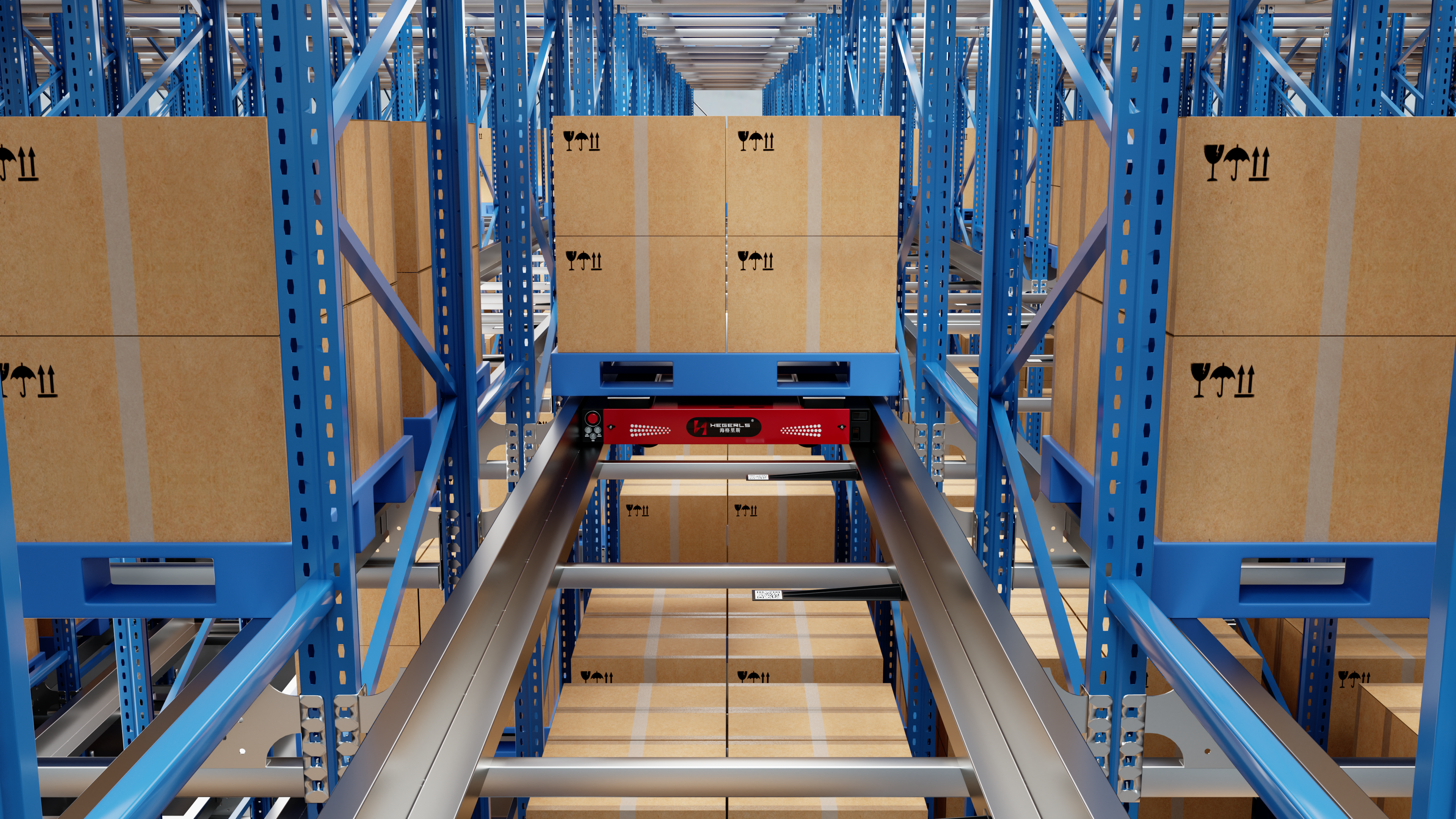
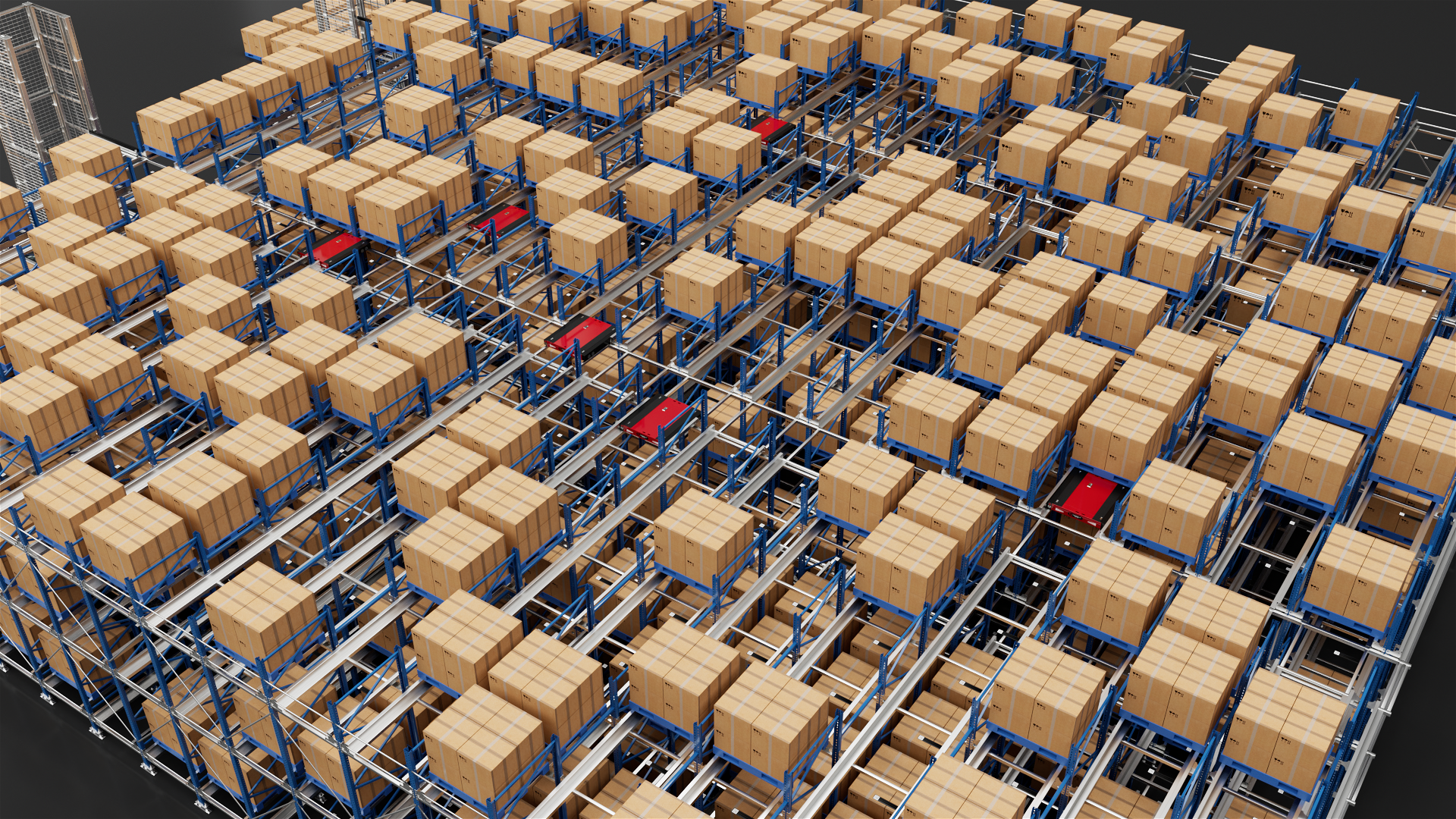
Four-Way Shuttle SystemA four-way shuttle system uses a multi-directional shuttle capable of moving forward, backward, and sideways. This provides greater flexibility than conventional two-way shuttle systems and allows the shuttle to operate across multiple storage lanes and zones. Best for:
|  |
|
|
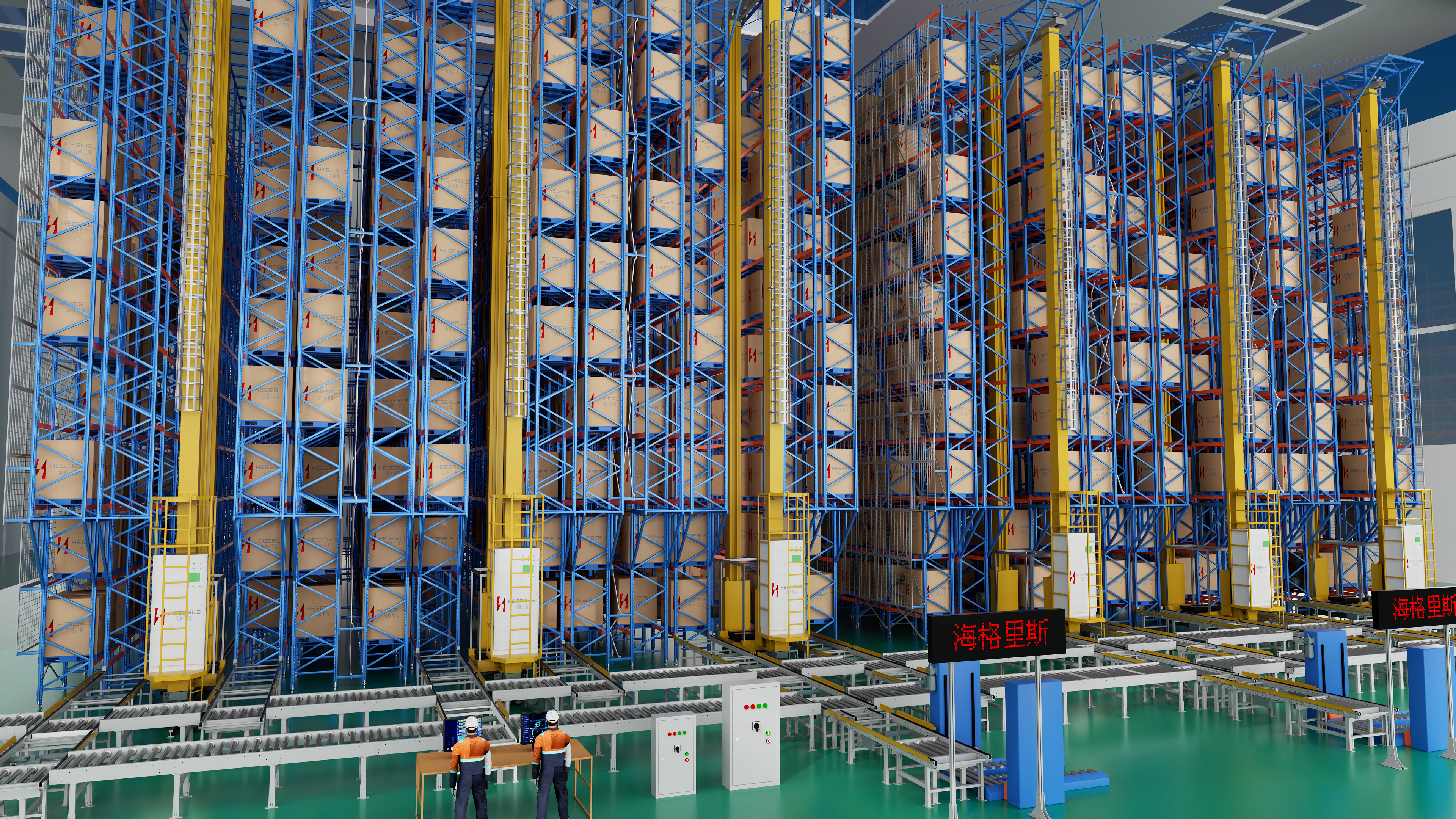
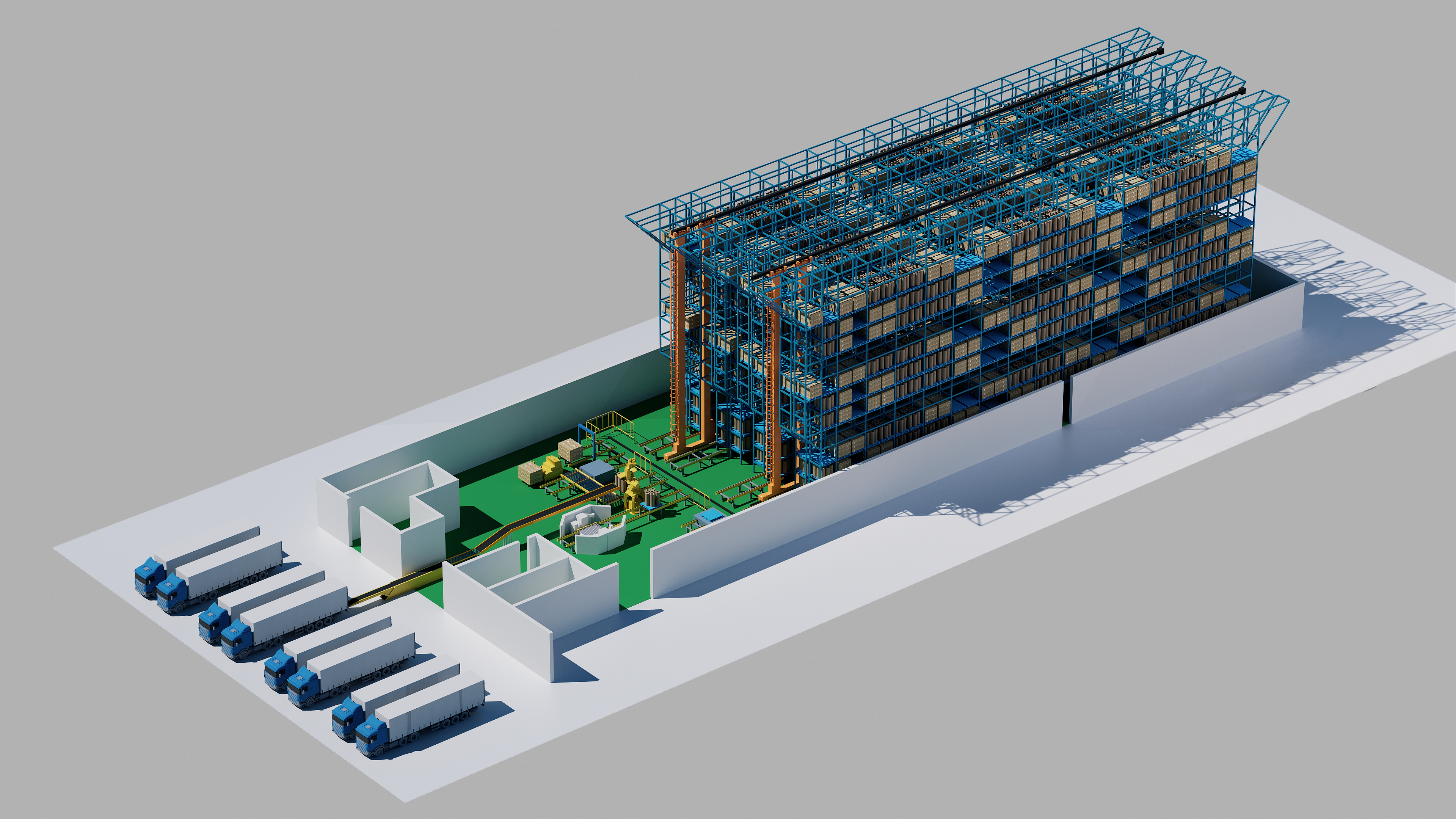
Stacker Crane ASRSA stacker crane ASRS uses automated cranes to store and retrieve pallets from high-bay racking. The system can make extensive use of vertical warehouse space while providing automated and accurate pallet handling. Best for:
|
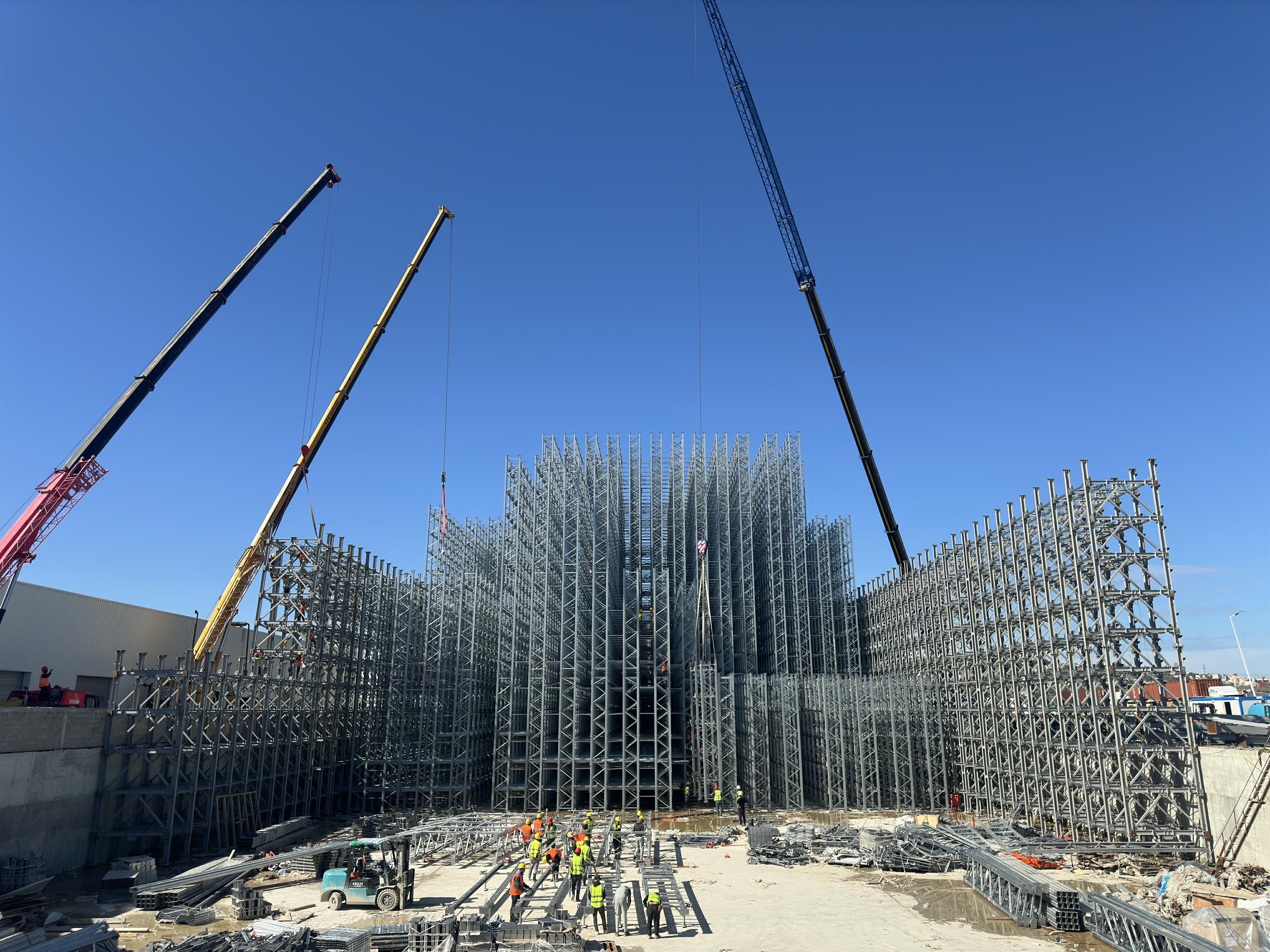
Rack-Supported WarehouseA rack-supported warehouse, also referred to as a rack-supported building or rack-clad warehouse in some projects, integrates the storage rack structure with the building structure. Instead of constructing an independent warehouse building and then installing racking inside it, the rack structure forms a major load-bearing component of the building. This approach is particularly suitable for high-bay automated storage warehouses, where maximizing vertical space and overall storage capacity is a priority. A rack-supported warehouse can be integrated with:
Best for:
|
|
High-Density Storage Solutions Comparison
| Storage Solution | Density | Accessibility | Automation | Typical Application |
| Selective Racking | Medium | Excellent | Low | Many SKUs |
| Drive-In Racking | High | Low | Low | High quantity/SKU |
| Mobile Racking | High | High | Low–Medium | Space-constrained warehouses |
| Pallet Shuttle | Very High | Medium | High | Deep-lane storage |
| Four-Way Shuttle | Very High | High | High | Flexible automated storage |
| Stacker Crane ASRS | Very High | High | Very High | High-bay automation |
| Rack-Supported Warehouse | Very High | Depends on system | High–Very High | Large high-bay projects |
How Do You Choose Between Racking and Automation?
The decision should start with your operational requirements, not with a particular technology.
Many SKUs + Frequent Direct AccessSelective Racking Suitable when individual pallets need frequent and independent access. |
Few SKUs + Large QuantitiesDrive-In Racking / Pallet Shuttle Suitable for deep-lane storage and high pallet quantities per SKU. |
Limited Floor Space + Direct AccessMobile Racking Suitable when reducing permanent aisles is important while maintaining relatively high accessibility. |
High Density + Flexible AutomationFour-Way Shuttle Suitable for flexible deep-lane storage and automated pallet movement. |
High-Bay + High ThroughputStacker Crane ASRS Suitable for high vertical storage capacity and automated storage and retrieval. |
New High-Bay Building + Maximum CapacityRack-Supported Warehouse + ASRS/Shuttle Suitable when the building and storage system can be designed as one integrated structure. |
How Does Warehouse Height Affect the Choice?
Warehouse height can fundamentally change the optimal storage solution.
Low to Medium HeightSelective Racking / Drive-In / Mobile Racking |
Medium to High HeightPallet Shuttle / Four-Way Shuttle |
High-BayFour-Way Shuttle / Stacker Crane ASRS |
Very High-BayRack-Supported Warehouse + ASRS / Shuttle |
The greater the usable vertical space, the more important structural design and automated vertical transportation become.
How Does Throughput Affect Storage System Selection?
A storage system should be evaluated against both storage capacity and material flow requirements.
Consider:
- Inbound pallets/hour
- Outbound pallets/hour
- Peak demand
- Storage cycles
- Retrieval cycles
- Equipment utilization
- Buffer capacity
- Charging requirements
For example, a high-throughput warehouse may require multiple shuttles, additional lifts, redundant equipment, or optimized conveyor layouts.
The goal is to avoid creating a system that has excellent storage density but insufficient retrieval capacity.
How Does SKU Profile Affect High-Density Storage?
SKU characteristics strongly influence the storage strategy.
Low SKU VarietyDeep-lane storage can maximize storage density. Potential solutions: Drive-In → Pallet Shuttle |
Medium SKU VarietyA flexible automated system may provide a better balance. Potential solutions: Four-Way Shuttle → Shuttle ASRS |
High SKU VarietyDirect accessibility becomes more important. Potential solutions: Selective Racking → Mobile Racking → Automated Storage Systems |
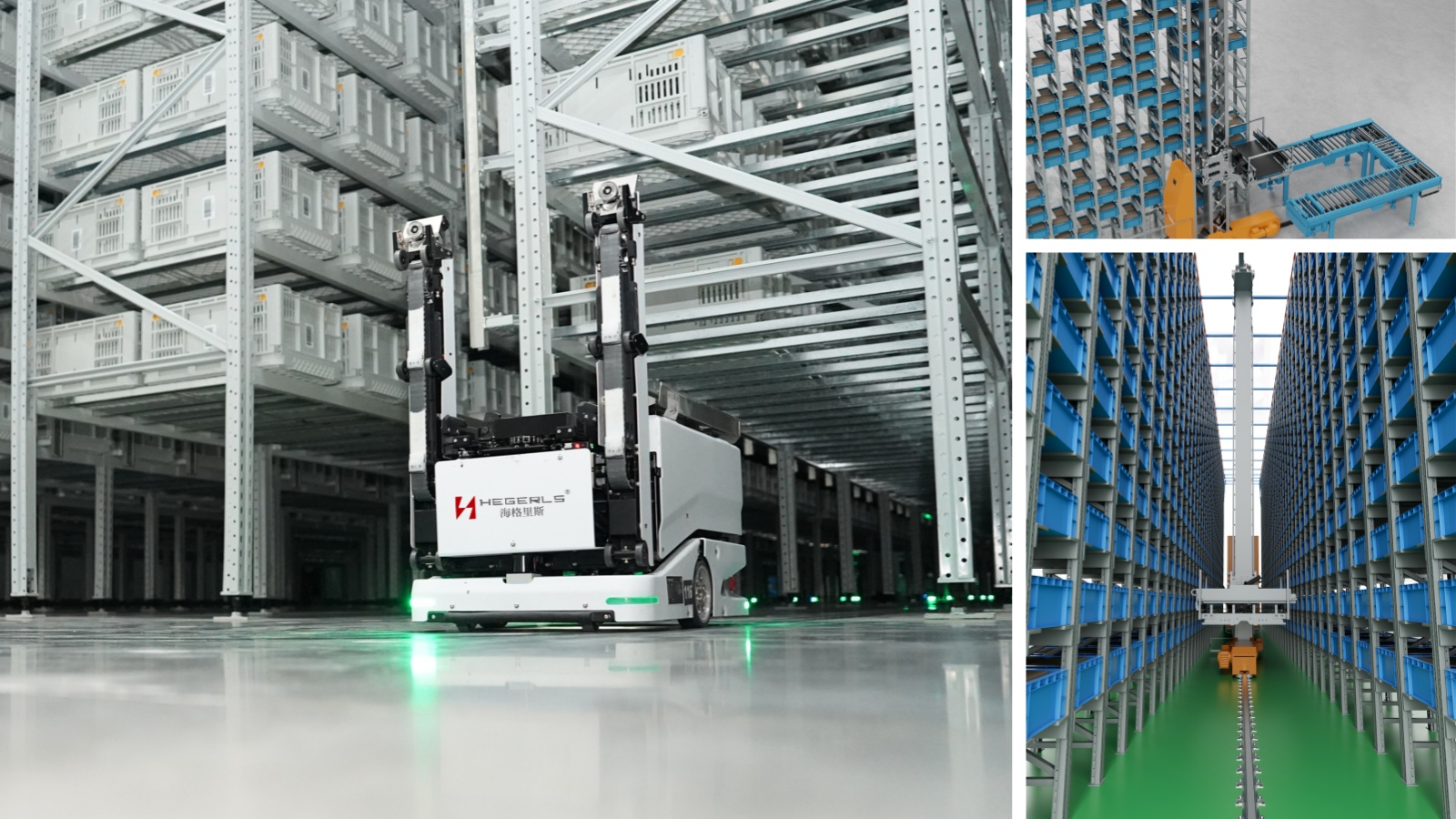
What About Automated Bin Storage Systems?
Not every warehouse requires pallet-level automation.
For smaller products, spare parts, components, and order-picking operations, an automated bin storage system may provide better space utilization.
Automated bin storage can use:
- Bin shuttles
- Mini-load ASRS
- Automated storage and retrieval robots
- Vertical storage systems
These systems are particularly useful where products are stored in totes, cartons, bins, or containers rather than full pallets.
When Should You Choose a Four-Way Shuttle?
A four-way shuttle system is a strong option when you need a combination of:
- Very high storage density
- Deep-lane storage
- Flexible movement
- Multiple storage zones
- Automated pallet handling
- Reduced forklift dependency
It can be particularly effective when warehouse requirements are more complex than those handled by conventional deep-lane racking.
When Should You Choose Stacker Crane ASRS?
A stacker crane ASRS is often appropriate when the warehouse requires:
- High vertical utilization
- High throughput
- Automated storage and retrieval
- Precise inventory control
- Large storage capacity
- Integration with production or distribution systems
It is especially suitable for high-bay automated warehouses where vertical space is a major part of the storage strategy.
Should You Consider a Rack-Supported Warehouse?
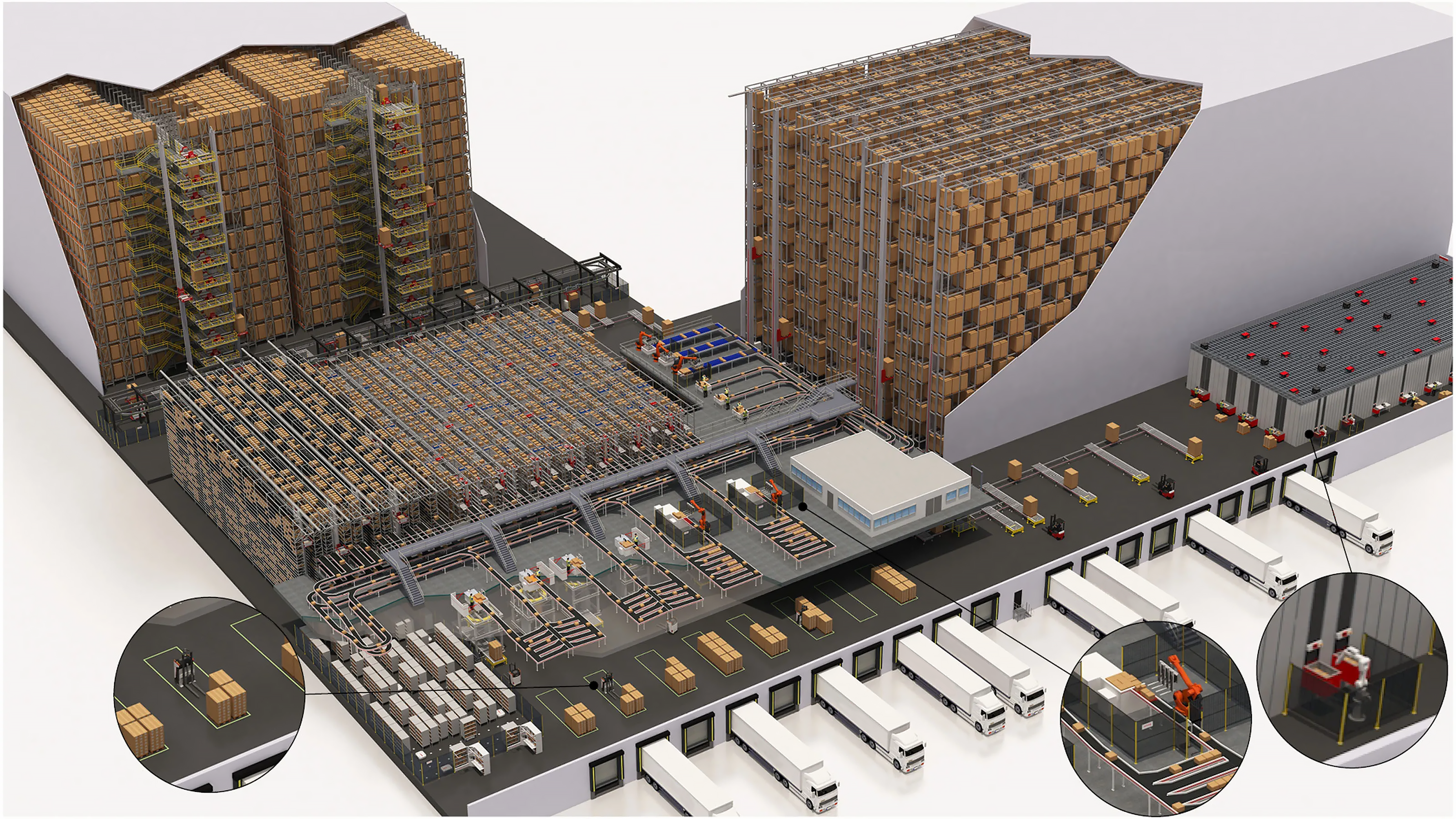
For a new high-bay facility, the building structure itself can become part of the storage solution.
A rack-supported warehouse uses the rack structure as a major load-bearing component of the building.
This can be combined with:
- ASRS
- Stacker cranes
- Four-way shuttles
- Pallet shuttles
- Conveyors
- WMS
- WCS
It is particularly worth evaluating when:
- Land availability is limited
- Very high storage capacity is required
- A new warehouse is being constructed
- High-bay automation is planned
- Maximum vertical utilization is important
How Does WMS/WCS Affect Storage Efficiency?
High-density storage is not only a physical design problem.
Software also determines how efficiently storage locations and automation equipment are used.
A typical automated warehouse architecture can include:
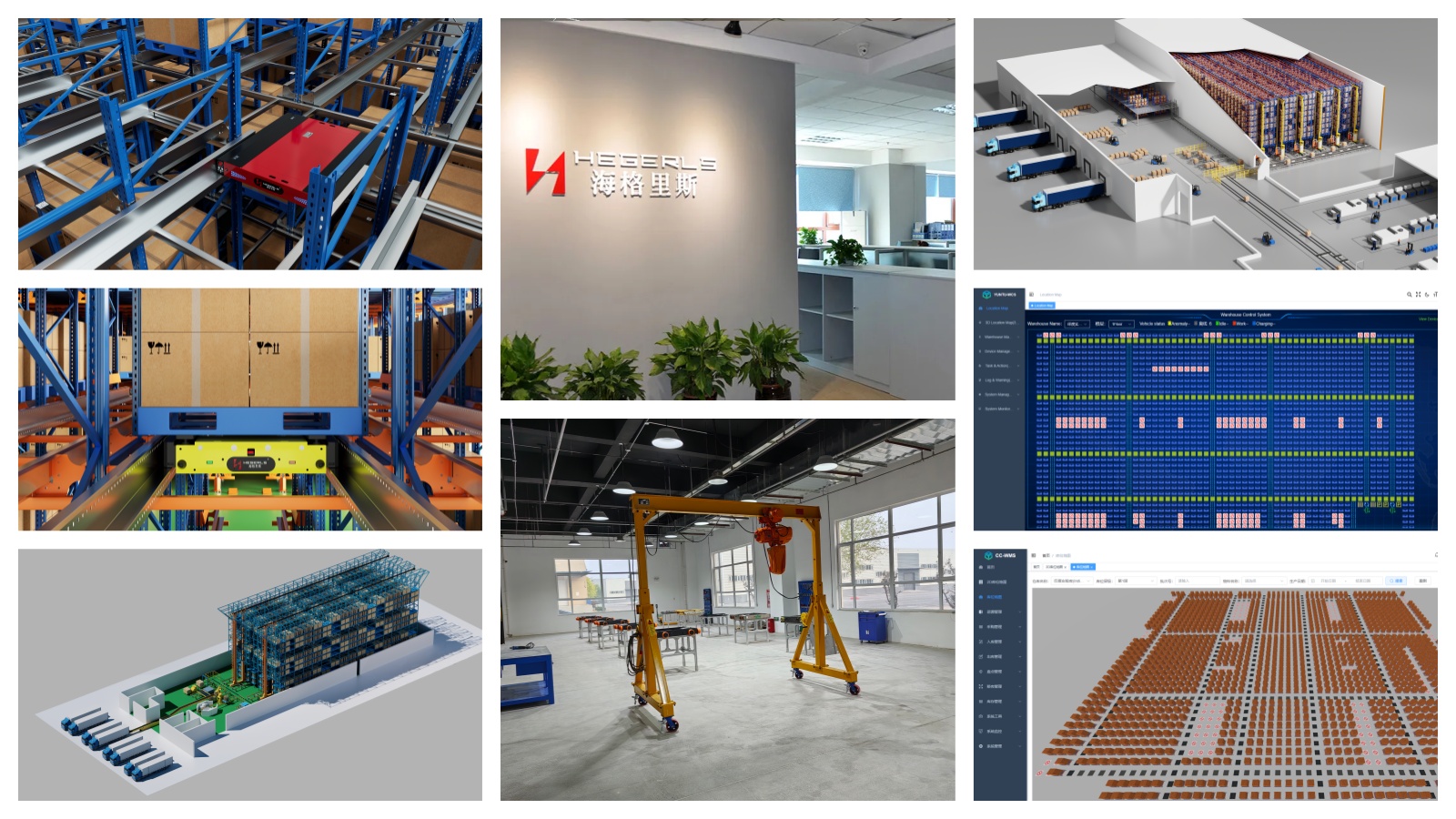
ERP / MES → CC-WMS → YUNTU-WCS → ASRS / Four-Way Shuttle / Pallet Shuttle / Robot / Conveyor → Warehouse Operations
CC-WMS manages inventory, storage locations, orders, and warehouse processes.
YUNTU-WCS coordinates automated equipment, including shuttle movement, lifts, conveyors, and task execution.
Together, they help turn a high-density rack system into an intelligent automated storage system.
How to Calculate the Right Storage Density?
Do not evaluate storage density only by looking at rack height.
A more useful comparison includes:
- Total pallet positions
- Pallets per square meter
- Cubic utilization
- Storage height
- Aisle area
- Equipment area
- Staging area
- Required throughput
- Accessibility
For example, two systems may provide the same number of pallet positions but require different building footprints.
The better solution is the one that provides the required capacity and performance with the most suitable overall investment.
What Is the Most Cost-Effective High-Density Storage Solution?
There is no single system that is cheapest for every warehouse.
Total investment may include:
- Racking
- Automation equipment
- Conveyors
- Lifts
- WMS
- WCS
- Building structure
- Fire protection
- Electrical systems
- Installation
- Commissioning
- Maintenance
A lower equipment purchase price does not necessarily mean a lower total cost of ownership.
The evaluation should consider:
CAPEX + Operating Cost + Labor + Space Cost + Maintenance + Future Expansion
Common Mistakes When Choosing a High-Density Storage System
Choosing Density Over AccessibilityMaximum pallet positions are not useful if operators cannot retrieve the required products efficiently. |
Ignoring Peak ThroughputA system designed around average throughput may become a bottleneck during seasonal peaks. |
Selecting Equipment Too EarlyThe system should be designed around inventory and operational requirements before selecting specific equipment. |
Underestimating Future GrowthA warehouse designed exactly for today's inventory may become insufficient as the business grows. |
Separating Software from AutomationWMS and WCS should be considered during the automation design process rather than added at the end. |
Ignoring Building StructureHigh-bay and rack-supported warehouses require close coordination between rack engineering, structural engineering, and automation engineering. |
High-Density Storage Selection Checklist
Before choosing a system, define:
| Requirement | What to Determine |
| Warehouse size | Length × width × clear height |
| Pallet | Dimensions and weight |
| Inventory | Current and peak pallet quantity |
| SKUs | Number and distribution |
| Accessibility | Required pallet accessibility |
| Throughput | Inbound and outbound pallets/hour |
| Inventory rotation | FIFO / FEFO / LIFO |
| Temperature | Ambient / chilled / frozen |
| Automation | Manual / semi-automatic / fully automated |
| Future growth | Expected capacity increase |
| Budget | CAPEX and operating cost |
| Building | Existing or new construction |
Once these parameters are defined, the appropriate storage technology becomes much easier to identify.
How to Choose the Right High-Density Storage Solution?
The selection process can be summarized as:
- Analyze Inventory
- Define Storage Capacity
- Analyze SKU Accessibility
- Calculate Throughput
- Evaluate Warehouse Dimensions
- Compare Storage Technologies
- Select Automation Level
- Integrate WMS/WCS
- Evaluate Safety and Structural Requirements
- Compare Total Cost of Ownership
The final solution should provide the best balance between density, accessibility, throughput, automation, safety, cost, and scalability.
Why Choose Zhuku for High-Density Storage Solutions?
Zhuku provides integrated high-density storage and warehouse automation solutions based on the actual requirements of each warehouse.
Our solutions include:
- Selective pallet racking
- Drive-in racking
- Mobile racking
- Pallet shuttle
- Four-way shuttle
- Stacker crane ASRS
- Automated bin storage
- Shuttle lift
- Automated conveyors
- Rack-supported warehouse
- CC-WMS
- YUNTU-WCS
By combining storage equipment, warehouse automation, structural design, and intelligent warehouse software, Zhuku can help customers develop a high-density storage solution based on warehouse dimensions, pallet specifications, SKU profile, storage capacity, throughput, and future growth.
Conclusion
Choosing the right high-density storage solution requires more than comparing the number of pallet positions.
The best solution depends on how your warehouse operates.
Selective racking provides excellent accessibility. Drive-in and mobile racking can improve space utilization with relatively straightforward systems. Pallet shuttle and four-way shuttle systems combine deep storage with automation, while stacker crane ASRS can maximize vertical space in high-bay automated warehouses.
For new high-bay facilities, a rack-supported warehouse combined with ASRS or shuttle automation can provide an integrated approach to building structure, storage, and material handling.
Ultimately, the right solution is the one that delivers the best balance of:
Storage Density + Accessibility + Throughput + Automation + Safety + Cost + Scalability
Need Help Choosing the Right High-Density Storage Solution?
Tell Zhuku your warehouse dimensions, pallet size, required storage positions, SKU quantity, and inbound/outbound throughput. Our team can help evaluate the appropriate combination of racking, mobile storage, shuttle systems, ASRS, WMS, and WCS for your warehouse.