Warehouse automation is no longer about choosing the most advanced piece of equipment. As warehouses become more diverse, the more important question is: Which automation solution best matches the warehouse's products, order profile, storage requirements, operating environment, and available space?
A food warehouse handling large quantities of palletized products has very different requirements from an e-commerce fulfillment center with thousands of SKUs and fragmented orders. Pharmaceutical and 3C electronics warehouses may prioritize precision and clean operating environments, while automotive and machinery manufacturers often need reliable heavy-load material handling.
For this reason, effective warehouse automation equipment selection should start with the application scenario rather than a specific machine.
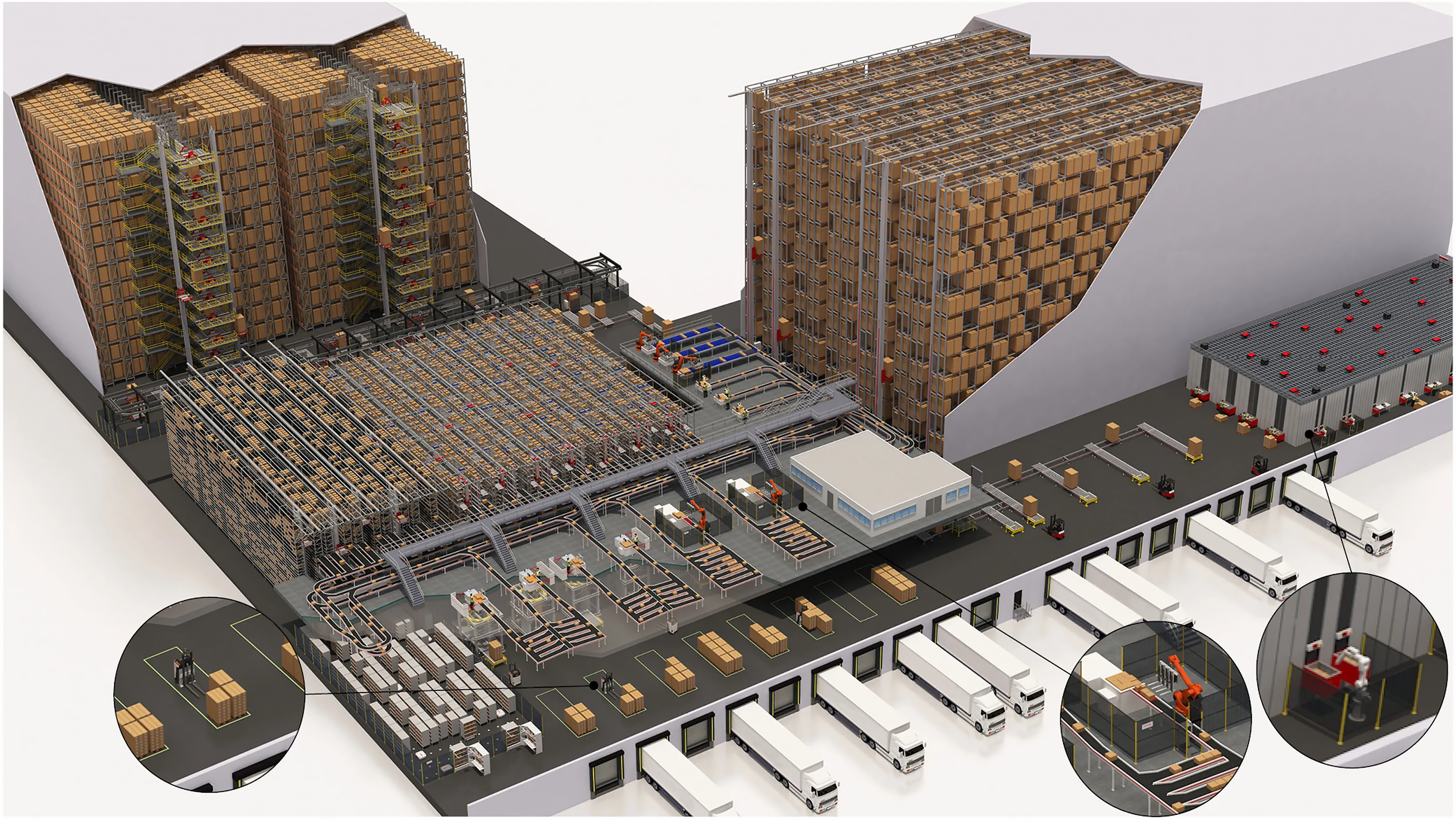
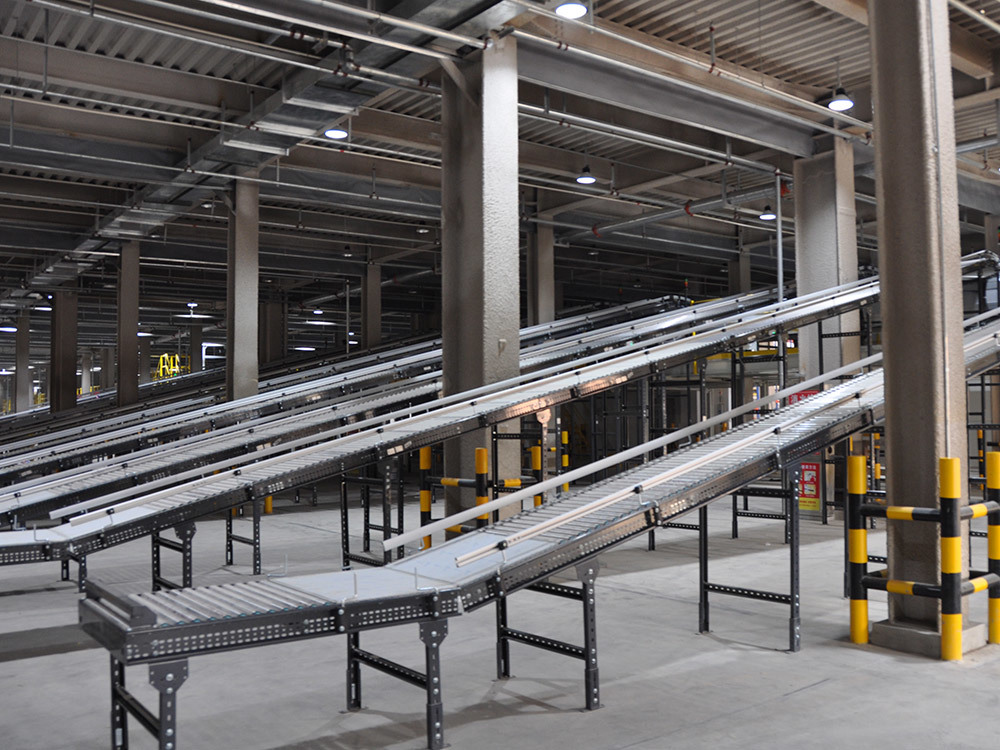
Zhuku develops integrated warehouse automation solutions by combining storage systems, conveyors, shuttle systems, robots, AGVs/AMRs, WMS, and WCS according to different operational requirements.
Why Does Warehouse Automation Need Scenario-Based Selection?
There is no single warehouse automation technology that is ideal for every application.
Several factors can significantly influence equipment selection:
-
Product type and dimensions
-
Pallet or tote specifications
-
Number of SKUs
-
Inventory volume
-
Order characteristics
-
Inbound and outbound throughput
-
Storage density requirements
-
Warehouse height
-
Available floor space
-
Operating environment
-
Required automation level
For example, a warehouse with a small number of SKUs and large pallet quantities may benefit from deep-lane pallet storage, while an e-commerce warehouse with highly fragmented orders may require goods-to-person picking and automated sorting.
The objective should therefore be to create the right combination of technologies rather than simply selecting the most sophisticated equipment.
Which Warehouse Automation Solution Is Suitable for Large-Batch Pallet Storage?
Typical applications: Food & Beverage, Tobacco, Raw Materials
Warehouses storing large quantities of palletized products with relatively few SKUs generally prioritize storage capacity, stable pallet handling, and operational efficiency.
For these applications, a practical configuration can combine:
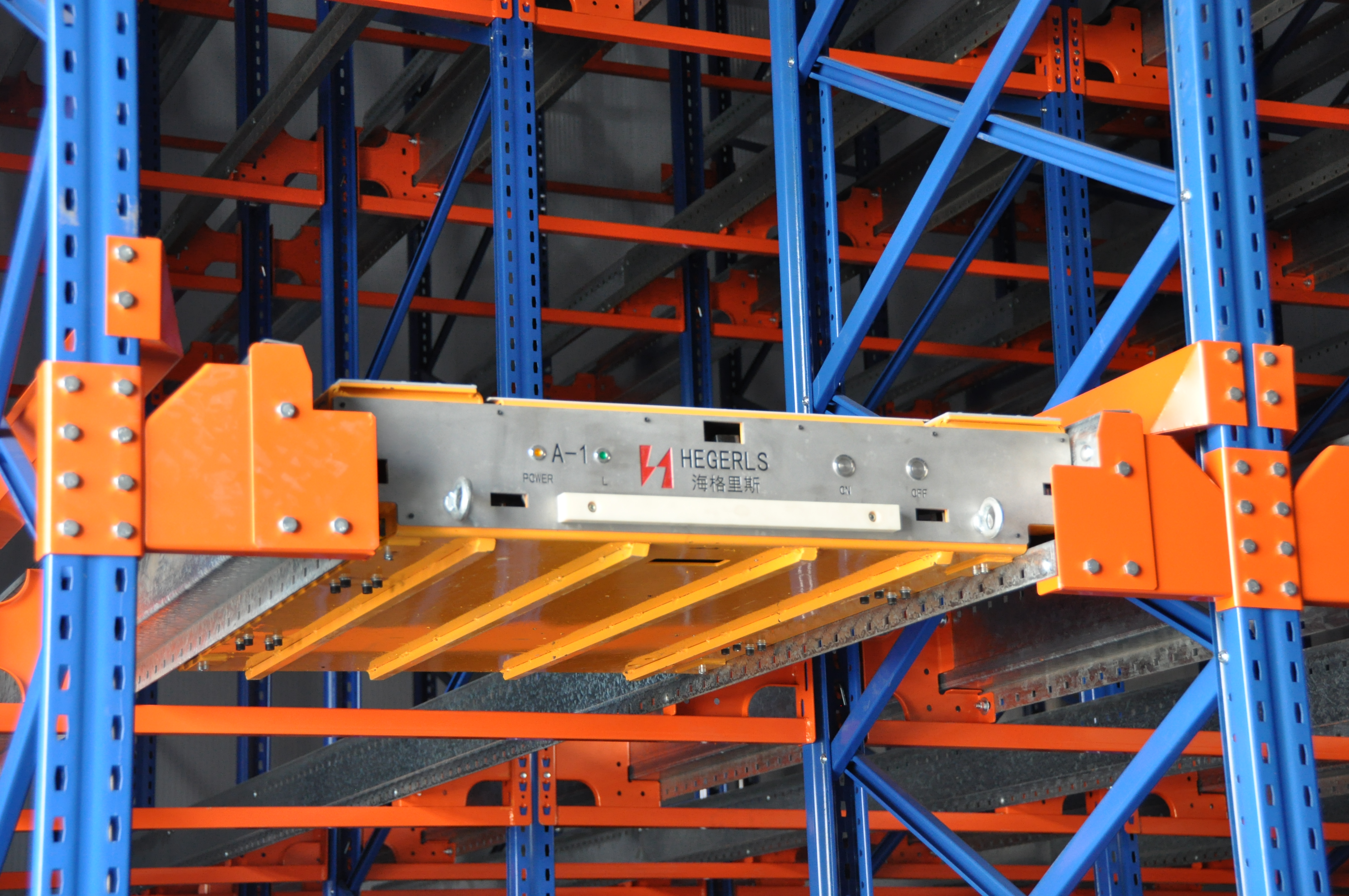
Two-Way Shuttle + Chain Conveyor + Forklift
The two-way shuttle can support deep-lane pallet storage, while chain conveyors transfer pallets between storage and handling areas. Forklifts can continue to perform loading, unloading, and external material handling where full automation is not necessary.
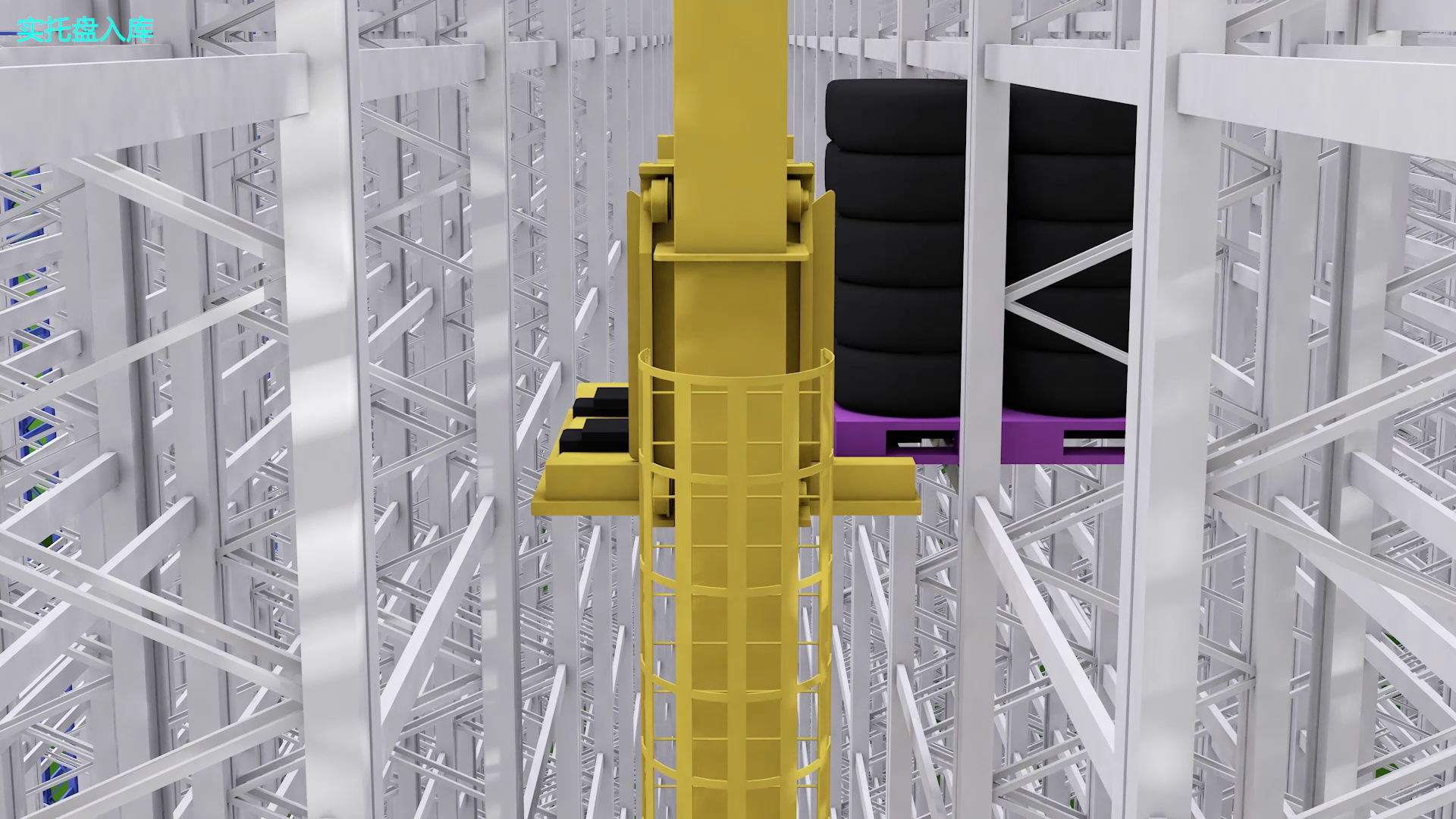
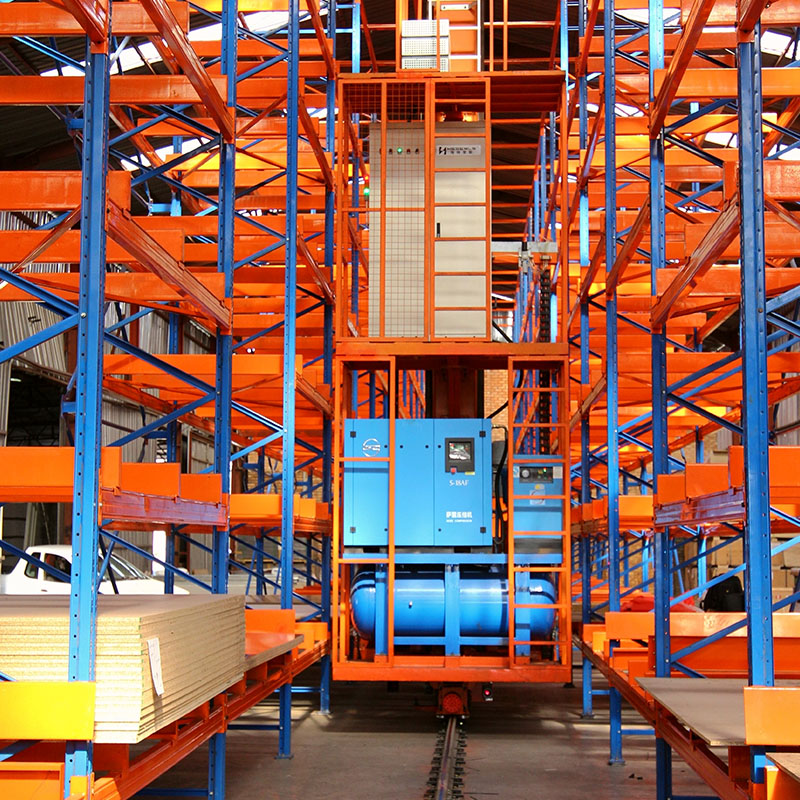
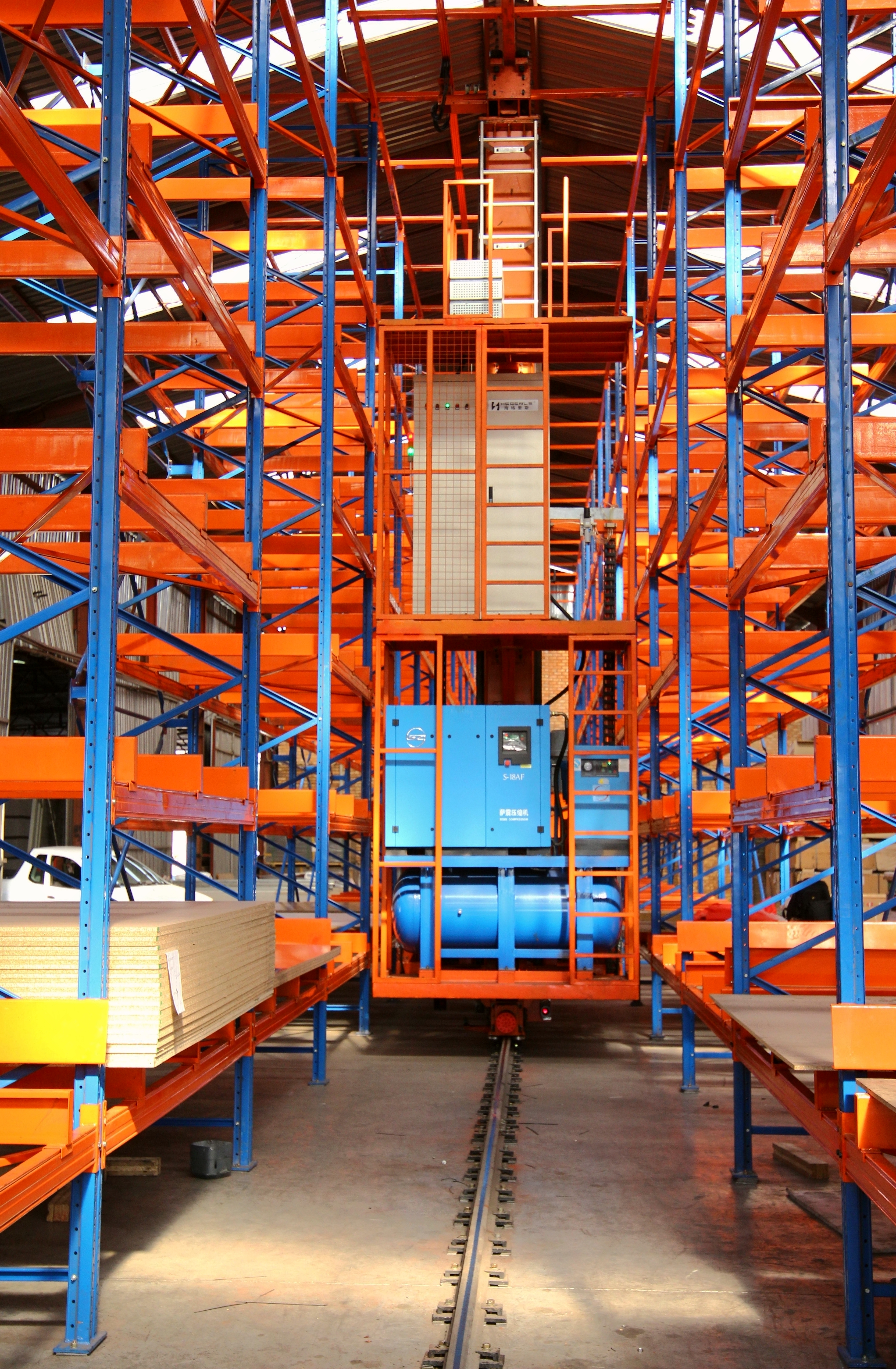
For high-bay applications, a stacker crane AS/RS can be integrated to create a higher level of automated and high-density pallet storage.
This approach is particularly suitable when the warehouse needs to handle large pallet volumes without introducing unnecessary automation into every process.
What Automation Is Suitable for E-Commerce and Multi-SKU Warehouses?
Typical applications: E-commerce, Cosmetics, Daily Consumer Goods
E-commerce and consumer-goods warehouses often have a very different operational profile.
They may have:
-
Thousands of SKUs
-
Low inventory per SKU
-
Fragmented customer orders
-
Frequent picking
-
Multiple orders processed simultaneously
-
High requirements for order accuracy
In this environment, simply increasing pallet storage density does not solve the entire problem.
A more flexible architecture may combine:
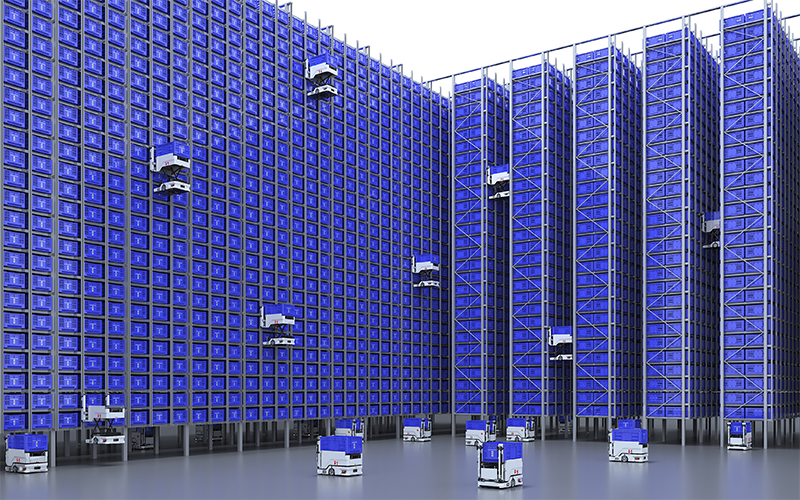
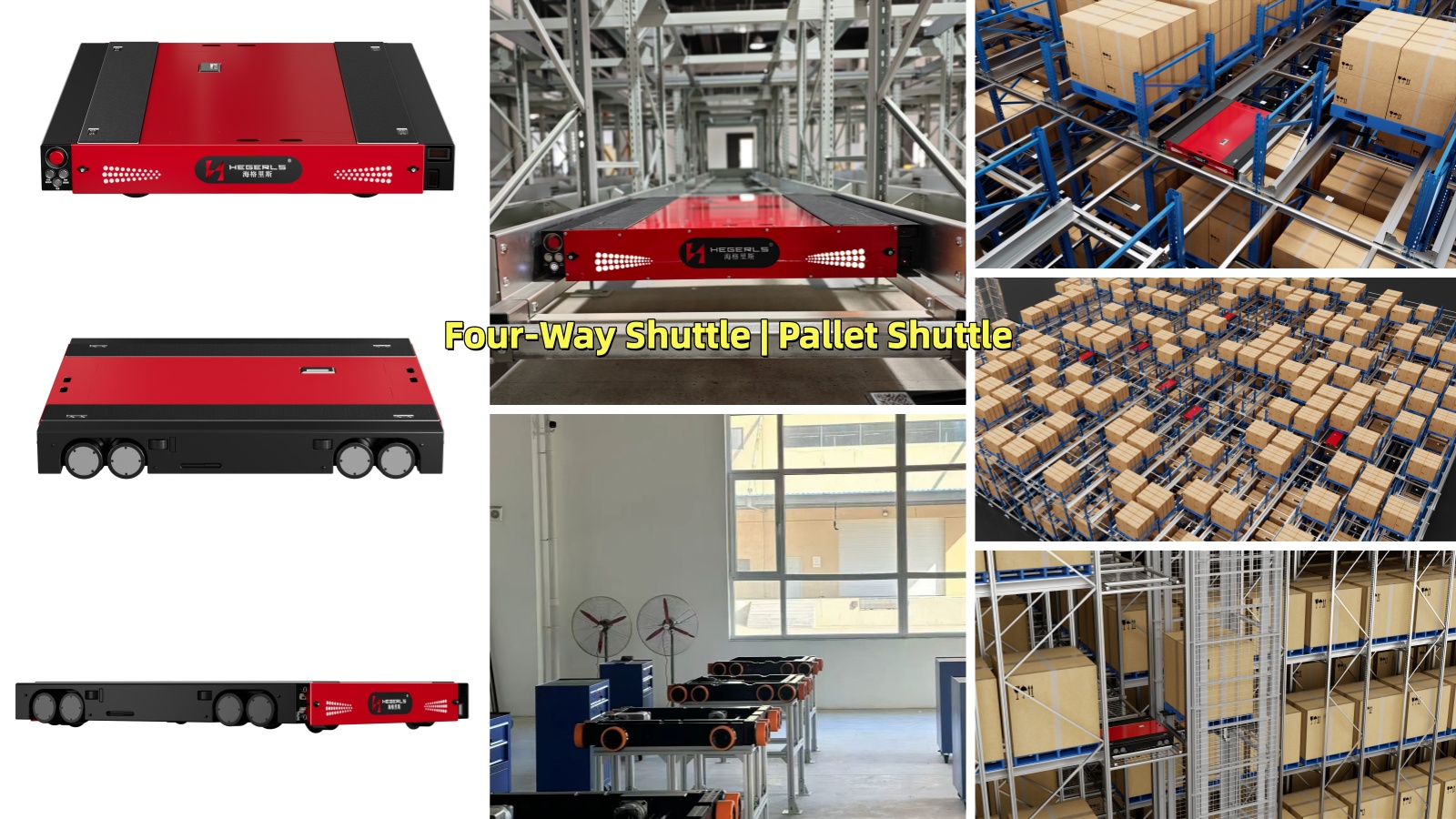
Four-Way Shuttle / Multi-Level Shuttle + Roller Conveyor + CTU Bin Robot + Sorting Robot
Four-way or multi-level shuttle systems can provide high-density storage, while CTU robots transport totes to picking stations. Automated sorting robots can then support order consolidation and outbound processing.
Where floor space is particularly limited, aerial robots can also be considered to utilize overhead warehouse space.
The objective is to connect:
High-Density Storage + Goods-to-Person Picking + Automated Sorting
rather than treating storage and fulfillment as separate processes.
Which Warehouse Automation Technologies Are Suitable for Bin Picking and Precision Storage?
Typical applications: Pharmaceuticals, 3C Electronics, Precision Manufacturing
Small-item warehouses often have different priorities from pallet warehouses.
Pharmaceutical and 3C electronics applications may require:
-
High picking accuracy
-
Fast retrieval
-
Inventory traceability
-
Flexible material movement
-
Controlled operating environments
Potential automation combinations include:
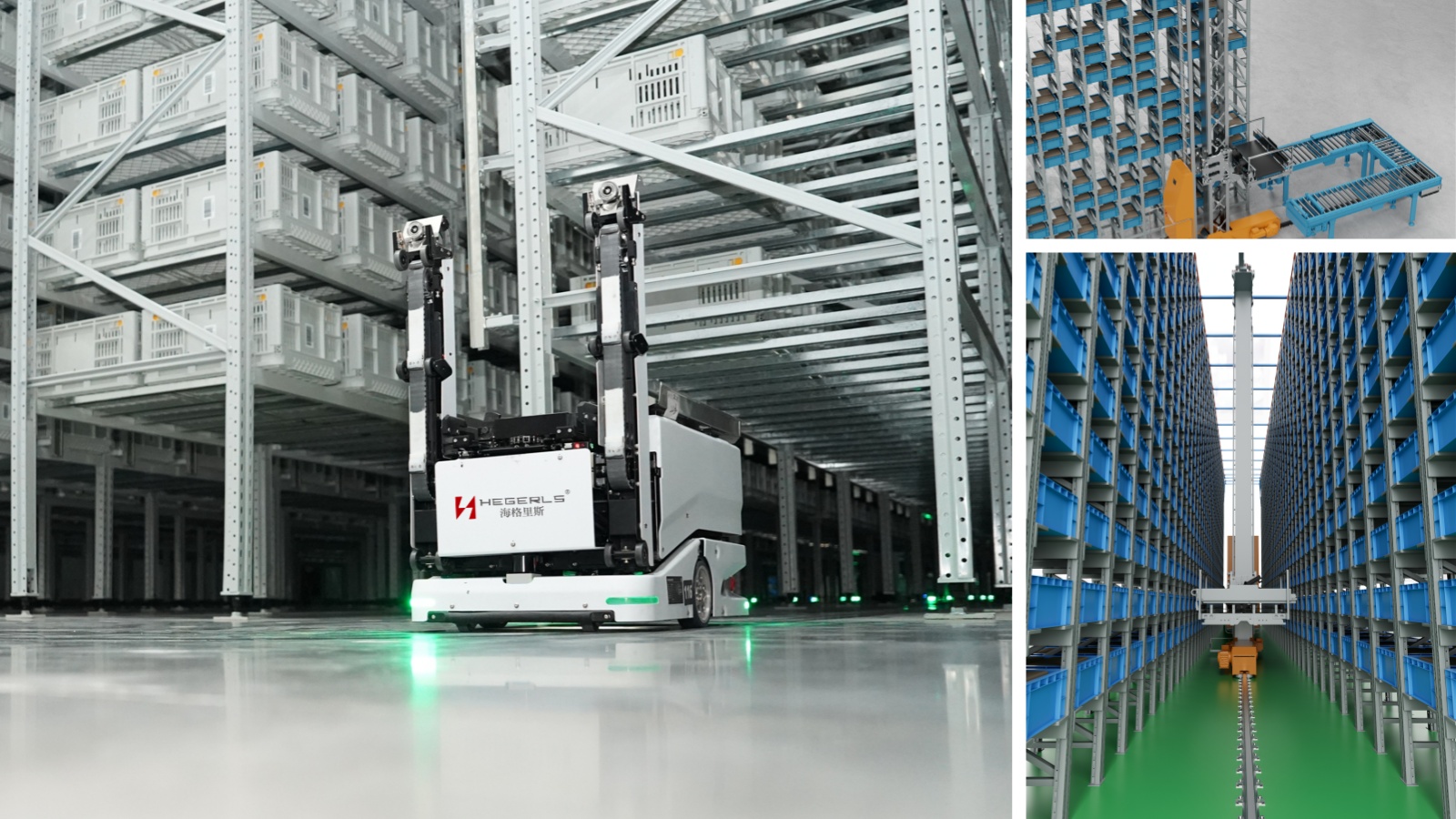
Multi-Level Shuttle + Goods-to-Person Robot + Rotary Storage System
Multi-level shuttle systems can support dense tote storage, while goods-to-person robots bring products to operators instead of requiring workers to travel extensively through storage areas.
Rotary storage systems can also be used for compact storage and retrieval of small or high-value items.
For cleanroom or environmentally sensitive applications, AMR robots can provide flexible material transportation while reducing the need for fixed transportation infrastructure.
What Automation Is Best for Heavy Materials and Manufacturing?
Typical applications: Machinery Manufacturing, Automotive Manufacturing
Heavy-material warehouses require a different approach.
The primary requirements are usually:
Load Capacity + Safety + Stability + Production-Line Integration
For heavy materials and manufacturing operations, the system may include:
-
Heavy-duty chain conveyors
-
Large AGVs
-
Cranes
-
Conveyor turning systems
-
Automated material-transfer equipment
Heavy-duty chain conveyors can transport large loads through defined production or storage routes. Large AGVs can move materials between different areas, while cranes can support heavy lifting operations.
Conveyor turning and handling equipment can also be used when materials need to be rotated or transferred between different production stages.
For these applications, maximizing storage density is important, but reliable material flow and production continuity are equally critical.
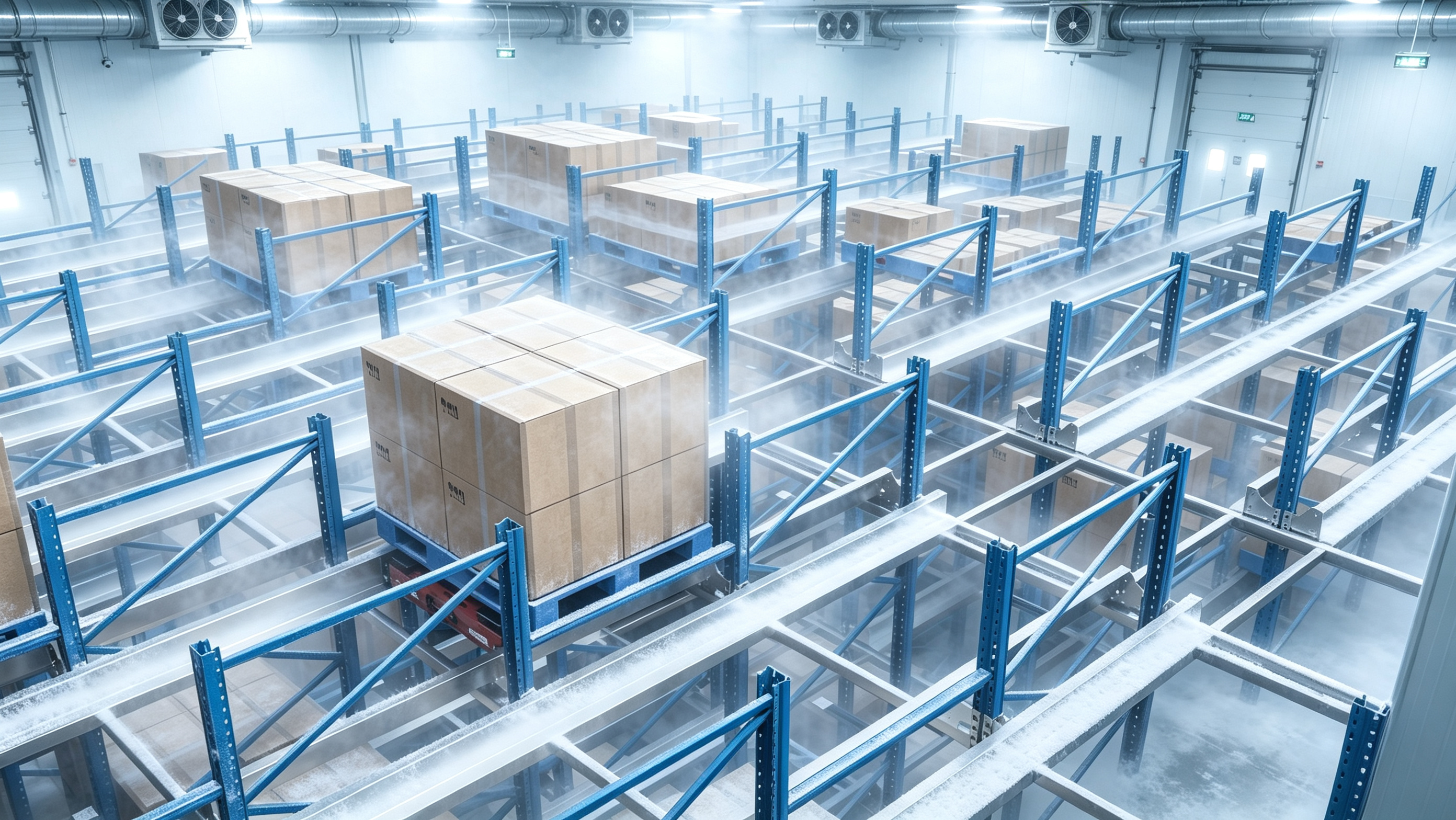
What Warehouse Automation Solutions Work in Cold Storage and Special Environments?
Typical applications: Cold Chain, Archives, Low-Frequency Storage
Special environments create additional requirements for automation equipment.
Cold storage facilities, for example, must consider:
-
Low temperatures
-
Equipment reliability
-
Space utilization
-
Maintenance conditions
-
Operating efficiency
A potential solution is:
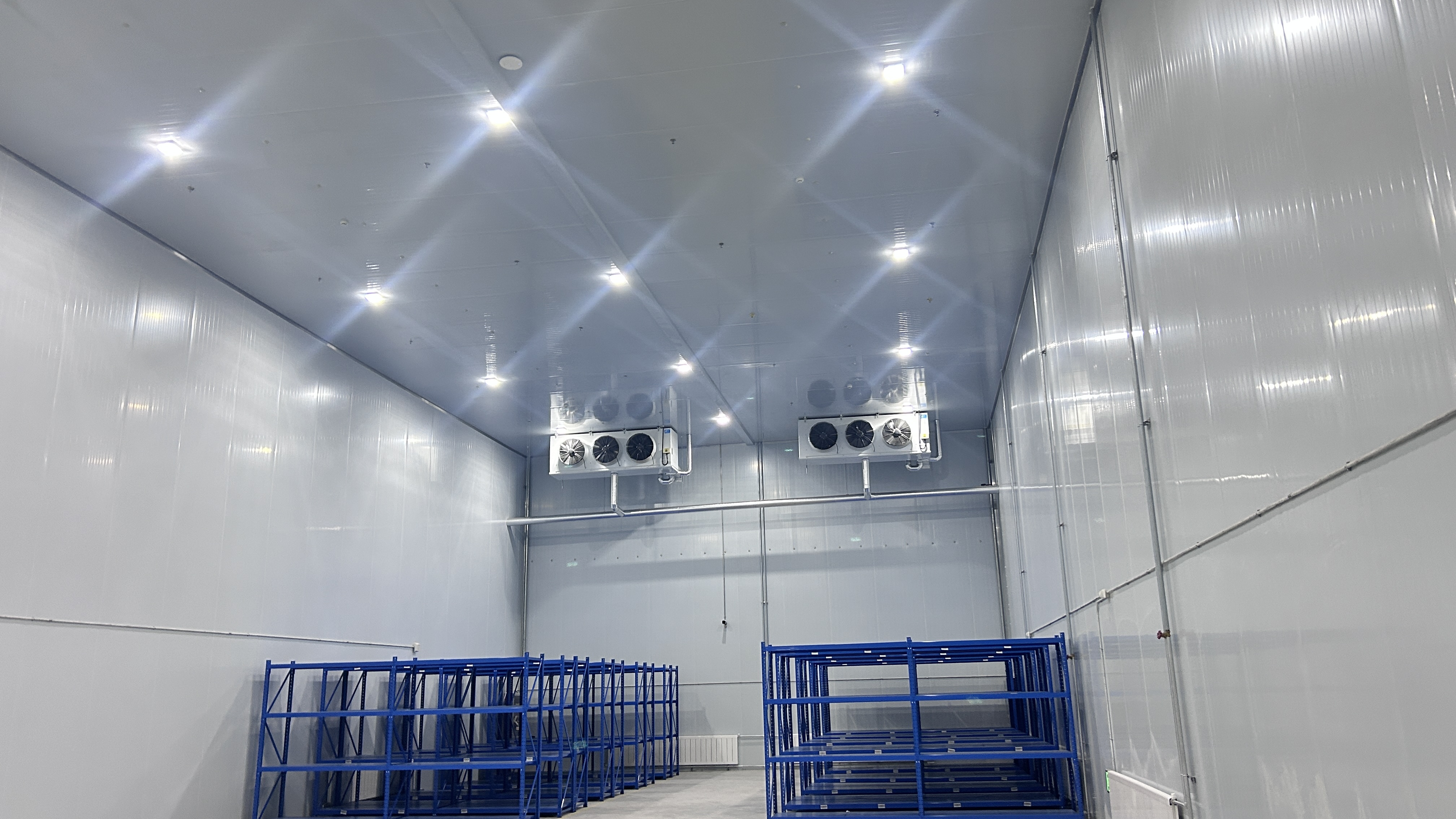
Electric Mobile Racking + Low-Temperature Two-Way Shuttle
Electric mobile racking can reduce the amount of permanently occupied aisle space, while low-temperature shuttle equipment can support deep-lane pallet storage in refrigerated environments.
For archives and other low-frequency storage applications, the priority may be different. Instead of maximizing throughput, the warehouse may focus on:
Space Utilization + Storage Density + Long-Term Stability
This is why the operating environment and storage frequency should be considered before selecting automation equipment.
How Can Automation Maximize Space in Narrow Warehouses?
Typical applications: Space-Constrained Warehouses, Urban Distribution Centers, High-Density Storage
When warehouse space is limited, traditional forklift aisles can consume a significant proportion of the available floor area.
In these situations, a combination of:
Four-Way Shuttle + Aerial Robot + Goods-to-Person Robot
can provide a different approach to space utilization.
Four-way shuttle systems can support high-density deep storage, while aerial and goods-to-person robotic technologies can make greater use of horizontal and vertical warehouse space.
The objective is not simply to reduce aisle width.
It is to increase the proportion of the warehouse volume that can be converted into usable storage and operational capacity.
What Factors Should Companies Consider When Selecting Automation Equipment?
Before selecting warehouse automation equipment, companies should evaluate at least six key factors.
1. What Are the Product Characteristics?
Consider:
-
Weight
-
Dimensions
-
Packaging
-
Pallet or tote type
-
Load stability
2. How Many SKUs Are Stored?
A low-SKU warehouse may favor bulk and deep-lane storage, while a high-SKU operation may require more flexible storage and picking technologies.
3. How Are Orders Processed?
Determine whether the warehouse primarily handles:
-
Full pallets
-
Cases
-
Totes
-
Individual items
Order fragmentation has a major impact on automation architecture.
4. What Is the Required Throughput?
Calculate:
-
Inbound pallets or totes per hour
-
Outbound requirements
-
Peak throughput
-
Picking volume
-
Storage and retrieval cycles
5. What Is the Operating Environment?
Consider whether the facility is:
-
Ambient
-
Refrigerated
-
Frozen
-
Cleanroom
-
Dust-sensitive
-
Outdoor or semi-outdoor
6. How Much Space Is Available?
Warehouse length, width, clear height, columns, aisles, loading areas, and existing infrastructure all affect the final design.
Why Should Warehouse Automation Equipment Be Integrated?
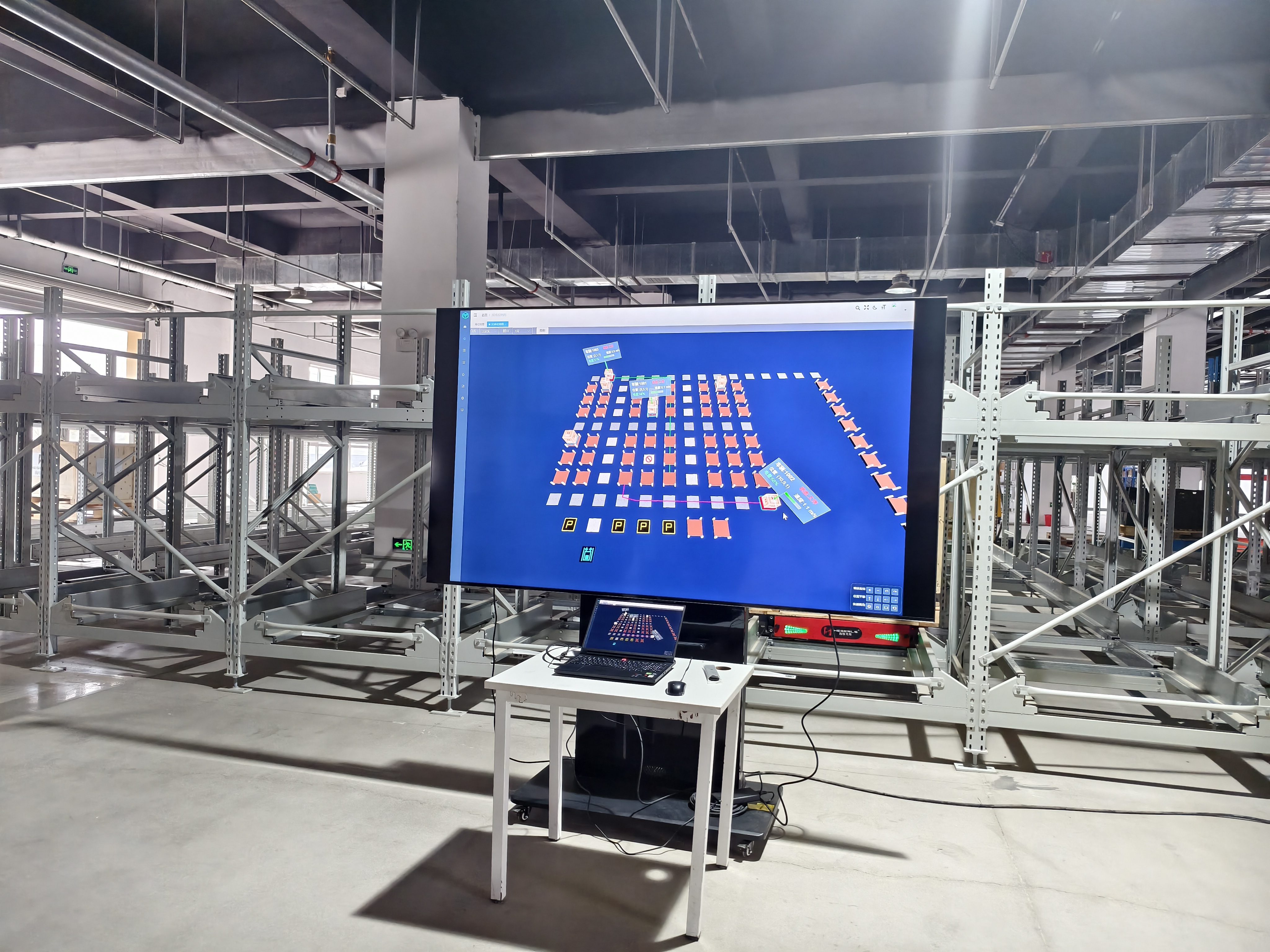
Modern automated warehouses rarely depend on a single piece of equipment.
A complete solution may combine:
Storage Systems
AS/RS / Four-Way Shuttle / Two-Way Shuttle / Multi-Level Shuttle
↓
Material Handling
Conveyor / Lift / AGV / AMR
↓
Robotics
CTU / Goods-to-Person Robot / Sorting Robot
↓
Warehouse Software
WMS / WCS
Each layer performs a different function.
The WMS manages inventory, orders, storage locations, receiving, putaway, picking, and other warehouse processes.
The WCS coordinates equipment execution, including shuttle vehicles, lifts, conveyors, robots, AGVs, and other automated equipment.
This creates an integrated flow:
Inventory Management → Task Management → Equipment Execution → Warehouse Operations
Such an architecture allows companies to select different equipment for different operational requirements while maintaining centralized system control.
Which Automation Equipment Should Be Considered for Different Warehouse Scenarios?
| Warehouse Scenario | Recommended Technologies |
| Large-batch, low-SKU pallet storage | Two-Way Shuttle + Chain Conveyor + Forklift |
| High-bay pallet storage | Stacker Crane AS/RS |
| Multi-SKU and fragmented orders | Four-Way / Multi-Level Shuttle + CTU + Sorting Robot |
| Bin picking and small-item storage | Multi-Level Shuttle + Goods-to-Person Robot |
| Cleanroom or sensitive environments | AMR |
| Heavy materials and production lines | Heavy-Duty Conveyor + AGV + Crane |
| Cold storage | Mobile Racking + Low-Temperature Shuttle |
| Limited space and narrow aisles | Four-Way Shuttle + Aerial Robot + Goods-to-Person Robot |
These configurations are examples rather than fixed standards. The final solution should be determined by the warehouse's actual data and operating requirements.
Is the Most Advanced Warehouse Automation Technology Always the Best Choice?
Not necessarily.
A highly sophisticated automation system may provide excellent performance, but it may also introduce higher investment and greater system complexity.
For some warehouses, a combination of shuttle storage and forklifts may provide a better balance between automation and cost.
For others, high SKU counts and fragmented orders may justify a much more automated goods-to-person and robotic picking architecture.
The right solution should balance:
- Storage Density
- Throughput
- Flexibility
- Accessibility
- Investment
- Scalability
The goal of warehouse automation is not to eliminate every manual operation. It is to automate the processes where automation creates measurable operational value.
How Can Businesses Build a Future-Ready Automated Warehouse?
Warehouse automation should also consider future changes.
Inventory volume may increase. SKU counts may change. Order profiles may become more fragmented. New production lines may be introduced.
A scalable warehouse architecture can make it easier to respond to these changes.
Companies should therefore consider:
-
Future inventory growth
-
Additional storage positions
-
Equipment expansion
-
Software scalability
-
System integration
-
Maintenance requirements
-
Future throughput
This is particularly important when investing in high-density automated storage, because the warehouse infrastructure may be expected to operate for many years.
Why Choose Zhuku for Warehouse Automation Solutions?
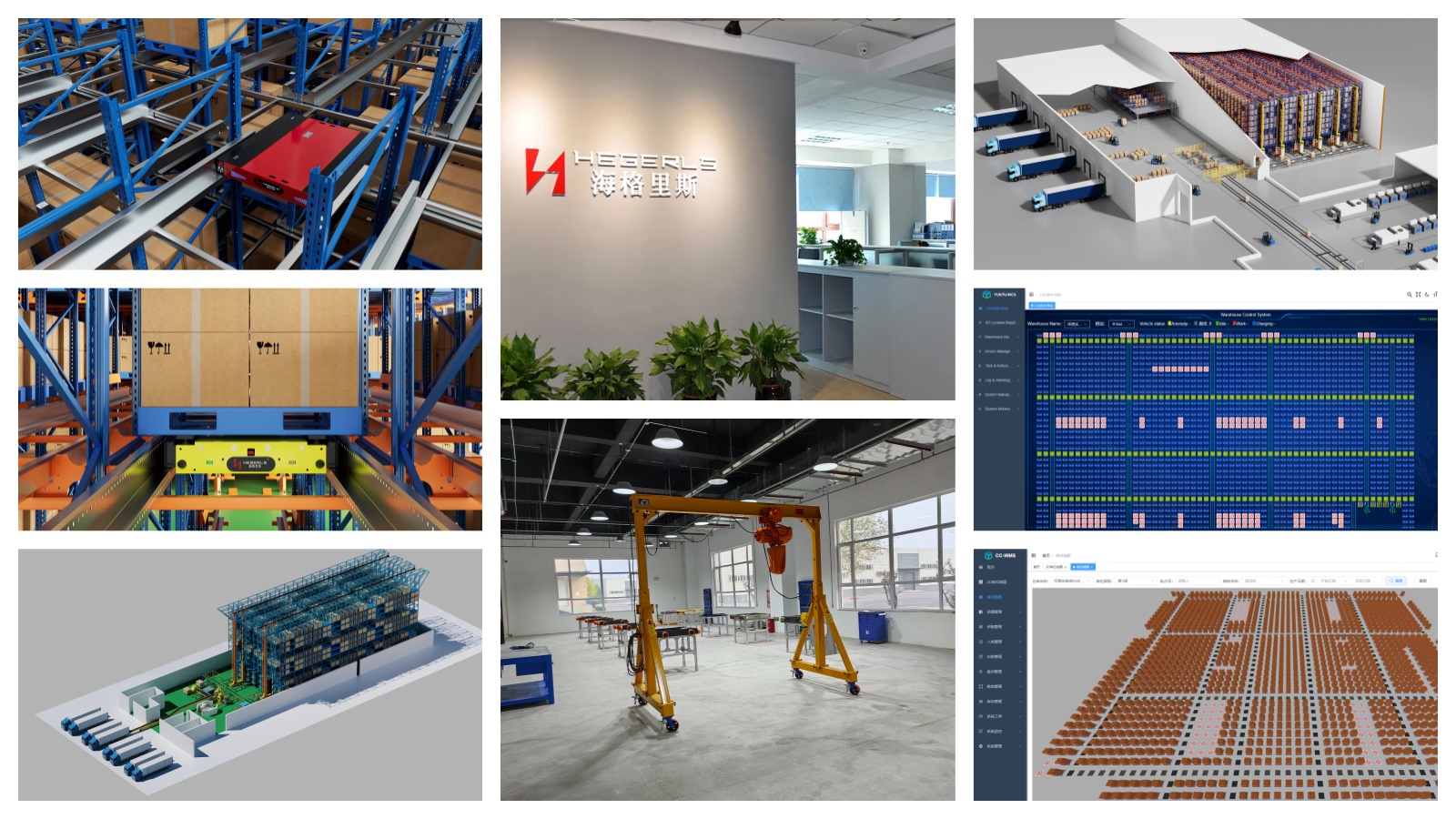
Zhuku provides integrated warehouse automation and storage solutions covering storage equipment, material handling, robotics, and warehouse software.
Depending on the application, a solution can combine:
→ Racking
→ Shuttle Systems
→ AS/RS
→ Conveyors
→ AGV / AMR
→ Robotics
→ CC-WMS
Instead of applying one standard configuration to every customer, Zhuku evaluates the warehouse based on its products, inventory, throughput, environment, space, and automation objectives.
The result is a scenario-based warehouse automation architecture designed to balance storage capacity, operational efficiency, flexibility, and future scalability.
Conclusion
Warehouse automation is becoming increasingly scenario-driven.
Large-volume pallet warehouses may benefit from two-way shuttle systems and conveyors. High-bay facilities may require stacker crane AS/RS. E-commerce warehouses with fragmented orders may need four-way or multi-level shuttles combined with CTU robots and automated sorting. Pharmaceutical and 3C applications may prioritize precision and clean operation, while manufacturing facilities require heavy-duty material handling and production-line integration.
The key is not to ask:
Which warehouse automation technology is the most advanced?
Instead, ask:
Which combination of technologies best matches the warehouse's products, inventory, throughput, environment, and available space?
By starting with the application scenario and then designing the appropriate combination of storage systems, conveyors, robots, AGVs/AMRs, WMS, and WCS, companies can build automated warehouses that are not only more efficient today but also better prepared for future growth.
Looking for the right warehouse automation solution for your application? Contact Zhuku to discuss your warehouse requirements and develop a customized automation strategy.