Warehouse technology and automation are transforming how businesses store, move, track, and fulfill goods. As product ranges expand, customer expectations rise, and supply chains become more complex, companies increasingly need warehouse operations that are accurate, scalable, and responsive to changing demand.
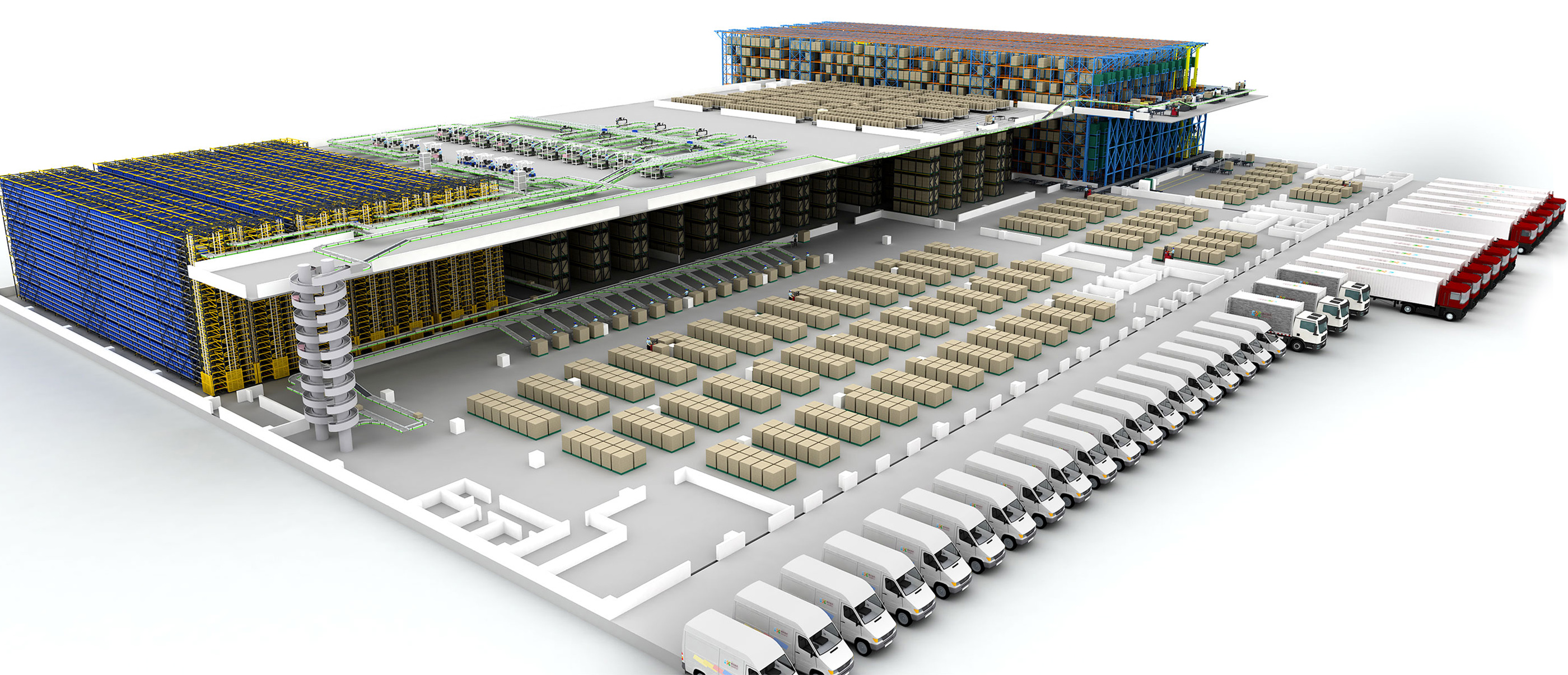
Modern warehouses can combine automated storage and retrieval systems (AS/RS), shuttle systems, conveyors, autonomous mobile robots (AMRs), automated guided vehicles (AGVs), warehouse management systems (WMS), warehouse control systems (WCS), and data-driven analytics. Each technology serves a different purpose. The greatest operational value comes from selecting compatible systems and coordinating them around the warehouse's actual material flow.
This guide explains the main warehouse technologies, how they work together, where automation delivers the greatest value, and how to plan a practical implementation strategy.
1. What Are Warehouse Technology and Automation?
Warehouse technology refers to the equipment, software, identification methods, and data systems used to manage warehouse operations. Warehouse automation uses mechanical, electrical, control, and software technologies to perform or coordinate tasks that would otherwise require more manual intervention.
Warehouse technology can include both manual-operation support tools and fully automated material-handling systems. Automation can range from barcode-assisted inventory management to integrated facilities in which storage, retrieval, conveying, sorting, and task allocation are coordinated by software.
Typical warehouse technology applications include:
-
Receiving, identification, and putaway.
-
Storage location management and inventory tracking.
-
Automated pallet and tote storage.
-
Order picking, sorting, and replenishment.
-
Conveyor-based material transfer.
-
Robotic or vehicle-based internal transportation.
-
Inventory reporting, exception management, and performance analysis.
Warehouse automation is not simply the replacement of manual work with machines. It is the coordinated design of equipment, software, processes, and people to achieve defined operational objectives.
The appropriate level of automation depends on throughput, product characteristics, storage requirements, labor availability, site conditions, and investment priorities.
2. The Main Categories of Warehouse Technology
2.1 Automated Storage and Retrieval Systems (AS/RS)
AS/RS technologies automate the storage and retrieval of goods within a defined storage structure. Depending on the system, they can handle pallets, totes, cartons, trays, or other compatible load carriers.
Common types include:
-
Stacker crane AS/RS: Uses cranes to store and retrieve loads in high-bay racking aisles.
-
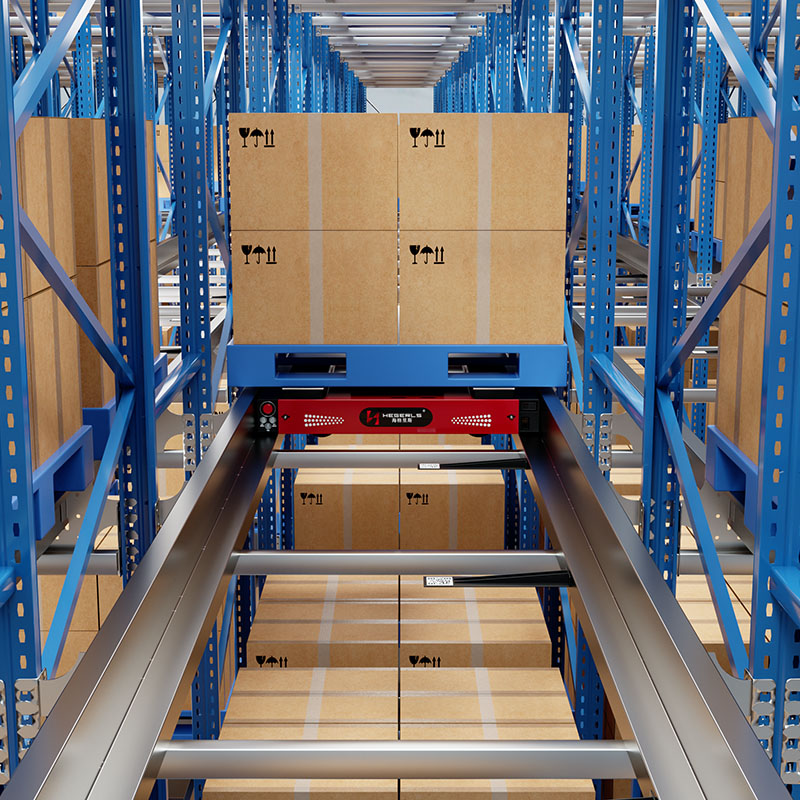
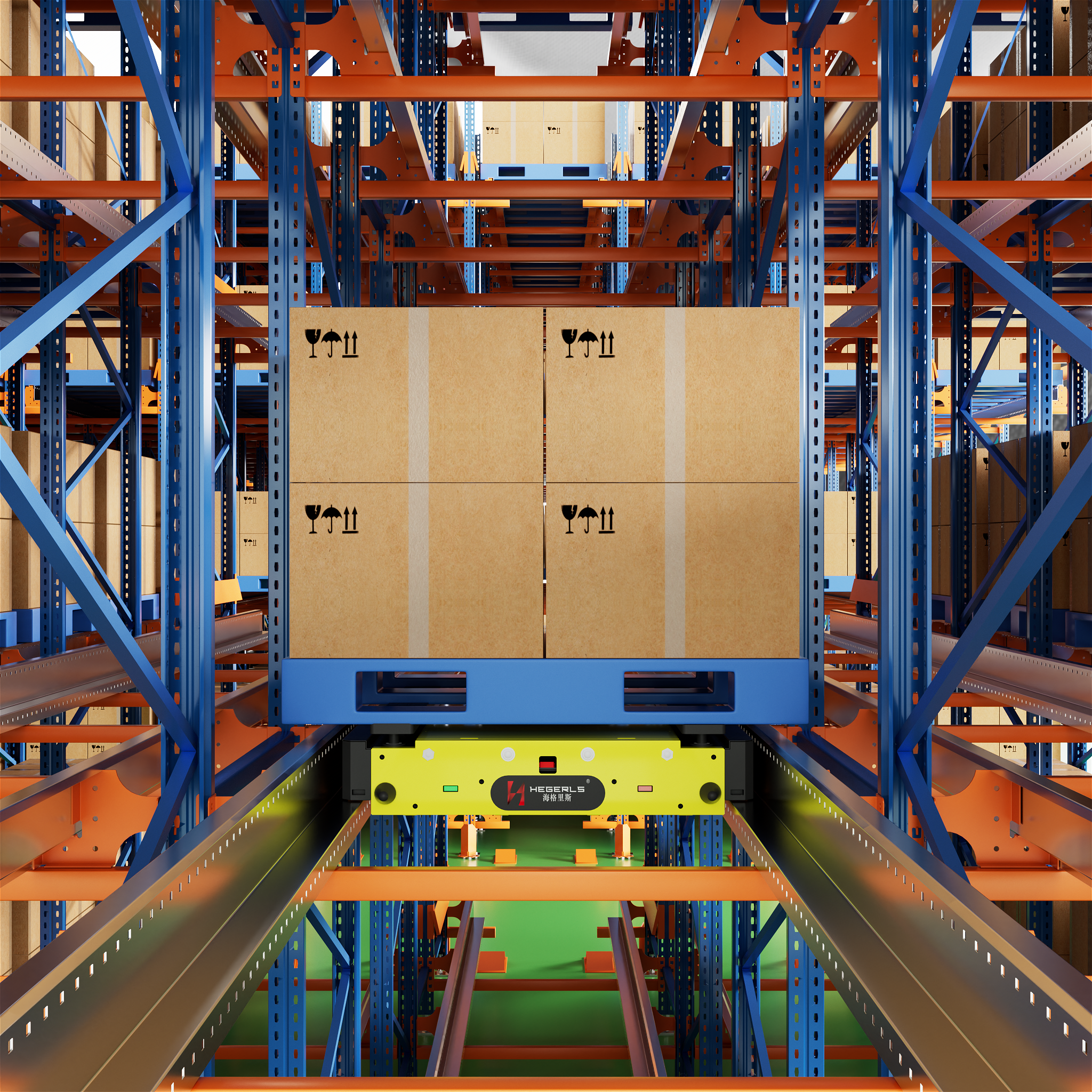
Shuttle-based AS/RS: Uses shuttle vehicles to move compatible loads within storage lanes or rack structures.
-
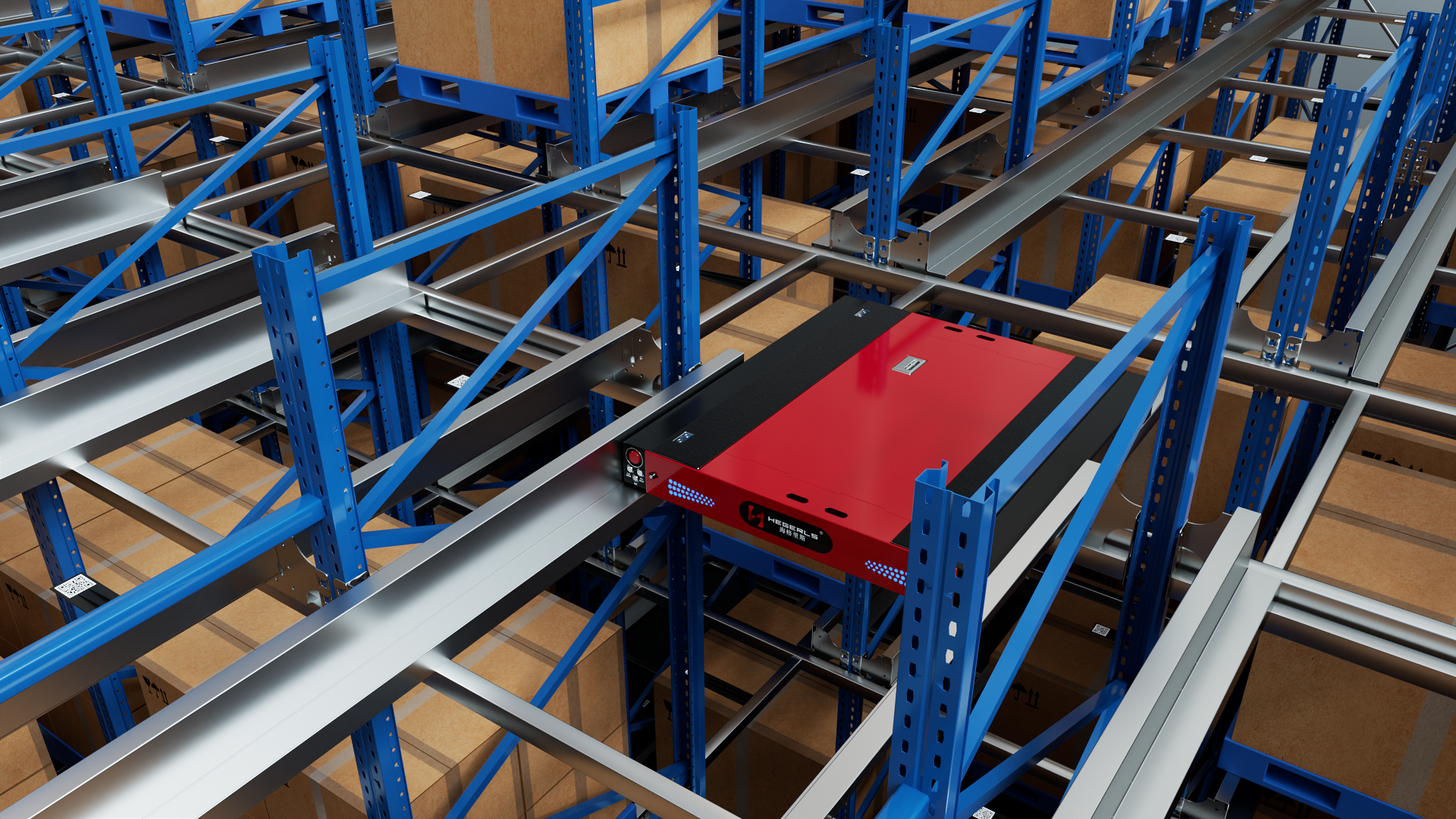
Four-way shuttle systems: Use shuttles capable of traveling in multiple horizontal directions within a compatible rack layout, with lifting or transfer equipment supporting movement between levels where required.
-
Miniload systems: Handle smaller load carriers such as totes, trays, or cartons.
-
Vertical storage systems: Use vertical space to store and retrieve compatible goods in a compact footprint.
AS/RS can help improve storage density, reduce manual travel, and provide more consistent inventory transactions. The actual benefits depend on the selected configuration, throughput requirements, storage geometry, and integration with picking and dispatch processes.
2.2 Warehouse Shuttle Systems
Shuttle systems use powered vehicles to move compatible loads through storage lanes or along designated tracks. They are commonly used in high-density pallet storage and selected tote or carton applications.
Different shuttle configurations address different operational needs.
A two-way pallet shuttle typically moves along a defined lane, while a four-way shuttle can travel in multiple horizontal directions within a compatible system. Some designs incorporate lifts to support movement between levels.
Shuttle systems should be evaluated according to load type, storage depth, number of SKUs, required access frequency, throughput, redundancy, and overall project budget.
The key selection question is not simply which shuttle moves fastest, but which system provides the required combination of capacity, accessibility, reliability, and total operating cost.
2.3 Automated Conveyors and Vertical Lifting Systems
Conveyors move materials along defined routes between warehouse processes. They can connect receiving, storage, picking, packing, sorting, and dispatch.
Common equipment includes roller conveyors, belt conveyors, chain conveyors, pallet conveyors, sortation systems, and transfer units.
Vertical conveyors and lifting systems move compatible goods between different elevations. They may connect ground floors with mezzanines, transfer pallets between conveyor levels, or support automated storage workflows.
Conveyors and lifts are most effective when designed as part of the complete material flow. Their capacity must be balanced with upstream and downstream equipment to prevent congestion and unnecessary waiting.
2.4 AGVs and AMRs
Automated guided vehicles (AGVs) and autonomous mobile robots (AMRs) transport materials within a warehouse or production facility.
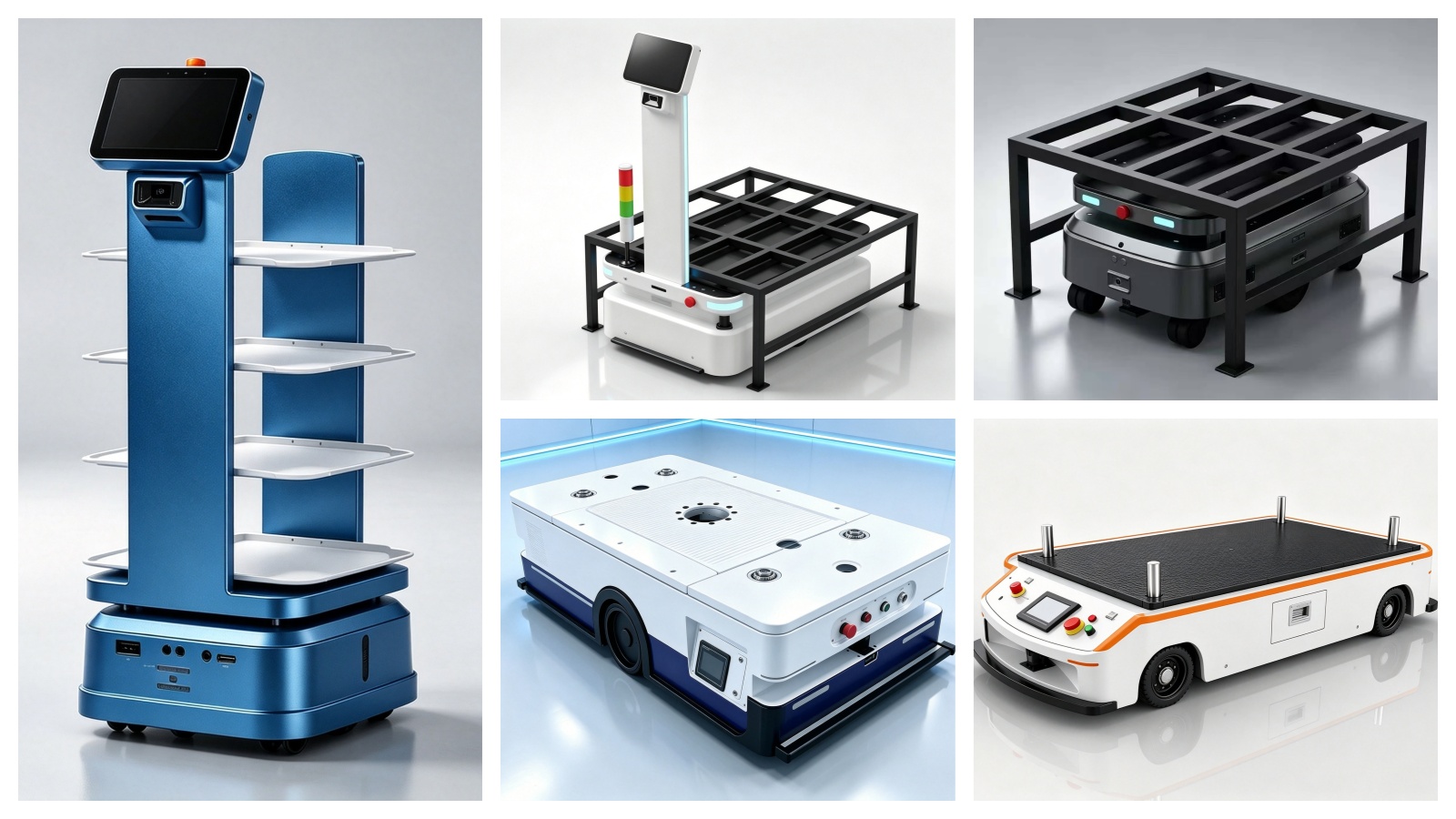
AGVs commonly follow predefined guidance methods or routes, while AMRs can use onboard sensing and navigation capabilities to operate in environments designed for autonomous movement. Actual navigation methods and operating flexibility vary by product.
Typical applications include:
-
Moving pallets between production and storage.
-
Transporting totes or carts to picking stations.
-
Replenishing work areas.
-
Delivering goods to packing and dispatch.
-
Connecting processes that are difficult to serve with fixed conveyors.
Vehicle-based automation can provide route flexibility, but its performance depends on traffic management, charging strategy, safety controls, load compatibility, and the design of pickup and drop-off points.
AGVs and AMRs should be selected based on the required workflow rather than treated as interchangeable equipment.
2.5 Robotic Picking and Handling
Robotic systems can automate selected material-handling tasks, including case handling, depalletizing, palletizing, and piece picking.
The appropriate technology depends on the shape, weight, packaging, variability, and presentation of the products. Some applications require vision systems, gripping tools, controlled product presentation, or dedicated picking stations.
Robotic handling may reduce repetitive manual work and support consistent process execution. However, performance can be affected by irregular packaging, reflective surfaces, product variation, and the need to handle delicate or deformable items.
A warehouse project should distinguish pallet-level storage and retrieval from case-level or piece-level picking. An automated storage system does not necessarily automate the final picking task.
2.6 Warehouse Identification and Sensing Technologies
Identification technologies connect physical goods with digital warehouse records.
Common options include:
-
Barcodes and QR codes: Provide economical identification through scanning.
-
RFID: Can identify tagged items without requiring the same direct visual alignment as conventional barcode scanning, subject to tag, reader, material, and environment constraints.
-
Dimensioning and weighing systems: Capture selected package characteristics.
-
Photoelectric and position sensors: Detect product presence or equipment position.
-
Machine vision: Supports selected identification, inspection, and robotic handling tasks.
-
Condition sensors: Monitor specified environmental or equipment conditions where suitable sensors are installed.
These technologies support inventory accuracy and process visibility, but their effectiveness depends on correct installation, data quality, operating procedures, and exception handling.
3. Warehouse Software: The Digital Foundation
Physical automation depends on software to manage inventory, assign work, coordinate equipment, and record outcomes.
Warehouse Management System (WMS)
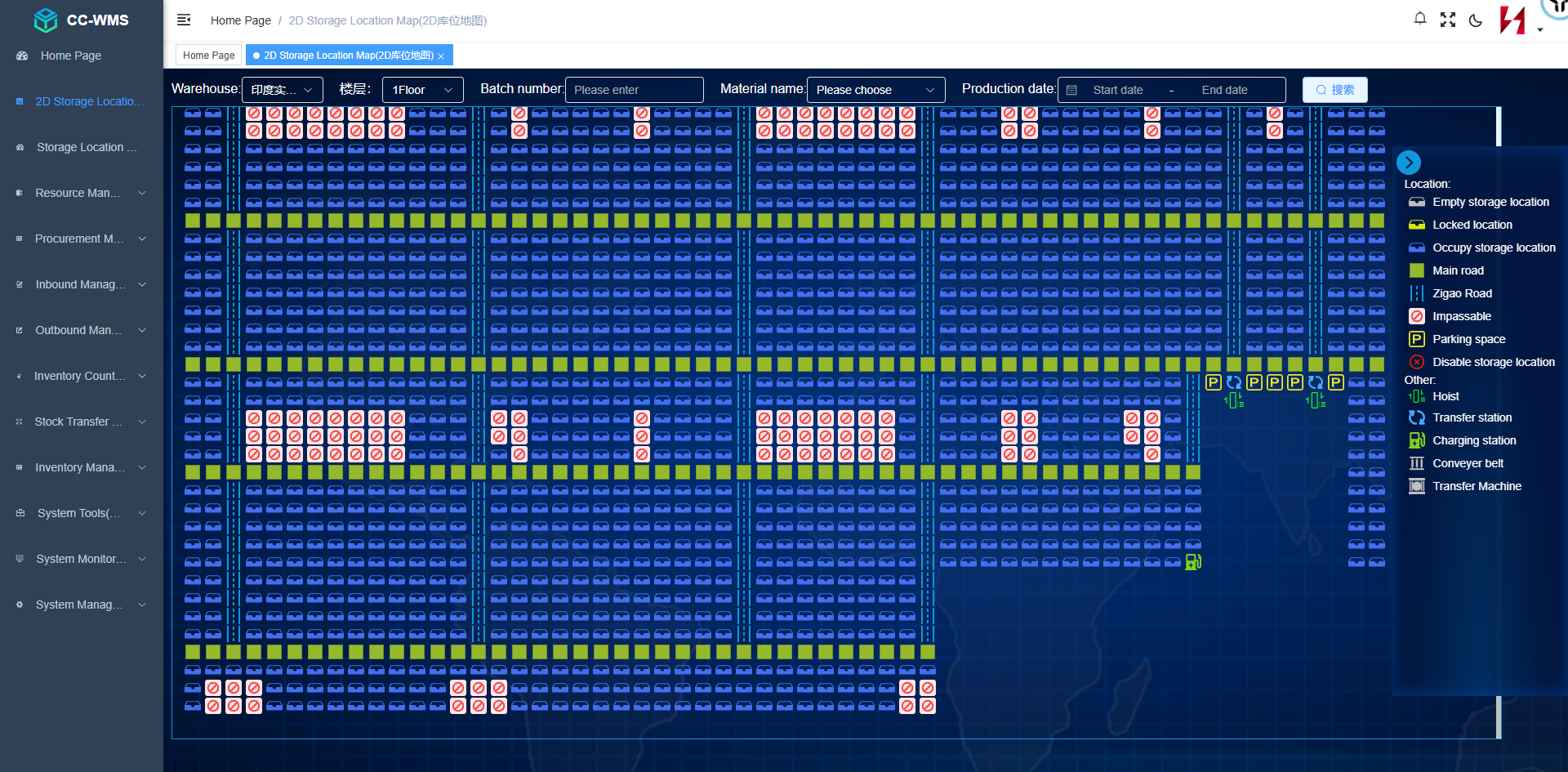
A WMS generally manages warehouse inventory and business transactions. Its responsibilities may include receiving, putaway, location management, replenishment, order allocation, picking, and inventory reporting.
A WMS helps maintain a structured record of warehouse activity and supports operational decisions based on inventory and order data.
Warehouse Control System (WCS)
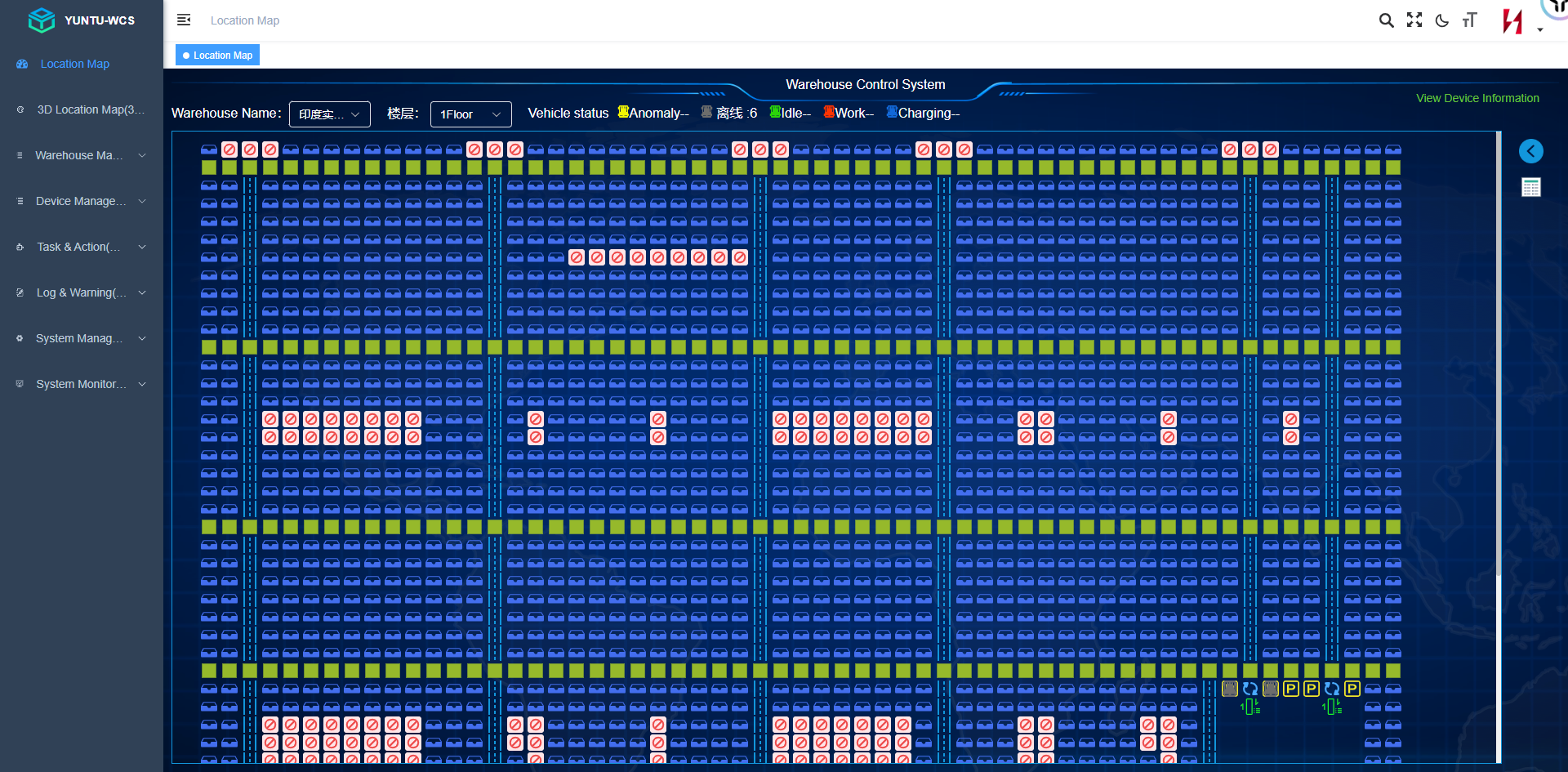
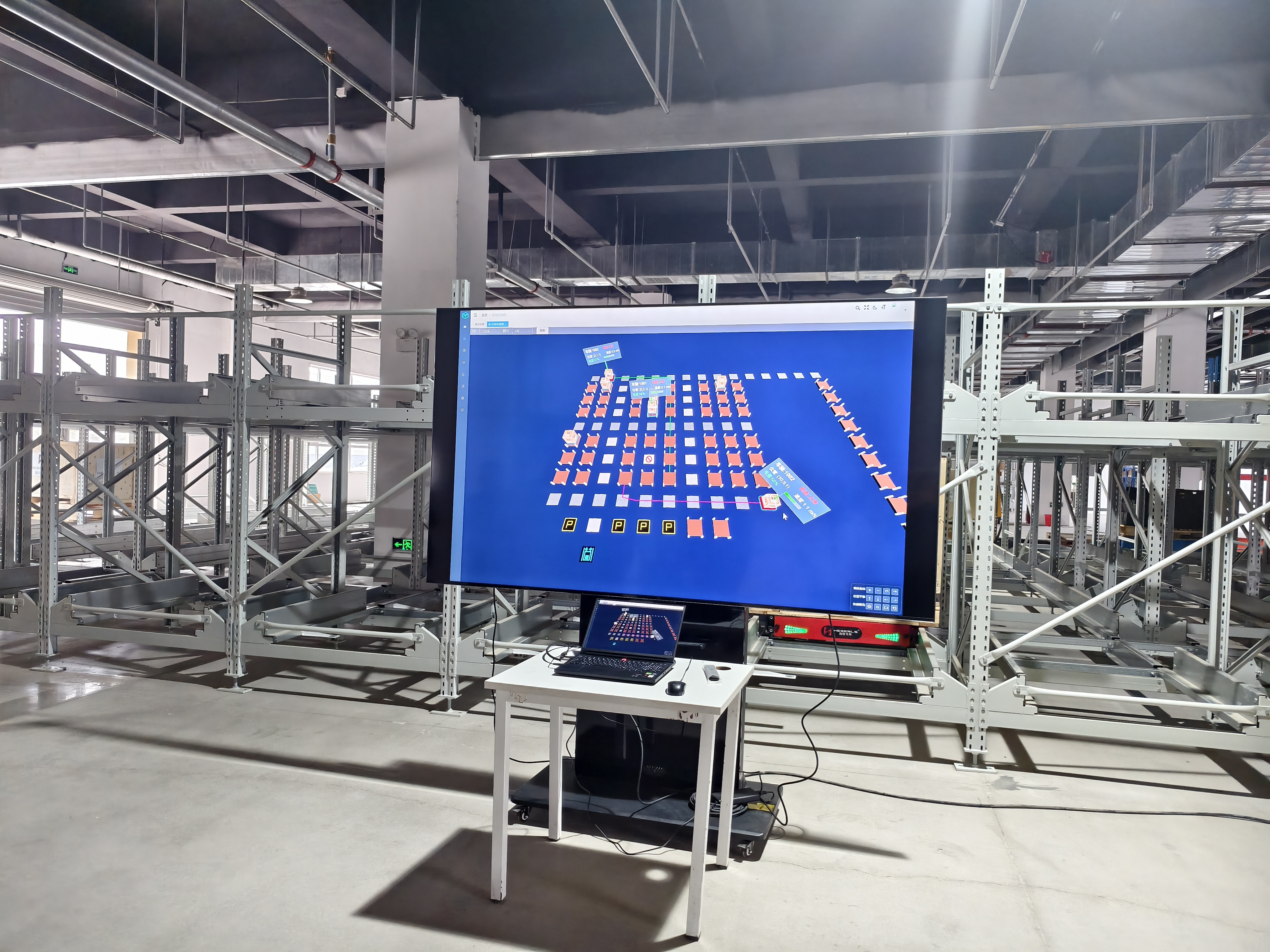
A WCS generally coordinates automated material-handling equipment and executes or supervises equipment-related tasks. Depending on the architecture, it may coordinate conveyors, lifts, shuttle systems, sorters, and other connected devices.
The division of responsibilities between WMS, WCS, and local equipment controllers should be defined during system design. Different projects may use different architectures.
Warehouse Execution and Optimization Functions
Some warehouse architectures include additional execution or optimization layers to sequence work, prioritize tasks, manage labor, or coordinate resources.
These functions may be implemented within existing systems or through separate applications. The correct arrangement depends on operational complexity and integration requirements.
ERP and MES Integration
An enterprise resource planning (ERP) system commonly provides business-level information such as purchase orders, sales orders, and inventory requirements. A manufacturing execution system (MES) may coordinate production-related activities and material demand.
Interfaces between these systems and warehouse software help synchronize business requirements with physical material movement.
A simplified architecture may be:
ERP / MES → WMS → WCS or equipment-control layer → AS/RS, shuttles, conveyors, robots, and vehicles
This is a conceptual model, not a universal system design. Some facilities combine functions or use alternative integration patterns.
4. How Warehouse Technologies Work Together
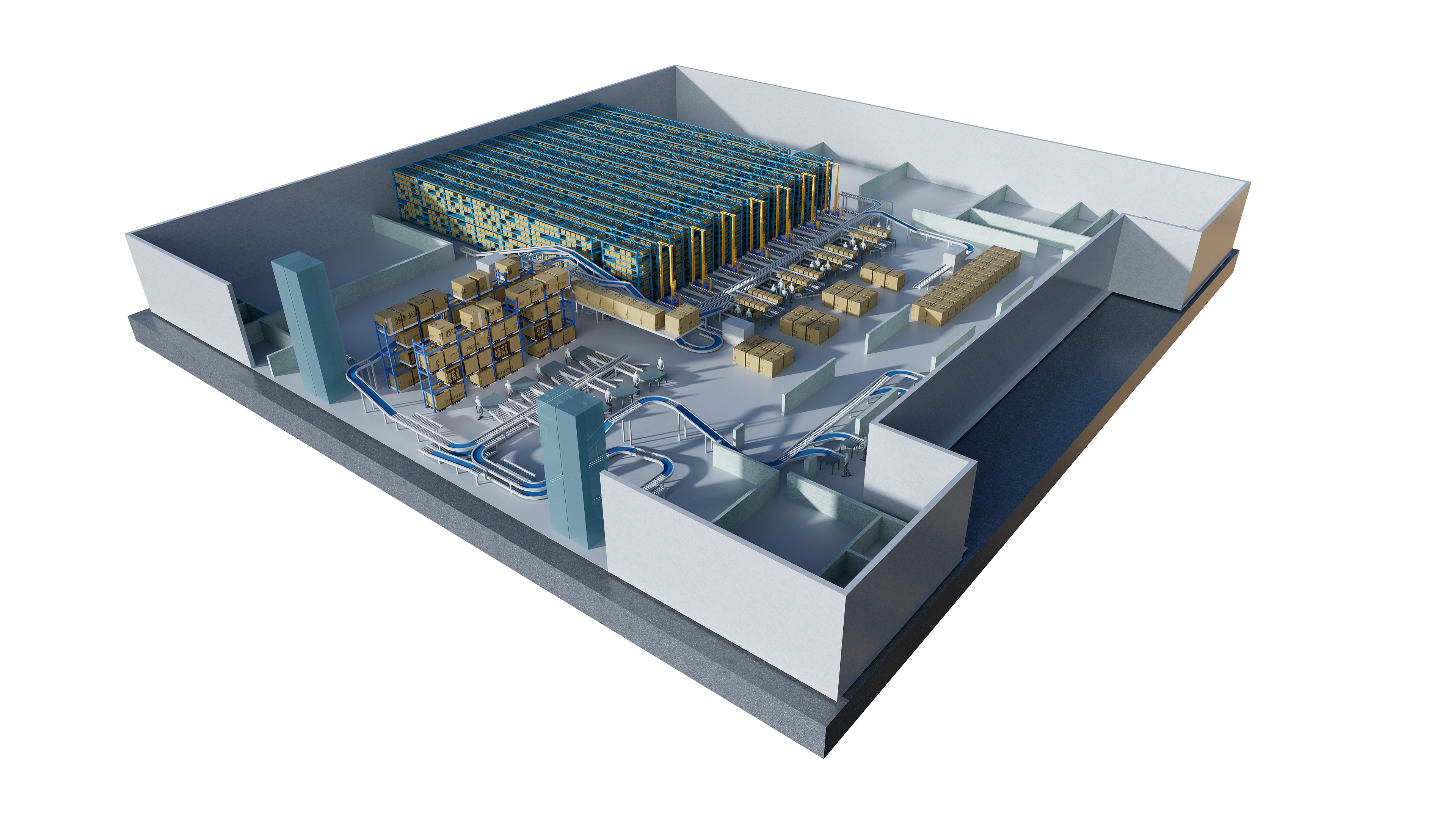
The value of warehouse automation increases when equipment and software are designed around a consistent workflow.
Consider a pallet receiving and storage process:
-
Receiving: Goods arrive and are identified using the configured receiving procedure.
-
Inventory registration: The WMS records the required receipt and inventory information.
-
Storage assignment: The warehouse software selects or confirms a suitable destination according to the configured storage rules.
-
Transport and transfer: Conveyors, AGVs, or other handling equipment move the pallet to the appropriate interface.
-
Automated storage: A compatible shuttle system or stacker crane places the pallet into its assigned storage location.
-
Task confirmation: The control architecture receives relevant equipment status and confirms the transaction according to the system's completion rules.
-
Order release: When the pallet is needed, the warehouse system initiates the retrieval workflow.
-
Outbound handling: The pallet is transferred to replenishment, picking, staging, or dispatch according to the order process.
Every interface matters. If the inventory system assigns a location that the equipment cannot access, or a lift is unavailable when a transfer is scheduled, the workflow can stall.
System integration therefore requires more than connecting communication cables or APIs. It requires consistent task definitions, location mapping, status reporting, error handling, and clear ownership of each transaction.
5. Benefits of Warehouse Technology and Automation
Higher Storage Density
High-density racking, shuttle-based storage, and suitable AS/RS configurations can reduce the amount of floor space required per storage position.
The achievable density depends on load dimensions, aisle requirements, rack geometry, fire protection, access frequency, and the selected automation method.
Improved Inventory Control
Digital inventory records, scan-based transactions, and equipment status feedback can reduce opportunities for unrecorded movements and location errors.
However, software alone does not guarantee inventory accuracy. Reliable results require correct identification, validated transactions, disciplined operating procedures, and regular exception resolution.
More Consistent Throughput
Automation can reduce certain manual travel and handling steps while coordinating repetitive movements.
The effect on throughput depends on the system's capacity, the mix of orders, equipment availability, and the balance between storage, picking, conveying, and dispatch.
Reduced Repetitive Manual Handling
Automated transport and lifting can reduce the need for workers to perform selected repetitive movements. This may improve ergonomics and help allocate personnel to exception handling, supervision, quality checks, and other tasks.
Automation does not eliminate the need for trained staff, maintenance, safety management, or process control.
Better Operational Visibility
Warehouse software and connected devices can provide information about inventory, orders, task status, and equipment conditions.
The quality of this visibility depends on the completeness and timeliness of the underlying data and the reliability of system interfaces.
Greater Scalability
A modular system may allow additional equipment, storage capacity, or software functions to be introduced as demand grows.
Scalability should be assessed during the initial design. Floor loading, power supply, network capacity, traffic routes, system interfaces, and future expansion space can all affect the ability to scale.
6. Manual, Semi-Automated, and Fully Automated Warehouses
Different operating models suit different business requirements. Full automation is not automatically the best choice for every facility.
| Factor | Manual warehouse | Semi-automated warehouse | Highly automated warehouse |
| Material movement | Primarily people and forklifts | Combination of manual and automated equipment | Extensive equipment-based handling |
| Storage | Conventional racking and manual processes | Selected automated storage or transport | Integrated AS/RS or other automated storage |
| Software | Basic or advanced WMS depending on operation | WMS plus selected equipment controls | Coordinated WMS, WCS, and automation controls |
| Layout flexibility | Often high for operational changes | Depends on automated zones | More dependent on system design |
| Initial investment | Generally lower | Moderate to high depending on scope | Often higher |
| Best-fit conditions | Lower or variable demand; limited automation need | Targeted bottlenecks and staged investment | Suitable high-volume, repeatable, or space-constrained operations |
These are broad tendencies, not guaranteed cost or performance outcomes. A highly automated warehouse may have lower labor requirements for specific tasks but greater engineering, maintenance, and system-integration needs.
The appropriate operating model should be based on measurable requirements and lifecycle economics.
7. How to Select the Right Warehouse Technology
Step 1: Define Operational Requirements
Collect the information needed to understand the current operation:
-
SKU count and inventory profile.
-
Pallet, tote, carton, and product dimensions.
-
Maximum unit load weight.
-
Average and peak order volume.
-
Inbound and outbound throughput.
-
Storage capacity and access frequency.
-
Required inventory rotation rules.
-
Operating hours and seasonal demand.
-
Available building height and floor area.
These inputs form the basis for equipment sizing and workflow design.
Step 2: Identify the Main Bottleneck
Determine whether the greatest constraint is storage space, picking travel, labor availability, order accuracy, replenishment, internal transport, or dispatch capacity.
Automating a non-critical process may add cost without resolving the actual operational problem.
Step 3: Match Technologies to the Workflow
Choose technologies according to the material being handled and the process they must support.
For example, shuttle-based storage may be appropriate for compatible pallet loads and high-density storage requirements. AMRs may suit transport routes that need flexibility. Robotic picking may be relevant when product presentation and handling characteristics are suitable.
Step 4: Design the Complete System
Evaluate storage equipment, conveyors, lifts, stations, software, and safety interfaces together.
Model the entire process from receiving through outbound dispatch, including peak demand, replenishment, equipment downtime, and recovery from faults.
Step 5: Assess Integration and Data Requirements
Clarify how warehouse software will exchange information with ERP, MES, equipment controls, and automation systems.
Confirm responsibility for task assignment, inventory updates, equipment status, alarms, and exception recovery.
Step 6: Compare Lifecycle Costs
The financial assessment should include more than equipment purchase price. Relevant costs may include:
-
Engineering and installation.
-
Software and integration.
-
Building modifications and utilities.
-
Maintenance and spare parts.
-
Training and operational transition.
-
Downtime and system availability.
-
Future expansion and upgrade requirements.
Compare investment against the operational improvements that can reasonably be measured or modeled. Avoid relying on generic ROI claims that do not reflect the facility's own baseline.
Step 7: Plan Testing, Commissioning, and Training
Define acceptance criteria before installation. Testing should cover normal operations, peak scenarios, inventory transactions, equipment faults, recovery procedures, and safety functions.
Training should cover both routine operations and abnormal conditions. A successful commissioning process verifies the complete workflow, not just whether individual machines can move.
8. Warehouse Automation Trends
Data-Driven Optimization
Warehouse data can help identify bottlenecks, evaluate equipment utilization, and improve task allocation. Useful analytics depend on accurate event records and clearly defined performance measures.
AI-Assisted Planning
AI techniques can support selected forecasting, slotting, planning, and scheduling applications. Their suitability depends on data quality, operational constraints, explainability, and the ability to validate recommendations.
AI should be treated as a tool for defined problems rather than a substitute for sound warehouse process design.
Multi-Robot Coordination
As facilities use more mobile robots and automated handling equipment, coordination becomes increasingly important. Scheduling, traffic management, charging, task priority, and congestion control can affect overall performance.
The relevant approach depends on the robot fleet, facility layout, safety requirements, and control architecture.
More Flexible Automation
Modular equipment and configurable software may support phased implementation and changing operational needs. Flexibility, however, should be verified against actual product compatibility, system interfaces, and layout constraints.
Greater Emphasis on Resilience
Automation planning increasingly needs to account for equipment faults, communication interruptions, backup procedures, spare-parts availability, and recovery time.
A system's value depends not only on its performance under ideal conditions but also on how safely and reliably it responds to disruptions.
9. Common Warehouse Automation Challenges
Automating an unsuitable process: Automation may not be cost-effective when demand is low, product characteristics change frequently, or the task is already simple and efficient. Validate the business case before selecting equipment.
Underestimating peak demand: Average throughput can conceal short periods of heavy demand. Design around the actual order profile and consider buffering, replenishment, and dispatch constraints.
Treating software integration as an afterthought: Inconsistent location data, unclear transaction ownership, and poorly defined equipment states can undermine an otherwise capable system. Establish interface and recovery requirements early.
Ignoring operational change management: New equipment changes workflows, responsibilities, maintenance routines, and training needs. Involve operations and maintenance teams during planning.
Overlooking safety and maintainability: Automated systems still require safe access, emergency procedures, inspections, and maintenance. These requirements should be incorporated into the initial layout and control design.
Expecting automation to fix poor data: Incorrect master data, inconsistent product dimensions, and inaccurate inventory records can create downstream problems. Data validation and governance are essential.
10. How Zhuku Approaches Warehouse Automation Integration
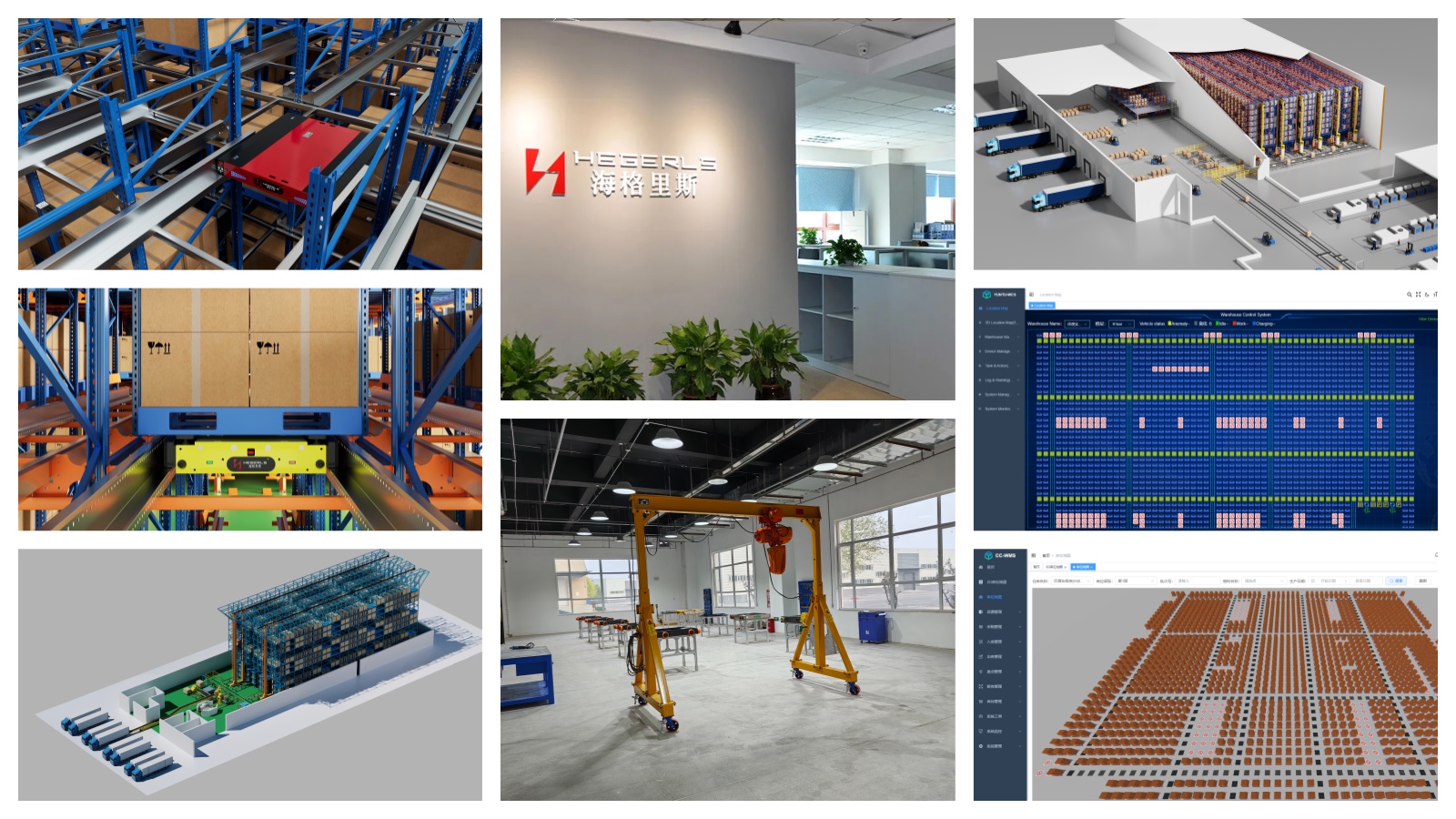
Zhuku (Hebei) Automatic Storage Technology Co., Ltd. focuses on warehouse automation and integrated storage solutions, including storage racking, four-way shuttle systems, AS/RS, and warehouse software.
A warehouse automation project should begin with operational requirements rather than a predetermined equipment list. The design process needs to consider the relationship between storage density, inventory accessibility, throughput, material flow, software coordination, and future expansion.
Zhuku's CC-WMS and YUNTU-WCS software portfolio can be evaluated within a project-specific architecture. The required division of responsibilities and equipment interfaces should be confirmed according to the actual system scope.
A solution assessment should address:
-
Storage capacity and SKU characteristics.
-
Load dimensions, weights, and handling methods.
-
Required inbound and outbound throughput.
-
Equipment selection and transfer interfaces.
-
Warehouse layout and available building height.
-
Inventory management and equipment coordination.
-
Safety, maintenance, and recovery requirements.
-
Expansion plans and total cost of ownership.
The goal is to build a warehouse system in which storage equipment, material handling, and software support the same operational objectives.
Conclusion
Warehouse technology and automation provide businesses with a range of ways to improve storage, handling, inventory control, and operational visibility. AS/RS, shuttle systems, conveyors, lifts, AGVs, AMRs, robotics, and warehouse software each address different parts of the operation.
The best solution is rarely determined by a single machine or technology. It depends on how well the selected components fit the goods, facility, order profile, and business objectives.
Before investing, define the operational requirements, identify the main bottlenecks, compare suitable technologies, and assess the complete lifecycle cost. A carefully integrated system can provide a stronger foundation for reliable warehouse operations and future growth.
Planning a warehouse automation project? Share your warehouse layout in CAD or PDF format, together with SKU data, pallet dimensions, load weights, storage capacity targets, and expected throughput. Zhuku can help evaluate suitable storage and automation configurations based on your facility and operational requirements.