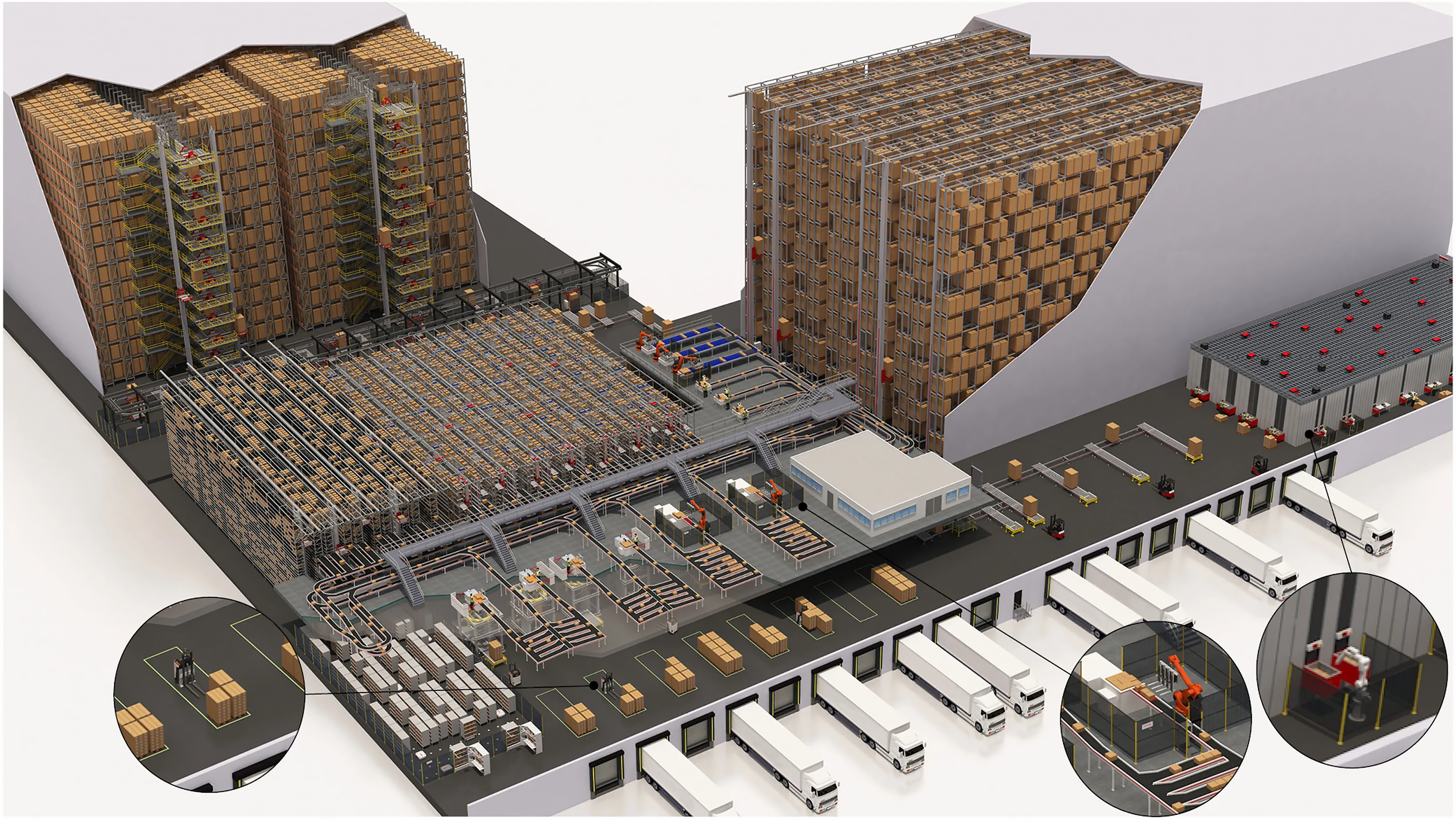
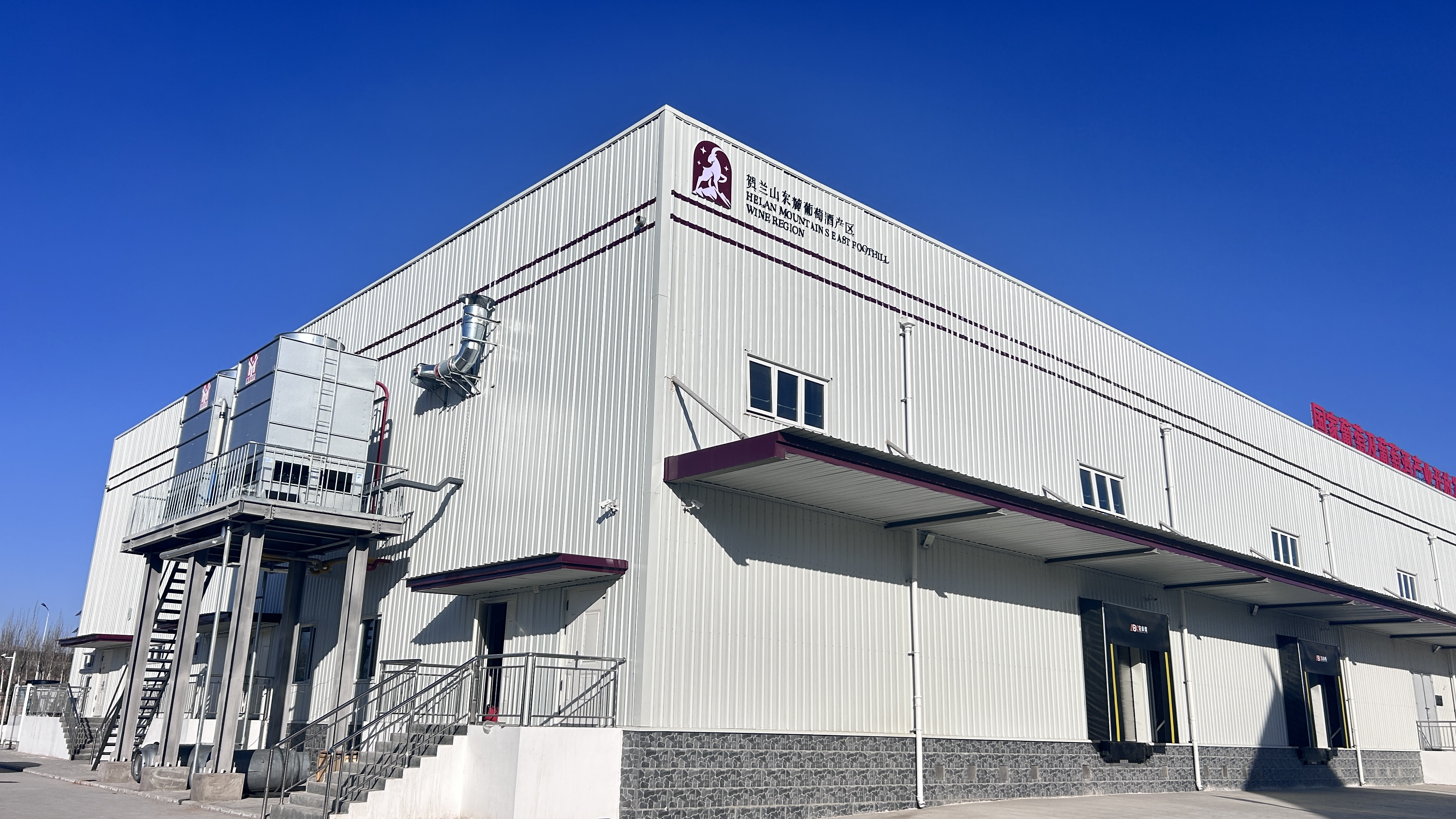
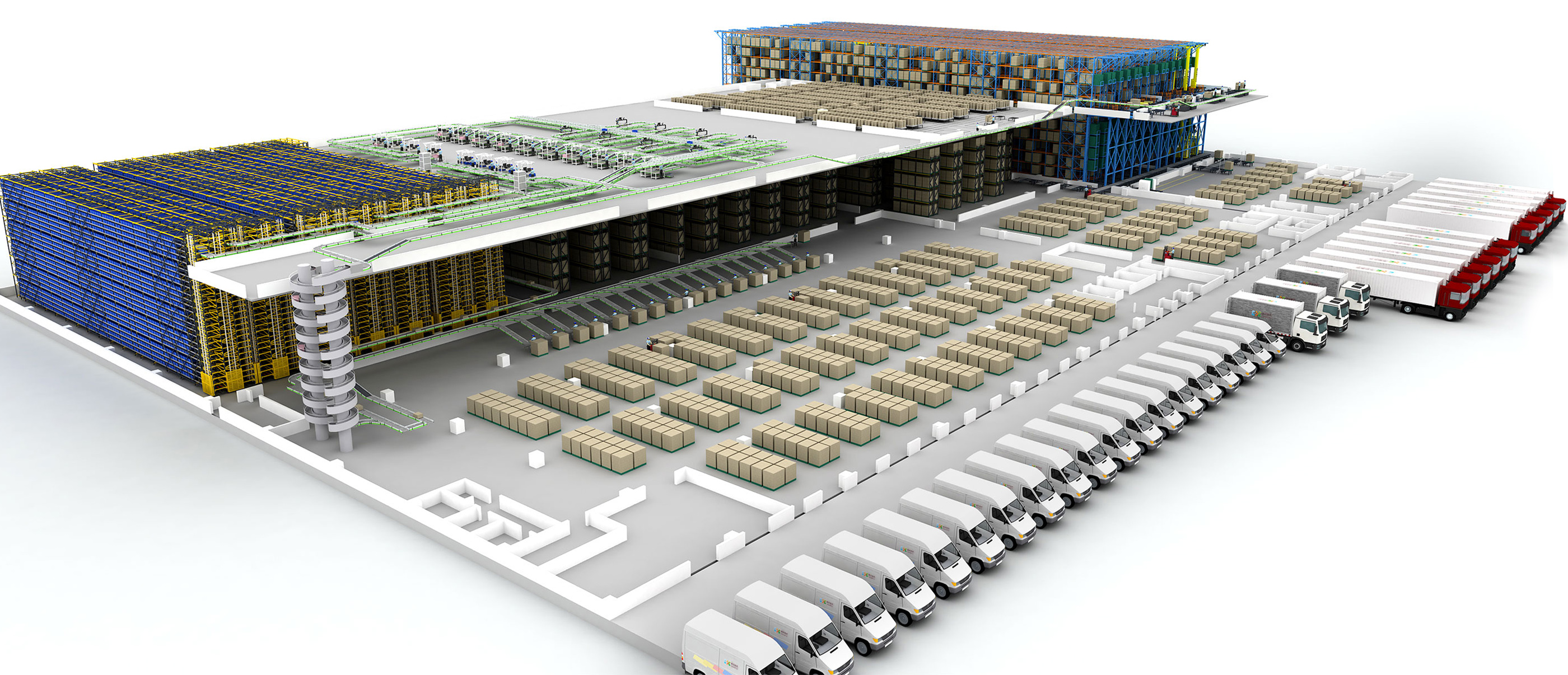
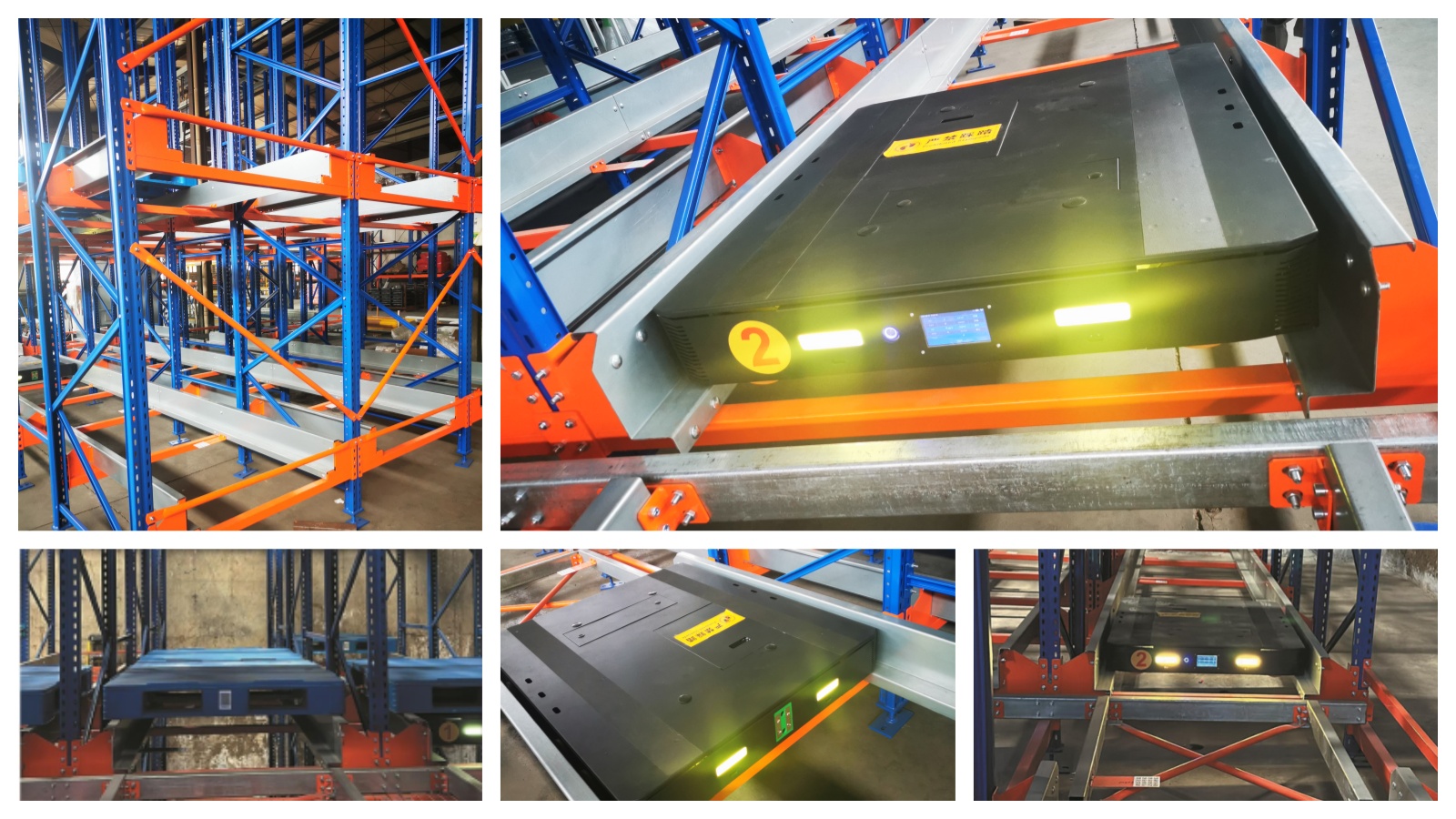
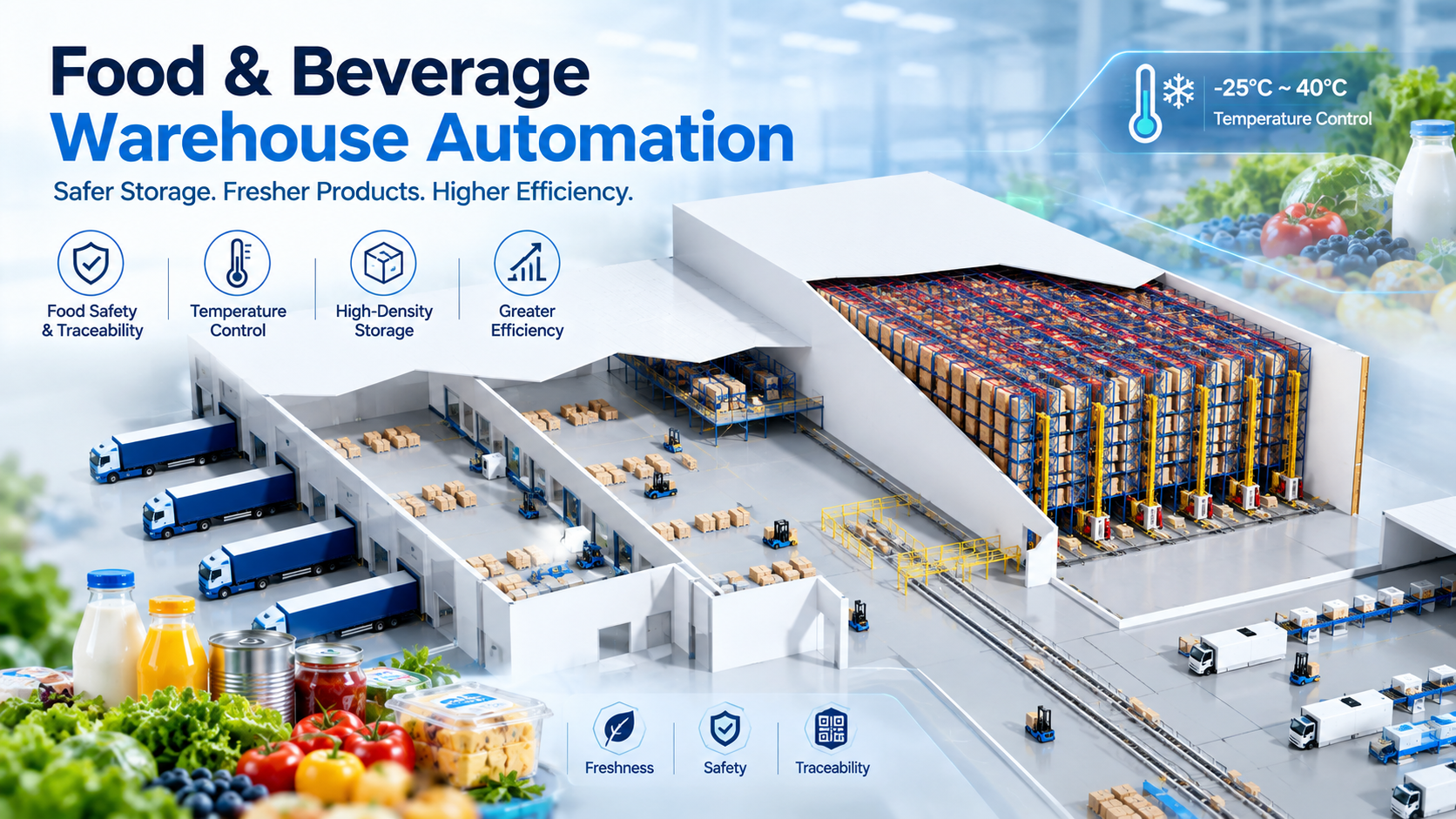
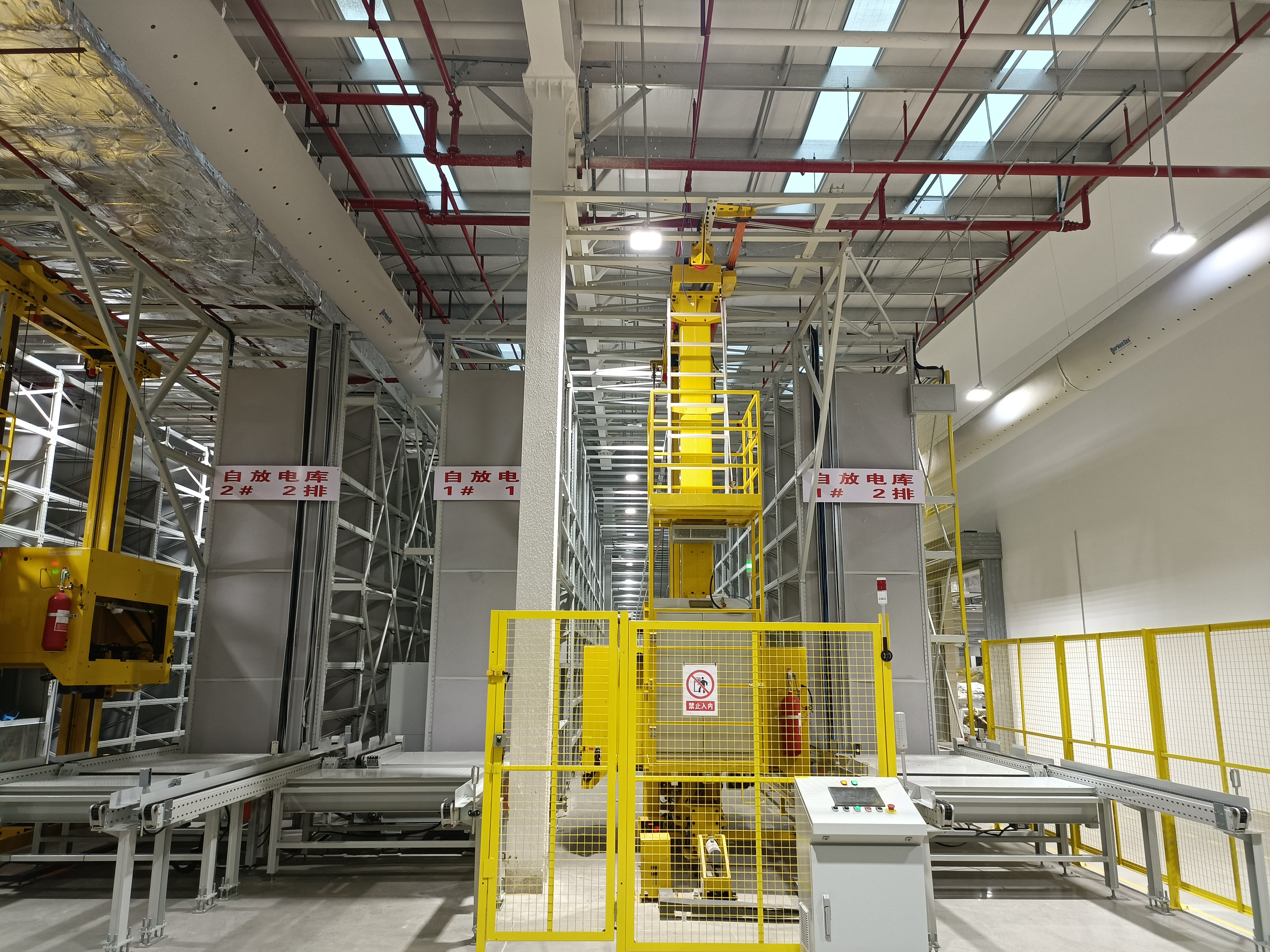
As warehouses become more automated, companies increasingly need to connect storage equipment, material handling systems, warehouse software, and operational processes into one coordinated system. This is where a warehouse automation system integrator plays an important role.
A warehouse automation system integrator designs and connects multiple technologies—such as AS/RS, four-way shuttles, conveyors, lifts, AGVs, AMRs, WMS, and WCS—into an integrated warehouse operation.
Unlike an equipment supplier that may focus on a specific machine, a system integrator looks at the complete warehouse workflow, from receiving and storage to retrieval, picking, staging, and shipping.
What Is a Warehouse Automation System Integrator?
A warehouse automation system integrator is a company that combines different warehouse automation technologies into a unified system designed around a customer's operational requirements.
A modern automated warehouse may involve equipment from multiple technology categories:
-
Four-way and multi-directional shuttle systems
-
High-density pallet racking
-
Conveyors
-
Vertical lifts
-
AGVs and AMRs
-
Robotic handling systems
-
ERP and MES interfaces
The integrator's role is to determine how these technologies should work together.
The objective is not simply to automate individual operations. It is to create a coordinated system that can move products efficiently while maintaining inventory visibility, equipment control, safety, and future scalability.
For a broader introduction to warehouse automation technologies and architectures, see our guide to what warehouse automation is.
What Does a Warehouse Automation System Integrator Do?
A system integration project usually involves several stages.
1. Warehouse Requirement Analysis
Before selecting equipment, the integrator analyzes the warehouse and its operational requirements. This process is also important when evaluating different warehouse automation solutions for a specific facility.
Typical information includes:
-
Warehouse length and width
-
Clear height
-
Column positions
-
Floor conditions
-
Pallet dimensions
-
Maximum load weight
-
Number of SKUs
-
Peak inventory
-
Inbound volume
-
Outbound volume
-
Required throughput
-
Storage duration
-
FIFO or LIFO requirements
-
Operating temperature
-
Current warehouse equipment
-
Future expansion plans
This information provides the foundation for determining the appropriate automation architecture.
2. Process and Material Flow Analysis
Automation should follow the warehouse process rather than the other way around.
A system integrator examines how products move through the facility:
Receiving → Identification → Putaway → Storage → Retrieval → Picking → Staging → Shipping
For manufacturing facilities, the process may also include:
Production → Buffer Storage → Finished Goods Storage → Order Fulfillment
The integrator identifies potential bottlenecks and determines where automated equipment can improve material flow.
3. System Architecture Design
After understanding the requirements, the integrator develops the overall system architecture.
For example:
ERP/MES → WMS → WCS → Storage & Material Handling Equipment
The physical layer may include:
AS/RS + Shuttle + Rack + Lift + Conveyor + AGV/AMR
Different warehouses require different combinations. A high-bay warehouse may use stacker crane AS/RS, while a flexible high-density warehouse may benefit from four-way shuttle automation.
4. Equipment Selection and Integration
The integrator evaluates which technologies should be used and how they should communicate.
For example, a four-way shuttle warehouse may require:
-
High-density racking
-
Four-way shuttle vehicles
-
Vertical lifts
-
Pallet conveyors
-
Sensors and identification systems
-
WMS
-
WCS
-
Safety systems
The performance of the final system depends on how these components operate together, not simply on the specifications of one piece of equipment.
5. Software Integration
Warehouse automation increasingly depends on software.
A typical architecture may connect:
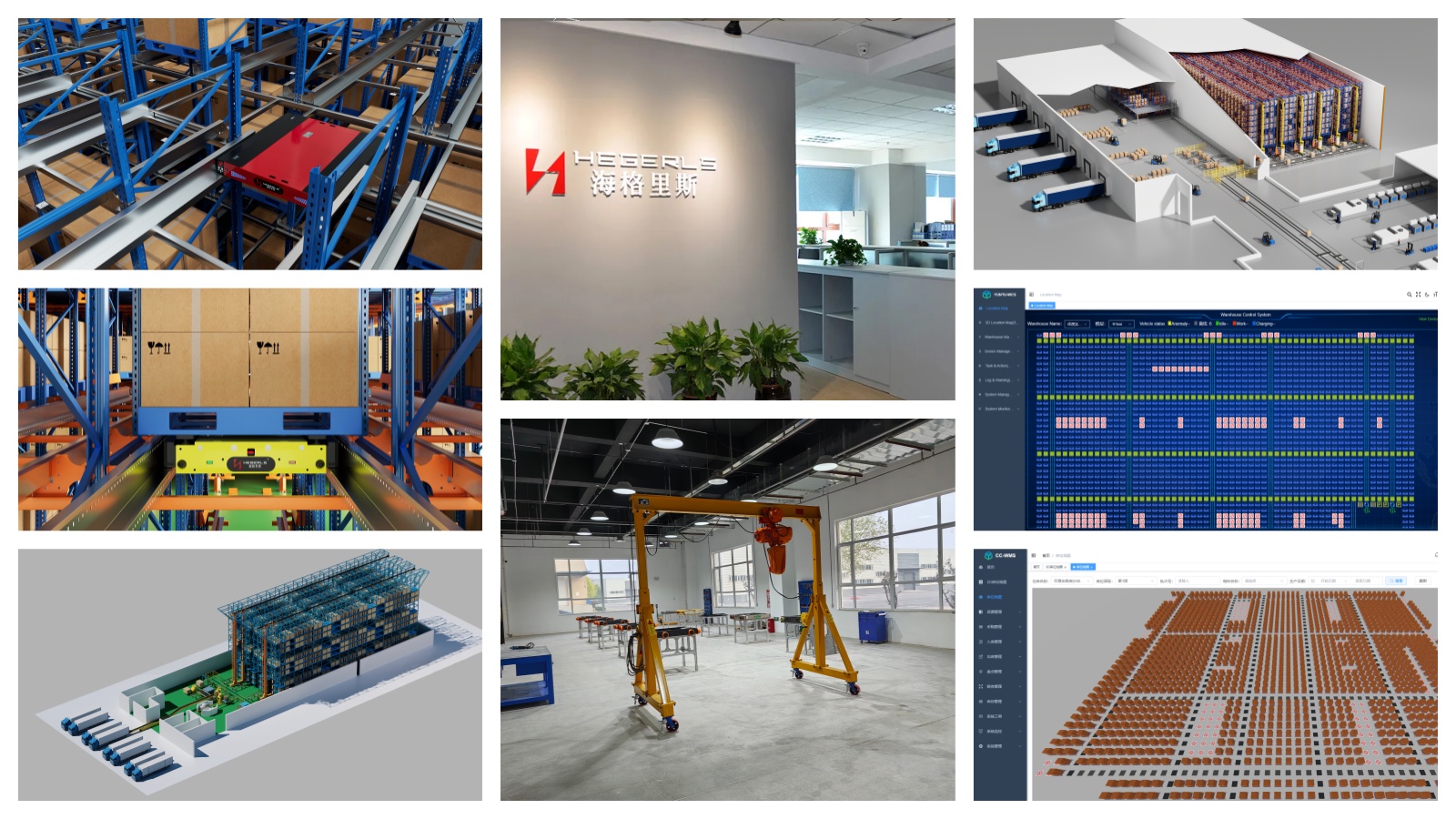
ERP/MES → CC-WMS → YUNTU-WCS → Shuttle / AS/RS / Conveyor / Lift / AGV / AMR
The WMS manages inventory and warehouse processes, while the WCS translates operational tasks into equipment commands and coordinates real-time movement.
Integration with ERP or MES can also connect warehouse operations with purchasing, production, order management, and other business processes.
6. Installation and Commissioning
System integration continues after the equipment arrives at the warehouse.
The project may include:
-
Equipment installation
-
Network and communication configuration
-
Software deployment
-
Equipment testing
-
Interface testing
-
Safety testing
-
Workflow testing
-
Performance testing
-
Operator training
-
Final commissioning
The objective is to verify that the complete system performs according to the agreed operational requirements.
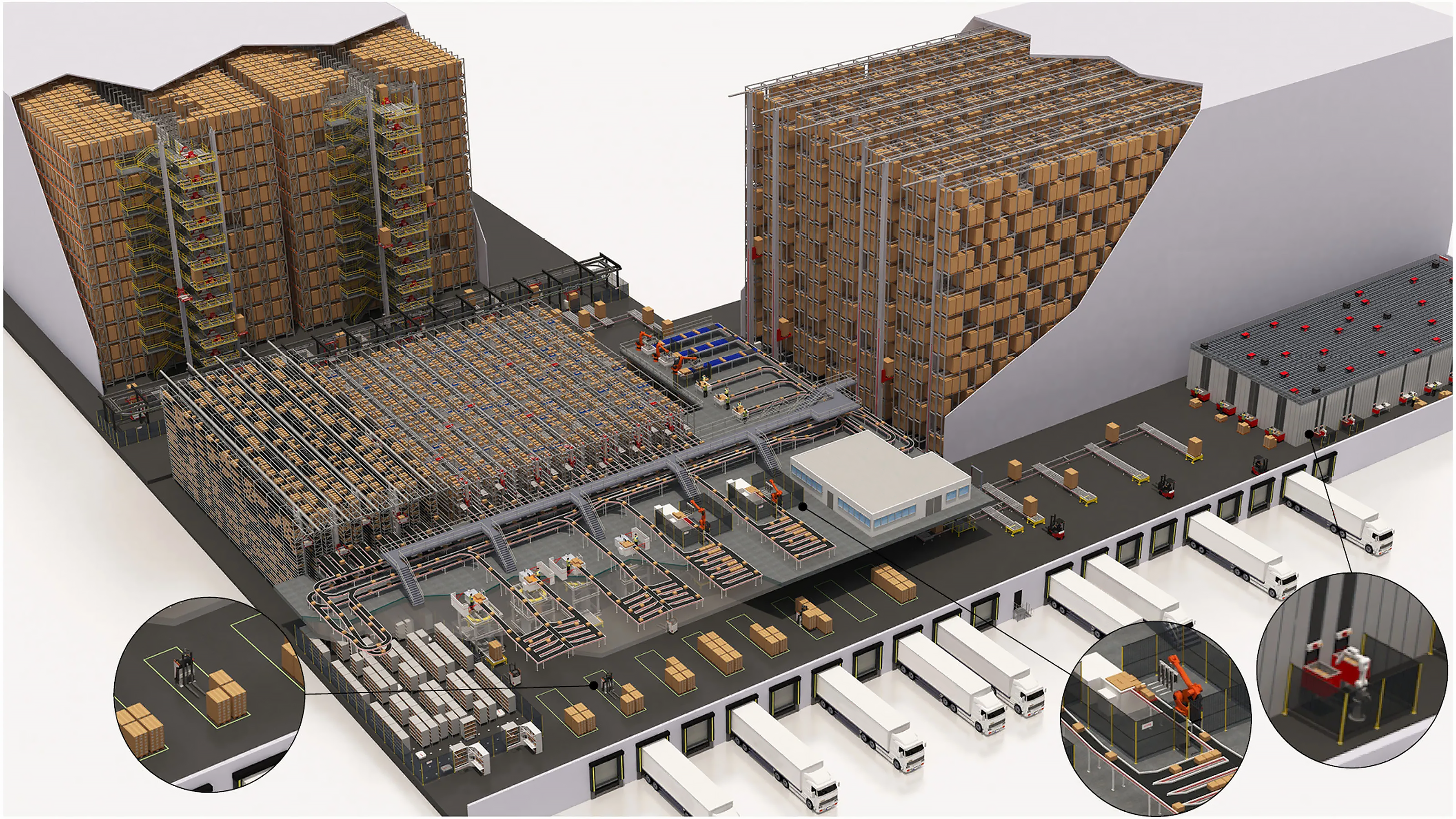
What Technologies Can a Warehouse Automation System Integrator Connect?
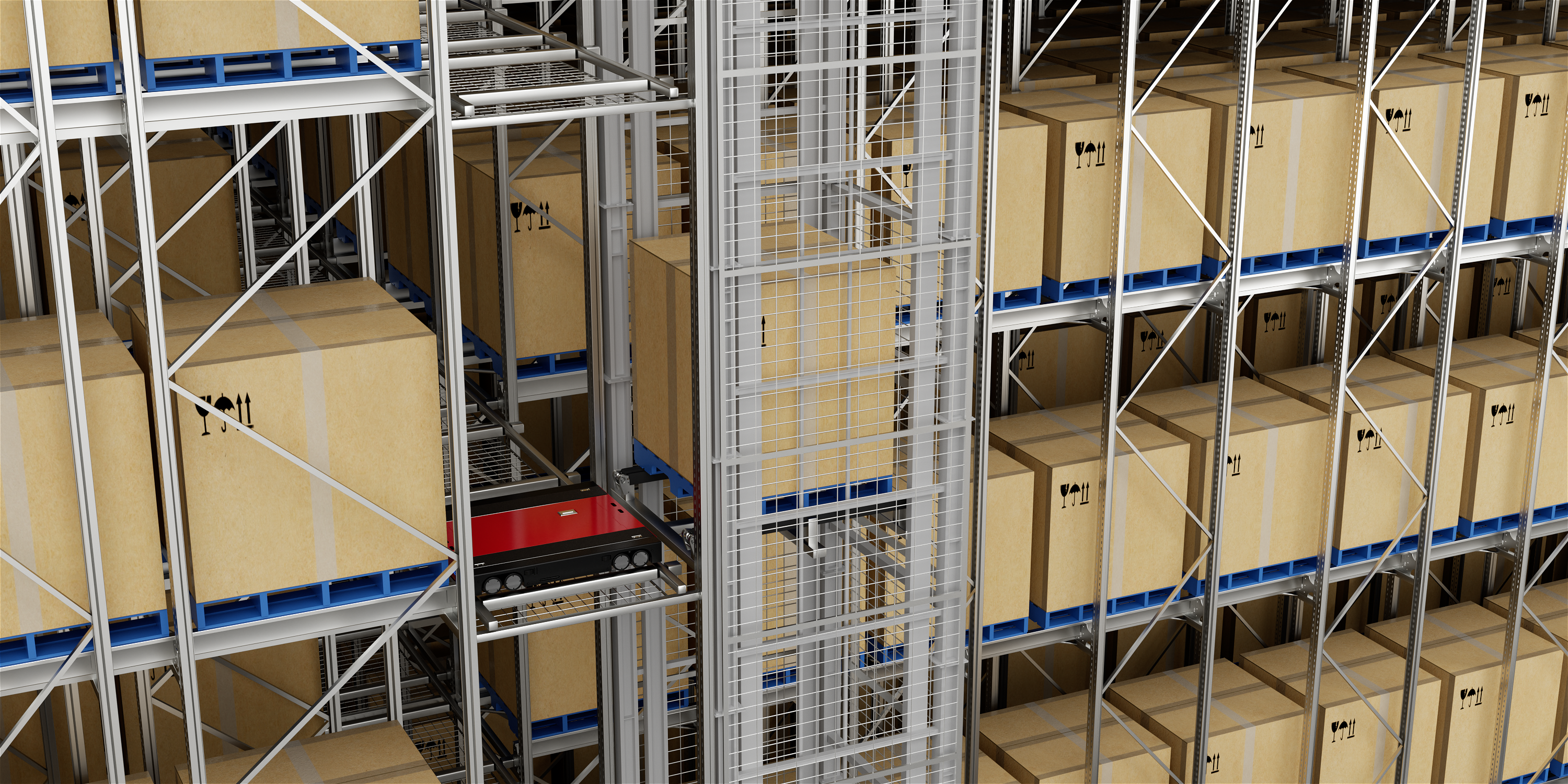
Four-Way Shuttle Systems
Four-way shuttles are designed for high-density pallet storage and flexible movement inside racking.
Unlike conventional fixed-direction shuttle systems, four-way shuttles can move in multiple directions, allowing greater flexibility in storage layouts.
They can be integrated with lifts, conveyors, WMS, WCS, and high-density racking.
Typical applications include:
-
Cold storage
-
Food and beverage
-
Chemical warehouses
-
Manufacturing
-
3PL
-
Finished goods storage
AS/RS and Stacker Crane Systems
Stacker crane AS/RS is commonly used in high-bay warehouses where automated storage and retrieval, vertical utilization, and structured material flow are important.
A complete AS/RS project may connect:
Rack + Stacker Crane + Conveyor + Lift + WMS + WCS
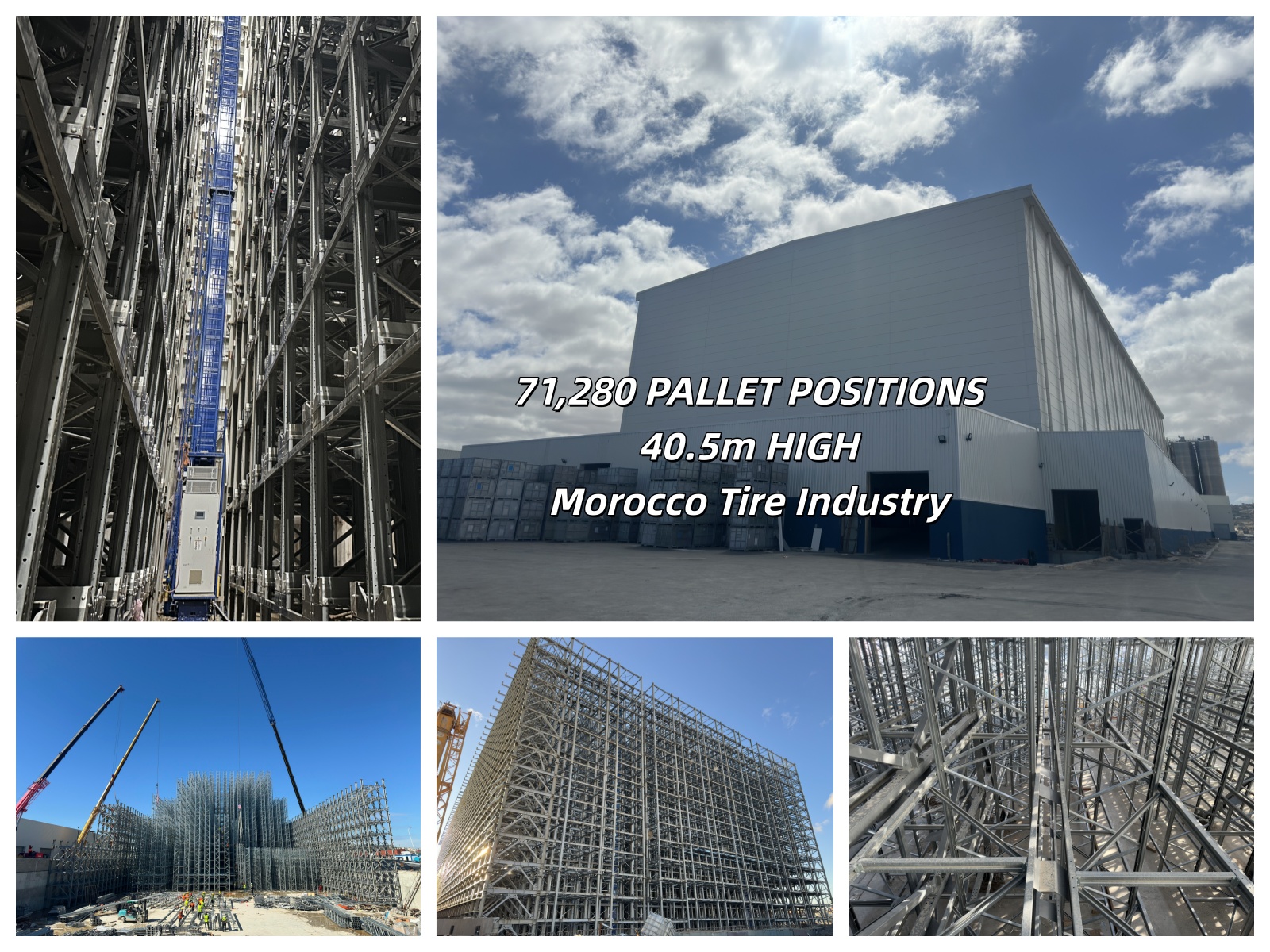
For large facilities, rack-supported or rack-clad construction can also be considered to integrate the storage structure with the warehouse building.
Rack-Supported and Rack-Clad Warehouses
In a rack-supported or rack-clad warehouse, the storage structure can form an important part of the overall building architecture.
This approach can be suitable for high-bay and high-density facilities where maximizing vertical space is a major consideration.
An integrator needs to coordinate the storage structure with automation equipment, building requirements, fire protection, material flow, and software control.
Conveyors and Vertical Lifts
Conveyors and lifts connect different warehouse zones.
They can transport pallets between:
-
Receiving
-
Storage
-
Production
-
Picking
-
Staging
-
Shipping
Their capacity and configuration should be considered together with shuttle and AS/RS throughput.
AGVs and AMRs
AGVs and AMRs provide flexible material transportation between different warehouse or production areas.
They can complement fixed automation systems by handling transportation outside the main storage system.
For example, an automated warehouse may use a four-way shuttle for dense storage and an AMR fleet for flexible transportation between storage, picking, and production areas.
Why Is System Integration Important?
Different Equipment Must Work Together
An automated warehouse is rarely based on a single machine.
If the shuttle, lift, conveyor, WMS, and WCS operate independently, the warehouse cannot achieve the full benefits of automation.
Integration creates a coordinated workflow.
Material Flow Affects Overall Performance
A high-performance shuttle or stacker crane cannot compensate for an incorrectly designed receiving or shipping process.
The complete material flow must be considered.
Software and Hardware Need a Common Architecture
WMS determines what should happen at the warehouse management level.
WCS determines how equipment should execute those tasks.
The communication between software and equipment therefore becomes a critical part of system performance.
Future Expansion Requires Planning
Warehouse requirements often change after implementation.
Inventory may increase, throughput may grow, or additional storage zones may be required.
A scalable system architecture makes it easier to add equipment, storage capacity, or software functions later.
Warehouse Automation System Integrator vs. Equipment Supplier
The terms are sometimes used interchangeably, but their roles can be different.
| Factor | Equipment Supplier | System Integrator |
| Primary focus | Individual equipment | Complete system |
| Solution scope | Specific technology | Multiple technologies |
| Warehouse process analysis | Usually limited | Core activity |
| Equipment coordination | Product level | System level |
| WMS/WCS integration | May vary | Major responsibility |
| Material flow design | Limited or product-specific | Complete workflow |
| Multi-technology integration | Limited | Core capability |
| Future scalability | Equipment level | System architecture |
| Project commissioning | Equipment-focused | Integrated system |
For a simple warehouse requirement, purchasing individual equipment may be sufficient.
For a complex automated warehouse involving multiple technologies, system integration becomes more important.
How Do You Choose a Warehouse Automation System Integrator?
Selecting an integrator should go beyond comparing equipment prices.
Does the Integrator Understand Your Industry?
Cold storage, food and beverage, chemical, manufacturing, automotive, and 3PL warehouses have different operational requirements.
The integrator should understand the environment in which the automation will operate.
Can It Design the Complete Workflow?
The integrator should be able to evaluate receiving, storage, retrieval, picking, staging, and shipping rather than focusing only on the storage equipment.
Does It Have Multiple Automation Technologies?
A system integrator should be able to evaluate different technologies objectively.
Depending on the project, the solution may involve:
-
Four-way shuttle
-
Two-way shuttle
-
Stacker crane AS/RS
-
Rack-supported automation
-
Conveyor
-
Lift
-
AGV
-
AMR
-
WMS
-
WCS
The goal should be selecting the appropriate architecture rather than forcing every project into one technology.
Can It Integrate Software?
Ask how the integrator handles:
-
WMS
-
WCS
-
ERP
-
MES
-
Equipment communication
-
Inventory data
-
Real-time monitoring
-
Reporting
-
System interfaces
Software integration can have a significant effect on the usability of the finished warehouse.
Does It Provide Engineering and Commissioning?
A complete project requires more than equipment delivery.
Consider whether the integrator can support:
Design → Manufacturing → Installation → Integration → Commissioning → Training → Service
Can It Support Future Expansion?
A warehouse automation system should be evaluated not only for today's requirements but also for expected future growth.
What Industries Use Warehouse Automation System Integration?
Cold Storage and Cold Chain
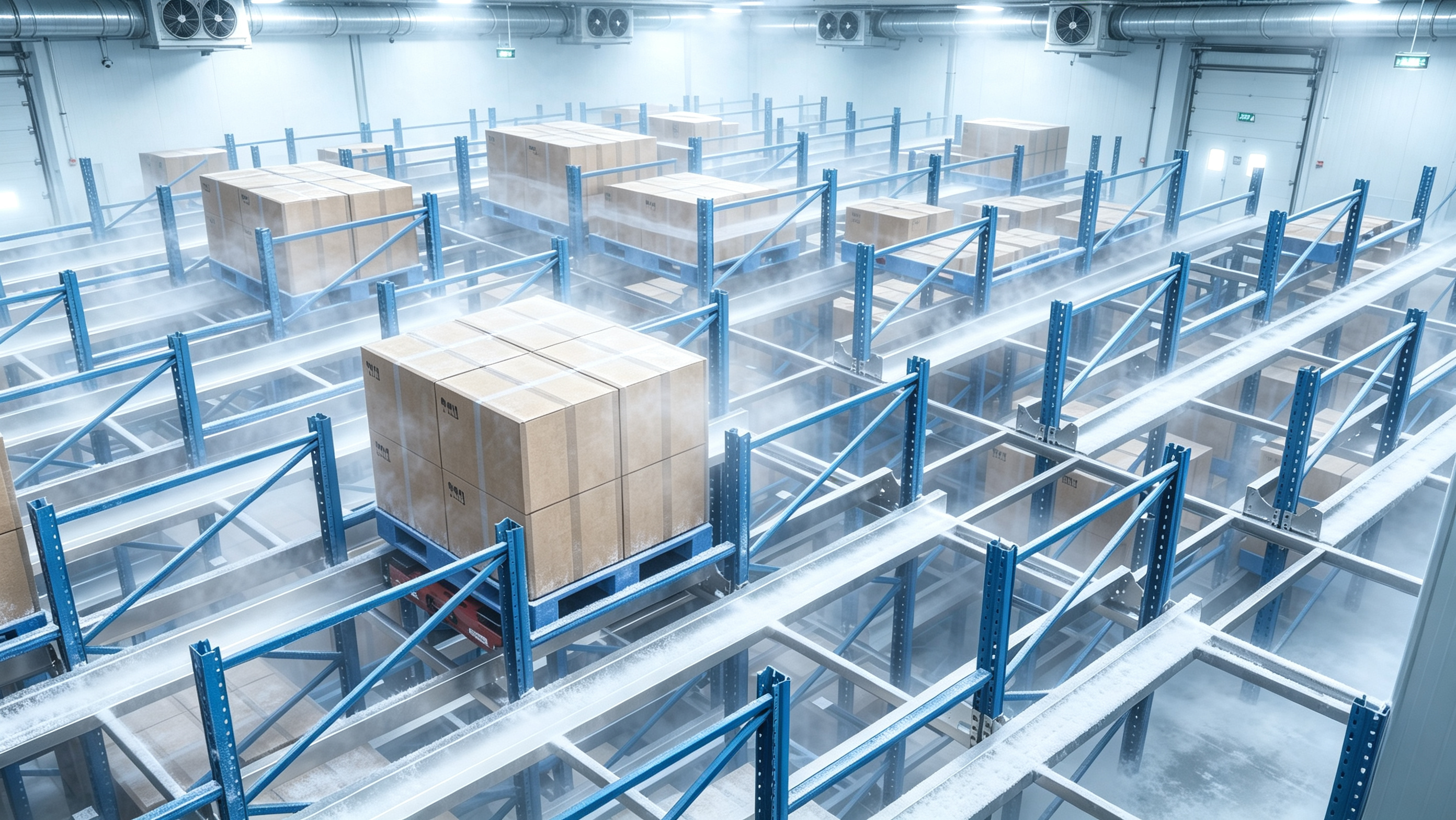
Cold warehouses often require high-density storage because temperature-controlled construction and operation can be expensive.
An integrated solution can combine:
Cold Storage + High-Density Racking + Four-Way Shuttle + Lift + Conveyor + WMS/WCS
This architecture can support automated pallet handling while reducing unnecessary forklift movement inside temperature-controlled areas.
Food and Beverage
Food and beverage warehouses often require FIFO, batch tracking, expiry management, and high-volume pallet movement.
Automation can connect inventory management with physical storage and retrieval.
Chemical
Chemical warehouses may require controlled handling, traceability, and appropriate safety measures.
Automated storage can help organize pallet movement and inventory management within a controlled warehouse environment.
Manufacturing
Manufacturers can integrate automated storage with production systems.
Raw materials can move from receiving into automated storage, while finished products can be transferred from production to the warehouse.
ERP or MES integration can connect production requirements with warehouse operations.
3PL and Distribution
3PL operators need flexibility because customer inventories, SKU profiles, and order patterns can change.
A combination of high-density storage, shuttle systems, WMS/WCS, and flexible transportation technologies can support multiple warehouse processes.
How Does a System Integrator Approach a New Project?
A typical project can follow this process:
Step 1: Collect Warehouse Data
Provide warehouse drawings, dimensions, pallet specifications, inventory information, throughput, and operating conditions.
Step 2: Analyze Requirements
The integrator evaluates storage capacity, material flow, equipment requirements, and operational objectives.
Step 3: Develop the Concept
Different automation architectures are compared according to the warehouse requirements.
Step 4: Validate the Design
Capacity, throughput, equipment utilization, storage density, and potential bottlenecks can be evaluated before implementation.
Step 5: Engineer and Implement
Equipment, software, racking, controls, and infrastructure are prepared and installed.
Step 6: Integrate and Commission
The complete system is tested from inbound to outbound.
Step 7: Train and Optimize
Operators receive training, while system performance can be monitored and optimized after commissioning.
Why Zhuku for Warehouse Automation System Integration?
Zhuku focuses on warehouse automation system integration, combining automation equipment, storage infrastructure, warehouse software, and engineering into project-specific systems.
Its technology portfolio can support different warehouse architectures, including:
-
Four-way shuttle systems
-
Two-way shuttle systems
-
AS/RS and stacker cranes
-
High-density pallet racking
-
Rack-supported and rack-clad warehouses
-
Conveyors
-
Vertical lifts
-
AGVs and AMRs
-
CC-WMS
-
YUNTU-WCS
-
ERP/MES integration
The objective is to select and connect the appropriate technologies according to the warehouse rather than simply supplying one type of equipment.
This approach can support projects across cold storage, food and beverage, chemical, manufacturing, automotive, 3PL, and other high-density storage applications.
What Information Should You Provide to a System Integrator?
The more complete the project information, the more accurately an automation concept can be developed.
Useful information includes:
-
Warehouse CAD drawing or PDF layout
-
Warehouse length and width
-
Clear height
-
Column layout
-
Pallet dimensions
-
Maximum load weight
-
Required pallet positions
-
Number of SKUs
-
Average and peak inventory
-
Daily inbound volume
-
Daily outbound volume
-
Peak hourly throughput
-
FIFO/LIFO requirements
-
Operating temperature
-
Current storage method
-
Existing equipment
-
Future expansion requirements
Even a preliminary hand sketch can be useful during the initial evaluation.
Conclusion
A warehouse automation system integrator provides more than individual warehouse equipment. Its role is to design and connect the technologies required to create a coordinated automated warehouse.
The right integrator should be able to evaluate the warehouse as a complete system, including storage, material flow, automation equipment, software, controls, safety, commissioning, and future expansion.
For some projects, this may mean four-way shuttle automation and high-density racking. For others, stacker crane AS/RS, rack-supported construction, AGVs, AMRs, or a hybrid architecture may be more appropriate.
The key is to start with the warehouse requirements and then select the technology.
Planning a Warehouse Automation Project?
The right automation architecture starts with your warehouse data—not with a specific machine.
Send Zhuku your warehouse drawing in CAD, PDF, or hand sketch, together with your storage and operational requirements.
Our engineering team can evaluate your:
-
Warehouse dimensions and clear height
-
Pallet and product specifications
-
Required storage positions
-
SKU profile
-
Daily and peak throughput
-
Inbound and outbound processes
-
Operating temperature
-
Existing warehouse layout
-
Automation objectives
-
Future expansion requirements
Based on these requirements, Zhuku can help evaluate whether your project is better suited to four-way shuttle automation, AS/RS, rack-supported/rack-clad storage, cold-storage automation, AGV/AMR integration, or a hybrid warehouse automation architecture.
Send Your Warehouse Drawing → Get a Customized Warehouse Automation Recommendation