As warehouse space becomes more expensive and customer expectations for speed and accuracy continue to increase, companies are rethinking how they store and retrieve inventory.
The traditional warehouse model relies heavily on forklifts, manual labor, fixed storage locations, and operator-driven processes. Automated storage, by contrast, combines automated storage equipment, warehouse software, and intelligent material handling systems to improve storage density, operational efficiency, and inventory visibility.
But does automated storage always make sense?
The answer depends on warehouse size, storage requirements, labor availability, throughput, product characteristics, and long-term business goals.
This guide compares automated storage vs. traditional warehouse storage, including their differences in storage density, labor requirements, accuracy, throughput, flexibility, investment, operating costs, and scalability.
What Is Automated Storage?
Automated storage refers to warehouse storage systems in which automated equipment and software are used to store, retrieve, move, and manage inventory with limited manual intervention.
A typical automated storage system may include:
- Automated Storage and Retrieval Systems (ASRS)
- Four-way shuttle systems
- Two-way shuttle systems
- Stacker cranes
- Shuttle lifts
- Automated conveyors
- Warehouse robots
- Warehouse Management Systems (WMS)
- Warehouse Control Systems (WCS)
Instead of relying primarily on forklifts and warehouse operators, automated storage uses coordinated equipment and software to execute storage and retrieval tasks.
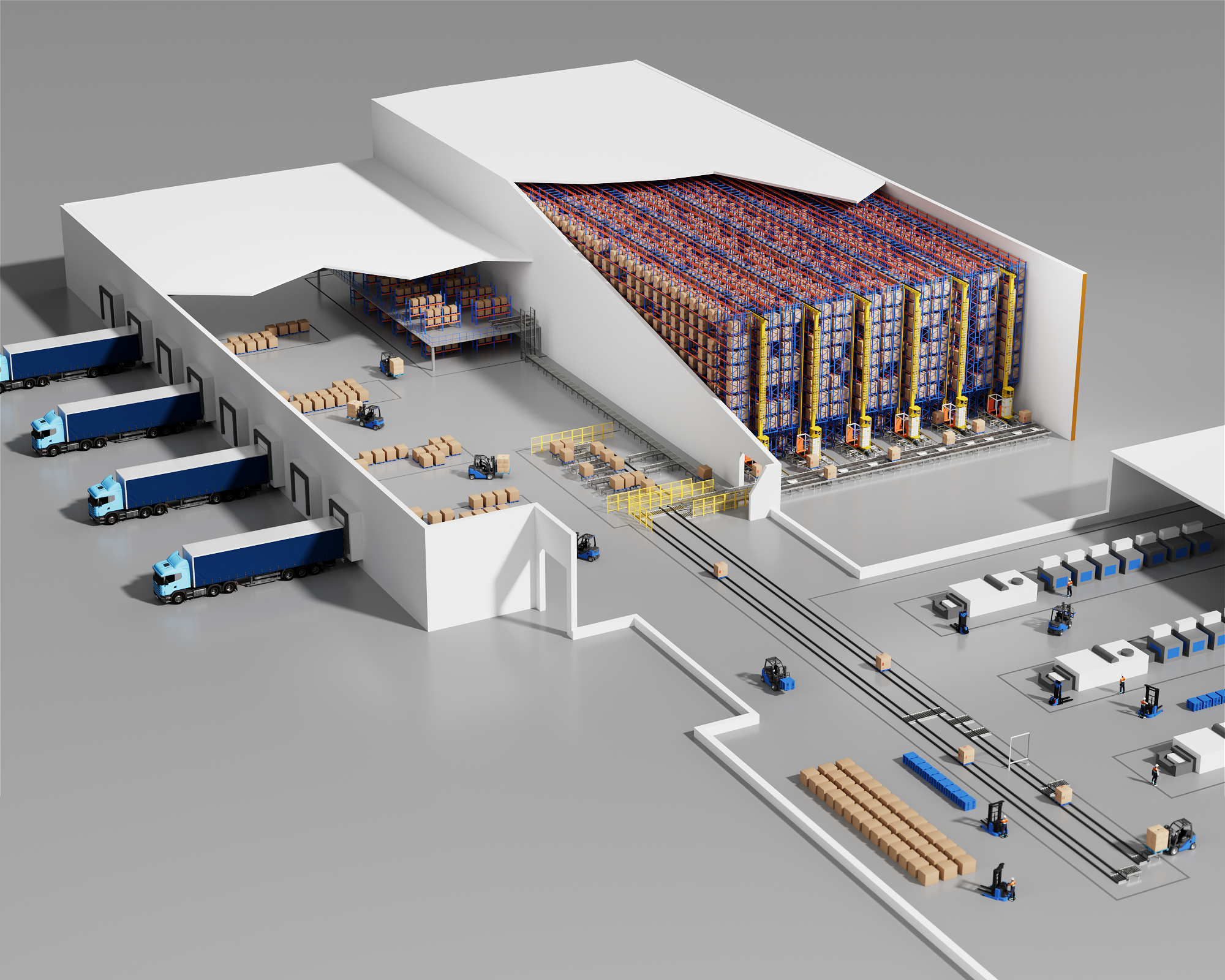
For example, a pallet can be received at an inbound station, assigned a storage location by the WMS, transported automatically by conveyors or lifts, and stored by a shuttle or stacker crane.
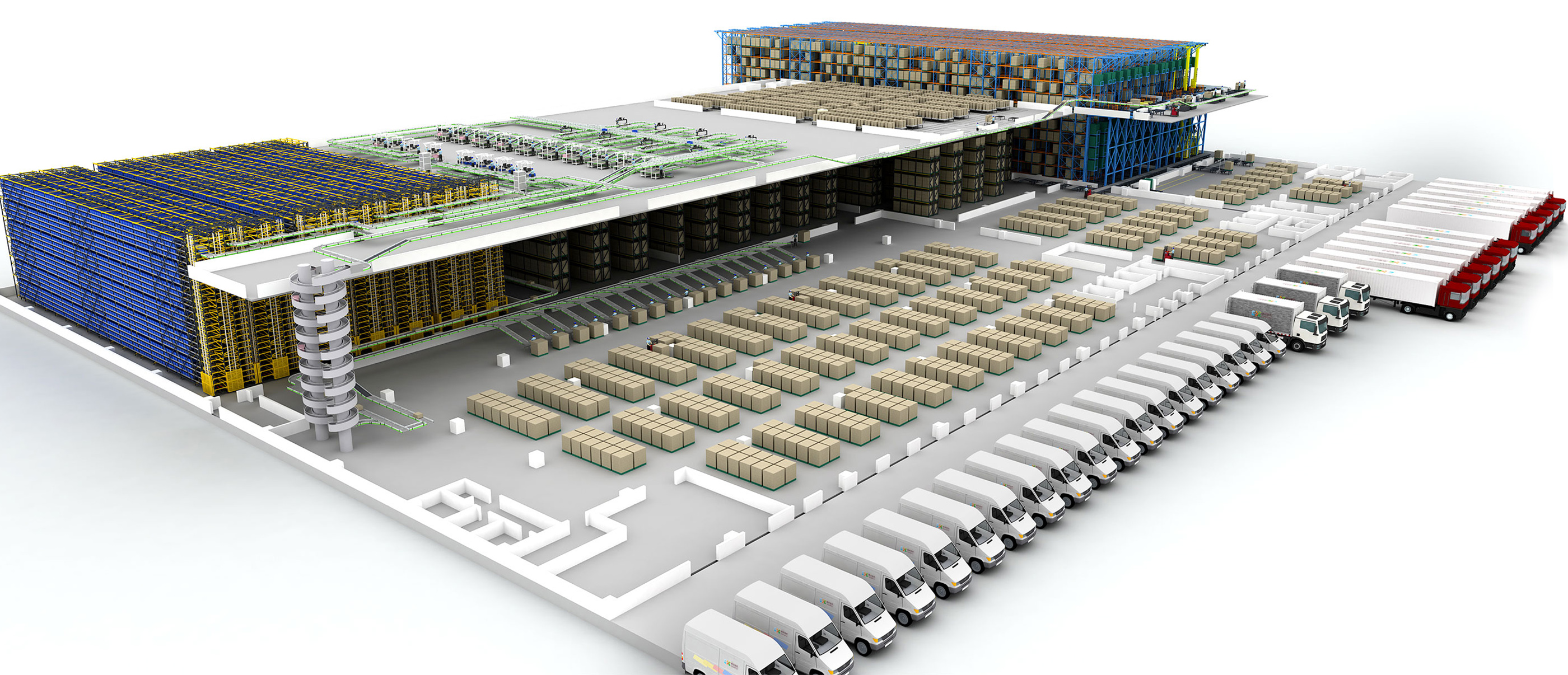
This creates a connected automated warehouse storage system.
What Is Traditional Warehouse Storage?
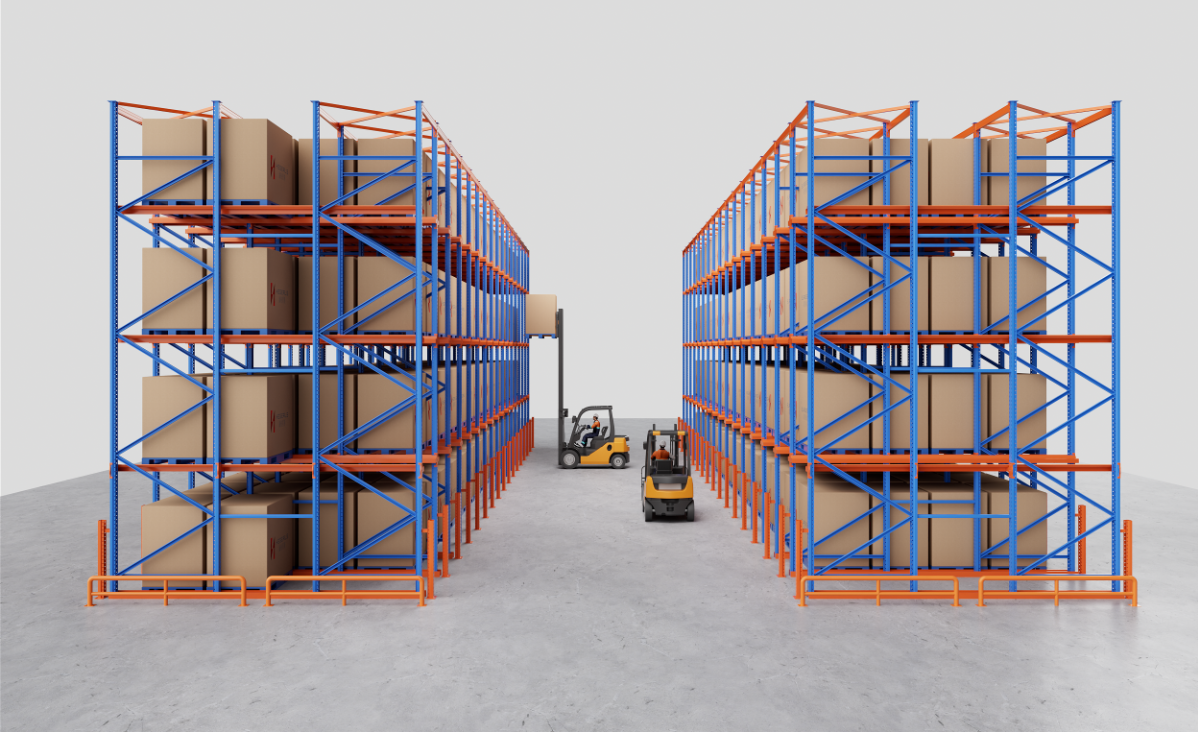
Traditional warehouse storage typically relies on manually operated equipment and warehouse personnel.
Common equipment includes:
- Selective pallet racking
- Drive-in racking
- Long-span shelving
- Forklifts
- Pallet trucks
- Manual conveyors
- Handheld scanners
In a traditional warehouse, operators usually receive an order or storage task, drive or walk to the required location, handle the goods, and update inventory information through manual or semi-automated processes.
Traditional storage remains suitable for many warehouses, particularly those with:
- Lower throughput
- Relatively simple inventory requirements
- Available labor
- Flexible storage needs
- Limited automation budgets
However, as warehouse volumes increase, manual processes can become more difficult to scale.
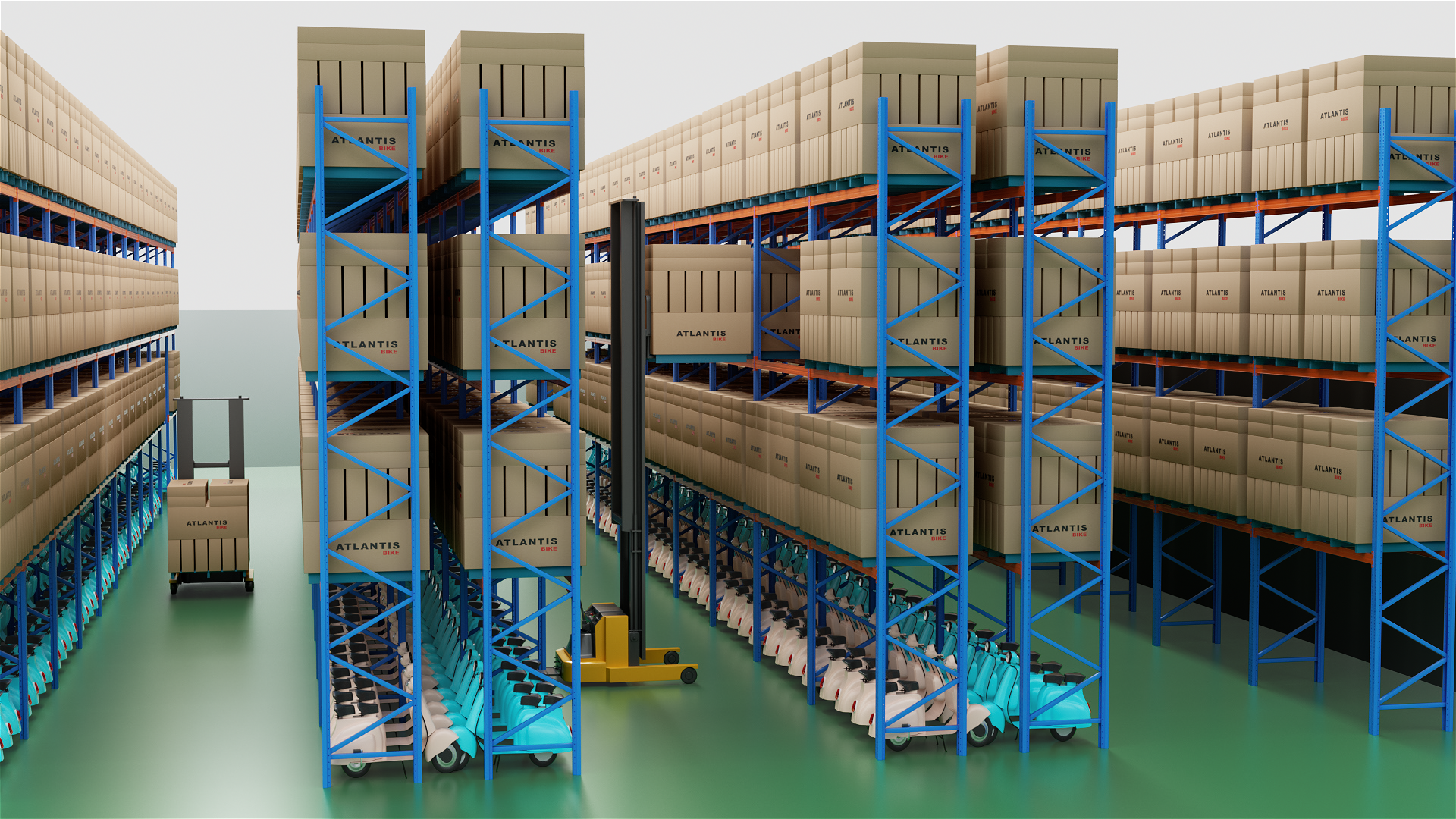
Automated Storage vs. Traditional Warehouse Storage: Key Differences
The fundamental difference is how inventory is stored, retrieved, controlled, and moved.
| Factor | Automated Storage | Traditional Storage |
| Storage operation | Automated | Mainly manual |
| Material handling | ASRS, shuttle, robot, conveyor | Forklift, pallet truck, manual handling |
| Inventory control | Software-driven | Manual or semi-automated |
| Storage density | High to very high | Low to moderate |
| Labor dependency | Lower | Higher |
| Retrieval process | Automated | Operator-driven |
| Inventory visibility | Real-time potential | Depends on system and procedures |
| Throughput | High and consistent | Depends on workforce |
| Operating hours | Can support extended/continuous operation | Usually workforce-dependent |
| Initial investment | Higher | Lower |
| Long-term scalability | High | More dependent on labor and space |
| Integration | WMS/WCS/ERP/MES | Often simpler |
| Best suited for | High-volume, high-density operations | Flexible, lower-complexity storage |
Neither approach is universally better. The right choice depends on the operational requirements of the warehouse.
Automated Storage vs. Traditional Storage: Storage Density
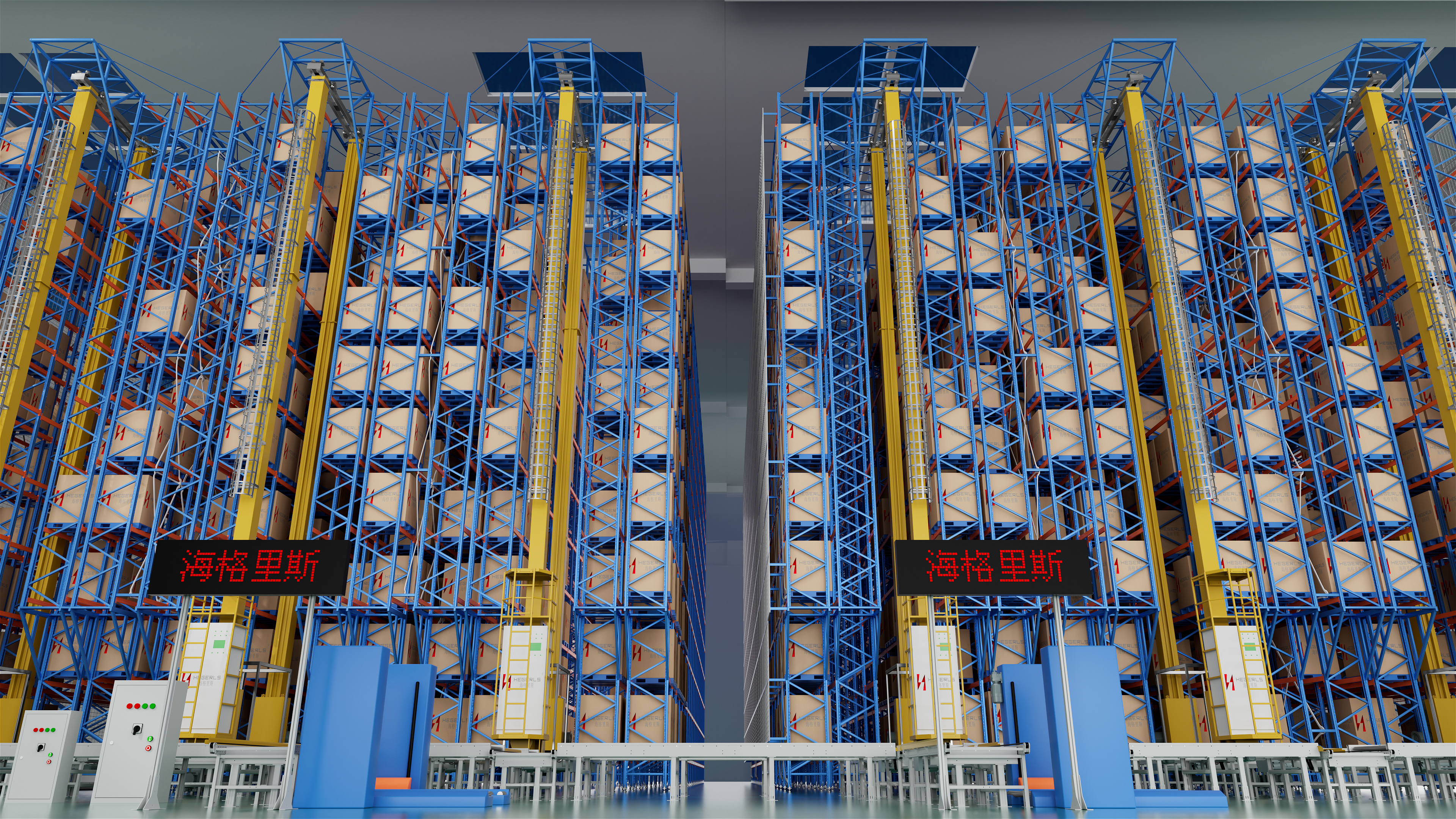
One of the biggest advantages of automated storage is higher storage density.
Traditional warehouses require aisle space for forklifts and operators to access storage locations. As warehouse height increases, additional considerations such as forklift reach, operator safety, and handling efficiency also become important.
Automated storage systems can use:
- Narrower operating spaces
- Deeper storage lanes
- Higher rack structures
- Automated vertical transportation
- High-density storage configurations
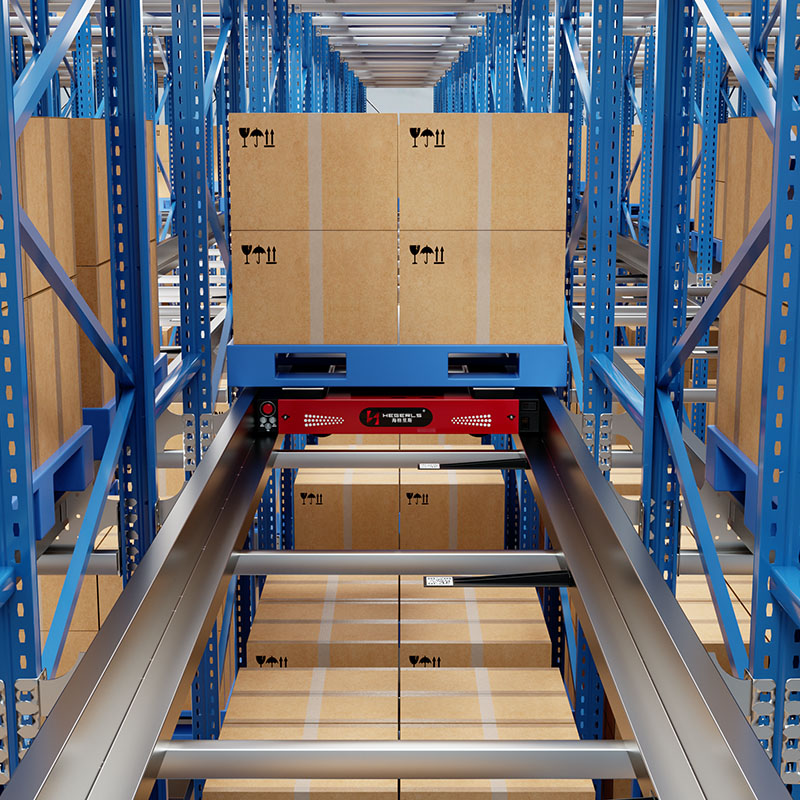
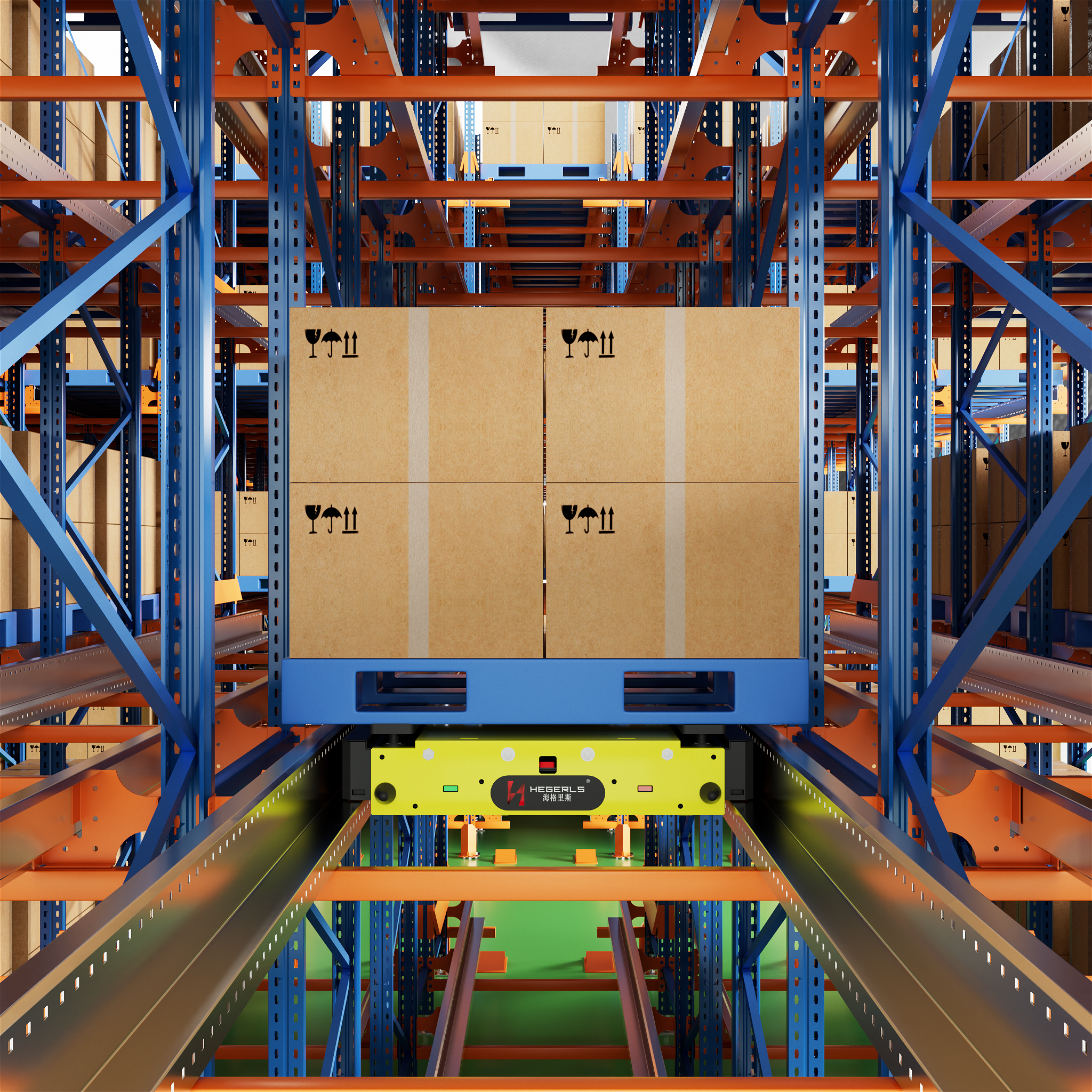
For example, a four-way shuttle system can move pallets within deep-lane racking without requiring a conventional forklift to enter every storage lane.
This allows more of the available building volume to be used for storage.
Why does storage density matter?
Higher storage density can help companies:
- Increase pallet positions
- Reduce warehouse expansion requirements
- Better utilize existing buildings
- Reduce wasted vertical space
- Improve land utilization
This is particularly important in high-cost logistics markets and urban distribution environments.
Automated Storage vs. Traditional Storage: Labor Requirements
Traditional warehouse storage depends heavily on operators for:
- Forklift driving
- Pallet handling
- Picking
- Put-away
- Inventory checking
- Replenishment
- Internal transportation
As warehouse volumes grow, companies may need additional workers or additional shifts.
Automated storage reduces the amount of manual handling required.
For example:
Traditional warehouse:
Worker → Forklift → Storage Location → Retrieve Pallet → Transport
Automated warehouse:
WMS → WCS → Automated Equipment → Storage/Retrieval → Outbound
Automation does not necessarily eliminate all warehouse jobs. Instead, it shifts employees toward roles such as:
- System operation
- Equipment monitoring
- Maintenance
- Quality control
- Exception handling
- Warehouse management
This can reduce dependence on repetitive manual material handling.
Automated Storage vs. Traditional Storage: Inventory Accuracy
Inventory accuracy depends heavily on how warehouse activities are recorded and controlled.
Traditional warehouses may rely on:
- Manual scanning
- Paper-based processes
- Operator input
- Periodic inventory counting
These processes can introduce errors.
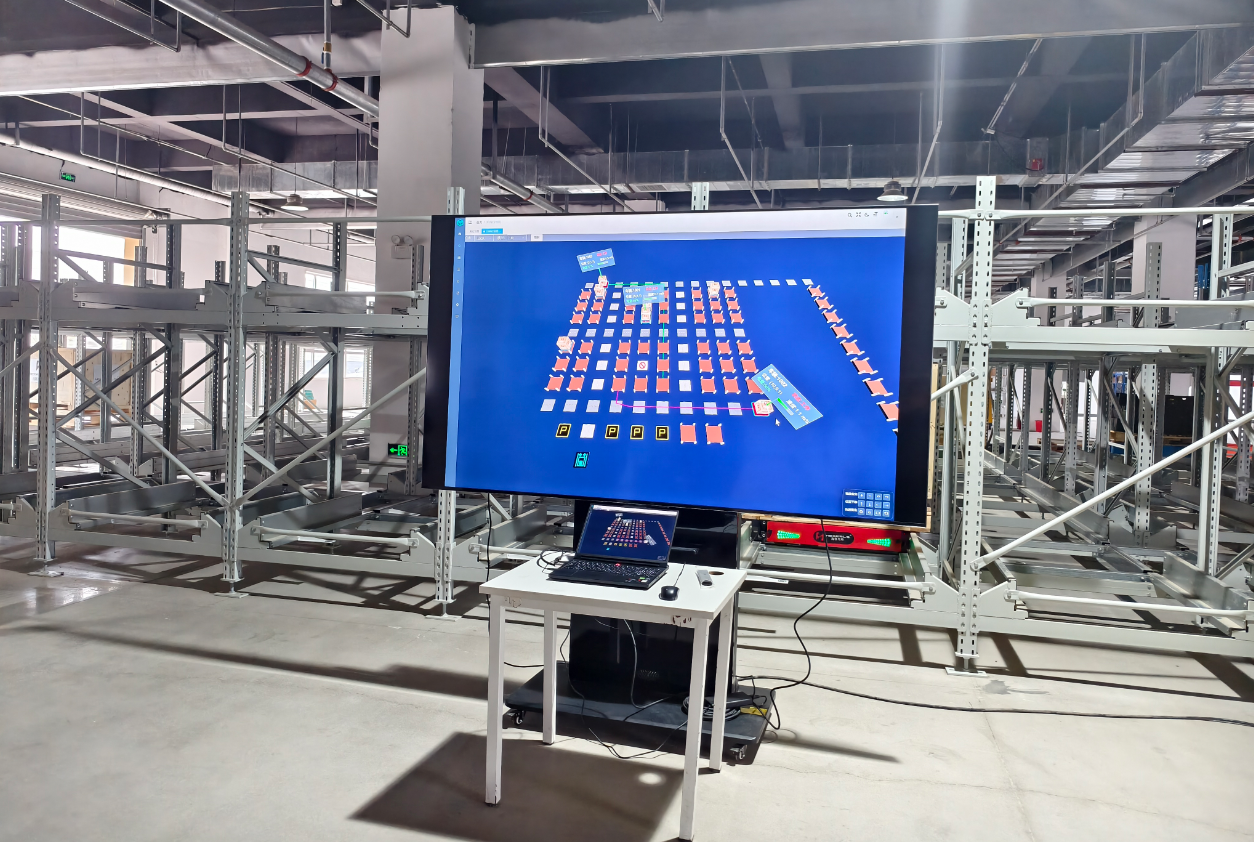
Automated storage systems integrate physical movements with warehouse software.
A typical system can connect:
ERP / MES → WMS → WCS → Automation Equipment
The WMS maintains inventory information, while the WCS manages equipment execution.
When a pallet is stored or retrieved, the corresponding system transaction can be updated automatically.
This can provide:
- Real-time inventory visibility
- Accurate location tracking
- Automated task recording
- Reduced manual data entry
- Better traceability
Automated Storage vs. Traditional Storage: Throughput
Throughput refers to how many storage, retrieval, picking, or handling operations a warehouse can perform within a specific period.
Traditional warehouse throughput depends on:
- Number of workers
- Forklift availability
- Travel distance
- Operator efficiency
- Shift schedules
- Traffic conditions
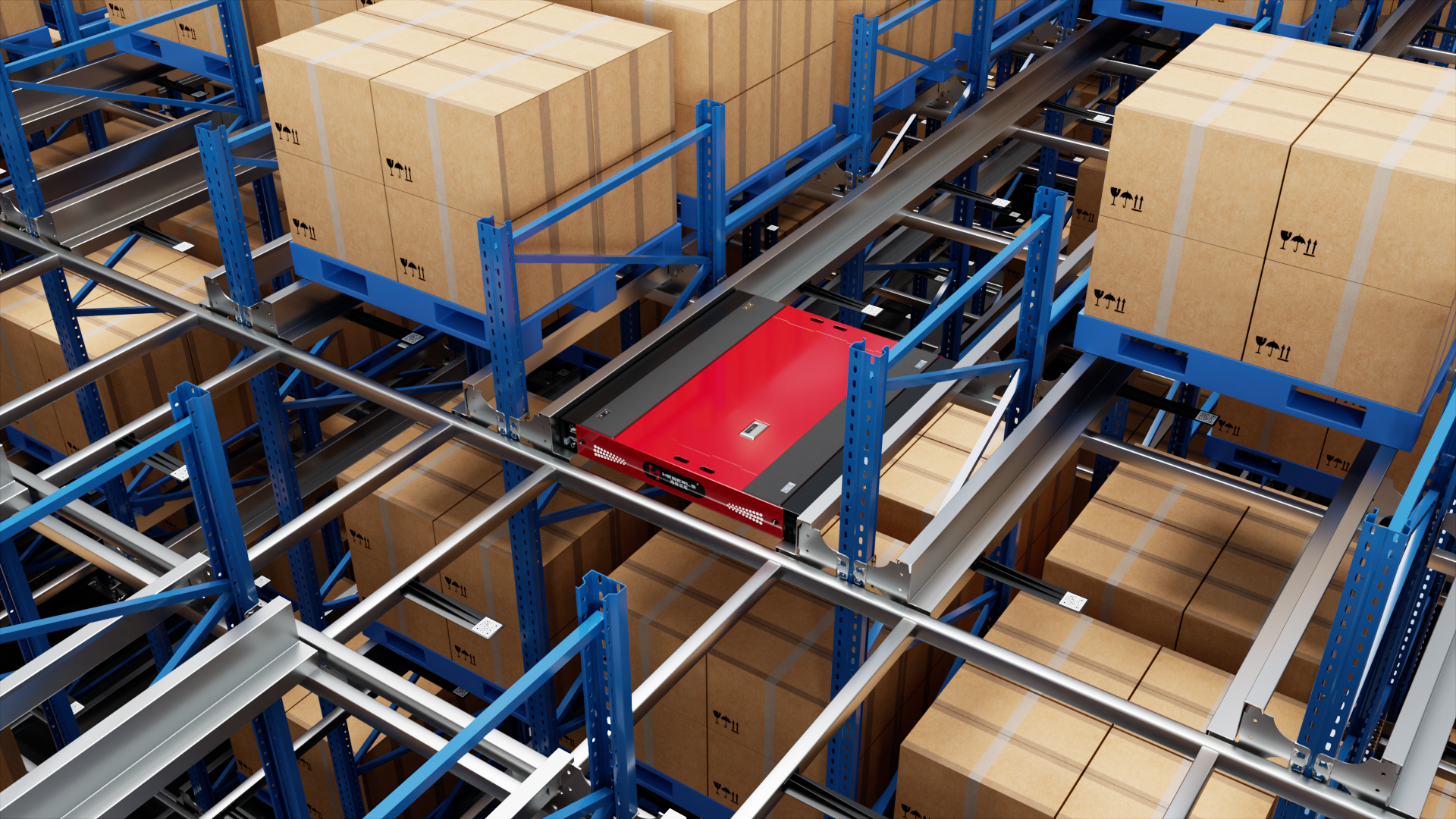
Automated storage systems can coordinate multiple pieces of equipment simultaneously.
For example, a four-way shuttle ASRS can use multiple shuttle vehicles, lifts, and conveyors under WCS control.
The system can automatically assign and prioritize tasks based on warehouse requirements.
This makes automated storage particularly suitable for warehouses with:
- High inbound volumes
- High outbound volumes
- Frequent pallet movements
- Peak-period demand
- 24/7 operational requirements
Automated Storage vs. Traditional Storage: Space Utilization
Traditional warehouses often use a significant amount of floor area for:
- Forklift aisles
- Turning areas
- Staging areas
- Operator movement
- Temporary inventory
Automated storage can reduce some of these space requirements.
High-density ASRS systems can use the vertical dimension of the building more effectively.
For this reason, automated storage can be especially attractive when:
The company needs more storage capacity but has limited floor space.
Instead of immediately expanding the warehouse footprint, companies can evaluate whether existing space can be optimized through higher-density storage.
Automated Storage vs. Traditional Storage: Operational Flexibility
Traditional storage has an important advantage: simplicity and flexibility.
A forklift can potentially move between different storage areas without significant system configuration.
This can make traditional storage suitable for warehouses with:
- Highly variable products
- Low storage volumes
- Frequent layout changes
- Irregular product dimensions
- Unpredictable operational requirements
Automated systems can also be flexible, but their flexibility depends on system design.
For example, four-way shuttle systems provide greater routing flexibility than many fixed-path automation systems.
Therefore, the question is not simply whether automation is flexible, but:
Which automation technology best matches the warehouse's operating model?
Automated Storage vs. Traditional Storage: Initial Investment
Initial investment is one of the clearest differences.
Traditional storage usually requires:
- Racking
- Forklifts
- Pallet handling equipment
- Basic warehouse software
An automated warehouse may require:
- Automated storage equipment
- Racking
- Conveyors
- Lifts
- Robots
- WMS
- WCS
- Electrical systems
- Control systems
- System integration
- Installation and commissioning
Therefore, the initial capital expenditure of an automated storage system is generally higher.
However, comparing only initial equipment costs can be misleading.
Companies should evaluate the total cost of ownership (TCO).
Automated Storage vs. Traditional Storage: Total Cost of Ownership
A warehouse investment should consider both capital expenditure and long-term operating costs.
| Cost Category | Automated Storage | Traditional Storage |
| Initial equipment cost | Higher | Lower |
| Labor cost | Lower potential | Higher potential |
| Forklift dependency | Lower | Higher |
| Energy consumption | System-dependent | Equipment-dependent |
| Maintenance | Requires technical maintenance | Conventional maintenance |
| Warehouse expansion | Potentially reduced | May be required as capacity grows |
| Software investment | Higher | Lower |
| Long-term scalability | High | More labor/space dependent |
The economic advantage of automation becomes more significant when a warehouse has:
- High labor costs
- High throughput
- Limited land
- High storage density requirements
- Long operating hours
- Significant inventory volumes
A proper ROI analysis should consider the complete warehouse lifecycle rather than only the purchase price.
Automated Storage vs. Traditional Storage: Safety
Traditional warehouses often involve forklifts moving through storage aisles and interacting with pedestrians.
Potential risks include:
- Forklift collisions
- Pallet handling accidents
- Manual lifting injuries
- Falling goods
- Operator fatigue
Automated storage reduces the need for people to enter certain storage areas.
Automated equipment can perform repetitive storage and retrieval tasks within controlled operating zones.
However, automated warehouses still require comprehensive safety systems, including:
- Safety sensors
- Emergency stops
- Access controls
- Equipment monitoring
- Safety PLCs
- Maintenance procedures
Automation should therefore be viewed as part of a complete warehouse safety strategy.
Automated Storage vs. Traditional Storage: Scalability
Traditional warehouse expansion often requires:
- More storage space
- More racks
- More forklifts
- More workers
Automated storage can provide additional scaling options.
Depending on the system architecture, companies can increase capacity or throughput by adding:
- Shuttle vehicles
- Storage levels
- Lifts
- Conveyors
- Robots
- Storage modules
- Software capabilities
This modular approach can make automated storage attractive for companies expecting long-term growth.
When Should a Warehouse Choose Automated Storage?
Automated storage is particularly suitable when several of the following conditions exist:
High Storage Demand
The company needs thousands or tens of thousands of pallet positions.
Limited Warehouse Space
The available building cannot easily be expanded.
High Throughput
The warehouse handles large numbers of inbound and outbound pallets every day.
Labor Challenges
The company faces rising labor costs or difficulty recruiting warehouse operators.
High Inventory Accuracy Requirements
Products require precise location tracking and traceability.
Long Operating Hours
The warehouse operates multiple shifts or continuously.
Digital Transformation Goals
The company wants to integrate:
- ERP
- MES
- WMS
- WCS
- AI analytics
- Robotics
into a connected warehouse platform.
When Is Traditional Storage Still a Better Choice?
Automation is not always the best solution.
Traditional storage may be more appropriate when:
- Warehouse volume is low
- Throughput requirements are limited
- Labor is readily available
- Storage layouts change frequently
- Products are highly irregular
- Capital investment is restricted
- The warehouse has sufficient space
For smaller or less complex operations, a well-designed traditional warehouse can provide an excellent balance between cost and operational flexibility.
Can Automated and Traditional Storage Be Combined?
Yes.
Many modern warehouses use a hybrid warehouse storage model.
For example:
Automated Storage
- ASRS
- Four-way shuttle
- Stacker crane
- Automated conveyors
combined with:
Traditional Storage
- Selective pallet racking
- Manual picking areas
- Buffer storage
- Exception handling zones
This approach allows companies to automate the processes that provide the greatest return while maintaining manual flexibility where necessary.
A hybrid warehouse can be particularly useful during gradual automation projects.
Automated Storage vs. Traditional Storage: Which Is Better?
There is no universal answer.
The better solution depends on the warehouse's:
- Storage capacity
- Warehouse dimensions
- Throughput
- SKU profile
- Labor costs
- Product characteristics
- Operating hours
- Budget
- Growth plans
A simple decision framework is:
| Warehouse Requirement | Recommended Approach |
| Low volume + low throughput | Traditional storage |
| Limited automation budget | Traditional or hybrid |
| High-density pallet storage | Automated storage |
| High throughput | Automated storage |
| Limited warehouse footprint | Automated storage |
| High labor cost | Automated storage |
| Highly variable operations | Traditional or hybrid |
| Gradual automation | Hybrid |
| Large-scale smart warehouse | Automated storage |
The best solution is therefore not always 100% automation.
The objective should be to achieve the right balance between storage density, throughput, labor, investment, flexibility, and long-term ROI.
How WMS and WCS Change Automated Storage
Software is what differentiates a modern automated storage system from standalone automation equipment.
A typical architecture includes:
ERP / MES
Business and production systems provide orders, inventory, and operational data.
↓
AI Analytics
AI analyzes warehouse data and supports demand forecasting, storage optimization, and operational decision-making.
↓
WMS
The Warehouse Management System manages inventory, storage locations, inbound and outbound processes, and warehouse tasks.
↓
WCS
The Warehouse Control System converts warehouse tasks into equipment instructions and coordinates automated equipment.
↓
ASRS / Shuttle / Robot / AGV
Automation equipment performs physical storage, retrieval, transportation, and handling.
This integration creates a connected automated warehouse storage system rather than a collection of independent machines.
How AI Can Improve Automated Storage
The next generation of warehouse automation is moving from rule-based automation toward intelligent optimization.
AI can analyze:
- Historical order data
- SKU movement
- Inventory levels
- Equipment utilization
- Warehouse traffic
- Storage locations
- Demand patterns
Potential applications include:
Intelligent Slotting
AI recommends the optimal storage location for each SKU.
Demand Forecasting
AI predicts future inventory requirements.
Retrieval Optimization
AI can optimize task sequences to reduce unnecessary movement.
Predictive Maintenance
Equipment data can be analyzed to identify potential failures before they cause downtime.
Dynamic Resource Allocation
AI can help allocate automated equipment according to real-time warehouse demand.
The combination of AI + WMS + WCS + ASRS is becoming an important direction for intelligent warehouse development.
How to Calculate the ROI of Automated Storage
Before investing in an automated storage system, companies should evaluate the complete business case.
Important factors include:
Labor savings
How much manual labor can be reduced or reassigned?
Space savings
How much additional storage capacity can be created within the existing building?
Productivity gains
How much can throughput increase?
Inventory accuracy
What are the financial benefits of reducing inventory errors?
Expansion avoidance
Can automation eliminate or delay the need for a larger warehouse?
Operational continuity
Can the warehouse operate longer hours with less dependence on labor availability?
A basic evaluation can compare:
Automation ROI = Annual Operating Benefits ÷ Total Automation Investment
However, a professional feasibility study should also account for maintenance, depreciation, financing, energy, software, and expected equipment life.
Why Choose Zhuku for Automated Storage Solutions?
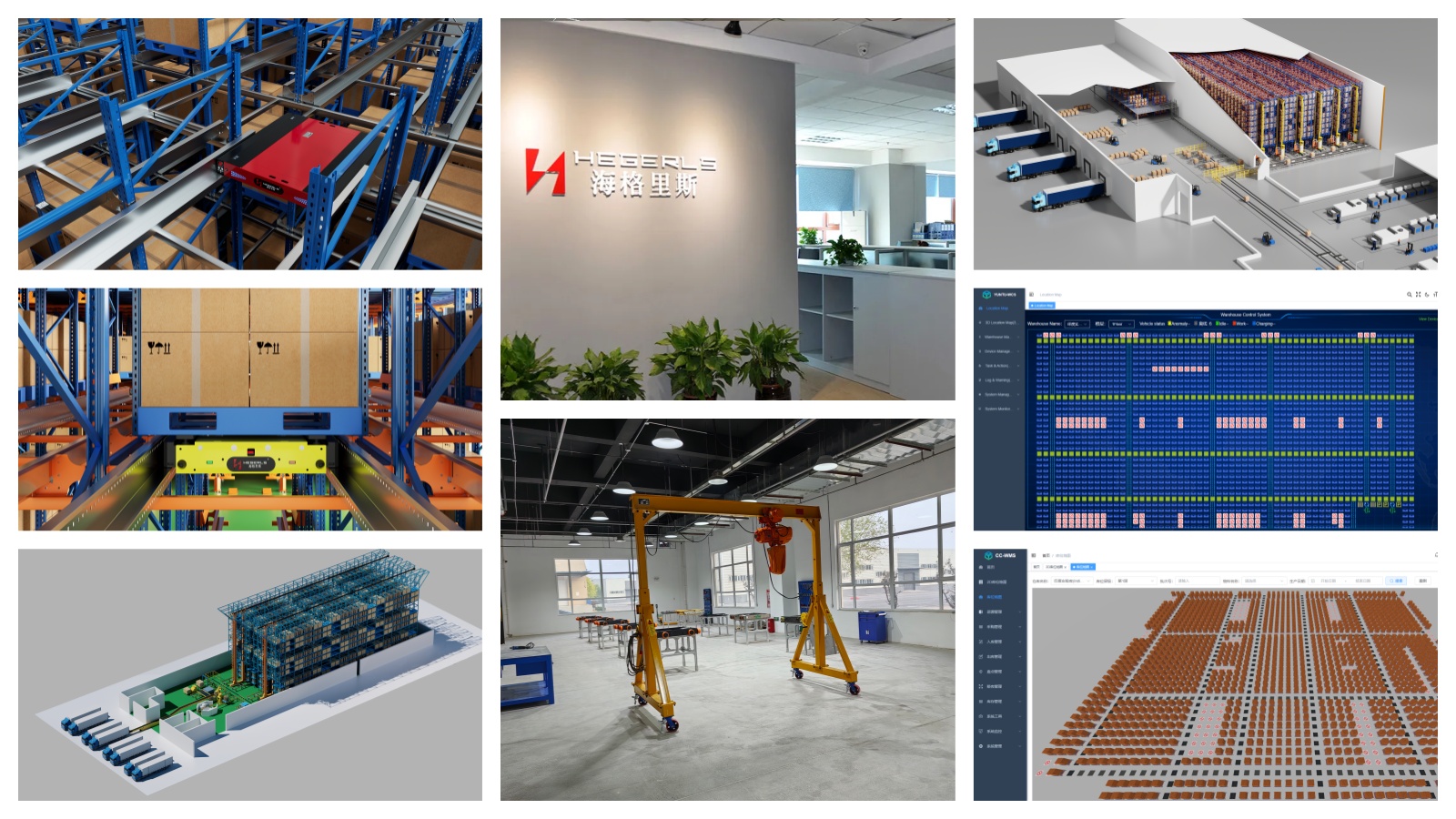
Zhuku provides integrated warehouse automation and automated storage solutions, combining storage equipment, automation technology, and intelligent software.
Our solutions include:
- Automated Storage and Retrieval Systems (ASRS)
- Four-way shuttle systems
- Two-way shuttle systems
- Stacker crane systems
- Automated pallet storage
- Warehouse Management Systems
- Warehouse Control Systems
- Warehouse robotics
- Automated material handling systems
Zhuku's approach is not simply to replace manual storage with automation. We analyze the warehouse's storage capacity, throughput, product characteristics, layout, and future growth requirements to develop an appropriate automation strategy.
By integrating CC-WMS, YUNTU-WCS, ASRS, shuttle systems, robots, and material handling equipment, Zhuku helps customers build connected, scalable, and intelligent warehouses.
Conclusion
The choice between automated storage and traditional warehouse storage is ultimately a business decision rather than simply a technology decision.
Traditional storage offers lower initial investment and operational simplicity. Automated storage provides significant potential advantages in storage density, throughput, inventory accuracy, labor efficiency, and scalability.
For companies operating large warehouses, facing labor shortages, dealing with limited space, or planning long-term digital transformation, automated storage can provide a strong foundation for future growth.
The most effective strategy may also be a hybrid approach, combining traditional storage with ASRS, four-way shuttle systems, WMS, WCS, robotics, and AI where automation delivers the greatest value.
As warehouses become more intelligent and data-driven, the competitive advantage will increasingly come not simply from storing more products, but from storing, retrieving, and managing inventory more intelligently.
Zhuku helps businesses evaluate and implement automated storage solutions based on real warehouse requirements, from initial planning and system design to equipment integration, software deployment, installation, and commissioning.
Ready to Upgrade Your Warehouse Storage?
Choosing between automated storage and traditional warehouse storage depends on your storage capacity, throughput, warehouse layout, labor requirements, product characteristics, and future growth plans.
If you are considering ASRS, four-way shuttle systems, stacker cranes, or other warehouse automation solutions, Zhuku can help evaluate your requirements and develop a storage system tailored to your operation.
Tell us about your warehouse requirements and let our engineering team recommend the right automated storage solution for you.