As warehouses face rising land costs, growing SKU volumes, and increasing pressure to improve storage capacity, companies are looking for ways to store more pallets without continuously expanding their warehouse footprint.
A four way shuttle system is one solution. By allowing a shuttle vehicle to move not only forward and backward but also sideways between storage aisles, four-way shuttle technology can create deeper, more flexible storage layouts while reducing the space required for conventional forklift aisles.
Also known as a 4D shuttle, four-way pallet shuttle, or four-way shuttle system, this technology is particularly suitable for high-density storage, automated storage warehouses, and automated storage systems.
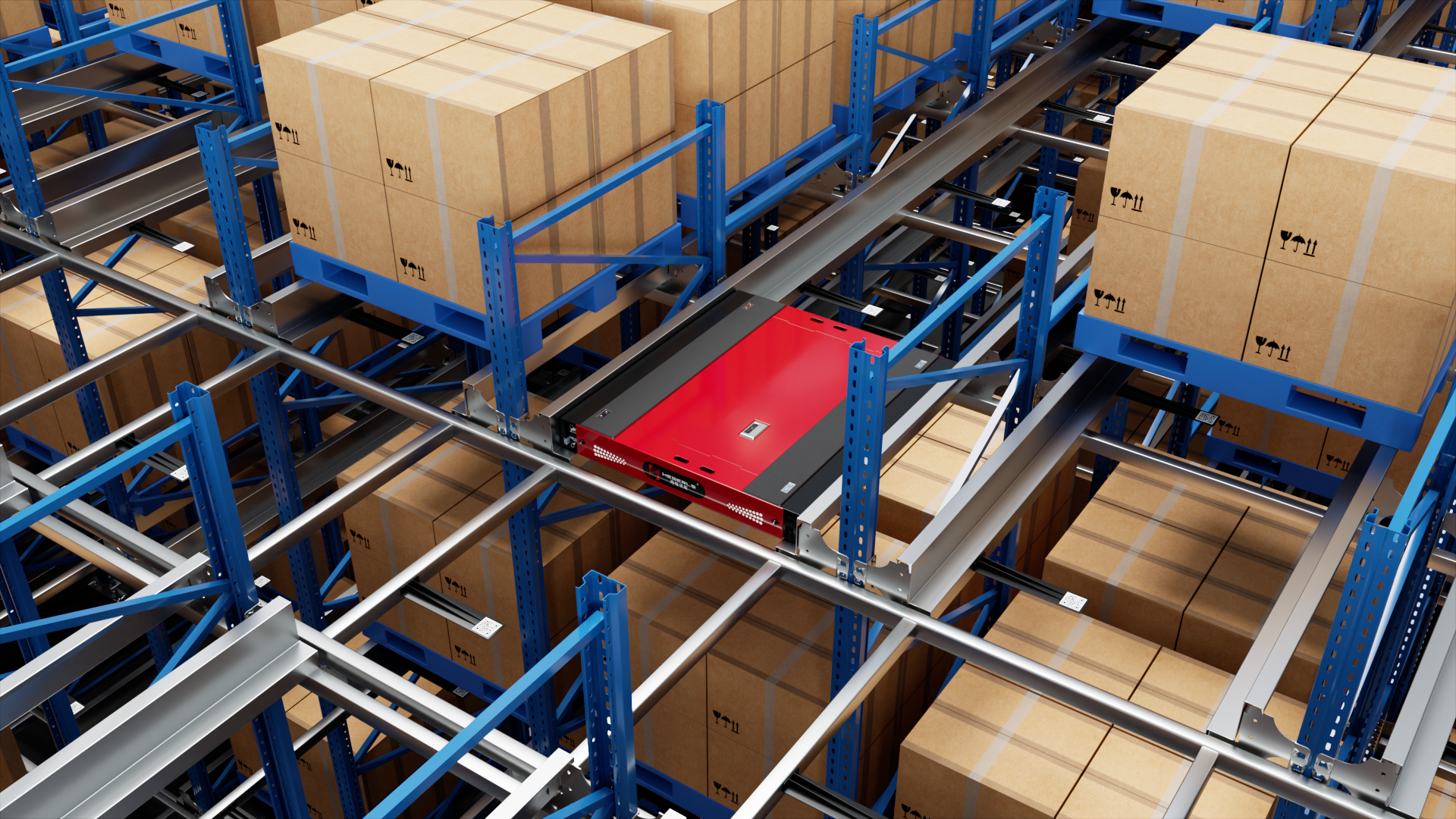
What Is a Four Way Shuttle System?
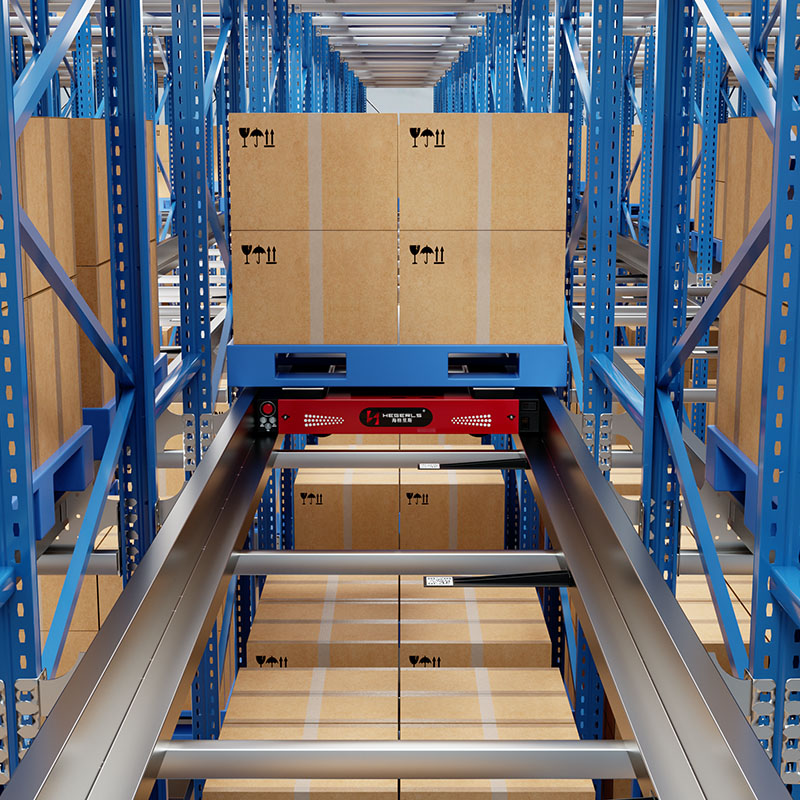
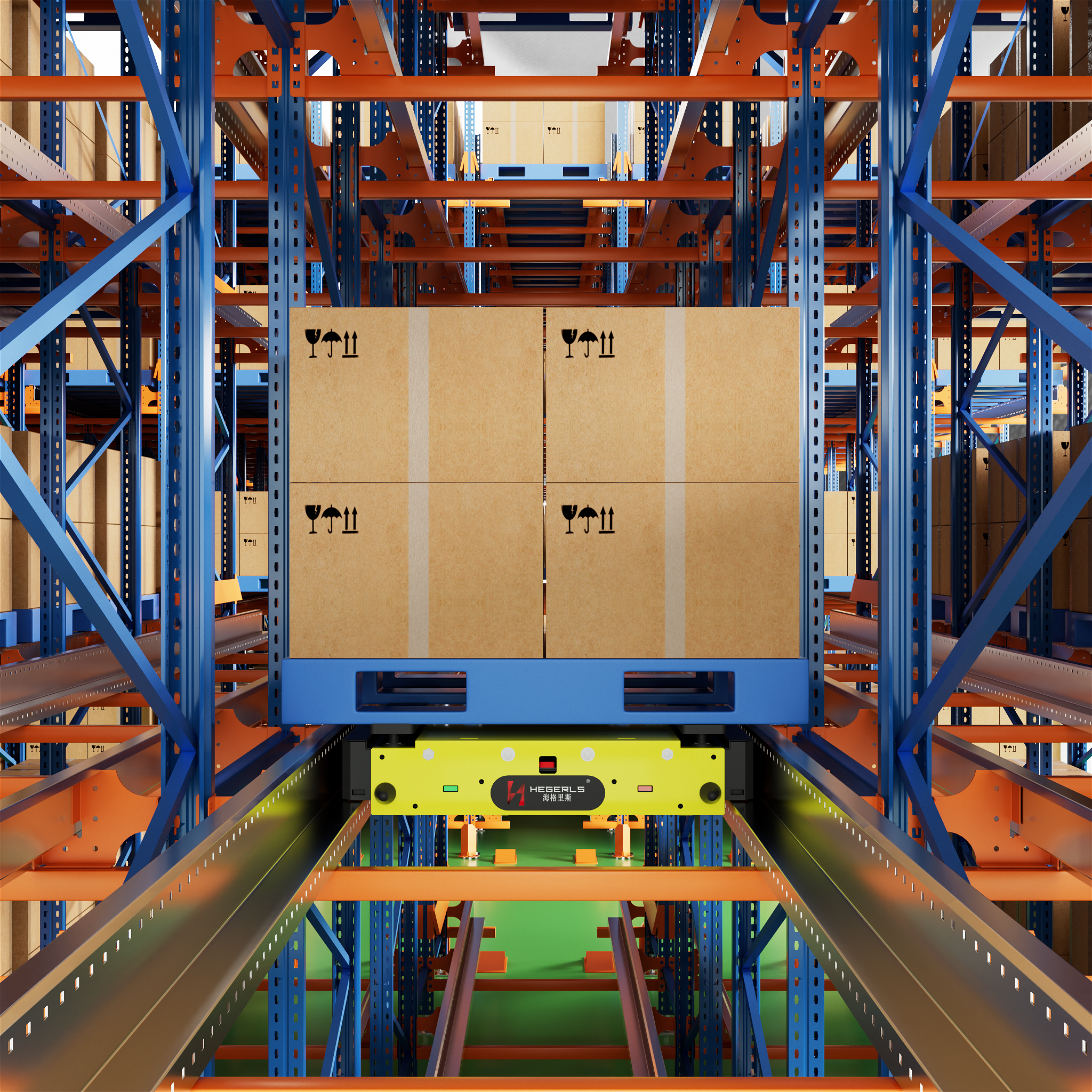
A four way shuttle system is an automated pallet storage system that uses a shuttle vehicle capable of traveling in four directions within a specially designed racking structure.
Unlike a conventional two-way shuttle, which primarily moves along a fixed storage lane, a four-way shuttle can:
- Move forward and backward
- Move left and right
- Change direction within the rack system
- Transfer between storage aisles
- Work with lifts and conveyors
- Automatically store and retrieve pallets
This multi-directional movement provides greater flexibility when designing high-density warehouse storage.
How Does a Four-Way Shuttle Improve Storage Density?
The main advantage comes from reducing unnecessary aisle space while increasing usable storage depth and vertical utilization.
A conventional pallet warehouse may require relatively wide forklift aisles to allow vehicles to access individual pallet positions.
A four-way shuttle system changes this layout.
Instead of requiring forklifts to enter every storage aisle, pallets can be transported to the storage area and then moved automatically by the shuttle.
A typical process is:
Inbound Pallet → Conveyor / Lift → Four-Way Shuttle → Deep-Lane Storage → Automated Retrieval
This allows the warehouse layout to prioritize storage positions rather than vehicle access space.
Four-Way Shuttle vs. Conventional Pallet Storage
| Factor | Conventional Pallet Racking | Four-Way Shuttle System |
| Access method | Forklift | Automated shuttle |
| Aisle requirement | Relatively wide | Reduced aisle dependency |
| Storage depth | Limited by accessibility | Deep-lane storage |
| Storage density | Moderate | High |
| Vehicle movement | Manual | Automated |
| Direction of shuttle movement | N/A | Four directions |
| Automation level | Low to medium | Medium to high |
| Best suited for | High SKU accessibility | High-density pallet storage |
The actual storage-density improvement depends on warehouse dimensions, pallet size, rack configuration, fire protection requirements, SKU characteristics, and operating requirements.
Why Does Multi-Directional Movement Matter?
The key difference between a conventional shuttle and a 4D shuttle is movement flexibility.
A conventional shuttle may be restricted to a specific lane.
A four-way shuttle can change direction and move across different rack positions and aisles.
This allows the system to:
- Access multiple storage lanes
- Reduce fixed equipment requirements
- Improve system flexibility
- Optimize storage layout
- Support dynamic storage strategies
The result is a storage system that can adapt more easily to changing inventory requirements.
How Does a Four-Way Shuttle Maximize Floor Space?
Warehouse floor space is consumed by more than just racks.
A facility also needs space for:
- Forklift aisles
- Cross aisles
- Staging areas
- Equipment movement
- Receiving
- Shipping
- Picking
- Safety clearances
A four-way shuttle system can reduce the amount of floor area dedicated to conventional forklift access.
This allows a greater proportion of the available footprint to be allocated to storage positions.
The basic principle is:
Less unnecessary access space → More usable storage space
However, the goal should not simply be to eliminate aisles. The warehouse should be optimized around the required combination of storage density, throughput, accessibility, safety, and automation.
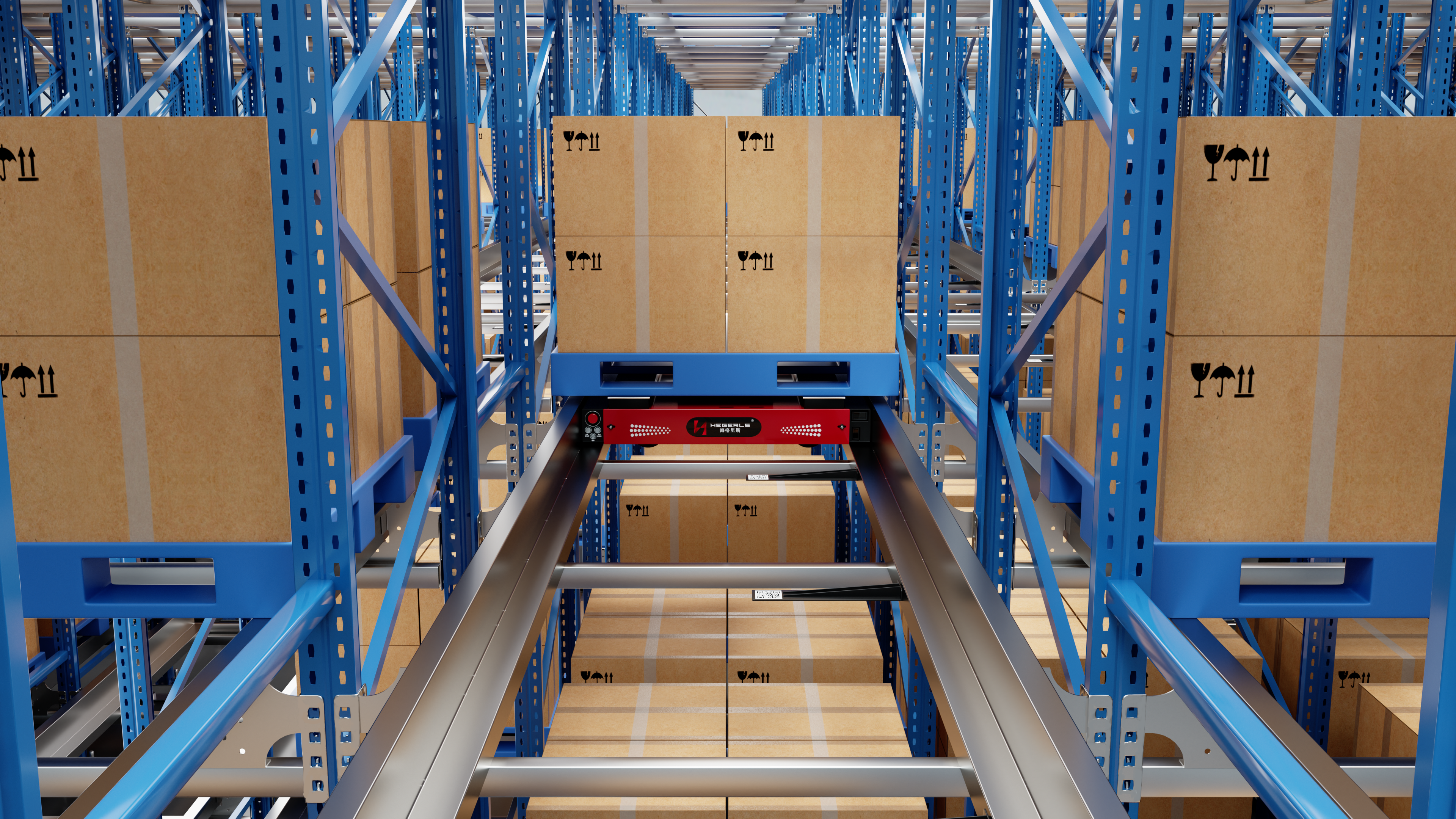
How Does a Four-Way Shuttle Increase Storage Depth?
Deep-lane storage is one of the main reasons shuttle systems are used for high-density applications.
Instead of accessing every pallet directly from a forklift aisle, pallets can be stored several positions deep within a rack lane.
The four-way shuttle transports pallets into and out of these deep lanes.
This is particularly useful for inventory with:
- Large pallet quantities
- Similar products
- Repetitive storage patterns
- Relatively high inventory volumes
For example, food and beverage, cold chain, manufacturing, and distribution operations can benefit from deep-lane pallet storage.
How Does a Four-Way Shuttle Use Vertical Space?
Storage density is not only about floor space.
It also depends on warehouse height.
A four-way shuttle system can be combined with:
- Shuttle lifts
- Vertical conveyors
- Multi-level racking
- Pallet conveyors
- High-bay storage structures
This creates a three-dimensional storage system.
Horizontal Storage Density + Deep-Lane Storage + Vertical Utilization
Together, these factors can significantly increase the number of pallet positions within a given warehouse footprint.
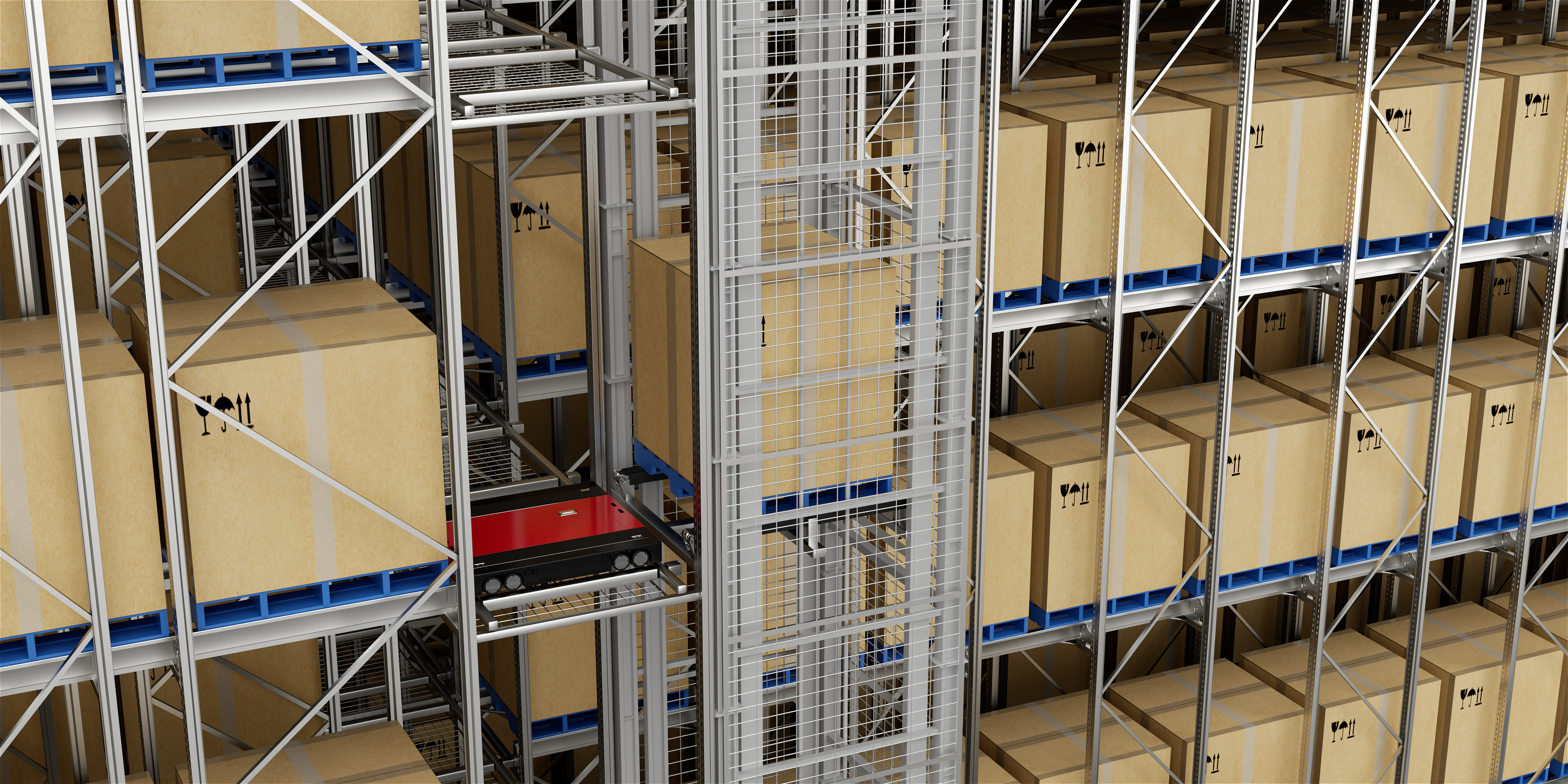
Four-Way Shuttle + Shuttle Lift
A shuttle lift connects different storage levels.
A typical system may work as follows:
- Pallet enters the warehouse.
- Conveyor transfers the pallet to the lift.
- Lift moves the pallet to the required storage level.
- Four-way shuttle receives the pallet.
- Shuttle moves the pallet into the assigned storage lane.
- WMS/WCS records the storage location.
- The shuttle retrieves the pallet when required.
This combination allows four-way shuttle systems to operate across multiple levels rather than being limited to a single floor.
Four-Way Shuttle and Automated Storage Warehouse
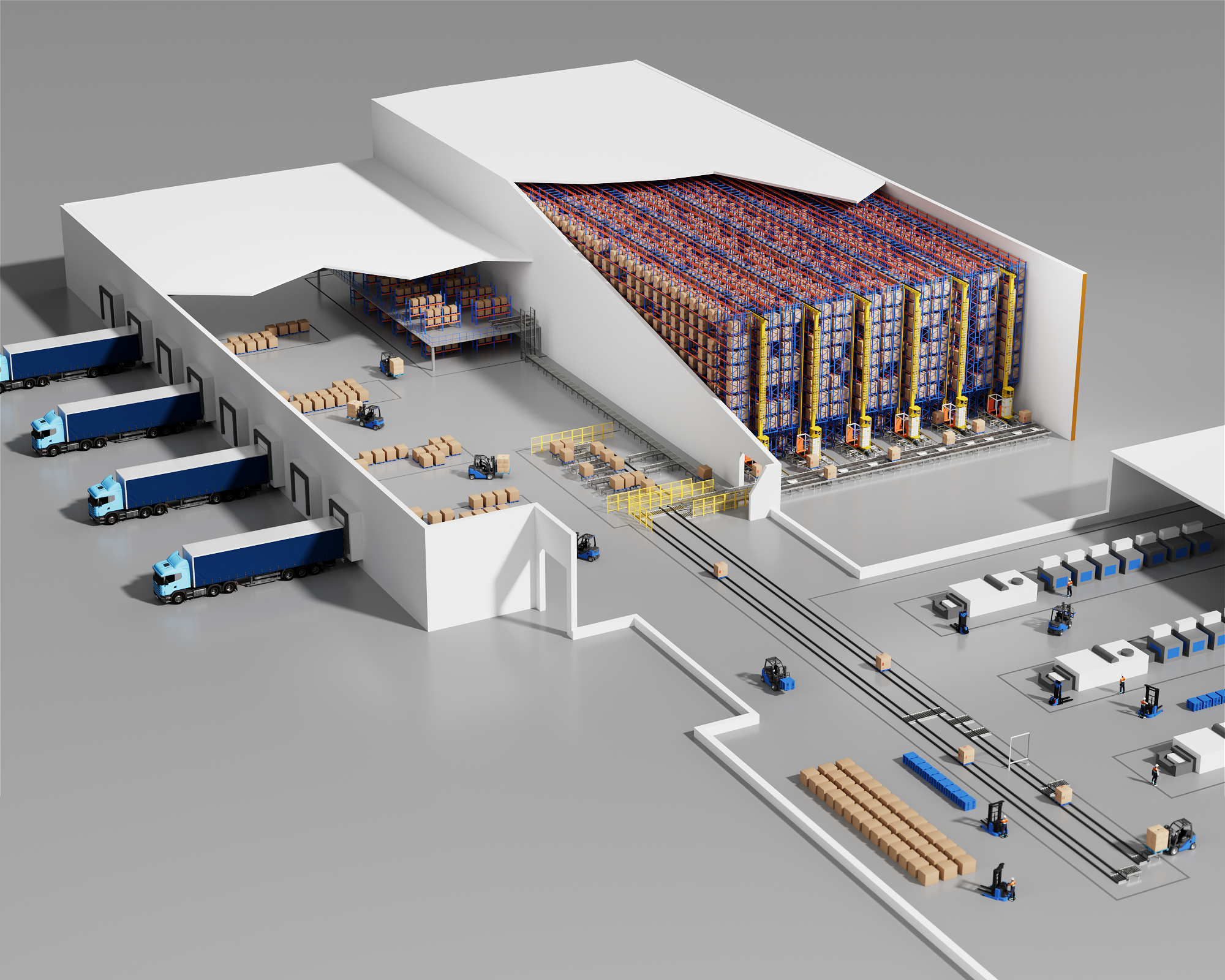
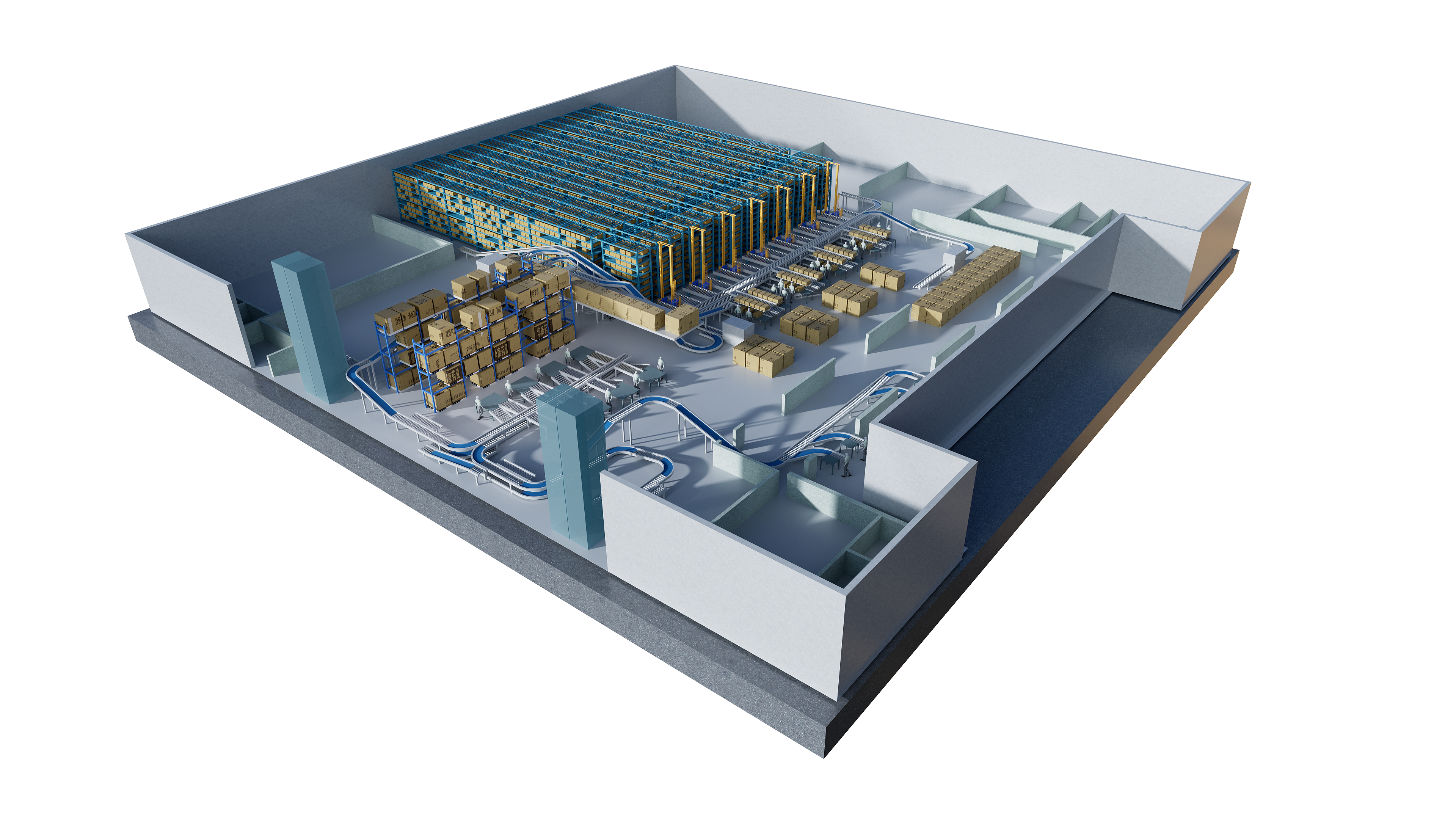
A four-way shuttle is particularly effective when integrated into an automated storage warehouse.
A complete system may include:
ERP / MES
↓
CC-WMS
↓
YUNTU-WCS
↓
Shuttle Lift + Four-Way Shuttle + Conveyor
↓
High-Density Storage
↓
Warehouse Operations
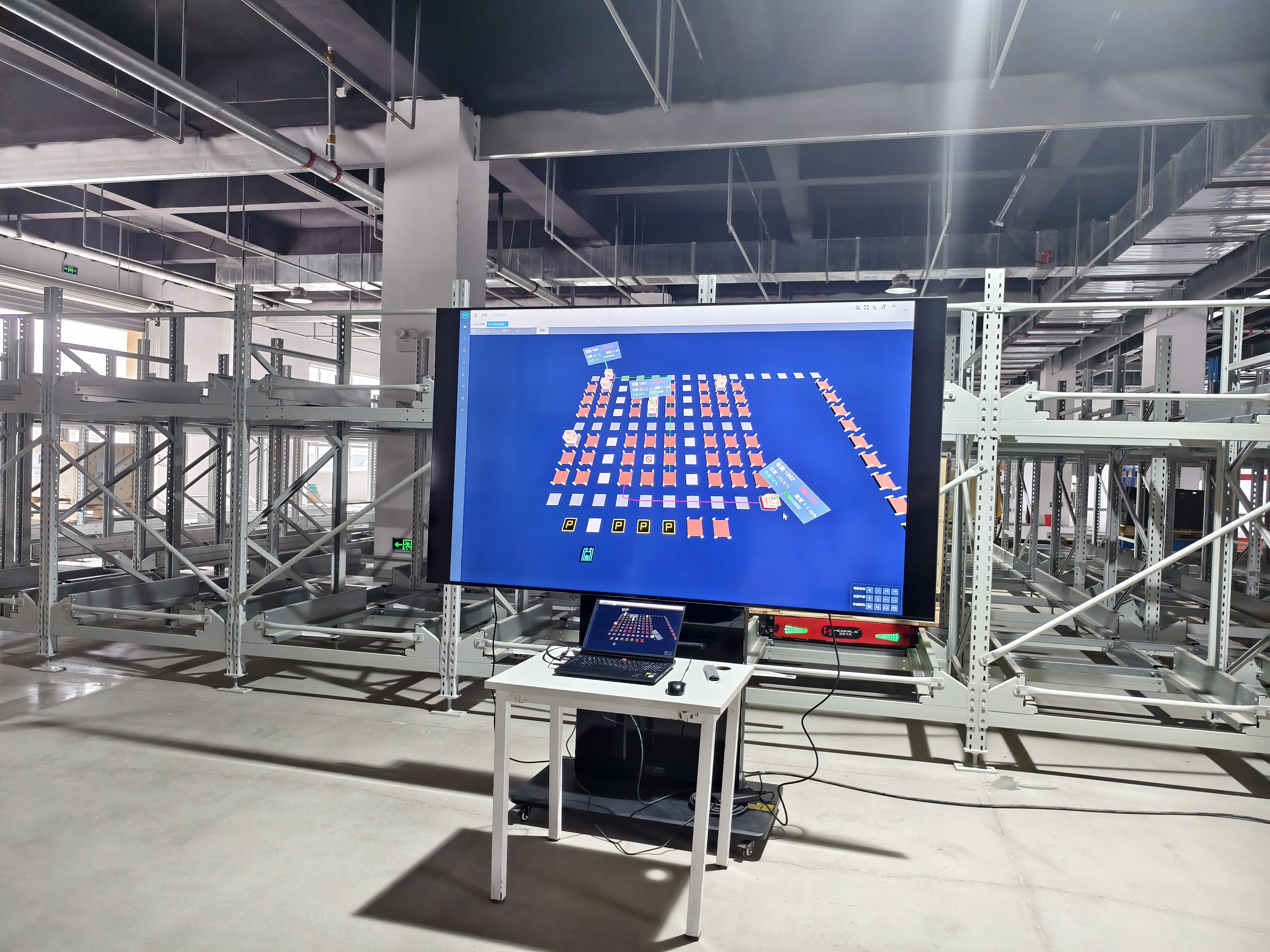
The WMS manages inventory and storage locations, while the WCS coordinates equipment movement and task execution.
This integration allows storage decisions and equipment operations to be connected in real time.
How Does WMS Improve Four-Way Shuttle Storage Density?
Storage density is not determined by physical racks alone.
Warehouse software can also influence how efficiently storage locations are used.
A WMS can help manage:
- Storage locations
- SKU allocation
- Inventory status
- Batch information
- FIFO/FEFO rules
- Pallet tracking
- Inventory turnover
- Storage utilization
For example, intelligent slotting can place frequently accessed products in more suitable locations while using deeper storage positions for products with lower retrieval frequency.
This means software optimization + physical storage design can work together to improve overall warehouse utilization.
How Does WCS Control a Four-Way Shuttle?
The WCS acts as the equipment-control layer between warehouse management and physical automation.
It can coordinate:
- Four-way shuttle movement
- Shuttle lifts
- Conveyors
- Pallet transfers
- Task sequencing
- Path planning
- Equipment status
- Fault handling
For a multi-shuttle system, effective task allocation and traffic management are important for maintaining stable throughput.
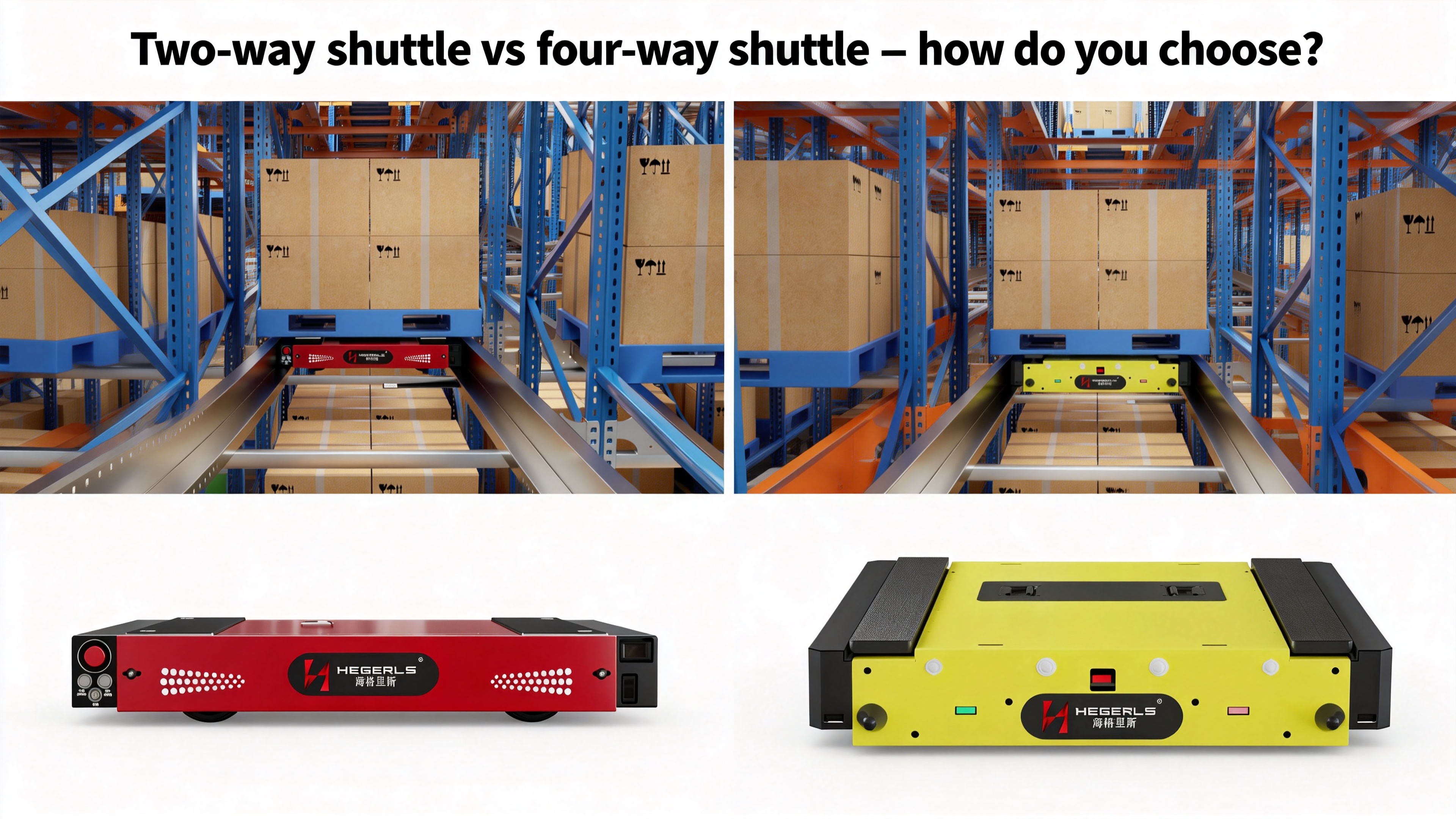
Four-Way Shuttle vs. Two-Way Shuttle
| Feature | Two-Way Shuttle | Four-Way Shuttle |
| Movement | Two directions | Four directions |
| Lane flexibility | Lower | Higher |
| Cross-aisle movement | Limited | Supported |
| Storage layout | Deep-lane | Deep-lane + flexible routing |
| System flexibility | Moderate | High |
| Multi-zone operation | More limited | More flexible |
| Automation integration | Yes | Yes |
A four-way shuttle is not automatically better for every warehouse.
A two-way shuttle can be highly effective when the warehouse has large quantities of similar products and predictable storage lanes.
A four-way shuttle becomes more attractive when flexibility, multi-zone access, and complex storage layouts are important.
What Factors Determine Storage Density?
Choosing a four-way shuttle is only one part of the warehouse design. The actual storage density depends on the interaction between the building, racking, pallets, equipment, inventory profile, and operational requirements.
Warehouse Dimensions
Building length, width, and clear height determine the available storage volume. A higher clear height can provide more opportunities for vertical pallet storage when permitted by structural, fire protection, and equipment requirements.
Pallet Dimensions
Pallet length, width, height, and weight directly affect rack design and the number of storage positions that can be created within a given space.
Storage Depth
Deeper storage lanes can significantly increase pallet positions by reducing the amount of aisle space required. However, storage depth should be matched with SKU characteristics and retrieval requirements.
Rack Configuration
Rack height, storage levels, lane arrangement, beam configuration, and structural design all influence the final storage capacity.
Equipment Configuration
The number and configuration of four-way shuttles, shuttle lifts, conveyors, charging stations, and transfer systems affect both storage capacity and system throughput.
Fire Protection
Sprinkler systems, fire aisles, emergency access, and local fire protection regulations can affect the maximum achievable storage density.
SKU Profile
The ideal storage design for a warehouse with a small number of SKUs and large pallet quantities can be very different from a warehouse managing thousands of SKUs.
Storage Accessibility Requirements
The required level of pallet accessibility also affects storage density. Warehouses that require direct access to a large number of SKUs may need wider aisles or shallower storage lanes, while operations with fewer SKUs and higher pallet quantities per SKU can use deeper storage to achieve greater density.
Throughput Requirements
Storage density should not be optimized at the expense of operational performance. The required inbound and outbound throughput, peak demand, retrieval frequency, and number of simultaneous tasks can influence the number of shuttles, lifts, conveyors, and storage lanes required.
The best four-way shuttle warehouse does not simply maximize pallet positions. It balances storage density, throughput, accessibility, flexibility, and automation efficiency.
What Industries Use Four-Way Shuttle Systems?
Food & BeverageHigh-density pallet storage for packaged food, beverages, and ingredients. |
Cold ChainFour-way shuttles can maximize expensive refrigerated and frozen storage space. |
ManufacturingSuitable for raw materials, components, and finished products. |
E-Commerce & DistributionProvides automated pallet storage for distribution centers and fulfillment operations. |
AutomotiveUsed for components, spare parts, and production materials. |
3PL & LogisticsFlexible storage for large inventories and multiple customers. |
Building MaterialsSuitable for heavy and palletized products such as steel, pipes, tiles, and construction materials. |
Chemical & Industrial MaterialsFour-way shuttle systems can be used to store palletized chemicals, raw materials, industrial components, and finished products in high-density warehouses. |
From cold chain and food & beverage to manufacturing, automotive, 3PL, and industrial materials, four-way shuttle systems are particularly valuable where high pallet volumes, limited space, and automated storage requirements come together.
Is a Four-Way Shuttle Suitable for High-Density Storage?
Yes, particularly when the warehouse has a combination of:
- High pallet volumes
- Limited floor space
- Deep-lane storage requirements
- Multiple storage levels
- Medium to high throughput
- A need for flexible automation
However, the optimal solution depends on the relationship between storage density and throughput.
A warehouse designed only to maximize pallet positions may not provide the required retrieval performance.
The best design balances:
Storage Density + Throughput + Accessibility + Flexibility
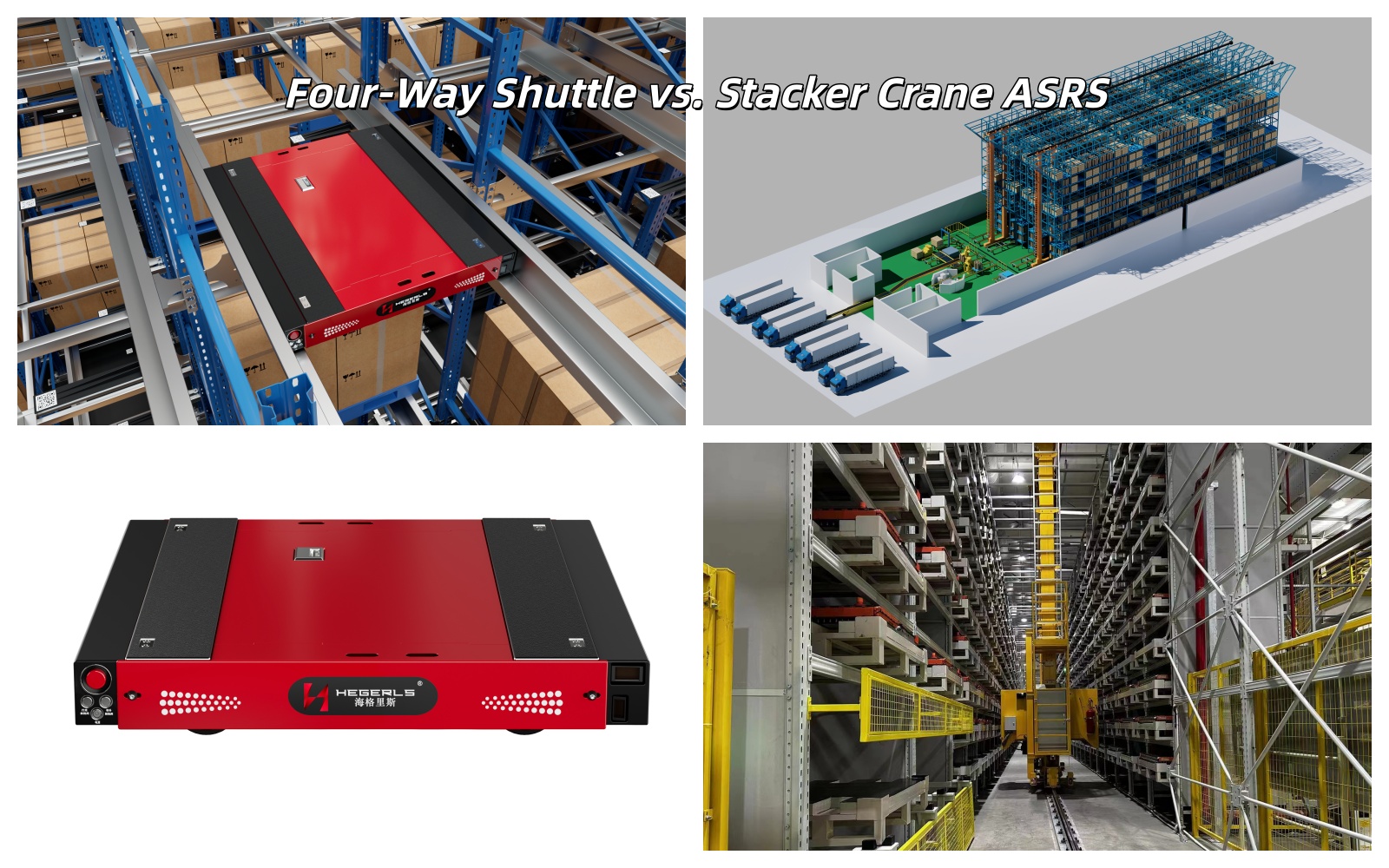
Four-Way Shuttle vs. Stacker Crane ASRS
Both technologies can provide automated high-density storage, but their strengths differ.
| Factor | Four-Way Shuttle | Stacker Crane ASRS |
| Movement | Multi-directional | Fixed aisle |
| Storage depth | Deep-lane capable | Usually single/deeper depending on design |
| Flexibility | High | Moderate |
| Redundancy | Strong potential | Depends on aisle configuration |
| High-bay capability | High | Very high |
| Multi-depth storage | Excellent | Depends on configuration |
| Best suited for | Flexible high-density storage | High-throughput high-bay pallet storage |
The right choice depends on the required storage capacity, throughput, SKU profile, building dimensions, and operational strategy.
How to Design a Four-Way Shuttle Warehouse
A professional design should start with the operational requirements rather than selecting the equipment first.
Step 1: Analyze InventoryDetermine:
|
Step 2: Define Storage RequirementsDetermine:
|
Step 3: Calculate ThroughputAnalyze:
|
Step 4: Design the Rack SystemOptimize:
|
Step 5: Select EquipmentDetermine the appropriate combination of:
|
Step 6: Integrate WMS and WCSConnect inventory management with automated equipment control. The WMS manages inventory, storage locations, and warehouse tasks, while the WCS coordinates shuttle movement, lifts, conveyors, and other automation equipment. |
Step 7: Conduct Safety and Risk AssessmentEvaluate the safety requirements of the complete system, including:
|
Step 8: Simulate the SystemSimulation can help identify:
|
A well-designed four-way shuttle warehouse should ultimately balance storage density, throughput, safety, accessibility, flexibility, and long-term scalability.
How Much Storage Density Can a Four-Way Shuttle Provide?
There is no single percentage that applies to every four-way shuttle warehouse.
Storage-density improvements depend on:
- Existing warehouse layout
- Rack height
- Pallet dimensions
- Storage depth
- Aisle width
- SKU profile
- Building footprint
- Fire protection
- Equipment configuration
For this reason, claims such as “50% more storage” or “100% higher density” should only be made when supported by a specific project comparison.
A more reliable approach is to compare:
Pallet Positions Before → Pallet Positions After
while keeping the warehouse footprint and operational requirements clearly defined.
Why Choose Zhuku for Four-Way Shuttle Solutions?
Zhuku develops integrated four way shuttle system solutions for high-density and automated storage applications.
Our solutions can combine:
- Four-way shuttles
- Four-way pallet shuttle systems
- Shuttle lifts
- Pallet conveyors
- High-density racking
- CC-WMS
- YUNTU-WCS
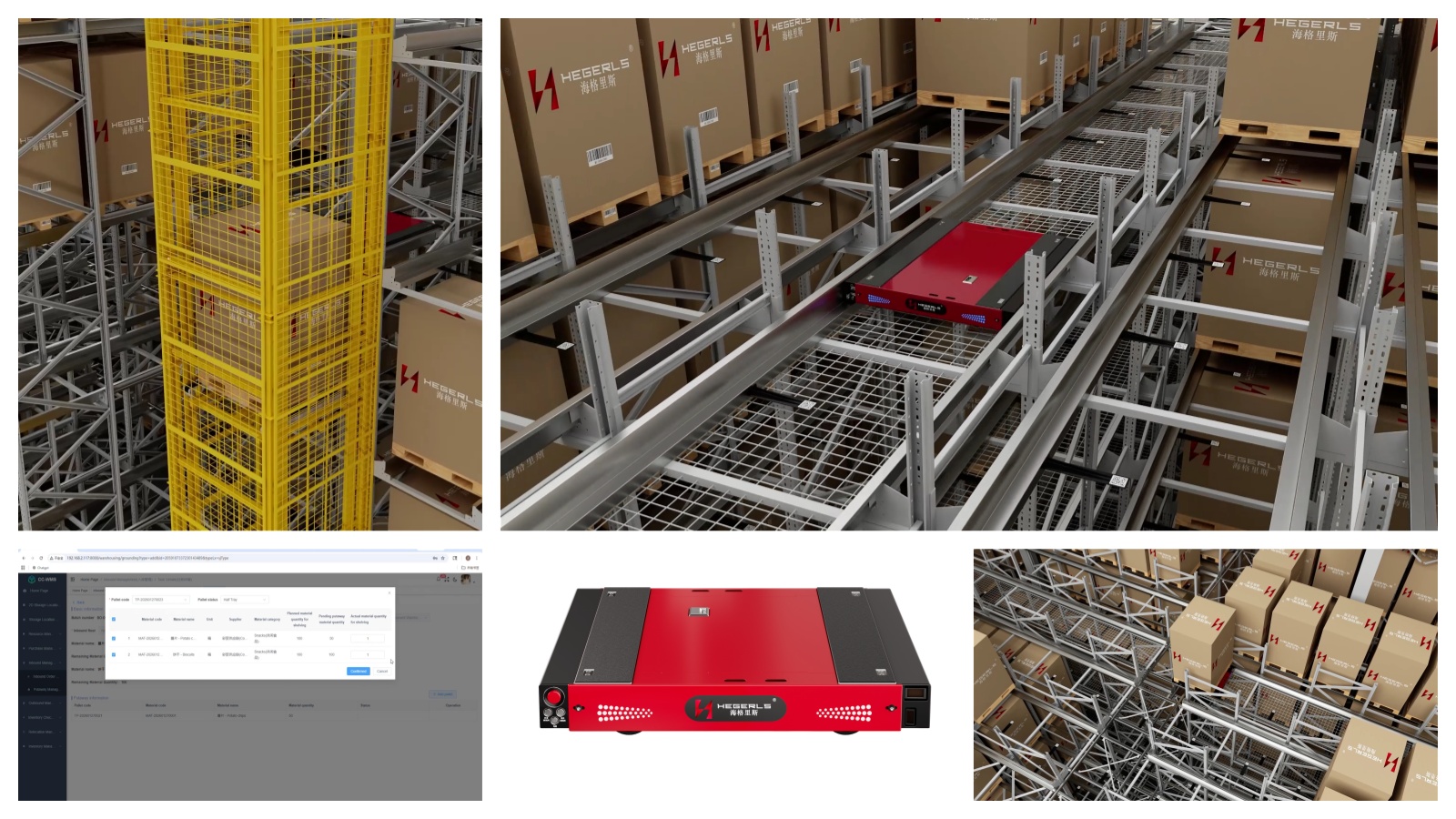
The four-way shuttle can operate as part of a complete automated storage system, allowing warehouse operators to combine high-density racking with intelligent inventory management and automated equipment control.
Zhuku can develop the system according to:
- Warehouse dimensions
- Pallet specifications
- Storage capacity
- Throughput requirements
- SKU characteristics
- Temperature conditions
- Future expansion requirements
Conclusion
A four way shuttle system improves warehouse storage density by changing how pallets move through the storage system.
Instead of designing the warehouse around large forklift aisles, the system can use multi-directional shuttle movement, deep-lane storage, vertical space, shuttle lifts, and automated control to allocate more of the warehouse footprint to storage.
The biggest advantage is not simply that the shuttle moves in four directions. Its real value comes from combining:
High-Density Racking + 4D Shuttle + Vertical Storage + WMS + WCS
This creates a flexible automated storage warehouse capable of supporting high-density pallet storage while maintaining automated storage and retrieval operations.
For companies looking to increase pallet capacity without expanding their warehouse footprint, a professionally designed four-way shuttle system can be an effective option for modern automated storage systems.
Optimize Your Warehouse with a Four-Way Shuttle System
Looking to increase warehouse storage density without expanding your warehouse footprint?
Zhuku provides integrated four way shuttle system solutions combining four-way pallet shuttles, high-density racking, shuttle lifts, conveyors, CC-WMS, and YUNTU-WCS to create flexible automated storage systems.
Whether you are planning a high-density warehouse, automated storage warehouse, ASRS system, or cold storage facility, our team can design the solution around your pallet specifications, storage capacity, throughput, and warehouse layout.
Tell us your warehouse dimensions, pallet size, required pallet positions, and inbound/outbound throughput.